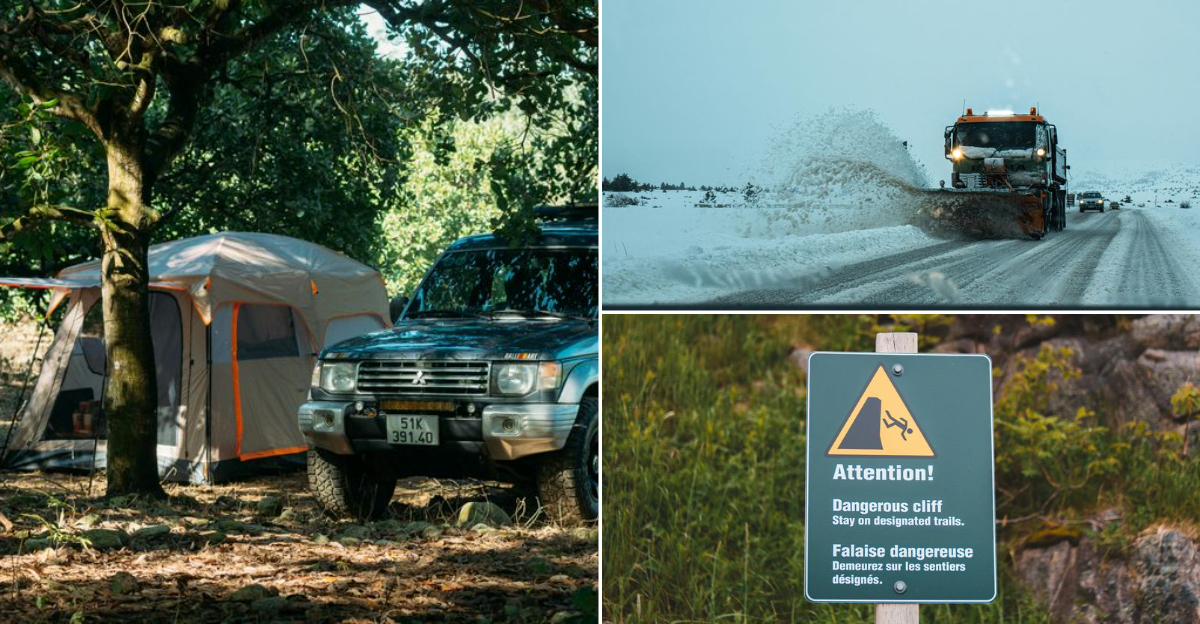
Planning a casual Alaska road trip sounds simple until the rules sneak up on you. The state is generous with space, but it also expects you to pay attention and act like a local would. Break a rule here and it is not just awkward, it can be dangerous for you and the people behind you on a lonely highway.
Stick with me and we will talk through the stuff visitors keep missing, so you can relax and actually enjoy the miles.
That includes how you handle pullouts, wildlife pauses, and stretches where help is not close. Alaska rewards awareness more than confidence, especially once towns thin out. Get those basics right, and the road opens up in the best way.
You Cannot Approach Wildlife Even For Photos
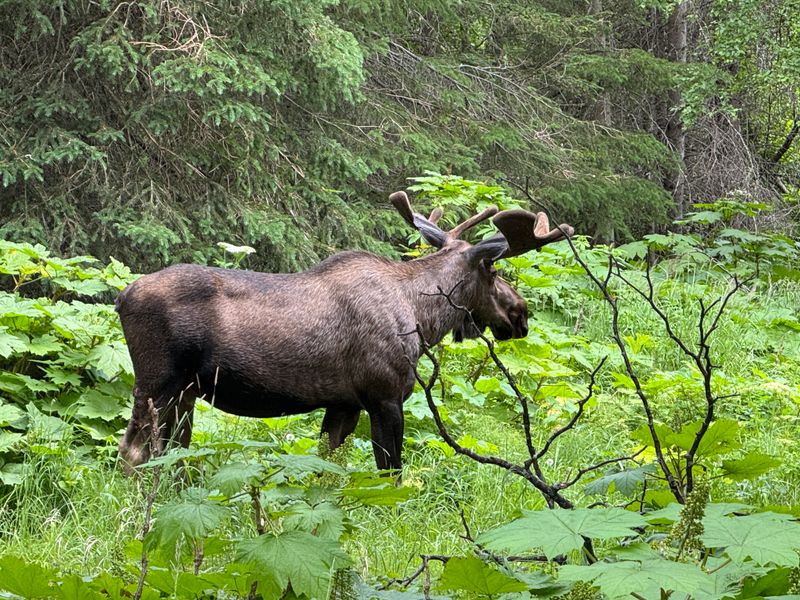
The rule is simple, and people still push it when a moose wanders near the road by Anchorage.
At Kincaid Park, 9401 Raspberry Rd, Anchorage, I have watched visitors drift closer with phones out like the animal invited them.
Wildlife officers and park staff are patient, but they are not joking about distance.
You keep back because moose and bears move faster than you and do not read your good intentions.
It is not just parks either, because neighborhoods near Earthquake Park, 5101 W Northern Lights Blvd, Anchorage, see moose right by the trail. The rule follows you, and it follows them.
If you want a safe view, hang at the Tony Knowles Coastal Trail trailheads around 1824 W 2nd Ave, Anchorage, where space and sightlines help. Bring binoculars and let the zoom do the walking.
Rangers do enforcement in Chugach State Park, 18620 Seward Hwy, Anchorage, and they are used to conversations that start with “just one photo.” Save yourself the lecture and the possible citation.
Think of it like traffic distance, except the vehicle weighs half a car and has antlers.
Your best shot is a respectful shot.
Feeding Wildlife Is Illegal Almost Everywhere
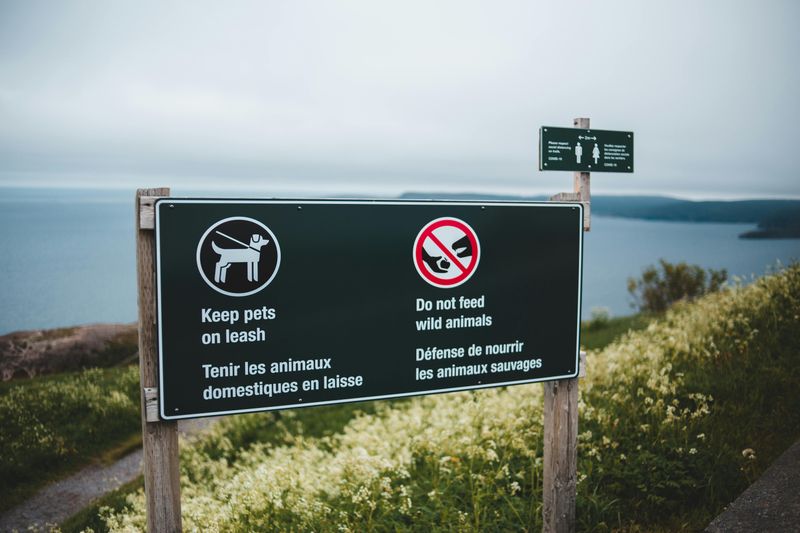
This one trips people who think tossing an apple core is friendly.
At Potter Marsh Boardwalk, 2999 E 154th Ave, Anchorage signs spell it out and still end up ignored.
Feeding changes animal behavior, pulls them toward parking lots, and turns bold fast. That ends poorly for animals and for you standing next to your rental.
Down in Seward, watch how staff at Alaska SeaLife Center, 301 Railway Ave, Seward coach folks about wild critters on the waterfront. They have seen all the wrong moves.
Even campgrounds like at Eklutna Lake, 3750 Eklutna Lake Rd, Chugiak, drill this point home with bear resistant bins. Use them, and pack out anything that smells like a snack.
When in doubt, ask at the visitor center at Kenai Fjords National Park, 1212 4th Ave, Seward.
You will get the short version and exactly where it applies that day.
Feeding feels kind in the moment and causes a mess later. Keep food to yourself and keep wildlife wild.
You Must Carry Bear Safety Gear In Some Areas
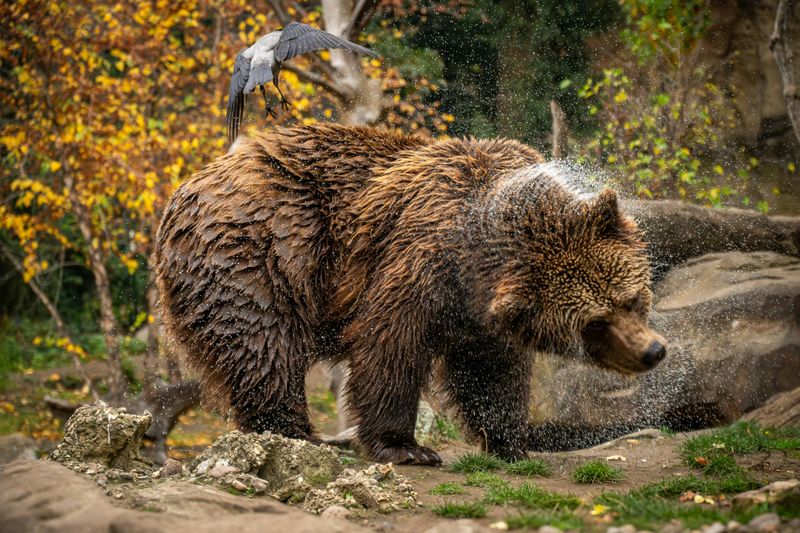
Some areas strongly expect you to carry bear spray and know how to use it.
At Flattop Trailhead, 13101 Glen Alps Rd, Anchorage the parking lot kiosk lays it out clearly.
Rangers in Chugach State Park, 18620 Seward Hwy, Anchorage will ask about your plan if you look unprepared.
That is not a quiz, that is Alaska checking your homework.
Over near Juneau, the Mendenhall Glacier Visitor Center, 6000 Glacier Spur Rd, Juneau posts alerts about bear activity on trails. The suggestion becomes a rule without anyone raising their voice.
Skagway’s Lower Dewey Lake Trailhead, 2nd Ave and Broadway, Skagway, Alaska, also sets expectations with signage. You can hike light, but Alaska does not.
Before heading out, practice removing the safety clip and aiming from the hip in a safe place. It is like a seatbelt you never plan to need.
Noise, clean camps, and smart food storage work with the spray.
Stack the odds and the trail feels a lot calmer.
Stopping On Highways For Wildlife Can Be Illegal
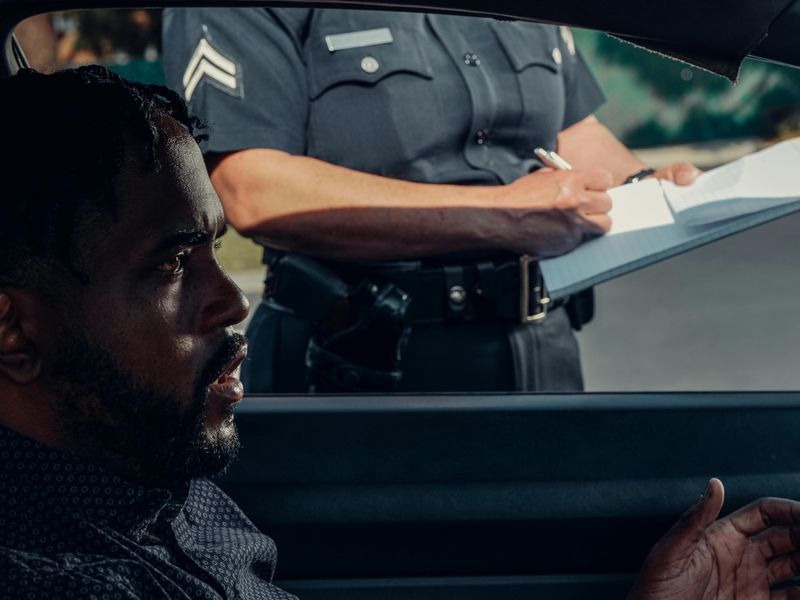
I know the urge to brake hard when a caribou steps into view, but the law wants you moving or pulled fully into a turnout.
On the Seward Highway near Bird Point, 5323 Seward Hwy, Girdwood troopers patrol for that exact scene.
Blocking a lane for a photo is traffic interference, not sightseeing. The shoulder is not a safe stage either unless it is a marked turnout.
Anchorage has designated viewpoints like Beluga Point, Milepost 110 Seward Hwy, Anchorage which exist so you do not improvise. Use them, breathe, and then grab the shot.
Up near Denali National Park Entrance, Mile 237 Parks Hwy, Healy posted pullouts handle the crowds when wildlife shows up.
Keep wheels inside the lines and hazard lights on if you must stop.
If it feels sketchy, it probably is. Keep rolling until the next turnout and circle back.
Alaska roads reward patience, and the view will still be there. Nobody remembers the blurry shoulder photo anyway.
Camping Is Restricted Even On Empty Land
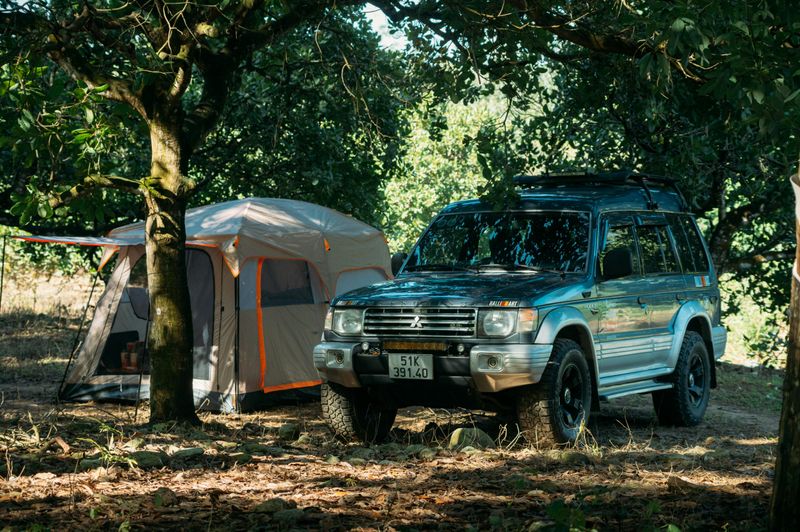
That big empty valley might be private land or part of a managed unit with permits required.
Hatcher Pass Management Area office, 7271 E Bogard Rd, Wasilla can confirm the patchwork.
Even in Denali State Park at Kesugi Ken Campground, Mile 135 Parks Hwy, Trapper Creek you stick to designated sites.
The rule exists to protect tundra that bruises easily under tires and tent stakes.
On the Kenai Peninsula, Chugach National Forest Glacier Ranger District, 145 Forest Station Rd, Girdwood sets clear camping zones. You will see signs that look polite but carry weight.
Near Fairbanks, the Bureau of Land Management office at 222 University Ave, Fairbanks, Alaska, fields questions about dispersed spots. They will even point you to legal pullouts that feel wild without being a headache.
If a spot looks untouched, treat it like a museum exhibit. Leave it exactly how you found it and maybe skip it altogether if you are unsure.
Planning ahead sounds fussy and saves a night of stress.
Alaska gives plenty of legal space when you ask first.
Littering Includes Leaving Organic Waste
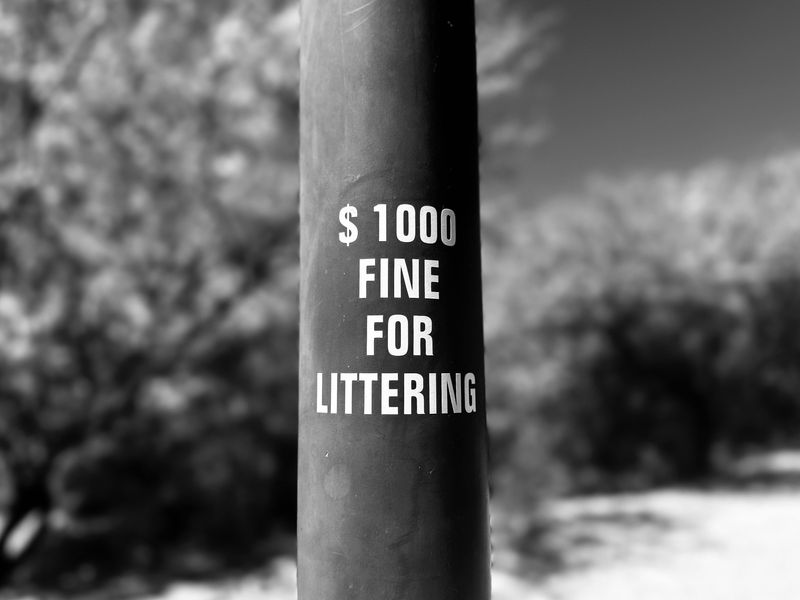
Folks think banana peels vanish, but in Alaska they linger and train animals to hang around trails.
At Chena River State Recreation Area office, 3700 Airport Way, Fairbanks the message is everywhere.
Apple cores and bread crumbs count as litter, and enforcement uses that definition. It keeps bears from connecting people with free snacks.
Along the Coastal Trail near Elderberry Park, 1297 W 5th Ave, Anchorage, I have watched gulls swarm a single dropped bag. That turns into a habit fast if we let it slide.
Down in Homer, the Alaska Islands and Ocean Visitor Center, 95 Sterling Hwy, Homer posts clear pack out rules. They maintain bins and expect you to use them.
Carry a spare trash bag in the car so the decision is easy. Your future self will not mind the tiny chore.
Leave a spot cleaner than you found it and the next traveler will notice.
That small effort really echoes in Alaska.
You Can’t Just Hike Anywhere You Want
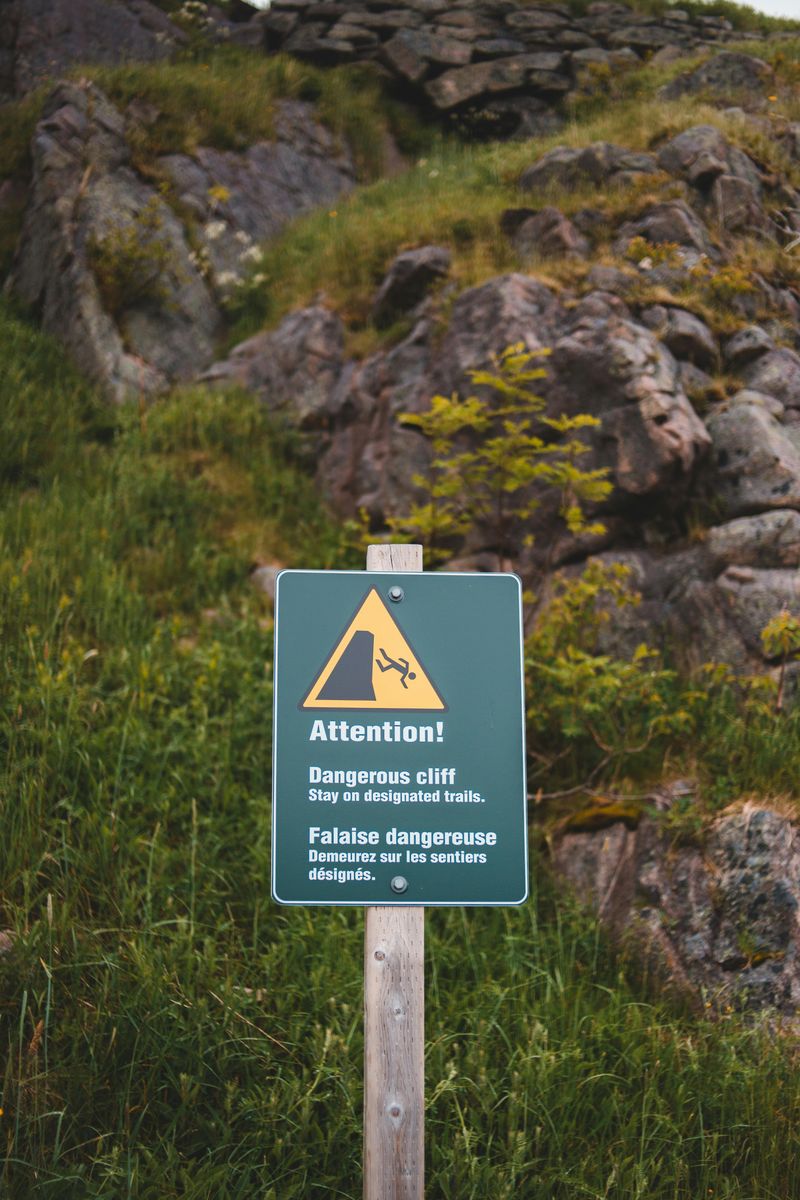
Some trails cross research zones, cultural sites, or sensitive tundra where off trail travel is restricted.
The Campbell Tract, 5311 Abbott Loop Rd, Anchorage uses signs and maps that make this crystal clear.
Boardwalks show up for a reason, usually because the ground cannot take foot traffic. Step off and you leave scars that last longer than your trip.
At Eagle River Nature Center, 32750 Eagle River Rd, Eagle River staff will gladly mark where to stay on route. They know which corners are getting hammered.
Juneau’s Rainforest Trailhead, 24 Glacier Hwy, Juneau posts closures when wildlife needs space.
That is a living rule, not a suggestion.
Keep a map with you and read the trail notes before moving. It feels like homework, and it keeps the place whole.
When you want freedom, pick a designated route that already expects it.
Alaska gives options when you meet it halfway.
Fishing Without The Correct License Is Heavily Enforced

Even quick trips need the right paperwork, and officers check routinely along popular banks.
Ship Creek Small Boat Launch, 150 N C St, Anchorage is a textbook spot for license checks.
The Alaska Department of Fish and Game office at 333 Raspberry Rd, Anchorage, will set you straight on permits and special stamps. Walk in with questions and walk out confident.
On the Kenai River near Soldotna Visitor Center, 44790 Sterling Hwy, Soldotna the boardwalk shows every rule you will need. Read it first and you will avoid a long conversation later.
Juneau’s Auke Creek area near 11300 Glacier Hwy, Juneau posts seasonal notes that change access. Follow the updates and you will keep your day simple.
Keep your license on you, not in the car.
Officers appreciate quick answers and you will appreciate keeping the line in the water.
It is straight cause and effect in Alaska. Do it right and nobody interrupts your morning.
Drone Use Is Limited Or Prohibited In Many Areas
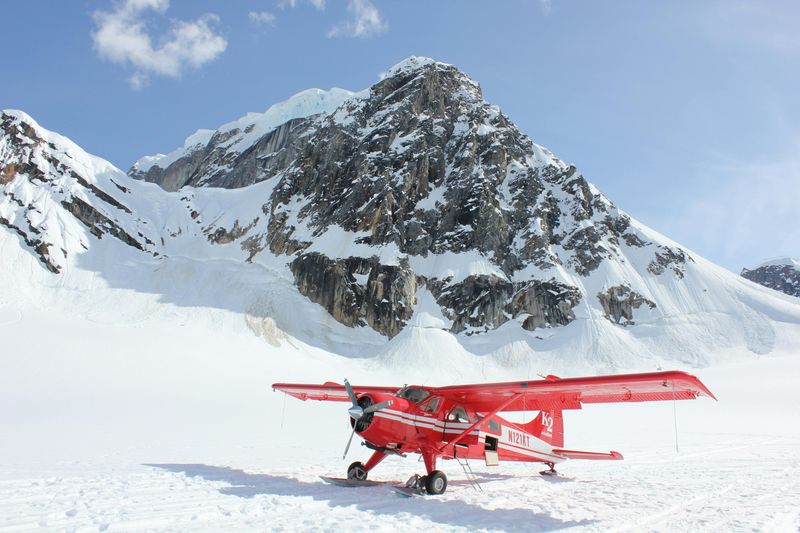
Drones and wildlife mix badly, and many Alaska parks shut them down completely.
At the Denali Visitor Center, Mile 1.5 Denali Park Rd, Denali Park you will see the policy as soon as you walk in.
Glacier Bay National Park headquarters, 1 Park Rd, Gustavus also holds a firm line for protection and silence. The rule keeps the soundscape clean for everyone.
In Anchorage, the municipal code covers spots like Point Woronzof Park, 9700 Point Woronzof Rd, Anchorage. Do not guess, because the fines are no fun.
Juneau’s Mount Roberts Tramway area, 490 S Franklin St, Juneau posts no drone signs near trail access.
Tourists still raise them and then fold fast when a ranger appears.
If you are set on aerial shots, find a designated area outside town and confirm with local authorities.
It is less romantic than a surprise flight and way less stressful.
Bring spare batteries for your patience instead. Alaska looks good from ground level too.
Failure To Yield To Snow Removal Equipment Is A Violation
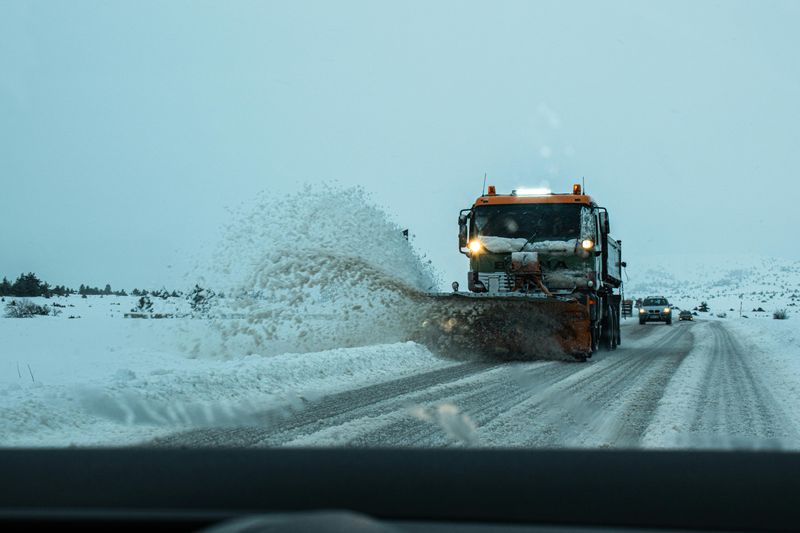
When the plows roll, you give them the lane and the space.
In Anchorage, the Street Maintenance Facility at 10901 Elmore Rd, Anchorage explains winter right of way rules.
On the Parks Highway near Wasilla, you will see convoys clearing fast, and they own the road while they work. Your job is to stay predictable and stay back.
Fairbanks Public Works, 800 Cushman St, Fairbanks teaches locals the same thing every season.
Visitors forget and end up squeezed between snowbanks.
Do not pass unless waved around by a worker or the road is fully clear. They have blind spots, and that blade is not forgiving.
Plan extra time during storms and you will never feel rushed into a bad move.
Winter driving in Alaska is more about rhythm than speed.
Let the plows win every argument and you will arrive calmer. That is the whole goal on a long cold day.
Emergency Services Expect Self-Prepared Travelers
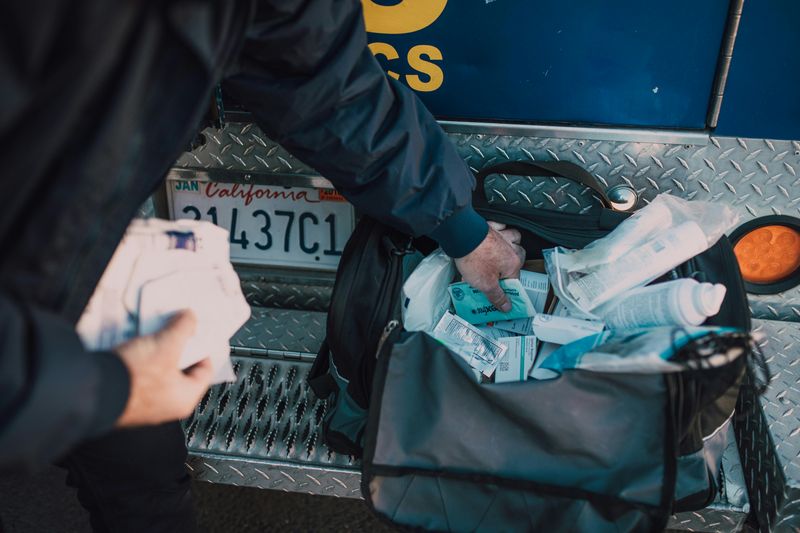
Alaska emergency crews are skilled and also expect you to carry your own basics.
At the Alaska State Troopers Headquarters, 5700 E Tudor Rd, Anchorage the message of self responsibility is clear.
Rescues happen, and unprepared travelers sometimes get billed for parts of the response. That stings way less when you packed layers, lights, and a plan.
When heading toward Worthington Glacier Recreation Site, Mile 28 Richardson Hwy, Valdez, there is good cell coverage only in patches. Leave your route with someone and set a time to check in.
Over near Talkeetna Ranger Station, 222 4th St, Talkeetna, climbers learn to think five moves ahead.
You do not need ropes for that mindset to help a simple day hike.
Carry a paper map, a charged battery pack, and a real first aid kit. It feels old school until the signal drops and the wind rises.
Prepared travelers make easier stories for everyone. That is a quiet rule worth following in Alaska.
Dear Reader: This page may contain affiliate links which may earn a commission if you click through and make a purchase. Our independent journalism is not influenced by any advertiser or commercial initiative unless it is clearly marked as sponsored content. As travel products change, please be sure to reconfirm all details and stay up to date with current events to ensure a safe and successful trip.
