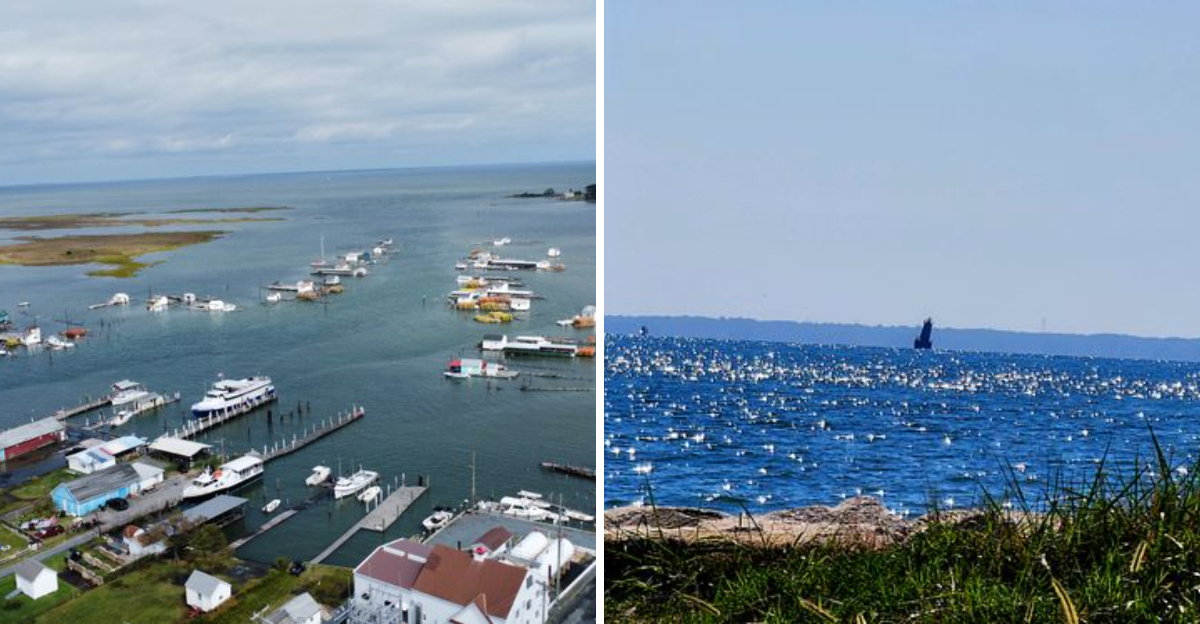
Virginia’s coastline holds secrets that most travelers never discover. Beyond the crowded beaches and popular resort towns, a collection of quiet islands waits to be explored.
These hidden gems offer a chance to unplug, unwind, and reconnect with nature in ways that feel increasingly rare in our busy world.
From remote barrier islands accessible only by boat to peaceful river retreats with no electricity, these destinations promise something special. You won’t find noisy boardwalks or high-rise hotels here.
Instead, expect wild ponies grazing on windswept dunes, pristine beaches where your footprints might be the only ones, and small communities where life moves at a slower, more intentional pace.
Whether you’re drawn to birdwatching in untouched marshlands, exploring historic fishing villages, or simply sitting on an empty beach listening to the waves, Virginia’s lesser-known islands deliver authentic experiences. Pack your sense of adventure and prepare to discover coastal treasures that feel worlds away from everyday life, yet remain surprisingly accessible for those willing to venture off the beaten path.
1. Tangier Island
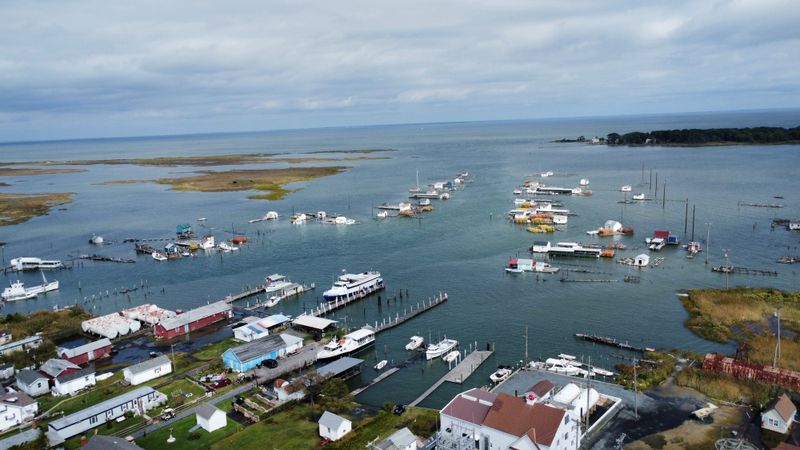
Stepping onto Tangier Island feels like traveling back in time. Located twelve miles off the coast in the Chesapeake Bay, this remote community is accessible only by boat or small plane, which immediately sets the tone for your visit.
The journey itself becomes part of the adventure, as you leave the mainland behind and watch the island emerge from the water.
What makes Tangier truly unique is its people and their way of life. Residents speak with a distinctive English dialect that linguists find fascinating, a linguistic treasure that has been preserved through centuries of isolation.
The island’s heritage centers around crabbing, and you’ll see evidence of this everywhere you look, from the crab shanties lining the waterfront to the workboats bobbing in the harbor.
Cars are essentially absent here. Instead, locals navigate the narrow streets by golf cart, bicycle, or on foot, creating a peaceful atmosphere where the loudest sounds are often seagulls and the gentle hum of electric carts.
This car-free environment makes Tangier especially appealing for families with children who can safely explore without constant traffic concerns.
The island’s small size means you can walk from one end to the other in less than an hour. Yet there’s something deeply satisfying about this simplicity.
You can watch watermen head out at dawn, visit the tiny museum to learn about island history, or simply sit by the water and watch the world slow down.
Tangier faces challenges from rising sea levels, which adds poignancy to any visit. This makes experiencing the island’s unique culture and landscape feel all the more precious.
The community’s resilience and determination to preserve their way of life creates a powerful connection between visitors and residents.
Address: Tangier Island, VA 23440, United States
2. Assateague Island
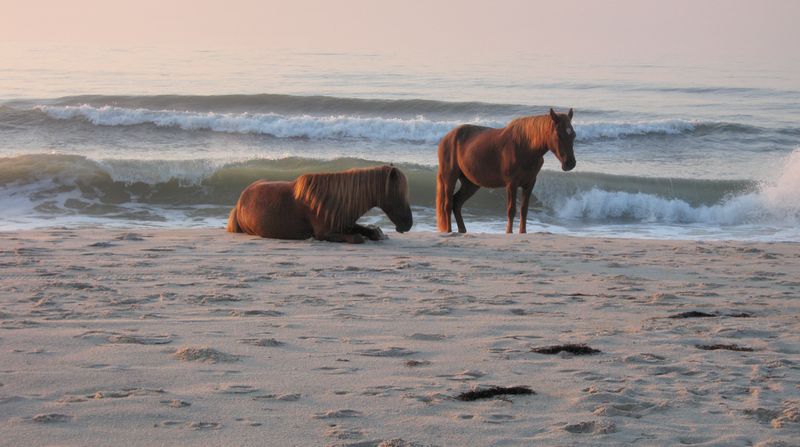
Wild ponies wandering freely along windswept beaches create scenes that seem almost mythical. Assateague Island stretches thirty-seven miles along the Atlantic coast, and while many know about its famous equine residents, the Virginia end remains remarkably undeveloped compared to bustling nearby resorts.
This contrast makes it a sanctuary for those seeking genuine wilderness experiences.
Miles of untouched beaches extend in both directions, offering solitude that’s increasingly hard to find along the East Coast. The sand feels different here, somehow cleaner and more natural, unspoiled by commercial development.
Maritime forests inland from the dunes provide shaded trails perfect for quiet hiking when the midday sun grows intense.
Birdwatchers find paradise in these varied habitats. Over three hundred species have been documented on the island, from tiny sandpipers darting along the surf to majestic herons stalking through marshes.
Bring binoculars and patience, and you’ll be rewarded with sightings that make your field guide come alive.
The ponies themselves require respectful distance despite their gentle appearance. These are wild animals that have adapted to harsh coastal conditions over centuries.
Watching them graze among the dunes or wade through shallow pools provides unforgettable moments, but remember to observe from afar for both your safety and theirs.
Camping opportunities allow you to experience the island overnight, falling asleep to ocean waves and waking to sunrise over the Atlantic. Even day visitors leave feeling refreshed by the combination of sea air, natural beauty, and the simple joy of watching wild creatures live freely in their native habitat.
Virginia’s portion of Assateague maintains a deliberately low-key atmosphere that honors the landscape’s wild character rather than trying to tame it.
Address: Assateague Island, Virginia 23336, United States
3. Hog Island
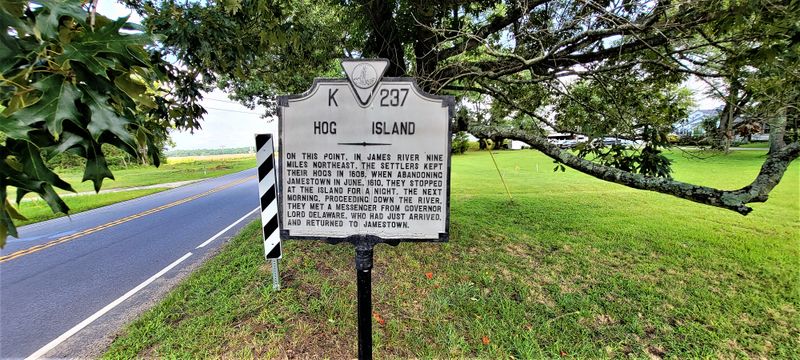
Ghosts of a vanished community linger on Hog Island, though nature has reclaimed what humans once built. This barrier island once supported a thriving village complete with homes, a school, and a Coast Guard station.
Today, it stands as a managed bird sanctuary owned by The Nature Conservancy, offering visitors a glimpse of what coastal Virginia looked like before development transformed so many shorelines.
The island’s transformation from inhabited settlement to wildlife refuge tells a powerful story about nature’s resilience. Storms and erosion eventually forced residents to abandon their homes, and the island has since become a critical habitat for nesting shorebirds and migratory species.
Walking these beaches, you might spot remnants of the old community, physical echoes of lives once lived here.
Access remains carefully controlled to protect sensitive ecosystems. The Nature Conservancy opens Hog Island for low-impact day use, welcoming hikers and photographers who appreciate pristine environments.
This limited access ensures that the island’s ecological value remains intact while still allowing people to experience its unique beauty.
Photographers find endless inspiration in the interplay of light, water, and wildlife. Golden hour transforms the landscape into something almost otherworldly, with long shadows stretching across dunes and birds silhouetted against brilliant skies.
Every season brings different opportunities, from summer’s nesting activity to winter’s stark, minimalist beauty.
The truly untouched quality of Hog Island sets it apart. No facilities, no development, no signs of modern life beyond the occasional research equipment.
You carry in everything you need and carry out everything you bring, leaving nothing but footprints that the next tide will erase.
This commitment to preservation creates an experience that feels increasingly rare, a chance to witness coastal ecosystems functioning as they have for thousands of years.
Address: Hog Island, Virginia, United States (Access through The Nature Conservancy)
4. Smith Island
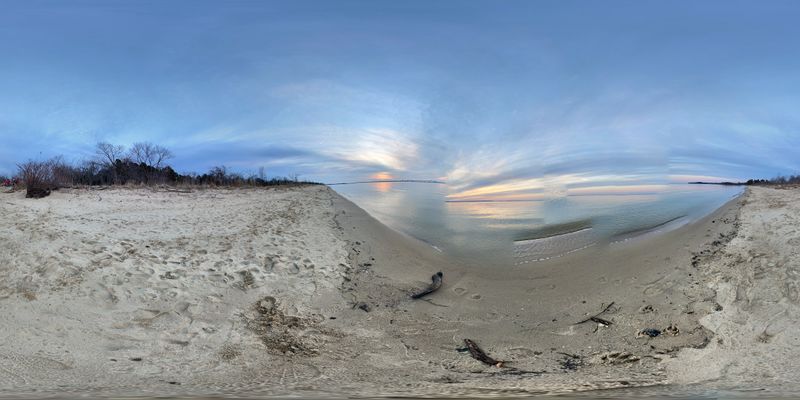
Total isolation becomes reality on Smith Island, another barrier island treasure managed by The Nature Conservancy. Open for seasonal day use only, this wild landscape offers an escape so complete that modern infrastructure simply doesn’t exist here.
For travelers seeking to disconnect entirely from the connected world, few destinations deliver this promise more authentically.
The boat ride to Smith Island builds anticipation as civilization gradually disappears behind you. Eventually, you arrive at shores where human impact remains minimal, where nature operates according to its own rhythms rather than accommodating visitor convenience.
This raw quality appeals to adventurous souls who value authenticity over amenities.
Pristine natural scenery unfolds in every direction. Dunes rise and fall in graceful curves shaped by wind and tide.
Marsh grasses wave in the breeze, creating hypnotic patterns of movement. The sky seems bigger here somehow, unobstructed by buildings or trees, allowing weather systems to put on dramatic displays as they move across the water.
Seasonal access restrictions protect nesting birds during critical breeding periods. Planning your visit requires checking current regulations, but this small inconvenience serves a larger purpose.
The birds that depend on Smith Island for survival matter more than unlimited human access, a perspective that thoughtful visitors appreciate and respect.
Bring everything you need for your day trip because there’s nowhere to purchase supplies or seek shelter if weather turns challenging. This self-sufficiency requirement filters out casual tourists, ensuring that those who make the effort truly value what the island offers.
The silence on Smith Island can be profound. Without traffic, voices, or mechanical sounds, you become aware of natural acoustics, the whisper of wind through grasses, the distant call of seabirds, the rhythmic pulse of waves meeting shore.
Address: Smith Island, Virginia, United States (Access through The Nature Conservancy)
5. Wreck Island Natural Area Preserve
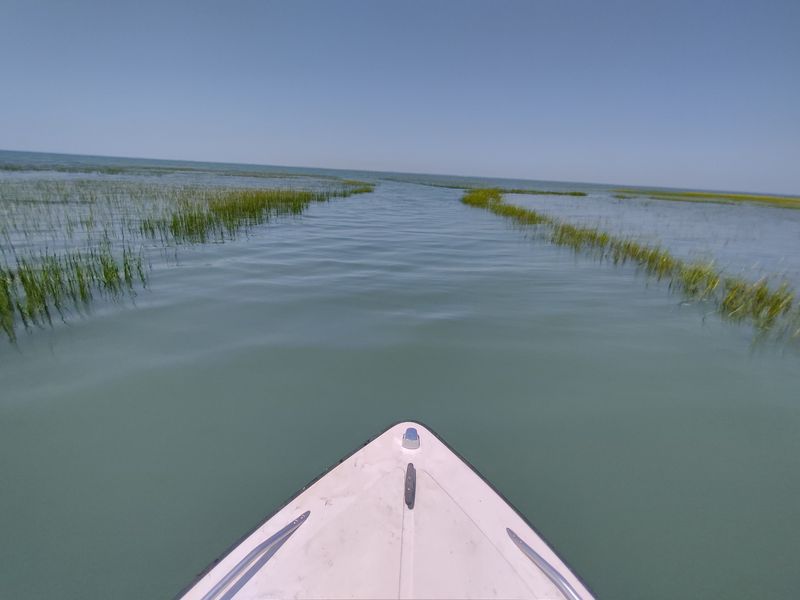
Owned by the Commonwealth of Virginia, Wreck Island operates under a unique management approach that balances public access with wildlife protection. The island closes completely from mid-April through the end of August, creating an undisturbed sanctuary for nesting birds during their most vulnerable season.
Outside these months, visitors can explore this remarkable preserve and witness coastal ecosystems thriving under careful stewardship.
Located near Cape Charles, the preserve represents Virginia’s commitment to maintaining wild spaces along its developed coastline. Development pressure throughout the region makes places like Wreck Island increasingly valuable, serving as refuges where natural processes continue largely uninterrupted by human activity.
During open months, the island welcomes respectful visitors who understand and follow leave-no-trace principles. Walking the beaches reveals treasures that wash ashore with each tide, from interesting shells to sea glass smoothed by years of tumbling in the waves.
Beachcombing here feels like a treasure hunt where every find tells a story about the ocean’s power and generosity.
The preserve’s designation provides legal protection that ensures its wild character will endure for future generations. This long-term perspective offers hope in an era when coastal development often prioritizes short-term profit over ecological sustainability.
Knowing that Wreck Island will remain wild creates a sense of security for conservationists and nature lovers alike.
Seasonal closure might seem restrictive, but it actually enhances the experience during open periods. Birds that successfully nest during summer months remain in the area, and observing them with their young creates powerful connections to the life cycles playing out all around you.
The preserve’s natural beauty speaks for itself without requiring interpretation or enhancement. Dunes, beaches, and marshes exist in their authentic state, offering visitors a chance to experience Virginia’s barrier islands as they’ve existed for millennia.
Address: Cape Charles, VA 23310, United States
6. Sharp’s Island
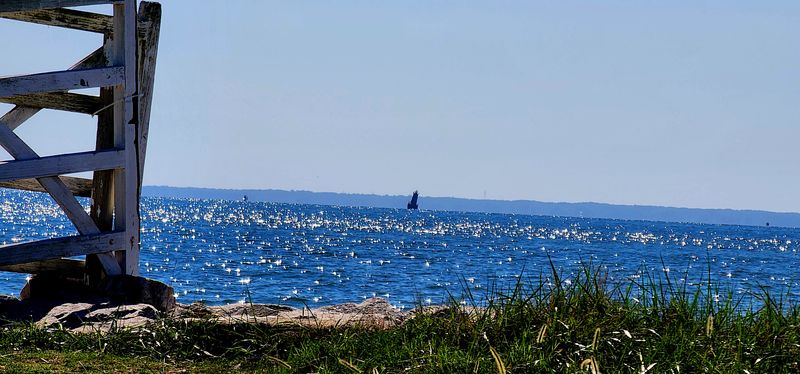
Imagine your own private island retreat on the James River near Richmond. Sharp’s Island makes this fantasy accessible through rentals that offer day use or overnight stays in a rustic cabin or your own tent.
This concept of a rentable island oasis appeals to groups of friends, families, or even solo travelers seeking complete immersion in nature.
The absence of Wi-Fi and running water transforms from inconvenience to liberation once you adjust to the rhythm of island life. Without digital distractions, conversations deepen, observations sharpen, and the present moment becomes more vivid.
This forced disconnection allows genuine rest in ways that partial unplugging never quite achieves.
Preparations for an island stay require thoughtful planning. You’ll need to bring all food, water, and supplies for your visit, creating a sense of self-reliance that most modern life eliminates.
This preparation becomes part of the adventure, building anticipation as you gather everything needed to sustain yourself in this beautiful isolation.
The James River flows past with steady purpose, its currents and eddies creating ever-changing patterns on the water’s surface. Fishing from the shore provides both sport and potential sustenance, though many visitors find simply watching the river equally satisfying.
The water’s movement creates a meditative quality, helping minds settle and worries drift downstream.
Nights on Sharp’s Island reveal star-filled skies largely free from light pollution. The darkness feels complete in ways city dwellers rarely experience, allowing the Milky Way to emerge in all its glory.
Sitting around a campfire under these stars, you might find yourself contemplating questions and ideas that busy daily life usually crowds out.
Morning arrives with birdsong and sunrise painting the river in shades of gold and pink. This simple beauty, experienced without the buffer of screens or schedules, reminds you why people have always sought refuge in wild places.
Address: Sharp’s Island, James River near Richmond, Virginia, United States
7. Big Island
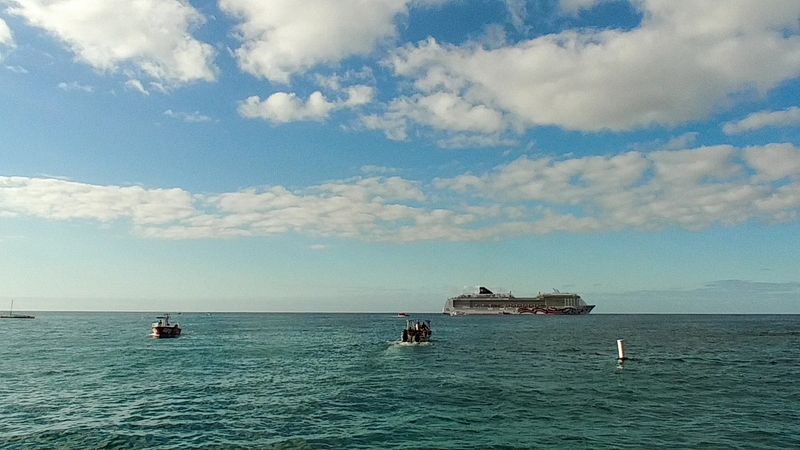
Near Gloucester and Mathews in the Chesapeake Bay, Big Island earns its description as a last frontier. Beautiful, uncrowded beaches stretch along its shores, offering experiences that feel increasingly rare as development claims more and more coastline.
The island’s lesser-known status works in visitors’ favor, keeping crowds minimal and preserving the sense of discovery that makes exploration so rewarding.
Getting to Big Island requires boat access, which immediately filters the visitor pool. Those willing to arrange water transportation find themselves rewarded with beaches where finding solitude rarely poses a challenge.
On weekdays especially, you might have entire stretches of sand essentially to yourself, a luxury worth far more than any resort amenity.
The Chesapeake Bay’s unique character shapes Big Island’s environment. Unlike ocean-facing barrier islands with their crashing surf, bay islands offer gentler waters and different ecosystems.
This creates ideal conditions for activities like kayaking, where calmer waters allow even beginners to explore confidently along the shoreline.
Shelling on Big Island produces finds distinct from Atlantic beaches. Bay shells show different characteristics, shaped by brackish water rather than pure saltwater.
Collectors appreciate this variety, and children delight in discovering specimens they haven’t seen before, each one a small treasure to examine and admire.
The island’s frontier quality means you won’t find commercial development or tourist facilities. This absence of infrastructure defines the experience, creating an environment where nature takes center stage and visitors adapt to the landscape rather than expecting the landscape to accommodate them.
Local knowledge helps maximize your Big Island visit. Talking with residents in nearby Gloucester or Mathews can provide insights about best access points, current conditions, and hidden spots worth exploring.
These conversations often become highlights themselves, connecting you with people whose lives revolve around the bay’s rhythms and seasons.
Address: Big Island, Chesapeake Bay near Gloucester/Mathews, Virginia, United States
8. Chincoteague Island
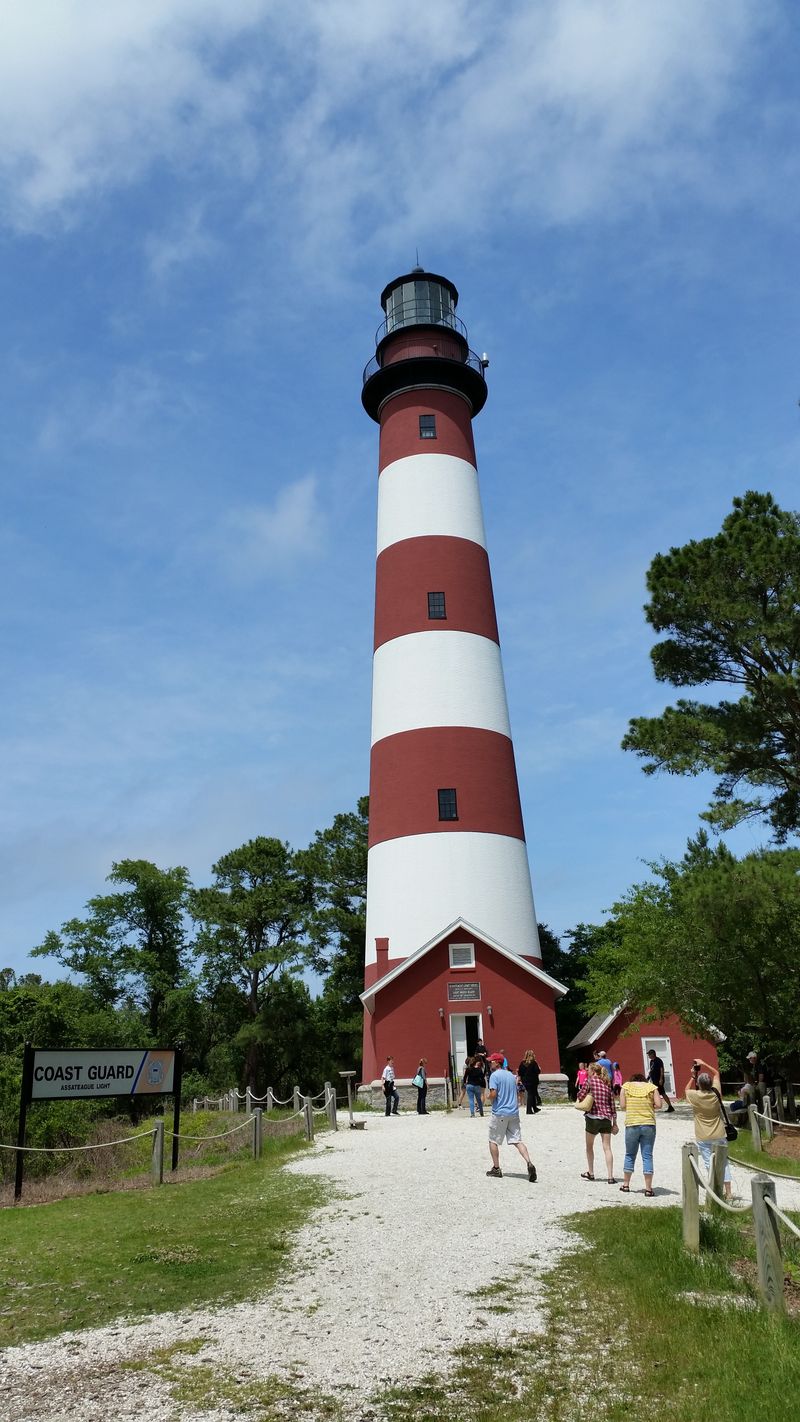
Chincoteague holds the distinction of being Virginia’s only resort island, yet it maintains a character completely different from typical resort destinations. High-rise hotels and noisy boardwalks are conspicuously absent.
Instead, simple inns and seafood markets define the landscape, creating an atmosphere that feels more like a working fishing village that welcomes visitors than a purpose-built tourist destination.
This low-key approach to tourism appeals to travelers tired of overdeveloped beach towns where commercialism overwhelms authentic local character. Chincoteague respects its heritage while accommodating guests, striking a balance that benefits both residents and visitors.
You can enjoy comfortable lodging and good meals while still feeling connected to the island’s genuine personality.
The island serves as the gateway to Assateague, making it an ideal base for exploring the more remote barrier island. After a day hiking or watching wild ponies, returning to Chincoteague provides welcome comforts without jarring transitions back to full civilization.
This intermediate position between wilderness and development creates unique value.
Local seafood markets offer opportunities to purchase fresh catches and prepare your own meals if you have cooking facilities. Even if you eat at restaurants, the focus on locally sourced seafood ensures authentic flavors that reflect the island’s maritime heritage.
Every bite connects you more deeply to this place and the waters that surround it.
Chincoteague’s fame grew through the annual pony swim, where wild horses from Assateague cross the channel in a tradition that draws crowds from around the country. Even outside this event, the island’s connection to these iconic animals remains central to its identity and appeal.
Walking or biking around Chincoteague reveals charming details that driving would miss. Small galleries showcase local artists, modest homes display carefully tended gardens, and waterfront views appear around unexpected corners, rewarding those who explore at a slower pace.
Address: Chincoteague Island, Virginia 23336, United States
9. Mockhorn Island Wildlife Management Area
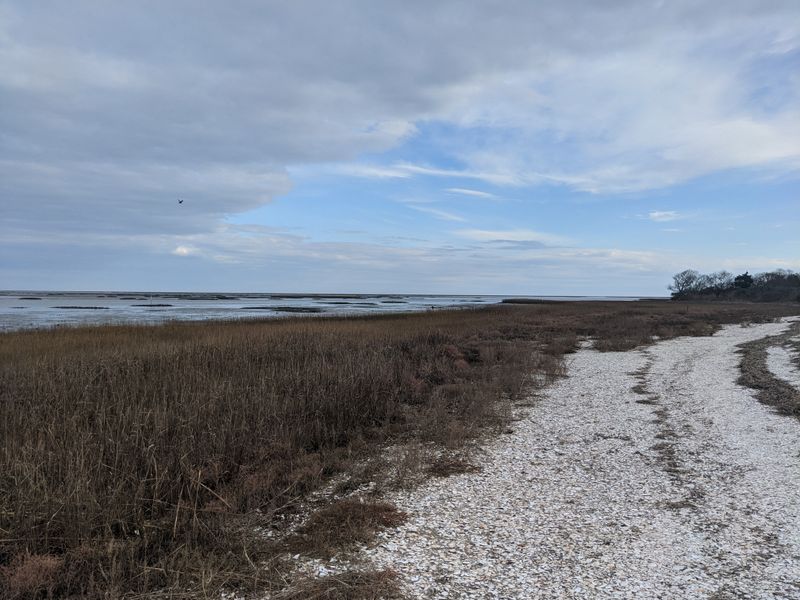
Part of Virginia’s chain of Eastern Shore barrier islands, Mockhorn Island Wildlife Management Area exemplifies the wild, undeveloped nature that characterizes this remarkable coastal region. State ownership ensures public access while maintaining the island’s ecological integrity through careful management and seasonal restrictions that protect vulnerable species during critical periods.
The Wildlife Management Area designation indicates serious commitment to conservation. These aren’t parks designed primarily for recreation, though recreation certainly occurs here.
Instead, they’re working landscapes managed to support healthy populations of native wildlife while allowing compatible human uses that don’t compromise conservation goals.
Mockhorn’s barrier island environment creates diverse habitats within a relatively small area. Beach and dune systems transition into maritime forests and marshes, each zone supporting distinct plant and animal communities.
This diversity makes every visit interesting, as different areas reveal different natural treasures depending on season and conditions.
Hunting and fishing occur during appropriate seasons, managed through regulations designed to ensure sustainable harvests. Even if you don’t participate in these activities, knowing that wildlife populations remain healthy enough to support carefully controlled hunting provides evidence of successful conservation management.
Seasonal restrictions might limit access during certain periods, but these closures serve essential purposes. Nesting shorebirds face enough challenges without added human disturbance during breeding season.
Respecting closures demonstrates commitment to conservation values that extend beyond personal convenience.
The Eastern Shore’s barrier islands form a chain of wild places that together create an ecological system of immense importance. Mockhorn represents one link in this chain, connected to neighboring islands through shared water, weather, and wildlife populations that move freely between these protected areas.
Experiencing Mockhorn Island helps visitors understand why barrier islands matter so profoundly. These dynamic landscapes protect mainland areas from storm surge while providing irreplaceable habitat for species that exist nowhere else.
Address: Cape Charles, VA 23310, USA
10. Cobb Island
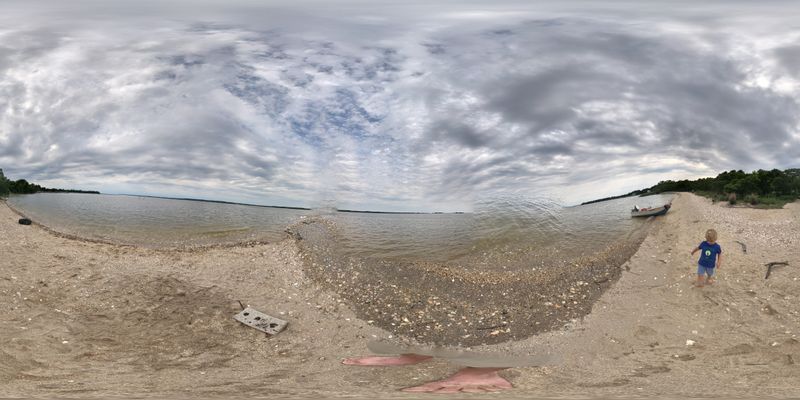
Another jewel in The Nature Conservancy’s collection of protected barrier islands, Cobb Island allows peaceful recreational activities like surf fishing and beachcombing in settings that feel genuinely remote. The organization’s ownership ensures that development will never compromise the island’s wild character, providing security for both wildlife and future visitors who will inherit these protected landscapes.
Surf fishing from Cobb Island’s beaches offers sport in spectacular surroundings. Standing in the surf with rod in hand, you become part of the coastal environment rather than merely observing it.
Whether fish are biting or not, the experience itself provides value, connecting you to traditions that stretch back generations along these shores.
Beachcombing reveals the ocean’s generosity with each tide. Shells, driftwood, sea glass, and other treasures appear in constantly changing arrangements, creating a treasure hunt that never grows old.
Children especially love this activity, but adults often find themselves equally absorbed in the search for that perfect specimen.
The remote setting means you’ll need to be self-sufficient during your visit. No facilities exist on the island, so careful planning ensures you have everything needed for a safe, comfortable day.
This requirement for preparation filters out unprepared visitors, helping maintain the island’s peaceful atmosphere. The Nature Conservancy’s management approach balances access and protection thoughtfully.
By allowing low-impact recreation while prohibiting activities that would damage sensitive habitats, they create opportunities for people to connect with nature without loving these places to death through overuse.
Visiting Cobb Island supports conservation efforts simply through demonstrating that protected wild places hold value for people.
When communities see that preserved islands attract respectful visitors who appreciate natural beauty, support for conservation grows, creating positive feedback loops that benefit both nature and people.
The island’s beauty speaks eloquently without requiring enhancement or interpretation, offering experiences that restore perspective and remind us why wild places matter so profoundly in our increasingly developed world.
Address: Cobb Island, Virginia, United States (Access through The Nature Conservancy)
Dear Reader: This page may contain affiliate links which may earn a commission if you click through and make a purchase. Our independent journalism is not influenced by any advertiser or commercial initiative unless it is clearly marked as sponsored content. As travel products change, please be sure to reconfirm all details and stay up to date with current events to ensure a safe and successful trip.
