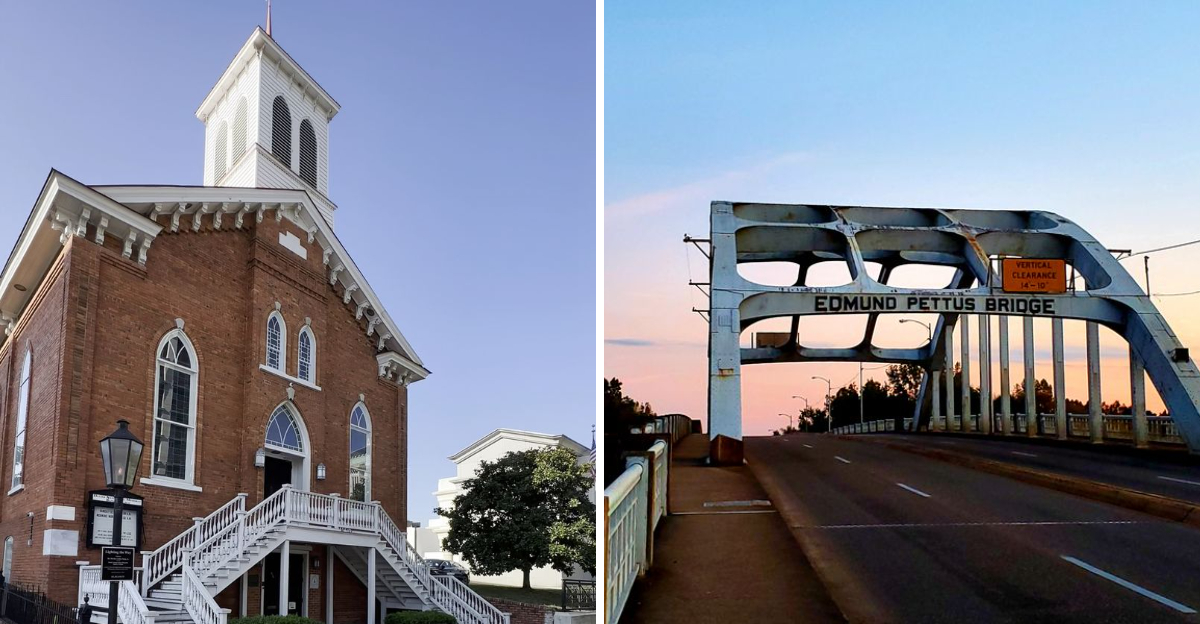
Alabama holds a special place in American history as the heartbeat of the Civil Rights Movement during the 1950s and 1960s.
From the streets of Montgomery where Rosa Parks sparked a revolution to the bridge in Selma where marchers faced unimaginable courage, this state witnessed moments that changed the nation forever.
Traveling through Alabama’s Civil Rights Trail offers more than just history lessons; it provides a deeply moving experience that connects visitors to the brave individuals who fought for justice and equality.
Whether you’re drawn to powerful memorials, historic churches, or museums that preserve these crucial stories, Alabama’s landmarks invite travelers to walk in the footsteps of heroes and understand the profound sacrifices made for freedom.
1. 16th Street Baptist Church, Birmingham

Standing proudly in downtown Birmingham, this sacred place represents both unspeakable tragedy and unwavering resilience in the face of hatred.
On a quiet Sunday morning in September 1963, four young girls arrived for church services, excited about Youth Day activities and their roles in the congregation.
Addie Mae Collins, Cynthia Wesley, Carole Robertson, and Carol Denise McNair never made it to the sanctuary that day.
A bomb planted by white supremacists exploded in the church basement, killing all four children and injuring more than twenty others in an act of domestic terrorism that shocked the world.
The bombing became a turning point in the Civil Rights Movement, galvanizing support across racial and geographic lines for federal civil rights legislation.
Today, visitors can tour the church and see the restored sanctuary where Dr. Martin Luther King Jr. delivered the eulogy for three of the victims.
The basement area where the bomb detonated has been preserved as a memorial space, with photographs and artifacts telling the story of that devastating morning.
Stained glass windows throughout the church, including the famous Wales Window depicting a Black Christ with outstretched arms, serve as symbols of reconciliation and hope.
The church remains an active congregation, continuing its ministry while serving as a living memorial to the four girls whose deaths helped awaken America’s conscience.
Walking through these halls, visitors feel the weight of history and the power of a community that refused to be broken by violence.
Address: 1530 6th Avenue North, Birmingham, Alabama
2. Edmund Pettus Bridge, Selma
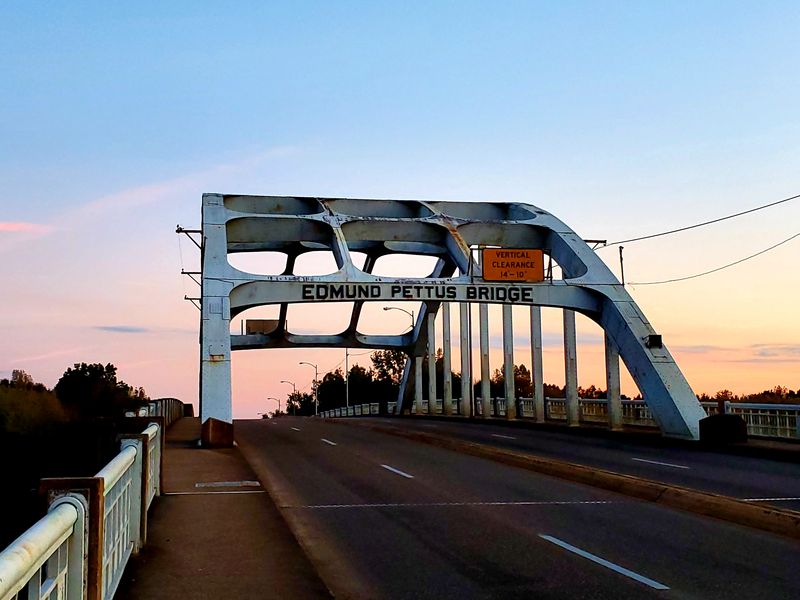
This steel arch bridge crossing the Alabama River has become one of the most recognizable symbols of the voting rights struggle in American history.
Named after a Confederate general and Ku Klux Klan leader, the bridge ironically became the site where courageous activists challenged the very systems of oppression its namesake represented.
On March 7, 1965, approximately 600 peaceful marchers set out from Selma toward Montgomery to demand voting rights for African Americans.
Led by John Lewis and Hosea Williams, the marchers crossed the bridge only to be met by state troopers and local police armed with clubs, whips, and tear gas.
Television cameras captured the brutal attack as officers beat marchers mercilessly in what became known as Bloody Sunday.
Images of the violence broadcast into American living rooms that evening sparked national outrage and brought unprecedented attention to the voting rights cause.
Two weeks later, protected by federal troops, Dr. Martin Luther King Jr. led thousands of marchers across the same bridge on their successful journey to Montgomery.
This march directly contributed to President Lyndon Johnson signing the Voting Rights Act into law five months later.
Today, visitors can walk across the bridge, pausing at the crest where marchers first saw the line of troopers waiting below.
Every March, thousands return to commemorate Bloody Sunday and honor those who risked everything for the fundamental right to vote.
The bridge stands as a testament to both the brutality of oppression and the triumph of peaceful resistance.
3. Freedom Rides Museum, Montgomery
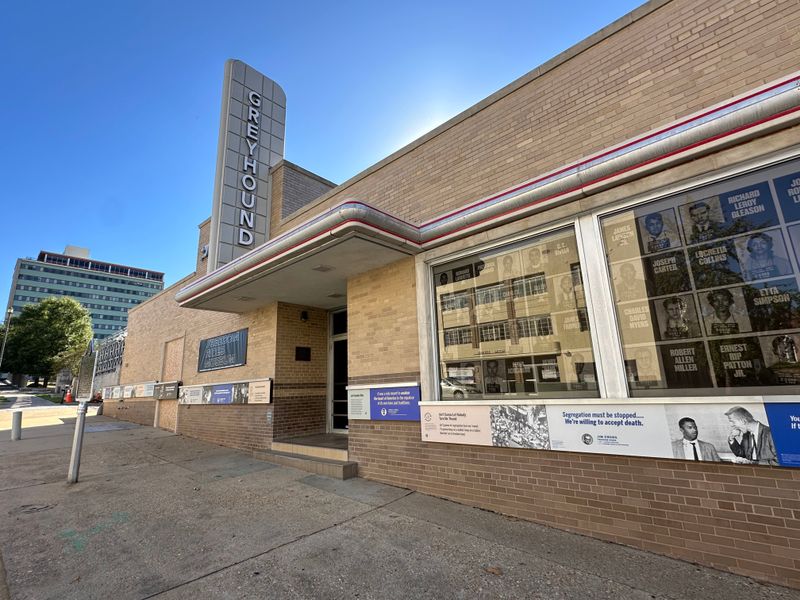
Housed in the restored Greyhound Bus Station where violence erupted in 1961, this museum preserves the story of brave individuals who challenged segregation on interstate travel.
The Freedom Riders were Black and white activists who boarded buses together, deliberately violating Southern segregation laws to force federal intervention.
When their bus arrived at this Montgomery station on May 20, 1961, an angry mob of over a thousand white residents attacked the riders with baseball bats, pipes, and fists.
John Seigenthaler, a Justice Department official sent to observe, was knocked unconscious trying to protect riders from the violence.
The brutal attack, like others throughout the South, drew international condemnation and embarrassed the Kennedy administration into taking stronger action against segregation.
Walking through the restored waiting rooms, visitors see the separate facilities that once divided travelers by race, a stark reminder of legalized discrimination.
Original benches, ticket counters, and restroom signs have been preserved exactly as they appeared during the Jim Crow era.
Interactive exhibits allow visitors to listen to firsthand accounts from Freedom Riders describing their motivations, fears, and experiences during the dangerous journey.
Photographs and news footage document both the violence the riders faced and the dignity with which they endured it.
The museum honors not just the famous activists but also the ordinary people who showed extraordinary courage by simply claiming their right to equal treatment.
Standing in the space where history unfolded, visitors gain deeper appreciation for the personal risks individuals accepted in pursuit of justice.
Address: 210 South Court Street, Montgomery, Alabama
4. National Voting Rights Museum, Selma
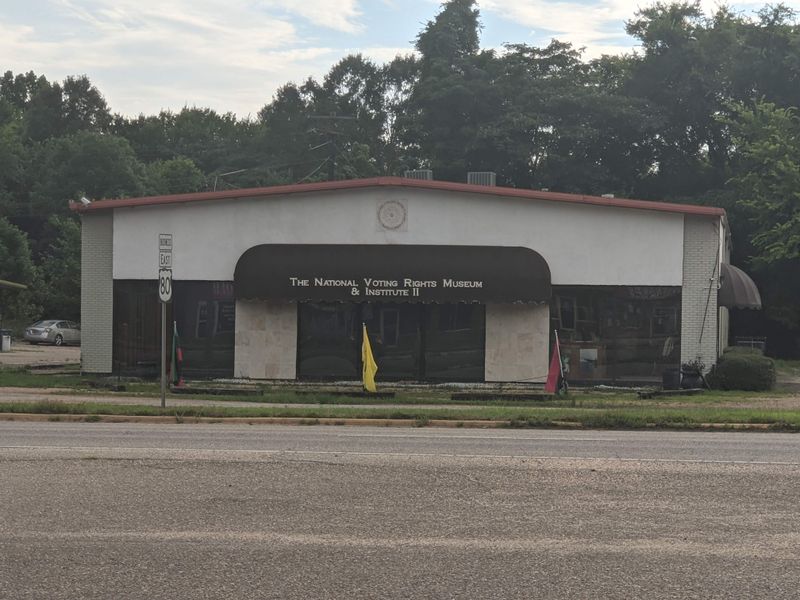
Positioned at the foot of the Edmund Pettus Bridge, this museum tells the powerful story of the fight for voting equality that transformed American democracy.
Established in 1991, the museum honors the activists who marched from Selma to Montgomery and the passage of the landmark Voting Rights Act of 1965.
Visitors enter through the same streets where marchers assembled before facing violence on Bloody Sunday, immediately connecting them to the physical landscape of history.
Inside, exhibits chronicle the systematic disenfranchisement of Black voters through poll taxes, literacy tests, and outright intimidation that persisted for nearly a century after the Civil War.
Personal testimonies from foot soldiers of the movement reveal the daily courage required to register voters in communities where such actions could cost jobs, homes, or lives.
Photographs document the three Selma to Montgomery marches, showing the determination on marchers’ faces and the hostility they encountered from opponents.
One particularly moving section honors Jimmie Lee Jackson, whose death at the hands of a state trooper during a peaceful protest inspired the Selma marches.
The museum also examines ongoing voting rights challenges, connecting historical struggles to contemporary issues of voter suppression and electoral access.
Interactive displays allow visitors to experience the impossible literacy tests and arbitrary requirements used to prevent Black citizens from voting.
Children’s exhibits help younger visitors understand why voting matters and how ordinary people can create extraordinary change through civic participation.
The museum serves as both memorial and call to action, reminding visitors that voting rights require constant vigilance and protection.
Address: 6 US-80 East, Selma, Alabama
5. Tuskegee Airmen National Historic Site, Tuskegee
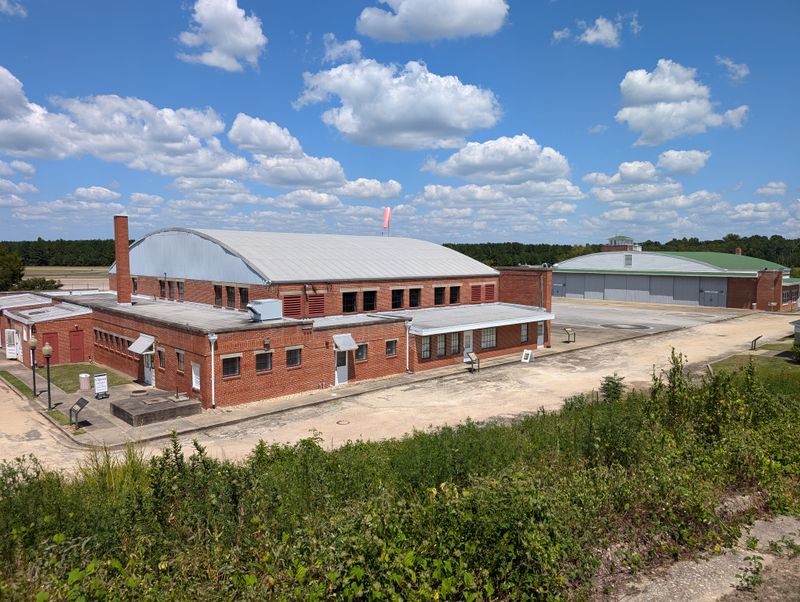
At Moton Field, young African American men defied racist assumptions about their abilities and became some of World War II’s most distinguished fighter pilots.
The Tuskegee Airmen program began in 1941 when the Army Air Corps, under pressure from civil rights activists, reluctantly agreed to train Black pilots at this segregated facility.
Military leaders doubted whether African Americans possessed the intelligence and courage for combat aviation, making the program as much a social experiment as military training.
The airmen proved their doubters spectacularly wrong, flying over 15,000 sorties in Europe and earning numerous Distinguished Flying Crosses for their valor.
Their bomber escort missions became legendary; they never lost a single bomber under their protection to enemy fighters, an unmatched record.
Today, the historic site preserves Hangar One and Hangar Two, where cadets learned aircraft maintenance and prepared for missions.
Visitors can explore the actual training facilities, including flight simulators and classrooms where future pilots studied navigation and aeronautics.
Restored aircraft similar to those flown by the Tuskegee Airmen sit on display, their distinctive red tails earning the pilots the nickname Red Tail Angels.
Museum exhibits feature personal stories, photographs, and artifacts from airmen who overcame discrimination to serve their country with distinction.
The site honors not just the pilots but also navigators, bombardiers, mechanics, and support staff who made the program successful.
Their achievements helped persuade President Truman to desegregate the military in 1948, marking a crucial step toward racial equality in American institutions.
Address: 1616 Chappie James Avenue, Tuskegee, Alabama
6. Dexter Avenue King Memorial Baptist Church, Montgomery
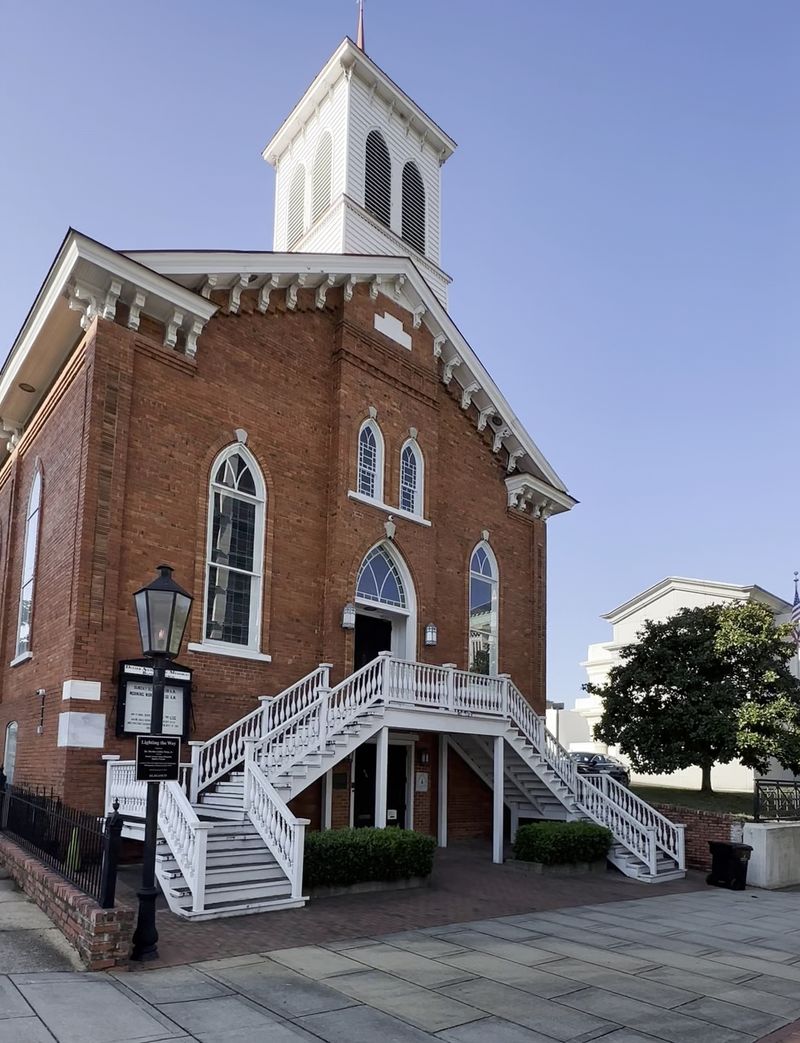
This modest brick church one block from the Alabama State Capitol became the spiritual headquarters of the Montgomery Bus Boycott and launched Dr. Martin Luther King Jr. into national prominence.
King arrived as the church’s pastor in 1954 at just 25 years old, a young minister fresh from graduate school with a passion for social justice.
When Rosa Parks refused to give up her bus seat in December 1955, church leaders met in the Dexter Avenue basement to organize the boycott response.
King’s eloquent leadership and philosophy of nonviolent resistance transformed a local protest into a movement that captured national attention for 381 days.
From this church, strategies were planned, mass meetings were held, and spirits were lifted during the long months of walking to work rather than riding segregated buses.
The church basement served as a command center where volunteers coordinated carpools and raised funds to sustain the boycott despite economic pressure and threats.
Visitors today can see King’s original study where he prepared sermons and speeches that articulated the moral urgency of civil rights.
The sanctuary remains virtually unchanged from King’s time, with the same pews where boycott participants gathered for encouragement and inspiration.
A mural in the church depicts scenes from the Civil Rights Movement, connecting local Montgomery struggles to the broader national transformation.
Guided tours share stories of church members who walked miles daily, endured harassment, and risked livelihoods to challenge injustice.
The church stands as a reminder that world-changing movements often begin in small communities where ordinary people find extraordinary courage.
Address: 454 Dexter Avenue, Montgomery, Alabama
7. Tuskegee History Center
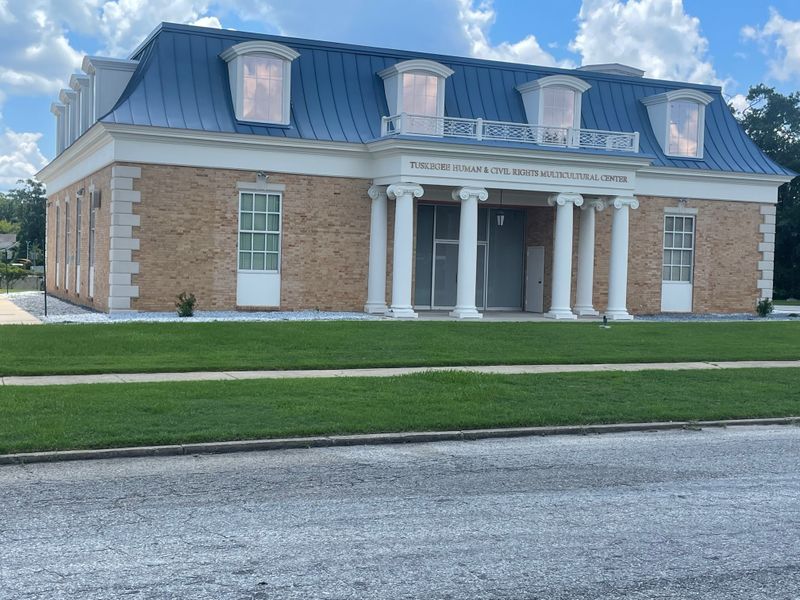
Few stories better illustrate the intersection of medical racism and civil rights violations than the Tuskegee Syphilis Study, which this center courageously examines and commemorates.
Between 1932 and 1972, the U.S. Public Health Service conducted an unethical study on 600 Black men, 399 with syphilis and 201 without, in Macon County.
Researchers told participants they were receiving free healthcare for bad blood, never informing them of their actual diagnoses or providing treatment even after penicillin became widely available.
The men suffered needlessly for decades while doctors observed the disease’s progression, treating human beings as laboratory subjects rather than patients deserving care and dignity.
When whistleblower Peter Buxtun exposed the study in 1972, public outrage led to its termination and eventually to federal regulations protecting human research subjects.
The Tuskegee History Center, formerly known as the Tuskegee Human and Civil Rights Multicultural Center, provides context for understanding this atrocity within broader patterns of medical exploitation.
Exhibits explore how the study exploited poverty, limited healthcare access, and systemic racism that made vulnerable communities targets for unethical research.
Visitors learn about the study’s lasting impact on African American communities’ trust in medical institutions, contributing to ongoing health disparities.
The center also celebrates Tuskegee’s rich African American history beyond the study, including Booker T. Washington’s leadership at Tuskegee Institute and the town’s vibrant cultural heritage.
Photographs and oral histories honor the men who suffered in the study and the families who continue seeking recognition and justice.
By confronting this painful history honestly, the center educates visitors about medical ethics and the ongoing struggle for healthcare equality.
Address: 104 South Elm Street, Tuskegee, Alabama
8. Scottsboro Boys Museum and Cultural Center

In 1931, nine Black teenagers riding a freight train through Alabama were falsely accused of raping two white women, setting off a legal nightmare that exposed the racism embedded in the American justice system.
Ranging in age from 13 to 19, the young men were arrested in Scottsboro, quickly convicted by all-white juries, and sentenced to death despite contradictory evidence and one accuser’s later recantation.
The case attracted international attention as civil rights organizations and the Communist Party challenged Alabama’s Jim Crow justice system through appeals that reached the Supreme Court twice.
Landmark rulings in the Scottsboro cases established the right to effective legal counsel and the unconstitutionality of excluding African Americans from juries.
Despite these legal victories, the young men spent years in prison, with some serving more than a decade for crimes they did not commit.
The museum, located in Scottsboro’s historic Joyce Chapel, tells their story through photographs, court documents, and personal artifacts.
Visitors can examine trial transcripts revealing the blatant prejudice and legal irregularities that characterized the proceedings.
Exhibits explore how the case became a rallying point for civil rights activists and exposed the deadly consequences of false accusations rooted in racist stereotypes.
The museum also examines the long road to justice, including Alabama’s decision in 2013 to posthumously pardon the three defendants who had not received earlier pardons.
Personal stories humanize the nine young men whose lives were destroyed by lies and hatred, reminding visitors of the real people behind historical cases.
The cultural center hosts programs connecting historical injustices to contemporary issues of wrongful convictions and racial bias in criminal justice.
Address: 428 West Willow Street, Scottsboro, Alabama
9. Dexter Parsonage Museum, Montgomery
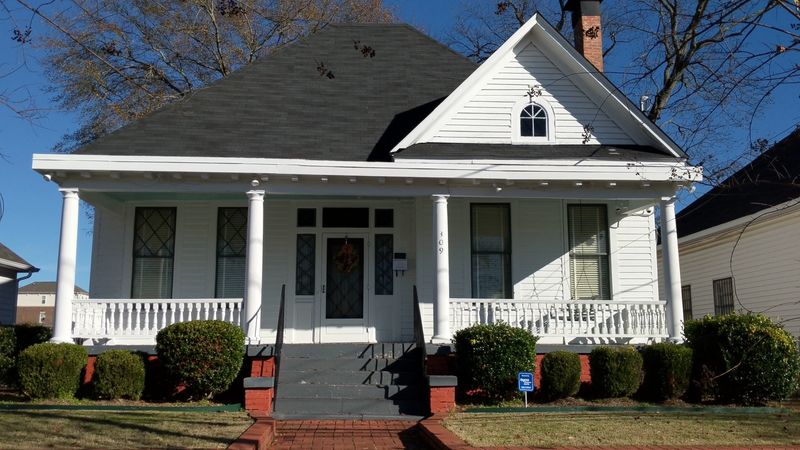
Behind the public figure of Dr. Martin Luther King Jr. was a young father and husband living in this modest white frame house during one of history’s most transformative periods.
King, his wife Coretta, and their young daughter Yolanda made this parsonage their home from 1954 to 1960, the years encompassing the Montgomery Bus Boycott and the birth of the modern Civil Rights Movement.
On January 30, 1956, while King spoke at a mass meeting, segregationists bombed the front porch in an attempt to terrorize the family and end the boycott.
Coretta and baby Yolanda were inside but escaped injury, though the explosion damaged the front of the house and shattered windows throughout the neighborhood.
When King rushed home to find his family safe, he addressed the angry crowd gathered outside, urging nonviolence even in the face of such hatred.
The parsonage has been restored to its 1950s appearance, with period furnishings recreating the domestic life the Kings shared between historic moments.
Visitors see the living room where strategy sessions occurred, the kitchen where Coretta prepared meals, and the bedroom where the young couple rested between long days of activism.
Personal touches like family photographs and books from King’s library help visitors understand the man behind the monument.
The front porch, rebuilt after the bombing, stands as a reminder of the constant danger civil rights families faced simply for demanding equality.
Tour guides share stories of the Kings’ daily life, from neighborhood children playing in the yard to late-night phone calls threatening violence.
The museum humanizes the civil rights struggle by showing how ordinary family life continued even amid extraordinary historical events and persistent threats.
Address: 309 South Jackson Street, Montgomery, Alabama
Dear Reader: This page may contain affiliate links which may earn a commission if you click through and make a purchase. Our independent journalism is not influenced by any advertiser or commercial initiative unless it is clearly marked as sponsored content. As travel products change, please be sure to reconfirm all details and stay up to date with current events to ensure a safe and successful trip.
