Winter Storm Fern has just slammed into New Jersey with a force not seen in over a decade, leaving travelers stranded, flights canceled, and roads buried under heavy snow.
If you’re caught in the middle of this historic weather event, you’re probably feeling anxious, uncertain, and maybe even a little scared about what to do next.
The good news is that with the right knowledge and preparation, you can navigate this storm safely and minimize stress during your unexpected delay.
Whether you’re stuck at Newark Airport, holed up in a hotel, or trying to decide if you should hit the road, understanding the current conditions and official emergency measures is absolutely critical.
New Jersey’s governor has declared a State of Emergency across all 21 counties, and strict travel restrictions are now in place statewide.
Roads are treacherous, public transit is suspended, and temperatures are about to plummet into dangerous territory.
Want to know which roads are banned for trailers and why your flight got axed? We’re about to break down everything you need to survive New Jersey’s biggest storm in ten years!
Winter Storm Fern: Understanding the Decadal Event
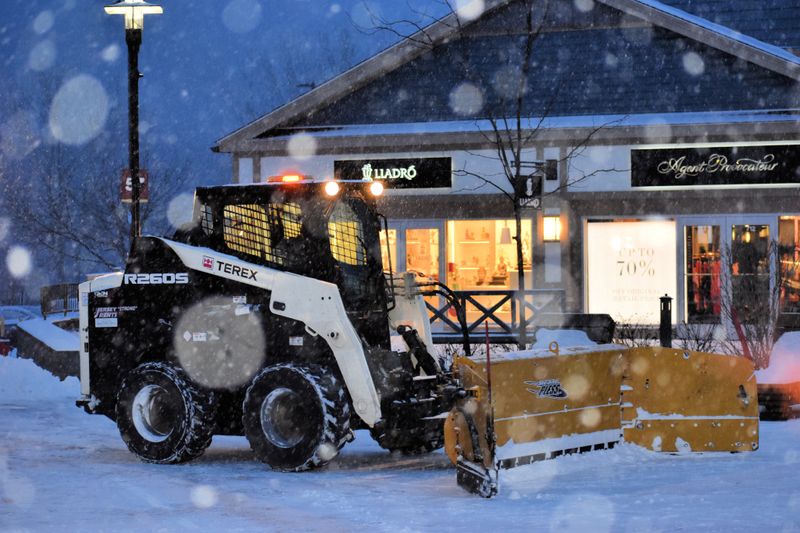
Mother Nature just threw her biggest punch at New Jersey in ten years, and Winter Storm Fern is officially the most significant winter weather event the state has experienced since the mid-2010s. Snow totals are staggering and vary dramatically depending on where you are, with northern regions buried under 12 to 22 inches of heavy, wet snow that’s weighing down trees and power lines.
Central Jersey got hit with a solid 8 to 12 inches, while the southern parts of the state and shore areas saw between 4 and 9 inches.
The bulk of the snowfall hammered the state from Sunday, January 25, straight through to early Monday morning, January 26, creating whiteout conditions and making travel nearly impossible. Visibility dropped to near zero in many areas, and the combination of high winds and relentless snow turned highways into skating rinks.
Emergency crews worked around the clock, but the sheer volume of snow overwhelmed even the most prepared municipalities.
Understanding the scope of this storm is essential for travelers because it helps you grasp why so many emergency measures are in place and why officials are begging people to stay put. This isn’t just another snowstorm where you can tough it out and push through.
The conditions are genuinely dangerous, with road crews still struggling to clear major arteries and secondary roads remaining virtually impassable. Knowing that this is a once-in-a-decade event should make you take every warning seriously and adjust your travel plans accordingly, because underestimating Winter Storm Fern could put you in real danger.
State of Emergency: What It Means for Your Visit
Governor Mikie Sherrill didn’t mess around when Winter Storm Fern started bearing down on the state, signing Executive Order No. 8 to declare a State of Emergency for all 21 counties effective January 24. This declaration isn’t just political theater or a formality; it carries serious legal weight and fundamentally changes the rules of the road for everyone, including travelers just passing through.
Under this order, the state government gains sweeping powers to commandeer resources, redirect emergency personnel, and even close roads without the usual bureaucratic red tape.
For travelers, the most important thing to understand is that non-essential travel is now officially discouraged, and hitting the road during the State of Emergency can have real consequences beyond just safety concerns. If you get into an accident while traveling during the emergency declaration, your insurance company might scrutinize your claim more carefully or even deny coverage if they determine you were traveling unnecessarily.
That’s not a scare tactic; it’s a legitimate legal and financial risk that many travelers overlook.
The State of Emergency also means that law enforcement has enhanced authority to enforce travel restrictions, issue fines, and even turn vehicles around if they deem the travel non-essential. Hotels and rental properties are seeing extended stays as smart travelers hunker down rather than risk the roads, and that’s exactly what officials want you to do.
If your trip isn’t absolutely critical, treating this declaration seriously could save you from legal headaches, insurance nightmares, and potentially life-threatening situations on New Jersey’s treacherous winter roads.
The Statewide 35 MPH Speed Limit Mandate
Forget everything you know about highway speed limits in New Jersey, because right now there’s only one number that matters: 35 miles per hour. The New Jersey Department of Transportation has imposed a mandatory emergency speed limit of 35 mph on every single Interstate, U.S. highway, and State highway across the entire state, and yes, that includes the always-busy NJ Turnpike, Garden State Parkway, and Atlantic City Expressway.
This isn’t a suggestion or a recommendation; it’s a legally enforceable regulation that applies to every vehicle on these roads, regardless of conditions in your specific lane.
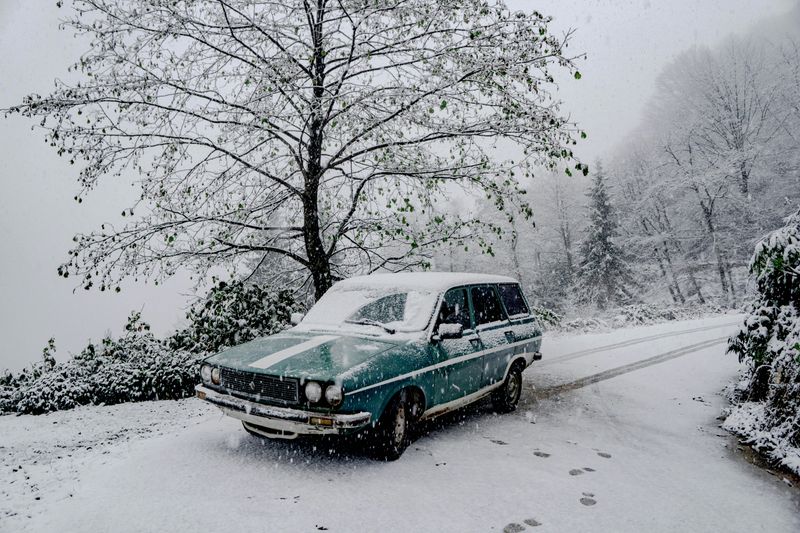
State Police are actively monitoring speeds and pulling over drivers who think they can push it just because their particular stretch of highway looks clear. The reasoning behind this strict limit is simple: even when pavement appears dry, black ice can form instantly, wet snow can hide underneath a thin layer of slush, and visibility can drop from clear to whiteout in seconds.
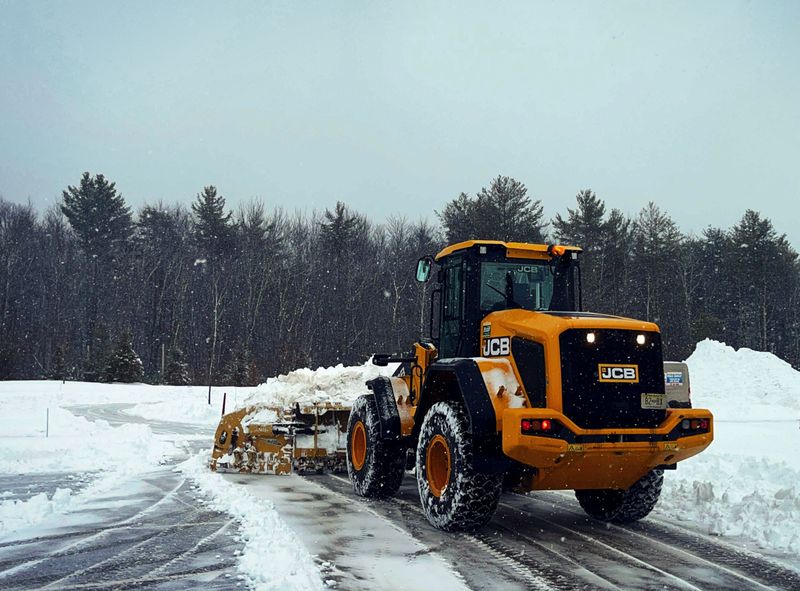
Plow trucks are still working around the clock, and they need space and time to do their jobs safely.
Many travelers make the mistake of assuming that if traffic is moving faster, they can too, but that’s a recipe for disaster during an emergency speed limit enforcement period. Tickets issued during a State of Emergency often carry heftier fines, and if you cause an accident while exceeding the emergency limit, you’re looking at serious liability issues.
Keep your speedometer locked at 35 mph or below, give yourself triple the usual following distance, and remember that arriving late is infinitely better than not arriving at all during Winter Storm Fern’s dangerous aftermath.
Commercial Vehicle and Trailer Bans
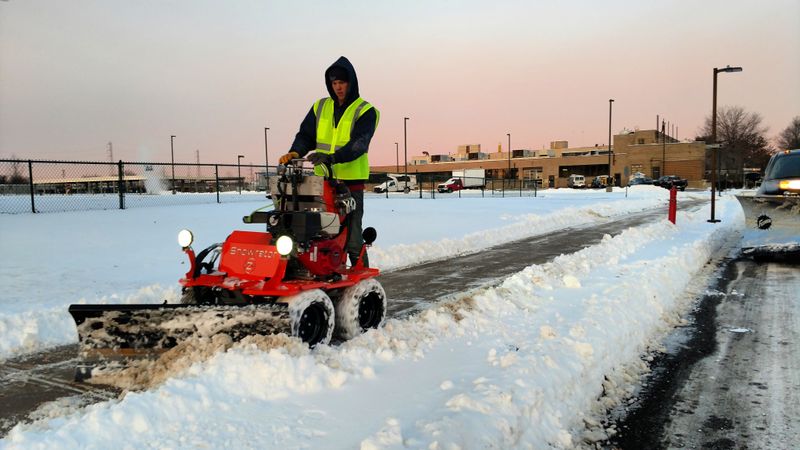
If you’re traveling with a trailer, camper, or any kind of commercial vehicle, you need to know that New Jersey has implemented strict bans that could leave you stranded or facing serious fines if you ignore them. The current restrictions prohibit all tractor-trailers, empty straight CDL-weighted trucks, passenger vehicles pulling trailers of any size, recreational vehicles, and even motorcycles from using major routes across the state.
These aren’t minor backroads we’re talking about; the ban covers critical arteries including I-78, I-80, I-287, I-295, and NJ Route 440.
The reasoning behind these bans is rooted in physics and safety: high-profile vehicles and anything being towed becomes exponentially more dangerous in high winds and slippery conditions. Empty trailers can jackknife with terrifying speed, RVs have massive wind profiles that make them nearly impossible to control in gusts, and even small trailers can fishtail and cause multi-vehicle pileups.
State Police aren’t making exceptions, and if you’re caught on a banned route with a prohibited vehicle, you’re looking at hefty fines and potential impoundment.
Travelers who thought they’d just take their chances and sneak through need to understand that enforcement is active and serious. Weigh stations are monitoring traffic, and patrol units are specifically watching for banned vehicles trying to slip through.
If you’re towing a camper or traveling in an RV, your only safe option is to find secure parking and wait out the storm and its aftermath. Hotels and campgrounds near highway exits are your best bet for safe harbor, and most are accommodating emergency extensions for travelers stuck by the storm.
Don’t risk your safety, your vehicle, or your wallet by trying to outsmart restrictions designed to keep everyone alive.
Newark Liberty (EWR) Flight Cancellation Crisis
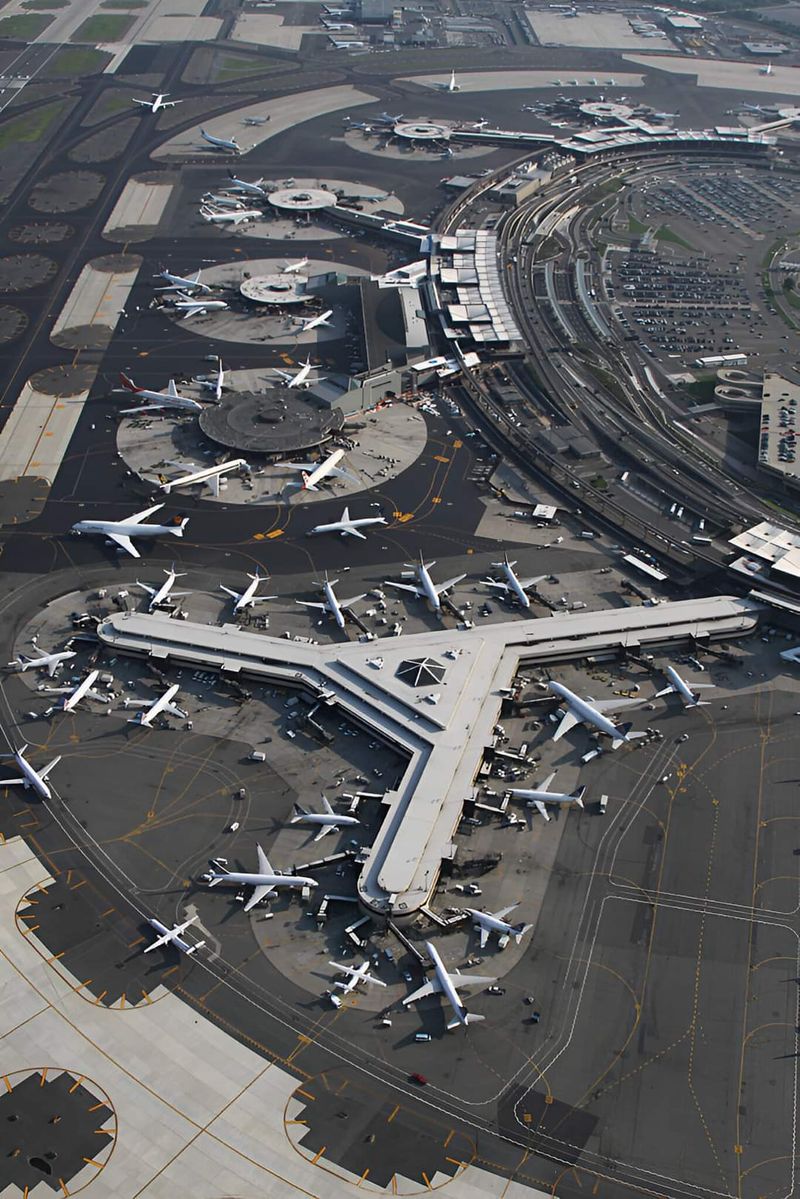
Newark Liberty International Airport has become ground zero for one of the most massive flight disruption events in recent memory, with Winter Storm Fern wiping out roughly 80 percent of the airport’s schedule on Sunday. Across the entire country, more than 11,000 flights were canceled that day, but Newark bore an especially heavy burden as one of the nation’s busiest hubs.
Travelers who showed up hoping for the best were met with endless lines at rebooking counters, overflowing gate areas, and the soul-crushing reality that their plans were completely derailed.
Monday afternoon brought a glimmer of hope as de-icing operations resumed and a limited number of departures began trickling out, but don’t let that fool you into thinking things are back to normal. The aviation industry operates on a tightly choreographed schedule, and when a major hub like Newark goes dark for an entire day, the ripple effects cascade through the system for days.
Experts are predicting that delays and cancellations will continue through at least Wednesday as airlines scramble to reposition aircraft, reconnect crews, and work through the massive backlog of stranded passengers.
The single most important piece of advice for any traveler dealing with Newark right now is this: do not go to the airport unless your flight status shows “Confirmed” on your airline’s app or website. Showing up hopefully with a “Scheduled” or “Delayed” flight is a waste of time and energy that could leave you stranded in a crowded terminal with limited food options and nowhere comfortable to wait.
Check your status obsessively, sign up for text alerts, and have backup plans ready, because Winter Storm Fern’s impact on air travel is far from over.
NJ Transit Suspension and Restart Status
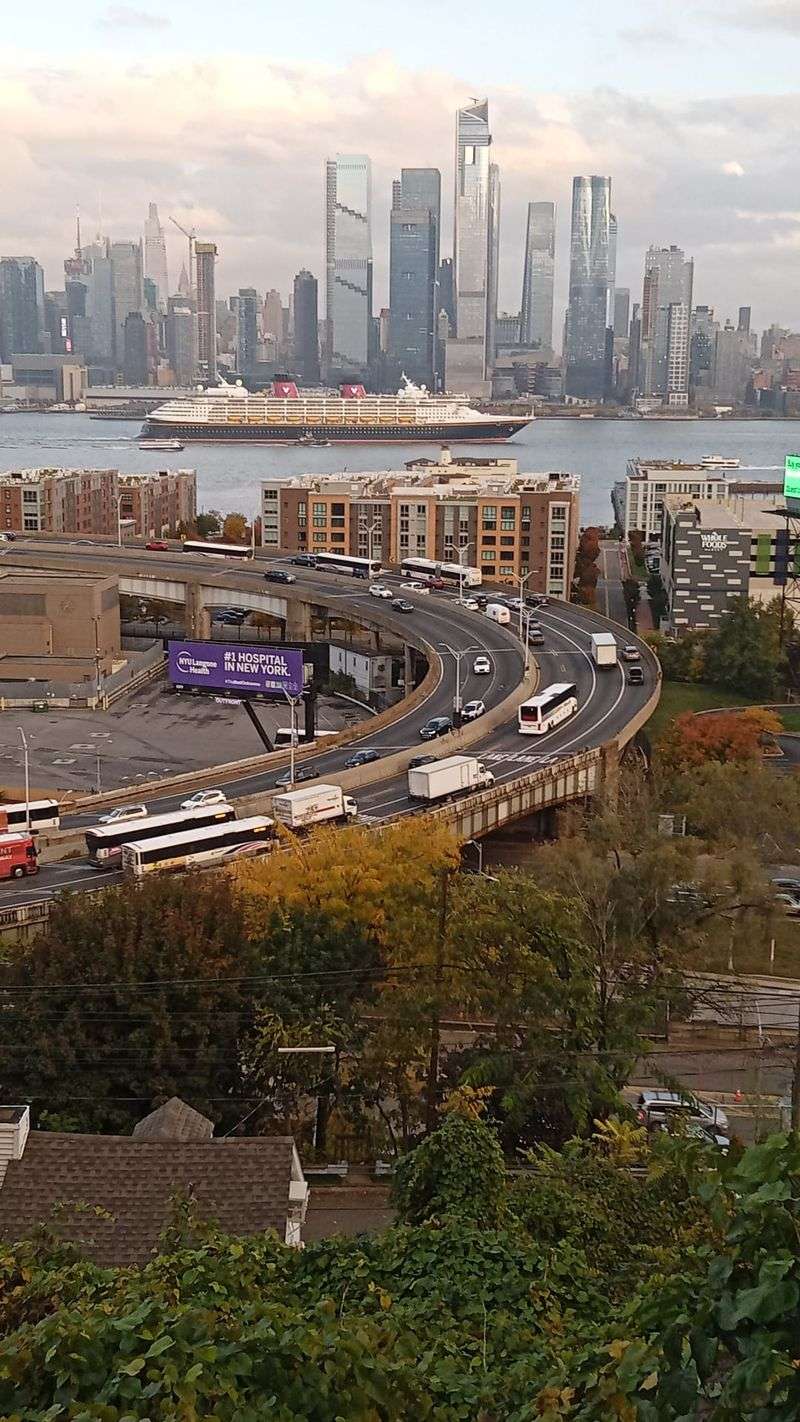
Public transportation across New Jersey came to a complete standstill on Sunday as NJ Transit pulled the emergency brake on virtually every service in its network. All bus routes, light rail lines, and Access Link paratransit services were suspended as conditions deteriorated, and by Sunday afternoon, even the usually reliable rail services shut down completely.
For travelers relying on public transit to get to airports, hotels, or onward connections, this created an immediate crisis that left many scrambling for expensive alternatives or simply stuck in place.
Crews have been working non-stop to clear heavy, wet snow from tracks, inspect overhead wires for ice damage, and ensure that stations are safe for passengers, but the process is painstakingly slow. The wet, heavy nature of this particular snowfall makes it especially challenging because it clings to everything and freezes solid, creating conditions that can damage equipment and endanger passengers.
As of Monday, service restoration is happening in phases, but the timeline remains fluid and subject to change based on conditions and inspection results.
The absolute worst thing you can do right now is rely on printed schedules or even information you found online an hour ago, because the situation is evolving constantly. Download the NJ Transit mobile app immediately if you haven’t already, enable push notifications, and check it obsessively before you even think about heading to a station or bus stop.
Customer service lines are overwhelmed, and station agents may not have more current information than what’s available on the app. Plan for delays, have backup transportation options ready, and build in massive buffers if you’re trying to catch a flight or make a connection, because NJ Transit’s recovery from Winter Storm Fern is going to take time, patience, and flexibility from everyone involved.
The Post-Storm Threat: Flash Freeze and Arctic Blast
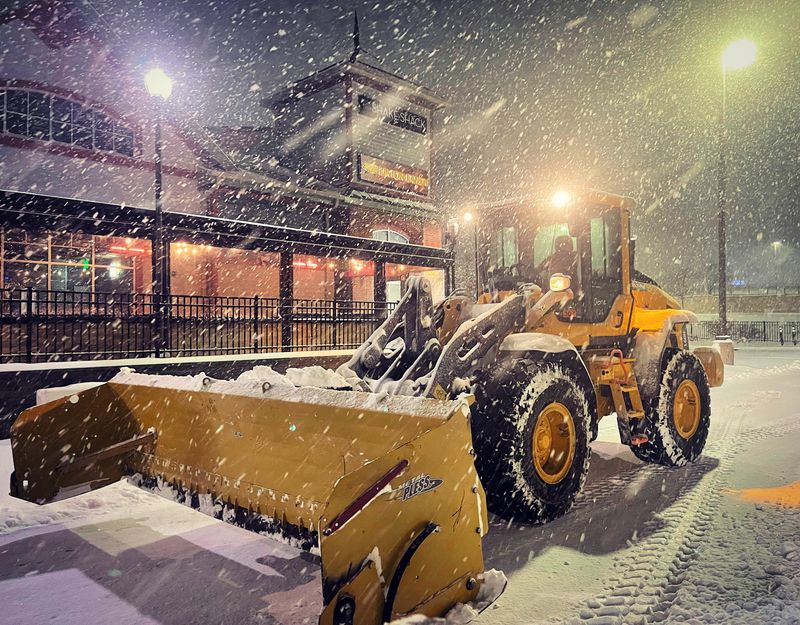
Just when you thought Winter Storm Fern was done punishing New Jersey, Mother Nature has a cruel follow-up act planned that could be even more dangerous than the snow itself. As the snow finally tapers off on Monday, temperatures are taking a nosedive into the teens and single digits, creating a flash freeze scenario that will turn every puddle, slush pile, and wet road surface into treacherous ice.
This isn’t the kind of ice you can see coming; it’s the infamous black ice that blends perfectly with pavement and catches drivers completely off guard.
Any slush remaining on roads, parking lots, sidewalks, or highway ramps will transform into skating rinks by Monday night, making conditions arguably more dangerous than they were during the actual snowfall. At least during the storm, drivers knew to expect terrible conditions, but the flash freeze creates a false sense of security where roads look clear but are actually lethally slippery.
Add in wind gusts reaching up to 30 mph, and the wind chill factor pushes the feels-like temperature into truly dangerous territory.
For travelers, this arctic blast creates a specific and frightening risk: if your car breaks down, slides off the road, or gets stuck after dark on Monday, you’re facing potential hypothermia in minutes, not hours. Your vehicle’s heater can only do so much, especially if you’re low on gas or trying to conserve fuel.
This is exactly why emergency officials are begging people to stay put Monday night and wait until Tuesday morning to travel. The roads might look passable, but the combination of black ice and brutal cold creates conditions where a minor fender-bender can quickly become a life-threatening situation for anyone stranded outside.
Essential Stay or Go Decision Matrix
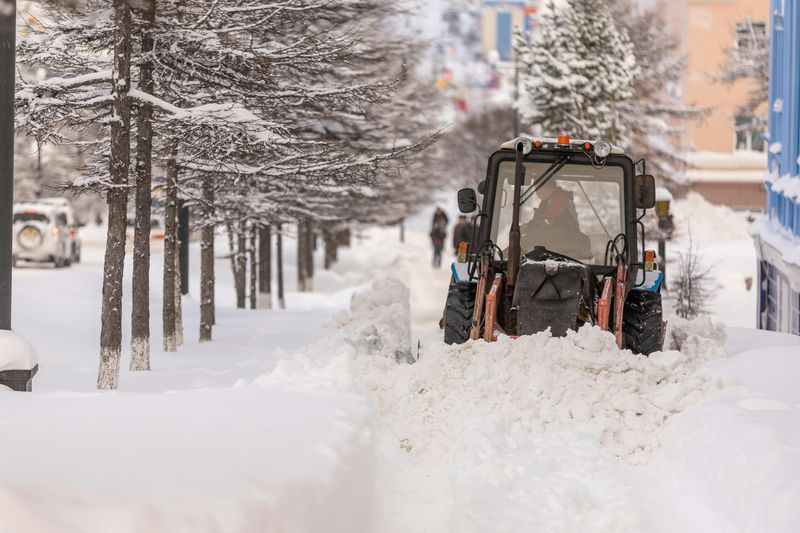
Right now, you’re probably wrestling with the biggest question facing every traveler caught in Winter Storm Fern’s grip: should I stay put or try to move? The answer isn’t one-size-fits-all, but there are clear guidelines that can help you make the safest, smartest choice based on your specific situation.
If you’re currently in a hotel, rental property, or any other safe, warm location with food and water, the overwhelmingly correct answer is to stay until at least Tuesday morning, and here’s why: Monday night’s deep freeze creates the most dangerous travel conditions of the entire storm event.
The combination of flash-frozen black ice, plummeting temperatures, and reduced visibility from blowing snow makes evening travel on Monday a high-risk gamble that’s simply not worth taking unless you’re an essential worker with no other option. Even experienced winter drivers can find themselves in trouble when ice forms invisibly under tires, and the brutal wind chill means that any roadside emergency quickly becomes a survival situation.
Hotels across New Jersey are accommodating extended stays, and most are working with guests on reasonable rates given the emergency circumstances.
The only scenarios where moving on Monday makes sense are if your flight is confirmed for late Monday departure and you can reach the airport safely via main highways that are actively being treated, or if you’re an essential worker who absolutely must report. For everyone else, Tuesday morning offers vastly improved conditions as road crews have more time to treat surfaces and temperatures stabilize slightly.
Before making any move, check 511nj.org, which provides the only official, real-time road condition information you can trust. Don’t rely on GPS apps or traffic reports; use the state’s official resource to make informed decisions that could literally save your life.
Traveler’s Survival Checklist for New Jersey
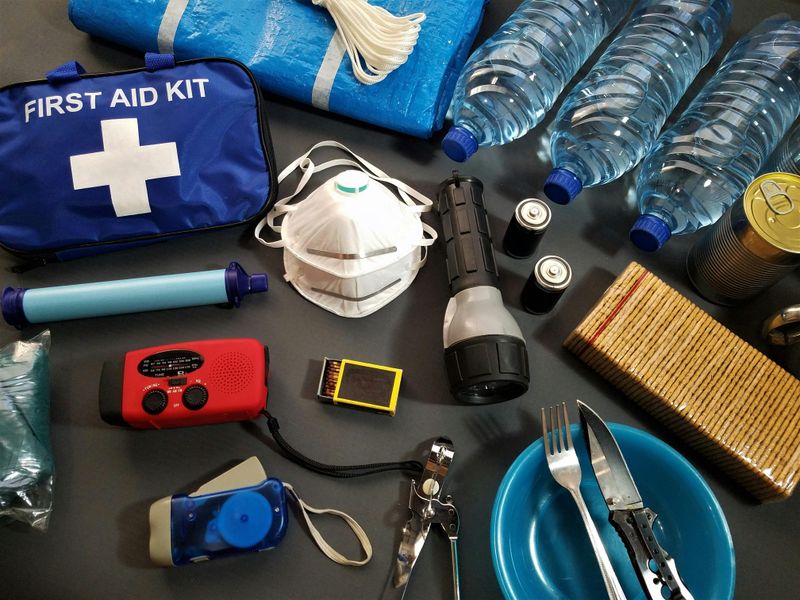
Preparation separates travelers who weather Winter Storm Fern safely from those who end up in genuinely dangerous situations, and right now you need to run through a critical survival checklist whether you’re staying put or preparing to move. First and most important: if you’re driving anywhere, your gas tank must be full, and this isn’t negotiable.
A full tank serves double duty by preventing your fuel lines from freezing in the brutal cold and ensuring you have enough gas to run your heater for hours if you get stranded, which could literally be the difference between discomfort and hypothermia.
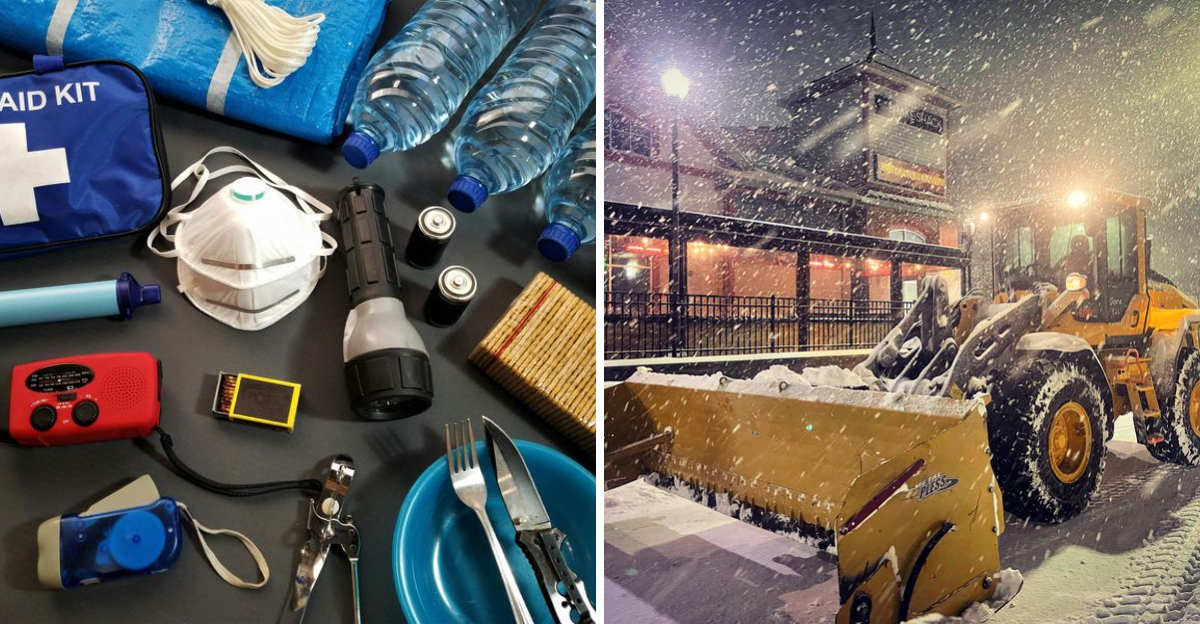
Your emergency kit needs immediate attention, and if you don’t have one, you need to assemble the basics right now using whatever resources are available. At minimum, you need heavy blankets or sleeping bags, bottled water that won’t freeze immediately, non-perishable snacks, and a portable phone charger with a full charge.
Many travelers overlook the phone charger until it’s too late, but your phone is your lifeline for calling emergency services, checking road conditions, and letting loved ones know your status.
Speaking of phones, charge every single electronic device you own right now, because power outages have already affected nearly one million people across the U.S. electrical grid during this storm, and New Jersey hasn’t been spared. Hotels can lose power, cell towers can go down, and if you’re caught with dead devices, you’re suddenly cut off from critical information and help.
Keep chargers accessible, consider your car’s USB ports as backup charging stations, and if you have a laptop, keep it charged as an emergency power bank for your phone. Winter Storm Fern has proven unpredictable and punishing, so over-preparing is impossible right now, and every item on this checklist could become essential when conditions deteriorate unexpectedly.
Communication and Real-Time Resources
Information is your most powerful tool during Winter Storm Fern, but only if you’re getting it from reliable, official sources that update in real time rather than outdated websites or well-meaning but uninformed social media posts. The single most critical resource for travelers in New Jersey right now is 511nj.org, which provides the only official, verified, real-time road condition information directly from the state’s Department of Transportation.
This isn’t just another traffic website; it’s the authoritative source that emergency responders and road crews themselves use to coordinate operations.
Social media can be helpful for seeing photos and getting general impressions, but it’s also full of outdated information, exaggerations, and posts from people who don’t actually know current conditions but are happy to speculate anyway. Relying on Facebook posts from your cousin’s friend who drove through six hours ago could send you onto roads that have since become impassable or lead you to believe conditions are better than they actually are.
Stick with official sources, and cross-reference anything you hear through unofficial channels before making decisions based on it.
Download every relevant app right now: your airline’s official app, the NJ Transit app, a reliable weather app like Weather Underground or the National Weather Service, and bookmark 511nj.org on your phone’s home screen for instant access. Set up text alerts from your airline so you get flight updates pushed directly to you rather than constantly checking manually.
Sign up for emergency alerts from New Jersey if you’re going to be in the state for more than a day or two. Communication channels can become overwhelmed during emergencies, so having multiple sources of information ensures you won’t be caught off guard if one system fails or gets overloaded with traffic from desperate travelers seeking updates on this historic winter storm.
Dear Reader: This page may contain affiliate links which may earn a commission if you click through and make a purchase. Our independent journalism is not influenced by any advertiser or commercial initiative unless it is clearly marked as sponsored content. As travel products change, please be sure to reconfirm all details and stay up to date with current events to ensure a safe and successful trip.
