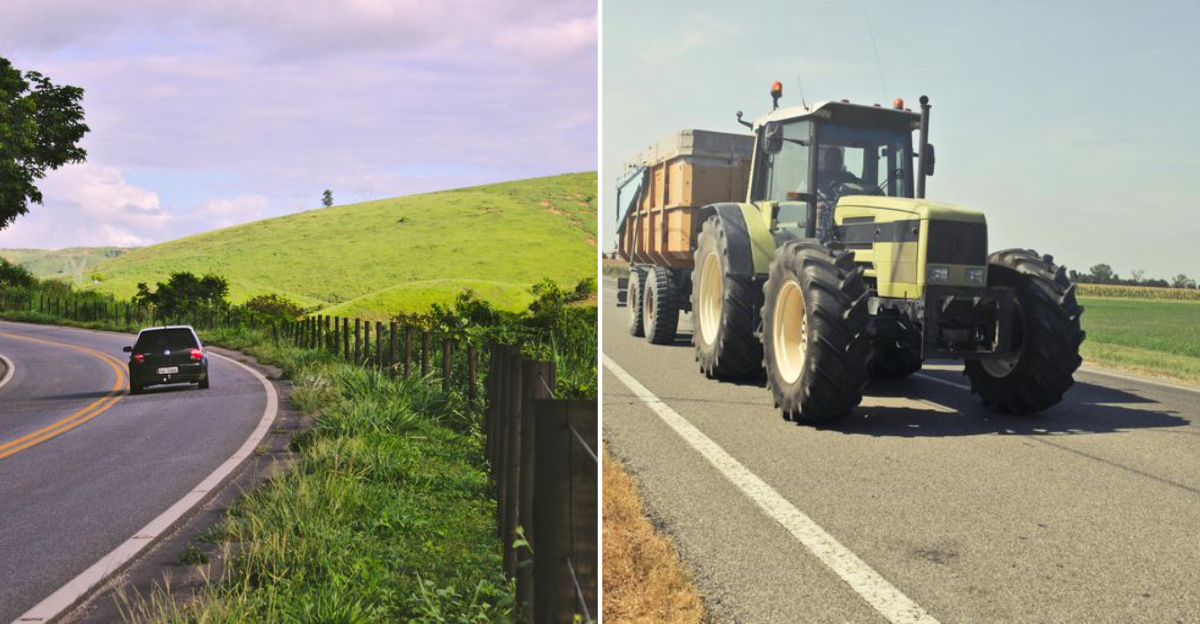
Ever driven down a rural Illinois road at night and realized it feels completely different from city driving? Out here, the challenges aren’t just traffic lights or crowded intersections.
It’s winding two-lane highways, sudden wildlife crossings, and stretches of road with little to no lighting.
For anyone traveling through these areas, safety depends on being prepared and knowing what to expect. Rural roads can surprise even experienced drivers.
Farm equipment might appear around a bend, gravel shoulders can make stopping tricky, and weather conditions often hit harder without the protection of city infrastructure.
Add in long distances between gas stations or repair shops, and it’s clear that a little preparation goes a long way.
That’s why having a set of essentials makes all the difference. From emergency supplies to smart driving habits, these tools and tips help keep trips safe and stress-free.
So, what should every driver keep in mind when navigating rural Illinois roads? Let’s break down the 11 essentials that make the journey smoother and safer.
1. Slow Down And Stay Smooth Behind The Wheel
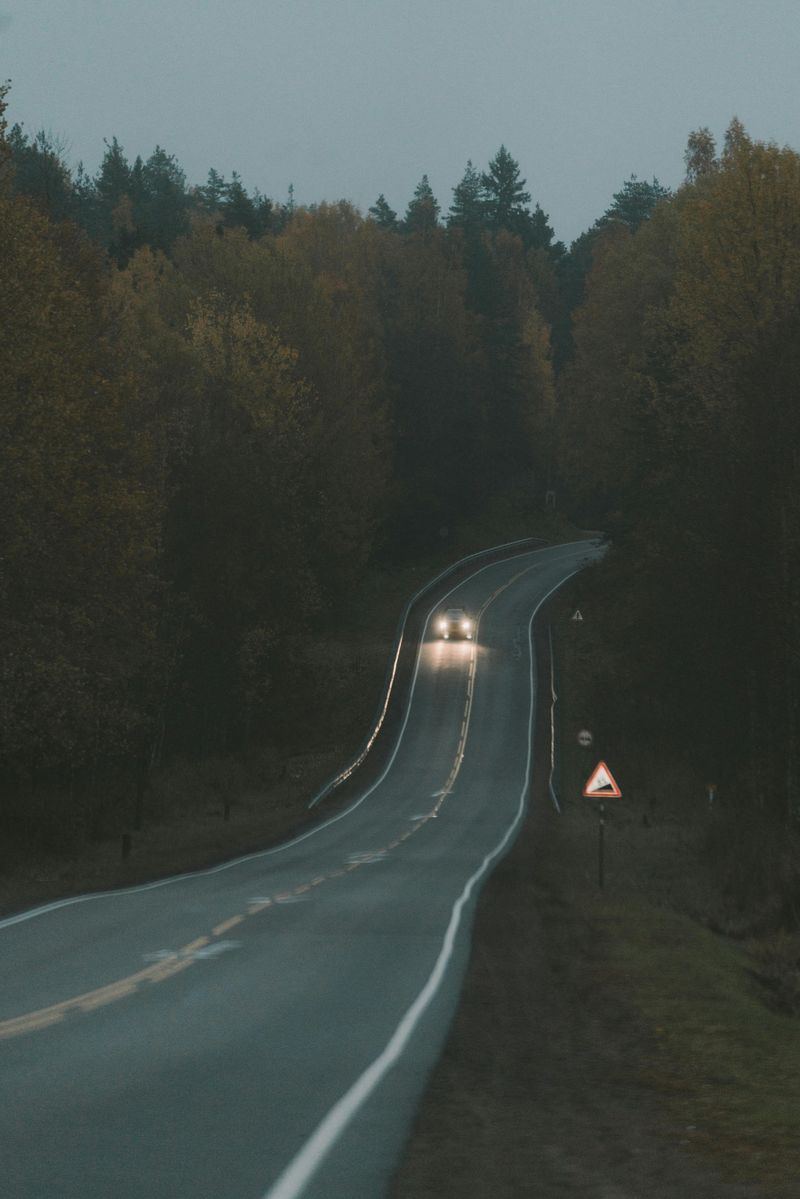
Here is the simplest move that pays off right away. Ease back on the pedal and give yourself room to think and breathe.
Rural Illinois roads can pinch down without warning, and you will feel calmer if your speed matches the space you actually have.
These routes may lack shoulders or clear paint, especially after winter wear or fresh seal coat.
By slowing acceleration, braking, and steering, you smooth out weight shifts and keep traction on patchy surfaces.
On curves or over hills, a steady hand and gentle inputs help the tires hold their line.
Many run-offs and head-ons come from pushing too hard into a corner. Back it down a notch and you keep control.
Think of the road like a conversation. If you rush it, you miss the cues and talk over what matters.
When you slow just a bit, the road tells you where it wants you, and you can place the car precisely without drama.
Try this on your next stretch between towns. Pick a gear that feels easy, keep your hands light, and scan far ahead.
You will notice the car settles, your breathing evens out, and the ride feels smooth instead of tense.
2. Always Check The Weather Before You Go
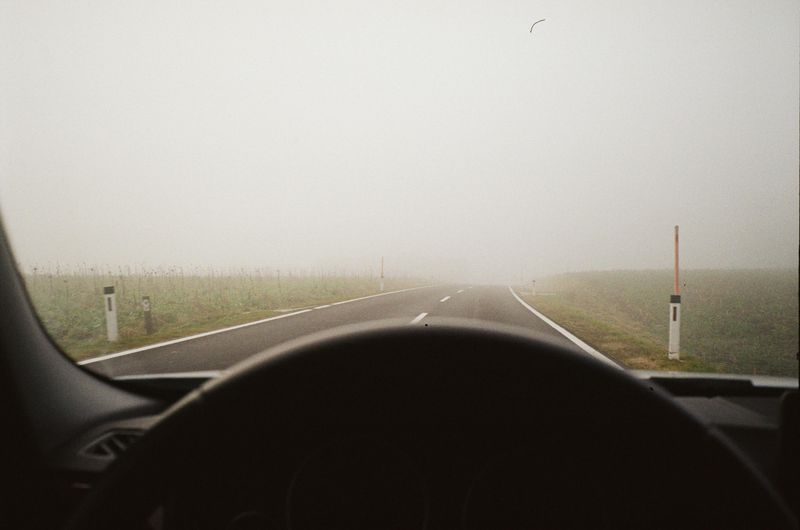
Before you roll, take sixty seconds and pull up the forecast for the whole route. The weather shifts fast out here, and the first places to flood or ice are usually the quiet county roads.
A quick radar check can keep you from chasing storms you do not need.
Fog drifts low across fields at dawn and settles in valleys longer than you expect. Thunderstorms can dump water that hides broken pavement or gravel washouts.
Winter brings black ice on bridges that look fine until you are already on them.
Set alerts for your waypoints so you hear about changes early. If the map paints heavy rain on your path, pivot to a higher road or wait it out.
There is no prize for beating a storm to the next town.
Think about visibility and traction together. If you cannot see, you cannot plan, and if you cannot grip, you cannot correct.
When both drop, risk snowballs, so the best move is to prevent the pairing in the first place.
Pack a simple backup plan. Save an offline map, carry a dry cloth for windows, and stash a flashlight in the console.
I’m sure you will feel more confident knowing you checked the sky and gave yourself options before the first mile.
3. Share The Road With Farm Equipment
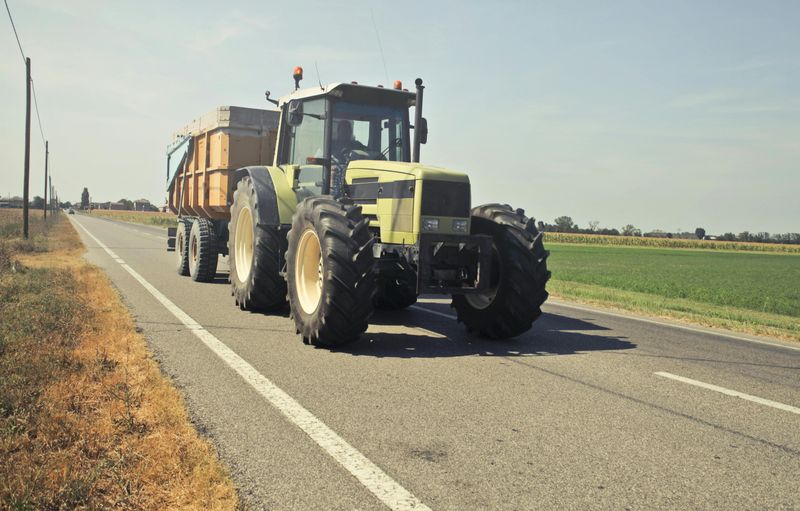
You will see tractors, combines, and grain carts, especially during planting and harvest. They move slowly and often span more than a lane.
That orange triangle is your cue to breathe, settle in, and wait for a clean, legal pass.
These rigs turn wide into field entrances that do not look like typical driveways. Signals may be hard to spot behind dust or equipment, so do not assume the path is clear.
Hang back where you can see mirrors and give them space to work.
When a dashed centerline opens and you have long visibility, pass smoothly with commitment. If the view is short or a hill is ahead, ease off and try later.
I think one patient minute beats a risky squeeze you will regret.
Remember the operators are neighbors heading home after long days. Your calm approach keeps everyone safer and lowers stress on both sides.
A friendly wave goes a long way on these roads.
Plan your timing around daylight if you can. Twilight can hide wide implements and dust clouds linger in still air.
Make sure to keep your lights on, your lane position steady, and you will glide by without drama when the road allows.
4. Watch Closely For Wildlife Crossings
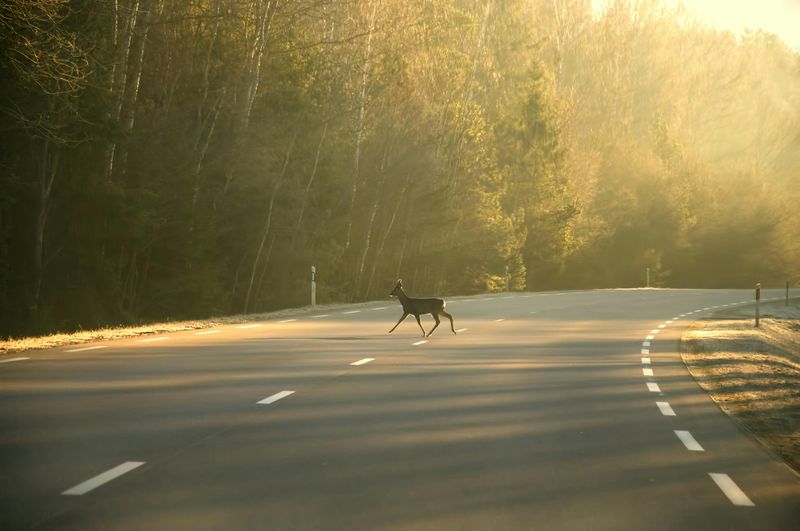
Dawn and dusk are prime time for animal movement. Deer slip from tree lines to fields, and smaller critters dart across without warning.
Ease your speed and widen your scan when you see crossing signs or wooded edges.
Use high beams when there is no oncoming traffic and dim early when you spot eye shine. The goal is time and space, not heroics.
If an animal appears, brake firmly in a straight line and hold your lane.
Do not swerve hard into a ditch or oncoming traffic. Rural shoulders can be soft or narrow, and a sudden yank can spin the car.
A steady stop keeps control in your hands.
After dark, keep windows clear and mirrors clean so starbursts do not hide motion. If one deer crosses, expect another a moment later.
They travel in groups and do not check both ways.
Make it a habit to scan far and then near. Your eyes pick up movement at the edges faster when you practice.
That tiny gap of extra awareness makes all the difference on quiet stretches outside town.
5. Be Extra Cautious At Unmarked Intersections
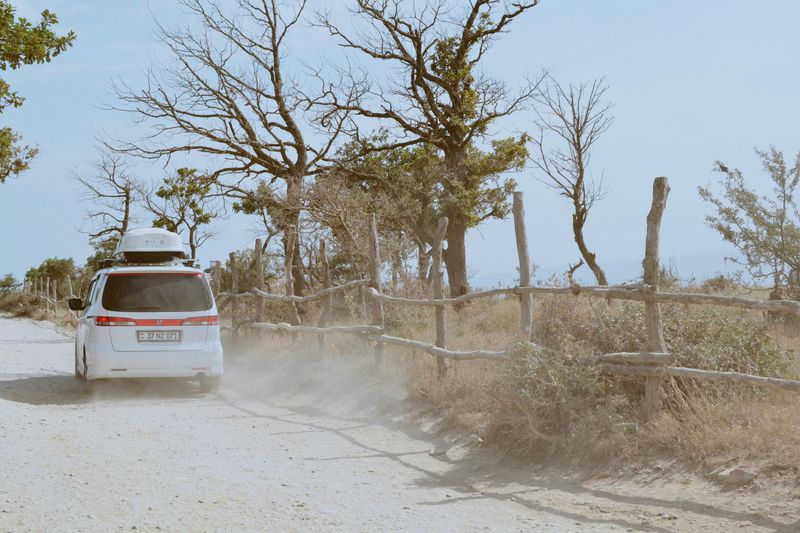
Unmarked intersections hide in plain sight. Vegetation, curves, and hills can block your view until you are right on top of the crossroad.
Roll in slowly and hold a longer pause than feels normal.
Look for dust plumes, fence gaps, or mailbox clusters that hint at traffic. Edge forward in small steps so you can peek both ways without committing.
If another driver arrives, try for eye contact and a simple hand cue.
Do not assume priority just because your lane looks main. Many rural junctions follow local habits more than formal control.
Patience and clear body language reduce confusion fast.
Keep your foot ready to brake and your wheels straight until you truly go. Turning early limits your escape options if something appears.
A straight stop gives you the widest set of choices.
At night, angle your head a bit to cut glare and spot faint lights down the line. Day or dark, quiet does not mean empty.
Treat every crossroad like a pop quiz, and you will pass without a surprise.
6. Use Headlights Wisely On Unlit Roads

Out here, your headlights are the whole game after dark. Before you go, check that low and high beams work and aim correctly.
A quick wall test at home keeps hot spots off the sky and light on the pavement.
I always use high beams when no one is ahead or approaching. They stretch your view and buy precious seconds to spot animals, debris, or curves.
Dim early to respect others and keep everyone seeing well.
Clean lenses make a big difference. Dust, bugs, and winter film scatter light and shrink your range.
A microfiber wipe at a gas stop can restore clarity fast.
Fog calls for low beams so glare does not bounce back at you. Pair them with fog lights if you have them and slow your pace.
The aim is contrast and control, not brightness for its own sake.
After a few miles, your eyes adjust. Keep your dash lights low so outside details pop.
With smart use of beams and a calm tempo, night driving on rural Illinois roads feels steady and manageable.
7. Keep A Safe Distance On Curves And Hills
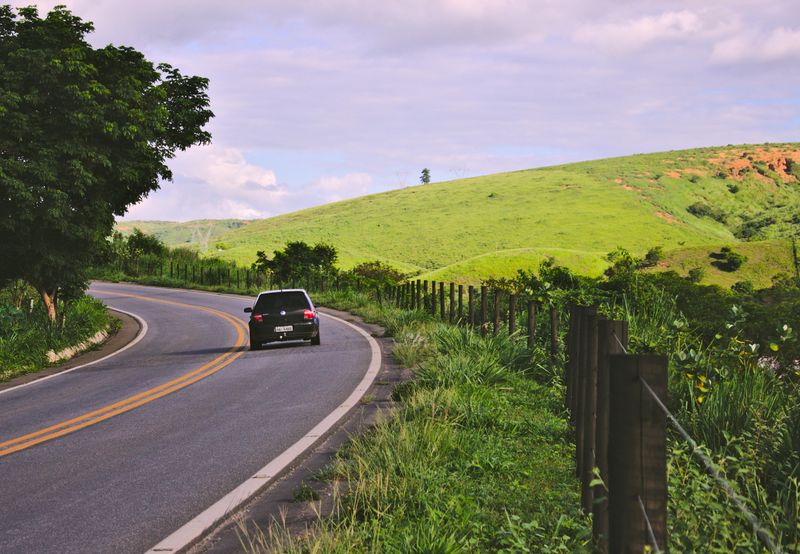
Curves and hills steal sight distance faster than you think. What looks open can hide a stopped truck, a tractor, or a fallen branch.
Leave a roomy gap so you have time to brake without a jolt.
As you climb a hill, ease off before the crest. You want your speed low enough that surprises do not shove you into a snap move.
On the downhill, feather the brakes and keep the car balanced.
Make sure to set your lane early and hold it. Drifting near the center on blind bends invites trouble.
A clean line on your side makes you predictable and leaves space if someone cuts wide.
Watch how the treetops and fence lines bend to read the next turn. If the view tightens, your speed should too.
Let the landscape be your coach in real time.
When the road opens again, gently add pace and enjoy the flow. That rhythm of slow in, smooth through, calm out works everywhere in the state.
It is the easiest way to stay safe without feeling stiff.
8. Avoid Passing Without Excellent Visibility

Passing looks simple until it is not. Long straights tempt you, but a hidden dip or crest can hide oncoming traffic.
Only go when you have a dashed line on your side and a truly open view.
Set up cleanly, drop a gear if needed, check mirrors, and confirm your exit path is clear. If any piece feels uncertain, wait for the next chance.
Do not tailgate before the move. Leave space so you can see around the vehicle and build speed smoothly.
The pass should feel brief and decisive, not frantic.
Watch for junctions, driveways, and field entrances that might feed traffic into your lane. If you spot one mid pass, scrub the plan and reset.
You can always try again down the road.
When you finish, signal back in and recheck mirrors. Take a breath and return to a relaxed pace.
Safe passing on rural roads is a patience game that rewards good judgment every time.
9. Prepare For Limited Cell Service And Delays

Coverage drops out fast once you leave larger towns. Do not bank on bars to save the day if something goes sideways.
I like to download maps, mark key turns, and tell someone my plan before I roll.
Keep a simple kit within reach. Water, snacks, a warm layer, and a basic tool roll can turn a long wait into a manageable pause.
Add a small first aid kit and a flashlight with fresh batteries.
A paper map sounds old school, but it never loses power. Circle alternates so you can reroute around closures or flooding.
If a road turns to soup, you already know your next move.
Let delays be part of the story, not a crisis. Pull off safely, set your hazards, and make the situation boring.
Calm is the best ally you have on quiet Illinois roads.
Before leaving, top up fuel and charge your phone and battery pack. It means you can handle time, weather, and distance without stress.
10. Buckle Up And Focus Fully On Driving
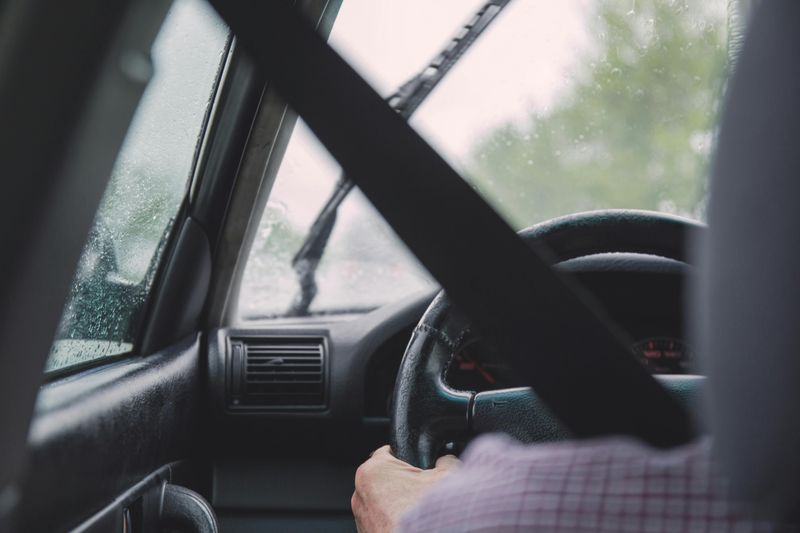
Belts first, every time! Rural miles feel relaxed, but surprises land hard when attention drifts.
A clicked belt and a quiet phone set the tone for a clean drive.
Stow anything that wants your eyes or hands. Snacks, messages, and navigation tweaks can wait for a safe pull off.
Your job behind the wheel is simple and focused.
Keep a running scan and build a bubble of space around you. If someone rides your bumper, let them by at the next safe spot.
Defensiveness fades when you give yourself room.
Illinois expects belt use, and the habit is easy to keep. Make it part of the start up ritual with mirrors and lights.
You will feel ready before the tires even roll, believe me.
On long stretches, take short breaks to reset. Make sure to stretch, breathe, and check the car.
A few mindful minutes keep your attention sharp for the next run of open road.
11. Know Local Laws And Road Rules Before Setting Out
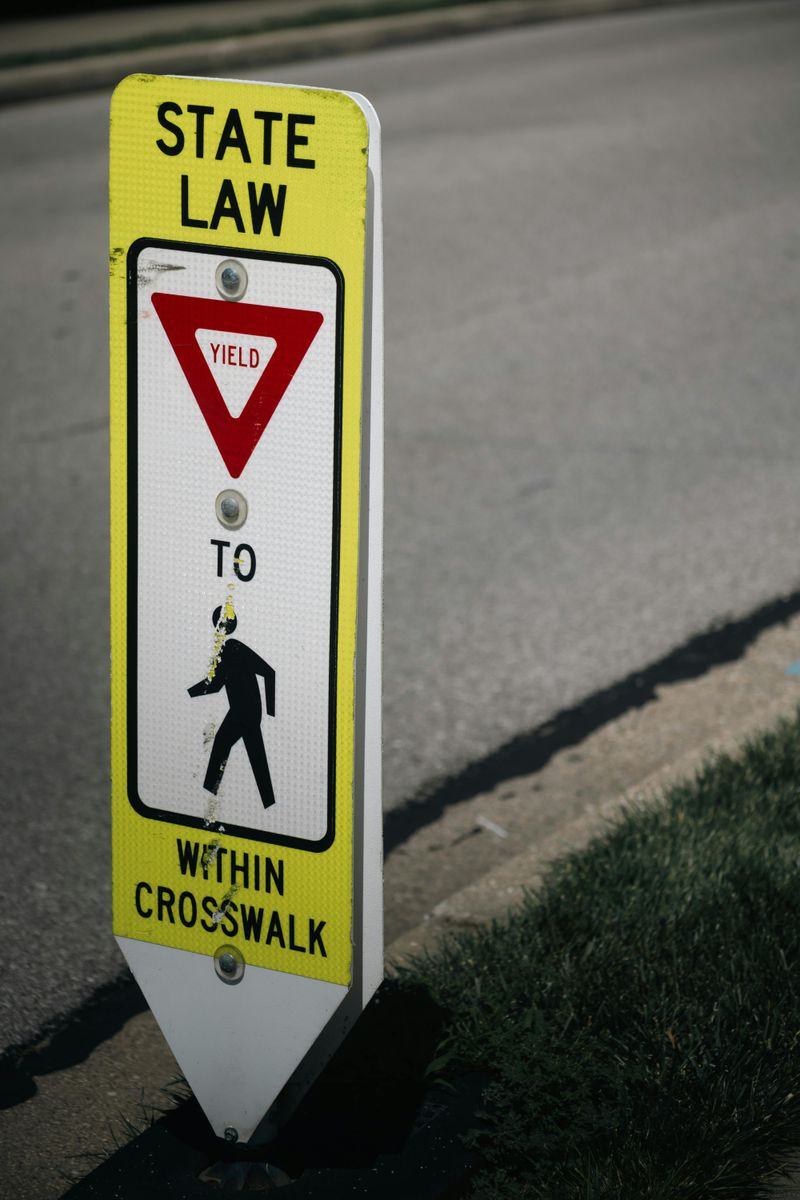
A quick refresher on Illinois rules pays off before you leave town. Passing zones, signaling, and right of way can feel different outside cities.
When you know the local expectations, every choice gets easier. Rural highways may post limits that do not match your gut.
Trust the signs, not the vibe, because they reflect sightlines, shoulders, and typical traffic like farm equipment and school buses.
Learn how to approach slow moving vehicles, when to use high beams, and where stopping is allowed. That knowledge turns into calm when the unexpected pops up.
You do not waste time guessing at the wheel.
Spend a minute with a current driving guide or the state website before a longer loop. Mark questions and settle them while you have a signal.
It is simple homework that buys you confidence.
Out on the prairie, good choices stack up into an easy trip. You feel steady, your passengers relax, and the road feels friendly.
That is the whole point of planning ahead, right?
