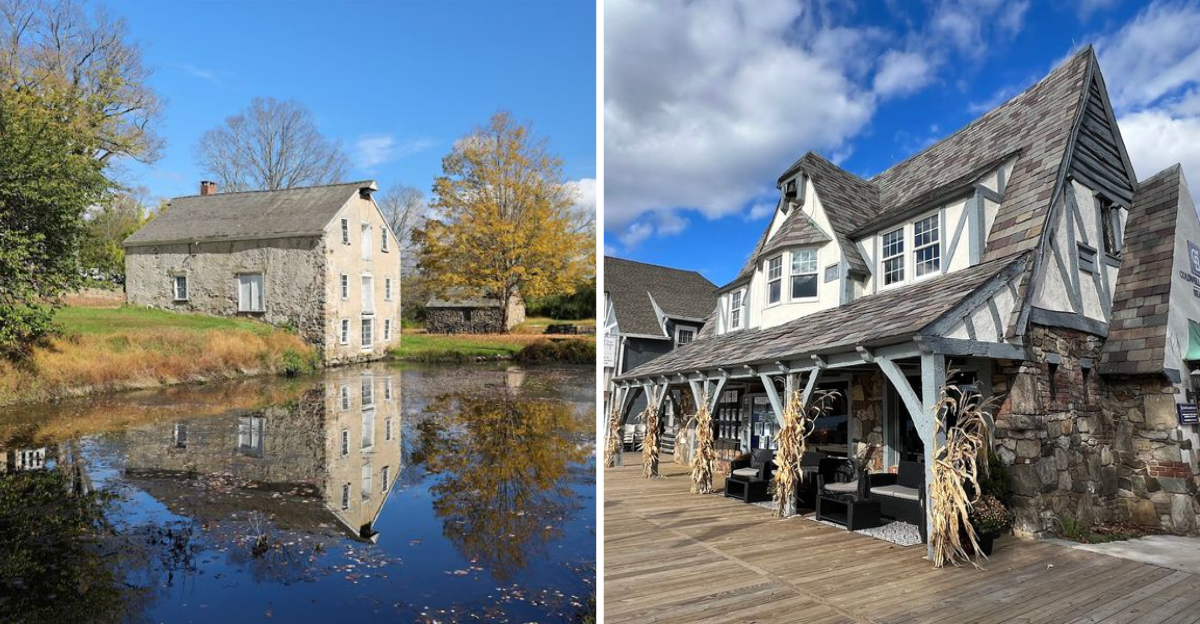
Craving a Tuscan hill town or a Bavarian village but your wallet says “staycation”?
These New Jersey spots have you covered.
Think cobblestone vibes, old-world bakeries, and architecture that tricks your phone’s geotag.
You can sip espresso next to a fake canal and almost hear accordion music.
No transatlantic flights, no lost luggage, no learning “please” in three languages.
Just a full tank of gas and a very convincing European illusion right in your backyard.
1. Cape May: Victorian England by the Sea
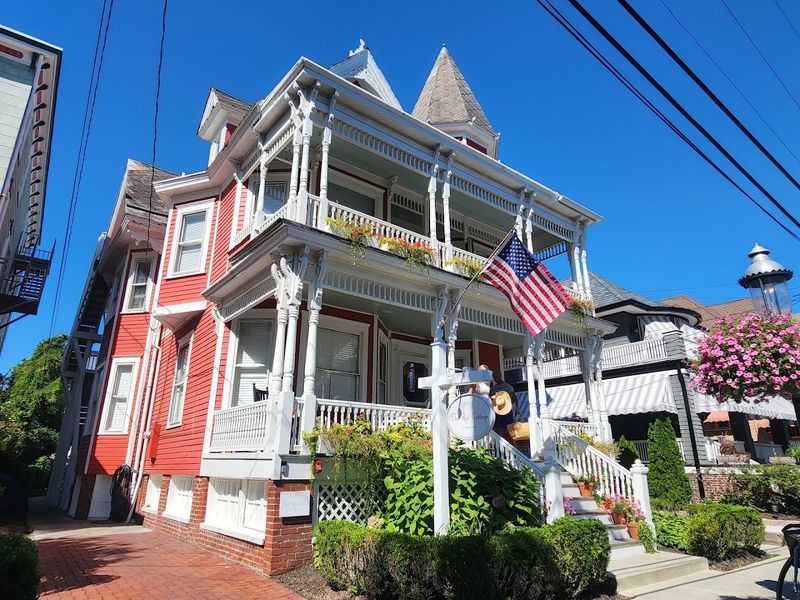
Walking through Cape May feels like someone lifted a chunk of Victorian England and dropped it gently onto the Jersey Shore.
The streets are lined with over 600 preserved Victorian buildings, each painted in cheerful, layered colors that make every block feel like a postcard.
It earned its status as a National Historic Landmark District, and that title is absolutely earned.
The Washington Street Mall is the town’s heartbeat, a pedestrian-friendly stretch filled with cafes, boutiques, and bakeries that invite long, unhurried afternoons. Freshly baked scones and clotted cream show up on menus here like they belong, and somehow they do.
The ocean air mixes with the smell of pastry in a way that genuinely stops you mid-step.
Dutch sea captain Cornelius Jacobsen Mey first discovered this area in 1620, giving the town both its name and its early European identity.
The architecture called “painted ladies” is the real showstopper, with turrets, wraparound porches, and ornate trim on nearly every corner.
Summer evenings here feel like a garden party that never quite ends. Cape May rewards slow walkers, curious eaters, and anyone who loves a town that takes its history seriously without taking itself too seriously.
Address: Washington Street Mall, Cape May, NJ
2. Lake Mohawk in Sparta: A Swiss Village Hiding in Sussex County
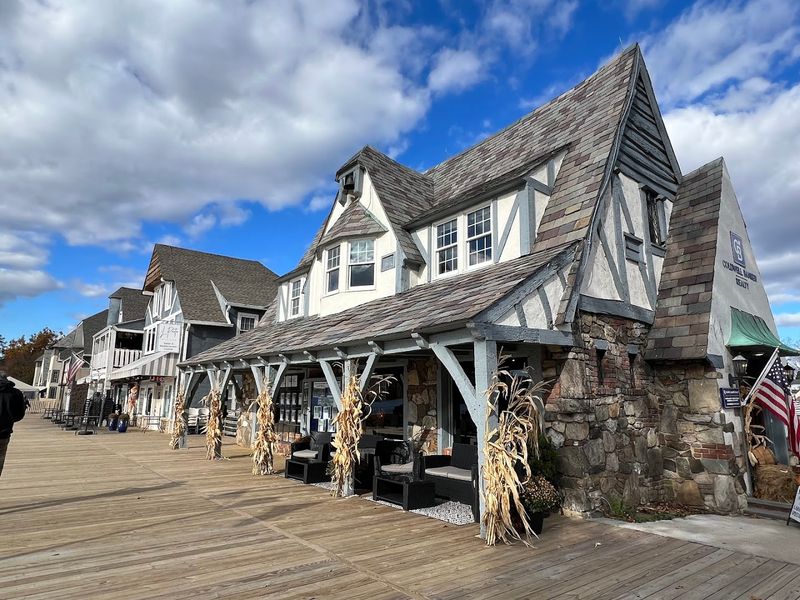
There is something almost surreal about rounding a bend in Sussex County and suddenly feeling like you have landed in the Swiss Alps.
The area around Lake Mohawk in Sparta pulls this off with an impressive collection of Tudor, English Cottage, and German Baronial buildings clustered around a sparkling lake.
It is the kind of place that makes you stop and do a double take.
The downtown strip near the lake carries a distinctly Alpine character, with half-timbered facades, steep rooflines, and window boxes that seem permanently in bloom. Local eateries lean into the theme with hearty, satisfying menus that nod toward Central European comfort food.
Warm pretzels and rich, slow-cooked dishes feel perfectly at home here.
Beyond the food, the setting itself does most of the heavy lifting. The lake reflects the surrounding architecture in a way that is genuinely cinematic, especially on calm mornings when the mist sits low on the water.
Hiking trails surround the area, giving the whole experience a mountain resort quality that feels far removed from the busy highways of northern Jersey.
Families love it here because there is real variety, from paddleboating on the lake to exploring the charming shops along the main drag. It is a full-day experience that rewards anyone willing to make the drive up into Sussex County.
Address: Lake Mohawk, Sparta, NJ
3. Long Valley: Where German Heritage Runs Deep
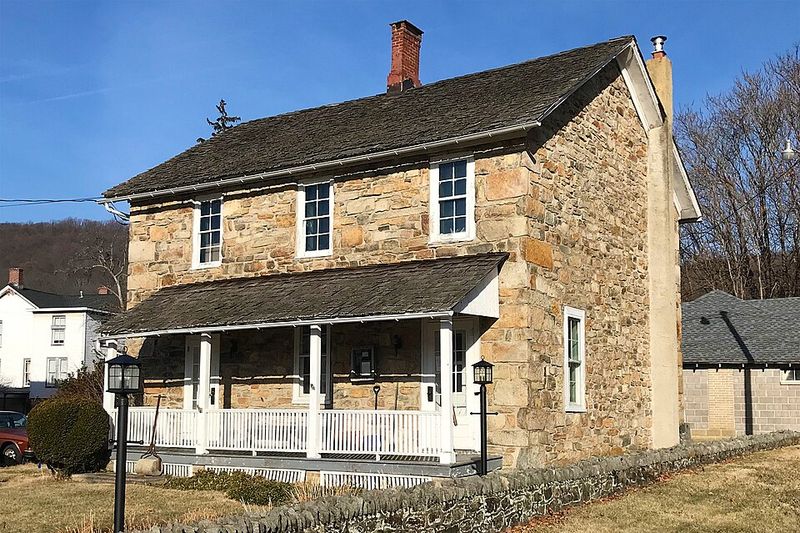
Once officially called German Valley, Long Valley in Washington Township wears its heritage with quiet pride.
The German Valley Historic District preserves buildings dating back to the 18th and 19th centuries, giving the town a texture and weight that newer places simply cannot manufacture.
Walking these streets feels like flipping through a well-worn history book.
The Long Valley Pub and Brewery is designed to evoke an Alpine beer hall, with heavy wooden beams, long communal tables, and a warm, convivial atmosphere that immediately puts you at ease. The menu leans hearty and satisfying, offering dishes that feel rooted in Central European tradition.
Soft pretzels, sausages, and rich stews make regular appearances, and they are taken seriously here.
Beyond the pub, the surrounding countryside adds to the immersive quality of a visit. Rolling hills, old stone farmhouses, and winding country roads give Long Valley a pastoral European feeling that is rare in New Jersey.
It rewards the kind of visitor who enjoys a slow afternoon of exploration rather than a packed itinerary.
The town also hosts seasonal events that celebrate its German roots, drawing locals and visitors who appreciate authentic cultural connection over tourist spectacle. Long Valley is the kind of discovery that makes you feel like you found something others have overlooked.
Address: 1 West Mill Road, Long Valley, NJ
4. Frenchtown: Bastille Day on the Delaware
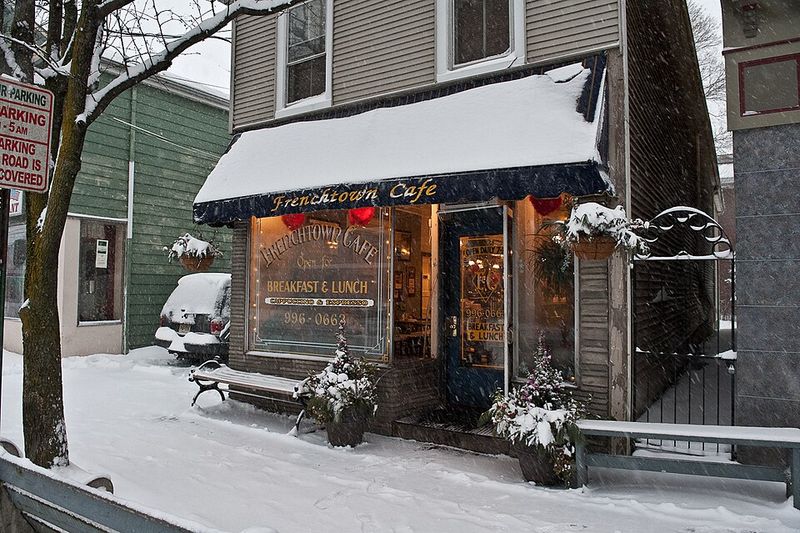
Frenchtown sits on the Delaware River like it has been waiting patiently for you to show up and appreciate it.
Settled by French Huguenots in 1725, the town has never let go of that founding identity, and it shows in everything from its architecture to its annual Bastille Day celebration.
The streets feel genuinely European in a way that is hard to fake.
Victorian buildings line the main drag, housing an eclectic mix of boutiques, galleries, and restaurants that could easily belong in a small French village. The food scene here punches well above the town’s modest size.
Bakeries producing crusty loaves, bistro-style cafes, and restaurants serving slow-cooked French-inspired dishes give the whole town a culinary confidence that surprises first-time visitors.
The Delaware River provides a stunning backdrop that amplifies the Old World feeling considerably. Sitting at a riverside cafe with a plate of something wonderful in front of you and the river moving slowly past is genuinely one of New Jersey’s great travel pleasures.
It is the kind of afternoon that resets your whole week.
Bastille Day in July transforms the already-charming streets into a full-on French street festival, with music, food, and a spirit of celebration that is completely infectious. Frenchtown rewards visitors who love culture, food, and architecture in equal measure.
Address: Bridge Street, Frenchtown, NJ
5. Ho-Ho-Kus: Dutch Roots and Tudor Charm
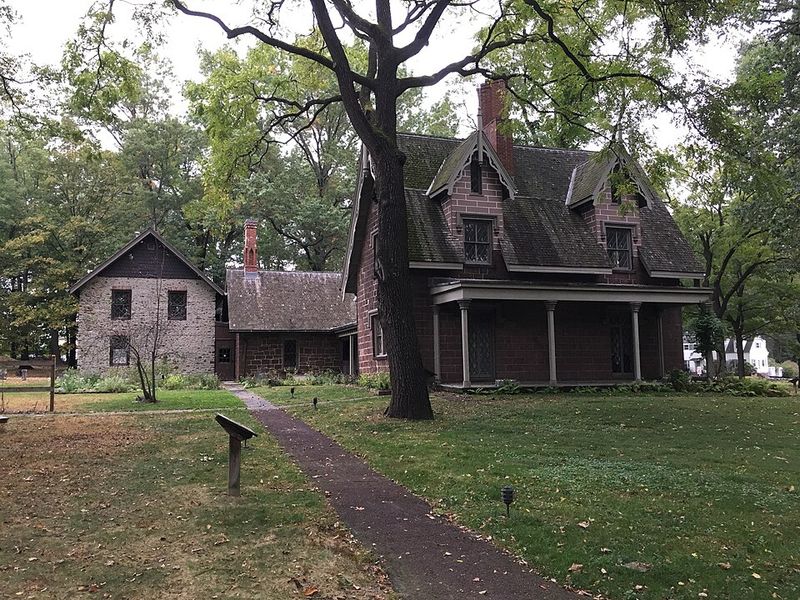
Ho-Ho-Kus is the kind of town where the name makes you smile before you even arrive, and then the place itself makes you want to stay indefinitely.
Settled by the Dutch in 1698, it carries layers of Colonial and Tudor-style architecture that give it the unmistakable feel of a European small town frozen in a particularly lovely era.
The streets are walkable, shaded, and genuinely pleasant.
The Hermitage, a National Historic Landmark, anchors the town’s historical identity with its striking English Gothic Revival architecture. It is one of those buildings that commands a full stop, a long look, and a moment of appreciation for whoever had the foresight to preserve it.
The surrounding neighborhood matches that energy with well-maintained historic homes that feel lived-in and loved.
Local cafes and bakeries line the pedestrian-friendly areas, offering European-style pastries, sandwiches, and coffee that make a morning visit especially rewarding. The pace here is deliberately unhurried, which is part of the appeal for anyone escaping the frenetic energy of nearby cities.
Ho-Ho-Kus is proof that Bergen County holds some of New Jersey’s most underrated gems.
The combination of Dutch heritage, Tudor architecture, and genuinely welcoming local businesses creates a travel experience that feels curated without feeling artificial. Address: Sheridan Avenue, Ho-Ho-Kus, NJ
6. Historic Smithville: A European Village Around a Lake
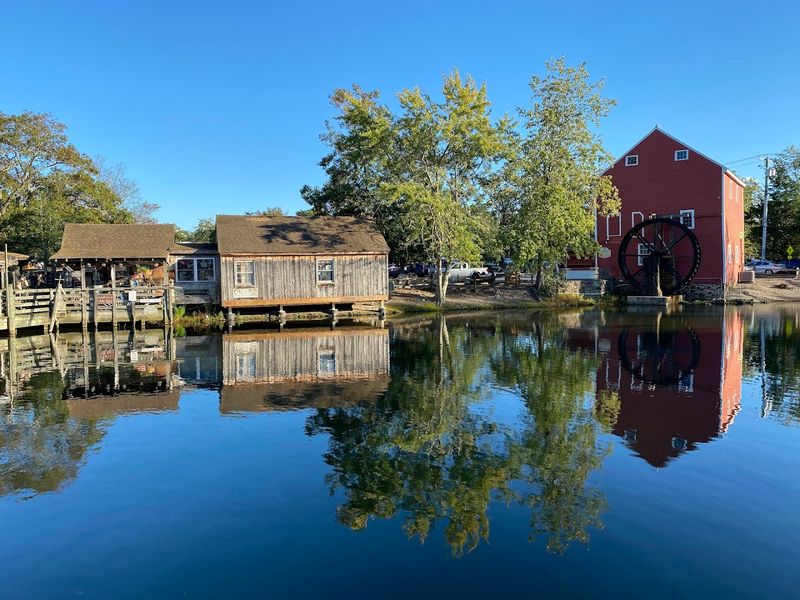
Historic Smithville in Galloway Township is the kind of place that makes you forget you are in southern New Jersey.
Buildings from different architectural eras are arranged around a scenic lake, creating a pedestrian village that genuinely evokes the feel of a small European town.
The whole layout feels intentional and immersive in the best possible way.
The food options scattered throughout the village range from casual bakeries to sit-down restaurants, all maintaining the cozy, unhurried atmosphere that defines the experience. Brick-oven pizza, European-style sandwiches, and freshly made desserts appear on menus throughout the property.
Eating here is less about fine dining and more about the pleasure of a good meal in a beautiful setting.
Paddle boats drift across the lake while families stroll the winding paths between shops and eateries. The atmosphere is relaxed and genuinely welcoming, making it an ideal destination for groups of all ages and interests.
It has a timeless quality that makes repeat visits feel just as rewarding as the first.
Seasonal events, from holiday markets to outdoor festivals, keep Smithville feeling alive throughout the year. It is one of those rare places that manages to be both a tourist destination and a genuinely beloved local spot simultaneously.
Discovering Smithville feels like finding a secret that everyone in the know has been quietly keeping.
Address: 615 East Moss Mill Road, Smithville, NJ
7. Newark’s Ironbound District: Little Portugal on the Passaic
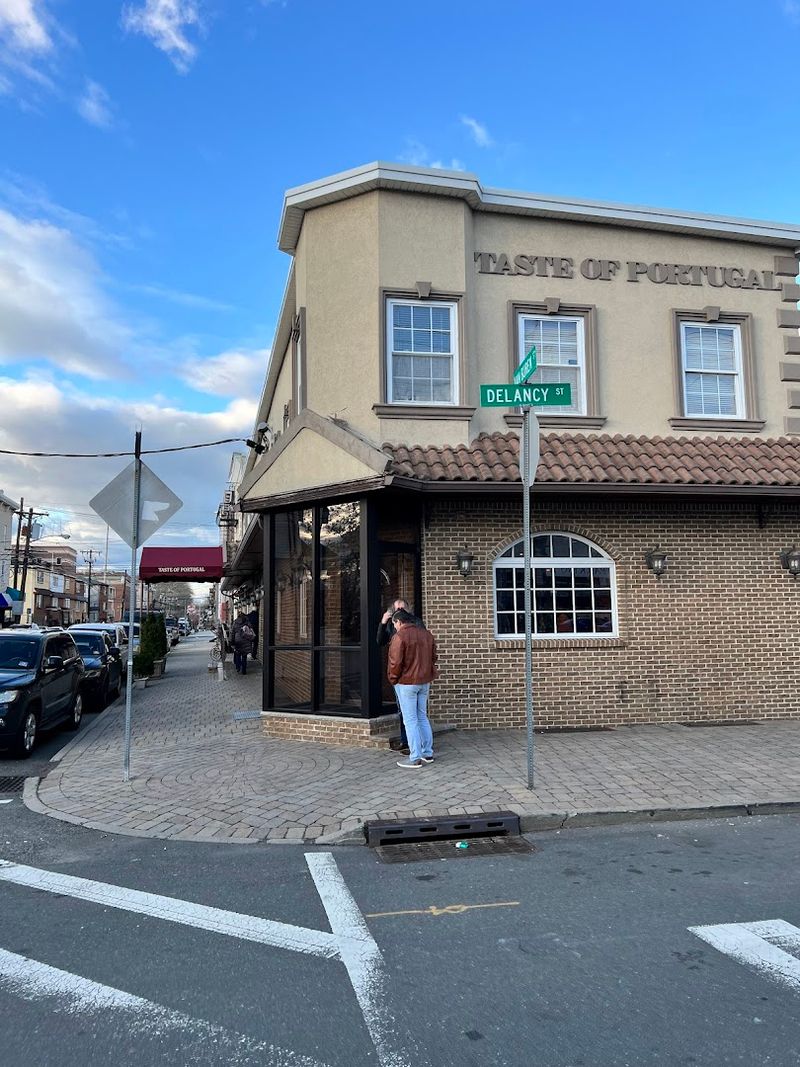
The Ironbound District in Newark does not hint at its European identity, it announces it loudly and proudly from every tiled facade and hand-lettered menu board.
Known as both Little Portugal and Little Brazil, this neighborhood delivers one of the most authentically European food experiences in the entire northeastern United States.
The energy here is vibrant, loud, and completely captivating.
Portuguese-style azulejo tile work decorates building fronts throughout the district, a visual tradition that immediately transports you to Lisbon or Porto. European-style cafes serve strong espresso and custard tarts that are genuinely hard to distinguish from the real thing.
The baked goods alone justify the trip from anywhere in the state.
Restaurants here serve traditional dishes with a commitment to authenticity that is both impressive and deeply satisfying. Grilled fish, slow-roasted meats, and fresh seafood dishes dominate menus that read like love letters to Iberian cuisine.
The Portugal Day Festival each year transforms the streets into a full celebration of heritage, with music, food, and community pride on full display.
The Ironbound is also one of the most walkable neighborhoods in New Jersey, with Ferry Street serving as the main artery of this bustling cultural corridor. It rewards curious food lovers and anyone who appreciates a neighborhood with genuine soul.
Address: Ferry Street, Newark, NJ
8. Waterloo Village: A 19th-Century Canal Town Brought Back to Life
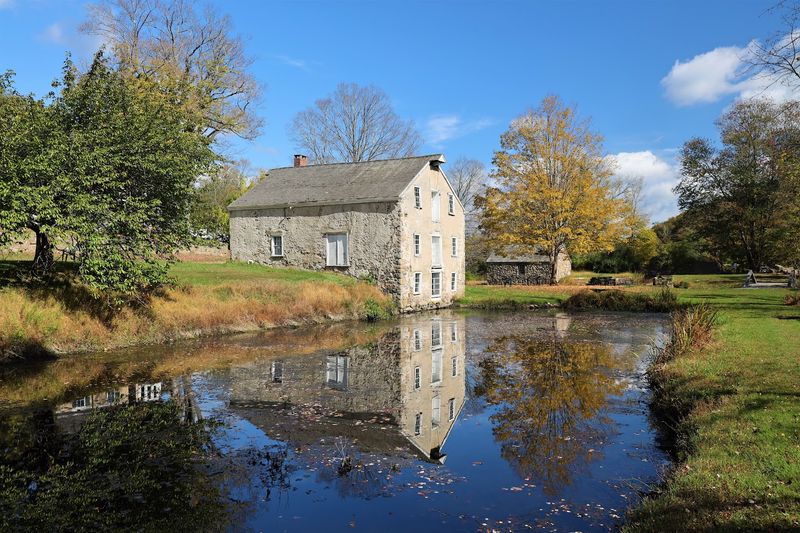
Waterloo Village in Stanhope sits along the Musconetcong River like a beautifully preserved memory.
This restored historic village recreates the experience of a 19th-century European canal town with a level of care and detail that makes the past feel genuinely present.
It functions as a living museum, which sounds dry until you actually arrive and realize how alive the place feels.
The carefully restored buildings from the 1800s include a gristmill, a blacksmith shop, and a canal lock that once served the Morris Canal system. Walking between them feels like moving through time in the most pleasant way imaginable.
Each structure tells a piece of the story of early American industry shaped by European engineering traditions.
Food vendors and seasonal events bring the village to life in ways that a static museum never could. Artisan breads, handmade cheeses, and traditional craft foods appear at festivals and markets throughout the year.
The combination of culinary tradition and historic setting creates an experience that engages all the senses at once.
The surrounding natural landscape adds to the immersive quality considerably. The river, the trees, and the stone buildings together create a scene that could easily belong somewhere along the Rhine or the Seine.
Waterloo Village is one of New Jersey’s most underappreciated travel destinations, full stop.
Address: 525 Waterloo Road, Stanhope, NJ
9. Fairfield: The Most Italian Place in America
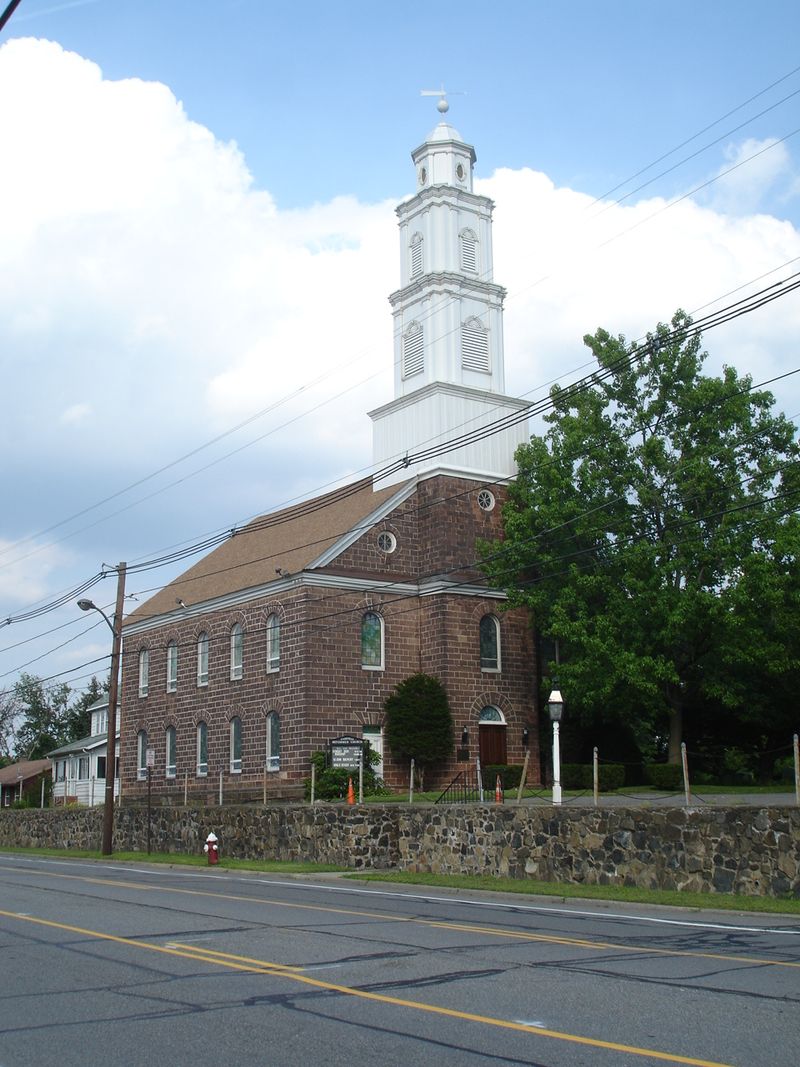
Fairfield has been called the most Italian place in the United States, and spending even a few hours here makes that title feel completely credible.
More than half of the town’s residents claim Italian ancestry, and that heritage saturates everything from the architecture to the food culture in ways that are both visible and deeply felt.
This is not a theme park version of Italy, it is the real thing transplanted to Essex County.
Bakeries here produce sfogliatelle, cannoli, and freshly made pasta with the kind of casual mastery that comes from generations of practice. Family-run delis and Italian specialty shops line the commercial streets, their windows displaying imported goods and house-made products side by side.
The smell of fresh bread and roasting garlic follows you down the block in the best possible way.
Restaurants in Fairfield take their food seriously without taking themselves too seriously, which is a very Italian quality. Sunday gravy, hand-rolled gnocchi, and wood-fired preparations dominate menus that change with the seasons and the availability of fresh ingredients.
Eating here feels like being welcomed into someone’s home rather than seated in a restaurant.
The town was originally settled by the Dutch in 1669, giving it a layered history that adds depth to the Italian cultural identity that dominates today.
Address: Fairfield Road, Fairfield, NJ
10. Spring Lake: The Irish Riviera of New Jersey
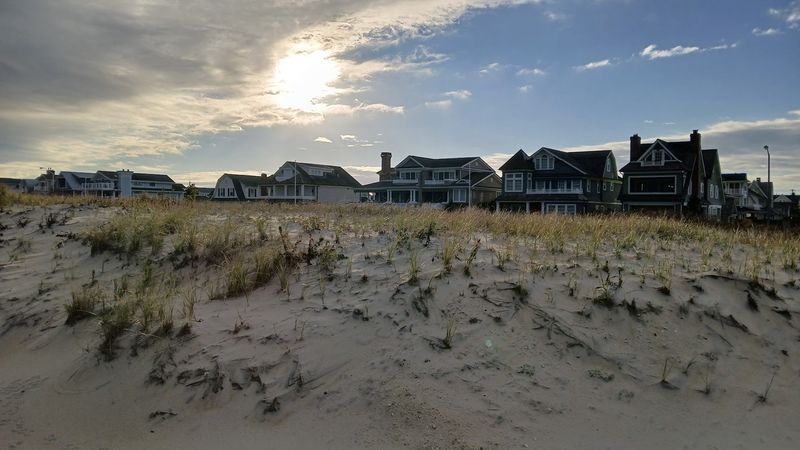
Spring Lake earns its nickname as part of Jersey’s Irish Riviera with a combination of natural beauty, cultural heritage, and a genuine sense of place that is hard to manufacture.
Over 40 percent of residents here claim Irish ancestry, and that identity shows up in the town’s character, its food culture, and the easy warmth of its local businesses.
The ocean and the green parks give it a coastal Irish quality that feels completely authentic.
Victorian homes line the streets in elegant rows, their well-maintained facades reflecting a community that takes genuine pride in preservation. The town lake, surrounded by manicured paths and weeping willows, creates a central gathering point that feels like something out of County Clare.
It is one of the prettiest inland water features on the entire Jersey Shore.
Local restaurants and cafes serve Irish-influenced comfort food alongside fresh seafood, creating menus that reflect both heritage and geography.
Soda bread, hearty stews, and freshly caught fish prepared with simple skill are menu staples that feel perfectly suited to the seaside setting.
Breakfast here is a particular joy, with generous portions and friendly service that sets a warm tone for the whole day.
The two-mile boardwalk offers a car-free stroll along the ocean that is simply one of the best walks in New Jersey. Spring Lake is a place that stays with you long after you leave.
Address: Ocean Avenue, Spring Lake, NJ
