Some of the best stops in West Virginia never ask for your attention, and you only notice them because a curious friend told you to slow down. That is how a lot of folks first hear about a sycamore so enormous that people still talk about it years after it came down.
I went looking expecting a quick roadside glance and maybe a snack from the cooler, and I came away thinking about five centuries of mountain history. If you love old stories, hometown pride, and a good excuse for a scenic drive, this one is worth the trip.
A Roadside Legend Rooted in the Mountain State
Picture a tree so wide that a family could stand shoulder to shoulder and still not wrap their arms around it. For generations, a giant American sycamore in central West Virginia did exactly that to anyone who saw it.
People drove out of their way, packed picnic lunches, and brought the kids just to stand beneath it.
Folks called it the Webster Sycamore, and it was reportedly the biggest of its kind in the state for decades. Today the living tree is gone, but its memory and the spot where it grew still pull curious travelers off the road.
Locals who remember it often speak of it the way they talk about an old family homestead.
What makes the story special is how ordinary the setting seems at first. There is no ticket booth, no giant gift shop, and no flashing sign promising a wonder.
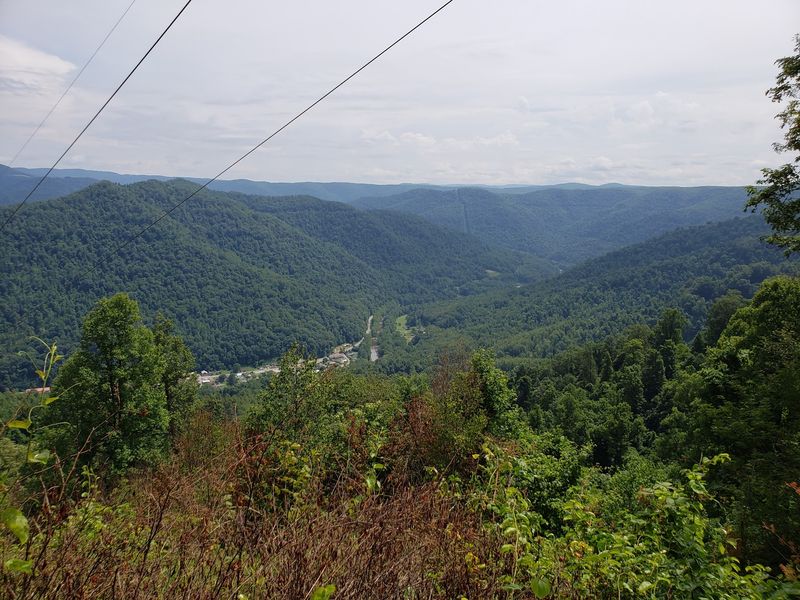
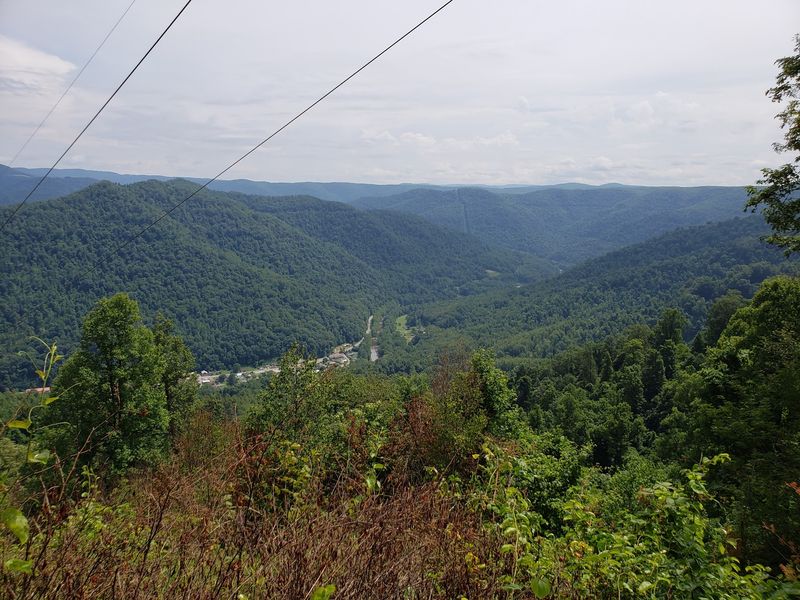
Instead, you find mountains, a river, and the quiet feeling that something remarkable once stood right here.
Over the next few sections, we will walk through the tree’s long life, its brief brush with national fame, and the small mountain town that sits close by. Think of it as a history lesson with a view.
Five Centuries Beside a Quiet River
Long before anyone drew a line around West Virginia on a map, this sycamore was already a youngster reaching for the sun. Experts estimated the tree was more than 500 years old by the time it came down in 2010.
That means it may have sprouted around the late 1400s or early 1500s.
Think about everything that happened while it grew. Native peoples traveled these valleys, the first settlers pushed into the Allegheny Mountains, and West Virginia became its own state in 1863.
Through all of it, the sycamore kept adding rings on a peaceful floodplain.
Sycamores love wet ground, and river bottoms give them the steady water they need to grow huge. That helps explain how this one reached such a size in rugged mountain country.
Its pale, patchy bark likely stood out against the darker forest like a white column.
A biologist from West Virginia University, W. H.
Gillespie, once described the tree as a memorial of the original virgin forest. It is a lovely way to put it.
The sycamore was a living link to the old woods that covered these hills before the timber boom changed everything.
Numbers That Made Foresters Whistle
Grab a tape measure and try to imagine this. The Webster Sycamore reportedly stood about 112 feet tall, which is roughly the height of a ten-story building.
Its crown spread around 90 feet, casting shade wide enough to cover a couple of house lots.
The trunk was the real showstopper. At breast height, the standard spot foresters measure, it came in at about 25.75 feet around.
If you have ever hugged a big old oak in your grandparents’ yard, multiply that feeling by several people holding hands.
Numbers like these are why tree lovers kept coming back. A photo never really captured the scale, so visitors had to see it in person.
Many old snapshots from the area likely show families lined up at the base, grinning and looking very small.
Fun fact for the kids: sycamores often grow hollow as they age, yet they can keep living for centuries. Their bark peels in patches, revealing creamy white wood underneath.
That is why people sometimes call them ghosts of the forest, especially in winter when their pale branches glow against the gray hills.
Three Short Weeks as America’s Champion
In 1955, word spread through the hills that West Virginia had the biggest American sycamore in the whole country. The American Forests Association, which keeps track of champion trees, gave the Webster Sycamore that honor.
You can bet a few proud locals bragged about it at the general store.
The glory did not last long, though. After about three weeks, a larger sycamore turned up in Maryland and took the national crown.
It is the kind of twist that makes a good front-porch story even better.
Still, three weeks at the top of the nation is nothing to shrug off. And back home, the tree kept its title as the largest American sycamore in West Virginia for the rest of its life.
That made it a genuine state treasure for more than fifty years.
For older folks who grew up hearing about it, the champion story still brings a smile. It captures that small-town pride West Virginians know so well.
We might not always win the biggest prize, but we sure know how to hold onto something special and tell everyone about it.
The Lumber Company That Chose to Spare It
Here is a twist nobody expects from timber country. When the Pardee and Curtin Lumber Company logged the area in the 1950s, they chose to leave the great sycamore standing.
In a region shaped by sawmills and log trains, that decision felt almost like a gift.
The company owned and looked after the land around the tree, and the spot became known as Big Sycamore Park. Campers pitched tents nearby, and tourists came to gawk at the giant.
It turned into one of those places families returned to summer after summer.
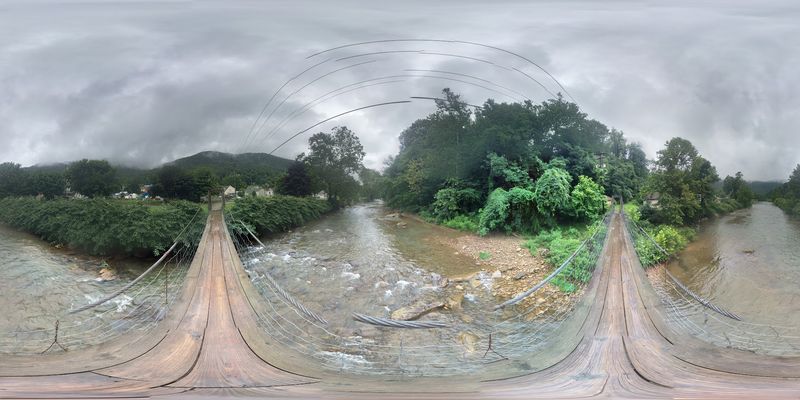
Getting there was part of the fun. Visitors crossed a swinging bridge over the Back Fork Elk River to reach the tree.
Anyone who has ever bounced across one of those old footbridges knows the mix of giggles and nerves it brings.
For many West Virginians, swinging bridges carry a heavy dose of nostalgia. They connected homes, schools, and churches across creeks all over the state.
Pairing one with a record-setting tree made Big Sycamore Park feel like a postcard from the good old days, the kind of memory that stays with you for decades.
Where the Back Fork Meets Webster Springs
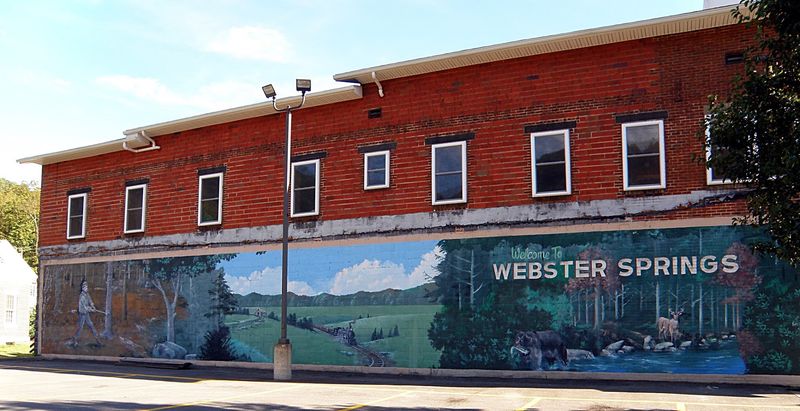
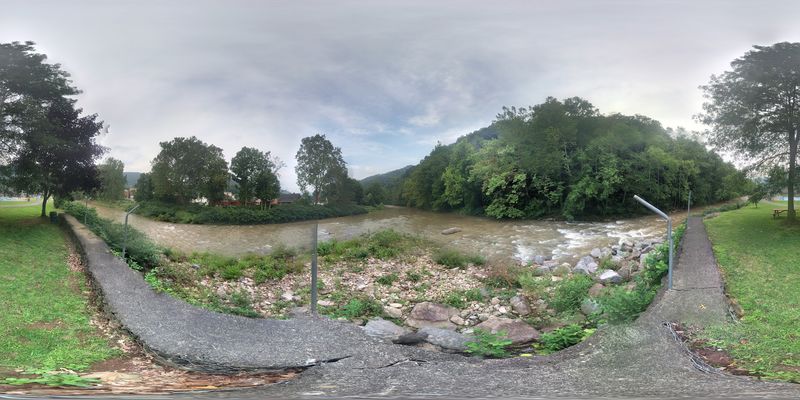
So where exactly did this giant grow? The old Big Sycamore Park sat roughly 4.5 miles east of Webster Springs, in Webster County, right along the Back Fork Elk River.
It is deep in the heart of the state, surrounded by steep ridges and thick woods.
Webster Springs is the county seat, and it is a small place. The town counted 731 residents at the 2020 census.
Officially, it was incorporated as Addison in 1892, but nearly everyone uses the post office name, Webster Springs.
That tiny population is part of the charm. You will not fight traffic or hunt for parking here.
The drive itself, winding through the mountains and along the water, is the kind of relaxing outing retirees and road trippers seem to love.
The Back Fork Elk River is a pretty stream in its own right. On a warm day, the sound of moving water and the smell of the woods can make you forget the rest of the world.
Even without the living tree, the setting helps explain why a sycamore could thrive here for five hundred years. Good soil, plenty of water, and a quiet corner of the mountains did the job.
A Hard Chapter in 2007 and 2010
Every long story has a sad part, and this one is no exception. Over time, disease weakened the old sycamore, and vandalism made things much worse.
In September 2007, someone set a fire inside the hollow base of the trunk.
The damage could not be undone. Even a tree that had survived five centuries of storms and floods could not bounce back from that.
People who cared about the sycamore watched it decline over the next few years.
Eventually, the West Virginia Division of Forestry checked the tree for safety and labeled it an extreme hazard. A tree that size could cause real trouble if it came down on its own.
So in the summer of 2010, crews felled the Webster Sycamore.
It was a heartbreaking moment for many in the county. Folks who had crossed the swinging bridge as kids, or brought their own grandkids to see it, felt a real sense of loss.
Yet the story did not simply end there.
The memory of the tree lives on in photographs, family tales, and the pride of a community that kept it safe for so long.
Mineral Springs and a Grand Old Resort Town
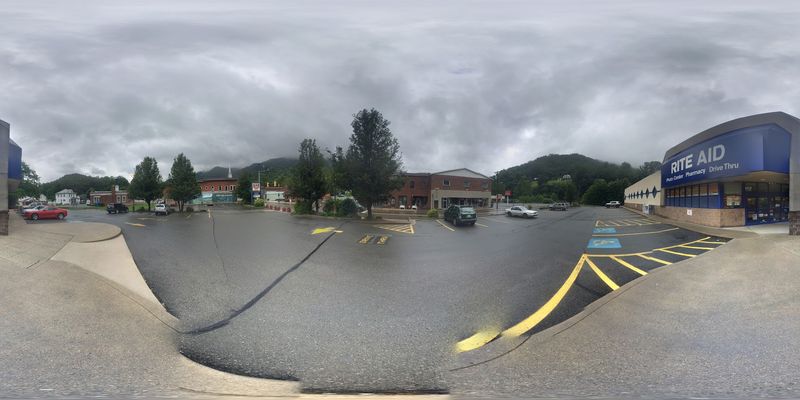
Long before anyone drove out to see a giant tree, people came to Webster Springs for the water. The town was first known as Fork Lick, and its saline sulphur springs drew visitors for a long, long time.
Folks believed the mineral water could help with all sorts of aches and ailments.
In the late 1800s and early 1900s, the springs turned the little town into a popular summer resort. The star of the show was the Webster Springs Hotel, a big and reportedly magnificent wooden building.
Guests arrived by train and spent lazy weeks enjoying the mountain air.
Sadly, the hotel burned in 1925, and railroad service ended a few years later. Those two losses marked the close of the resort era.
It is a familiar West Virginia story of boom times and quieter days that followed.
The town also served as a hub for coal and timber, the industries that built so much of the state. Walk around today and you can still sense that hardworking spirit.
For anyone who enjoys faded glory and small-town history, Webster Springs offers plenty to think about between stops.
The Independent State of Webster
Few counties can claim a nickname as bold as this one. Webster County was formed just before the Civil War, and during the conflict it went through an unusual stretch of governing itself.
That earned it the colorful title of the Independent State of Webster.
Locals still enjoy that bit of history, and you can see why. It fits the stubborn, self-reliant attitude so many mountain families carry with pride.
Ask around and you may hear a story or two passed down from grandparents.
Timber runs just as deep here as independence. The county celebrates that heritage every year with the Webster County Woodchopping Festival.
It honors the skills and traditions that helped shape the region, and it is a fun way to see the old ways come alive.
For visitors hoping to pair the sycamore story with something lively, planning around the festival could be a smart move. Check local tourism resources for current dates before you go.
Either way, the county’s mix of history and natural beauty makes it an easy place to spend a relaxed day or a long weekend exploring back roads.
Tips for Planning Your Trip
Good news for budget-minded travelers: visiting a stretch of river and a small mountain town is about as affordable as a day trip gets. Pack a lunch, fill up the tank, and enjoy the scenery.
There is no admission booth waiting for you along the Back Fork.
The town’s mailing address is simply Webster Springs, West Virginia 26288. From there, the former Big Sycamore Park area sits about 4.5 miles east along the Back Fork Elk River.
Roads here curve and climb, so take your time and enjoy the views.
Since the tree itself is gone, set your expectations kindly. You are visiting a place of memory, much like a historic homesite or an old battlefield marker.
The real reward is the setting and the story.
For current details on local events, lodging, and things to do, the town website at websterwv.com is a handy starting point. Visit Webster WV, the county tourism group, also shares helpful information.
Bring a camera and comfortable shoes. Spring green and fall color both make the mountains glow.
And if you remember the tree from years ago, bring those old photos along to compare then and now.
Why the Old Sycamore Still Matters
Maybe the best part of this trip is how it sneaks up on you. You come for a quirky roadside curiosity and leave thinking about how much a single tree can witness.
Five hundred years is a long time to stand in one place.
The Webster Sycamore reminds us that West Virginia’s history is not only written in courthouses and coal camps. It also lives in the land, in rivers and ridges and the old forest that once covered these mountains.
A lumber company’s choice to spare one tree helped keep that memory alive for generations.
For locals, the story is a point of pride. For newcomers, it is a peek into a quieter corner of the state that rarely makes the big travel lists.
Both groups can find something to love here.
So is it worth the drive? If you enjoy nostalgia, small towns, and a good tale, the answer is likely yes.
Pair it with a stroll through Webster Springs and a slow ride along the Back Fork.
And if you ever saw the giant in person, we would love to hear your memories of crossing that swinging bridge.
