I figured I’d spend maybe forty minutes at an old house on a quiet country road in eastern Oklahoma. Instead, a guide in period clothing handed me a story, then another, and suddenly two hours had slipped away.
The furniture was real, the spring still ran cold, and heritage turkeys wandered past like they owned the place. Some trips surprise you, and this one reminded me how much history is still standing right here at home.
A Greek Revival Survivor in Cherokee Nation Country
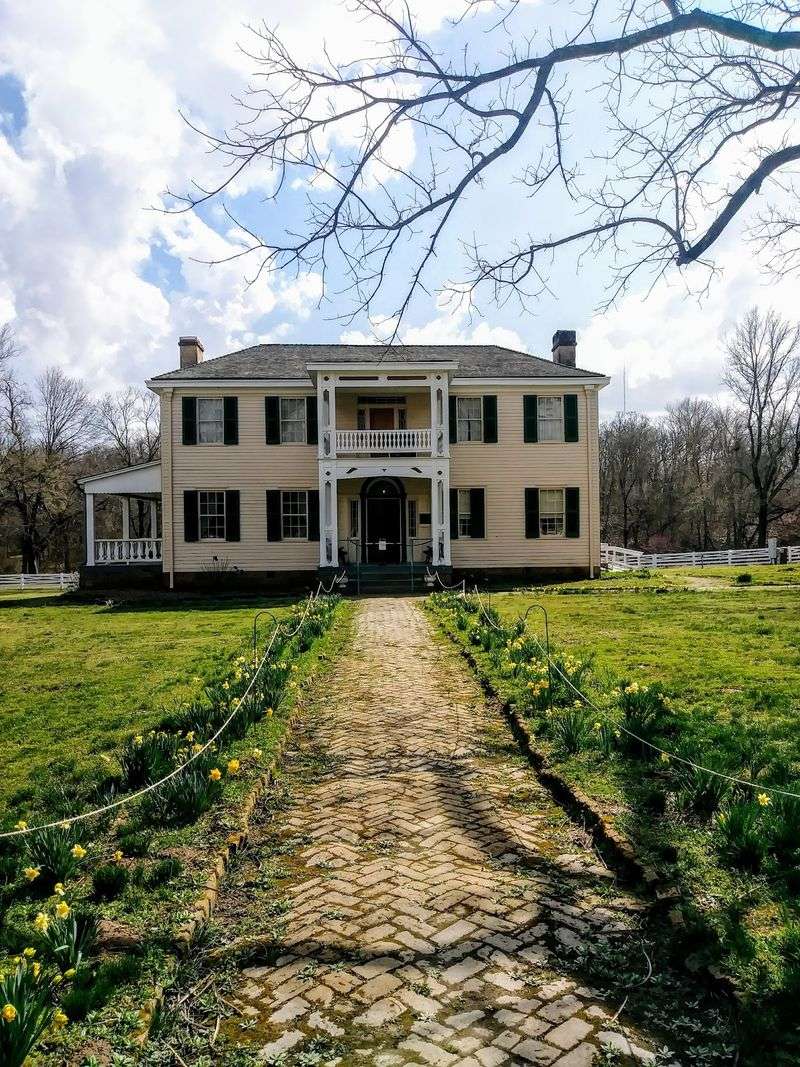
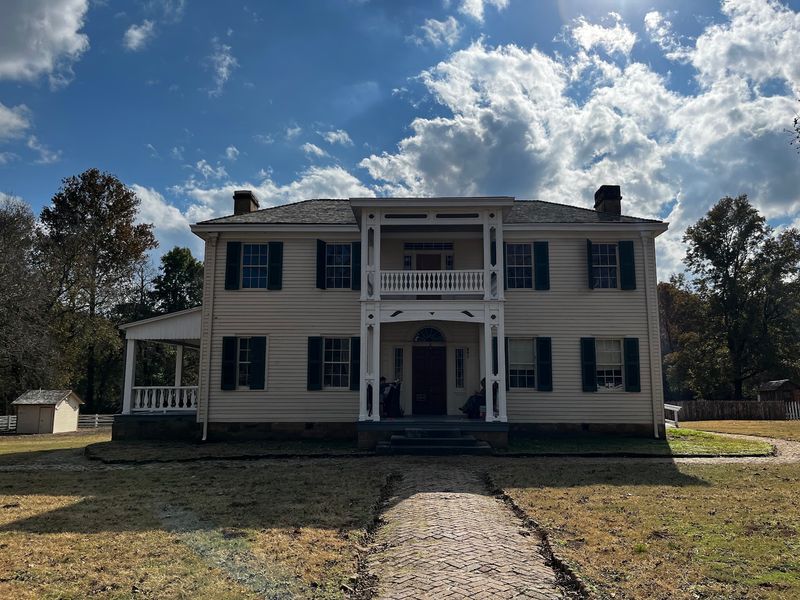
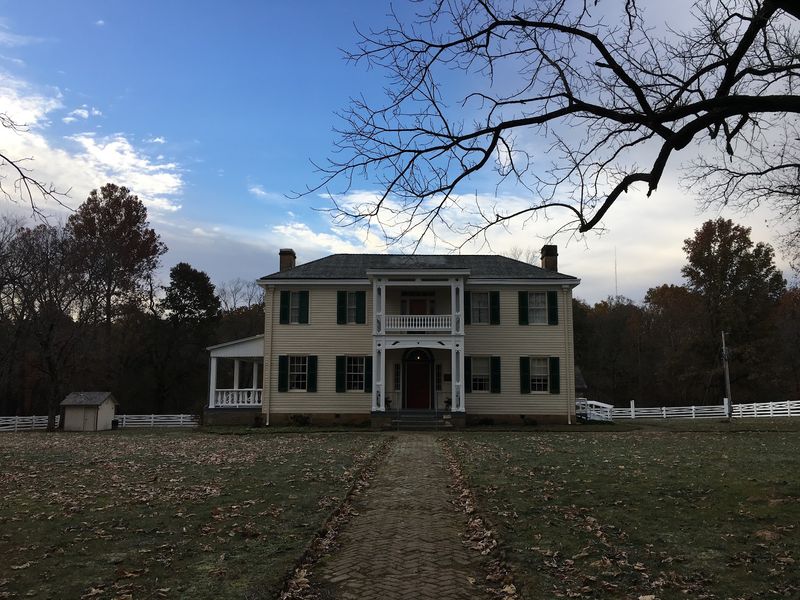
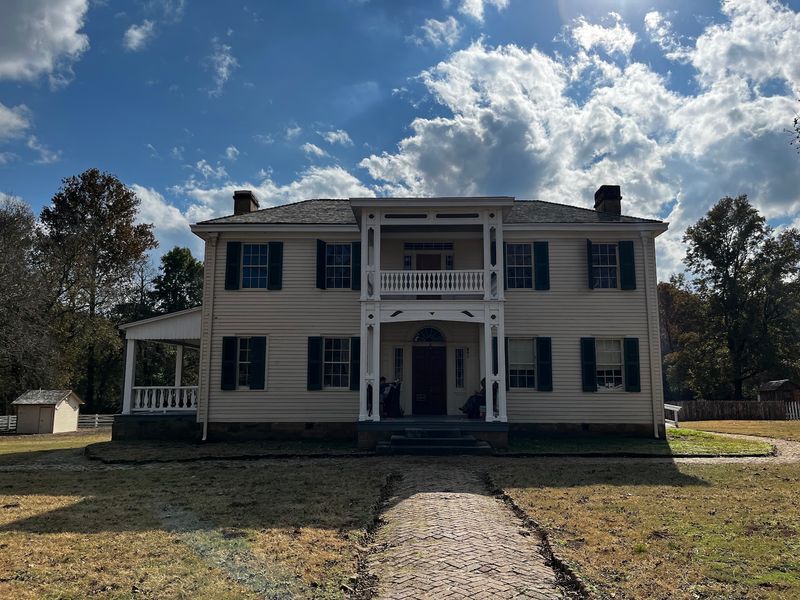
Picture a white two-story house with a columned porch, sitting calmly among shade trees in the green hills of eastern Oklahoma. That quiet scene is Hunter’s Home, the only surviving pre-Civil War plantation home in the entire state.
Built in 1845, it has outlasted nearly everything else from its era in this region.
Today the Oklahoma Historical Society runs it as a living history farm and museum. That means you are not just peeking at roped-off rooms.
You are stepping into a working version of the 1800s, complete with chores, crafts, gardens, and animals that fit the period.
The house is often called the Murrell Home, after the family who built it. Its style is Greek Revival, the kind of architecture that makes some visitors think of the grand old mansions in Louisiana.
Out here, though, it carries a story all its own, tied closely to the Cherokee Nation.
For Oklahomans who love a place that has been preserved rather than polished up, this site hits the sweet spot. Admission stays modest, the setting is peaceful, and the staff treat the property like a treasure they are honored to share with anyone who drives out.
The Murrell and Ross Family Story
Love stories built this house. George Michael Murrell, a successful planter and merchant from Virginia, married Minerva Ross, niece of Principal Chief John Ross of the Cherokee Nation.
Their union brought Murrell west into Indian Territory.
That move happened alongside one of the hardest chapters in American history. The family’s journey in 1839 coincided with the Trail of Tears, the forced removal of the Cherokee people from their southeastern homelands.
Guides handle this part of the story with care and honesty, which gives the tour real weight.
Once the house went up in 1845, it quickly became a social hub for the Cherokee elite of the mid-1800s. Visitors, family gatherings, and important conversations filled its rooms.
Knowing that makes the parlor and dining spaces feel a little livelier when you stand inside them.
Then came the Civil War, which wiped out many homes in the surrounding area. Somehow this one made it through.
That survival is a big reason the site matters so much today, because it offers a rare, physical link to Cherokee Nation life before the war reshaped everything.
Ask your guide about the family connections. They love that question.
Original Furnishings You Can Almost Touch
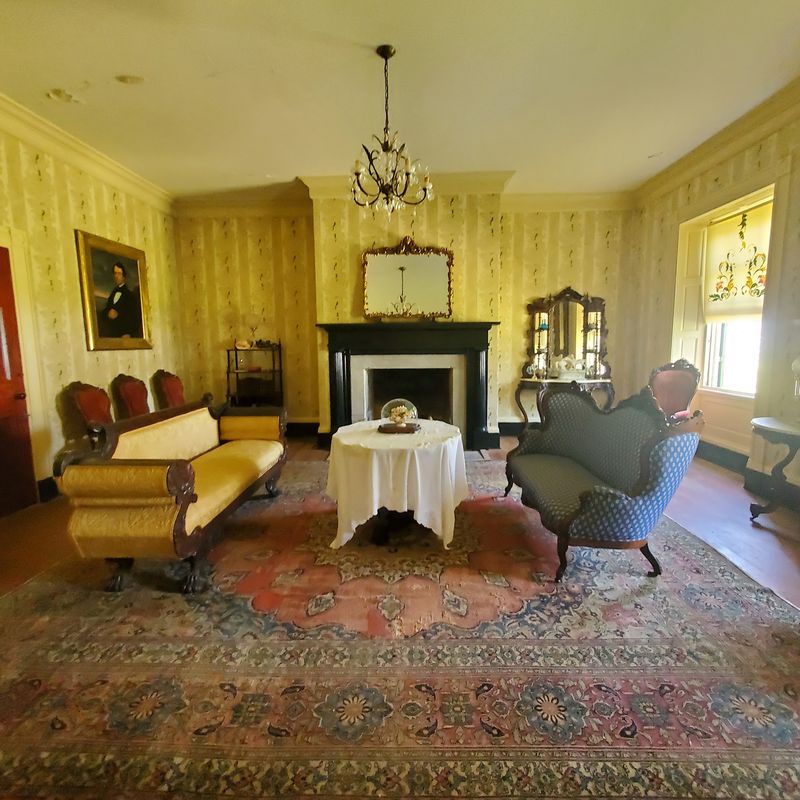
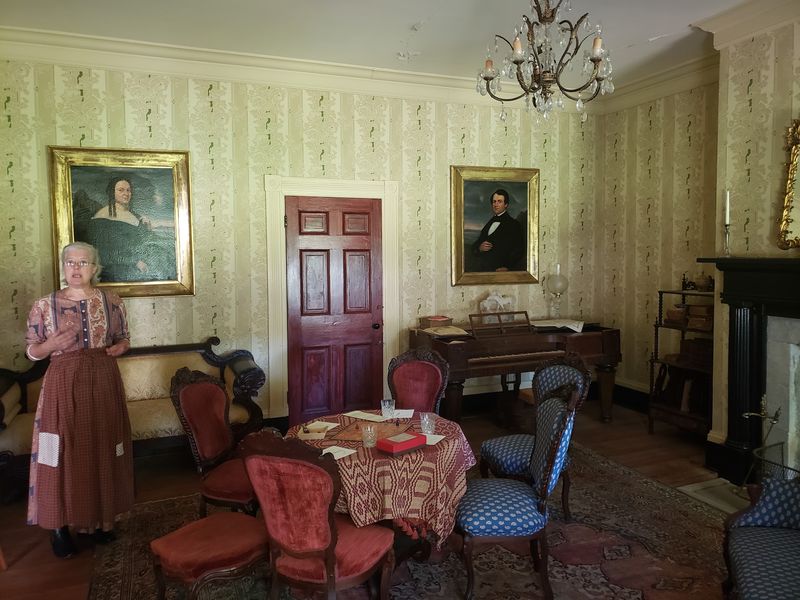
Here is a number worth remembering: somewhere between 80 and 99 percent of the furnishings inside belong originally to the Murrell or Ross families. One visitor was told about 90 percent during their tour.
Either way, that is almost unheard of in a house this old.
Credit goes largely to Jennie Ross Cobb, a cousin who lived in the home as a child. She later became its very first curator and worked hard to track down and bring back many original pieces.
Her effort is the reason the rooms feel lived in instead of staged.
Visitors often mention how open the experience feels. In some visits, guests have walked around rooms without barriers, peeked into cabinets, and looked closely at items on nightstands.
That kind of closeness is rare, and it makes the past feel surprisingly personal.
Guides also explain who owned each piece and where it came from, so a simple chair suddenly has a backstory. You start noticing the wear on the wood and the small details in the hardware.
It becomes less like a museum and more like a visit to relatives who just stepped out for the afternoon.
Interpreters in Period Dress
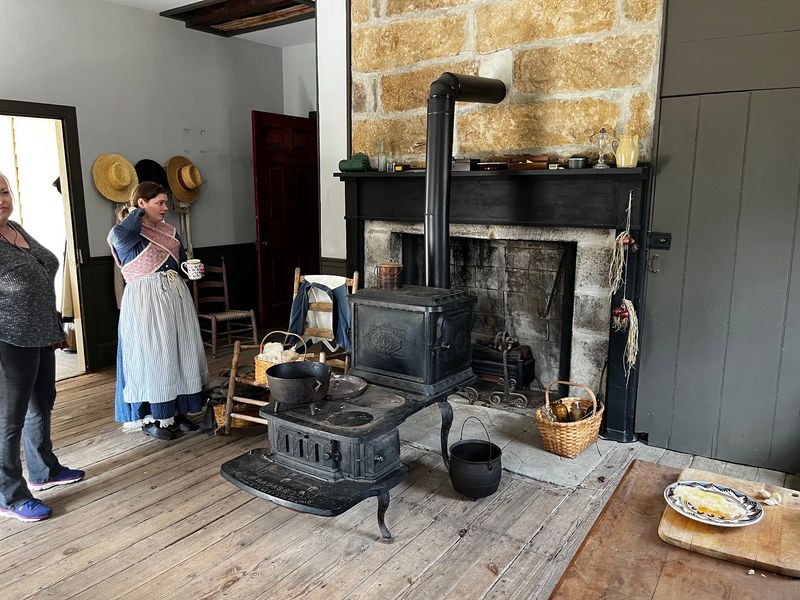
Guides here do not just recite dates. From Labor Day weekend through Memorial Day weekend, interpreters in period dress bring the 1800s to life with demonstrations of trades, daily chores, cooking methods, gardening, and crafts.
Guests are not stuck on the sidelines, either. You might find yourself sewing a few stitches, helping in the garden, planting, or trying out old-fashioned games.
Kids especially seem to light up when history becomes something they can do with their own hands.
The staff get a lot of love from people who visit. Guests regularly describe them as warm, passionate, and so knowledgeable that you can ask almost anything.
Several families mention planning for an hour and staying for two because the stories kept coming.
One guide has even worked with walnuts from the property, recreating a recipe for bread handed down from an actual occupant of the home. Details like that turn a tour into a real conversation about how people ate, worked, and got through the seasons.
Tours move at a comfortable pace, neither rushed nor dragging. You leave feeling like you learned from someone who genuinely enjoys the subject, which is the best kind of teacher there is.
Springhouse, Smokehouse, and the Working Grounds
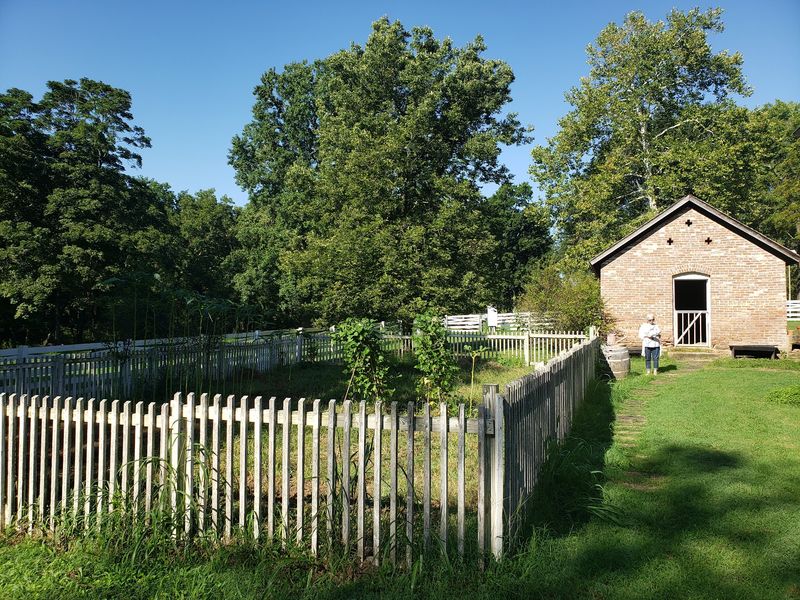
Step off the porch and the farm keeps talking. Scattered across the parklike grounds are an original springhouse, an 1896 smokehouse, a cabin, and a corncrib, each one hinting at how much work kept a household like this running.
The springhouse is a favorite. Before refrigerators, cool spring water helped keep food fresh, and standing next to it on a warm day makes that clever idea easy to understand.
Kids tend to find it fascinating once they realize this was the family’s version of a fridge.
Gardens, a walking trail, and shady spots add to the relaxed mood. Several visitors like touring the house first, then strolling the grounds at their own pace.
On hot Oklahoma afternoons, some people even come back another day just to explore outside when it is cooler.
Picnic areas and a play area for children make it easy to turn the trip into a half-day outing. Pack sandwiches, let the little ones burn off energy, and enjoy the quiet.
Restoration work continues around the property, and returning visitors say the changes look wonderful. Each season seems to reveal a little more of the old farm coming back to life.
Heritage Breeds and Merino Sheep
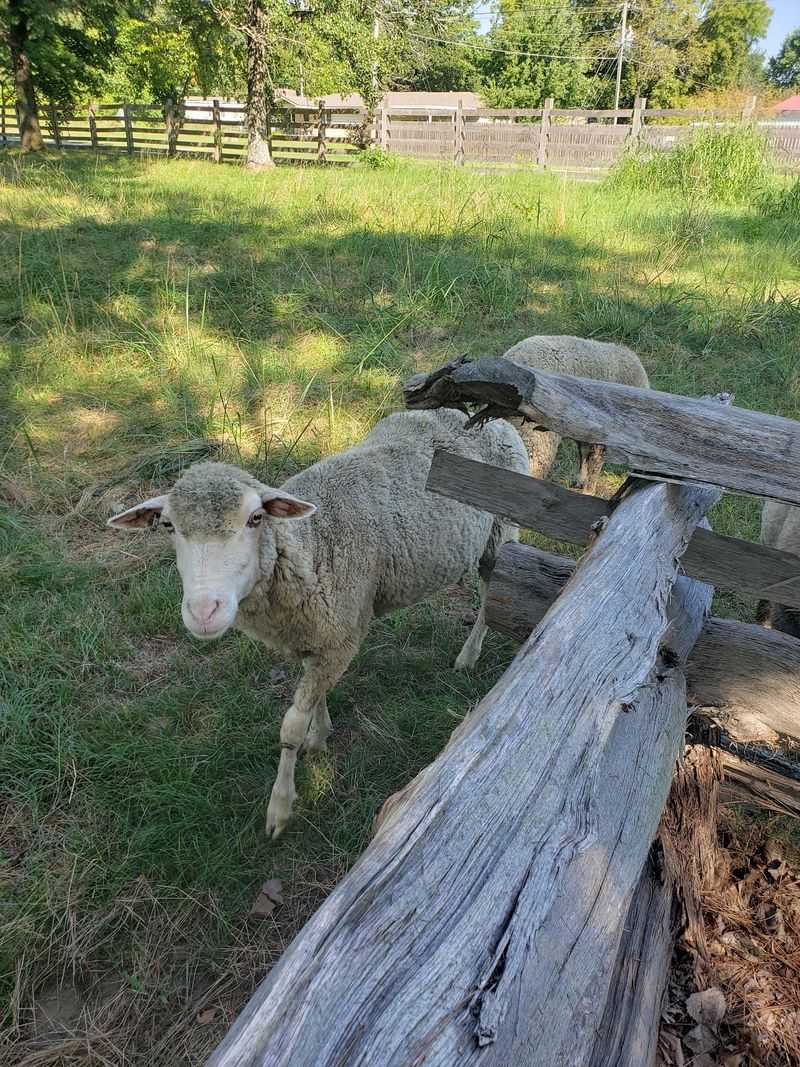
Gobble, gobble, and then a curious bleat. Animals are becoming a bigger part of the experience, and guests have spotted rare heritage turkeys, hens, and merino sheep roaming the grounds.
Heritage breeds are older types of farm animals, the kinds families would have raised long ago. Bringing them back helps the farm look and sound the way it might have in the 1800s.
It also gives kids a fun reason to stay outside a little longer.
During one Living History Day, visitors even got to watch sheep being sheared. That is the sort of moment you cannot plan around, but it shows how active the site can be.
Wool from those sheep ties right into future plans for weaving demonstrations.
Keep an eye out for the catalpa trees, too. Guides sometimes point them out as part of the landscape story, and they are lovely when in bloom.
Bigger dreams are underway. The site hopes to add more livestock, beekeeping, an apple orchard, and heirloom plants in the garden.
For families who visit year after year, watching the farm grow might become part of the tradition. Each trip could offer something your group has never seen before.
Cherokee Life Inside the Daniel Cabin
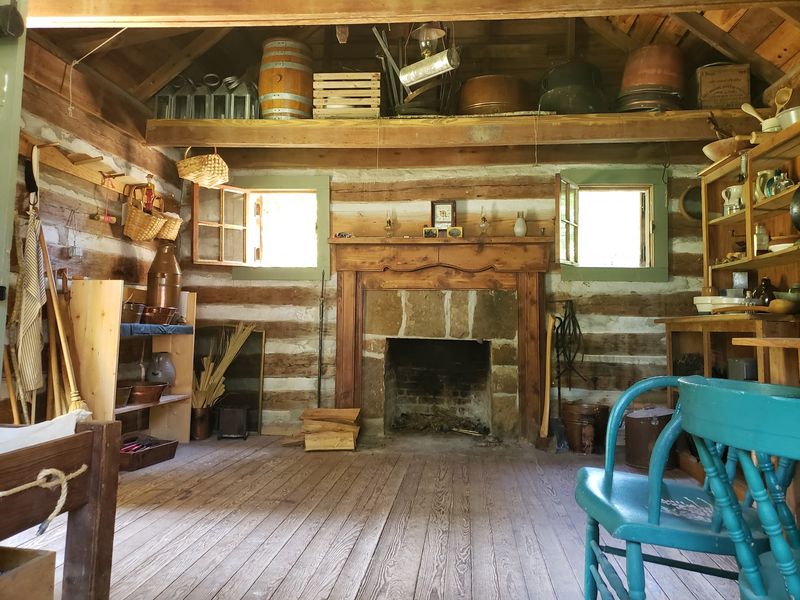
Out back sits a humble log structure with a big job. The Daniel Cabin offers a closer look at Cherokee life in the 1850s through special demonstrations that feel quite different from the main house.
Where the mansion shows one wealthy household, the cabin opens a window into everyday routines. A guide explains how people cooked, worked, and managed their homes back then.
Visitors often call it one of the most interesting stops on the property.
Oklahoma is home to 39 federally recognized tribes, and the Cherokee Nation remains a vibrant, living community today, headquartered nearby in Tahlequah. Seeing the cabin helps connect the past to the present in a way textbooks rarely manage.
Families with curious kids should plan a few extra minutes here. Questions tend to multiply once children notice the tools, the hearth, and the small size of the space compared to the big house.
Pairing a visit here with other Cherokee Nation cultural sites in the area can make for a meaningful weekend. Together they paint a fuller picture of the people who shaped this corner of Green Country and still call it home.
Honoring the 42 Enslaved People of the Plantation
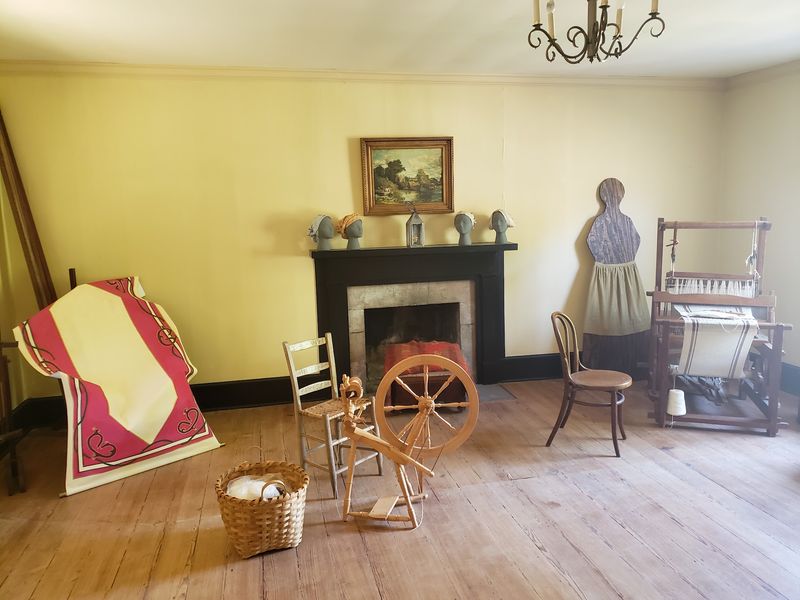
Behind every polished floor and tended garden were people whose labor made it all possible. Hunter’s Home openly acknowledges that 42 enslaved individuals lived and worked on the plantation.
Programming here shares their stories, giving voice to people like Susan, Ike, Nelson, and Eliza. They did the farm work and the household tasks that kept the entire place running, from the fields to the kitchen.
Guests mention appreciating that the stories of enslaved people are part of the tour rather than left out. It makes the visit more honest and more complete.
A beautiful house can hold difficult truths, and this site does not shy away from them.
For parents, this can open thoughtful conversations with older kids. Guides tend to handle the topic with respect and clarity, helping visitors understand without overwhelming them.
Learning these names changes how you see the grounds. The springhouse, the gardens, and the smokehouse are not just charming old buildings anymore.
They become places where real people spent their days, and remembering them is part of why preserving sites like this matters so much for future generations of Oklahomans.
Seasonal Festivals and Special Events
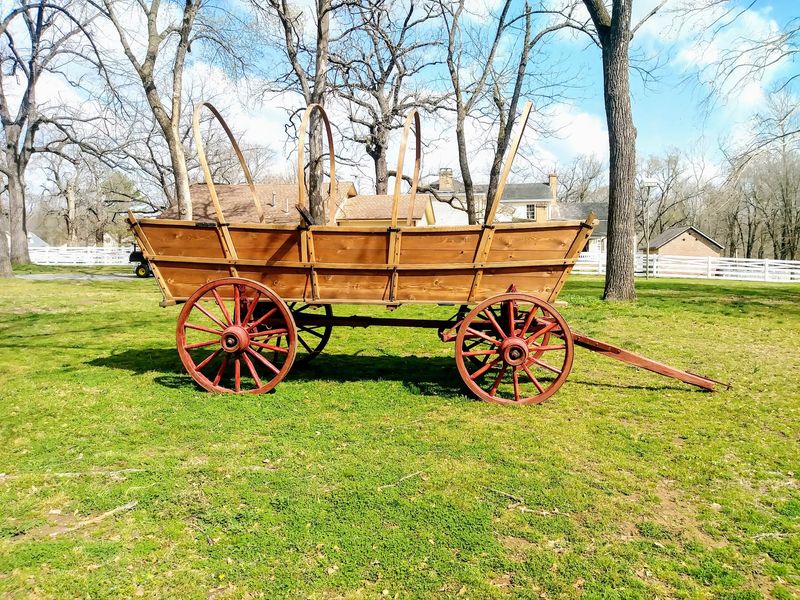
Mark your calendar, because the fun does not stop with regular tours. Hunter’s Home hosts themed events throughout the year that give locals a reason to keep coming back.
Spring brings a May Day Celebration, a cheerful way to welcome warmer weather. In October, the Antique Agriculture Festival shows off old farming ways just as the Ozark foothills start turning gold and red.
A Winter on the Farm program explores how families got through the chilly months.
December might be the coziest time of all. The holiday open house dresses the house up for the season, making it a sweet outing for grandparents and grandkids alike.
Hot cocoa weather and history go together nicely.
Some events are geared toward older crowds. A Ghost Stories program, for example, may be recommended for kids eight and up, so check details before bringing little ones.
Event schedules can shift from year to year, so it helps to call ahead or check the Oklahoma Historical Society website. Picking a festival date can turn a simple tour into a full family memory, and these gatherings often draw neighbors who have been coming for years.
Hours, Admission, and the Drive to Park Hill
Good news for budget-minded road trippers: adult admission runs just $7. Seniors 62 and up pay $5, students ages 6 to 18 pay $4, and kids 5 and under get in free.
Veterans and Oklahoma Historical Society members also enter free.
You will find the site at 19479 E Murrell Rd in Park Hill, just south of Tahlequah. From Tulsa, expect roughly an hour and a half of driving, and from Oklahoma City plan closer to three hours.
It pairs easily with a day exploring Tahlequah.
Doors open Tuesday through Saturday from 9 a.m. to 4:30 p.m. The site closes Sundays, Mondays, and state holidays, so plan weekend trips for Saturday.
Groups should reserve ahead, and there is plenty of room for buses and motorcoaches. For questions, call 918-456-2751.
Hours and prices can change, so a quick call before you go is smart.
Timing matters too. The living history season runs from Labor Day weekend to Memorial Day weekend.
Summer visits still work, but Oklahoma heat can be intense, so tour the house first and save the grounds for a cooler hour.
Worth the Trip for Curious Families
Some places tell history, and a rare few let you walk around inside it. Hunter’s Home belongs in that second group, and for less than the cost of a fast food lunch.
It suits grandparents who love old homes, parents looking for a screen-free afternoon, and students working on projects. Even a four-year-old on one visit happily pointed at signs and asked questions while exploring the grounds.
History buffs will find plenty of depth, while casual visitors will simply enjoy the peaceful setting.
What sticks with people most is the staff. Their enthusiasm turns facts into stories, and many guests leave saying the visit felt meaningful rather than just educational.
Balanced storytelling helps too. The site celebrates Cherokee Nation heritage, honors the enslaved people who labored here, and shares the family history without glossing over hard parts.
If you have been hunting for proof that Oklahoma holds something worth the drive, this might be it. Bring comfortable shoes, a picnic, and plenty of questions.
There is a good chance you will plan to stay an hour and end up leaving much later, already thinking about coming back.
