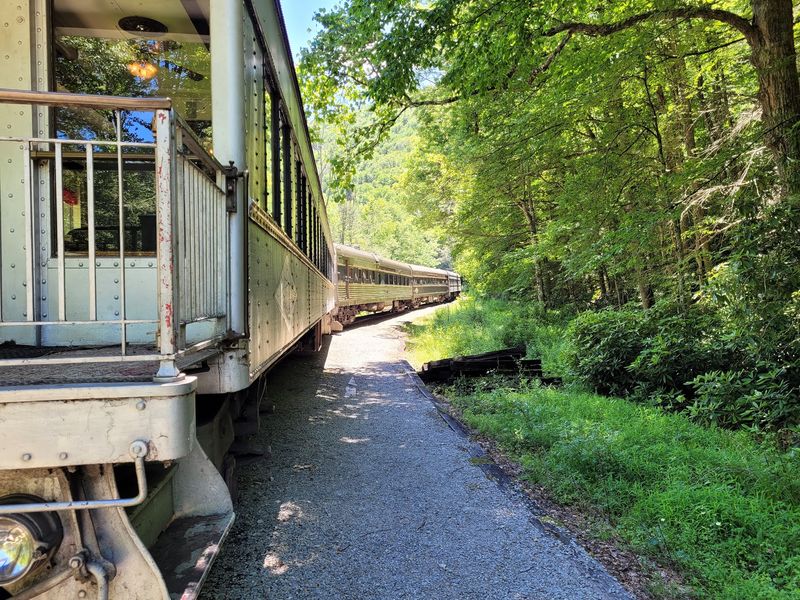
Some of the best memories in West Virginia start with a sound you hear before you see anything, a low whistle drifting over the hills on a cool fall morning. Follow it, and you might find an old passenger train waiting at a quiet depot, looking like it rolled straight out of your grandparents’ photo album.
Climb aboard, and the mountains start putting on a show of red, orange, and gold that no car window could ever match. It is a simple day out that turns into the kind of story you tell for years.
A Heritage Railroad in the Heart of the Mountain State
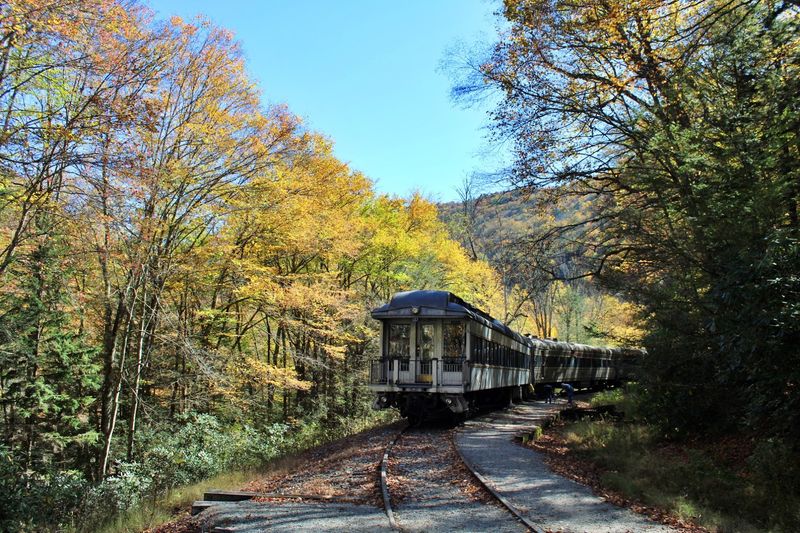
Picture a weekend plan that needs no traffic, no map, and no hurry. You simply find your seat, settle in, and let a railroad crew handle the rest while the Appalachian hills slide past your window.
That is the promise of a vintage excursion train run by a heritage railroad company that operates forest and mountain trips using both vintage diesel and steam locomotives. Its routes wind through some of the wildest country in West Virginia, much of it deep inside the Monongahela National Forest.
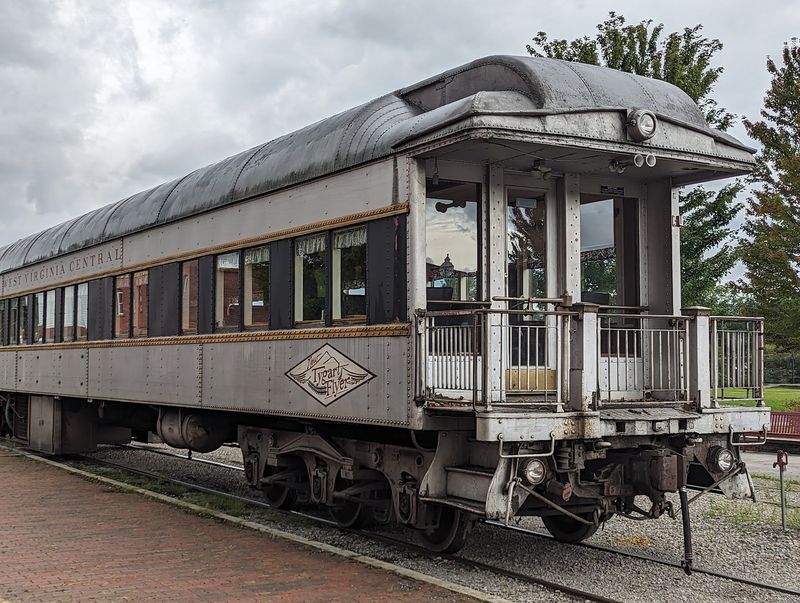
The star of the fall season is a train called the New Tygart Flyer. It makes a round trip of about 46 miles that takes roughly four hours, heading into rugged backcountry where highways simply do not go.
Riders often describe it as a genuine step back in time.
Autumn is when this ride really shines. Color on the high ridges usually peaks from late September into mid-October, and then it slowly spills down into the river valleys.
The train follows that changing color like it was built for it.
For folks who grew up hearing train whistles echo through the hollows, the trip feels familiar in the best way. For everyone else, it is a charming introduction to how this state used to travel.
Railroad Roots and a Boomtown Story
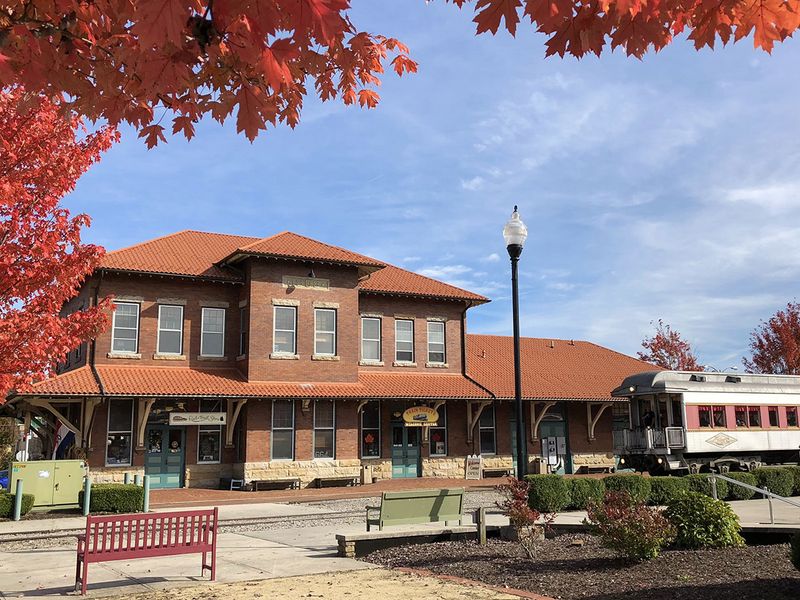
Long before anyone rode these rails for the scenery, trains here hauled coal and timber out of the mountains. The town where the Flyer begins was founded in 1890 by industrialists and politicians Henry Gassaway Davis and Stephen Elkins, and it reportedly grew up almost entirely around the railroad.
Back then, the West Virginia Central and Pittsburgh Railroad turned a stretch of wilderness into a busy center of commerce. Factories and hotels popped up, and businessmen and dignitaries came calling at the grand homes of the town’s founders.
By 1930, the city was said to see 18 passenger trains arriving and departing every day. Imagine the platform noise, the porters, the families waving goodbye.
Passenger service ended in 1959, and rail yard work stopped in the 1990s. Many towns would have let the story fade right there.
Instead, the Randolph County Development Authority spent roughly a decade on a project to bring the rail yard and depot back to life. Workers restored the 1908 depot and replaced a steel truss railroad bridge.
By 2007, passenger trains were once again pulling out of downtown, a proud comeback for a community that never forgot where it came from.
Along the Shavers Fork in Full Color
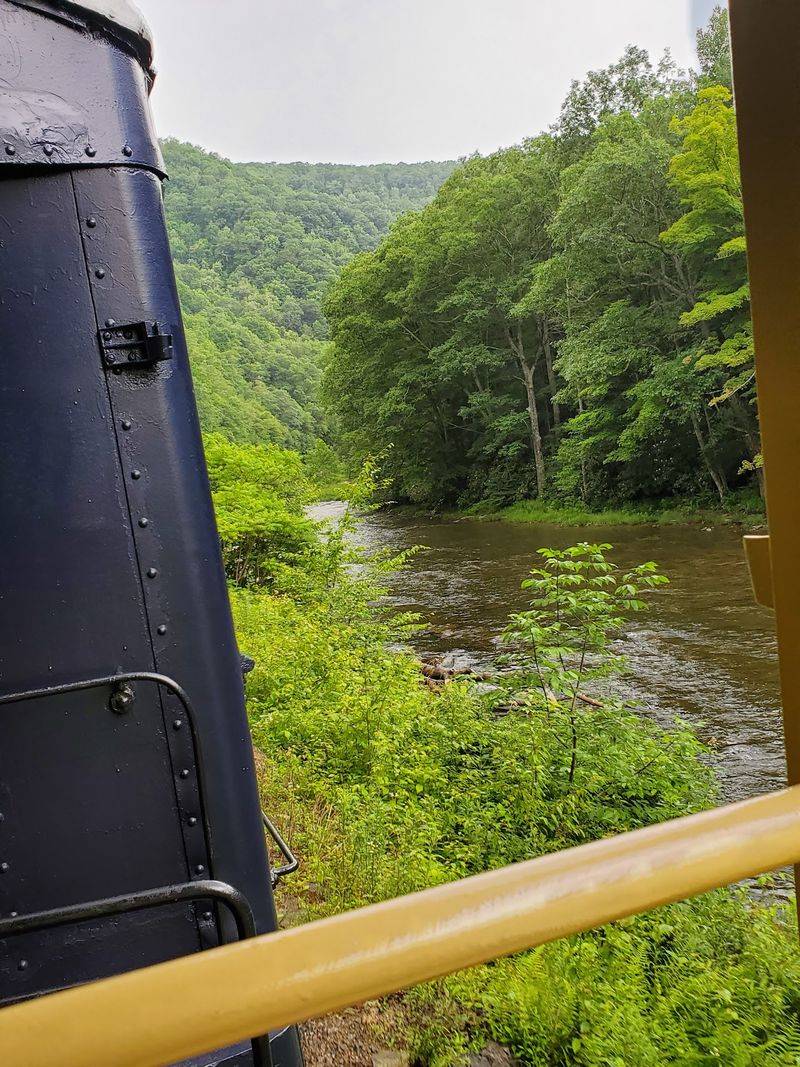
Water and leaves make a wonderful team. As the Flyer climbs into the forest, the tracks trace the tumbling Shavers Fork of the Cheat River, and on a still day the stream reflects every blazing maple along its banks.
No roads, no billboards, no gas stations. Much of this landscape can only be reached by rail or on foot, so the view feels untouched in a way most fall drives never do.
Riders mention a handy tip worth passing along. One visitor suggested sitting on the left side of the train on departure for the best look at the scenery, so grab those seats early if you can.
The cars are climate controlled, which matters more than you might think on a crisp October day in the high country. You stay comfortable while the mountain air outside turns sharp and cool.
Every curve seems to open a fresh scene of sunny yellows, deep oranges, and fiery reds stacked up the slopes. Bring a camera, sure, but also give yourself a few quiet stretches to just watch.
Some of the best moments on this ride are the ones you do not bother trying to capture.
Tunnels, Grades and a Famously Sharp Curve
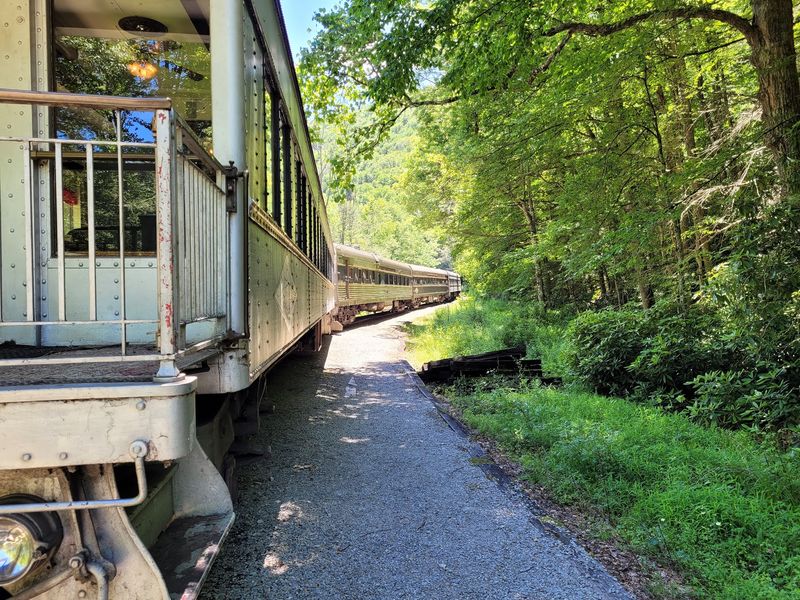
Railroad fans, this part is for you. The Flyer’s route packs in the kind of engineering drama that makes a mountain line memorable, from steep grades that test the locomotive to a high bridge crossing with wide views of the wilderness below.
Then there is the tunnel. It bends in an S curve, plunging the whole train into darkness for a moment before the forest bursts back into view.
Kids tend to love it, and plenty of grown-ups do too.
At the far end of the line, one rider recalled a tour guide explaining that a 33 degree bend in the track stops the train from going any farther. According to that guide, it is reportedly the sharpest railroad curve east of the Sierra Nevada.
The equipment itself earns attention as well. Visitors note that the railroad runs two classic F type diesel engines, the streamlined kind many of us remember from old postcards and model train sets.
A few riders even say that if you ask the engineer or conductor politely, you might get a peek inside the cab. One couple was delighted to learn the railroad’s own president was at the controls that day.
High Falls of Cheat, the Hidden Payoff
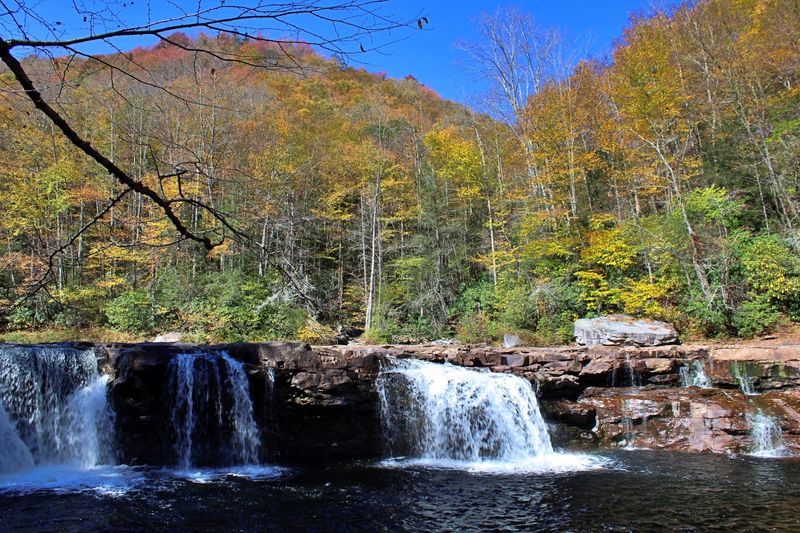
Eighteen feet tall and about 150 feet wide, the High Falls of Cheat is one of those places many West Virginians have heard about but never actually seen. There is a good reason for that.
Tucked deep in the Monongahela National Forest, the falls can only be reached by this train or by a dedicated hike. Riding in is by far the easier choice, especially for anyone whose hiking days are behind them.
When the train pauses, passengers climb off to stretch their legs and wander toward the water. Riders describe spending time there taking pictures, relaxing, and simply listening to the rushing cascade while fall color frames the scene.
One visitor called the falls glorious, and another said that if you have never been, the trip is worth it for this stop alone. It is hard to argue with that.
A friendly word of advice from past passengers: dress for the weather. The forest can feel noticeably cooler than town, and damp rocks near the falls call for sturdy shoes.
A light jacket and a little patience will reward you with one of the most peaceful half hours you will spend all autumn.
Lunch on the Rails and the Parlor Car Upgrade
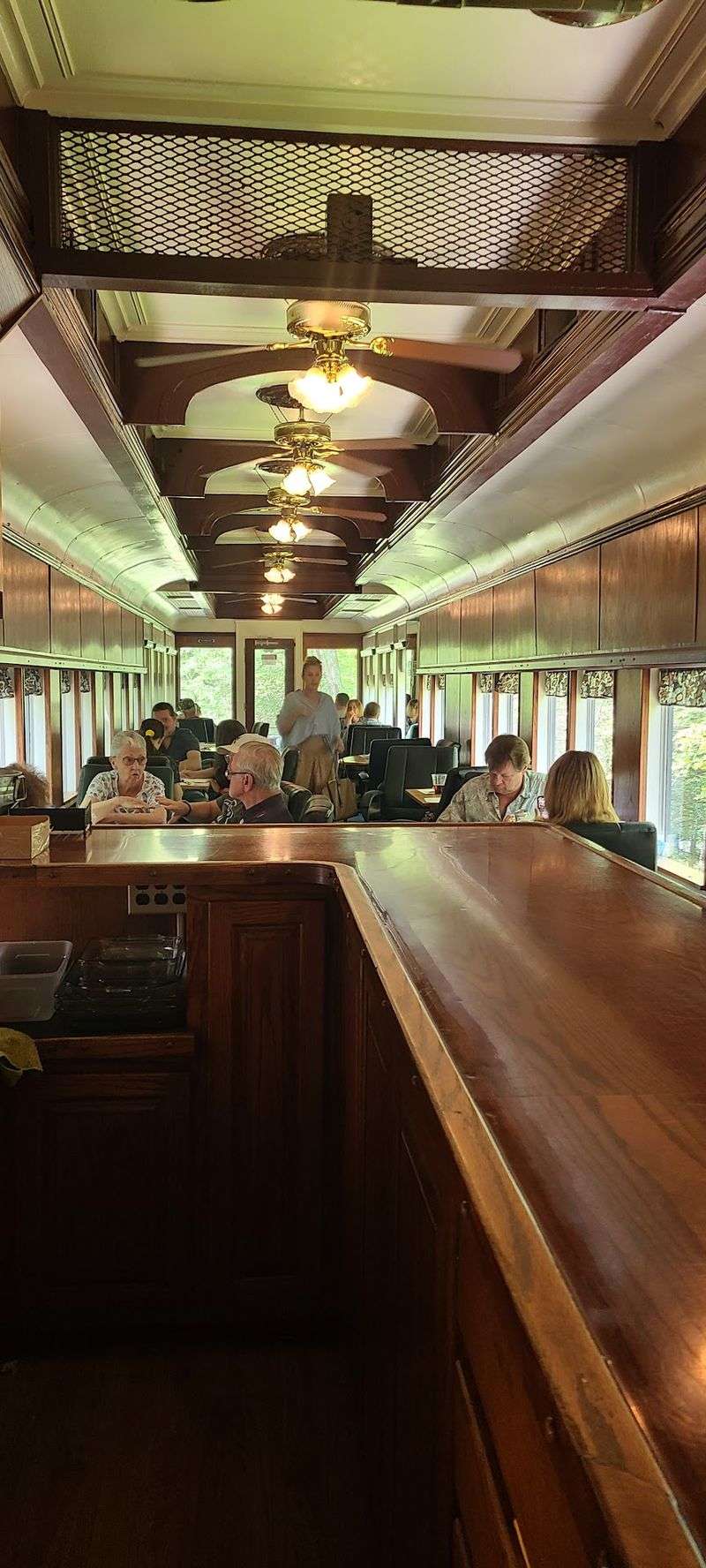
Good news for anyone who gets hungry watching scenery. A cold cut lunch comes included with a New Tygart Flyer ticket and is served right on board, so there is no need to pack sandwiches in a cooler.
Want to treat yourself? The parlor car upgrade brings more comfortable seating at private tables, an expanded buffet, and a dedicated car host who looks after your group.
One rider called the parlor car definitely the way to go and said the lunch was very good.
Another passenger fondly remembered a host who served every bite and drink with a kind smile, which is exactly the kind of small-town hospitality this state is known for.
A fair note for some diners: one visitor mentioned there was no vegetarian lunch option on their trip. They said they would happily ride again and simply bring their own meal next time.
Sharing a table with strangers is part of the charm, too. Several riders say a four hour ride gives you time to learn about the countryside and maybe make a few new friends along the way, just like folks did on passenger trains generations ago.
Friendly Volunteers and an Easygoing Pace
Ask anyone who has ridden, and the crew usually comes up first. Friendly staff is the single most mentioned highlight among visitors, and riders describe the volunteers as upbeat, dedicated, and full of stories about the rails and the region.
You will likely learn a lot without even trying. Guides share bits of history as the miles roll by, and one past rider praised an engineer for giving an entertaining history of the railroad and the surrounding area.
The ride itself is relaxed. It is long, as one visitor admitted, but most agree the views and experience make it worth every minute.
Comfortable cars come up often, and plenty of people call it a restful trip.
Who will enjoy it most? Retirees looking for a slow, scenic day, grandparents bringing grandkids, rail buffs, and couples wanting a fall outing that does not involve a long hike.
One honest caution matters for some families. A past rider shared that the train was not handicap accessible for their paralyzed father, and they relied on fellow passengers for help.
If mobility is a concern, it may help to contact the railroad well ahead to talk through options.
Planning Your Ride from the Elkins Depot
Timing is everything with fall color, and tickets go fast. The foliage season typically begins around September 19, with trains running multiple days a week including weekends, and October weekends are known to sell out quickly.
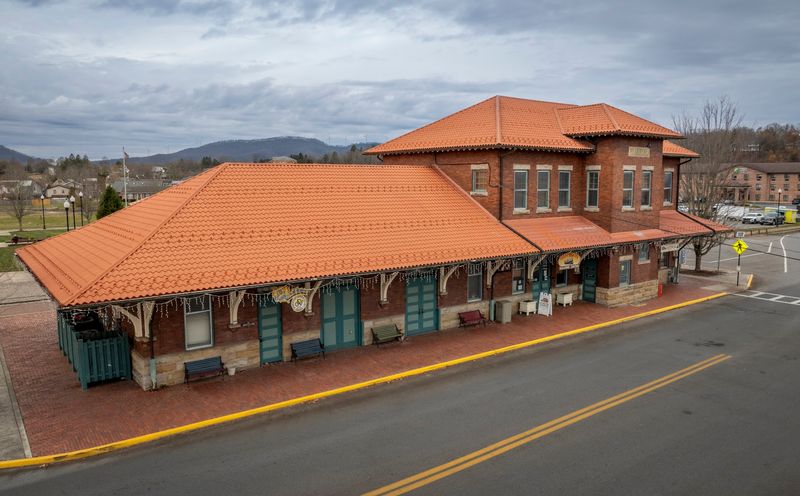
Here is where it all happens. The Durbin and Greenbrier Valley Railroad departs from the beautifully restored Western Maryland Railroad depot at 315 Railroad Ave, Elkins, WV 26241, right in the heart of downtown.
Riders mention free parking at the station.
As for cost, one passenger reported paying $110 per person for the parlor car on the Flyer. Prices can change from season to season, so check the railroad’s website at mountainrailwv.com for current fares and schedules before you go.
While you are in town, visitors recommend stopping by the Elkins Depot Welcome Center, which shares the depot building and offers brochures plus a weekly schedule of events. The West Virginia Railroad Museum sits nearby for anyone hungry for more history.
The verdict? For a golden autumn day that blends mountain scenery, hometown pride, and a gentle trip into the past, this vintage train is about as West Virginia as it gets.
Tell us, do you remember your first train ride?
