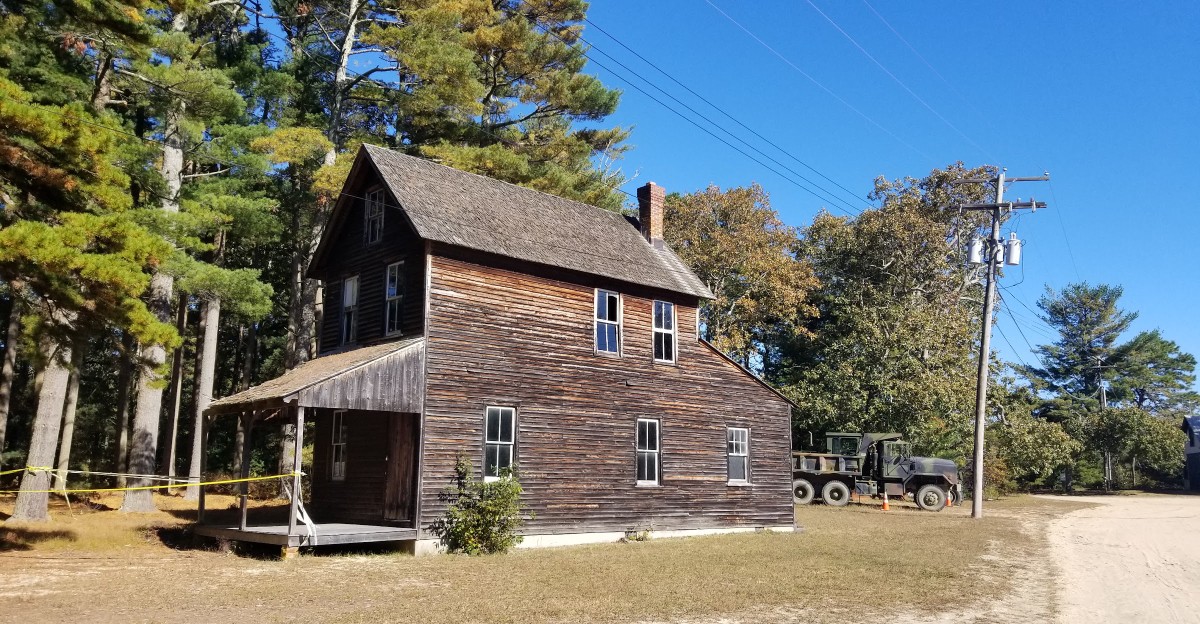
Ghost town sounds dramatic until you see empty village buildings standing beside old cranberry bogs. Then, well, the name starts making sense.
This corner of New Jersey began with timber and cedar operations, using the nearby creek for waterpower.
Cranberry growing followed in the 1800s as cleared wetlands proved ideal for bogs, and by the 20th century the company here had become one of the state’s largest cranberry operations.
The industry eventually ended, but the village, sawmill, packing house, reservoirs, and old service roads remain inside thousands of protected acres.
Today, trails carry visitors through pine forest, cedar swamp, former bogs, and the historic settlement.
It is quiet now. Almost suspiciously quiet.
Yet the buildings and altered landscape still make the old working village surprisingly easy to read.
Cedar Logs and the Sound of an Old Sawmill
Long before anyone thought about cranberries, this corner of the Pine Barrens ran on wood. Thick swamps of Atlantic white cedar covered the land, and that tree was a prized find.
Builders wanted it for ships, shingles, and clapboard because it held up so well against water.
Records show an Irish merchant named Anthony Sharp acquired the property in 1698, and by 1765 a sawmill was running here. Cedar Creek supplied the power.
Logs floated down the stream, the water turned the machinery, and raw timber became lumber ready for market.
I love how simple that system sounds. Water, wood, and hard work.
For well over a century, lumber stayed at the center of life in the settlement, shaping who lived here and why.
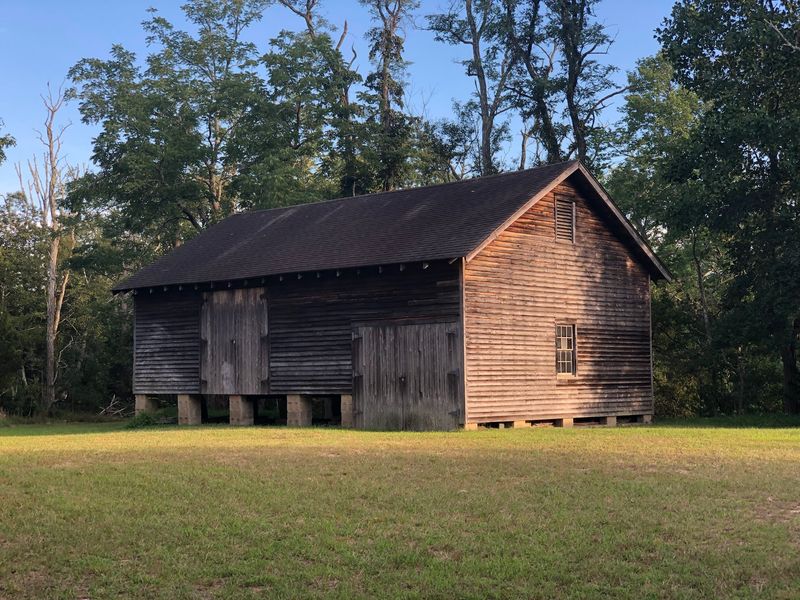
The restored sawmill, finished in 1995, still stands near the creek today. Its gray boards and sturdy frame give you a real sense of how the operation worked.
Take a moment to listen to the water rushing nearby, because that same current once drove the whole economy of the village.
When the Forest Ran Out
Here is the funny twist in the story. The loggers cut so many cedars that the easy timber eventually disappeared, and the village had to figure out what to do next.
Losing the forest could have been the end. Instead, the cleared swampland turned out to be almost perfect for something else.
Wet, sandy, acidic ground is exactly what cranberries love, and this native fruit is tough enough to handle the conditions of the Pine Barrens.
Around 1863, a Civil War captain named Ralph Gowdy is often credited with planting the first cranberry bog here. Other growers soon followed.
The clean water of Cedar Creek, which had powered saws for generations, now flooded and fed the bogs instead.
That shift from boards to berries says a lot about the people who lived here. They adapted.
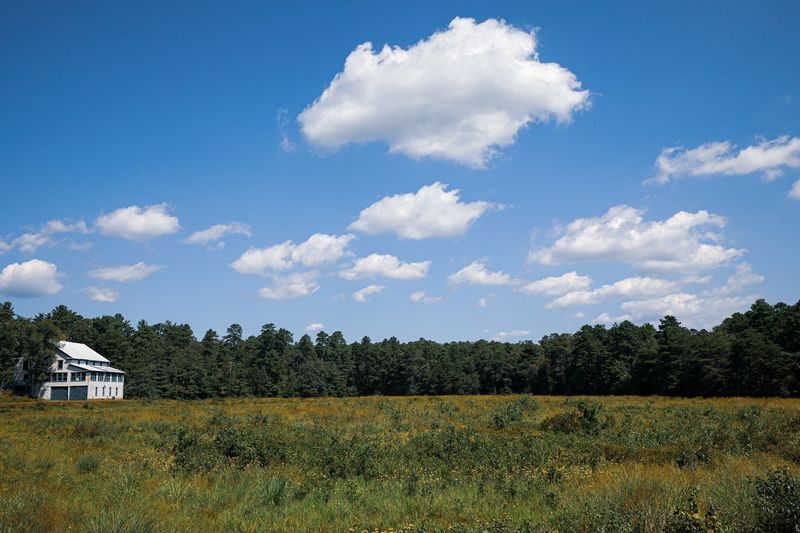
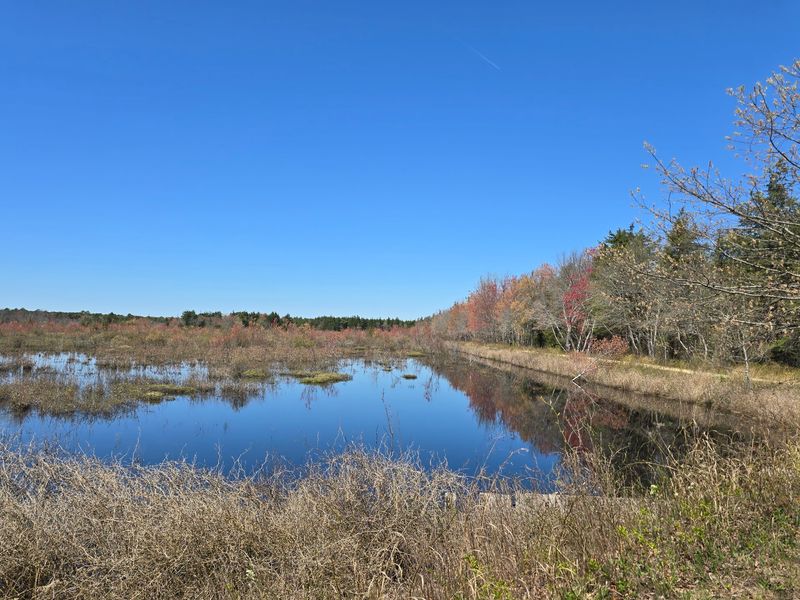
When you look out across the flat old bog beds today, try picturing thick cedar swamp standing in the same spot. It helps the landscape make more sense, and it shows how one industry quietly set the stage for the next.
A Cranberry Giant Takes Shape
Big dreams showed up in 1903. Edward Crabbe bought the property that year, mostly for its lumber, but he soon saw a brighter future in cranberries.
Crabbe formed the Double Trouble Company in 1909 and pushed the cranberry side of the business hard. The company cultivated hundreds of acres of bogs, and Mill Pond Bog was reportedly the largest in the state at one point.
By the early twentieth century, the operation ranked among the biggest cranberry producers in New Jersey.
That is a pretty impressive glow-up for a small lumber settlement. Berries grown here were shipped to market and often sold through the American Cranberry Exchange.
Harvesting also changed over the years. Workers once picked by hand, and later the industry moved toward wet harvesting, where bogs are flooded so berries float to the surface.
If you visit in autumn, the colors around the old bogs are worth the trip alone. Bring a light jacket, since breezes off the open water can feel cooler than the sheltered forest paths.
Inside the Sorting and Packing House
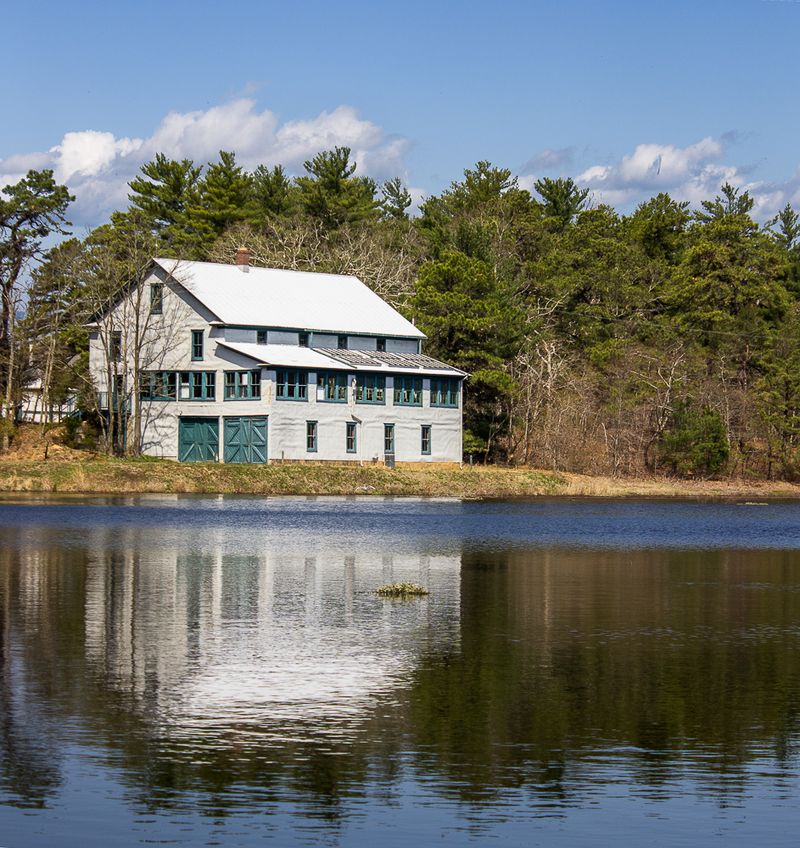
My favorite building sits right along the main path, big and boxy with rows of windows. Crabbe built the cranberry sorting and packing house, and it was considered one of the most modern of its kind in its day.
Every berry passed through here. Workers sorted the fruit, cleaned it, and packed it for shipping, so this building was basically the beating heart of the harvest season.
The structure was restored and completed in 1996. It still looks sturdy and a little proud, like it knows how important it once was.
Access inside is limited. The sawmill and the packing house are sometimes opened for guided tours, but many visitors find the doors closed on a regular day.
Checking with the park ahead of your trip is a smart move if a peek indoors matters to you.
Even from the outside, there is plenty to notice. Look at the old boards, the rooflines, and the spot where it sits beside the bogs.
Location was no accident.
Cottages, a Store, and a Tiny Schoolhouse
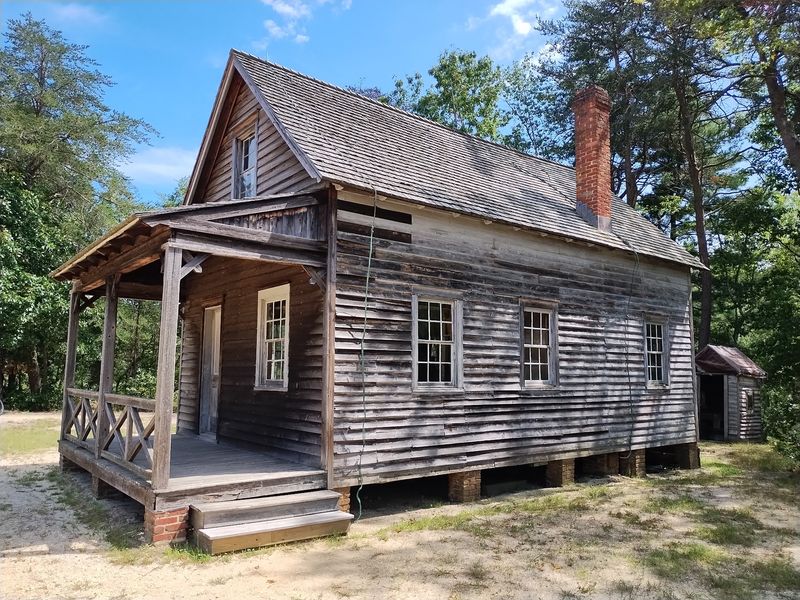
Small details made me slow down here. Double Trouble Village was a full company town, so workers lived, shopped, and even sent their kids to school right on the property.
Roughly fourteen or fifteen historic structures remain, most dating from the late 1800s into the early 1900s. You will spot a general store, a one-room schoolhouse built around the 1890s, and a cluster of pickers’ cottages.
The cottages are modest. Plain wooden walls, simple shapes, nothing fancy at all.
That simplicity tells you a lot about daily life for the families who came to work the harvest.
Imagine kids racing between these buildings while adults headed toward the bogs. The schoolhouse especially pulls at your imagination, since it is hard to picture a whole class fitting into one small room.
Brochures about the village history are often available outside the information building. Grab one before you wander, because matching each building to its old purpose turns an easy stroll into a fun little treasure hunt through the past.
How the Busy Town Went Quiet
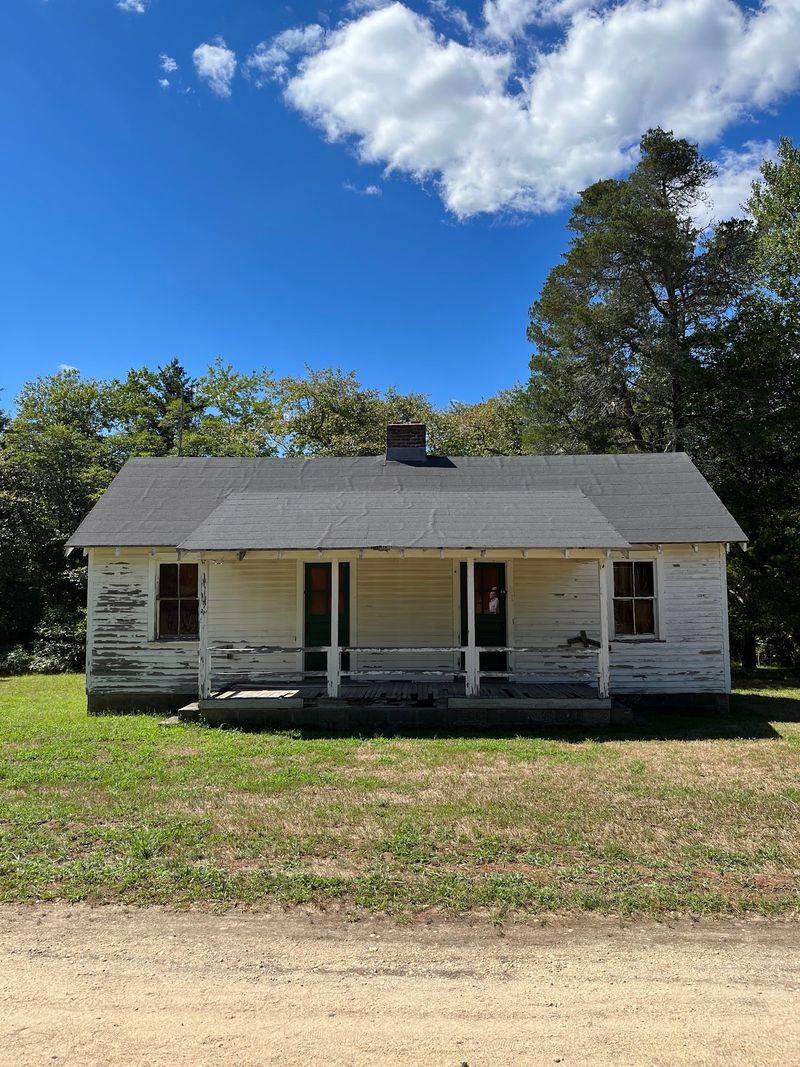
Every boom has an ending, and this one arrived slowly. Hard labor and a changing farm industry wore down the business over time, and the Double Trouble Company dissolved in 1964.
That same year, the land was sold to the state and became a state park. Honestly, that timing was a gift.
Because the property moved so quickly from working town to protected land, many buildings survived instead of being torn down or left to fall apart. Farmers still leased and harvested the bogs off and on for years afterward, with the final harvest happening around 2010 or 2011.
Nobody lives in the village anymore, which is why people call it a Pine Barrens ghost town. The word ghost can sound spooky, but the mood here is calm rather than creepy.
Visit on a weekday morning if you want the quietest version of it. With fewer footsteps around, the empty cottages and still bogs feel almost frozen, as if the workers just stepped out for lunch.
Tea-Colored Water and Rare Little Plants
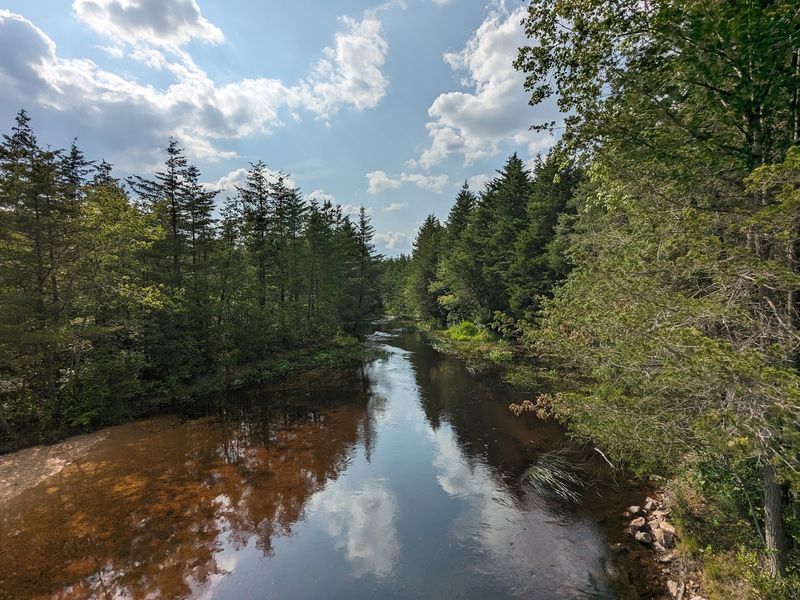
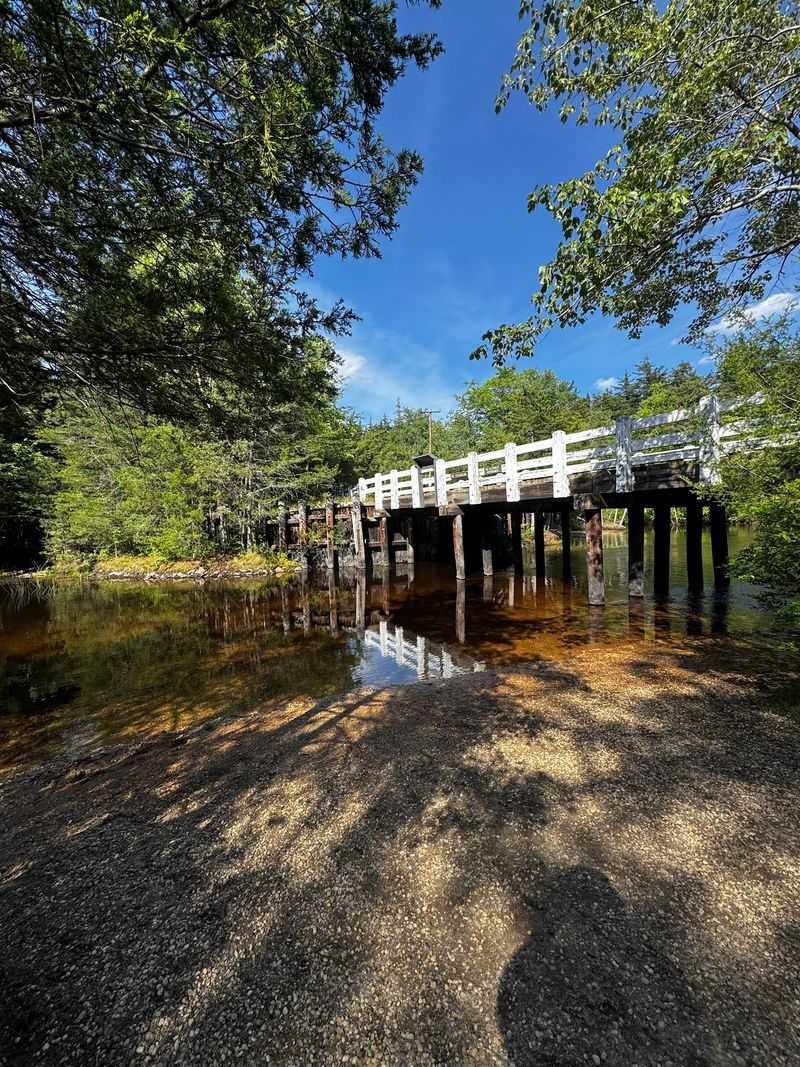
Cedar Creek looks like someone brewed a giant pot of tea and poured it through the woods. That amber color comes naturally from the Pine Barrens environment, and the stream is known for its remarkable purity.
It is also the second largest stream in the Barnegat Bay watershed. Pretty impressive for such a peaceful little creek.
Double Trouble State Park protects more than 8,000 acres, making it an outstanding example of this rare ecosystem. You will pass through dry pine uplands, damp cedar swamps, and open bogs, sometimes within just a few minutes of walking.
Plant lovers get extra treats. Keep your eyes low for the pink lady’s slipper and curly grass fern, both special species connected to this region.
Please admire them without picking or stepping on them. These plants depend on very particular soil and water conditions, and they do not bounce back easily.
A quick photo and a careful step around them keeps the forest healthy for the next curious visitor who wanders by.
Sandy Trails Made for Wandering
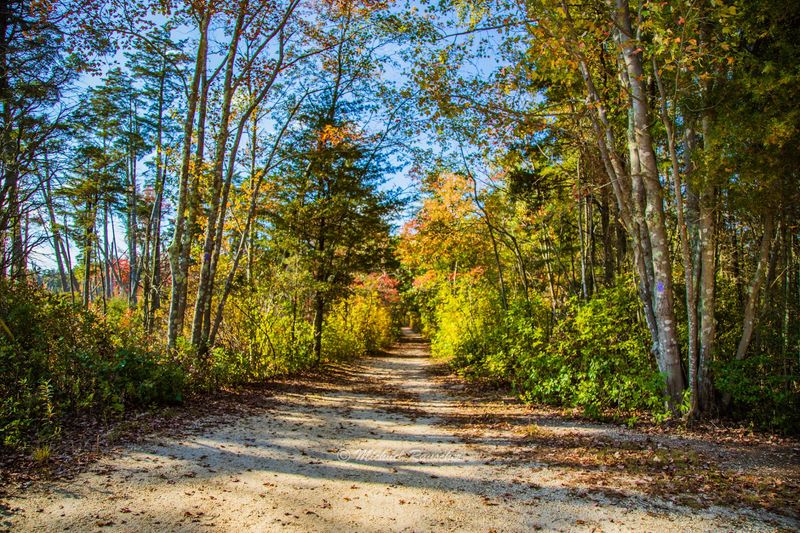
Flat ground is the secret superpower of this park. More than eight miles of official blazed trails loop through the property, and most follow gentle sand roads with no real hills to fight.
That makes the paths friendly for hikers, bikers, horseback riders, and families with kids. Many routes are shaded, which helps a lot on warm summer afternoons.
The Nature Trail gives a great overview, winding past Atlantic white cedar and former cranberry bogs. For water views, the Mill Pond Trail leads to a calm reservoir that is perfect for a snack break.
A few practical tips help. Some narrower paths get muddy or even flooded after heavy rain, so waterproof shoes are a good call.
Sticking to marked trails also saves you from fallen trees and thick brush on unofficial side routes.
There are no public restrooms, so plan ahead. Pack water and something to munch on.
Winter brings its own charm too, with snowy trails that open the door to snowshoeing and cross-country skiing.
Paddles, Feathers, and Busy Beavers
Bring binoculars. Seriously, you will want them, because over 200 bird species have been logged in this park.
Bald eagles sometimes soar overhead, and broad-winged hawks circle above the open bogs. Herons, swans, and ducks drift across the water, while spring migration brings a flurry of colorful warblers through the trees.
Birds are only part of the show. Deer, foxes, beavers, and river otters live here too, and turtles often sun themselves near the bogs.
Moving slowly and quietly gives you the best odds of spotting something.
Cedar Creek is also a favorite for canoes and kayaks. The current carries you through cedar forest and past quiet banks, and conditions can change a lot from one trip to the next depending on water depth and fallen branches.
Always check for water trail advisories before launching. Wear a life jacket, pack a dry bag, and give wildlife plenty of space.
The creek rewards patience, so take your time and let the scenery slide by at its own pace.
Snapshots Worth Slowing Down For
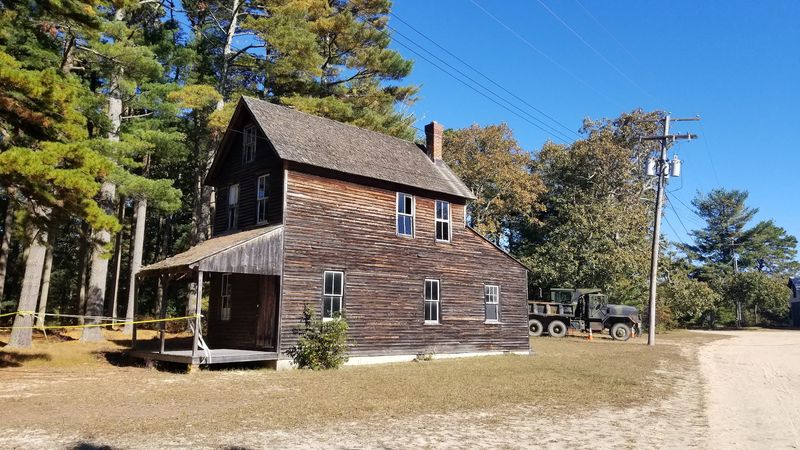
Cameras come out fast in this place, and I get it. Weathered wood against green pines, reflections on the bogs, and soft light across the creek make nearly every angle look good.
Golden hour is especially lovely. Sunset turns the old buildings warm and glowing, and the water picks up every shade of the sky.
Respect matters here, though. The park asks photographers not to attach anything to the buildings, skip large props, and never use glitter, confetti, or fake snow.
Those little rules protect structures that have already survived a long time.
Honestly, the village needs no decorating. Its charm comes from being exactly what it is.
Before you head home, take one last slow loop past the sawmill and packing house. It is a quiet way to say goodbye to a town that went from lumber to cranberries to peaceful rest.
Double Trouble State Park is a true New Jersey treasure, and you can find it at 581 Pinewald Keswick Rd, Bayville, NJ 08721.
