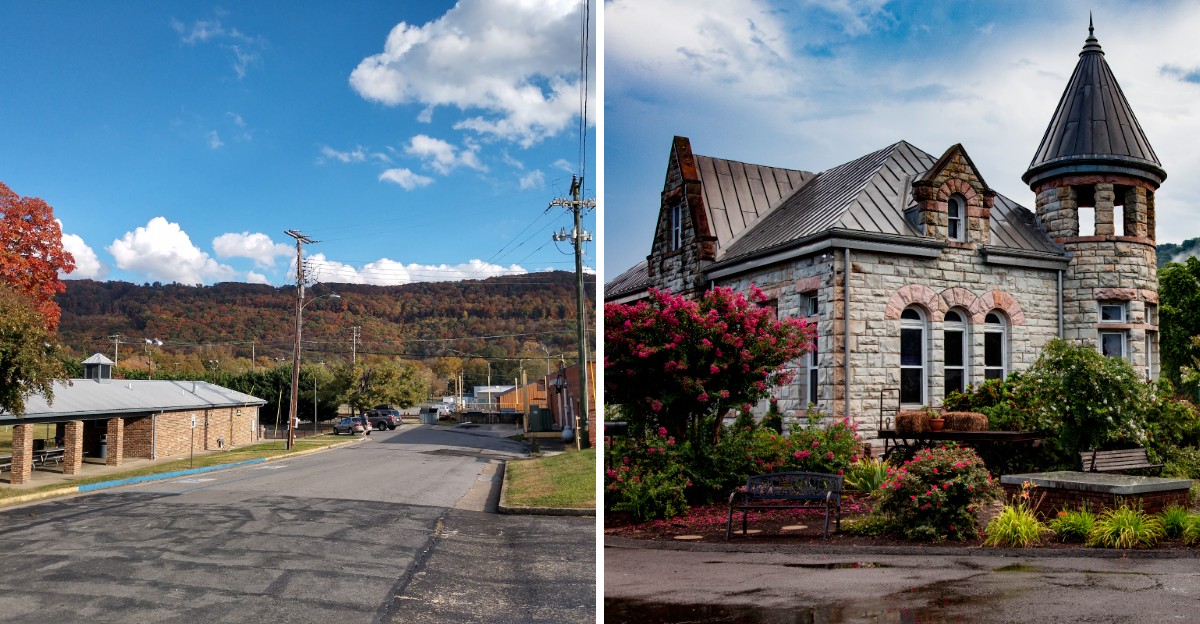
A canyon called “Little Grand Canyon” is already enough to make you look twice. Then someone mentions the waterfall.
Then the opera house. Then the sock factory.
At that point, the town is collecting random superlatives like refrigerator magnets. This Alabama mountain town has somehow packed all of those stories into one place, along with a music legacy, glass artists working with molten color, and scenery that keeps changing whenever the road bends.
A downtown opera house dating to 1889 can sit in the same weekend as a massive waterfall and a canyon that invites comparisons to a completely different landscape. The strangest part is how little of it seems connected until you start exploring.
Then the contradictions become the charm. One stop feels geological.
The next feels musical. Another involves socks.
Somehow, it all works.
The Grand Canyon of the South Lives Right Here
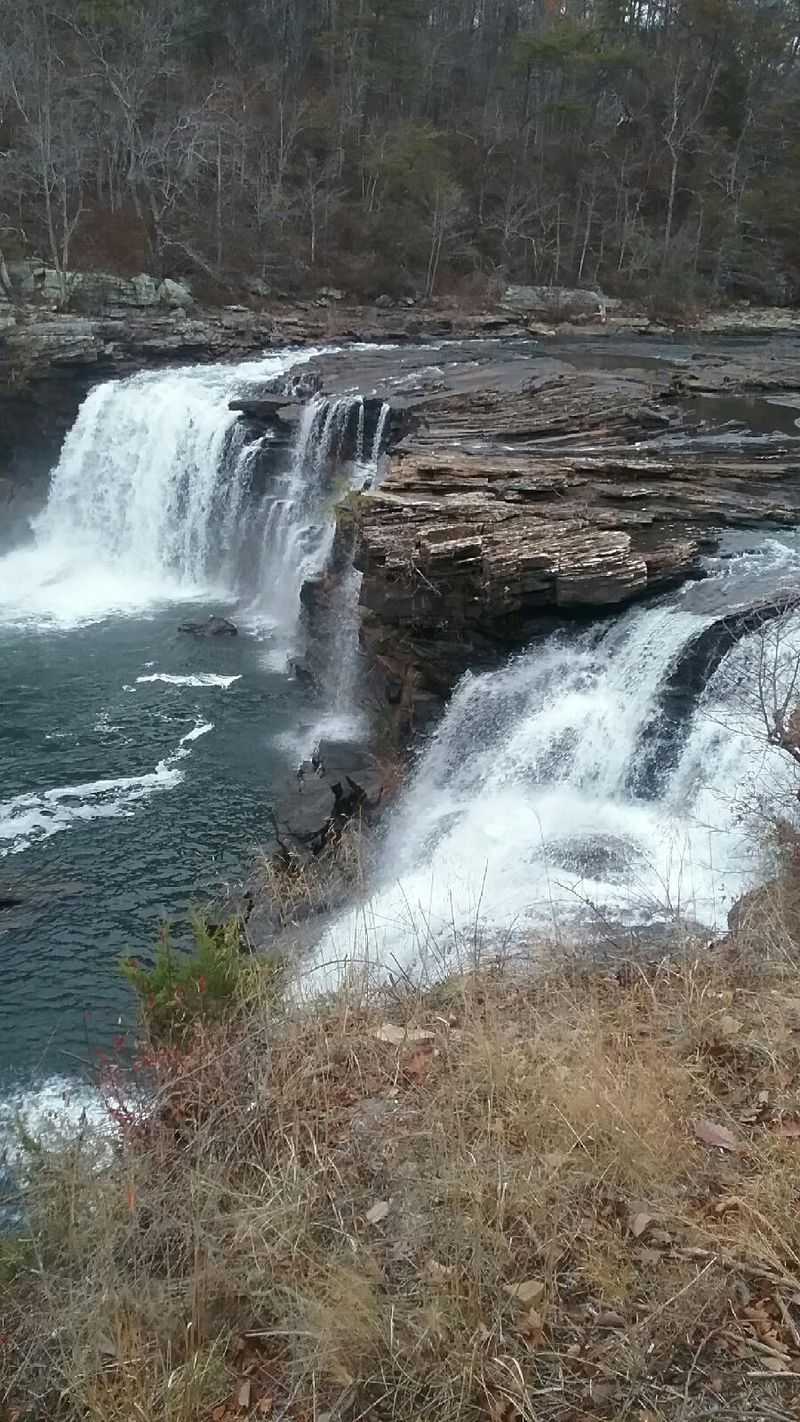
Most rivers carve valleys on their way down a mountain, but the Little River does something rare by flowing for most of its length right on top of Lookout Mountain. Over thousands of years, all that moving water sliced a gorge up to 650 feet deep.
People call it the Grand Canyon of the South, and one look over the rim explains why.
Little River Canyon National Preserve covers more than 15,000 acres of sandstone cliffs, huge boulders, quiet pools, and thick forest. The star of the show is Little River Falls, where the water tumbles 45 feet in a wide, roaring curtain.
An easy boardwalk from the picnic area on Highway 35 brings visitors close enough to feel the mist.
Not into long hikes? No problem.
The Little River Canyon Rim Parkway winds along the edge with overlooks that make perfect snack stops, and each one shows off a slightly different angle of the gorge.
More adventurous types can pick from over 26 miles of trails, some gentle and some steep enough to test tired legs. Kayakers and climbers find plenty to do as well, though the whitewater sections are best left to experienced paddlers.
A smart first stop is the Little River Canyon Center at 4322 Little River Trail NE, Suite 100, Fort Payne, AL 35967. Maps, friendly advice, and exhibits on the canyon’s rocks and wildlife make planning the day much easier.
Waterfall Hunting at DeSoto State Park
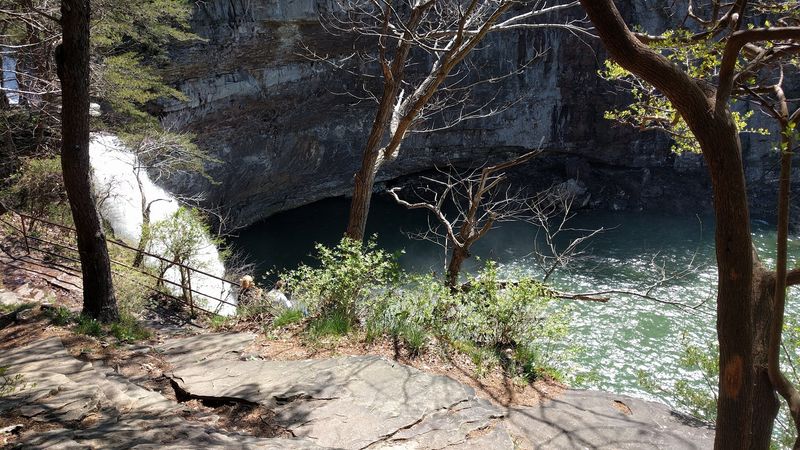
Somewhere past the parking lot at DeSoto Falls, the sound arrives before the view. Then the trees open up, and a ribbon of water drops 104 feet into a deep, dark gorge.
It ranks among the tallest waterfalls in Alabama, and it tends to leave people quiet for a minute.
DeSoto State Park spreads across roughly 3,500 acres of Lookout Mountain, about eight miles northeast of downtown Fort Payne. The falls sit in a separate section several miles north of the main entrance, so plan a short drive between stops.
The main park area is easy to find at 7104 DeSoto Parkway NE, Fort Payne, AL 35967.
Hikers get spoiled here. More than 35 miles of trails pass smaller cascades, odd rock shapes, and overlooks above the West Fork of the Little River.
Mountain bikers have their own 11-plus miles of trail, while kayaking, fishing, and rappelling round out the list.
Spring is a favorite season, when wildflowers and mountain laurel brighten the trails. Birdwatchers enjoy the park year-round, and a picnic by the river never really goes out of style.
Bring sturdy shoes, since rocks near the water get slippery.
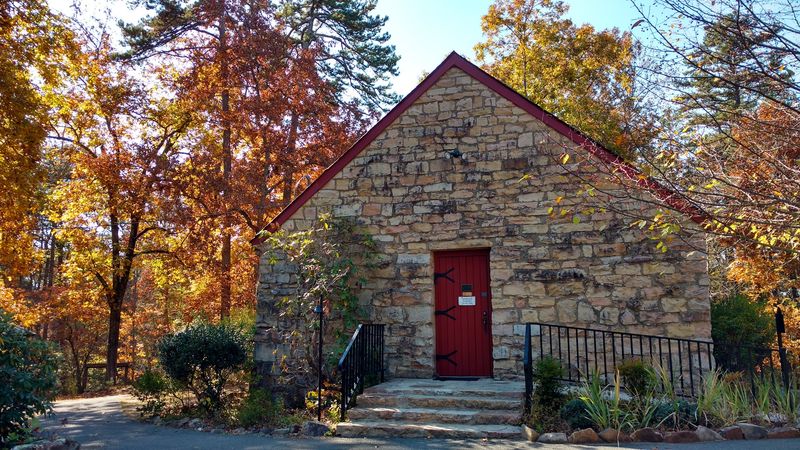
History fans should look closely at the stone and log buildings. Young workers with the Civilian Conservation Corps built the lodge and cabins in the 1930s, and a small CCC museum on site tells their story and the lasting mark they left on the mountain.
Where Sequoyah Changed History
Long before Fort Payne had a name, this valley was home to Willstown, an important town of the Lower Cherokee. Between about 1809 and 1821, a man named Sequoyah worked on something remarkable here.
He created a writing system for the Cherokee language, giving an entire nation the power to read and write in its own words.
That achievement still amazes historians. Very few people in history have invented a complete writing system on their own, and within a short time many Cherokee people were reading and writing.
Soon, newspapers were printed in the new script too.
The story that follows is much harder. In the 1830s, the U.S.
Army built a fort here, and it became a holding site for Cherokee families during their forced removal west. That journey is known today as the Trail of Tears, and thousands lost their lives along the way.
Almost nothing of the original fort survives. A lone stone chimney still stands in town, and it makes a quiet, powerful place to pause and think about the people who were taken from these hills.
Its weathered stones have stood through nearly two centuries of change.
To learn more, visit the Fort Payne Depot Museum, which displays Native American artifacts alongside other local history. Taking time with this chapter adds real meaning to a visit.
The mountains look a little different once their full story is known.
Boom Town Days and an Opera House That Refuses to Quit
Imagine a small mountain town of about 500 people waking up to find itself famous. That is pretty much what happened to Fort Payne in the late 1880s, when word spread about iron and coal in the nearby hills.
Investors rushed in from New England and New York, and in just two years the population jumped to nearly 2,700.
The boom lasted only from about 1888 to 1891. Then the money dried up almost as fast as it arrived.
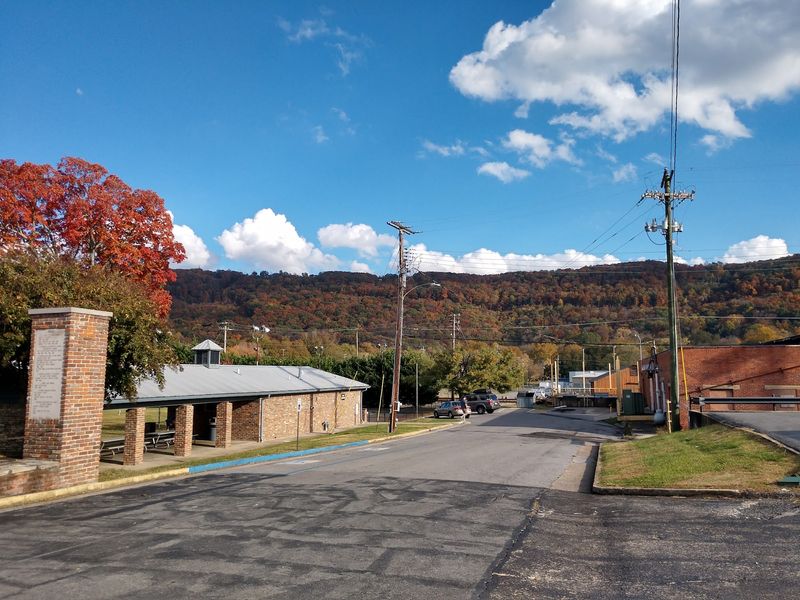
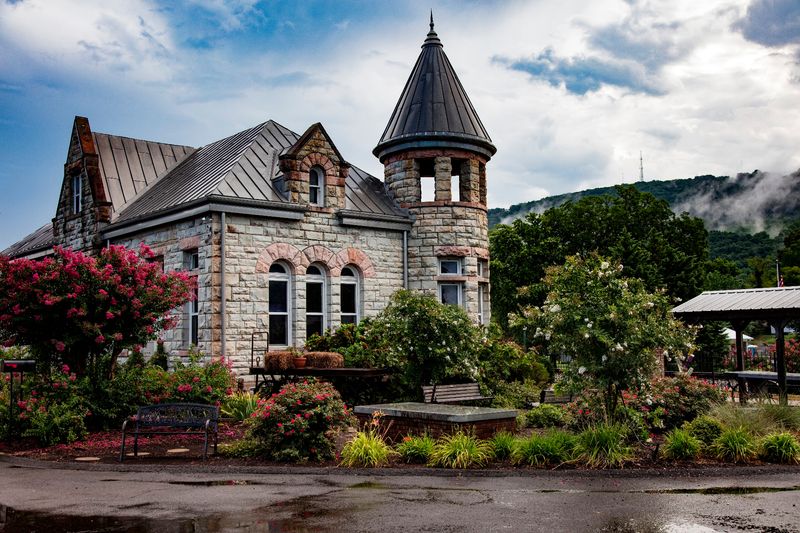
Short as it was, it left behind grand buildings that still shape downtown, now protected in the Boom Town and Main Street historic districts.
The biggest showoff of the bunch is the Fort Payne Opera House, built in 1889 at 510 Gault Avenue North. It is the oldest theater in Alabama still in use today.
Catching a show or event inside is a bit like borrowing a seat from someone in a top hat.
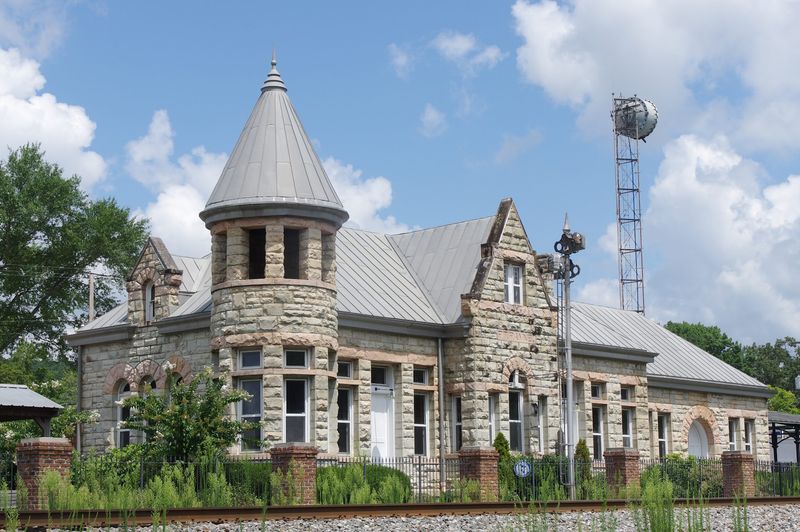
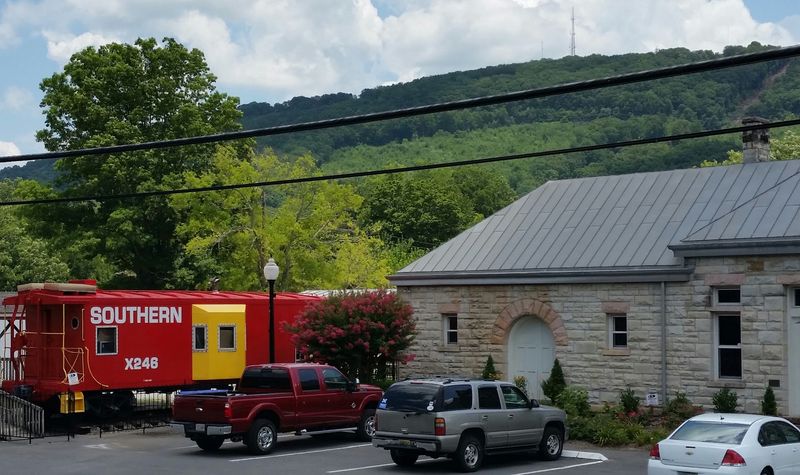
Nearby, the Fort Payne Depot Museum sits inside a handsome sandstone train depot from 1891, found at 105 Fifth Street NE. Exhibits cover railroad days, the Civil War, and the wild boom years.
The building alone is worth a photo.
Tip for the day? Park once and explore downtown on foot.
Old brick storefronts, carved stone details, and faded painted signs reward anyone who slows down, looks up, and pictures the busy streets of the 1890s.
Once Upon a Time, Half of America’s Socks Came from Here
Check the drawer at home, and there is a decent chance an older pair of socks traces back to this town. At its peak, Fort Payne produced about half of all the socks sold in America.
That earned it a cozy nickname, the Sock Capital of the World.
The story started in 1913, when an old hardware company building became the Florence Hosiery Mill. Two years later it was renamed the W.
B. Davis and Son Hosiery Mill, and it grew into the biggest factory in town.
From there, sock mills kept multiplying. Through much of the 1900s and into the 1980s, knitting machines hummed across the city, and whole families spent their careers turning yarn into something everyone needs.
The industry has changed a lot since then, as much of the work moved overseas. Still, the legacy shows up in old mill buildings around town and in the pride people take in their hardworking roots.
Here is a fun idea. Look for a pair of locally made socks as a souvenir, since they are light, useful, and far easier to pack than a coffee mug.
Ask around downtown, because sock production still carries on in the area.
The Fort Payne Depot Museum also touches on this chapter of local life. It pairs nicely with a downtown stroll past the brick buildings where so much of this story unfolded.
Mountain Music Magic with the Band Called Alabama
Few towns can say a group of cousins from their own backyard grew into one of the biggest acts in country music history. Fort Payne can.
The band Alabama got its start here, mixing country sounds with a rock edge and a whole lot of Southern harmony.
Their hits filled radios for decades, and the group earned Grammy Awards, gold records, and a spot in the Country Music Hall of Fame. Through it all, the members kept strong ties to their hometown.
Fans can see that history up close at the Alabama Fan Club and Museum, located at 101 Glenn Boulevard SW, Fort Payne, AL 35967. Inside, displays show off awards, stage outfits, instruments, and personal keepsakes from the band’s long career.
It traces their path from local gigs to packed arenas.
Even casual listeners tend to find themselves humming by the end. Songs like Mountain Music and My Home’s in Alabama make a lot more sense once the actual mountains are right outside the window.
Checking the museum’s hours before arriving is a good idea, since they can change with the seasons. Merchandise fans will also find plenty of band gear to bring home.
Heading out after the museum? Load up a playlist of their greatest hits before driving up Lookout Mountain.
The winding roads, green ridges, and small-town views pair perfectly with those famous harmonies, and the soundtrack practically writes itself.
Glowing Glass and Handmade Treasures
Molten glass at the end of a long metal pipe glows like a tiny sunset. At Orbix Hot Glass, visitors can watch skilled artists spin, shape, and blow that fiery blob into bowls, vases, and ornaments right before their eyes.
It is part science class, part art show, and completely hypnotic.
The studio sits in a wooded setting at 3722 County Road 89, Fort Payne, AL 35967, and the surrounding landscape often inspires its designs. Look for colors and shapes that echo the creeks, leaves, and rocks of Lookout Mountain.
Glass pieces make lovely gifts, though wrapping them carefully for the ride home is a must. Bubble wrap and a sturdy box will save a lot of worry on bumpy mountain roads.
Back downtown, the Boom Town Makers Market gathers work from talented Southern makers under one roof. Shelves hold handmade jewelry, art, home goods, and plenty of one-of-a-kind finds.
Shopping here does double duty. Each purchase supports local artists, and the souvenirs carry a real sense of place instead of a generic logo.
After a day of hiking canyons and chasing waterfalls, this creative side of Fort Payne offers a slower, gentler rhythm. Browse the boutiques and galleries along the main streets, chat with shop owners, and let the afternoon stretch out.
Mentone may get the headlines, but Fort Payne keeps surprising anyone curious enough to stay awhile.
