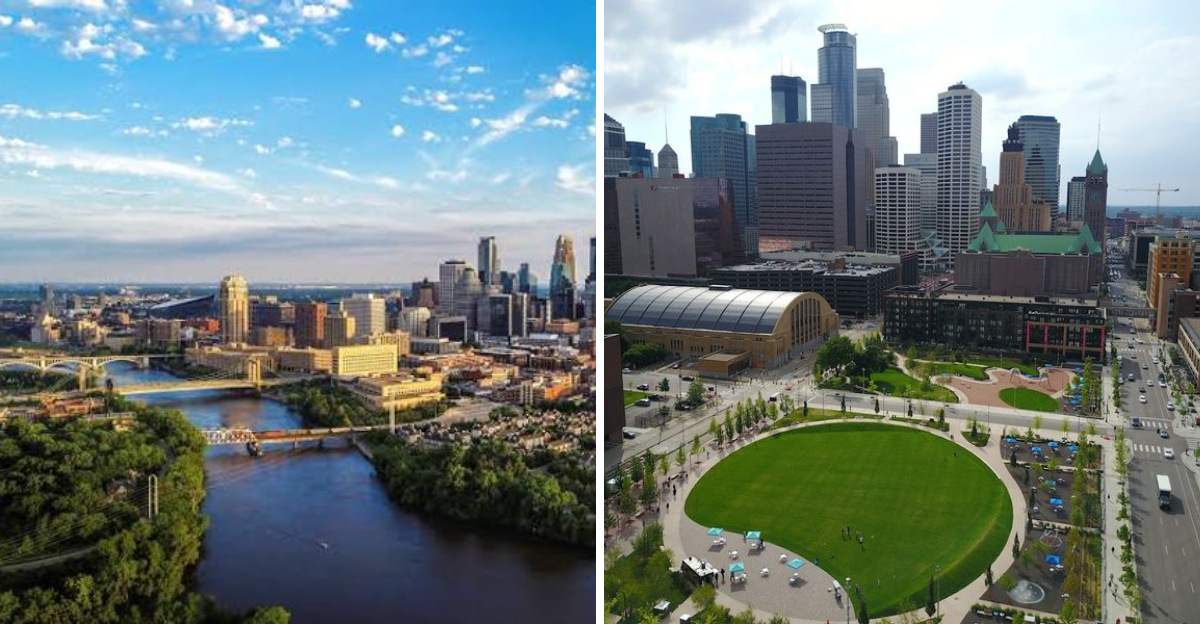
Snowy winds, long winters, and deep cultural roots set the stage for a Minnesota experience that feels touched by Nordic legend. The Viking spirit isn’t just a theme here – it shows up in festivals, architecture, art, and the way stories of the North are still carried forward today.
I didn’t expect the connection to feel this alive, but certain places really do lean into that old-world energy in a modern setting.
There’s a playful sense of mythology woven into everyday life, from Scandinavian heritage museums to lakeside towns that feel like they belong in a saga. You start noticing details everywhere – runic-inspired designs, traditional crafts, and celebrations that keep ancient influences in motion.
It’s the kind of atmosphere where history and imagination blur just enough to make you slow down and take it all in a little differently.
The American Swedish Institute: A Palace of Nordic Heritage
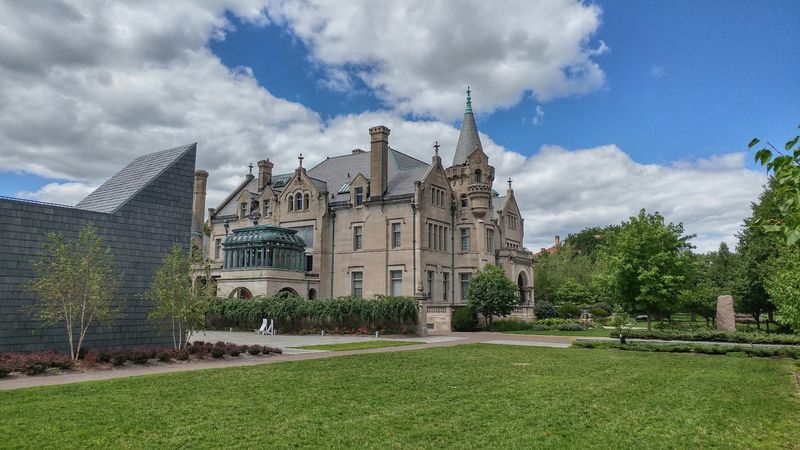
Walking up to the American Swedish Institute feels like stepping into another century. The building itself is a castle-like mansion built in 1908, and it stops you in your tracks.
It was once the home of Swan Turnblad, a Swedish immigrant who made his fortune in publishing.
Inside, the rooms are filled with Nordic art, furniture, and cultural objects. You can see traditional Swedish textiles and carved wooden pieces that immigrants brought with them.
The detail in every corner is stunning.
The institute also hosts rotating exhibits that connect Scandinavian history to modern life. There is a lovely cafe inside called Fika, named after the Swedish tradition of taking a coffee break.
It feels warm and welcoming, like a hug on a cold Minnesota day.
The institute runs workshops on Nordic crafts, language, and cooking throughout the year. It is a living museum, not just a display case.
If you care about Scandinavian culture, this place will genuinely move you.
Address: 2600 Park Ave, Minneapolis, Minnesota
Minneapolis Sculpture Garden and the Spoonbridge and Cherry
The Spoonbridge and Cherry is one of those sculptures that makes you laugh and stare at the same time. It sits boldly in the Minneapolis Sculpture Garden, a giant spoon balancing a bright red cherry at its tip.
It has become the symbol of the city, and honestly, it earns that title.
The garden itself covers 11 acres right next to the Walker Art Center. You can wander through it freely and discover over 40 works of outdoor art.
The scale of some pieces is breathtaking.
On a sunny afternoon, the garden fills with families, joggers, and people just sitting quietly on the grass. The energy is relaxed but alive.
It feels like a public living room for the whole city.
The garden is open year-round, and each season transforms the experience completely. Snow-covered sculptures in winter look almost magical.
Spring brings flowers that frame the artwork in color.
Address: 725 Vineland Pl, Minneapolis, Minnesota
The Walker Art Center: Where Bold Ideas Live

The Walker Art Center is not the kind of museum where you quietly shuffle past old paintings. It is loud with ideas, sharp with creativity, and always a little unexpected.
I walked in expecting to feel confused and left feeling genuinely inspired.
The collection focuses on contemporary and modern art, with works that challenge how you see the world. There are paintings, sculptures, video installations, and performance pieces.
Nothing feels stale here.
The Walker also hosts film screenings, concerts, and design exhibitions throughout the year. It is as much a cultural hub as it is a gallery.
The building itself, designed by Herzog and de Meuron, is worth visiting just to experience the architecture.
One of the best things about the Walker is how it connects to the Sculpture Garden right outside. You move between indoor and outdoor art without missing a beat.
The flow feels natural and exciting at the same time.
Address: 725 Vineland Pl, Minneapolis, Minnesota
Exploring the Mississippi River Gorge
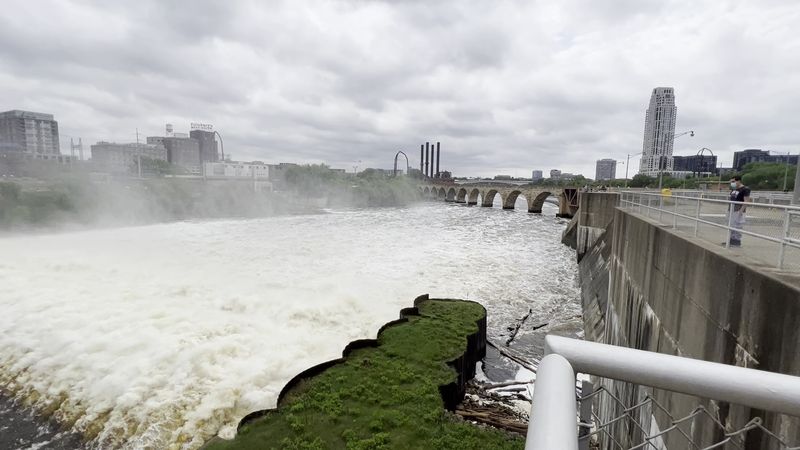
The Mississippi River cuts right through Minneapolis, and the gorge it carved is one of the most dramatic natural features in the entire Midwest. Standing on the bluff and looking down at the water gives you a real sense of the land’s deep history.
Native peoples lived along these banks for thousands of years.
The River Road trail runs along both sides of the gorge, offering miles of walking and biking paths. The scenery changes constantly as you move through wooded stretches and open overlooks.
It never gets boring.
In fall, the trees along the gorge turn gold, orange, and red. The colors reflect off the river and create something almost painterly.
It is one of the best free experiences the city offers.
The gorge also has historical significance as the site of St. Anthony Falls, the only natural waterfall on the entire Mississippi River. Standing near it, you can feel the power of the water.
It is humbling in the best possible way.
Nordic Skiing and Winter Fun at Theodore Wirth Park
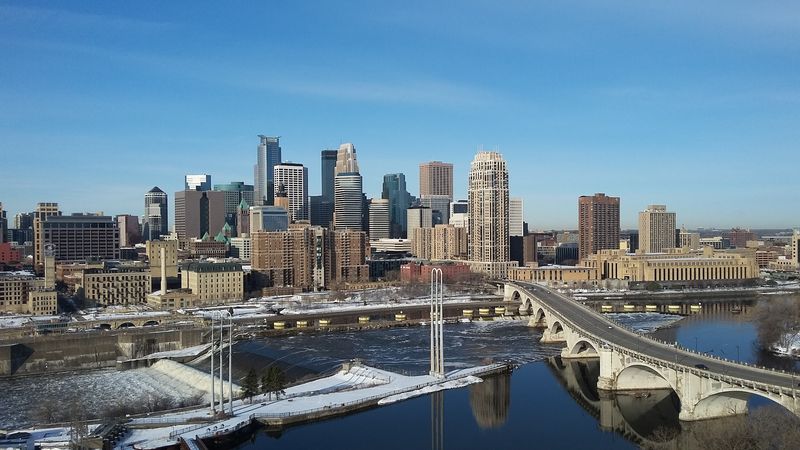
Minneapolis winters are legendary, and Theodore Wirth Park leans into that reputation with full Viking energy. The park offers some of the best urban cross-country skiing in the entire country.
When snow falls, the trails transform into a world that feels pulled from Scandinavia.
The park covers over 700 acres and sits just minutes from downtown. It has groomed Nordic ski trails, snowshoeing paths, and a small downhill area called Wirth Ski Area.
You do not need to travel far to feel like you are deep in a winter forest.
In summer, the same trails become mountain biking and hiking routes. The park has a beautiful lake, a golf course, and open meadows.
It shifts personalities with each season and always delivers.
The Trailhead building at the park is a great base for any visit. It has rentals, warming areas, and friendly staff who know the trails well.
Families especially love this spot during the colder months.
Address: 1301 Theodore Wirth Pkwy, Minneapolis, Minnesota
The Mill City Museum: Where Flour Built a City
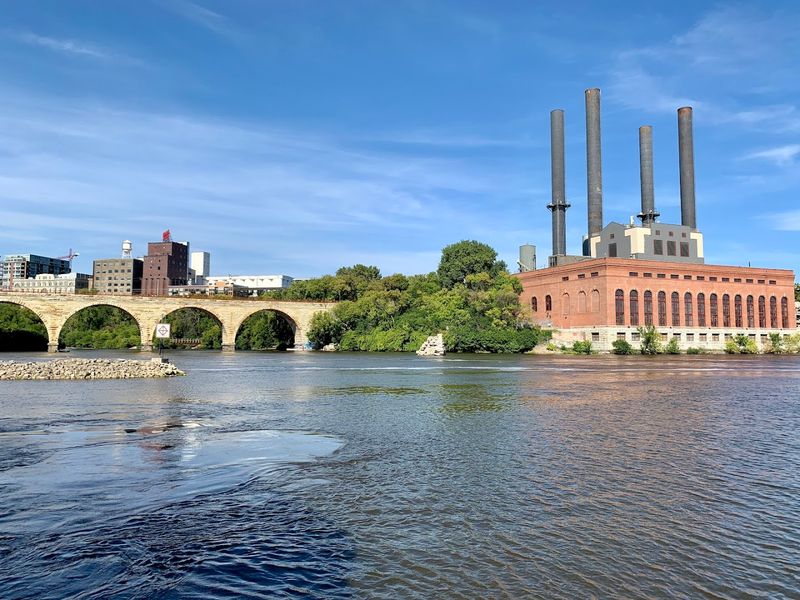
Minneapolis was once the flour milling capital of the world. The Mill City Museum tells that story in a way that is dramatic, immersive, and surprisingly emotional.
It is built directly into the ruins of the old Washburn A Mill, which exploded in 1878.
The museum uses the original mill ruins as its structure, so history literally surrounds you as you walk through exhibits. The Flour Tower ride takes you through eight floors of the milling story in a cinematic way.
It is one of the most creative museum experiences I have had anywhere.
The connection to Nordic heritage here is strong. Many of the workers who ran these mills were Scandinavian immigrants seeking a better life.
Their stories are woven into every exhibit.
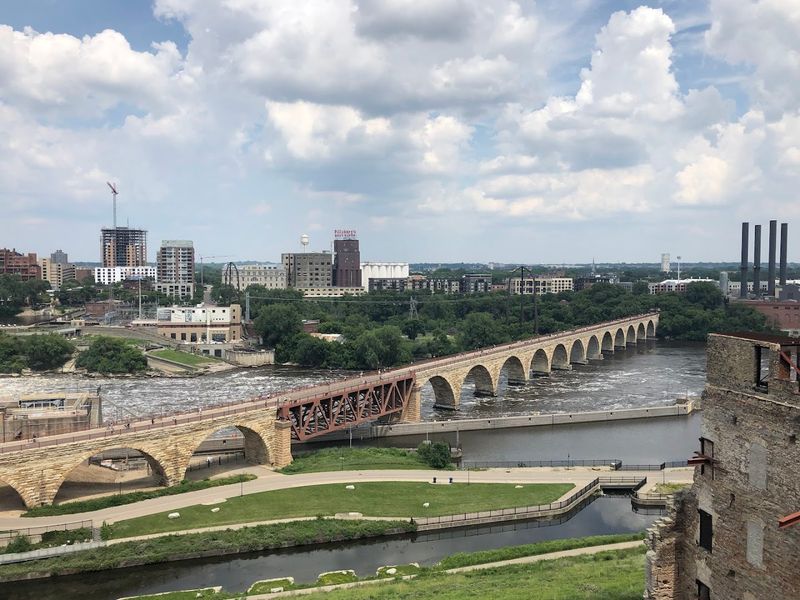
Outside, the riverfront location adds to the atmosphere. You can walk along the Stone Arch Bridge nearby for stunning views of the falls and the city skyline.
It ties the industrial past to the living present in a meaningful way.
Address: 704 S 2nd St, Minneapolis, Minnesota
The Midtown Global Market: Nordic Meets the World
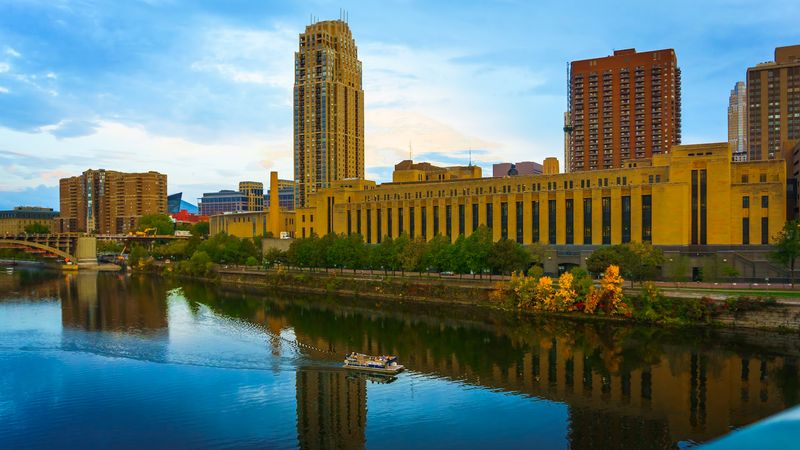
The Midtown Global Market sits inside the old Sears building on Lake Street, and it is one of the most alive indoor spaces in Minneapolis. Dozens of vendors from around the world sell food, crafts, and goods side by side.
The energy inside is warm and completely genuine.
You can find Scandinavian-inspired food alongside Latin, African, and Asian dishes. It is a reflection of how Minneapolis has grown while holding onto its roots.
The mix feels organic, not forced.
I spent a long time just wandering the stalls, tasting samples and chatting with vendors. The people here are proud of what they make and happy to share their stories.
That kind of authentic connection is rare in a city market.
The market also hosts cultural events, live music, and cooking demonstrations throughout the year. It is more than a shopping destination.
It is a community gathering place that shows what Minneapolis values most.
Address: 920 E Lake St, Minneapolis, Minnesota
Chain of Lakes: The Heart of Minneapolis Outdoors
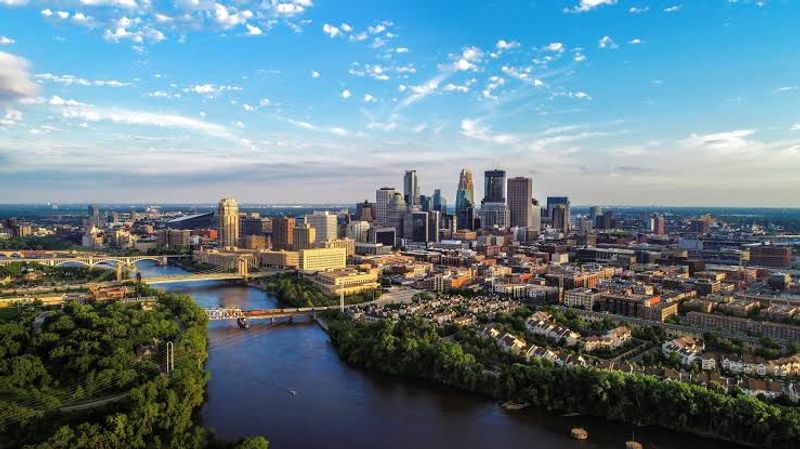
The Chain of Lakes is exactly what it sounds like: a series of beautiful lakes connected by trails and parks. It runs through the heart of Minneapolis and gives the city a natural rhythm that is hard to find in most urban places.
Locals use it constantly, in every season.
The main lakes include Lake Harriet, Lake of the Isles, Bde Maka Ska, and Cedar Lake. Each one has its own personality and surrounding neighborhood.
Spending a full day moving from lake to lake is one of the best ways to understand the city.
In summer, the paths are packed with cyclists, rollerbladers, and picnicking families. The lakes shimmer under long Midwestern sunsets.
It feels like the whole city exhales at once.
The Scandinavian love of nature, called friluftsliv or open-air living, is clearly alive here. Minneapolis residents treat their lakes the way Norwegians treat their fjords.
Getting outside is not optional here; it is a way of life.
Jucy Lucy: The Legendary Minneapolis Burger
Minneapolis has a food invention it is fiercely proud of, and that is the Jucy Lucy. It is a hamburger with the cheese stuffed inside the patty instead of on top.
When you bite in, melted cheese flows out in a way that is messy, magical, and completely satisfying.
Two bars claim to have invented it: Matt’s Bar and the 5-8 Club. Both are Minneapolis institutions, and locals debate the better version with genuine passion.
I tried both and had a great time doing it.
The Jucy Lucy has nothing to do with Vikings, but it says a lot about Minneapolis culture. People here are unpretentious, inventive, and proud of simple things done brilliantly.
That spirit feels very Nordic in its own way.
Matt’s Bar is the grittier, more old-school option. The 5-8 Club has a slightly more polished feel.
Either way, you leave full and happy with a story to tell.
Address: Matt’s Bar, 3500 Cedar Ave S, Minneapolis, Minnesota
Minnehaha Falls: Nature’s Viking Waterfall
Minnehaha Falls is the kind of place that makes you stop walking and just stand there. A 53-foot waterfall drops over a limestone cliff into a wooded gorge, right inside city limits.
It feels like nature made a point of showing off here.
The falls are named from a Dakota Sioux phrase meaning laughing water. The surrounding Minnehaha Park is one of the oldest and most beloved parks in the city.
It has been a gathering place for over 150 years.
Walking the trail below the falls and into the gorge feels like entering a different world. The air is cooler, the sounds are softer, and the light filters through the trees in long, golden shafts.
It is genuinely peaceful.
In winter, the falls sometimes freeze into a dramatic wall of ice. People hike down just to stand in front of the frozen cascade.
It looks like something from an old Norse legend.
Address: Minnehaha Park, 4801 S Minnehaha Dr, Minneapolis, Minnesota
