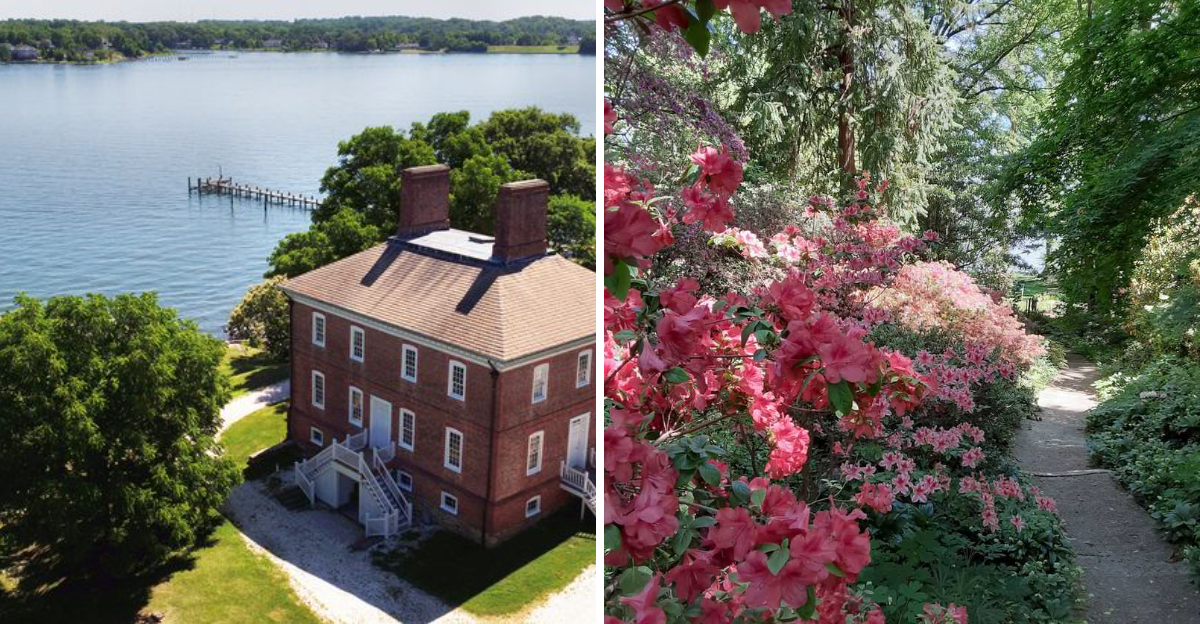
History and gardening do not usually compete for attention on the same day trip, but this Maryland destination manages to make both feel equally worth the drive.
The 23-acre riverfront site preserves part of a colonial port founded in 1683 that eventually faded so thoroughly that it became little more than a memory by the early 1800s.
Today, visitors can explore historic buildings, archaeological sites, reconstructed spaces, waterfront scenery, and extensive gardens filled with collections of camellias, magnolias, azaleas, hollies, and other plants.
There is even a National Historic Landmark on the grounds, so wandering around can shift quickly from admiring flowers to realizing you are standing where one of Maryland’s early commercial towns once operated.
This is the rare hidden gem where forgetting to choose between history and nature works out beautifully.
A Seaport That Vanished From the Map
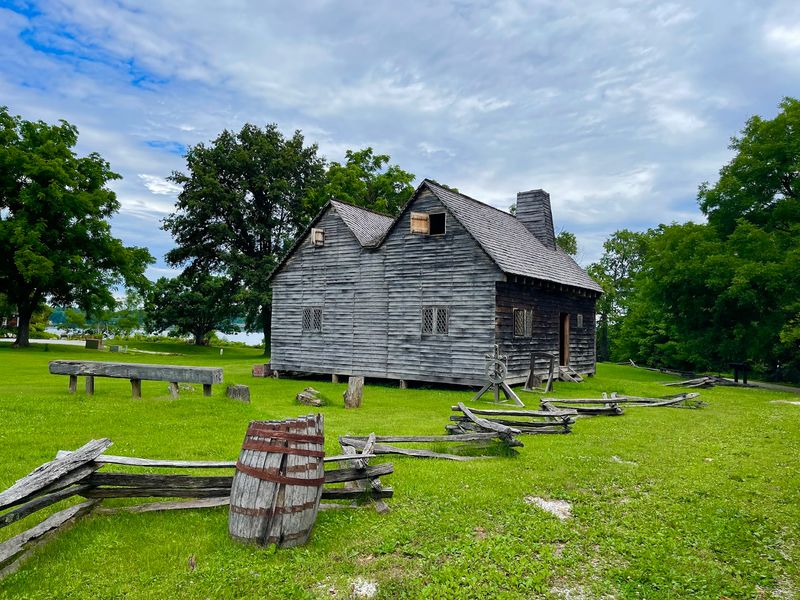
Hard to believe a bustling port once filled these lawns. London Town began in 1683, created by an act of legislation as a 100-acre town on the South River.
Ships tied up here to load tobacco bound across the Atlantic, and a public ferry carried travelers along the main north-south road of the Atlantic seaboard. For a stretch of years, the settlement rivaled Annapolis and Williamsburg in trade importance.
Anne Arundel County even kept its county seat here, and the site was once floated as a possible capital for the Province of Maryland. Then 1694 arrived, Annapolis claimed both the capital and the county seat, and the tide slowly turned.
Shifting trade routes, an economic slump, and the town’s failure to be chosen as a tobacco inspection station finished the job. By the early 1800s, the place had mostly emptied out and slipped from memory.
What strikes me most while standing on that open ground is how ordinary it looks now. Grass, trees, river breeze, no skyline of warehouses or wharves.
Interpretive signs help fill in the blanks, and the park has done a smart job of marking where buildings once stood so the imagination has something to hold onto. Bring curiosity rather than expectations of a rebuilt village.
The story here is about absence as much as presence, and that makes the walk oddly moving. Take a slow lap along the riverfront first, then let the rest of the site fill in the details.
Inside the William Brown House, the Last Original Building
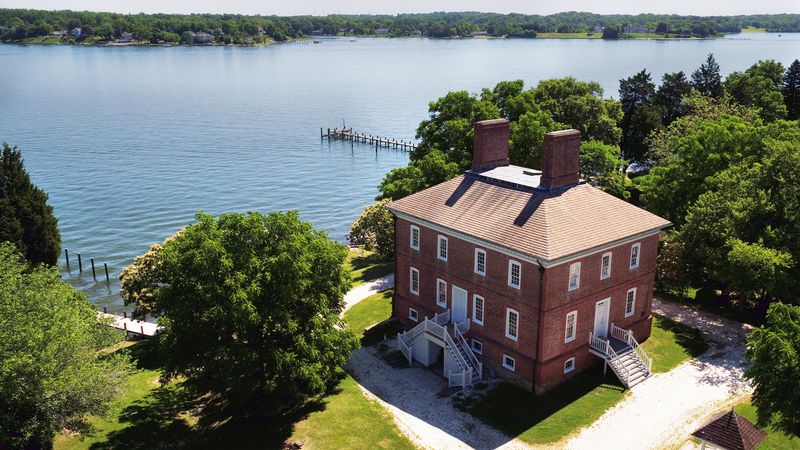
Only one original structure survived the town’s disappearance, and it is a stunner. The William Brown House, also called the London Town Publik House, went up between 1758 and 1764 in solid Georgian style, two stories of brick facing the water.
William Brown built it as an upscale tavern, and historians rank it among the best-preserved colonial brick tavern houses anywhere. The proportions feel confident, almost showy for a small port town.
Its later life took a very different turn. From 1828 until 1965, Anne Arundel County ran the building as an almshouse, sheltering and feeding people who had nowhere else to go.
That layered history sits in the rooms in a way that is hard to describe until you walk through them. In 1970 the house earned National Historic Landmark status and a spot on the National Register of Historic Places.
Today it operates as a museum and anchors the historic area, with guided access that explains construction details, room use, and the people connected to the property. A virtual tour exists too, handy for planning ahead or revisiting later.
One practical note worth knowing before arrival: most of the site is touch-friendly, but the Brown House is the exception, so hands stay off the furnishings and woodwork.
Look up at the brickwork patterns and down at the floorboards. Small details tell you more here than any single grand feature does.
Rebuilt Cottages, a Carpenter’s Shop, and a Tobacco Barn
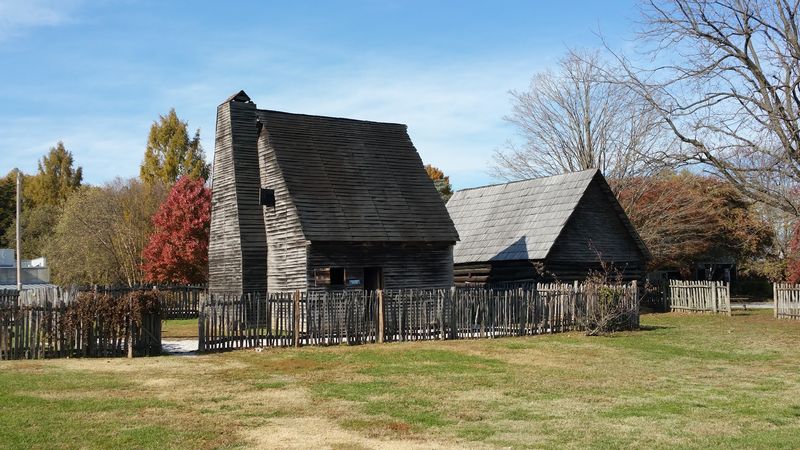
Archaeology did the blueprint work for the buildings that stand here now. The Lord Mayor’s Tenement was reconstructed directly on its original footprint, the modest sort of dwelling once rented out to the town’s lower-paid workers.
Small rooms, low ceilings, a hearth doing double duty for heat and cooking. It offers a sharp contrast with the polished tavern up the hill.
Nearby sits the reconstructed Carpenter’s Shop, also placed on the exact spot uncovered by excavation. Inside, tools and finished pieces show how joiners and carpenters shaped everything from window frames to furniture using hand power alone.
The smell of cut wood in there is worth the visit on its own. An 18th-century tobacco barn rounds out the cluster, a reminder of the crop that built the port’s fortunes and connected it to trade networks far beyond Maryland.
What makes this group of buildings work is the honesty behind them. Nothing was guessed at for looks, and staff will happily explain which post hole or brick fragment led to which design decision.
Costumed interpreters often work in these spaces, demonstrating daily tasks and answering questions about tobacco trade, household routines, and building methods. Hearth cooking demonstrations happen in the Tenement on a rotating schedule.
Children usually gravitate here first because touching is allowed in most spots. Adults tend to linger longer than expected, which says something.
Digging Season With the Lost Towns Project
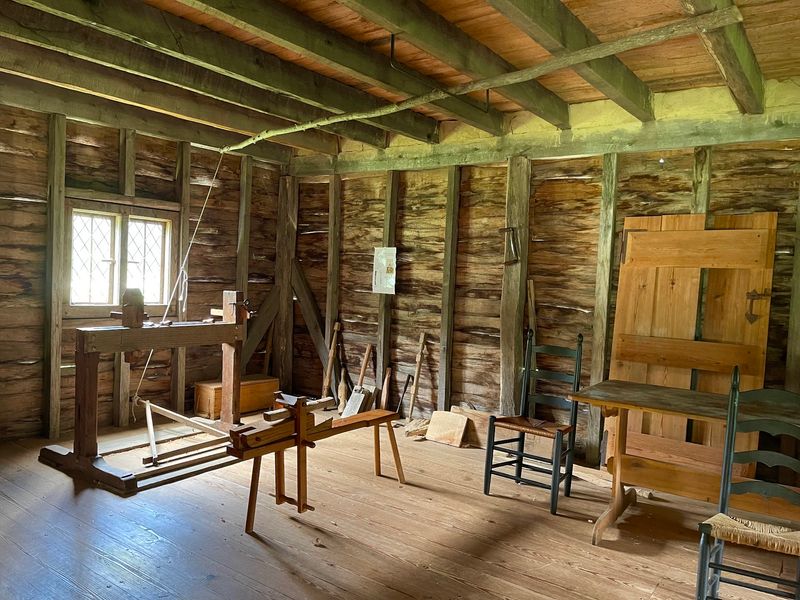
Few historic parks let visitors watch discovery happen in real time.
Archaeologists with the Lost Towns Project continue excavating portions of the late 17th and early 18th-century town inside park boundaries, which means open units, screens, and buckets of soil are part of the landscape during active periods.
Ceramics, pipe fragments, nails, and building remains keep turning up. Each find sharpens the map of where structures once stood.
An archaeology lab operates within the Visitor Center complex, where recovered material gets cleaned, sorted, and catalogued. Seeing artifacts mid-process, still labeled in trays, adds a layer most museums skip entirely.
It reframes history as ongoing work rather than a finished story. Timing matters if watching a dig is the goal, since fieldwork follows seasons and weather.
Checking the park calendar before driving out saves disappointment. Staff and volunteers are generally glad to explain what a particular trench is revealing, and the explanations stay refreshingly jargon-free.
Something I appreciated: the excavation areas do not feel roped off from the visitor experience. They sit among the gardens and reconstructed buildings, so the past and its recovery share the same ground.
Bring decent shoes because the terrain shifts between mown grass and dirt paths. Curious kids tend to ask excellent questions here, and the answers rarely disappoint anyone in the group.
Eight Wooded Acres and a Mile of Winding Trail
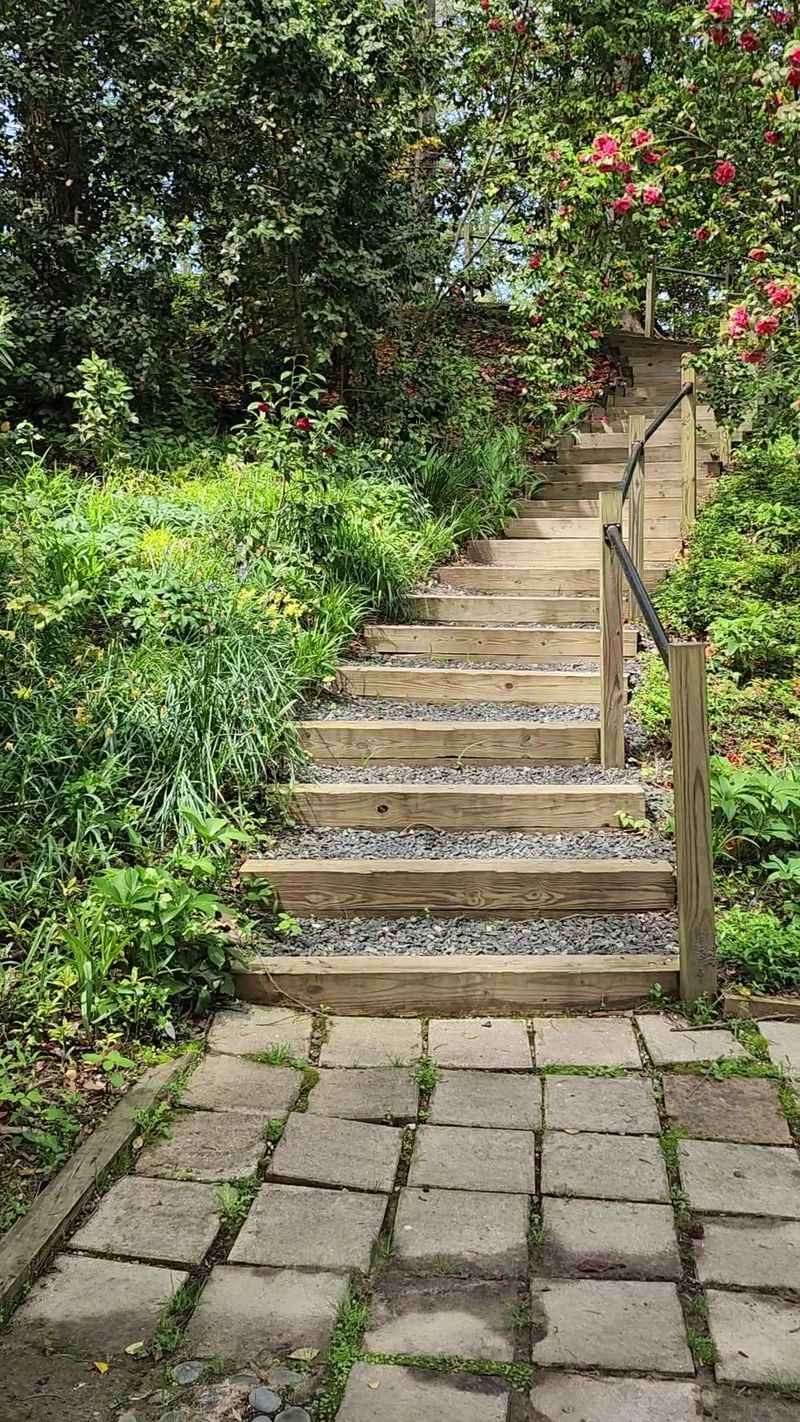
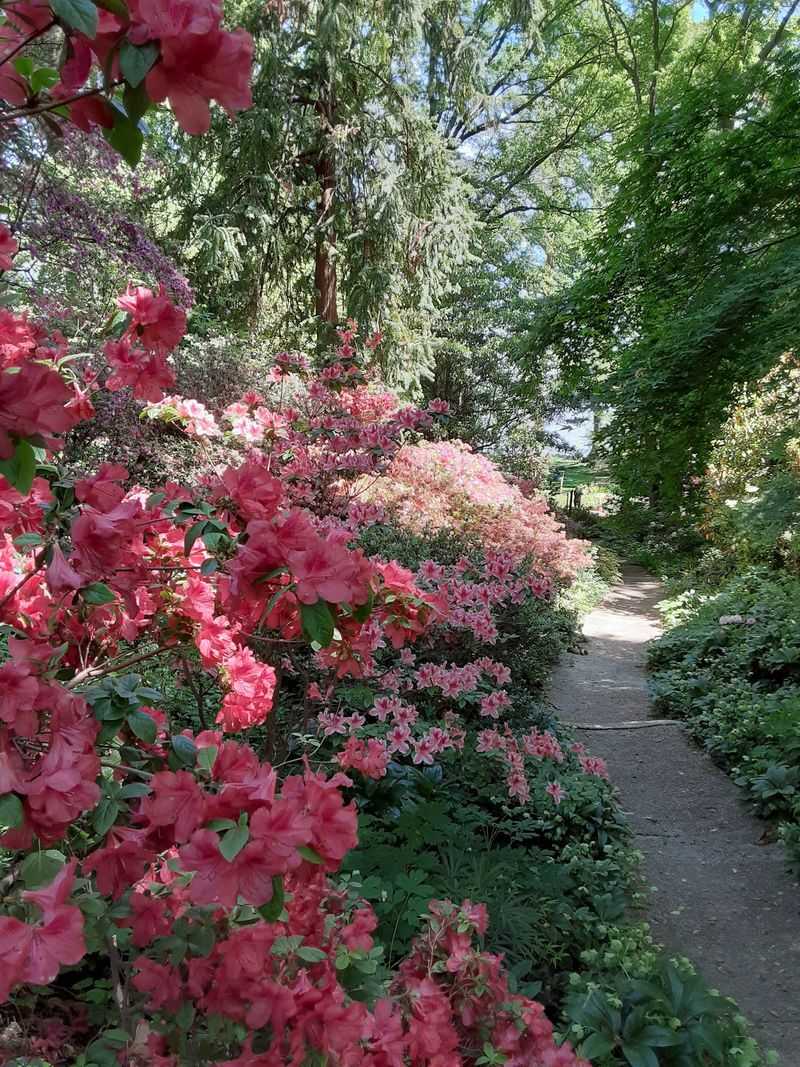
Shade, birdsong, and a trail that keeps curving out of sight. The Woodland Garden covers eight acres beneath towering native trees, threaded by roughly a mile of walking path.
Magnolias form an extensive collection here, joined by camellias, dogwoods, rhododendrons, and viburnums. Underneath all that, spring bulbs and woodland wildflowers pop up alongside shade-loving perennials.
Every season looks different, which is the real reward for repeat visits. Late winter and early spring bring camellia blooms that seem almost too tropical for Maryland weather.
Azaleas and peonies take their turn, then the canopy fills in and the whole trail cools down by several degrees. The park’s cold-hardy camellias are something of a specialty, and horticulture fans notice immediately.
Walking pace here should be slow. Benches appear at good intervals, and the path dips toward views of the river through gaps in the trees.
Leashed pets are welcome throughout the park, which makes this trail a favorite for anyone traveling with a dog. Sturdy shoes help since roots and slopes are part of the deal.
The whole 23-acre site holds Level II Arboretum certification from ArbNet, and the woodland section is where that designation makes the most sense. Labels on many specimens turn a casual stroll into an easy plant-identification lesson.
Morning light filtering through the magnolias is genuinely lovely. Photographers should aim for early hours.
Riverfront Flower Beds With Serious Seasonal Color
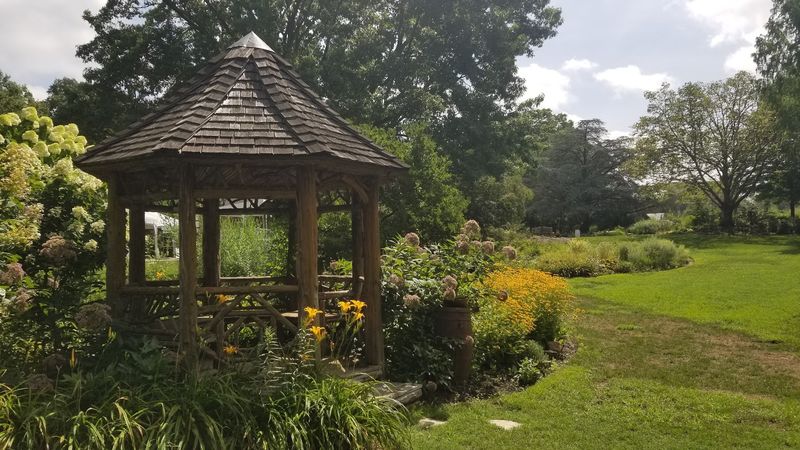
Color does the talking in the ornamental gardens. Two named spaces make up this area, the Cook Memorial Garden and the Lillian S.
Hall Memorial Garden, and both look out over the South River.
Summer brings daylilies, hydrangeas, roses, and crepe myrtles into full swing. Come autumn, asters, mums, and salvias take over the show.
The river view is what elevates these beds beyond a pretty planting scheme. Water sits just past the flowers, boats drift by, and the light bouncing off the surface makes everything look brighter than it should.
Sitting on the grass there with a water bottle counts as a solid afternoon. Roughly 10 acres of the park are dedicated to botanical gardens overall, and the ornamental sections are the most manicured piece of that puzzle.
Paths are wide and mostly gentle, which helps visitors with strollers or mobility considerations. Signage identifies many of the plantings, useful for anyone hunting ideas for a home garden back in their own climate zone.
Gardeners in the mid-Atlantic will find plenty of practical inspiration since everything growing here handles Maryland humidity and winter cold.
Pick a warm evening near closing time if possible. The crowds thin, the shadows stretch across the beds, and the whole slope toward the river turns golden.
Cameras out, phones down, that sort of moment.
A Garden Built for Making Noise and Touching Things
Clanging, tapping, and giggling drift over from one corner of the grounds. The Sound and Sensory Garden was designed for hands-on exploration, and it does not pretend to be quiet.
Musical instruments are installed outdoors for anyone to play, no skill required. Discovery tables invite poking around, and a playset built from natural materials keeps younger visitors busy.
Families with restless kids should head here early, honestly. It burns off energy before the more careful walk through the Brown House.
Grown-ups seem to enjoy the chimes just as much, though nobody admits it out loud. Hands-on activity kits can be picked up at the Visitor Center, adding scavenger-hunt style structure to a visit for children who like a mission.
Combined with the fact that most of the site is touch-friendly, the park feels unusually relaxed about curious hands. Only the William Brown House stays hands-off.
What I like about this space is how it fits the wider setting instead of feeling bolted on. Plants, wood, and texture do the work rather than plastic playground equipment.
Sensory-friendly design also makes it welcoming for visitors who process the world differently, and there is no pressure to be still or silent.
Pair it with a picnic on the lawn and an afternoon stretches comfortably. Shade is available nearby, which matters in a Maryland July.
The Visitor Center, Living Roof, and Green Thinking
Start here, seriously. The Visitor Center opened in 2007 and holds a 3,500 square foot exhibition called Discover London Town, which lays out the settlement’s rise, decline, and rediscovery through archaeological finds.
Twenty minutes inside makes the rest of the grounds click into place. Maps, artifacts, and clear panels do the heavy lifting.
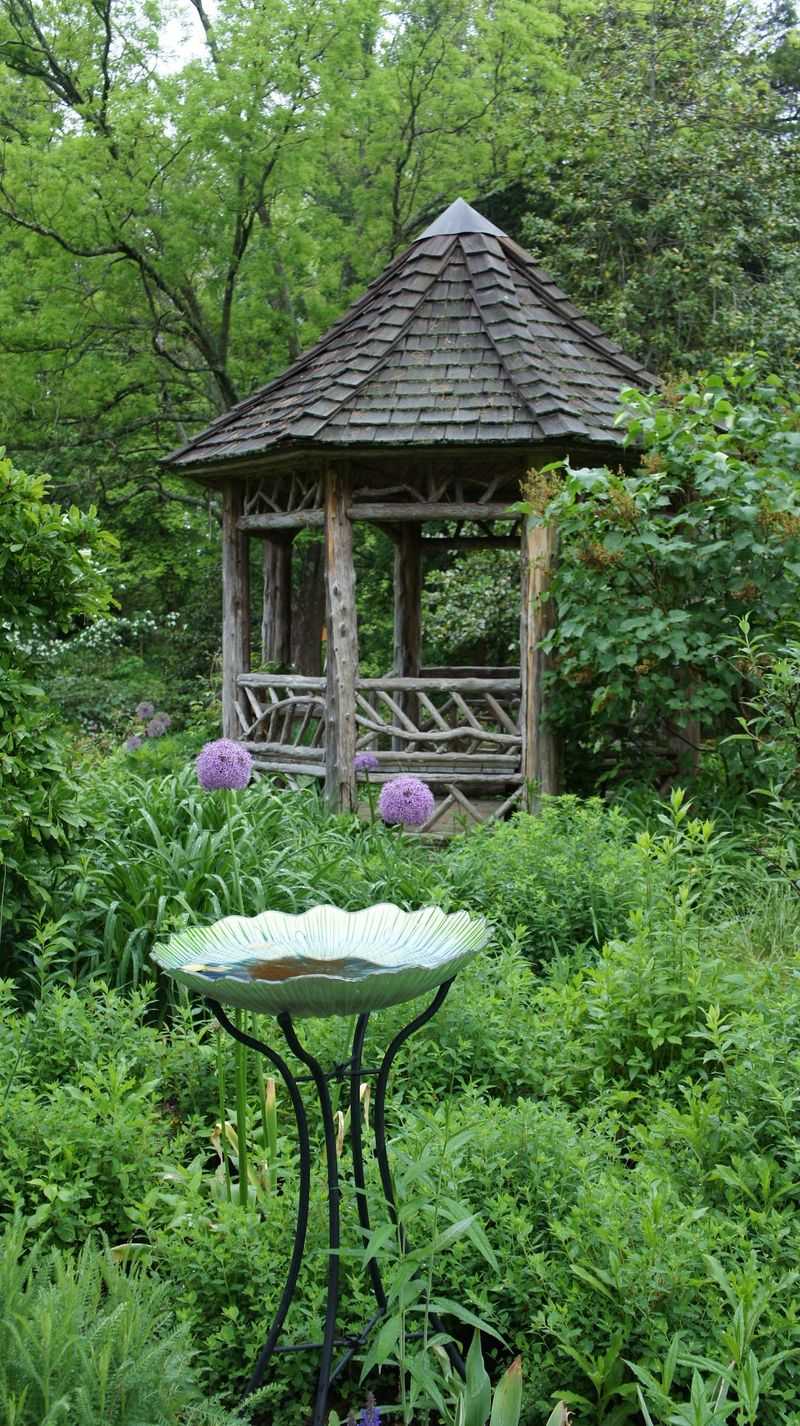
Between the Visitor Center and the Anne Arundel Archaeology Lab sits a Living Roof Garden, planted to absorb rainfall and cut runoff heading toward the river. Rain barrels and a rain garden work alongside it as part of the site’s environmental stewardship efforts.
For a park built on Chesapeake watershed history, protecting that same water feels fitting. Practical details get sorted here as well.
Activity kits for children, guided tour information, and the day’s program schedule all live at this building. Staff can point out which gardens are peaking that week, which saves a lot of aimless wandering.
The whole site is owned by Anne Arundel County and managed by the London Town Foundation, a nonprofit, and that partnership shows in how carefully the grounds are maintained.
Restrooms and parking are right here too, which sounds boring until anyone arrives with a car full of kids.
Grab a map, ask one question, then head outside. The transition from exhibit hall to open riverfront is a good way to begin.
Programs, Interpreters, and a UNESCO Site of Memory
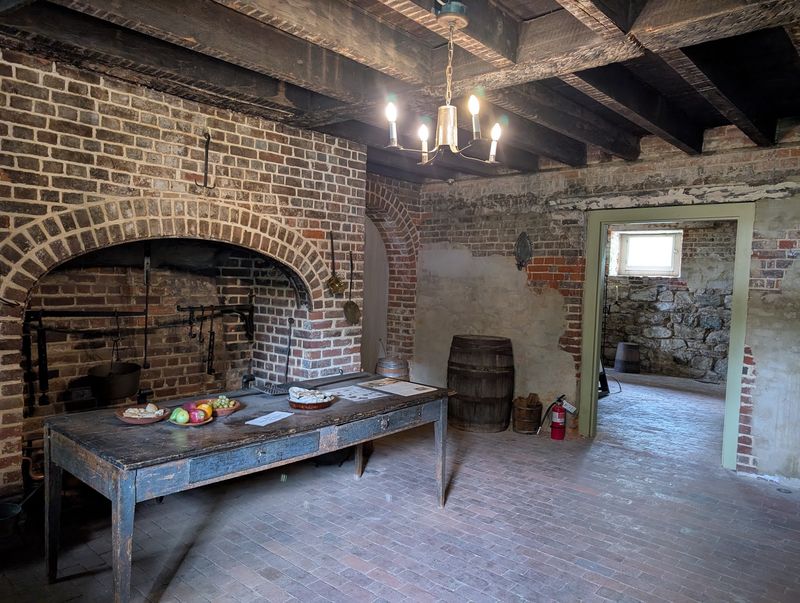
Weekends bring the site to life in ways a self-guided walk cannot match. Costumed interpreters demonstrate colonial daily life, covering tobacco trade, household routines, and building techniques, and they field questions without slipping into lecture mode.
Hearth cooking in the Tenement is a highlight. Watching a meal come together over open fire changes how you think about kitchens.
The programming calendar rotates through historical and horticultural topics for all ages. Sessions such as What’s The Tea, exploring tea culture around the world, and Women’s Work show the range of subjects covered.
Historic walking tours run regularly and are the fastest way to understand the layout of the vanished town. Checking the schedule before visiting is smart since offerings shift with the seasons.
There is a heavier layer to this place that deserves attention. Historic London Town holds designation as a Site of Memory through the UNESCO Slave Route Project, recognizing the port’s role in the slave trade.
Interpretation at the site addresses that history directly rather than skirting it, and the acknowledgment adds necessary weight to the tobacco-wealth story told elsewhere on the grounds.
Between the National Historic Landmark status, the arboretum certification, and the UNESCO recognition, few small parks carry this much layered meaning.
Plan two to three hours minimum. Leashed dogs are welcome, comfortable shoes are essential, and the river breeze is free.
Address: 839 Londontown Rd, Edgewater, MD 21037
