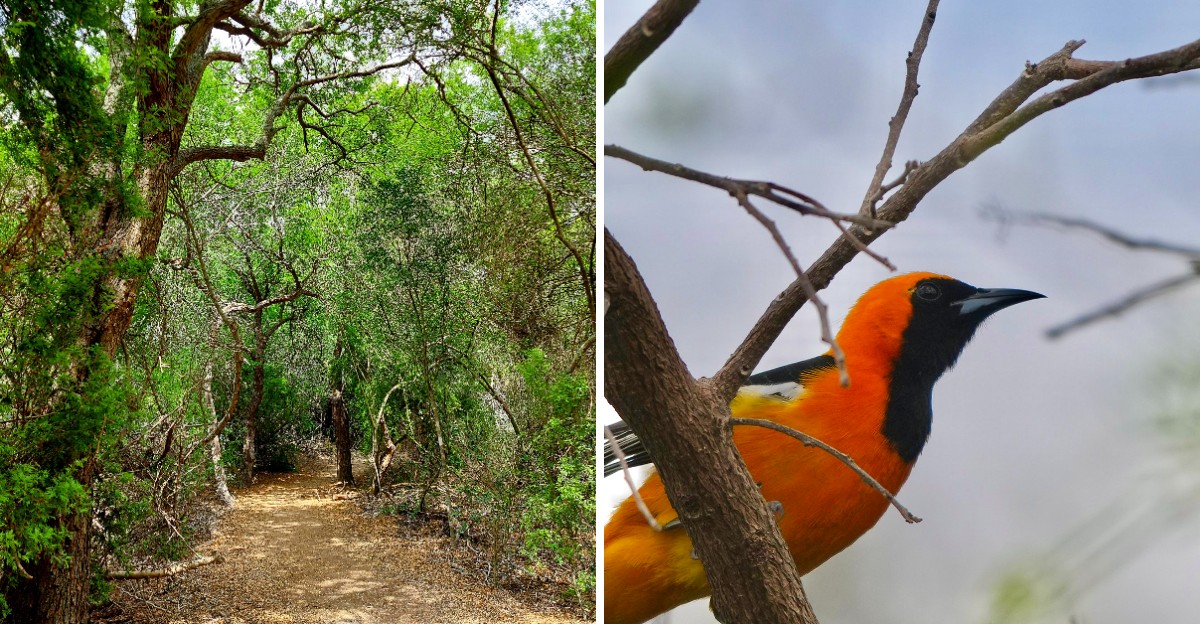
A Texas state park that feels more like a jungle than a prairie. That is what makes this spot so unique.
The landscape is semi tropical, with lush greenery, palm trees, and a humidity that reminds you of somewhere far from the usual Texas scrub. You can explore it by tram, bike, or on foot, each offering a different perspective.
The tram is perfect for a relaxed overview. The bike trails wind through the greenery.
And the walking paths let you slow down and take it all in. It is the kind of park where you can spend a whole day and still feel like you have only scratched the surface.
The scenery is unexpected, beautiful, and unlike anywhere else in the state. Bring water, sunscreen, and a camera.
You will want to remember this one. A true hidden gem.
A Green Pocket Where Two Climates Overlap
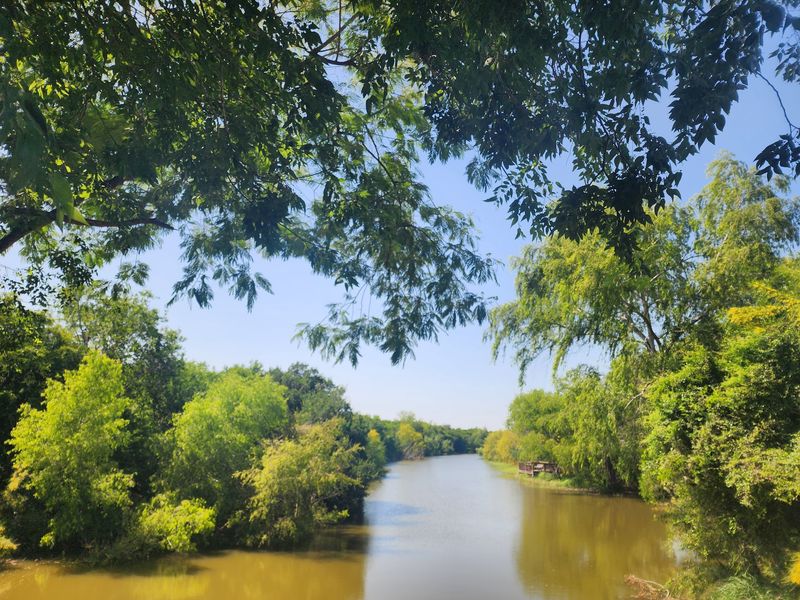
Few places in Texas look this tropical without leaving the state. The Rio Grande Valley sits right where temperate and tropical zones bump into each other, and Resaca De La Palma protects a big slice of that overlap.
The result is a tangle of subtropical riparian forest and native thorn scrub, considered among the most biologically diverse habitats in the country. Thick brush gives way to open savannah.
Then, without much warning, tall trees arch over still water.
Park planners divided the property into three broad habitat zones, and knowing them helps make sense of what you see. Roughly 60 acres hold wetland, about 420 acres carry mature woodland dominated by ebony trees, and another 720 acres stretch into mesquite woodland and savannah.
That mix explains why a short walk can feel like several different parks stitched together. Shade one minute, sun-baked brush the next.
What surprises many first-time visitors is how quiet it stays, even though the city of Brownsville sits just a few miles off. Facilities here were built to stay low-key and blend into sensitive habitat rather than dominate it.
The land officially opened to the public in December 2008, so it is younger than many Texas parks, yet the woodlands themselves are old growth in places.
Go early if possible. Morning light through the ebony canopy is genuinely lovely, and wildlife activity peaks before the heat settles in for the day.
Riding The Open Air Tram Through The Heart Of The Park
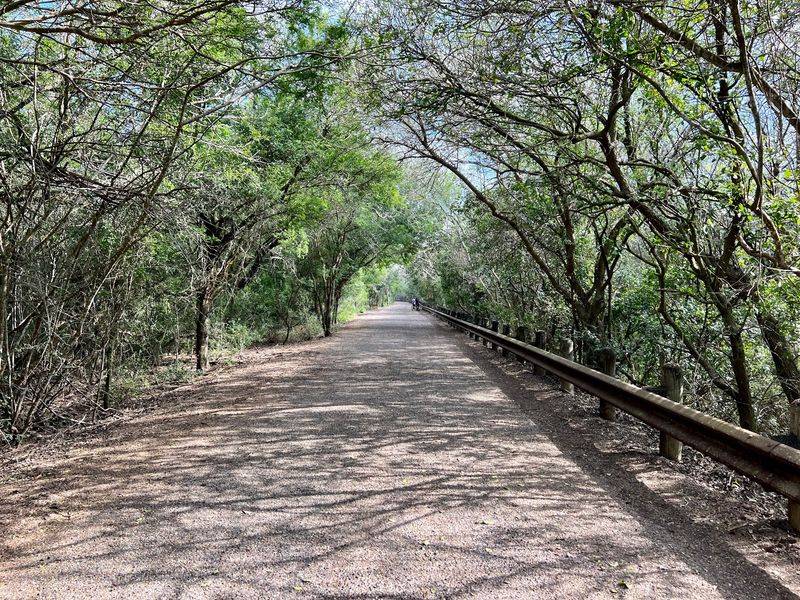
The tram is the easiest way to understand how big this place really is. It rolls along a loop of roughly 2.76 to 3.2 miles, cutting straight through the middle of the preserve with open sides and nothing blocking the view.
Rangers or volunteer camp hosts usually handle the driving and the commentary. They point out trees by name, explain how the resacas formed, and often stop when something interesting moves in the brush.
Riders who are not keen on long walks get the full sweep of the park without breaking a sweat. That alone makes it worth the seat.
Here is a practical detail worth planning around. The tram does not run every day of the week, so checking the current schedule before arriving saves disappointment, and pets are not allowed aboard.
Private vehicles cannot drive into the park at all. Everyone leaves cars at the visitor center lot, which is precisely why the interior stays so peaceful and why the tram feels less like a shuttle and more like a slow safari.
Many people treat the ride as reconnaissance. Spot a promising observation deck or a shady trail junction from the bench, then come back later on foot or by bike to explore it properly.
Sit toward the outside edge for the best photo angles. Sunscreen helps too, since the roof shades your head but not much else.
Two Wheels, Shaded Corridors, And A Paved Loop
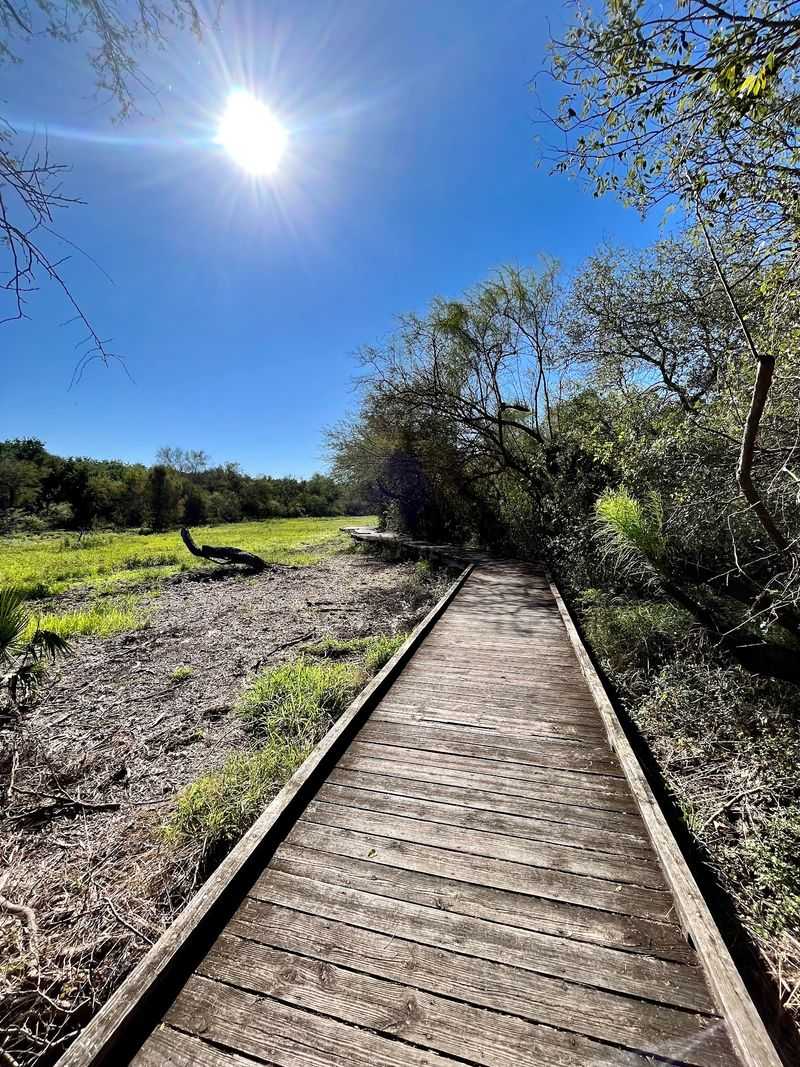
Cycling might be the sweet spot here. The paved loop mirrors the tram route, so it stays smooth and easy, and it crosses two bridges that span sections of the resaca.
Bikes come available for rent right at the visitor center, and the selection is thoughtfully broad. Standard bikes, kids’ bikes, adult tricycles, and setups with child carriers all show up in the lineup, which makes family outings far less complicated.
Between eight and ten miles of trail give riders room to pick a mood. Short and mellow on the asphalt, or longer and grittier on the caliche and dirt stretches.
Bobcat Lane traces the western edge along a levee and delivers a different kind of view, more open, with big sky above the brush line. Many trails are multi-use, so hikers and cyclists share the ground and a friendly heads-up goes a long way.
One caution that regular riders repeat often. Thorn scrub drops thorns, and those thorns find tires, so check the trail surface in brushy sections and consider bringing a patch kit if riding your own bike.
Pedaling also means covering distance fast enough to reach the farther observation decks that walkers sometimes skip.
Go slow when the birds get loud. The whole point of biking here is not speed, it is reaching more corners of the park while still hearing what lives in them.
Trails That Reward Slow Walking
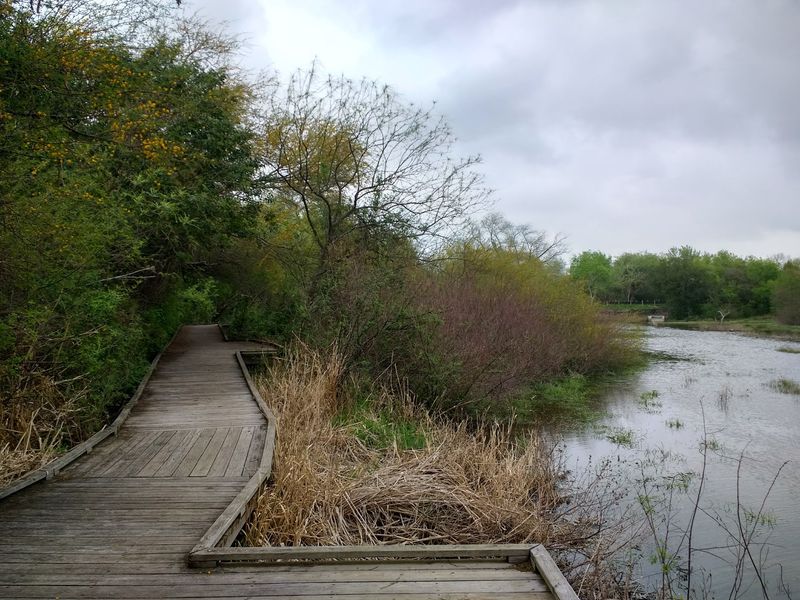
On foot is where the details arrive. Over eight miles of trail thread through the park, shifting underfoot from smooth asphalt to packed caliche to narrow dirt lanes hemmed in by native canopy.
The Ebony Trail runs just 0.2 miles and packs a lot in, passing through old growth ebony and anacua woodland before reaching an observation deck and boardwalk above a resaca. Short, shady, and easy for almost anyone.
Mexican Olive Trail stretches about 0.3 miles, while Hunters Lane Trail covers roughly 0.7 miles. Both have earned reputations as reliable spots for standing still and listening.
For a longer outing, Bobcat Lane and Quail Loop stretch the legs considerably further. Benches appear along several paths, which sounds like a small thing until the afternoon sun says otherwise.
Four observation decks sit scattered across the property, giving elevated views over about four miles of resaca. Photographers tend to camp out at these, and with good reason.
Armadillos rummage through leaf litter without much concern for onlookers. Javelinas turn up too, and the occasional bobcat has been spotted on, fittingly, Bobcat Lane.
Trails here are clearly labeled and well kept, so navigation rarely becomes a puzzle.
Pack bug spray without negotiation. Chiggers, ticks, and mosquitoes all call this habitat home, and a few minutes of prevention keeps the memories pleasant rather than itchy.
Trees And Plants You Will Not Find Up North
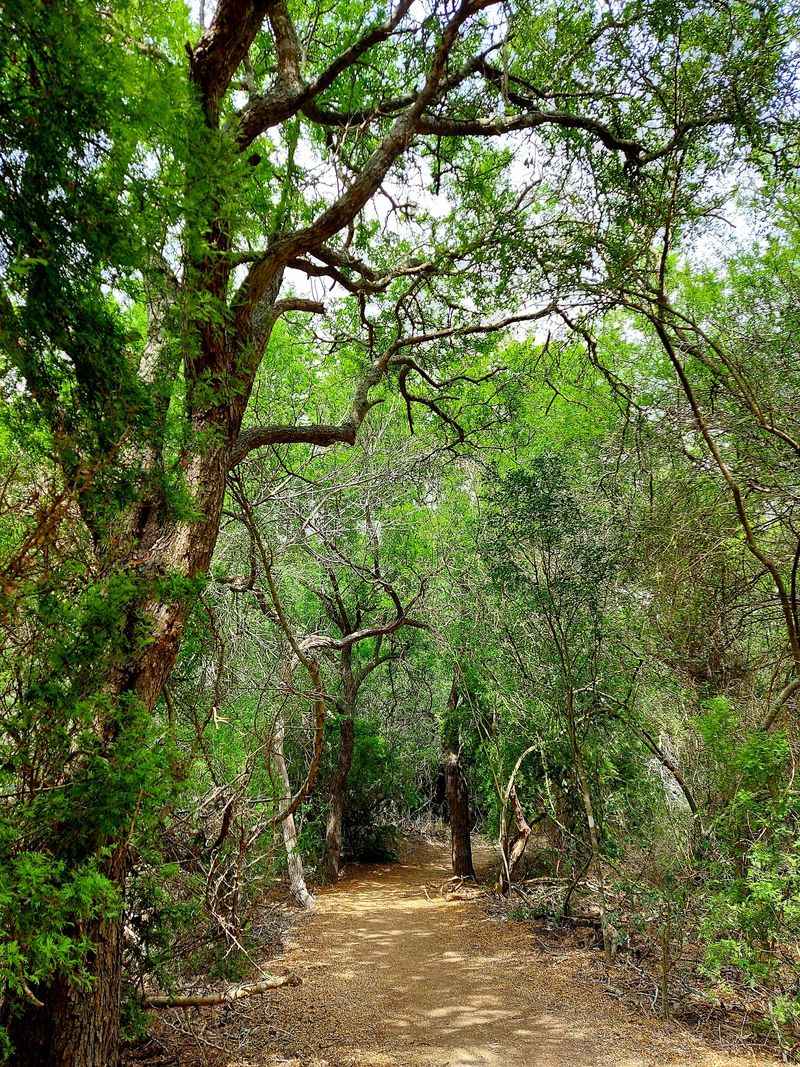
Plant nerds quietly lose their minds here. The park shelters a subtropical riparian forest and thorn scrub blend that ranks among the most diverse in the United States, and much of it grows nowhere else in the country.
Thorn forest sections lean heavily on huisache, retama, and honey mesquite, often knitted into thickets too dense to see through. Granjeno, Brasil, and the stately Texas ebony fill in the gaps, and the ebony grows big enough to earn its own trail name.
Along the resacas, gallery forests take over. Cedar elm, sugar hackberry, and Mexican ash crowd the banks, creating that cathedral feeling walkers notice right away.
Then there is the Texas sabal palm, the only palm native to Texas, standing tall in the riparian corridors like it wandered up from somewhere farther south. Anacua trees add fragrant white blossoms and grow wild only in extreme South Texas.
Keep an eye out for Texas persimmon, desert olive, and chapote blackbead as well. Open stretches hold native grasses such as seacoast bluestem, swaying whenever the Gulf breeze pushes inland.
A modest butterfly garden near the main building showcases nectar plants and puts pollinators at eye level, which kids especially seem to love.
Bloom timing shifts with rainfall, so no two visits look identical. That unpredictability is half the fun of walking these trails more than once.
Birds That Bring Watchers From Everywhere
Serious birders build entire trips around this stretch of Texas, and Resaca De La Palma is a headline stop. Somewhere between 260 and 300 bird species have been documented inside the park boundaries.
Location explains the magic. Sitting along the Rio Grande corridor, the park works as both a rest stop for neotropical migrants and a permanent address for subtropical species that barely cross the border anywhere else.
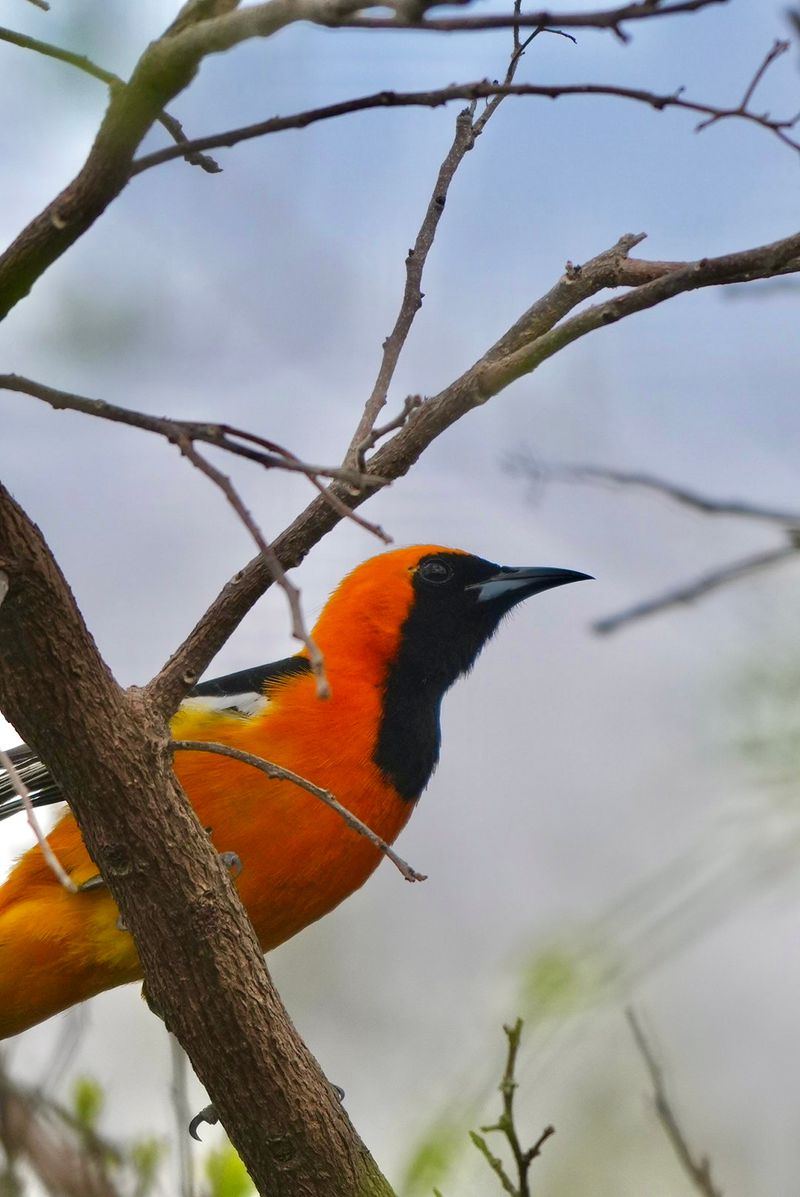
Green jays are the crowd favorite, flashing that improbable lime and blue plumage through the brush. Plain chachalacas clatter overhead, great kiskadees announce themselves loudly, and Altamira orioles hang around the northern edge of their range.
White-tipped doves, groove-billed anis, white-eyed vireos, long-billed thrashers, olive sparrows, and northern mockingbirds round out the regulars. Overhead, white-tailed kites, Harris’s hawks, and gray hawks work the thermals.
Waterbirds gather when the resacas hold water, including least grebes, green herons, and black-bellied whistling-ducks. Rare residents such as the northern aplomado falcon add extra weight to the park’s conservation role.
Behind the visitor center, a water feature and several viewing blinds make for easy sitting. Feeder trays there tend to be stocked in the morning, which is one more argument for an early start.
Activity drops off noticeably after eleven in the morning during warm months. Arrive at opening, bring binoculars or rent a pair, and let patience do the work.
Creatures Beyond The Birds
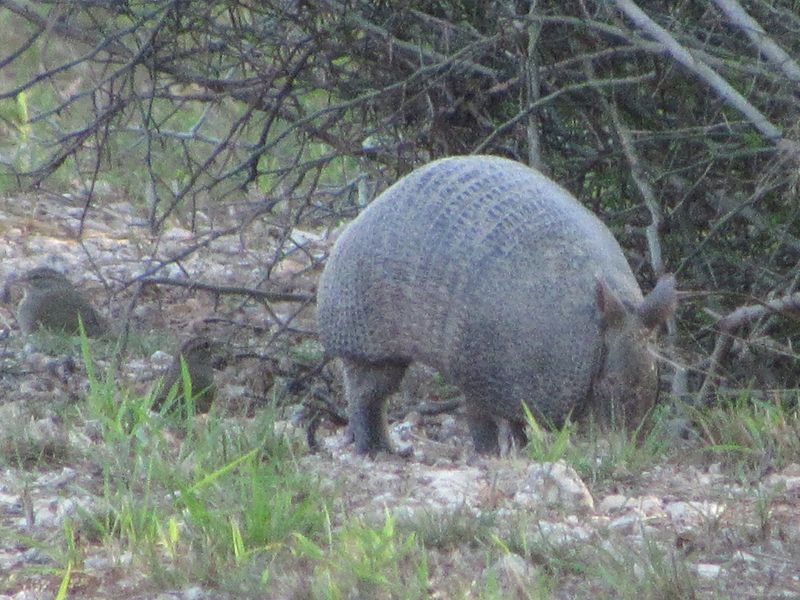
Birds get the billing, but the supporting cast steals scenes constantly. Armadillos shuffle through leaf litter with total commitment to their digging, seemingly unbothered by an audience a few feet away.
White-tailed deer slip between mesquite. Coyotes, raccoons, and javelinas move through the thorn scrub, and bobcats turn up often enough that sightings are not considered lucky flukes.
Alligators occupy the larger water bodies and resacas, which catches some visitors off guard. Keep a respectful distance and enjoy the view from the decks.
Butterflies deserve their own paragraph. More than 100 species have been recorded here, including rare strays that drift up from Mexico, and the butterfly garden near the visitor center concentrates them nicely.
Reptiles add to the list too. Texas tortoises and Texas horned lizards have both been spotted along the paths, and dragonflies swarm in golden clouds during certain stretches of the year.
Mexican ground squirrels dart across the open savannah sections, usually visible for about two seconds before vanishing into a burrow. The black-spotted newt, a rare amphibian, also depends on habitat like this.
Smaller residents like cottontail rabbits show up along trail edges at dawn and dusk.
The trick to seeing any of it is simple. Stop walking, stand still for a couple of minutes, and let the brush forget you are there.
Movement returns quickly once the crunching stops.
Getting Set Up At The Visitor Center
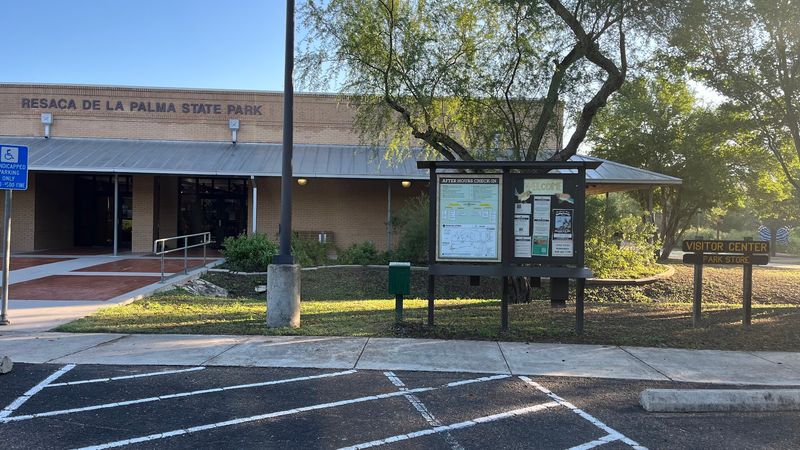
Everything starts at the visitor center, and it handles more than paperwork. Resaca De La Palma sits at 1000 New Carmen Ave, Brownsville, TX 78521, with parking shaded enough to matter on a hot afternoon.
Check in at the desk during operating hours, or use the self-pay station near the front gate if arriving outside them. Park grounds keep long daily hours, while the visitor center runs roughly from morning until late afternoon.
Inside, the gift shop stocks field guides, books, apparel, and souvenirs, plus cold drinks, snacks, and ice cream for the walk back out. Interpretive displays explain the resacas and the habitats in plain language.
Rentals live here as well. Bicycles and binoculars are both available, which means a spontaneous visit does not require hauling gear across the state.
Staff and rangers have a strong reputation for being genuinely helpful, happy to suggest which trail suits the day’s conditions or where something interesting was spotted that morning. Free coloring supplies and activity stations keep younger visitors occupied after a ride.
Picnic tables and seating areas make it easy to stretch a visit into a half day. Restrooms exist along some trail routes, not just at the entrance.
Leashed pets are welcome on grounds and trails, with a six-foot leash limit, though they cannot enter buildings or ride the tram. Plan around that before loading the car.
