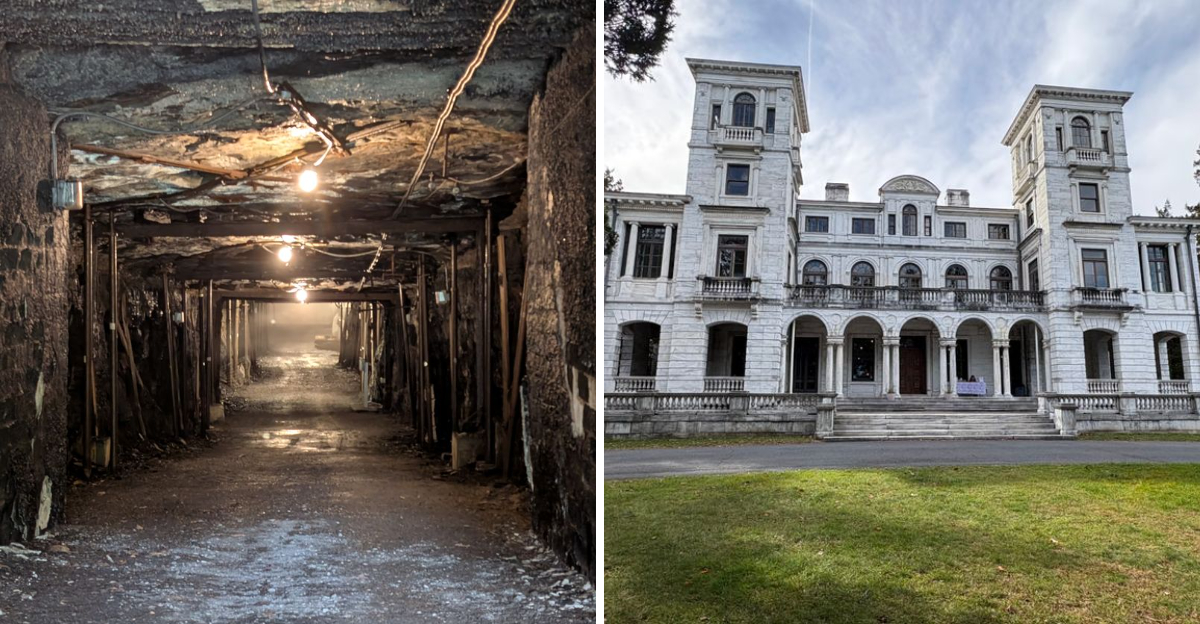
Virginia holds secrets that whisper through crumbling walls and echo down forgotten hallways. Across the state, abandoned buildings stand frozen in time, their stories trapped between decay and memory.
Some of these places were once bustling with life, while others became stages for tragedy and mystery.
Exploring these eerie locations offers a glimpse into Virginia’s complex past. From old hospitals to deserted amusement parks, each site carries its own haunting atmosphere.
Whether you’re a history enthusiast or simply curious about the unknown, these eight abandoned places will leave you with goosebumps and unforgettable images burned into your mind.
1. Western State Lunatic Asylum
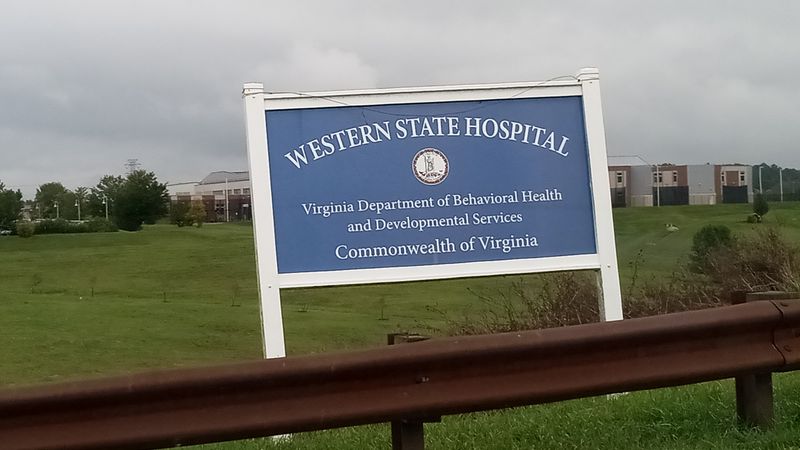
Walking through the remnants of Western State Lunatic Asylum feels like stepping into a nightmare that refuses to end. Located in Staunton, this massive complex once housed thousands of patients seeking treatment for mental illness.
The original building, constructed in the mid-1800s, represented a progressive approach to mental health care at the time, but its later years tell a darker story.
Peeling paint clings to walls where patients once walked endless corridors. Empty rooms still contain fragments of furniture, scattered papers, and the occasional wheelchair left behind.
The silence here feels heavy, almost suffocating, broken only by the wind whistling through broken windows.
Many visitors report unsettling experiences within these walls. Shadows seem to move independently in peripheral vision.
Footsteps echo from empty hallways. Some claim to hear voices whispering words they can’t quite understand.
The asylum’s history includes controversial treatments that would horrify modern medical professionals. Lobotomies, electroshock therapy, and isolation chambers were common practices.
Thousands of patients died here over the decades, many buried in unmarked graves on the property.
Several buildings remain standing, though most are severely deteriorated. Nature has begun reclaiming the structures, with vines creeping through shattered windows and trees growing through collapsed roofs.
The administration building, with its imposing facade, still stands as a testament to the institution’s former grandeur.
Urban explorers who venture here often leave quickly, overwhelmed by the oppressive atmosphere. Photography reveals strange anomalies in images that weren’t visible to the naked eye.
The address is 1301 Richmond Avenue, Staunton, Virginia, though access is restricted and trespassing is illegal. This location remains one of Virginia’s most haunting reminders of how society once treated its most vulnerable members.
2. Lorton Reformatory
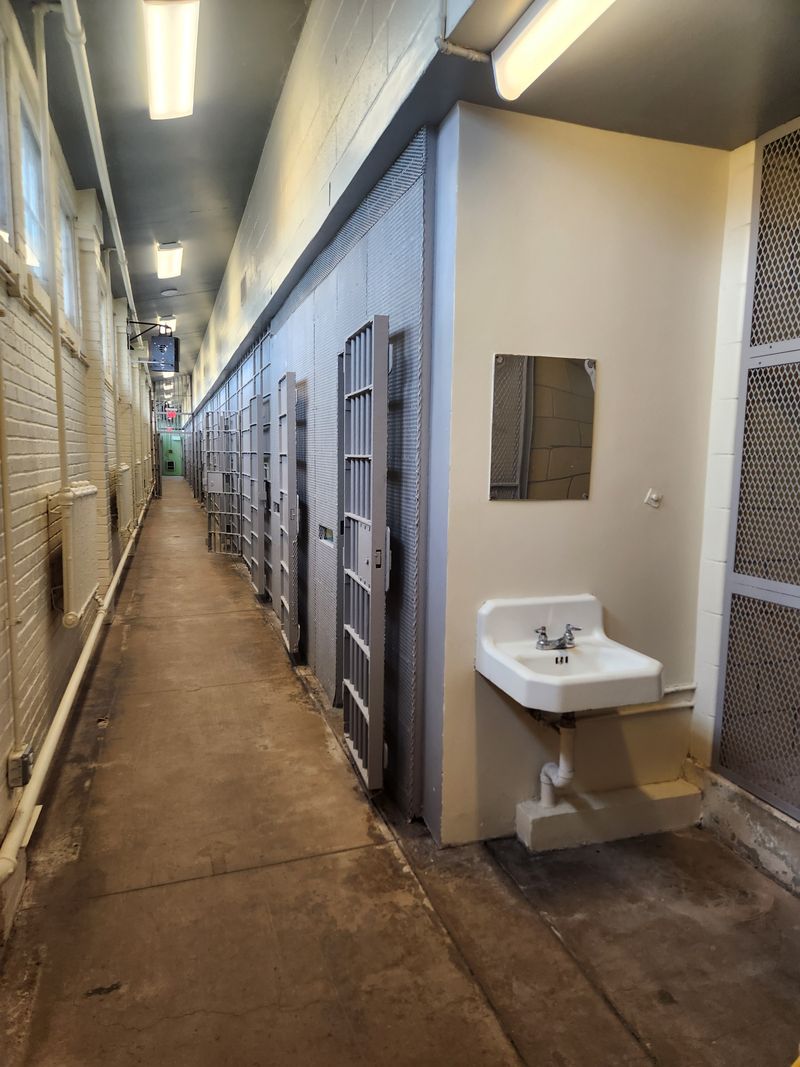
Behind rusted gates and crumbling concrete walls lies Lorton Reformatory, a place where punishment and suffering were daily routines. Situated in Lorton, this prison facility operated for nearly a century before closing its doors.
The complex sprawls across acres of land, containing cell blocks, administrative buildings, and workshops where inmates once labored.
Graffiti now covers walls that once echoed with the sounds of clanging metal doors and shouted commands. Cell blocks stand empty, their barred windows staring out like hollow eyes.
Personal belongings left behind by inmates create an eerie sense that people simply vanished mid-activity.
The reformatory gained notoriety for housing suffragettes who fought for women’s voting rights. These activists endured brutal conditions, including force-feeding and solitary confinement.
Their courage transformed this place into an unexpected symbol of resistance, though most remember it primarily as a house of punishment.
Walking through the exercise yards reveals basketball hoops with no nets, rusted weightlifting equipment, and faded court markings. Guard towers loom overhead, their observation windows now empty but still watching.
The isolation cells remain the most disturbing areas, tiny spaces where inmates spent weeks or months in near-total darkness.
Paranormal investigators frequently visit, claiming the site harbors intense spiritual energy. Electronic equipment malfunctions without explanation.
Temperature drops occur suddenly in specific locations. Some visitors report feeling watched or experiencing unexplained touches.
Nature slowly consumes the structures, with saplings pushing through concrete and moss coating metal bars. The address is 9901 Lorton Road, Lorton, Virginia.
While portions of the property have been redeveloped, several original buildings remain standing as haunting monuments. The reformatory’s legacy serves as a stark reminder of America’s complex relationship with incarceration and justice.
3. Swannanoa Palace
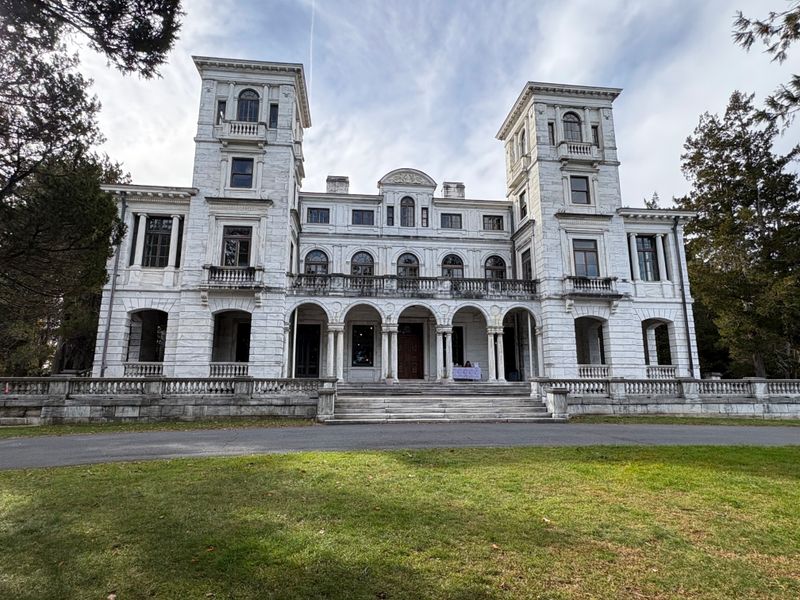
Perched atop Afton Mountain stands Swannanoa Palace, a marble mansion that once symbolized extravagant love and unlimited wealth. Built as a monument to devotion, this Italian Renaissance-style structure features imported marble, Tiffany glass windows, and elaborate architectural details.
Yet today, it sits largely abandoned, its grandeur fading into memory.
The palace’s creator spared no expense in construction, employing hundreds of craftsmen who worked for years to perfect every detail. Hand-carved marble staircases spiral upward.
Ornate ceiling frescoes depict classical scenes. The ballroom, designed to host lavish parties, now stands silent and empty.
After changing hands multiple times, the property fell into disrepair. Windows shattered, allowing weather to damage interior spaces.
Vandals left their marks on walls that once displayed priceless artwork. The gardens, once meticulously maintained, grew wild and tangled.
Visitors describe an overwhelming sense of sadness permeating the structure. Despite its beauty, something melancholic hangs in the air.
Perhaps it’s the knowledge that such devoted construction ultimately couldn’t preserve love or prevent abandonment. The marble, though weathered, still gleams in certain light, hinting at former magnificence.
Several restoration efforts have attempted to save the palace, with varying degrees of success. Some areas have been stabilized while others continue deteriorating.
The property occasionally opens for limited tours, allowing people to witness this architectural marvel before time claims it completely.
Standing on the terrace provides breathtaking mountain views that likely inspired the original owner. The juxtaposition of natural beauty and human-made decay creates a powerful emotional experience.
Located at 3411 Rockfish Valley Highway, Afton, Virginia, Swannanoa Palace represents both the heights of human ambition and the inevitability of decline. Its marble walls hold stories of passion, loss, and the relentless passage of time.
4. Richmond Paper Board Corporation

Industrial abandonment takes on a particularly haunting quality at the Richmond Paper Board Corporation, where massive machinery sits frozen mid-production. This factory once employed hundreds of workers who transformed raw materials into finished paper products.
The sudden closure left everything in place, creating a time capsule of industrial America.
Enormous paper-making machines dominate the production floor, their metal arms reaching upward like mechanical skeletons. Conveyor belts snake through the building, still holding partially processed materials.
Control panels display gauges and switches that will never be adjusted again.
Workers’ personal items remain scattered throughout the facility. Lunch boxes sit on break room tables.
Jackets hang on hooks near time clocks. Calendars on walls show dates from decades ago, marking the moment everything stopped.
The factory’s size creates disorienting acoustics, with sounds echoing unpredictably through cavernous spaces. Footsteps seem to multiply.
Voices carry from impossible distances. Metal creaks and groans as structures settle and deteriorate.
Graffiti artists have transformed portions of the factory into galleries, their vibrant murals contrasting sharply with industrial decay. These unauthorized artworks add surreal beauty to the abandoned space, though they also document the building’s transition from productive facility to urban exploration destination.
Safety hazards abound throughout the structure. Floors have collapsed in sections, revealing sub-levels below.
Asbestos insulation crumbles from pipes. Chemical residues from production processes create toxic environments.
Despite these dangers, explorers continue infiltrating the property.
The building’s exterior shows severe weathering, with rust staining metal siding and vegetation growing from roof sections. Windows, once providing natural light for workers, now serve as entry points for rain and wildlife.
Located at 3501 Deepwater Terminal Road, Richmond, Virginia, this industrial relic demonstrates how quickly nature and time reclaim human constructions. The factory’s silence feels oppressive, a stark contrast to the noise and activity that once filled these spaces daily.
5. Pocahontas Exhibition Coal Mine
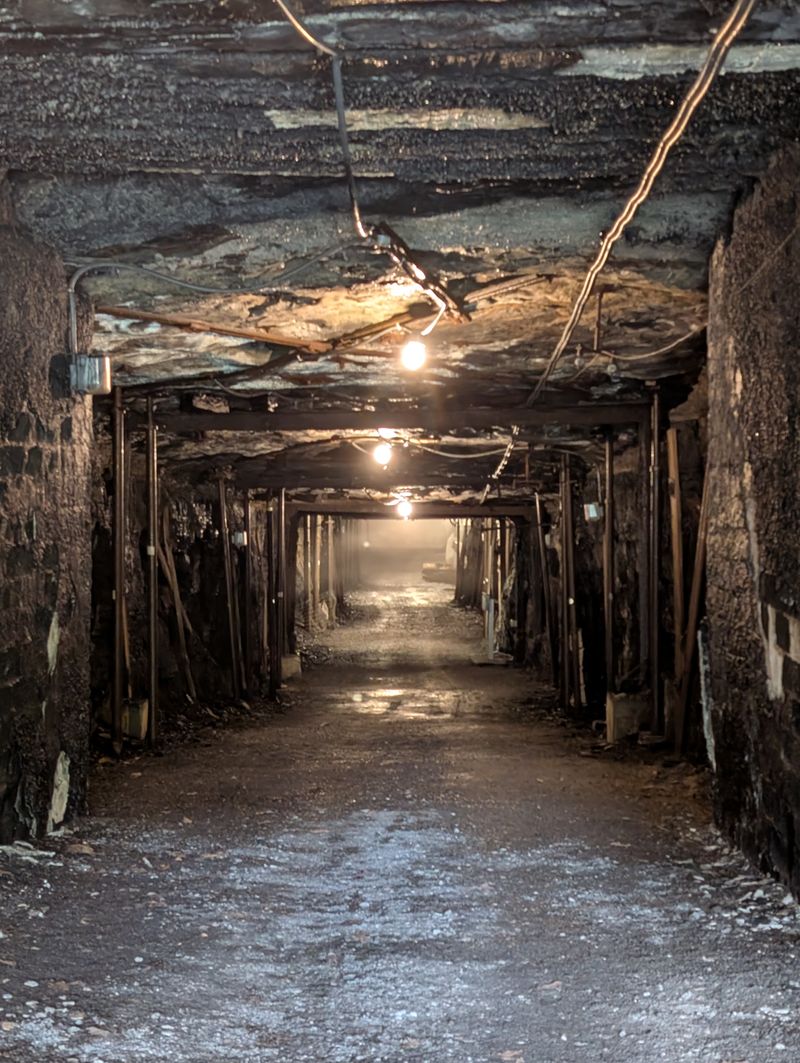
Darkness takes on physical weight inside the Pocahontas Exhibition Coal Mine, where tunnels burrow deep into Virginia’s earth. Originally opened to showcase mining operations, this facility later fell into abandonment after serving its educational purpose.
The mine entrance yawns like a mouth, exhaling cool, damp air that carries the scent of stone and history.
Venturing inside reveals a labyrinth of passages carved through solid rock. Mining equipment from different eras sits abandoned in various chambers.
Pickaxes, hand carts, and drilling equipment tell the story of technological evolution in coal extraction. Wooden support beams, some over a century old, still hold back tons of earth overhead.
The mine’s history includes numerous fatal accidents, a grim reality of coal mining throughout Appalachia. Cave-ins trapped workers underground.
Explosions from methane gas killed entire crews. Black lung disease slowly suffocated those who survived immediate dangers.
These tragedies infuse the tunnels with a somber atmosphere.
Strange phenomena occur within the mine’s depths. Lights appear in distant passages where no one stands.
Sounds of pickaxes striking stone echo when the mine sits empty. Some visitors report feeling sudden temperature changes or experiencing difficulty breathing in specific locations.
The exhibition aspect of the mine means interpretive signs still line the walls, explaining mining techniques and safety procedures. These educational displays now serve as eerie reminders of the mine’s former purpose.
Mannequins dressed as miners stand frozen in various work poses, their presence unsettling in the dim light.
Water seepage creates constant dripping sounds that amplify in the confined spaces. Pools form in low areas, their surfaces reflecting headlamp beams.
Mineral deposits coat walls in strange formations, adding to the otherworldly environment.
Located at 106 Centre Street, Pocahontas, Virginia, this mine offers a glimpse into the dangerous world that powered America’s industrial growth. The tunnels serve as monuments to countless miners who risked everything for meager wages, their sacrifices literally carved into the earth.
6. Freedman’s Cemetery
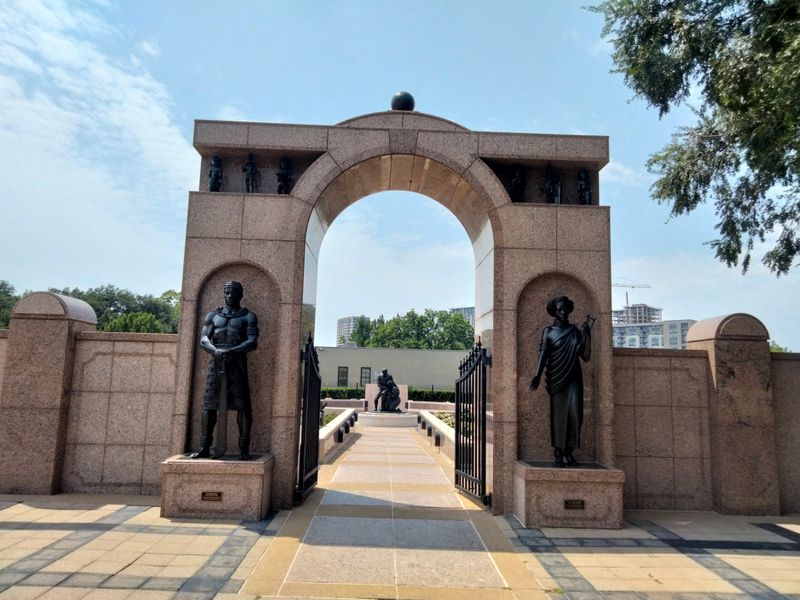
Unmarked graves stretch across Freedman’s Cemetery, a haunting testament to lives forgotten by official history. Established during and after the Civil War, this burial ground served freed slaves and their descendants.
Many graves lack headstones or identifying markers, their occupants’ names lost to time and neglect.
Vegetation has overtaken much of the cemetery, with kudzu vines covering ground and climbing trees. Occasional stone fragments emerge from the undergrowth, remnants of markers that once honored the deceased.
The silence here feels different from other abandoned places, weighted with collective memory and historical injustice.
Research reveals thousands were buried here, though exact numbers remain unknown. Families held services without resources for permanent monuments.
Bodies were interred in simple wooden coffins or cloth shrouds. The cemetery represented dignity in death for people denied dignity in life.
Walking among the graves evokes powerful emotions. Each unmarked plot represents a complete human life, with hopes, relationships, and experiences now completely forgotten.
Children, parents, grandparents, all rest here without acknowledgment. The anonymity feels like a final insult after lifetimes of struggle.
Some visitors report sensing presences among the trees, not threatening but sorrowful. Feelings of sadness wash over people unexpectedly.
Certain areas of the cemetery create stronger emotional responses than others, suggesting concentrated burial sites.
Preservation efforts face challenges due to incomplete historical records and limited funding. Some community groups work to maintain the grounds and document known burials.
Their efforts fight against decades of neglect and the erasure of marginalized histories.
The cemetery’s exact location in Alexandria, Virginia, near South Washington Street, remains known primarily to local historians and descendants. Its abandonment reflects broader patterns of how American society has treated African American history and burial sites.
Standing here confronts visitors with uncomfortable truths about whose stories get remembered and whose get buried, both literally and figuratively. The ground holds secrets that demand acknowledgment, even when names and dates have vanished.
7. Clubhouse Road Ruins
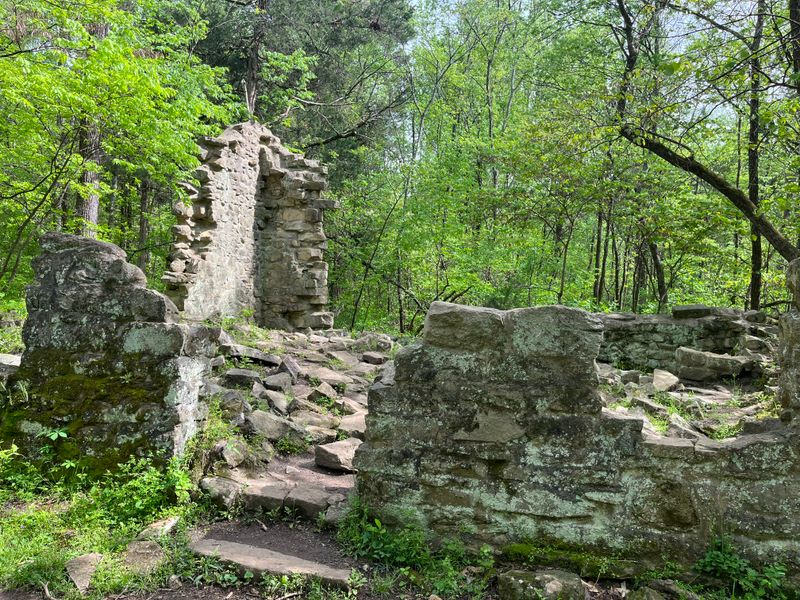
Stone foundations rise from the forest floor along Clubhouse Road, remnants of a community that simply ceased to exist. These ruins mark where homes, businesses, and lives once flourished before abandonment claimed everything.
Trees now grow through what were once living rooms and kitchens, their roots breaking apart stone walls built to last generations.
Historical records provide few details about who lived here or why they left. The architectural style suggests construction during the late 1800s.
Stone chimneys stand like sentinels, the only vertical structures remaining. Foundations outline building footprints, allowing visitors to imagine the community’s layout.
Artifacts occasionally surface around the ruins. Broken pottery shards, rusted tools, and glass fragments hint at daily life.
These objects create tangible connections to people who walked these same paths over a century ago. Each discovery raises questions about the individuals who once called this place home.
The forest has thoroughly reclaimed the area, making it difficult to distinguish between natural rock formations and human construction. Moss covers everything, softening hard edges and blending ruins into the landscape.
In certain seasons, wildflowers bloom among the stones, adding unexpected beauty to the melancholy scene.
Local legends surround these ruins, though separating fact from fiction proves challenging. Some claim the community fled during a plague.
Others suggest economic collapse drove residents away. A few whisper about supernatural occurrences that made the location uninhabitable.
Truth likely lies in more mundane explanations, but mystery persists.
Exploring the ruins requires careful navigation over uneven terrain and through dense vegetation. The isolation adds to the eerie atmosphere, with modern civilization feeling distant despite relative proximity.
Wildlife has made homes in the remnants, with deer bedding in former foundations and birds nesting in chimney cavities.
Located off Clubhouse Road in the Virginia countryside, these ruins exemplify how quickly nature erases human presence. The site serves as a meditation on impermanence and the countless communities that have risen and fallen throughout history, leaving only stones to mark their existence.
8. Jolly Pond Plantation
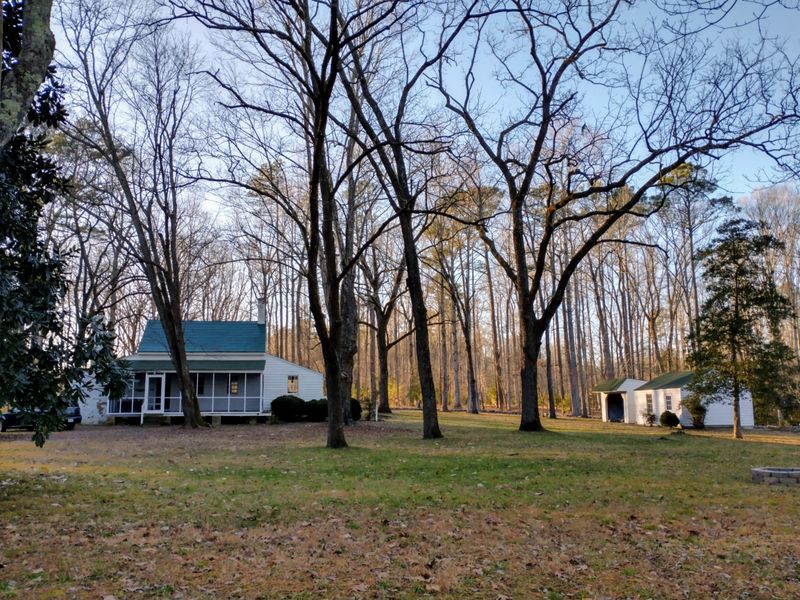
Columns stand guard over empty spaces at Jolly Pond Plantation, where antebellum grandeur slowly crumbles into dust. This plantation house once represented wealth built on the suffering of enslaved people.
Today, its decay serves as a physical manifestation of a brutal system’s collapse, though the historical wounds remain unhealed.
The main house retains elements of former elegance despite severe deterioration. Ornate moldings frame doorways leading to empty rooms.
A grand staircase spirals upward, its banister missing sections. Faded wallpaper peels from walls, revealing layers beneath, each representing different eras of occupation.
Outbuildings scattered across the property tell more complete stories than the main house. Slave quarters, constructed from rougher materials, somehow survive better than the mansion.
These small structures housed entire families in single rooms. The contrast between owner accommodation and enslaved living conditions remains stark and disturbing.
Fields surrounding the plantation have returned to wild growth, erasing crop rows that once represented forced labor and economic exploitation. The land itself seems to reject its agricultural past, preferring chaos to the ordered brutality of plantation agriculture.
Visitors often report uncomfortable feelings throughout the property. The weight of historical trauma seems embedded in the place itself.
Some claim to hear voices or see figures moving between buildings. Whether these experiences reflect actual paranormal activity or psychological responses to known history, they affect most people who spend time here.
Documentation of the enslaved people who lived and died here remains frustratingly incomplete. Few records acknowledged their individual humanity.
Burial sites exist somewhere on the property, but exact locations have been lost. This erasure compounds the injustice of their enslavement.
The plantation’s location near Sussex, Virginia, places it among numerous similar properties throughout the region. Its abandonment reflects economic and social changes that made such operations unsustainable.
Yet the physical decay cannot erase historical realities or absolve past cruelty. Jolly Pond Plantation stands as an uncomfortable reminder of America’s original sin and the long shadows cast by slavery.
Dear Reader: This page may contain affiliate links which may earn a commission if you click through and make a purchase. Our independent journalism is not influenced by any advertiser or commercial initiative unless it is clearly marked as sponsored content. As travel products change, please be sure to reconfirm all details and stay up to date with current events to ensure a safe and successful trip.
