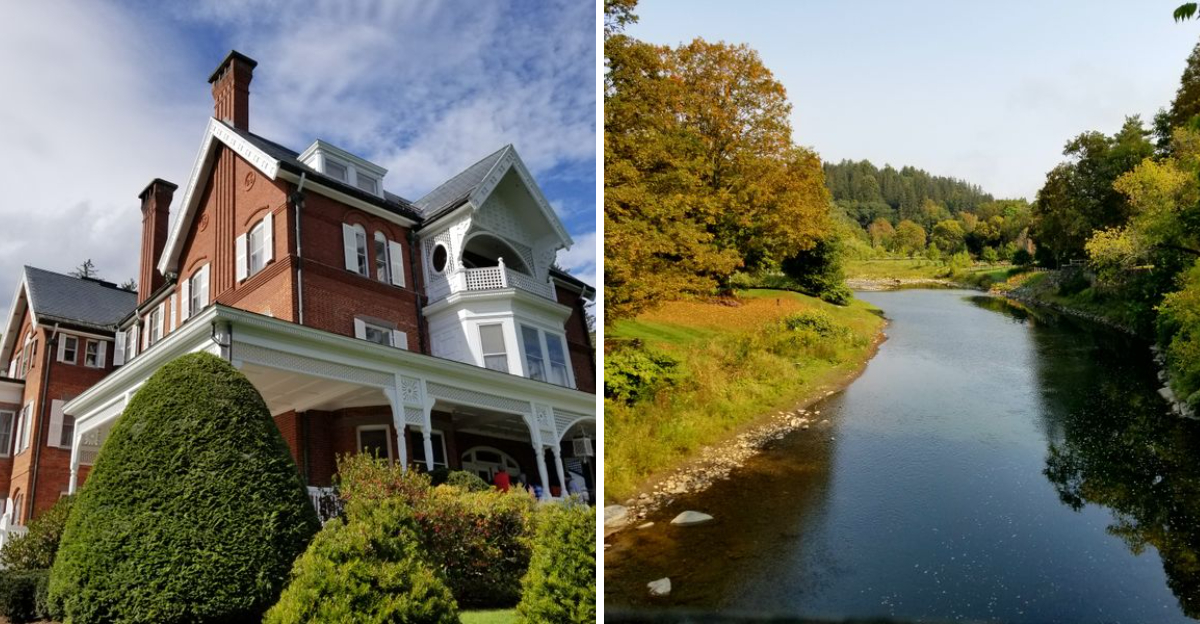
Woodstock, Vermont, stands as one of New England’s most enchanting destinations, where colonial charm blends seamlessly with natural splendor.
This picturesque town offers visitors a chance to step back in time while enjoying modern comforts and breathtaking landscapes.
From its well-preserved historic buildings to its rolling hills and working farms, Woodstock captures the essence of what makes Vermont special.
Whether you’re a history enthusiast, nature lover, or simply seeking a peaceful escape, this town delivers unforgettable experiences at every turn.
The village green serves as the heart of the community, surrounded by architectural gems that tell stories of centuries past.
Local shops, galleries, and eateries line the streets, inviting exploration and discovery.
Beyond the town center, forests, rivers, and mountains provide endless opportunities for outdoor adventure.
Woodstock has managed to preserve its heritage while welcoming visitors with warm hospitality.
Each season brings its own magic, from vibrant fall foliage to snowy winter wonderlands.
This Vermont gem proves that small towns can offer big adventures and lasting memories.
Discovering what makes Woodstock unique means exploring its many layers of history, culture, and natural beauty.
The following seven aspects showcase why this town remains a beloved destination for travelers from near and far.
The Village Green and Historic Architecture
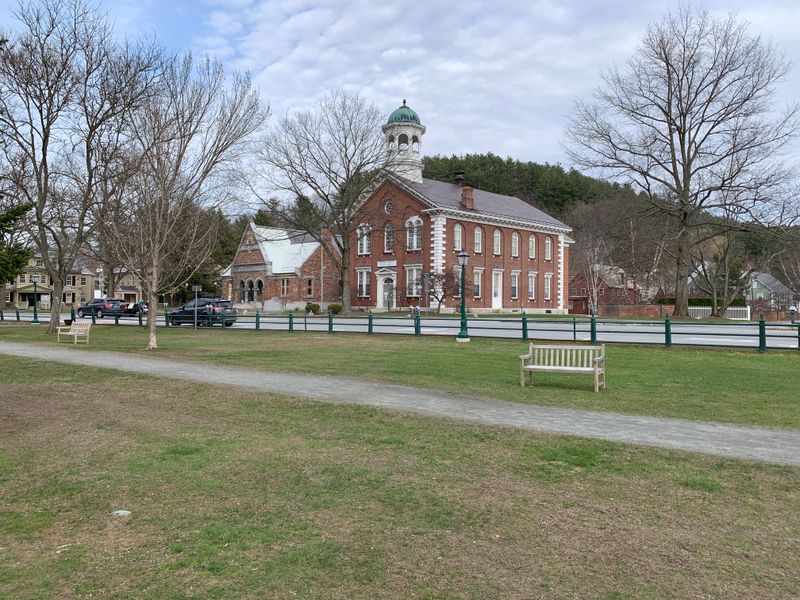
At the center of Woodstock sits the Village Green, a gathering place that has witnessed centuries of community life and celebration.
Surrounding this central square stand buildings that showcase architectural styles from different eras, each with its own story to tell.
The pink sandstone Norman Williams Public Library, built in the 1880s, commands attention with its distinctive color and Romanesque design.
Walking around the Green feels like stepping into a living museum where history isn’t locked behind glass cases.
Local residents still use these historic structures for their original purposes, maintaining connections to the past while serving present-day needs.
The architecture reflects the prosperity and craftsmanship of earlier generations who built with quality and beauty in mind.
Many of the buildings feature elements like hand-carved woodwork, original window panes, and carefully maintained facades.
Preservation efforts ensure that future generations will experience the same sense of timelessness that visitors feel today.
Photographers find endless subjects here, especially when autumn leaves frame the historic structures in brilliant color.
The Green hosts community events throughout the year, from farmers markets to holiday celebrations, keeping traditions alive.
Benches invite visitors to sit and absorb the atmosphere while watching daily life unfold in this charming setting.
This central area demonstrates how thoughtful planning and community pride can maintain a town’s character through changing times.
Exploring the streets radiating from the Green reveals more architectural treasures, including Federal-style homes and Victorian mansions.
Each structure adds to the overall tapestry of Woodstock’s visual appeal and historical significance.
The Village Green represents more than just a pretty space; it embodies the town’s commitment to honoring its past while embracing the present.
Billings Farm and Museum Experience
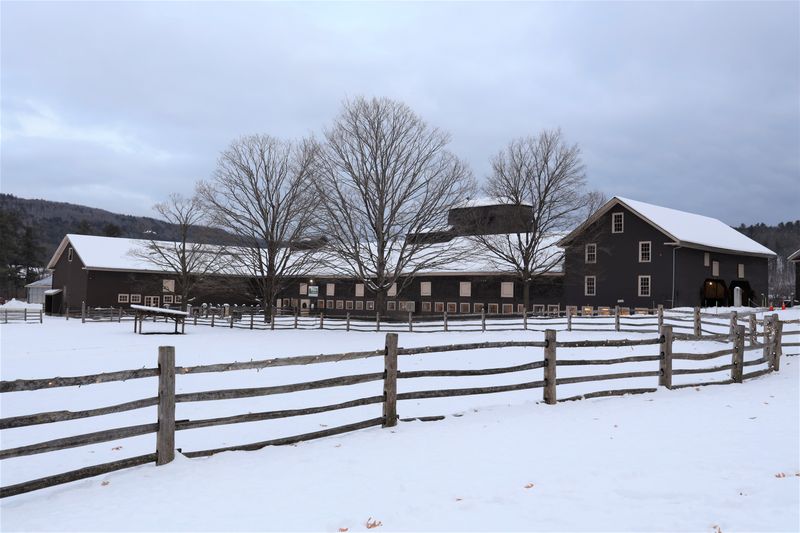
Just north of the town center, Billings Farm and Museum operates as both a working dairy farm and an educational institution dedicated to agricultural heritage.
The 1890 farmhouse stands beautifully preserved, offering glimpses into how Vermont farming families lived during that era.
Interactive exhibits recreate 19th-century farm life with authentic tools, furnishings, and demonstrations that bring history to life.
Visitors can watch daily farm activities, from milking Jersey cows to caring for draft horses that once powered agricultural work.
The farm maintains traditional practices while incorporating modern sustainable farming methods, creating a bridge between past and present.
Children especially love meeting the animals, including calves, chickens, and sheep that populate the barnyard.
Seasonal programs offer hands-on experiences like butter churning, wool carding, and learning about crop cultivation techniques from earlier times.
Knowledgeable staff members share stories about rural Vermont life and explain how farming shaped the region’s culture and economy.
The farm’s commitment to conservation and land stewardship extends the legacy of Frederick Billings, who established the property.
Special events throughout the year include harvest celebrations, sleigh ride weekends, and workshops on traditional crafts and skills.
The museum portion features rotating exhibits that explore topics like agricultural innovation, family life, and environmental history.
Walking the grounds provides stunning views of the surrounding landscape, including forests and pastures that have been carefully maintained.
This living history destination succeeds in making the past accessible and relevant to modern audiences.
Visitors leave with deeper appreciation for the hard work and ingenuity required to sustain farm life in Vermont’s challenging climate.
Billings Farm and Museum stands as a testament to the importance of preserving agricultural traditions and rural heritage.
Marsh-Billings-Rockefeller National Historical Park
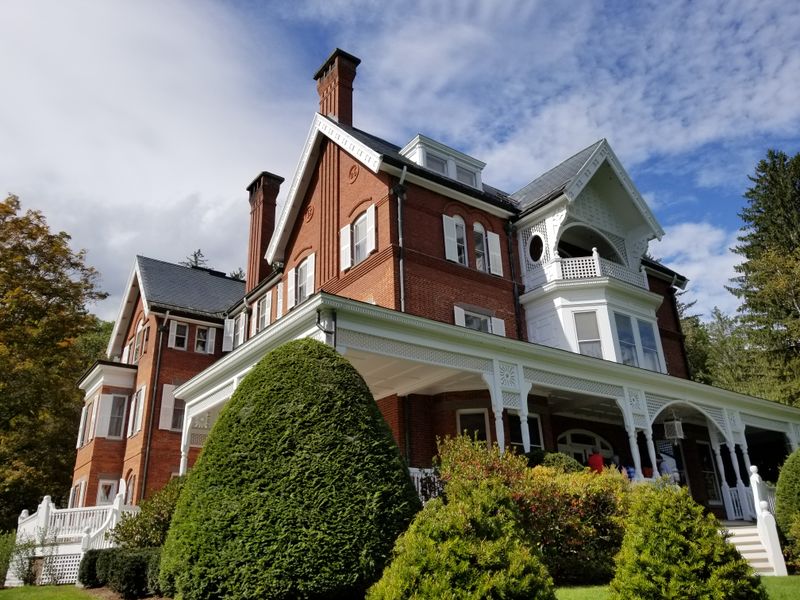
Nature and history converge beautifully at Marsh-Billings-Rockefeller National Historical Park, Vermont’s only national park.
The property features an elegant Queen Anne-style mansion from the 1800s, surrounded by meticulously managed forests that demonstrate conservation principles.
This park tells the story of conservation stewardship through three prominent American families who shaped environmental thinking.
Miles of trails wind through forests that have been sustainably managed for over 150 years, offering lessons in forestry and land care.
Hikers of all skill levels find paths suited to their abilities, from gentle walks to more challenging climbs with rewarding vistas.
Interpretive signs along the trails explain forest management techniques and the ecological importance of different tree species.
The mansion itself showcases Victorian elegance with original furnishings, artwork, and decorative elements that reflect 19th-century taste.
Guided tours reveal how George Perkins Marsh’s groundbreaking environmental ideas influenced American conservation movements.
Frederick Billings later expanded on these concepts, creating a model of sustainable forestry that remains relevant today.
Laurance and Mary Rockefeller eventually donated the property to the National Park Service, ensuring its preservation for future generations.
The park’s carriage roads, originally built for horse-drawn vehicles, now provide excellent routes for walking and cross-country skiing.
Seasonal changes transform the landscape, with spring wildflowers, summer greenery, autumn colors, and winter snow each offering distinct beauty.
Educational programs focus on conservation history, sustainable land use, and the connections between human activity and environmental health.
The park demonstrates that careful stewardship can maintain productive forests while preserving natural beauty and biodiversity.
Visiting this national treasure inspires reflection on our relationship with the land and our responsibility to protect it.
Covered Bridges and Scenic Byways
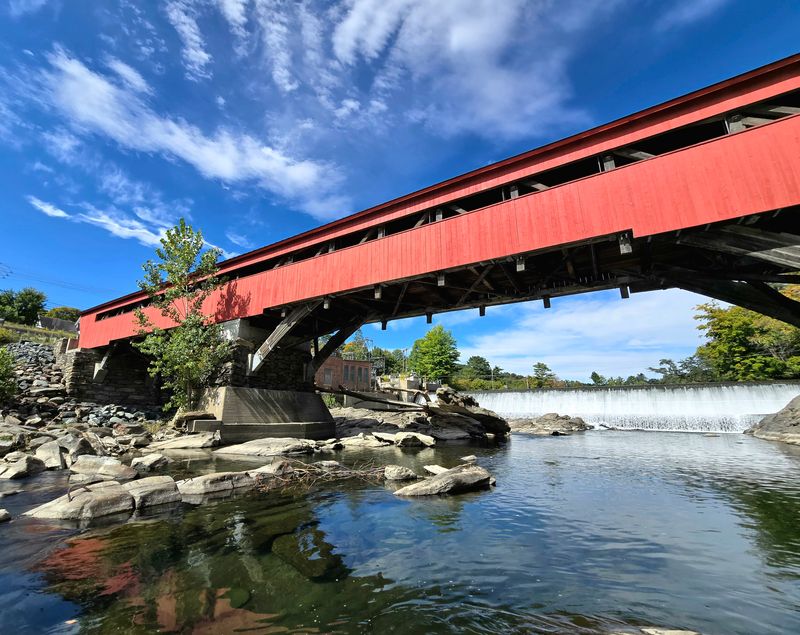
Woodstock’s surrounding countryside features several iconic covered bridges that have become symbols of Vermont’s rural character and engineering heritage.
These wooden structures, painted in traditional red or natural tones, span rivers and streams while protecting their timber frameworks from weather.
Middle Covered Bridge, one of the most photographed in the area, stands as a beautiful example of 19th-century bridge construction.
Driving the scenic byways around Woodstock reveals landscapes that change dramatically with the seasons and time of day.
Rolling hills give way to mountain vistas, while farmland alternates with dense forests creating a patchwork of rural beauty.
The roads themselves follow natural contours, winding through valleys and climbing ridges to reveal unexpected views.
Photographers and artists have long been drawn to these scenic routes, finding inspiration in the interplay of light, landscape, and architecture.
Autumn transforms the byways into corridors of brilliant color as maples, birches, and oaks display their seasonal splendor.
Even winter brings its own magic, with snow-covered fields and ice-laden trees creating a peaceful, monochromatic beauty.
Many of the covered bridges remain functional, carrying local traffic while serving as beloved landmarks and tourist attractions.
Pulling over to explore these structures up close reveals the craftsmanship involved in their construction and ongoing maintenance.
Information plaques often share historical details about when bridges were built, who constructed them, and significant repairs or restorations.
Cycling enthusiasts enjoy these routes for their scenic beauty and relatively light traffic, especially on weekday mornings.
The byways connect Woodstock to neighboring villages and attractions, encouraging exploration of the broader region.
These roads and bridges represent more than just transportation infrastructure; they embody Vermont’s commitment to preserving its scenic and historic character.
Local Artisan Shops and Galleries
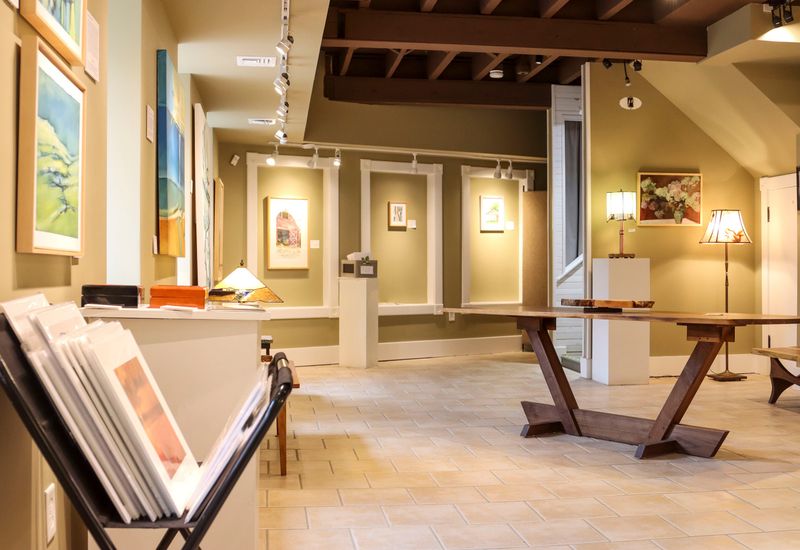
Woodstock’s downtown streets host an impressive collection of artisan shops and galleries that showcase Vermont craftsmanship and creativity.
These establishments offer everything from handwoven textiles and pottery to paintings, photography, and wooden furniture crafted by local makers.
Browsing these shops provides insight into the region’s artistic community and the traditions that inspire contemporary craftspeople.
Many shop owners are artists themselves, happy to discuss their creative processes and the stories behind their work.
This personal connection transforms shopping from a transaction into a meaningful cultural exchange.
Visitors often discover unique pieces that capture the essence of Vermont in ways that mass-produced souvenirs never could.
The F.H. Gillingham and Sons general store, operating since 1886, combines old-fashioned charm with carefully curated Vermont products.
Located at 16 Elm Street, this historic establishment maintains the atmosphere of a traditional country store while offering modern conveniences.
Shelves display local maple syrup, cheese, preserves, and other edible specialties alongside practical goods and gift items.
Art galleries feature works by both established and emerging artists, with many focusing on landscape paintings that capture Vermont’s natural beauty.
Rotating exhibitions ensure that repeat visitors always find something new to admire and potentially purchase.
Some galleries also host artist talks and workshops, deepening connections between creators and appreciators of art.
Jewelry makers, glassblowers, and textile artists maintain studios where visitors can sometimes watch them work.
The concentration of talented artisans in such a small town reflects Vermont’s reputation as a haven for creative individuals.
Purchasing directly from makers supports the local economy while ensuring that traditional crafts continue to thrive.
These shops and galleries contribute significantly to Woodstock’s character, making it more than just a pretty place to visit.
Outdoor Recreation and Natural Landscapes
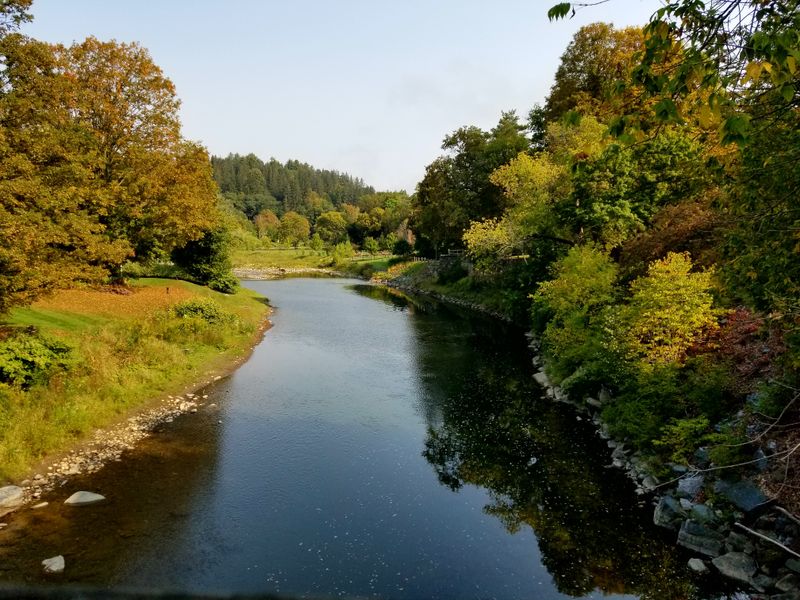
Beyond its historic attractions, Woodstock serves as a gateway to outdoor adventures in some of Vermont’s most beautiful natural settings.
The surrounding Green Mountains offer hiking trails ranging from easy nature walks to challenging summit climbs with panoramic views.
Mount Tom and Mount Peg provide relatively accessible hikes that reward climbers with spectacular vistas of the town and surrounding valleys.
The Ottauquechee River flows through the area, creating opportunities for fishing, kayaking, and riverside picnicking during warmer months.
Quechee Gorge, located just a few miles away, showcases the dramatic power of glacial and river erosion in Vermont’s deepest gorge.
Trails descend to the gorge floor, allowing visitors to experience this natural wonder from multiple perspectives.
Winter transforms the landscape into a playground for cross-country skiing, snowshoeing, and downhill skiing at nearby resorts.
The Woodstock Inn and Resort maintains its own Nordic Center with groomed trails that wind through pristine forests and fields.
Snowmobiling enthusiasts access an extensive trail network that connects to routes throughout the region.
Mountain biking has gained popularity on trails specifically designed for cycling, offering technical challenges and scenic rewards.
Birdwatchers find diverse species in different habitats, from forest-dwelling warblers to waterfowl along rivers and ponds.
Wildflower enthusiasts discover seasonal blooms that add splashes of color to meadows and woodland edges throughout spring and summer.
The changing seasons create distinct outdoor experiences, each with its own appeal and activities.
Spring brings rushing streams and emerging greenery, while summer offers warm days perfect for swimming and paddling.
Local outfitters provide equipment rentals and guided tours for those wanting expert assistance in exploring the natural landscape.
These outdoor opportunities ensure that Woodstock appeals to active travelers seeking adventure alongside historical and cultural experiences.
Culinary Scene and Vermont Flavors
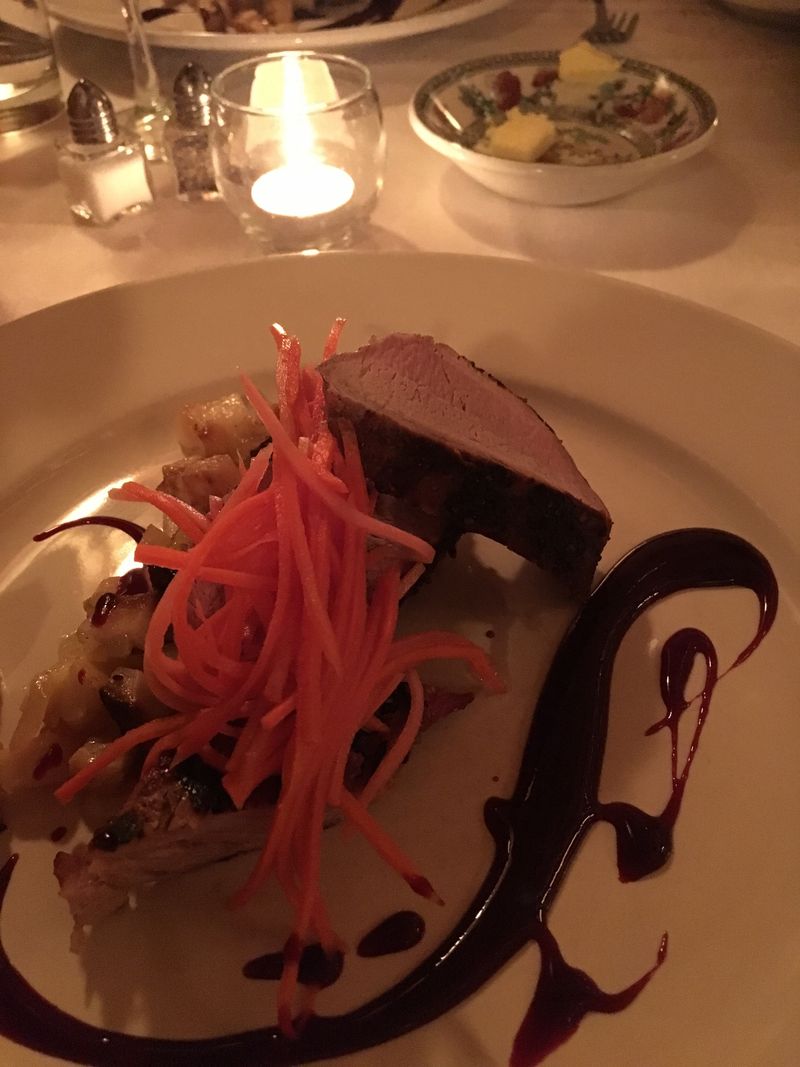
Woodstock’s culinary scene reflects Vermont’s farm-to-table ethos, with restaurants emphasizing locally sourced ingredients and regional specialties.
Maple syrup, aged cheddar cheese, grass-fed beef, and seasonal produce feature prominently on menus throughout the town.
Dining establishments range from casual cafes to upscale restaurants, each offering their own interpretation of Vermont cuisine.
The Prince and The Pauper, located at 24 Elm Street, has earned a reputation for creative dishes that showcase local ingredients in sophisticated preparations.
This intimate restaurant combines European culinary techniques with Vermont’s bounty, creating memorable dining experiences.
Reservations are recommended, especially during peak tourist seasons when the restaurant’s limited seating fills quickly.
For more casual fare, Mon Vert Cafe at 28 Central Street serves breakfast and lunch with an emphasis on fresh, healthy options.
Their menu changes seasonally to reflect what’s available from nearby farms and producers.
The cafe’s relaxed atmosphere makes it a favorite gathering spot for both locals and visitors.
Woodstock Farmers Market operates seasonally, bringing together producers who sell vegetables, fruits, baked goods, and artisanal products directly to consumers.
This weekly event strengthens community connections while supporting agricultural businesses and providing access to the freshest possible ingredients.
Visitors can sample Vermont specialties and chat with the farmers and makers who produce them.
Several shops specialize in Vermont-made food products, including maple syrup in various grades, local honey, and handcrafted chocolates.
Tasting rooms allow visitors to sample before purchasing, ensuring they find products that suit their preferences.
Bringing home Vermont culinary specialties extends the experience beyond the visit, allowing travelers to share flavors with friends and family.
The town’s food scene demonstrates how traditional agricultural roots continue to nourish contemporary culture and community in meaningful ways.
Dear Reader: This page may contain affiliate links which may earn a commission if you click through and make a purchase. Our independent journalism is not influenced by any advertiser or commercial initiative unless it is clearly marked as sponsored content. As travel products change, please be sure to reconfirm all details and stay up to date with current events to ensure a safe and successful trip.
