Washington State’s coastline hides charming towns most travelers miss while rushing to popular destinations. These seaside gems offer everything from fresh seafood and local art to stunning ocean views and outdoor adventures. Pack your bags for a weekend escape to these lesser-known coastal havens where authentic Pacific Northwest culture thrives away from the crowds.
1. Port Townsend: Victorian Elegance
Red brick buildings with ornate facades transport visitors to the 1890s boom era. Port Townsend once anticipated becoming the largest harbor on the west coast – a dream that faded but left behind magnificent Victorian architecture.
Artists and craftspeople now inhabit this creative haven. Galleries showcase local talent while independent bookstores and cafés foster a vibrant cultural scene. The monthly Art Walk turns the entire downtown into an exhibition space.
Fort Worden State Park offers 434 acres of beaches, bunkers, and hiking trails. Once a military base, these grounds now host Centrum – a renowned arts organization bringing musicians and writers from around the world to this remote corner of the Olympic Peninsula.
2. Tokeland: Oyster Lover’s Dream
The Nelson Crab building stands as a weathered sentinel at the harbor entrance – a testament to generations of shellfish harvesting. Tokeland remains one of Washington’s tiniest coastal communities, yet it delivers outsized culinary experiences.
The historic Tokeland Hotel (built 1885) serves legendary breakfasts featuring local ingredients. Just down the road, the Tokeland Marina offers fresh-caught seafood literally steps from the boats that harvested it.
Native American heritage runs deep here on Shoalwater Bay Tribe lands. Learn about traditional oyster gathering techniques that have sustained coastal peoples for millennia. The uncrowded beaches provide perfect spots for contemplative walks where bald eagles often soar overhead.
3. Ilwaco: Fishing Village Charm
Colorful fishing boats bob gently in the protected harbor as seagulls swoop overhead. Ilwaco maintains its authentic working waterfront vibe unlike many coastal towns that have fully embraced tourism.
The Saturday Market transforms the port from April through September, bringing together farmers, artisans, and food vendors. Cape Disappointment State Park (despite its unfortunate name) offers spectacular views where the Columbia River meets the Pacific.
History buffs appreciate the Columbia Pacific Heritage Museum chronicling the area’s maritime past. For a unique experience, time your visit during the annual Blessing of the Fleet ceremony – a poignant tradition honoring those who make their living from the sea and remembering those lost to its depths.
4. La Push: Wild Coast Sanctuary
Massive sea stacks rise dramatically from crashing waves, creating a primordial landscape straight from fantasy. La Push sits within the Quileute Tribal Reservation, offering visitors a glimpse into indigenous coastal culture that spans thousands of years.
First Beach provides accessible beauty, but the real magic happens at Second and Third Beaches – requiring short hikes through lush coastal forest. Driftwood sculptures created by nature litter the shore, perfect for impromptu seating while watching for migrating whales.
Oceanside cabins allow guests to fall asleep to the rhythm of waves. While “Twilight” fans know La Push from the books and movies, the real-life version offers authentic experiences far more compelling than fictional vampires and werewolves.
5. Copalis Beach: Airplane Landing Strip
“Airport closed when covered by water” – this unusual sign marks one of America’s most distinctive beaches. At low tide, Copalis Beach transforms into Washington’s only designated beach airport, where small planes can land directly on the hard-packed sand.
Beyond this quirky distinction, the area offers excellent razor clamming during designated seasons. Bring a bucket, shovel, and license to participate in this beloved Pacific Northwest tradition.
Ghost Forest – a stand of dead cedar trees killed by saltwater during the 1700 Cascadia earthquake – provides a haunting reminder of nature’s power. The quiet, residential feel makes this stretch of coastline perfect for visitors seeking solitude rather than souvenir shops.
6. Seabrook: The Planned Perfection
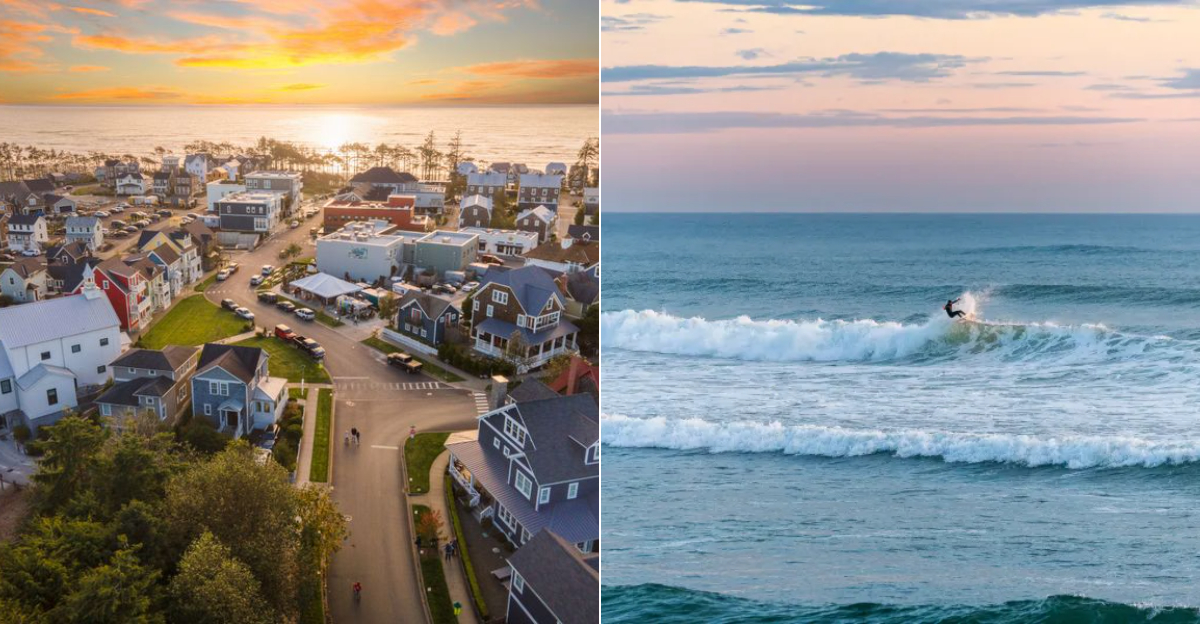
Nestled on a bluff overlooking the Pacific, Seabrook feels like stepping into a storybook. This meticulously designed beach town combines New England charm with Pacific Northwest aesthetics.
Pedestrian-friendly streets lead to candy-colored cottages, local shops, and restaurants serving fresh catches. The town’s thoughtful layout encourages community interaction with shared spaces and fire pits.
Rent bikes to explore nearby trails or simply stroll the pristine beach. Founded in 2004, Seabrook represents a modern take on coastal living while maintaining environmental sensitivity – 80% of the town’s original trees were preserved during development.
7. Westport: Surfer’s Paradise
Surfboards line the shore as wetsuit-clad adventurers brave the Pacific waves. Westport has earned its reputation as Washington’s surfing capital, drawing wave-riders year-round despite the chilly waters.
Beyond surfing, the town’s working harbor buzzes with fishing boats unloading their daily catch. Visit the Maritime Museum to discover the area’s seafaring history or climb the 135 steps of the Grays Harbor Lighthouse – Washington’s tallest.
Fresh seafood shacks serve Dungeness crab and local oysters mere hours after harvest. The laid-back atmosphere makes this working port town feel worlds away from city life, despite being just over two hours from Seattle.
8. Oysterville: Preserved in Time
White clapboard buildings line the single street of this National Historic District. Founded in 1854 during the oyster trade boom, Oysterville looks remarkably unchanged since its 19th-century heyday.
The Oysterville Church (built 1892) still holds occasional services, while the schoolhouse serves as a community center. Walk the self-guided tour past historic homes, reading the informative plaques that tell stories of pioneer life.
Across the street from the village, Willapa Bay’s mudflats reveal themselves at low tide – the source of the oysters that gave this settlement its name and purpose. Visit nearby oystermen who still harvest the delicacy using traditional methods, then sample the briny treasures at source-to-table establishments.
9. Neah Bay: Edge of America
Perched at the northwestern-most point of the contiguous United States, Neah Bay offers an end-of-the-world feeling. The Makah Tribal Museum houses artifacts from Ozette – an ancient village preserved by a mudslide 500 years ago – providing extraordinary insight into pre-contact indigenous life.
Cape Flattery Trail leads to breathtaking views where the Strait of Juan de Fuca meets the Pacific Ocean. Sea caves, crashing waves, and nesting seabirds create a wilderness spectacle unmatched elsewhere.
Fishing charters depart daily during salmon season. The remote location requires commitment to reach, but rewards visitors with authentic cultural experiences and pristine natural beauty. Remember to purchase a Makah Recreation Pass before exploring tribal lands.
10. Moclips: Beachcomber’s Retreat
Morning fog rolls across miles of uninterrupted shoreline where agates and Japanese glass floats occasionally wash ashore. Moclips represents the Washington coast at its most elemental – raw, windswept, and gloriously undeveloped.
The town once thrived as a resort destination until devastating storms in the 1910s destroyed much of the original settlement. Today’s quiet atmosphere belies its bustling past when the Northern Pacific Railway brought Seattle visitors seeking seaside recreation.
Ocean Crest Resort’s restaurant offers fine dining with spectacular views, while beach cabins provide cozy retreats during winter storm-watching season. The Museum of the North Beach chronicles the area’s fascinating history, including tales of shipwrecks and resilient pioneers who shaped this remote coastal community.
11. Pacific Beach: Military History Meets Surf Culture
Navy watchtowers stand as silent sentinels along the shoreline – remnants of WWII coastal defense installations. Pacific Beach blends military history with laid-back surf culture in an intriguing coastal cocktail.
The former Naval Facility Pacific Beach now operates as a military recreation center but welcomes civilian guests at certain accommodations. Razor clamming attracts enthusiasts during season, while beachcombing proves rewarding year-round.
Local shops maintain a distinctly unpretentious vibe unlike more commercialized beach towns. The straight, wide beach allows for beach driving in designated areas – a uniquely Washington coast experience. When hunger strikes, small eateries serve fresh seafood with zero pretension and maximum flavor.
Dear Reader: This page may contain affiliate links which may earn a commission if you click through and make a purchase. Our independent journalism is not influenced by any advertiser or commercial initiative unless it is clearly marked as sponsored content. As travel products change, please be sure to reconfirm all details and stay up to date with current events to ensure a safe and successful trip.
