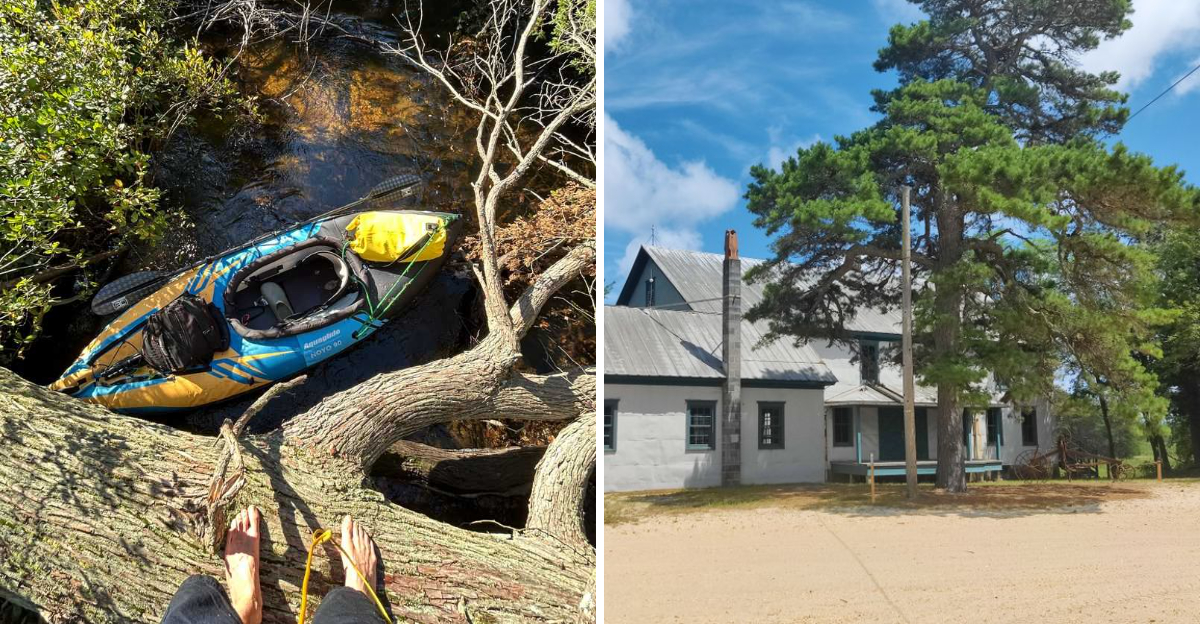
Hidden in the heart of New Jersey’s Pine Barrens, Double Trouble State Park is a hidden treasure that most travelers completely overlook.
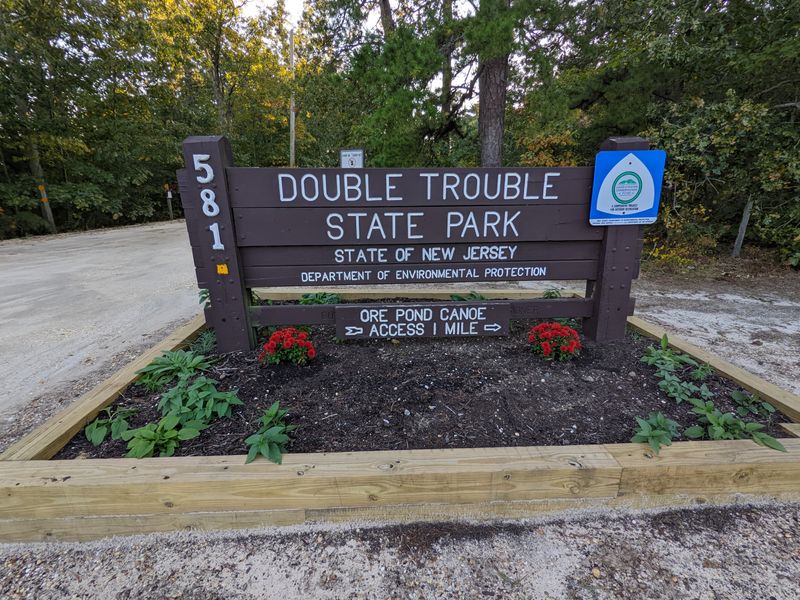
This remarkable park at 581 Pinewald Keswick Rd, Bayville, NJ 08721 combines natural beauty, fascinating history, and outdoor adventure in one spectacular package.
With its preserved 19th-century cranberry village, winding trails through cedar forests, and peaceful waterways perfect for paddling, Double Trouble offers an experience unlike any other park in the Garden State.
Rating 4.7 stars from over a thousand visitors, this secret spot has been quietly delighting nature lovers and history buffs for decades.
Open daily from 8 AM to 6 PM, the park welcomes hikers, kayakers, photographers, and anyone looking to escape into unspoiled wilderness without traveling hours from civilization.
This place carries a quirky name and a rich past, from cranberry bogs that fueled a thriving industry to tea-colored waters winding beneath ancient cedars.
It remains one of New Jersey’s best-kept secrets, waiting to be uncovered.
A Name That Sparks Curiosity And Tells A Story
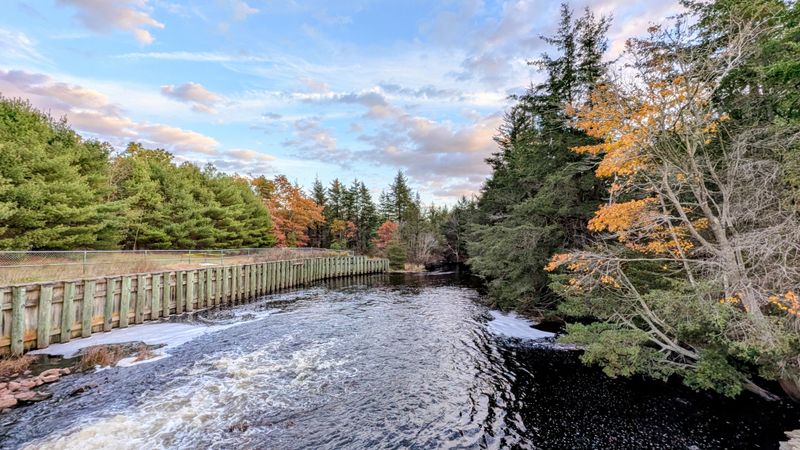
Every visitor who hears about Double Trouble State Park immediately asks the same thing: where did that unusual name come from? Local legend offers a charming explanation that dates back to the early days of cranberry cultivation in the Pine Barrens.
According to stories passed down through generations, the area earned its memorable moniker when two different troubles struck the cranberry operation at once, creating a double dose of difficulty for the hardworking farmers and mill operators who called this place home.
Some historians suggest the name references the double challenge of managing both a sawmill and cranberry bogs simultaneously in the challenging terrain of the Pine Barrens. Others believe it came from a particularly troublesome dam that kept breaking, requiring constant repairs that frustrated everyone involved.
Whatever the true origin, the name has stuck for well over a century, giving the park an identity that’s impossible to forget.
Today, that quirky name serves as the perfect conversation starter and makes the park instantly memorable among New Jersey’s many protected natural areas. The moniker captures the spirit of resilience and humor that characterized the pioneering families who carved out a living in this remote wilderness.
When you visit, you’ll find interpretive signs throughout the historic village area that share more details about the naming story and the colorful characters who lived and worked here.
The name has become such an integral part of local culture that it appears on everything from trail maps to historical documents preserved in the visitor center. It reminds us that even our most challenging moments can become cherished stories that connect us to the past and spark imagination for generations to come.
Historic Cranberry Village Frozen In Time
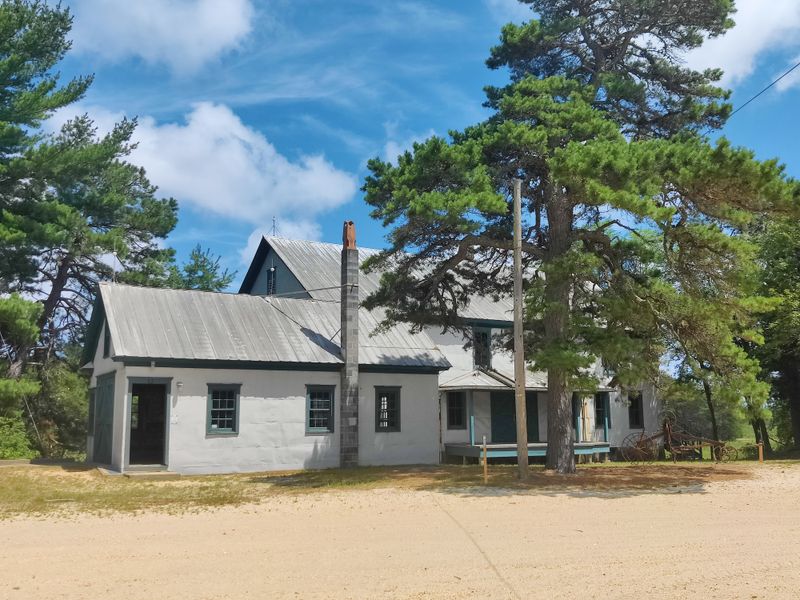
Walking through the preserved 19th-century village at Double Trouble feels like stepping directly into a time machine that transports you back to New Jersey’s cranberry boom era. The collection of weathered wooden buildings stands as a testament to the ingenuity and determination of the families who built a thriving industry in the middle of the wilderness.
Although you can’t enter most of the structures, their exteriors tell powerful stories about daily life during the height of cranberry production in the Pine Barrens.
The cranberry sorting and packing house serves as the centerpiece of the village, its sturdy construction reflecting the importance of this facility to the entire operation. Workers would gather here during harvest season to process the bright red berries that would eventually reach markets throughout the region.
Nearby, the sawmill building showcases the dual nature of the enterprise, with lumber production providing crucial income during the off-season when cranberries weren’t being harvested.
Visitors can pick up informative brochures from the dispensers located outside the information building, which provide detailed histories of each structure and the people who worked within them. The village layout reveals how efficiently everything was organized, with worker housing, processing facilities, and storage buildings positioned for maximum productivity.
Photography enthusiasts absolutely love capturing the rustic beauty of these aging structures, especially during autumn when the surrounding foliage creates a stunning backdrop.
The preservation effort here represents one of New Jersey’s most successful attempts to maintain an authentic slice of agricultural and industrial heritage. These buildings survived hurricanes, floods, and decades of neglect before the state recognized their historical significance and committed to protecting them for future generations to study and appreciate.
Trail System That Offers Something For Everyone
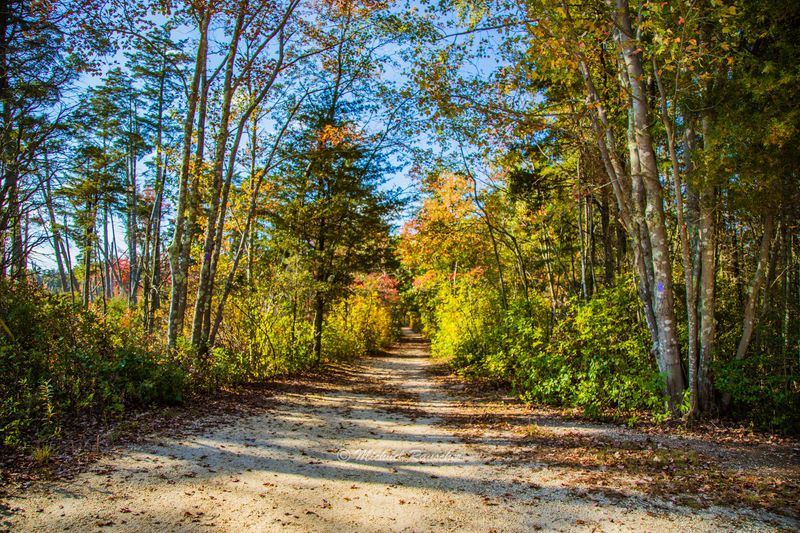
One of Double Trouble’s greatest strengths lies in its diverse network of trails that accommodate everyone from casual strollers to serious hikers looking for longer adventures. The park features multiple marked trails ranging from easy half-mile loops to more extensive routes that wind through different ecosystems within the Pine Barrens.
Best of all, the terrain stays relatively flat throughout, making it accessible for families with young children, older adults, and anyone who prefers hiking without steep climbs.
Trail maps can be somewhat confusing for first-time visitors, but once you get oriented, the system makes perfect sense and opens up countless exploration possibilities. The paths take you past cranberry bogs, through dense cedar forests, along the banks of Cedar Creek, and into areas of reclaimed land where nature has slowly recovered from past disturbances.
Well-placed benches provide welcome rest spots where you can sit quietly and observe the abundant wildlife that calls this park home.
During different seasons, the trails reveal completely different personalities and offer unique experiences worth returning for throughout the year. Spring brings wildflowers and migrating birds, summer offers lush green canopies and opportunities to cool off near the water, autumn delivers spectacular foliage and cranberry harvests, and winter transforms the landscape into a serene wonderland especially beautiful after fresh snowfall.
The well-maintained paths stay mostly clear of debris, though occasional flooding can affect certain sections, particularly the yellow trail during wet periods.
Dog owners particularly appreciate that the park welcomes leashed pets, making it a fantastic destination for four-legged family members who need exercise and mental stimulation. Horseback riders also use designated trails, adding to the variety of ways people enjoy this special place throughout the week.
Cedar Creek’s Tea-Colored Waters And Paddling Paradise
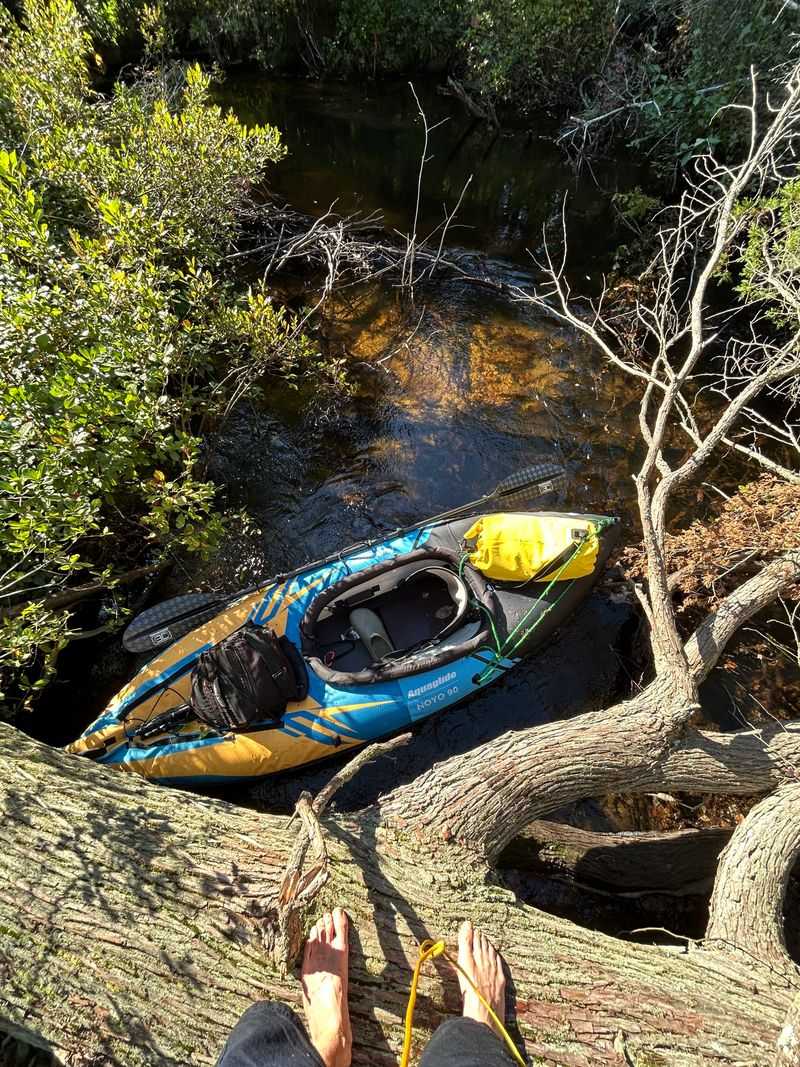
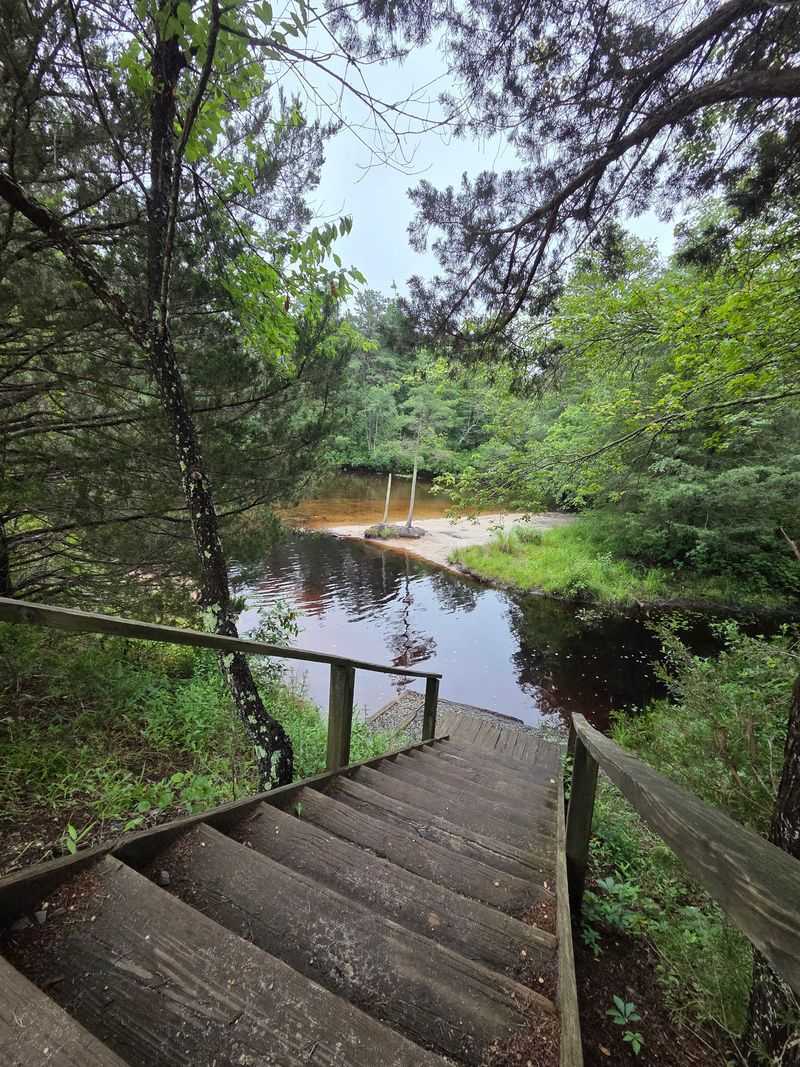
Cedar Creek flows through Double Trouble State Park like a liquid ribbon of amber, its distinctive tea-colored water creating one of the most unique paddling experiences in New Jersey. The unusual coloration comes from tannins released by cedar trees and other vegetation, giving the water a rich brown hue that’s completely natural and safe, despite looking quite different from typical blue lakes and rivers.
Kayakers and canoeists who launch here discover a peaceful waterway that winds through pristine wilderness largely untouched by modern development.
Paddling Cedar Creek requires bringing your own kayak or canoe, as the park doesn’t offer rentals on-site, but the effort of transporting your craft proves absolutely worthwhile. The creek’s gentle current makes it suitable for paddlers of all skill levels, including beginners who might feel intimidated by faster-moving rivers or open water conditions.
As you glide along, overhanging branches create natural tunnels, and the quiet allows you to hear birds calling, turtles plopping into the water, and the subtle sounds of the forest coming alive around you.
Many visitors who grew up near Double Trouble share fond memories of spending entire summer days on Cedar Creek, tubing, swimming, and simply enjoying the refreshingly cold water on scorching afternoons. The creek’s temperature stays surprisingly chilly even during the hottest months, providing natural air conditioning for anyone brave enough to take a dip.
Wildlife sightings along the water prove incredibly common, with turtles sunning themselves on logs, herons hunting in the shallows, and occasionally even beavers working on their engineering projects.
The combination of easy access, beautiful scenery, and relatively calm conditions makes Cedar Creek an ideal introduction to paddling for families wanting to share this wonderful outdoor activity with children while exploring the ecological wonders of the Pine Barrens.
Working Cranberry Bogs That Paint The Landscape Red
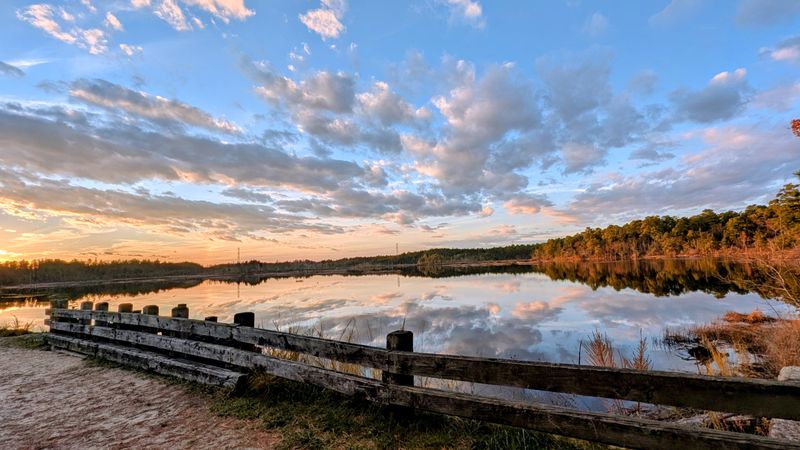
Few sights in New Jersey match the visual drama of Double Trouble’s cranberry bogs, especially during harvest season when the berries transform the landscape into a sea of brilliant crimson. These historic bogs represent a living connection to the agricultural heritage that defined this region for generations and continue to demonstrate traditional cultivation methods used since the 1800s.
Walking alongside the carefully maintained fields, you gain appreciation for the skill and labor required to produce these tart little fruits that have become synonymous with American holiday celebrations.
The bogs themselves consist of carefully leveled sand beds surrounded by dikes that control water levels throughout the growing season. Cranberries grow on low-lying vines that spread across the sand, producing delicate pink flowers in late spring before developing into the green berries that gradually ripen to their characteristic deep red color.
The flooding technique used during harvest creates the iconic image of cranberries floating on the water’s surface, making collection far easier than picking individual berries from the dense vines.
Visitors who time their trips to coincide with cranberry season often spot workers tending the bogs and can sometimes even collect a few berries from areas where gathering is permitted. The tart, fresh flavor of a just-picked cranberry tastes remarkably different from the sweetened versions most people encounter in stores and baked goods.
Information signs explain the entire cultivation process, from planting and pest management to harvesting and processing techniques that have evolved over more than a century.
The bogs also serve as important habitat for numerous species of birds, amphibians, and insects that have adapted to thrive in this unique agricultural ecosystem. Photographers find endless inspiration in the geometric patterns of the bog layouts, the contrast between red berries and green vines, and the way morning mist rises from the water-covered fields during cool autumn mornings.
Wildlife Encounters Around Every Bend
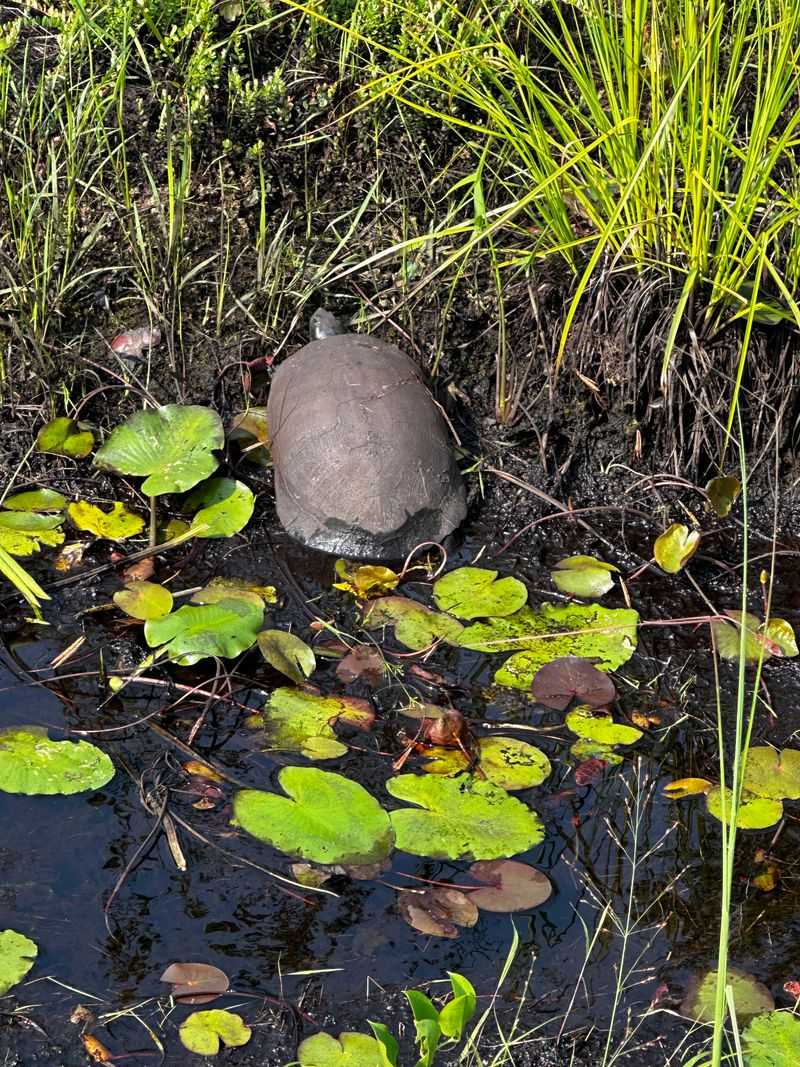
Double Trouble State Park functions as a wildlife sanctuary where animals thrive in protected habitat far from the development that has consumed so much of coastal New Jersey. The diversity of species here reflects the healthy ecosystem that results from preserving large tracts of interconnected wilderness within the Pine Barrens.
Birdwatchers bring binoculars and field guides to spot dozens of species throughout the year, from common backyard birds to rare species that depend on this specific habitat for survival.
Turtles absolutely dominate the wildlife viewing experience, with multiple species basking on logs, crossing trails, and swimming in the bogs and creek. The sheer number of turtles visible on sunny days amazes first-time visitors, and children particularly enjoy counting how many they can spot during a single hike.
Frogs provide a constant soundtrack during warmer months, their various calls creating a symphony that changes throughout the day and reaches peak volume at dusk when different species join the chorus.
Snake encounters happen occasionally, with harmless species like garter snakes and water snakes far more common than any potentially dangerous varieties. White-tailed deer browse in the understory, leaving tracks in the sandy soil that tell stories of their nighttime movements through the forest.
Beavers have established populations along Cedar Creek, and patient observers can sometimes spot these industrious rodents at dawn or dusk when they’re most active.
The park’s location within the larger Pine Barrens ecosystem means that even larger predators like coyotes and bobcats live in the area, though sightings remain rare due to these animals’ naturally secretive behavior. Smaller mammals including rabbits, squirrels, and chipmunks provide constant entertainment, and the insect life supports the entire food web while offering fascinating subjects for macro photography enthusiasts who appreciate the intricate beauty of butterflies, dragonflies, and beetles.
Perfect Setting For Photography And Artistic Inspiration
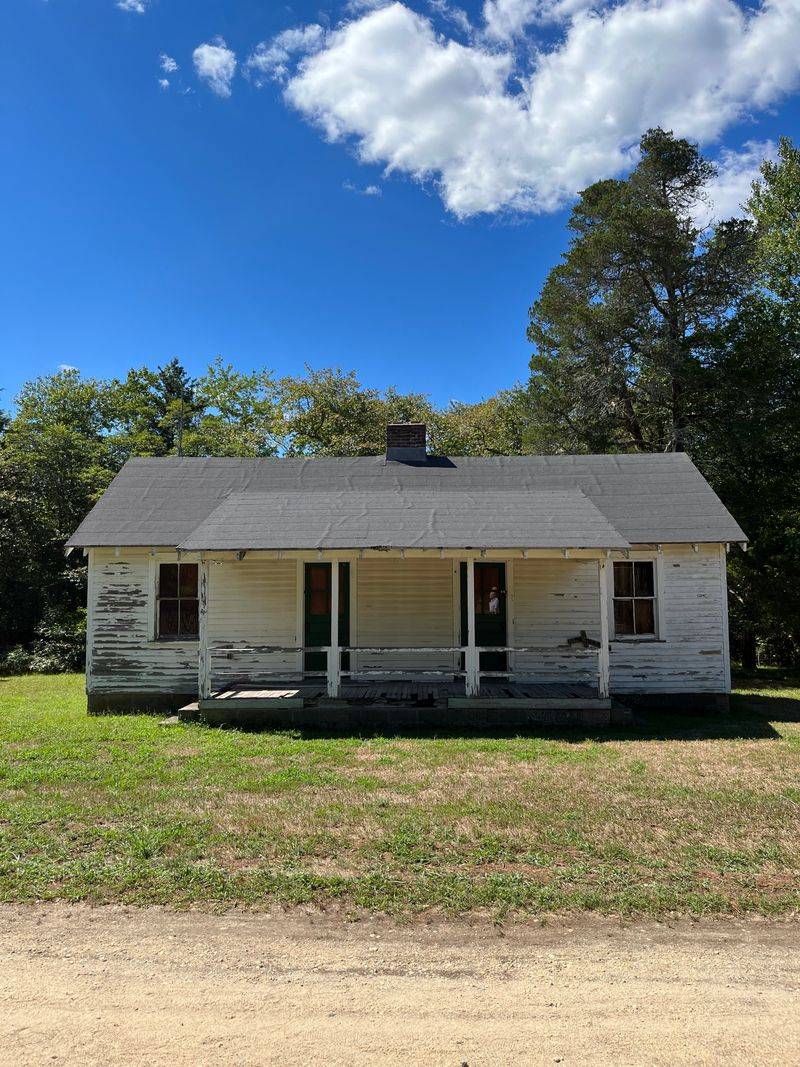
Artists and photographers have discovered that Double Trouble State Park offers an embarrassment of riches when it comes to compelling subjects and beautiful natural light. The combination of historic structures, diverse landscapes, and ever-changing seasonal conditions creates endless opportunities for creative expression.
Whether you’re shooting with a professional camera setup or just snapping photos with your smartphone, you’ll find scenes that practically compose themselves around every corner.
The weathered textures of the old village buildings provide wonderful contrast against the organic shapes of the surrounding forest, creating compositions that blend human history with natural beauty. Early morning visits reward photographers with magical light filtering through the pine canopy and mist rising from the bogs and creek.
Autumn delivers the most dramatic color palette, with the deep reds of ripe cranberries, golden foliage, and the rich browns of the cedar water all combining in ways that seem almost too vivid to be real.
Winter photography at Double Trouble reveals a completely different character, with snow-covered trails and frost-coated buildings offering stark beauty that emphasizes the bones of the landscape. The park’s relatively flat terrain makes it easy to carry camera equipment without worrying about dangerous climbs, and the variety of ecosystems means you can capture multiple distinct environments without traveling between locations.
Many photography clubs organize group shoots here, taking advantage of the scenic diversity and the opportunity to share techniques while exploring together.
Beyond still photography, the park attracts plein air painters who set up easels along the trails to capture the play of light and shadow through the forest canopy. Nature sketchers fill journals with detailed drawings of plants, insects, and architectural details from the historic buildings.
The peaceful atmosphere and abundant natural beauty seem to unlock creativity, making Double Trouble a favorite retreat for artists seeking inspiration away from urban distractions.
Family-Friendly Adventures Without The Crowds
Unlike many popular recreational areas in New Jersey that become impossibly crowded on weekends and holidays, Double Trouble maintains a peaceful atmosphere even during peak visiting times. Families appreciate finding a destination where children can explore, play, and learn without fighting through masses of people or competing for parking spaces.
The park’s somewhat under-the-radar status works to the advantage of those who discover it, providing an authentic outdoor experience without the commercialization that affects more famous locations.
Parents love that the flat trails make hiking accessible for little legs that tire easily on steep climbs, and the variety of interesting features keeps kids engaged throughout the visit. Spotting turtles, examining old buildings, collecting pine cones, and watching for birds transforms a simple walk into an adventure that educates while entertaining.
The park’s dog-friendly policy means the family pet can join the fun, creating memories that include every member of the household.
Picnicking opportunities abound, with families spreading blankets in scenic spots or using the benches strategically placed along the trails. Bringing snacks and water bottles allows you to spend an entire afternoon exploring without needing to leave for meals, and the natural surroundings provide far better ambiance than any restaurant dining room.
The absence of restroom facilities requires some planning, but the trade-off of experiencing relatively pristine wilderness makes the minor inconvenience worthwhile for most visitors.
Educational opportunities emerge naturally as children observe ecosystems, learn about historical industries, and develop appreciation for conservation efforts that protect special places. Many families establish traditions of visiting during different seasons to observe how the landscape changes throughout the year, building connections to nature that last well beyond childhood and foster environmental stewardship in the next generation.
Ecological Importance Within The Pine Barrens
Double Trouble State Park protects a crucial piece of the larger Pine Barrens ecosystem, a globally significant environment recognized for its unique characteristics and biodiversity. The Pine Barrens, also known as the Pinelands, represents the largest remaining example of the Atlantic coastal pine barrens ecosystem, and every protected acre contributes to preserving this irreplaceable natural treasure.
The park’s location provides essential habitat connectivity, allowing wildlife to move between protected areas and maintaining the genetic diversity necessary for long-term species survival.
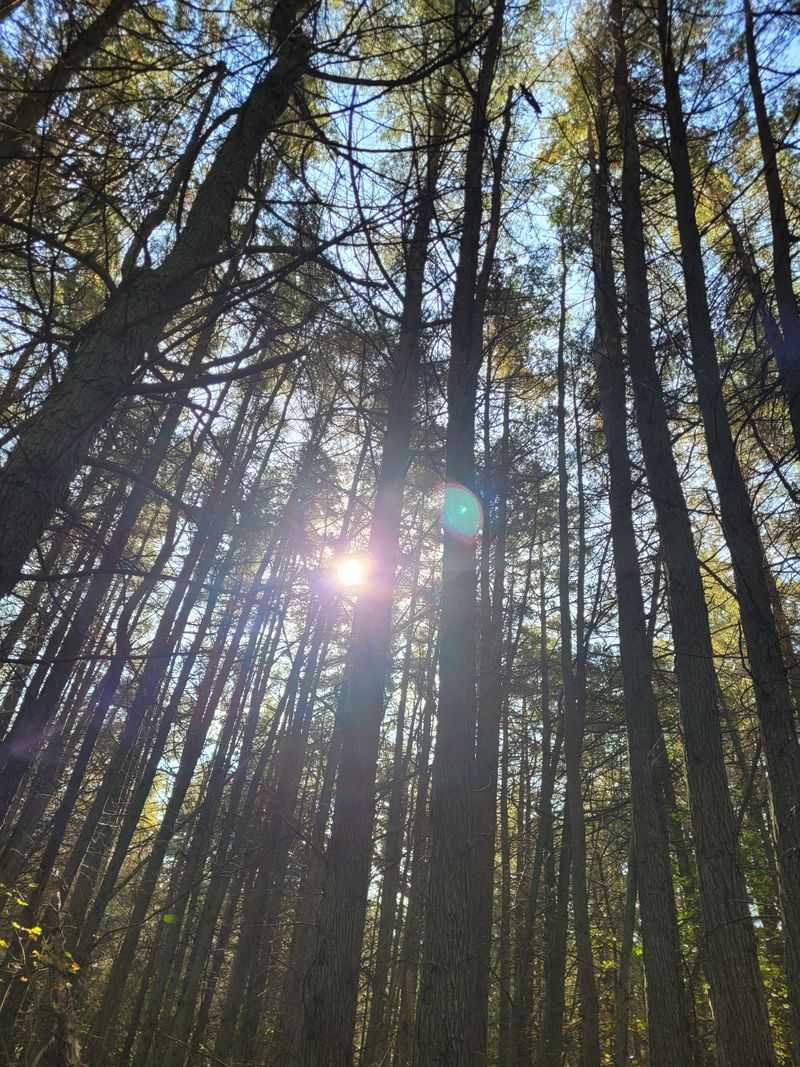
The sandy, acidic soils that define this region support specialized plant communities adapted to conditions that would challenge species from more fertile environments. Pitch pines dominate the canopy, their thick bark and serotinous cones allowing them to survive and even thrive after the periodic fires that naturally occur in this ecosystem.
Atlantic white cedar swamps create pockets of cooler, damper habitat that support completely different plant and animal communities, demonstrating the incredible diversity packed into what might appear at first glance to be monotonous forest.
Underground, the Pine Barrens sit atop the Kirkwood-Cohansey aquifer, one of the largest and purest sources of groundwater in the United States. The sandy soil acts as a natural filter, producing water of exceptional quality that supplies drinking water for millions of people throughout the region.
Protecting places like Double Trouble helps ensure this vital resource remains clean and abundant for future generations who will depend on it even more as population pressures increase.
Rare and threatened species find refuge in the Pine Barrens, with some plants and animals existing nowhere else on Earth. By visiting and supporting parks like Double Trouble, you contribute to conservation efforts that extend far beyond the property boundaries, helping protect an entire ecosystem that provides ecological services benefiting people and wildlife across a huge geographic area.
Year-Round Destination With Seasonal Transformations
Smart visitors recognize that Double Trouble State Park deserves multiple visits throughout the year because each season reveals completely different aspects of this special place. Spring awakening brings wildflowers pushing through the forest floor, migrating birds stopping to rest and refuel during their journeys north, and the fresh green growth that signals winter’s end.
The cranberry vines produce delicate pink blossoms that carpet the bogs with subtle color, and the longer days make evening hikes possible as temperatures moderate after the cold months.
Summer transforms the park into a lush green sanctuary where the forest canopy provides welcome shade during hot afternoons, and Cedar Creek offers refreshing relief for those willing to brave its chilly waters. The longer operating hours from 8 AM to 6 PM give visitors plenty of time to explore, and the wildlife activity reaches peak levels as birds raise their young and turtles bask in abundance.
Thunderstorms can roll through quickly during summer, so checking weather forecasts and carrying rain gear proves wise for longer visits.
Autumn steals the show with spectacular color changes, cranberry harvests painting the bogs crimson, and perfect hiking temperatures that make every step a pleasure. The reduced humidity and clear skies create ideal conditions for photography, and the crunch of fallen leaves underfoot adds sensory richness to trail walks.
Migration brings different bird species through the area, offering opportunities to spot species that don’t breed locally but pass through during their seasonal movements.
Winter reveals the park’s quiet beauty, with snow-covered landscapes creating ethereal scenes that feel worlds away from nearby developed areas. The bare trees allow views into the forest that summer foliage obscures, and animal tracks in fresh snow tell stories about the secret lives of creatures that avoid human contact during busier seasons.
Hardy visitors who dress appropriately discover they often have the trails almost entirely to themselves, creating intimate experiences with nature that simply aren’t possible during peak visiting periods.
Dear Reader: This page may contain affiliate links which may earn a commission if you click through and make a purchase. Our independent journalism is not influenced by any advertiser or commercial initiative unless it is clearly marked as sponsored content. As travel products change, please be sure to reconfirm all details and stay up to date with current events to ensure a safe and successful trip.
