
New Mexico offers a blend of ancient cultures, stunning landscapes, and vibrant traditions that make it unlike any other destination in America.
From the red rocks of the desert to the snow-capped mountains, this southwestern state surprises visitors with its diversity and beauty.
Whether you crave adventure, history, or relaxation, New Mexico delivers unforgettable experiences at every turn.
The state’s unique mix of Native American, Spanish, and Mexican heritage creates a cultural richness that you can see, taste, and feel everywhere you go.
Exploring this enchanting land means discovering hidden gems, tasting incredible food, and connecting with stories that stretch back thousands of years.
Each corner of New Mexico tells a different tale, from ancient cliff dwellings to modern art galleries.
Getting to know this remarkable state requires more than just a quick visit; it demands curiosity, an open heart, and a willingness to wander off the beaten path.
Whether you’re a first-time visitor or a seasoned traveler, these seven ways to explore New Mexico will guide you through the highlights and experiences that make this place truly magical.
Pack your sense of adventure and get ready to discover why New Mexico is called the Land of Enchantment.
Wander Through Santa Fe’s Historic Plaza and Art Scene
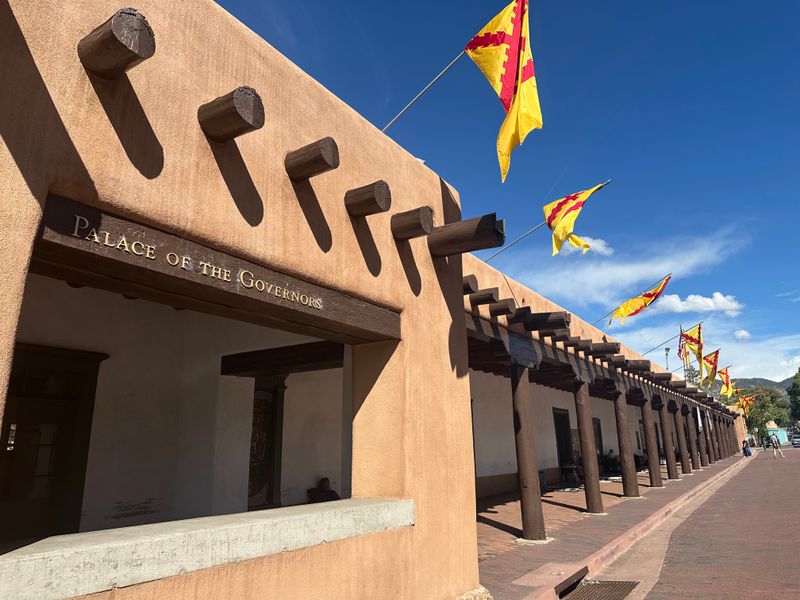
Santa Fe’s Plaza has been the heart of the city for over 400 years, serving as a gathering place for traders, artists, and storytellers from countless generations.
Today, this historic square remains a vibrant hub where you can watch Native American artisans selling handcrafted jewelry, pottery, and textiles under the portal of the Palace of the Governors.
The adobe architecture surrounding the plaza glows warm and golden in the New Mexico sun, creating a scene that feels timeless and welcoming.
Walking through Santa Fe means stepping into one of America’s most important art markets, with over 250 galleries showcasing everything from traditional Native American art to cutting-edge contemporary pieces.
Canyon Road, just a short stroll from the plaza, transforms into a magical corridor lined with galleries, sculpture gardens, and charming courtyards.
Every Friday evening during the summer, the street comes alive with gallery openings where you can meet artists, sip wine, and enjoy the creative energy that pulses through this mountain town.
The New Mexico Museum of Art at 107 West Palace Avenue offers free admission on Friday evenings and houses an impressive collection of regional artwork spanning centuries.
Nearby, the Georgia O’Keeffe Museum at 217 Johnson Street celebrates the legendary artist who found endless inspiration in New Mexico’s landscapes.
Don’t miss the chance to taste the local cuisine; try the famous green chile cheeseburger or a traditional plate of enchiladas smothered in red or green chile sauce.
Santa Fe’s combination of history, art, and flavor creates an experience that engages all your senses and leaves you wanting to return again and again.
Explore Ancient Puebloan Ruins at Bandelier National Monument
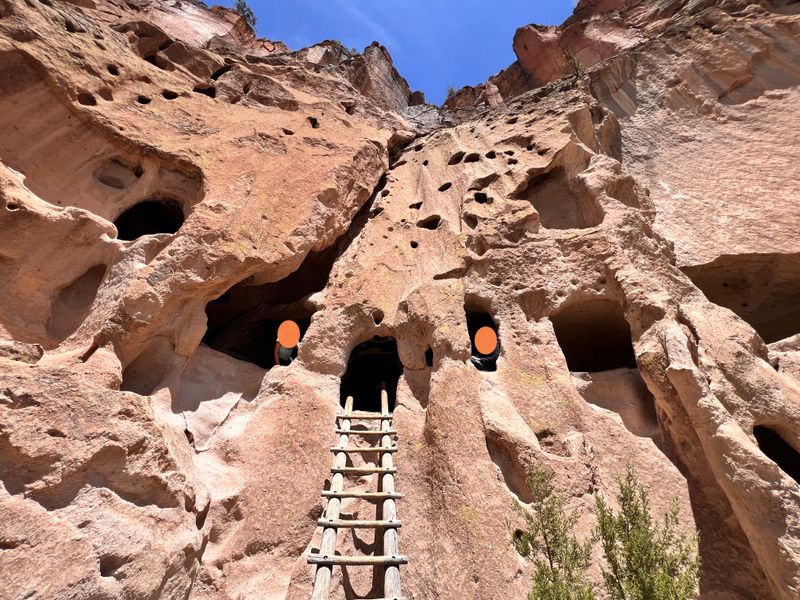
Imagine climbing wooden ladders into cave rooms carved directly into volcanic rock over 800 years ago by the Ancestral Pueblo people.
Bandelier National Monument, located about 40 miles northwest of Santa Fe, preserves the homes and ceremonial spaces of these ancient communities who thrived in these canyons from 1150 to 1550 CE.
The main loop trail takes you past hundreds of archaeological sites, including circular kivas where religious ceremonies once took place and petroglyphs etched into the stone walls.
The most popular feature is the Alcove House, a reconstructed dwelling perched 140 feet above the canyon floor that you reach by climbing four wooden ladders and stone steps carved into the cliff face.
The view from the top rewards your effort with sweeping vistas of Frijoles Canyon and the surrounding mesas.
As you stand in this ancient space, you can almost hear the echoes of daily life; children playing, women grinding corn, and elders sharing stories around the fire.
The monument’s 33,000 acres also offer over 70 miles of hiking trails through diverse ecosystems ranging from desert scrubland to ponderosa pine forests.
Spring and fall provide the most comfortable weather for exploration, though summer mornings offer cooler temperatures before the afternoon heat arrives.
The visitor center provides excellent context about the people who called this place home, displaying artifacts, pottery, and tools that reveal their sophisticated understanding of agriculture, architecture, and astronomy.
Bandelier connects you directly to the deep human history of the Southwest and reminds you that these lands have been cherished and inhabited for countless generations before our time.
Experience the Otherworldly Beauty of White Sands National Park
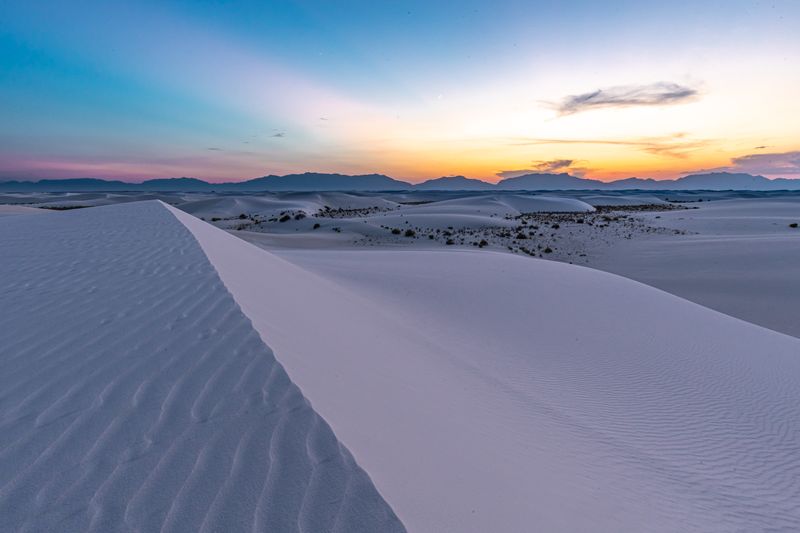
Picture yourself surrounded by waves of pure white sand stretching to the horizon in every direction, creating a landscape so surreal it barely seems real.
White Sands National Park protects the world’s largest gypsum dune field, covering 275 square miles of the Tularosa Basin in southern New Mexico.
Unlike typical sand made from quartz, these dunes consist of gypsum crystals that stay cool to the touch even under the blazing desert sun, allowing you to walk barefoot across this alabaster wonderland.
The park offers a unique recreational opportunity that delights visitors of all ages; sledding down the dunes on plastic saucers available for purchase at the visitor center.
Watching the sunset here ranks among the most spectacular natural shows on Earth, as the white sands turn shades of pink, lavender, and gold while the surrounding mountains create dramatic silhouettes.
Full moon nights offer ranger-led hikes when the dunes glow silver under the moonlight, creating an ethereal atmosphere that feels like walking on another planet.
The Interdune Boardwalk provides an accessible half-mile trail with interpretive signs explaining how plants and animals have adapted to survive in this harsh environment.
Keep your eyes open for bleached earless lizards, Apache pocket mice, and kit foxes that have evolved lighter coloration to blend with their white surroundings.
Photographers find endless inspiration here, though the bright white sand can trick your camera’s light meter, so adjust your exposure accordingly.
Remember to bring plenty of water, sunscreen, and sunglasses, as the reflective nature of the gypsum intensifies the sun’s effects.
White Sands offers an experience unlike anywhere else on Earth, proving that New Mexico’s natural wonders extend far beyond the expected desert stereotypes.
Journey Along the Turquoise Trail Scenic Byway
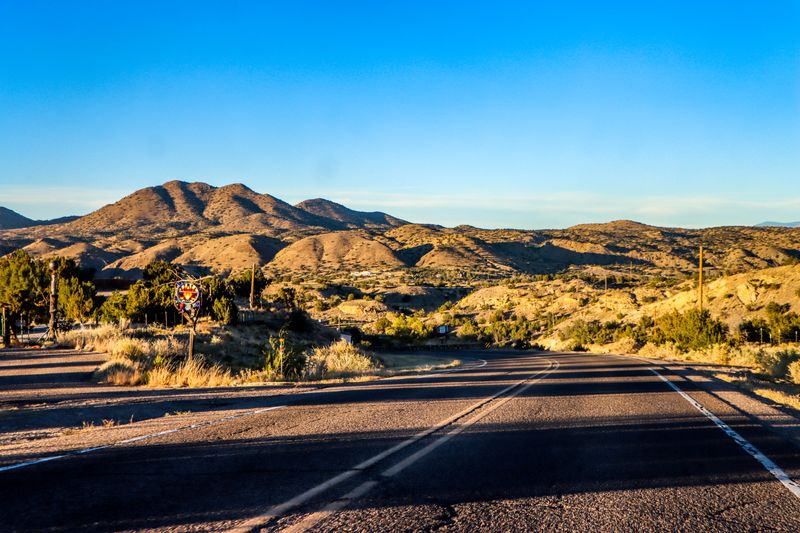
The Turquoise Trail National Scenic Byway winds 54 miles between Albuquerque and Santa Fe, connecting two of New Mexico’s most beloved cities through a landscape rich with mining history, artistic communities, and breathtaking mountain scenery.
This route takes its name from the turquoise deposits that drew miners to these hills over a century ago, creating boom towns that now serve as charming stops filled with galleries, shops, and cafes.
Driving this road feels like traveling through time, as each curve reveals another layer of New Mexico’s complex and fascinating story.
The village of Madrid, once a thriving coal mining town that went completely dark in the 1950s, has been reborn as an artists’ colony where creativity flourishes in renovated miners’ shacks and company buildings.
Wandering through Madrid’s quirky shops and galleries reveals everything from handcrafted furniture to vintage clothing, and the Old Coal Town Museum preserves the community’s mining heritage.
Cerrillos, another historic mining village along the route, maintains its authentic Wild West atmosphere with dusty streets, an old-fashioned trading post, and the Cerrillos Hills Historic Park where you can hike among ancient turquoise mines.
The byway climbs through ecosystems that change dramatically with elevation, from desert grasslands through pinon-juniper woodlands to ponderosa pine forests in the higher elevations.
Plan to spend at least half a day making this journey, allowing time to stop, explore, and absorb the character of each community.
Local restaurants serve hearty New Mexican cuisine, and you’ll find numerous opportunities to purchase authentic turquoise jewelry directly from artisans.
The Turquoise Trail proves that sometimes the journey between destinations becomes the most memorable part of your adventure, offering a perfect blend of natural beauty, cultural heritage, and artistic expression.
Discover Carlsbad Caverns’ Underground Wonderland

Descending 750 feet beneath the Chihuahuan Desert surface transports you into a realm of extraordinary beauty that took millions of years to create.
Carlsbad Caverns National Park in southeastern New Mexico protects over 119 known caves, including the massive Big Room; the largest single cave chamber by volume in North America.
This underground cathedral spans over 8 acres and reaches heights of 255 feet in places, with limestone formations so intricate and varied they seem sculpted by an artistic genius rather than the slow drip of mineral-laden water.
You can enter the cavern via elevator or by walking the natural entrance trail, which descends steeply through the mouth of the cave where hundreds of thousands of Brazilian free-tailed bats emerge each evening from May through October.
The bat flight program, offered at sunset during warmer months, provides an unforgettable wildlife spectacle as these winged mammals spiral upward in a living tornado before dispersing across the desert to hunt insects.
Inside the cave, the self-guided tour along paved, well-lit trails takes you past formations with whimsical names like the Bottomless Pit, Rock of Ages, and the Temple of the Sun.
Rangers offer guided tours to less-developed sections of the cave system, including the King’s Palace and the challenging Spider Cave tour that requires crawling and climbing.
The constant 56-degree temperature inside makes a light jacket advisable even on the hottest summer days above ground.
The visitor center at 727 Carlsbad Caverns Highway provides excellent exhibits explaining the cave’s geology and ecology.
Photography enthusiasts should bring a tripod, as the low light conditions require longer exposures to capture the cave’s majesty.
Carlsbad Caverns reminds us that some of Earth’s greatest treasures lie hidden beneath our feet, waiting to inspire wonder in those willing to venture into the darkness.
Immerse Yourself in Albuquerque’s Balloon Fiesta and Cultural Heritage

Every October, Albuquerque hosts the world’s largest hot air balloon event, transforming the city’s skies into a kaleidoscope of color as over 500 balloons launch during the nine-day International Balloon Fiesta.
Watching the mass ascension at dawn, when hundreds of balloons lift off in waves against the backdrop of the Sandia Mountains, creates memories that last a lifetime.
The special box-wind conditions in Albuquerque’s Rio Grande Valley allow pilots to steer balloons in different directions at different altitudes, making this location ideal for ballooning and creating the spectacular maneuvers that thrill spectators.
Beyond the famous fiesta, Albuquerque offers year-round cultural experiences that showcase New Mexico’s diverse heritage.
Old Town, the city’s historic heart, features adobe buildings surrounding a traditional plaza where you can shop for Native American jewelry, sample authentic New Mexican cuisine, and visit the San Felipe de Neri Church, built in 1793.
The Indian Pueblo Cultural Center at 2401 12th Street NW provides comprehensive insight into the 19 pueblos of New Mexico, with exhibits, demonstrations, and a restaurant serving traditional Native cuisine.
The Sandia Peak Tramway, the longest aerial tram in North America, carries you 2.7 miles up to the 10,378-foot summit of Sandia Peak, offering panoramic views spanning 11,000 square miles.
Hiking trails in the Sandia Mountains range from easy nature walks to challenging climbs through diverse life zones.
Albuquerque’s culinary scene deserves special attention; the city takes its chile seriously, and you’ll be asked whether you prefer red or green chile with almost every meal.
The correct answer, according to locals, is “Christmas,” meaning both.
Albuquerque blends outdoor adventure, cultural depth, and warm hospitality into an experience that captures the essence of modern New Mexico while honoring its ancient roots.
Visit Taos Pueblo and Experience Living History
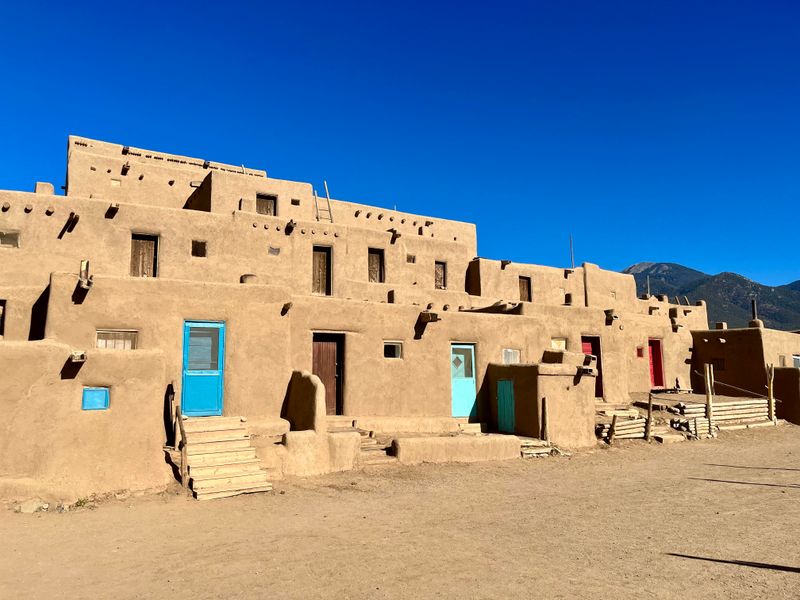
Standing before the multi-storied adobe structures of Taos Pueblo feels like stepping back a thousand years, yet this community remains vibrantly alive with about 150 residents living within the ancient walls.
Designated as both a UNESCO World Heritage Site and a National Historic Landmark, Taos Pueblo represents the oldest continuously inhabited community in the United States, with sections dating back over 1,000 years.
The North and South Houses rise four and five stories respectively, constructed entirely from adobe bricks made from earth, water, and straw, then plastered with more adobe mud; a building technique passed down through countless generations.
The pueblo opens to visitors throughout most of the year, though it closes periodically for sacred ceremonies and tribal events that remain private to the community.
Walking through the pueblo, you’ll notice there are no electricity or running water in the historic structures, as residents maintain traditional ways of life while also participating in the modern world.
Many families open their homes as shops where you can purchase authentic pottery, moccasins, jewelry, and bread baked in traditional outdoor ovens called hornos.
The Red Willow Creek flows through the center of the pueblo, providing water that has sustained this community for centuries.
San Geronimo Chapel, rebuilt in 1850 after the original was destroyed during the U.S.-Mexican War, stands as a symbol of the pueblo’s complex history with Spanish colonizers and American expansion.
Respectful visitors remember they’re guests in a living community, not a museum, so photography restrictions apply in certain areas and inside homes.
The pueblo sits at the base of the sacred Taos Mountain, which holds deep spiritual significance for the Taos people.
Visiting Taos Pueblo offers a rare opportunity to witness how traditional Native American communities maintain their cultural identity and ancient practices in the twenty-first century, creating a bridge between past and present that few places can match.
Dear Reader: This page may contain affiliate links which may earn a commission if you click through and make a purchase. Our independent journalism is not influenced by any advertiser or commercial initiative unless it is clearly marked as sponsored content. As travel products change, please be sure to reconfirm all details and stay up to date with current events to ensure a safe and successful trip.
