Michigan offers more than just bustling cities and popular tourist attractions that everyone knows about.
Tucked away across the state are peaceful places where nature thrives and crowds remain blissfully absent.
These hidden gems provide perfect escapes for anyone seeking solitude, natural beauty, or simply a break from everyday noise.
Many travelers rush past these quiet corners without realizing the treasures waiting just off the beaten path.
From secluded beaches along forgotten shorelines to tranquil forests that feel worlds away from civilization, Michigan holds countless surprises.
Local residents often guard these spots carefully, sharing them only with those willing to venture beyond the obvious destinations.
Whether you crave a peaceful hike through untouched wilderness or a serene afternoon by crystal-clear waters, these locations deliver experiences you will remember forever.
Exploring these lesser-known areas connects you with Michigan’s authentic character and reminds you why this state captures so many hearts.
Pack your sense of adventure and prepare to discover places that will make you feel like you have found your own private paradise.
Each destination on this list offers something special that typical guidebooks overlook completely.
Sturgeon River Gorge Wilderness
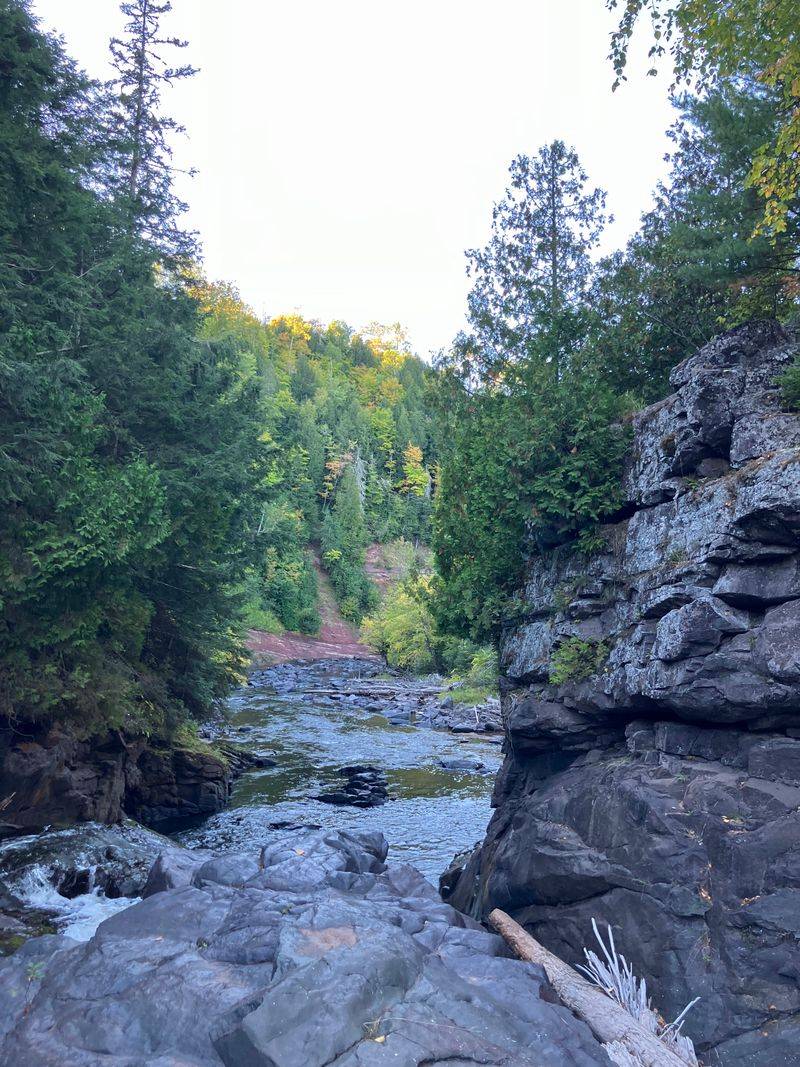
Nestled in the Upper Peninsula, this wilderness area remains one of Michigan’s best-kept secrets for those craving true isolation.
The Sturgeon River carves through ancient rock formations, creating dramatic cliffs and cascading waterfalls that few visitors ever witness.
Dense forests of hemlock and hardwood trees tower overhead, their branches forming a natural cathedral that muffles all sounds except birdsong and rushing water.
Hiking trails wind through the gorge, ranging from easy riverside walks to challenging climbs that reward you with breathtaking overlooks.
The Silver Mountain Trail offers particularly stunning views where you can stand at the edge of the gorge and watch the river far below.
During autumn, the entire landscape transforms into a kaleidoscope of reds, oranges, and golds that rivals any postcard scene.
Wildlife thrives here because human presence remains minimal throughout most of the year.
Deer browse quietly in clearings, while eagles soar above the treetops hunting for fish in the river below.
Beavers maintain elaborate dam systems that create peaceful ponds reflecting the surrounding wilderness perfectly.
Getting there requires some effort since paved roads eventually give way to rough forest tracks that demand careful navigation.
The nearest town, Baraga, sits about thirty miles away, ensuring that only dedicated nature lovers make the journey.
This remoteness preserves the area’s pristine character and guarantees that you will likely have entire sections of trail completely to yourself.
Remember to bring proper gear including sturdy boots, plenty of water, and a detailed map since cell service disappears completely once you enter the wilderness.
The isolation that makes this place magical also means help is far away if problems arise, so preparation becomes essential for a safe and enjoyable visit.
Garden Island
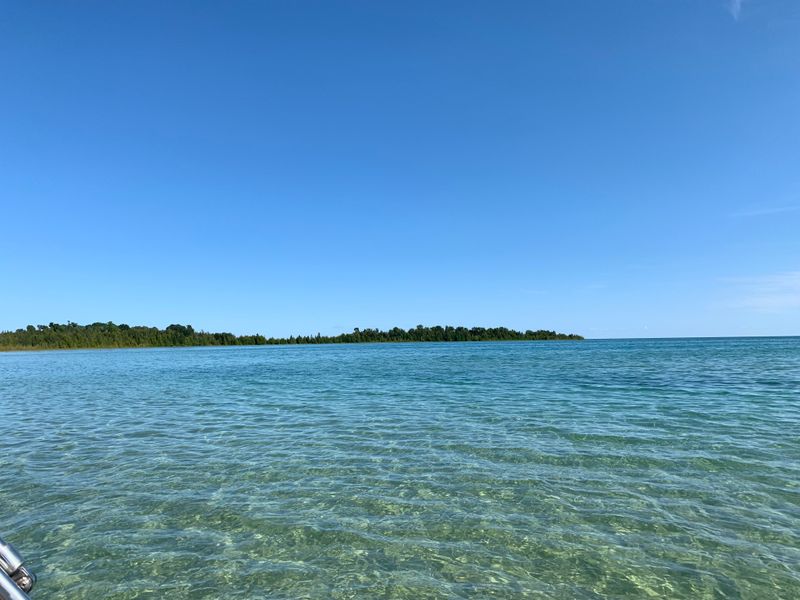
Part of the Beaver Island archipelago in Lake Michigan, Garden Island offers a retreat so peaceful it feels like stepping back in time.
Only accessible by private boat, this uninhabited island maintains its wild character with no development, roads, or permanent structures to disturb the natural landscape.
Sandy beaches stretch along much of the shoreline, inviting visitors to walk for hours without encountering another soul.
The island’s interior features dense cedar forests and open meadows where wildflowers bloom abundantly during summer months.
Birders treasure this location because migratory species stop here to rest during their long journeys across the Great Lakes.
You might spot rare warblers, hawks, and waterfowl that rarely appear on the mainland in such numbers.
Camping is permitted in designated areas, allowing adventurous travelers to spend nights under star-filled skies unmarred by light pollution.
The silence at night is profound, broken only by gentle waves lapping against the shore and occasional calls from nocturnal animals.
Sunrises over the lake create spectacular displays of color that make early mornings feel like private performances arranged just for you.
Planning a visit requires coordination since you must arrange transportation from Beaver Island or Charlevoix.
Local boat charters occasionally make trips, but many visitors bring their own kayaks or small watercraft to explore at their own pace.
The journey itself becomes part of the adventure as you cross open water with nothing but horizon in every direction.
Pack everything you need because no services exist on the island, including fresh water sources that are safe for drinking.
Leave no trace principles are essential here to preserve this fragile ecosystem for future generations who seek the same peaceful escape you are about to experience.
Horseshoe Bay Wilderness
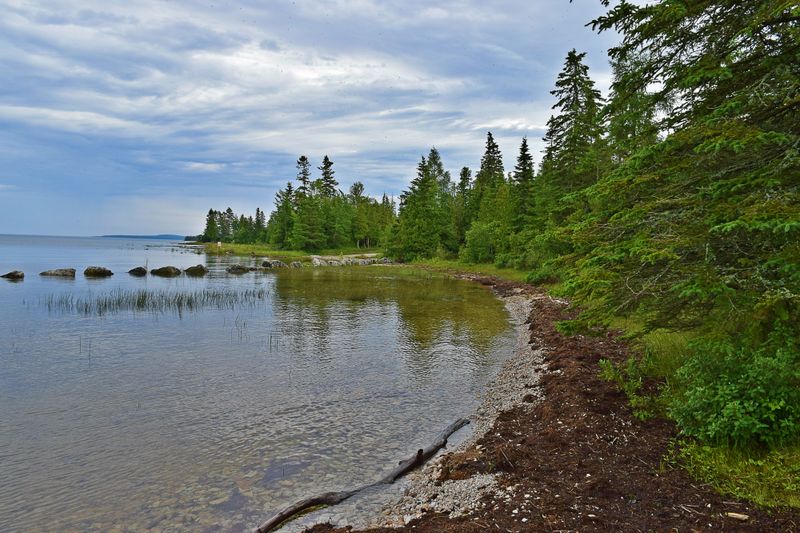
Hidden along Lake Superior’s rugged coastline, Horseshoe Bay Wilderness protects a crescent-shaped bay so remote that reaching it feels like discovering a secret world.
The bay’s turquoise waters contrast dramatically with the dark green pines and rocky outcrops that frame this natural masterpiece.
Crystal-clear water allows you to see straight to the sandy bottom even in deeper sections, revealing smooth stones polished by centuries of wave action.
The wilderness area surrounding the bay contains over four thousand acres of pristine forest and undeveloped shoreline.
Several trails crisscross the region, including paths that follow the coastline and offer stunning views of Lake Superior stretching endlessly toward the horizon.
Wildflowers carpet the forest floor during spring and summer, adding splashes of color beneath the towering canopy.
Kayakers particularly love this spot because the protected bay provides calm waters perfect for paddling and exploration.
Sea caves dot the shoreline, their interiors cool and mysterious, filled with echoes of waves and dripping water.
On calm days, you can paddle right into these natural formations and marvel at the geological forces that shaped them over millennia.
Access requires hiking several miles from the nearest parking area, which keeps crowds away and preserves the wilderness character.
The trail can be challenging with some steep sections and uneven terrain that demands good physical fitness and appropriate footwear.
Most visitors find the effort worthwhile once they arrive at the bay and realize they have this spectacular location entirely to themselves.
Weather on Lake Superior changes rapidly, so checking forecasts and preparing for sudden temperature drops remains crucial even during summer.
Bring layers, rain gear, and enough supplies for the entire day since no facilities or services exist anywhere in the wilderness area.
Nordhouse Dunes Wilderness
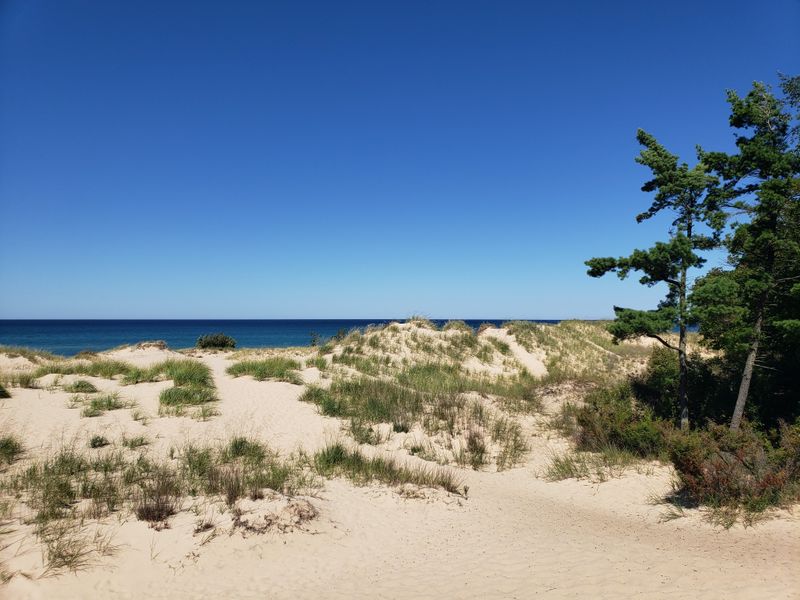
Stretching along Lake Michigan’s eastern shore, Nordhouse Dunes Wilderness encompasses over three thousand acres of pristine dunes, forests, and shoreline that remain beautifully undeveloped.
Unlike popular dune areas that attract large crowds, this wilderness area maintains its quiet character through limited access points and minimal facilities.
Towering sand dunes rise dramatically from the beach, some reaching heights that make climbing them a genuine workout rewarded with panoramic views.
Hiking through the dunes creates a unique experience as the landscape constantly shifts with wind patterns and seasonal changes.
Beach grass sways in the breeze, stabilizing the sand while creating a beautiful visual texture across the rolling terrain.
Pockets of forest nestle between dunes, providing shaded rest areas where you can escape the sun and observe wildlife undisturbed by human activity.
Backcountry camping is permitted throughout the wilderness, allowing visitors to fall asleep to the sound of waves and wake to spectacular sunrises over the lake.
Campsites must be located at least two hundred feet from the water and trails, ensuring privacy and minimizing environmental impact.
Nights here feel magical as stars fill the sky in numbers rarely visible near populated areas.
The wilderness area connects to the Manistee River Trail, creating opportunities for extended hiking adventures through diverse ecosystems.
You can walk for miles along the shoreline without seeing another person, collecting smooth stones and interesting driftwood carried by the currents.
Swimming in Lake Michigan’s clear waters provides refreshing relief after hiking through sand that can become quite hot during summer afternoons.
Reaching Nordhouse Dunes requires driving forest roads that can be rough and confusing without good directions or GPS.
The nearest town, Manistee, offers supplies and services about fifteen miles away, making it wise to stock up before heading into the wilderness for your quiet adventure.
Craig Lake State Park
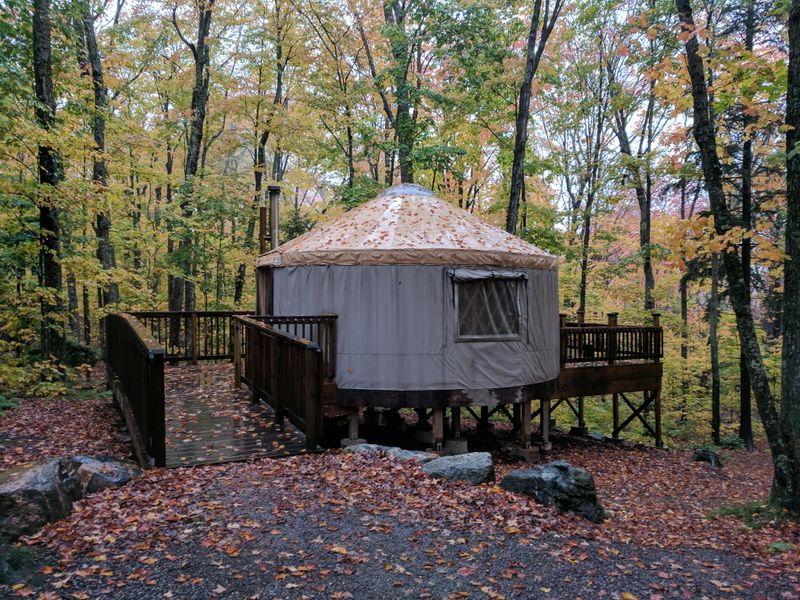
Considered Michigan’s most remote state park, Craig Lake requires serious commitment to reach but rewards visitors with absolute solitude and stunning natural beauty.
No paved roads lead to the park entrance, meaning you must travel several miles on rough forest tracks that challenge even experienced drivers.
This difficulty keeps visitor numbers low, preserving an atmosphere of genuine wilderness that has become increasingly rare in modern times.
The park centers around six pristine lakes, each offering crystal-clear water perfect for swimming, fishing, and quiet paddling.
Craig Lake itself spans 374 acres, its shoreline completely undeveloped with dense forest coming right down to the water’s edge.
Motorboats are prohibited, ensuring that only the sounds of nature disturb the peaceful atmosphere.
Rustic cabins available for rent provide basic shelter without electricity or running water, creating an authentic back-to-basics experience.
Guests must bring their own supplies and be prepared for true wilderness living where modern conveniences simply do not exist.
The experience teaches self-reliance and offers a refreshing break from technology-saturated daily life.
Hiking trails wind through old-growth forests where some trees have stood for centuries, their massive trunks testifying to the area’s protected status.
Wildlife sightings are common because animals here show less fear of humans due to limited exposure.
Moose, black bears, loons, and bald eagles all call this wilderness home, offering exciting opportunities for wildlife photography and observation.
Visiting during autumn provides spectacular color displays as hardwood forests transform into brilliant shades of red, orange, and yellow.
The lakes reflect these colors perfectly on calm days, creating scenes so beautiful they seem almost unreal.
Winter transforms the park into a snowy wonderland accessible only by snowshoe or cross-country skis, appealing to the most adventurous souls seeking complete isolation.
Burned Dam Road Trail
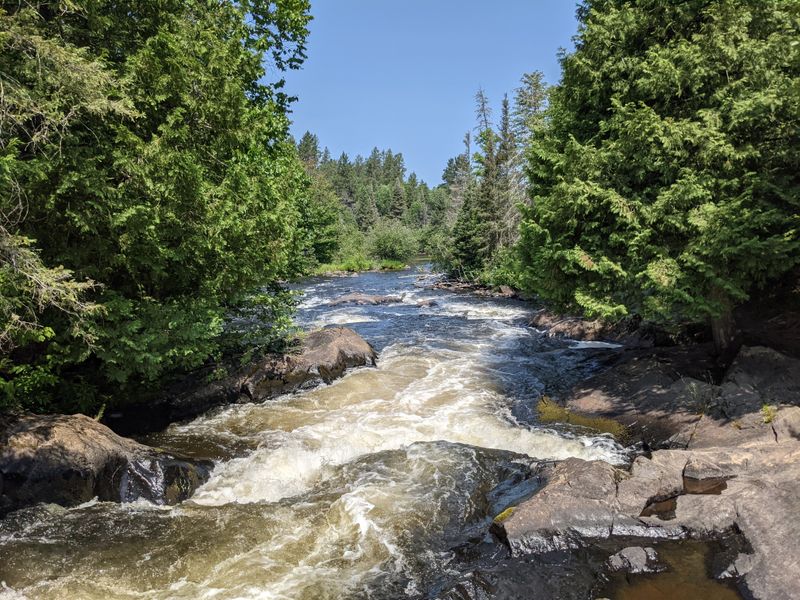
Winding through the Huron National Forest, Burned Dam Road Trail offers peaceful woodland walks far from the crowds that flock to more famous destinations.
The trail follows an old road that once served logging operations, now reclaimed by nature and transformed into a serene pathway through diverse forest ecosystems.
Towering pines mix with hardwoods, creating a varied canopy that provides shade during summer and brilliant colors when autumn arrives.
Several small streams cross the trail, their clear water babbling over smooth stones and creating peaceful background music for your hike.
Wooden bridges span the larger crossings, though during dry periods you can often hop across on exposed rocks.
These waterways support abundant wildlife including frogs, salamanders, and numerous bird species that thrive in the moist environment.
The trail’s gentle grade makes it accessible for hikers of various skill levels, including families with children seeking outdoor adventures.
Several loop options allow you to customize your distance based on available time and energy levels.
Most visitors complete the main loop in about two hours, though you could easily spend an entire day exploring side paths and enjoying the peaceful surroundings.
Wildflowers bloom profusely during spring and summer, adding colorful accents to the forest floor beneath the trees.
Trilliums, violets, and lady slippers appear in abundance, creating a natural garden that changes with the seasons.
Bringing a field guide helps identify the various species and deepens your appreciation for the ecological diversity.
The trailhead sits along a quiet forest road about twenty miles from Mio, ensuring that even on busy weekends you rarely encounter many other hikers.
Parking is limited to a small lot that holds maybe ten vehicles, which naturally controls visitor numbers and maintains the area’s quiet character that makes it so appealing for peaceful nature experiences.
Poverty Island
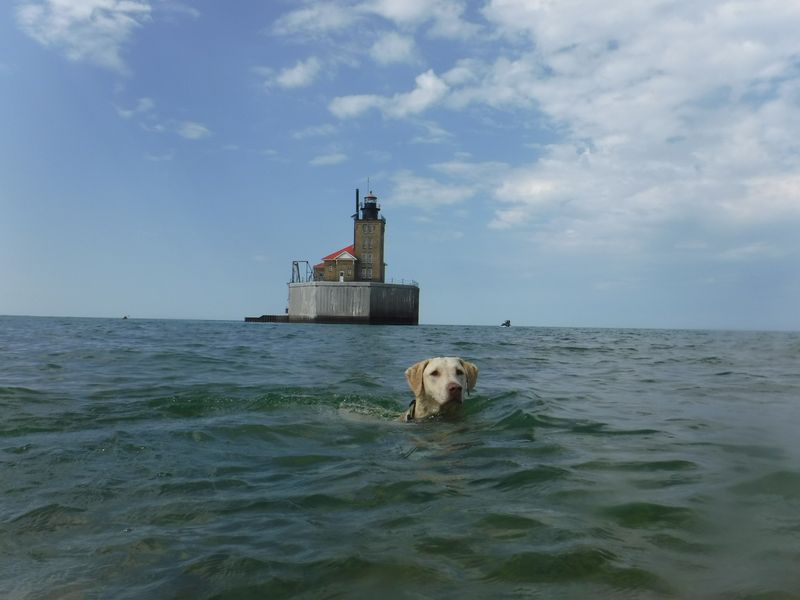
Rising from Lake Michigan’s waters between the Door Peninsula and Michigan’s Garden Peninsula, Poverty Island remains one of the state’s most isolated and mysterious locations.
An abandoned lighthouse stands sentinel on the rocky island, its weathered structure a testament to the lonely keepers who once maintained this vital navigation aid.
Legends swirl around the island, including tales of shipwrecks and hidden treasures that add an air of mystery to this already intriguing destination.
The island itself covers only about twenty-two acres, its rocky terrain supporting limited vegetation but providing crucial habitat for nesting birds.
Gulls, terns, and cormorants return each spring to raise their young in relative safety from mainland predators.
Visiting during nesting season requires caution and respect to avoid disturbing these important breeding grounds.
Reaching Poverty Island presents significant challenges since it lies several miles offshore with no regular ferry service or easy access.
Private boaters occasionally make the journey, but crossing open water requires experience and respect for Lake Michigan’s unpredictable weather patterns.
The isolation that makes the island special also means that any problems become serious since help is far away and difficult to summon.
The lighthouse, built in 1875, no longer functions but remains standing as a historic monument to maritime history.
Exploring the exterior reveals details of construction methods used in that era and offers glimpses into the harsh conditions lighthouse keepers endured.
Interior access is restricted due to safety concerns, but even viewing from outside provides a powerful connection to the past.
Photographers treasure this location for its dramatic lighting and sense of timeless isolation that creates compelling images.
Sunsets viewed from the island are particularly spectacular as the sun sinks toward the western horizon with nothing but water in every direction, painting the sky in brilliant colors reflected perfectly in the lake’s surface.
Dear Reader: This page may contain affiliate links which may earn a commission if you click through and make a purchase. Our independent journalism is not influenced by any advertiser or commercial initiative unless it is clearly marked as sponsored content. As travel products change, please be sure to reconfirm all details and stay up to date with current events to ensure a safe and successful trip.
