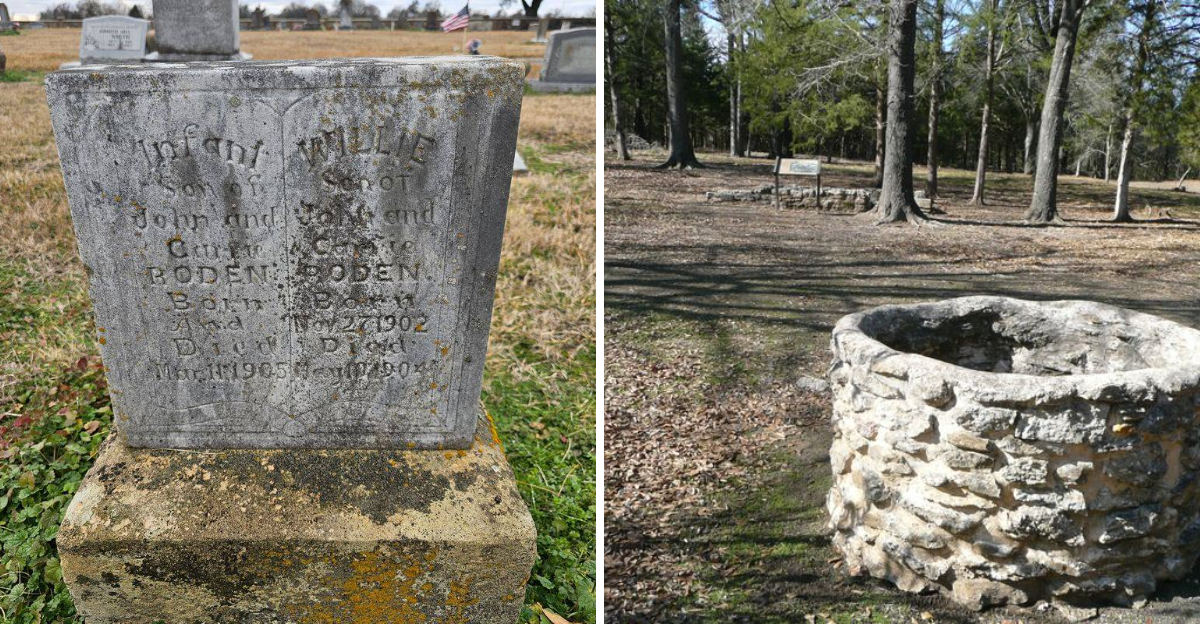
Nestled along Red Road in Fort Towson, Oklahoma, the Old Doaksville Townsite History Trail offers visitors a haunting glimpse into one of the state’s most mysterious frontier settlements.
This abandoned town, once a thriving hub of commerce and culture in the 1800s, now sits silent among overgrown vegetation and crumbling foundations, where locals claim restless spirits still wander.
Travelers venture to this eerie location not just for its rich historical significance as a former Choctaw Nation capital, but also for the spine-tingling paranormal experiences that have been reported for generations.
Whether you’re a history enthusiast, a ghost hunter, or simply curious about Oklahoma’s forgotten past, Doaksville promises an unforgettable journey into a world where the past refuses to stay buried.
We’ve based this piece on historical accounts, local folklore, and observations gathered from our travel team and publicly available sources. References to paranormal activity reflect stories and beliefs rather than verified fact. This assessment is unavoidably subjective.
The Abandoned Streets Where Shadows Still Walk
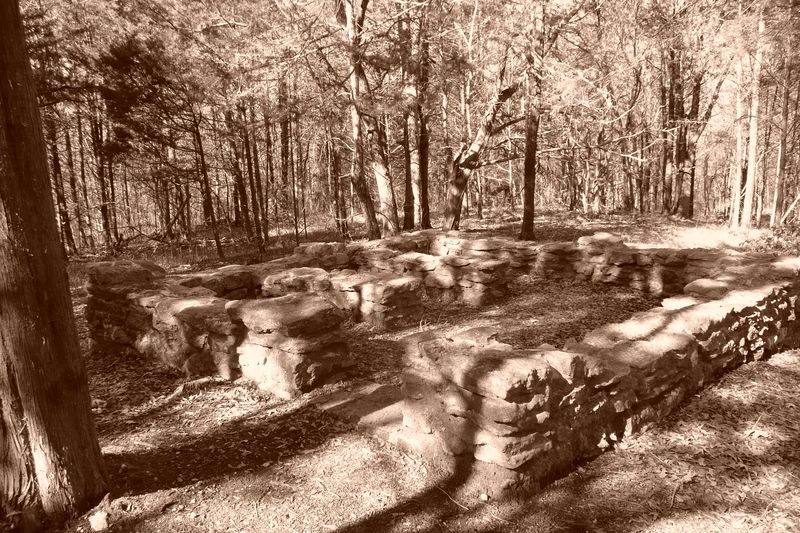
Walking along the remnants of what were once bustling streets, visitors to Doaksville encounter an atmosphere thick with history and something less tangible.
The pathways that wind through the Old Doaksville Townsite History Trail follow the original layout of the frontier town, where merchants, Native American leaders, and pioneers once conducted their daily business.
Today, these same routes are overgrown with native grasses and wildflowers that sway gently in the Oklahoma breeze, creating an almost hypnotic effect as you walk.
Many visitors report feeling watched as they explore, with some claiming to see fleeting figures darting between the trees that have reclaimed the town.
The sensation of stepping back in time becomes overwhelming when you realize you’re literally walking in the footsteps of thousands who lived, worked, and died here over 150 years ago.
During different seasons, the trail takes on varied personalities.
Spring brings wildflowers that carpet the former streets in vibrant colors, while autumn transforms the area into a golden wonderland that somehow amplifies the melancholy beauty of abandonment.
Winter visits offer the starkest experience, with bare trees revealing more of the landscape and creating an even more desolate feeling.
Summer heat can be intense, but it also brings the chorus of cicadas and other insects that create a soundtrack fitting for a ghost town.
The trail remains open twenty-four hours daily, allowing brave souls to experience the location during twilight or even under moonlight, when the paranormal activity is said to peak.
The Cemetery Where Restless Souls Remain
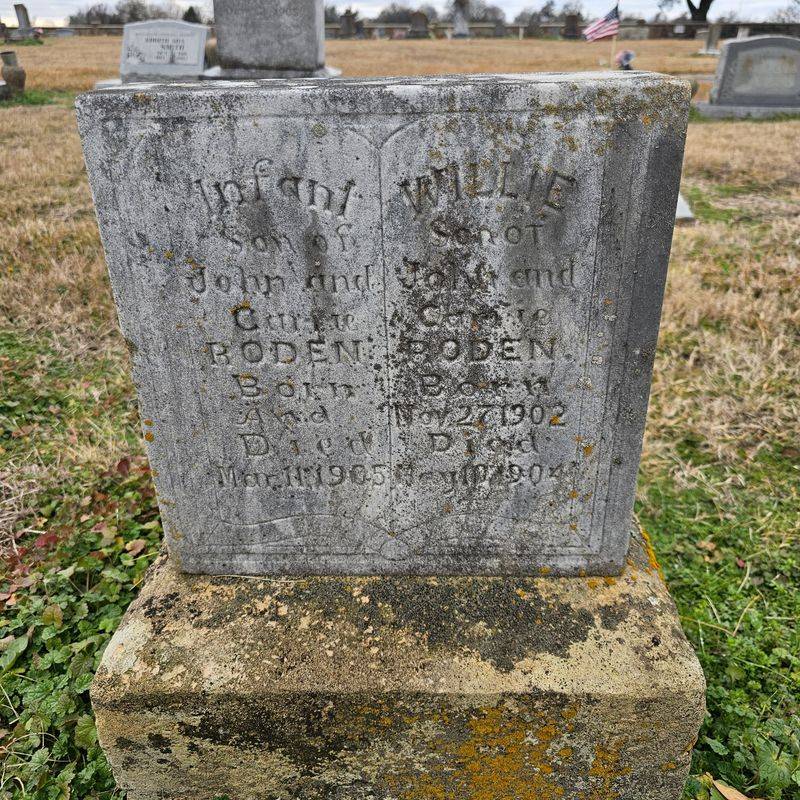
Among the most haunting features of Doaksville is its historic cemetery, where weathered headstones mark the final resting places of early settlers, Choctaw leaders, and frontier families.
Some markers date back to the 1830s and 1840s, bearing names that once held significance in this thriving community.
Time and weather have eroded many stones until their inscriptions are barely readable, adding to the sense of forgotten history.
Visitors frequently report unexplained cold spots even on sweltering Oklahoma summer days, particularly near certain graves.
Photographs taken in the cemetery sometimes reveal strange orbs of light or mist that weren’t visible to the naked eye at the time.
Local legend speaks of a woman in period clothing who appears among the graves, seemingly searching for something or someone she lost long ago.
The cemetery sits slightly elevated, providing a vantage point over what remains of the town below.
This positioning wasn’t accidental, as frontier towns often placed their burial grounds on higher ground for both practical and spiritual reasons.
Respect is absolutely essential when visiting this sacred space.
Many of those buried here were forcibly relocated during the Trail of Tears, making this ground doubly significant and deserving of reverence.
Early morning visits offer the most atmospheric experience, when fog often rolls across the cemetery and through the surrounding woods, creating an otherworldly scene that photographers and paranormal investigators find irresistible.
The Foundations of Forgotten Homes and Businesses
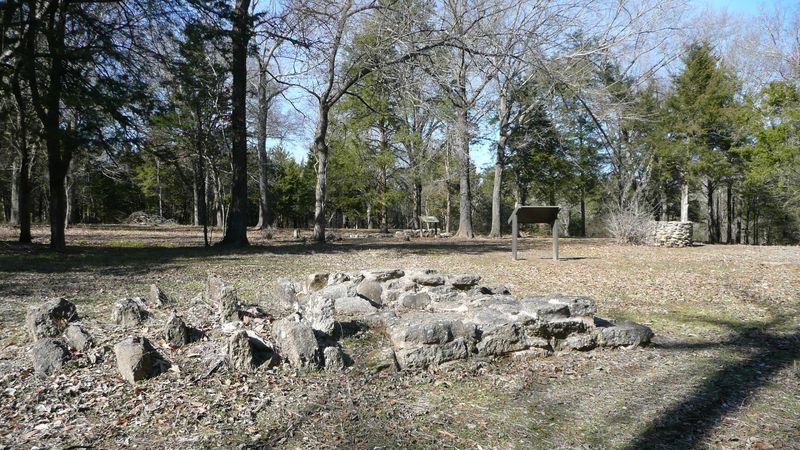
Scattered throughout the Doaksville site are the stone and brick foundations of buildings that once formed the backbone of this frontier community.
These remnants tell stories of ambition, prosperity, and eventual abandonment that defined so many frontier settlements.
Interpretive markers along the trail help visitors identify what each foundation once supported, from general stores to private residences to government buildings.
Standing within these outlined spaces, you can almost hear the echoes of conversations, transactions, and daily life that filled them.
One particularly well-preserved foundation belonged to a trading post that served as a crucial link between the Choctaw Nation and American merchants.
Ghost hunters claim this spot produces some of the most consistent paranormal readings, with electromagnetic field detectors frequently spiking without explanation.
The foundations also reveal the architectural ambitions of Doaksville’s inhabitants, with some structures having been quite substantial for a frontier town.
Brick chimneys still stand in places, defying time and weather, serving as lonely sentinels over rooms that no longer exist.
Vegetation has reclaimed most of these spaces, with trees growing up through what were once floors and walls.
This intermingling of nature and human construction creates a beautiful yet melancholy aesthetic.
During golden hour, when the setting sun casts long shadows across these foundations, the effect becomes particularly dramatic and photogenic, perfect for those seeking to capture the haunting beauty of abandonment.
The Former Court House Site and Government Center
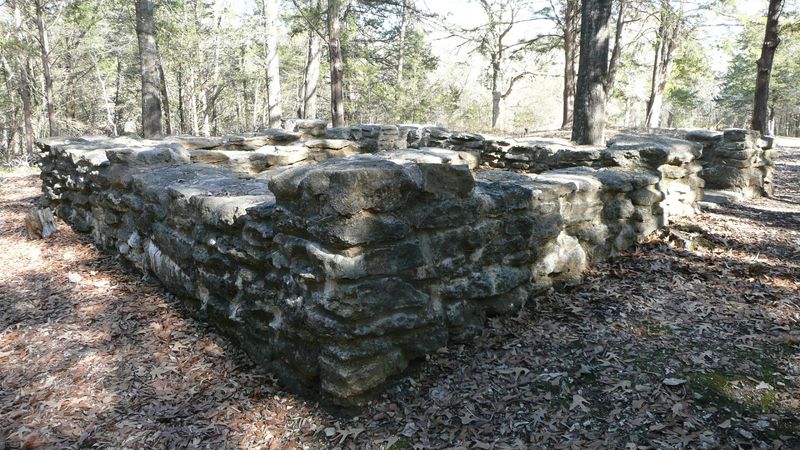
Doaksville once served as a governmental hub for the Choctaw Nation, and the courthouse site represents one of the most historically significant locations along the trail.
Important decisions affecting thousands of people were made here, including matters of law, land, and tribal governance.
The building itself is long gone, but the foundation remains clearly visible, larger and more complex than the residential structures nearby.
Visitors with an interest in Native American history find this spot particularly moving, as it represents a period when the Choctaw people were rebuilding their nation after forced relocation.
Paranormal activity reported here differs from other areas of the site.
Rather than apparitions or cold spots, people describe overwhelming emotional sensations, sudden sadness, or feelings of great importance and weight.
Some sensitive visitors report hearing voices engaged in what sounds like heated debate or discussion, though no one else is present.
The courthouse area sits near the center of the townsite, emphasizing its importance to the community’s layout and function.
Surrounding it would have been other government buildings and offices, creating an administrative district of sorts.
Historical records indicate that this courthouse witnessed both triumph and tragedy, celebration and conflict, making it a location charged with intense human emotion and experience.
Visiting during quieter times allows for contemplation of the complex history this site represents, including the resilience of the Choctaw people in establishing governance and order after unimaginable hardship.
The Trading Post Ruins Where Commerce Once Thrived
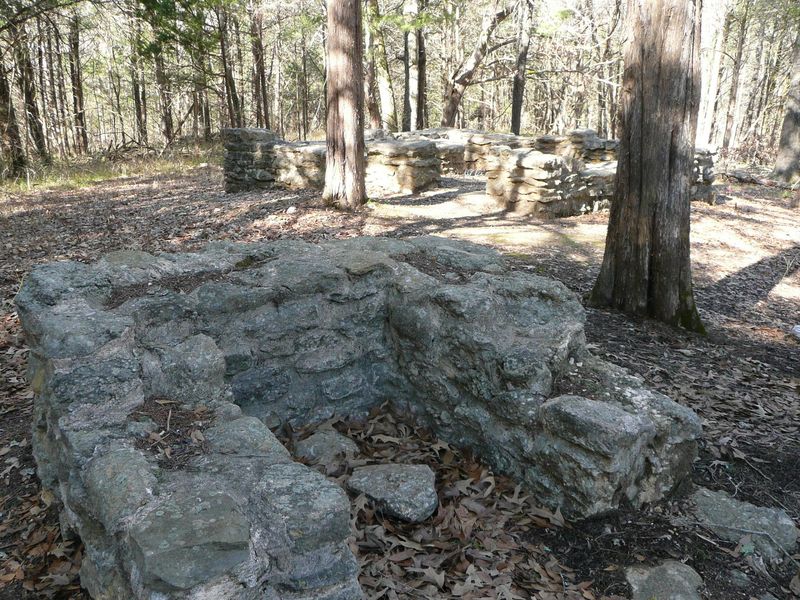
Commerce was the lifeblood of Doaksville, and the trading post ruins stand as testament to the town’s once-vibrant economic activity.
Located strategically along what was a major transportation route, this establishment facilitated the exchange of goods between Native American communities and American settlers.
Furs, textiles, tools, food, and countless other items changed hands here, making it a crucial meeting point for different cultures.
The foundation of the trading post is among the largest at the site, indicating a substantial structure that likely had storage areas, living quarters, and extensive retail space.
Visitors often report strange sounds emanating from this area, including what sounds like horses, wagon wheels, and indistinct conversations.
These auditory phenomena typically occur during early morning or late evening hours when the site is quietest.
The trading post’s location near the Red River made it accessible to travelers and traders moving through the region.
Goods would arrive by river and overland routes, making Doaksville a genuine crossroads of frontier commerce.
Today, the ruins are partially shaded by mature trees that have grown up around and through the foundation.
This creates a dappled light effect that constantly shifts throughout the day, adding to the mysterious atmosphere.
Archaeologists have conducted limited excavations here, uncovering artifacts like buttons, coins, pottery fragments, and other everyday items that help paint a picture of life in frontier Oklahoma and the diverse people who passed through this remarkable place.
The Schoolhouse Foundation and Children’s Voices
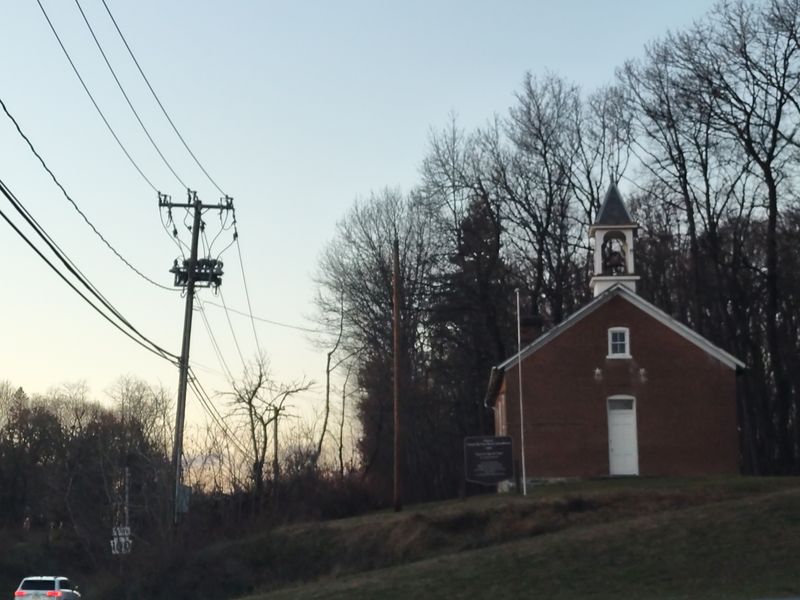
Perhaps no location at Doaksville is more poignant than the schoolhouse foundation, where young minds were once educated in the ways of reading, writing, and arithmetic.
Education was highly valued in the Choctaw Nation, and this school served children from both Native American and settler families.
The foundation reveals a modest but well-constructed building that would have been a source of pride for the community.
Multiple visitors have reported hearing what sounds like children’s laughter and voices near this location, particularly during afternoon hours.
These experiences are consistently described as playful rather than frightening, suggesting the innocent energy of youth somehow lingers here.
Some witnesses claim to have seen the fleeting forms of children running and playing among the trees near the schoolhouse site.
The phenomenon appears most frequently during spring and fall, coinciding with what would have been the traditional school year.
Historians note that the school operated for several decades before Doaksville’s decline, educating multiple generations of frontier children.
Many of those students went on to become leaders in their communities, making this small schoolhouse’s impact far greater than its size would suggest.
The site includes interpretive information about frontier education and the unique challenges of teaching in a multicultural, multilingual environment.
Standing here, you can almost imagine the sound of recitations, the scratch of chalk on slate, and the bustle of children arriving each morning, ready to learn despite the hardships their families faced on the frontier.
The Riverside Landing Where Steamboats Once Docked
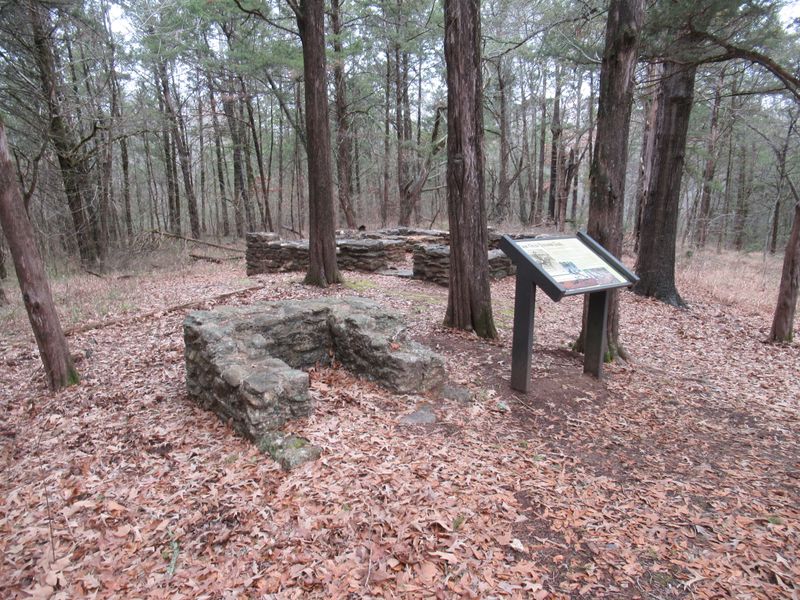
Doaksville’s prosperity was intimately connected to its access to the Red River, where a landing allowed steamboats to dock and unload passengers and cargo.
This connection to the broader river transportation network made the town far more than an isolated frontier outpost.
Goods from New Orleans and other distant ports could reach Doaksville, while local products could be shipped to markets hundreds of miles away.
The landing area is now overgrown and the river’s course has shifted slightly over the decades, but the location remains identifiable.
Walking down to this area requires navigating rougher terrain, but the effort rewards visitors with a tangible sense of the town’s geographical advantages.
Strange mists are frequently reported rising from the area near the former landing, even on days when atmospheric conditions don’t typically produce such phenomena.
Some witnesses describe seeing what appears to be a boat or vessel through the mist, only to have it vanish when they try to focus on it.
The riverside location also makes this one of the most naturally beautiful areas of the site.
Birds are abundant here, and the sound of water creates a peaceful backdrop that contrasts with the eerie atmosphere elsewhere.
During Doaksville’s heyday, the arrival of a steamboat would have been a major event, bringing news, mail, visitors, and goods from the outside world.
The excitement and anticipation that accompanied these arrivals left an energy that some sensitive visitors claim they can still feel when standing where crowds once gathered to greet incoming boats.
The Residential District Where Families Built Their Dreams
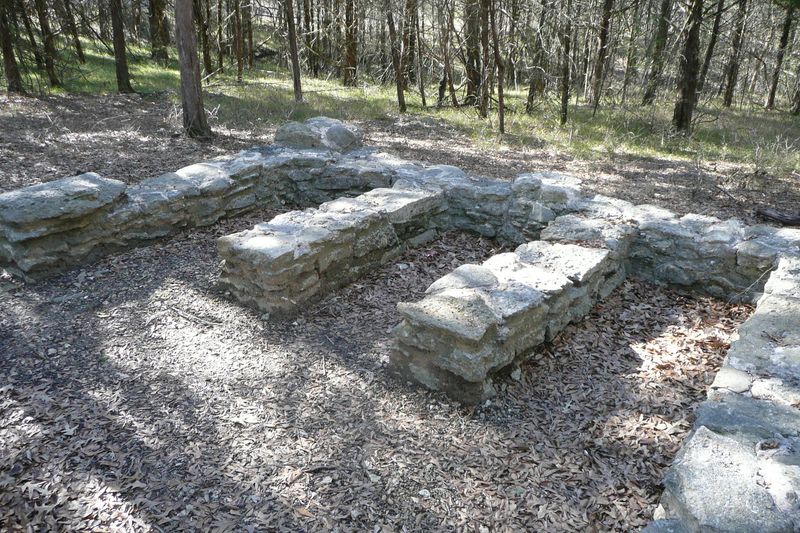
Beyond the commercial and governmental structures, Doaksville was home to families who built houses, raised children, and created a community in the wilderness.
The residential district, identifiable by numerous smaller foundations spread across a section of the site, tells intimate stories of daily frontier life.
These homes varied in size and quality, reflecting the economic diversity of the population.
Some foundations suggest simple one-room cabins, while others indicate more substantial multi-room dwellings with separate spaces for different functions.
Personal artifacts occasionally surface in this area after heavy rains, including buttons, broken dishes, glass fragments, and other domestic items.
These tangible connections to the people who lived here make the experience feel deeply personal.
Paranormal investigators report that the residential area produces different types of phenomena than the more public spaces.
Experiences here tend toward the domestic, such as the smell of cooking food, sounds of doors closing, or the sensation of someone moving past you in a narrow space.
One foundation in particular, believed to have belonged to a prominent family, generates consistent reports of a woman’s figure seen in period dress, apparently going about household tasks.
The residential district spreads out from the central town area, following the natural contours of the land.
This layout provides visitors with a sense of how the community was organized and how neighbors would have interacted in their daily lives, creating bonds that sustained them through the challenges of frontier existence.
The Trail at Night When Spirits Are Most Active
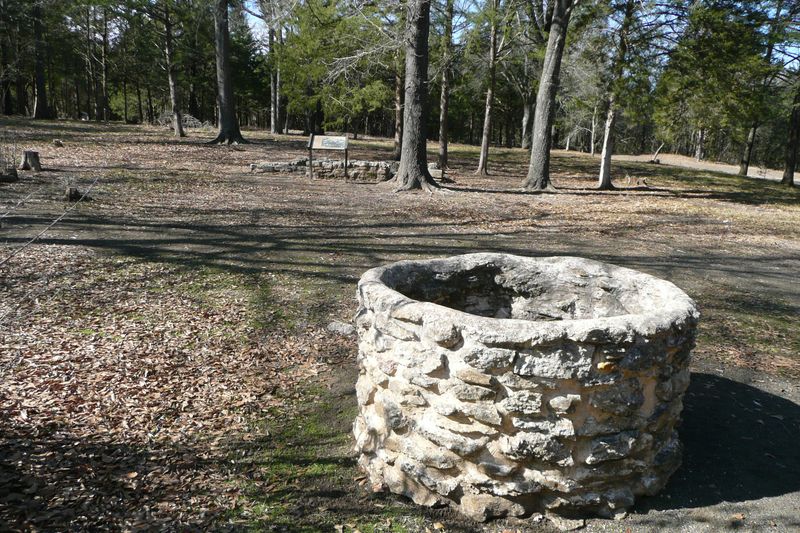
While the Old Doaksville Townsite History Trail is accessible twenty-four hours daily, nighttime visits offer an entirely different and intensely atmospheric experience.
The location at Red Road in Fort Towson has minimal light pollution, allowing stars to blaze overhead with remarkable clarity.
This darkness, however, also means that the ruins and foundations become shadowy forms that challenge your perception and imagination.
Paranormal activity reports increase dramatically during evening and nighttime hours, with multiple phenomena often occurring simultaneously.
Visitors equipped with flashlights, cameras, and recording equipment frequently capture unexplained lights, sounds, and images that daylight visits never produce.
The sounds of the night in rural Oklahoma add to the experience, with owls calling, small animals rustling through vegetation, and the wind creating its own eerie soundtrack.
Distinguishing between natural nighttime sounds and potentially paranormal phenomena becomes a challenge that heightens every sense.
Moonlit nights provide enough illumination to navigate the trail while maintaining the mysterious atmosphere.
Full moon visits are particularly popular among ghost hunters and photographers seeking to capture the ruins in dramatic lunar light.
Safety considerations are important for nighttime exploration.
The terrain, while not extremely difficult, includes uneven ground, foundations that could cause trips, and areas where vegetation obscures obstacles.
Visiting with others is strongly recommended, both for safety and because shared experiences of unexplained phenomena are often more credible and less frightening than encountering them alone in the darkness of an abandoned frontier town.
Dear Reader: This page may contain affiliate links which may earn a commission if you click through and make a purchase. Our independent journalism is not influenced by any advertiser or commercial initiative unless it is clearly marked as sponsored content. As travel products change, please be sure to reconfirm all details and stay up to date with current events to ensure a safe and successful trip.
