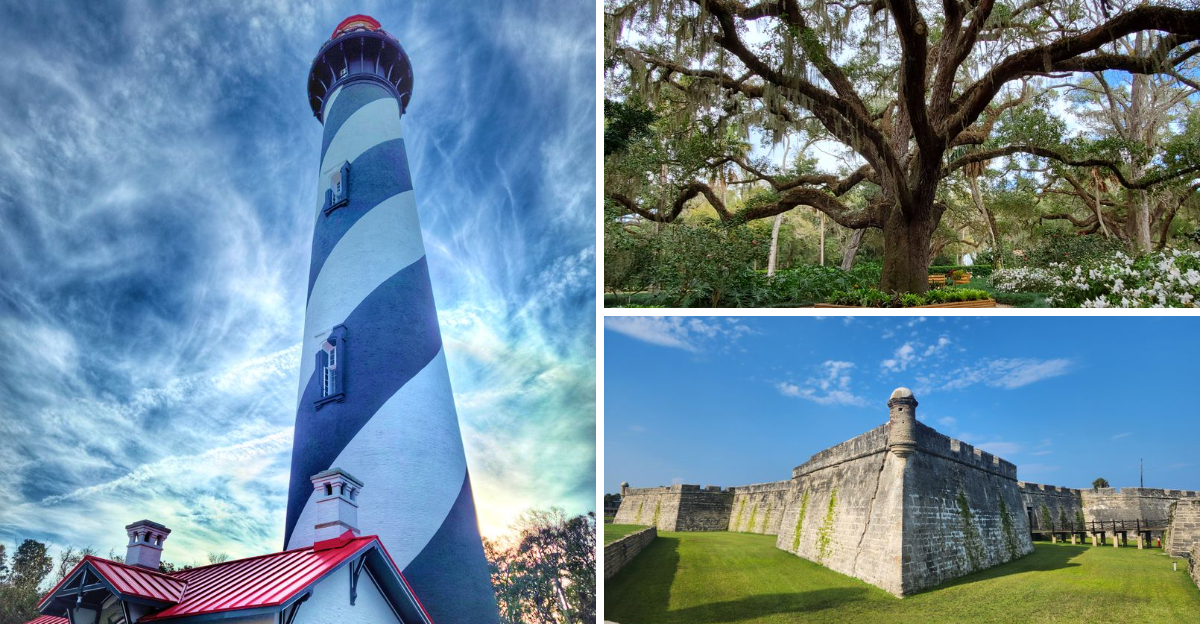
Florida’s Route A1A stretches along the Atlantic coast like a ribbon of adventure, connecting sandy beaches, historic towns, and natural wonders that families dream about exploring together.
This scenic highway hugs the shoreline from Fernandina Beach down to Key West, offering glimpses of turquoise waves, swaying palms, and charming coastal communities at every turn.
Whether your family loves history, wildlife, water sports, or simply building sandcastles while the sun sets over the ocean, this legendary route delivers experiences that create lasting memories for travelers of all ages.
1. Fernandina Beach on Amelia Island
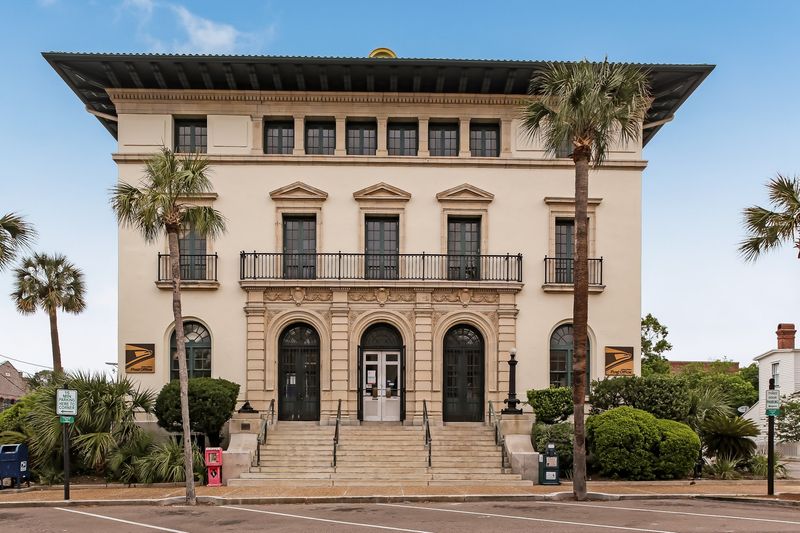
Starting your A1A adventure at Fernandina Beach feels like stepping into a storybook where Victorian homes line brick streets and sea breezes carry the scent of salt and adventure.
This charming town on Amelia Island welcomes families with its beautifully preserved historic district, where colorful buildings house local shops, cozy cafes, and galleries showcasing regional art.
Kids love exploring the sandy shores that stretch for miles, perfect for collecting seashells, spotting dolphins, or splashing in gentle waves that roll onto the beach.
The town’s rich history comes alive through walking tours that reveal stories of pirates, Spanish explorers, and the eight different flags that have flown over this unique island throughout centuries.
Fort Clinch State Park sits at the northern tip, offering families a chance to explore a Civil War-era fort where costumed interpreters demonstrate life as soldiers once knew it.
Nature trails wind through maritime forests where you might spot armadillos, wild turkeys, or even bobcats if you’re lucky and quiet.
Fishing from the pier provides entertainment for hours, whether you catch anything or simply enjoy watching pelicans dive for their own dinner.
Every spring, the Isle of Eight Flags Shrimp Festival transforms the waterfront into a celebration of local seafood, crafts, and music that draws thousands of visitors.
The beaches here remain less crowded than many Florida destinations, giving families space to spread out and truly relax.
Bike rentals make exploring the island easy, with flat terrain perfect for riders of all skill levels.
2. Ponte Vedra Beach
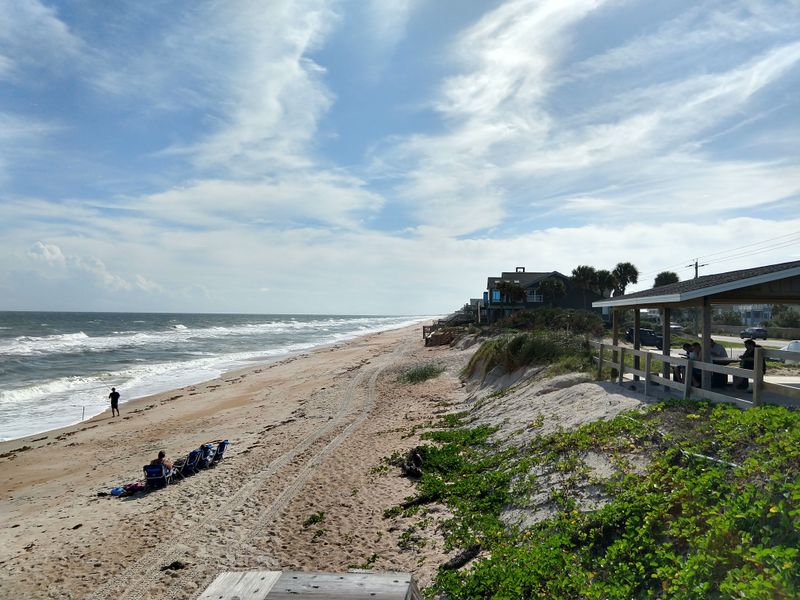
Ponte Vedra Beach radiates an elegant coastal atmosphere where manicured golf courses meet untamed natural beauty along miles of protected shoreline.
Families discover that this upscale community offers more than just luxury resorts, with the Guana Tolomato Matanzas National Estuarine Research Reserve providing incredible opportunities for kayaking through peaceful waterways.
Paddling through the reserve’s marshes and tidal creeks, you’ll glide past herons standing motionless in shallow water and ospreys circling overhead searching for fish.
The beaches here feature soft sand and fewer crowds, making them ideal for families who prefer a quieter seaside experience without sacrificing beauty or amenities.
Wildlife observation becomes an educational adventure as children learn to identify different bird species, crabs scuttling across mudflats, and occasionally dolphins surfacing just beyond the breakers.
The area’s commitment to conservation means natural habitats remain protected, offering glimpses of Florida’s ecosystems as they existed long before development transformed much of the coastline.
Walking trails through coastal hammocks provide shade on hot days while revealing the diverse plant life that thrives in these salty, sandy environments.
Many families pack picnics to enjoy at designated areas, watching waves crash while seabirds call overhead.
The community maintains several beach access points with parking, restrooms, and boardwalks that make reaching the shore convenient for visitors carrying beach gear and coolers.
Sunrise here transforms the sky into paintings of orange, pink, and gold that reflect off the ocean’s surface, creating photo opportunities worth waking up early to witness.
3. St. Augustine
Walking through St. Augustine transports families back through centuries of American history, as this remarkable city holds the distinction of being the nation’s oldest continuously occupied European settlement.
Founded in 1565 by Spanish explorers, the city’s narrow cobblestone streets wind past buildings that have witnessed over 450 years of storms, celebrations, conflicts, and daily life.
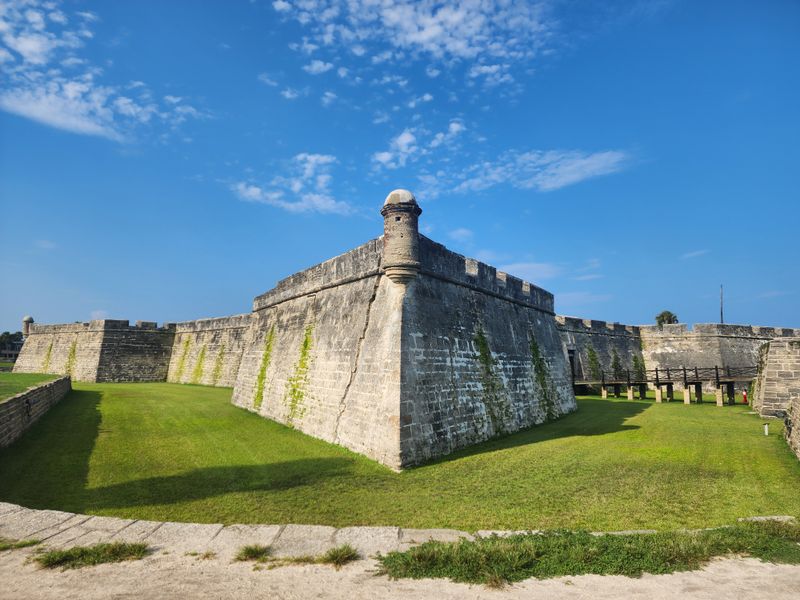
Castillo de San Marcos stands as an imposing stone fortress on the waterfront, its thick coquina walls having defended the city against countless attacks throughout colonial times.
Children love exploring the fort’s dark rooms, climbing steep staircases, and watching cannon-firing demonstrations that echo across the Matanza Bay.
The Fountain of Youth Archaeological Park claims to mark the spot where Ponce de Leon supposedly searched for the legendary spring, offering families a mix of history, legend, and interactive exhibits.
Downtown’s historic district feels like an outdoor museum where every building tells stories through architectural details, plaques, and guided tours led by knowledgeable locals dressed in period costumes.
The Old Jail provides a slightly spooky but fascinating look at law enforcement from the late 1800s, complete with cells, gallows, and tales of infamous prisoners.
St. George Street buzzes with activity as a pedestrian-only thoroughfare lined with shops, restaurants, and street performers entertaining crowds with music, magic, and living statues.
Horse-drawn carriages clip-clop past centuries-old churches, offering families a relaxing way to tour while learning about the city’s Spanish, British, and American periods.
The Lightner Museum showcases an eclectic collection housed in a former luxury hotel, with everything from Tiffany glass to Victorian furniture.
4. Matanzas Inlet
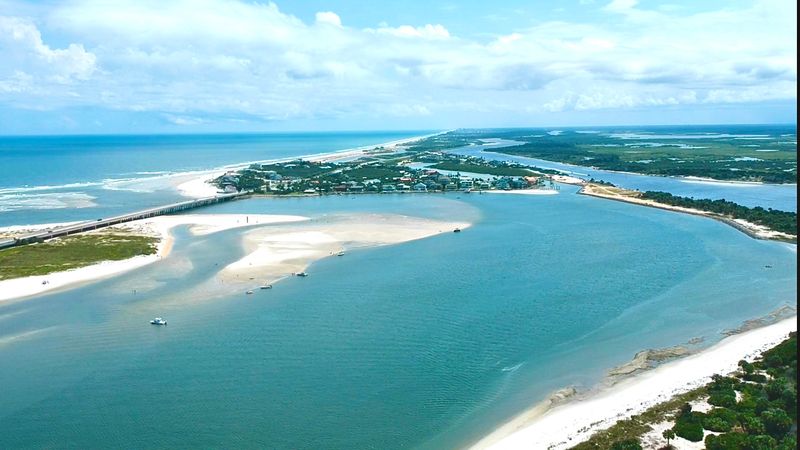
Between the bustle of St. Augustine and the laid-back charm of Flagler Beach, Matanzas Inlet offers families a peaceful retreat where history and natural beauty blend seamlessly.
The star attraction here is Fort Matanzas National Monument, a small but mighty Spanish watchtower built in 1742 to guard the southern approach to St. Augustine from enemy ships.
Reaching the fort requires a free ferry ride across the inlet, an adventure that delights children who watch for dolphins and manatees in the water during the short crossing.
Park rangers share fascinating stories about the soldiers who once manned this isolated outpost, living in cramped quarters while keeping constant watch for British invaders.
The fort’s name comes from a dark chapter in Florida’s past, as “Matanzas” means “slaughters” in Spanish, referring to a 1565 massacre that occurred near this spot.
Despite this grim history, the area today radiates tranquility, with pristine beaches stretching in both directions and gentle waves perfect for wading and shell collecting.
The visitor center provides air-conditioned relief from Florida heat while offering exhibits about the region’s natural and cultural history through interactive displays.
Nature trails wind through coastal scrub habitat where gopher tortoises dig their burrows and scrub jays flash brilliant blue feathers as they hop between branches.
Fishing from the shore attracts anglers hoping to catch redfish, trout, or flounder in the nutrient-rich waters where river meets ocean.
The relatively undeveloped beaches here feel worlds away from crowded tourist spots, giving families room to spread out and enjoy the simple pleasures of sun, sand, and surf.
5. Marineland Dolphin Adventure
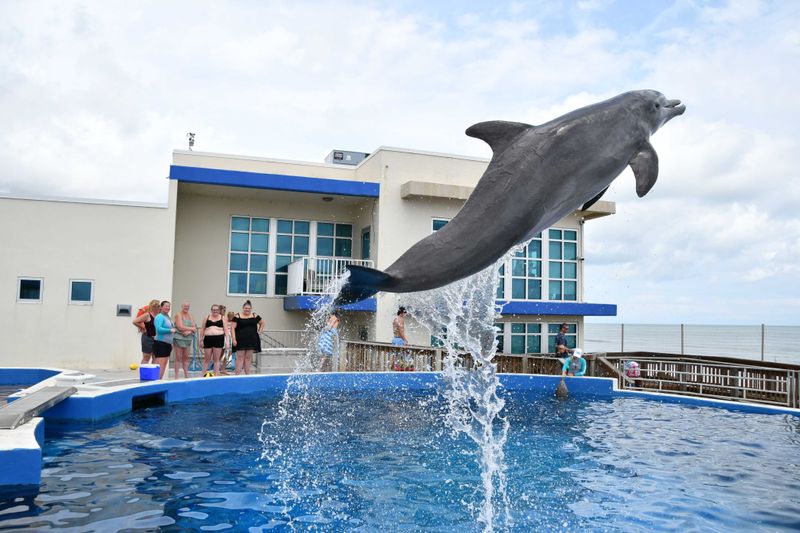
Few experiences create more excitement for children than coming face-to-face with dolphins, and Marineland Dolphin Adventure delivers these magical encounters in an intimate, educational setting.
This historic oceanarium, originally opened in 1938, has evolved from a simple attraction into a respected facility focused on marine mammal research, conservation, and education.
Families can wade into shallow pools where friendly dolphins swim close enough to touch, their smooth skin surprisingly firm and their intelligence evident in their playful eyes.
Trainers explain dolphin behavior, communication, and biology while demonstrating the strong bonds formed between humans and these remarkable marine mammals through years of positive reinforcement training.
The facility’s smaller size compared to massive theme parks creates a more personal experience, with staff taking time to answer questions and ensure every visitor feels connected to the animals.
Interactive programs range from shallow water encounters perfect for younger children to deeper water swims where participants can hold onto dorsal fins for brief rides.
Beyond dolphins, the facility houses sea turtles, sharks, and various fish species in exhibits designed to educate visitors about marine ecosystems and conservation challenges.
The oceanfront location means you can hear waves crashing while learning about creatures that call those waters home.
Photography opportunities abound as dolphins leap, spin, and interact with participants, creating memories families treasure long after towels dry and sunburns fade.
Educational presentations throughout the day cover topics like ocean pollution, endangered species, and what individuals can do to protect marine environments.
The experience often inspires children to learn more about marine biology, with some discovering career interests that shape their futures.
Address: 9600 Oceanshore Boulevard, St. Augustine, Florida
6. Washington Oaks Gardens State Park
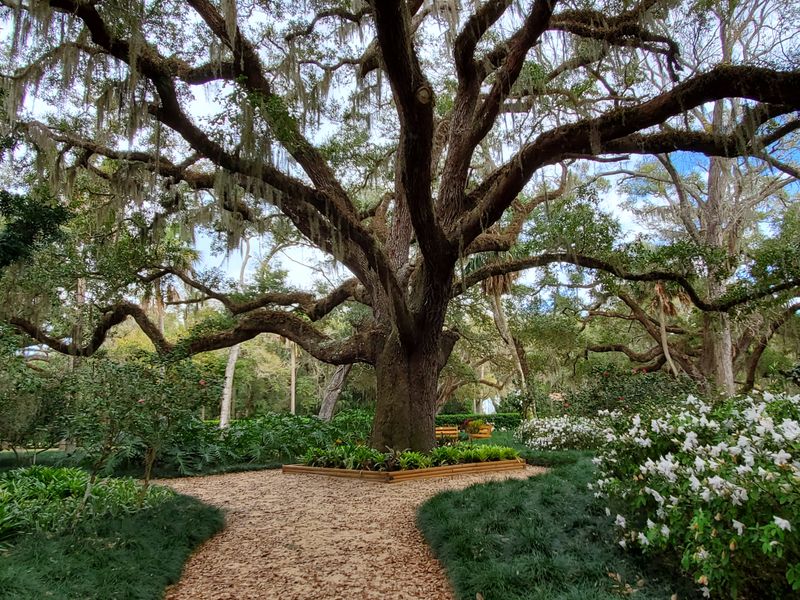
Nature shows off in spectacular fashion at Washington Oaks Gardens State Park, where formal gardens, ancient trees, and a unique rocky beach create an environment unlike anywhere else in Florida.
The park’s ornamental gardens bloom year-round with azaleas, camellias, and tropical plants arranged in beds that look like they belong in a European estate rather than a coastal Florida park.
Massive live oak trees draped with Spanish moss create natural canopies that filter sunlight into dappled patterns on the ground, providing welcome shade during summer visits.
Families wander along brick pathways that wind through different garden sections, each offering new colors, textures, and fragrances that engage all the senses.
The real surprise awaits at the beach, where instead of typical sand, coquina rock formations create tidal pools, caves, and sculptural shapes carved by centuries of waves.
Children become explorers, carefully navigating the rocks while discovering tiny fish, crabs, and sea creatures trapped in pools left by the receding tide.
These ancient limestone formations, made from compressed shells and coral, tell geological stories spanning thousands of years.
The beach here demands water shoes rather than bare feet, but this small inconvenience pales compared to the unique experience of playing on Florida’s rockiest shoreline.
Photographers love the dramatic landscapes created by weathered rock, crashing waves, and twisted trees leaning toward the ocean.
Picnic areas scattered throughout the park offer perfect spots for family lunches surrounded by natural beauty.
The park remains less crowded than nearby beaches, attracting visitors who appreciate tranquility and natural wonders over typical tourist attractions.
Address: 6400 North Oceanshore Boulevard, Palm Coast, Florida
7. Bing’s Landing
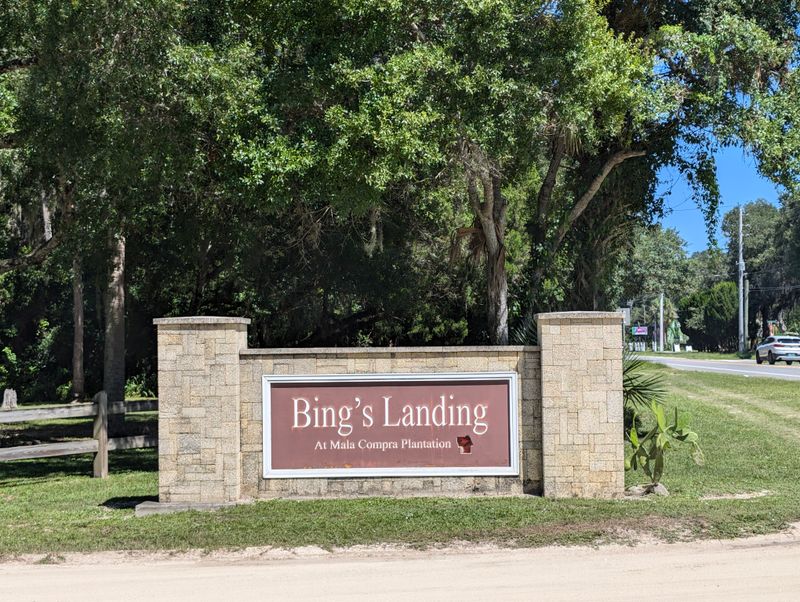
Tucked along the Intracoastal Waterway, Bing’s Landing packs impressive variety into its compact eight acres, offering families fishing, history, and recreation in one convenient stop.
The fishing pier extends over calm waters where anglers of all ages cast lines hoping to catch snook, redfish, or sheepshead while pelicans perch on pilings waiting for handouts.
Even children who have never fished before can experience success here, as the abundant marine life and patient local fishermen willing to share advice create an encouraging environment for beginners.
The playground features modern equipment where kids burn energy climbing, swinging, and sliding while parents relax on nearby benches watching boats cruise the waterway.
What makes this park truly special is the Mala Compra Plantation Archaeological Site, where interpretive signs explain the history of a sugar plantation that operated here during British rule in the late 1700s.
Families walk among the remnants of this colonial enterprise, imagining life for the people who worked these lands growing indigo and sugarcane centuries before modern Florida existed.
The archaeological discoveries made here have helped historians understand daily life during Florida’s British period, a often-overlooked chapter between Spanish colonial times and American statehood.
Shaded picnic tables make this an ideal lunch stop, especially for families who packed sandwiches and want to stretch their legs between longer drives.
The park’s location along A1A makes it easy to access, with adequate parking and clean restroom facilities that road-tripping families appreciate.
Kayak launches provide water access for families who brought their own boats or rented them from nearby outfitters.
The combination of activities means everyone in the family finds something enjoyable, whether that’s catching fish, learning history, or simply watching boats pass by.
Address: 5900 North Oceanshore Boulevard, Palm Coast, Florida
8. Flagler Beach
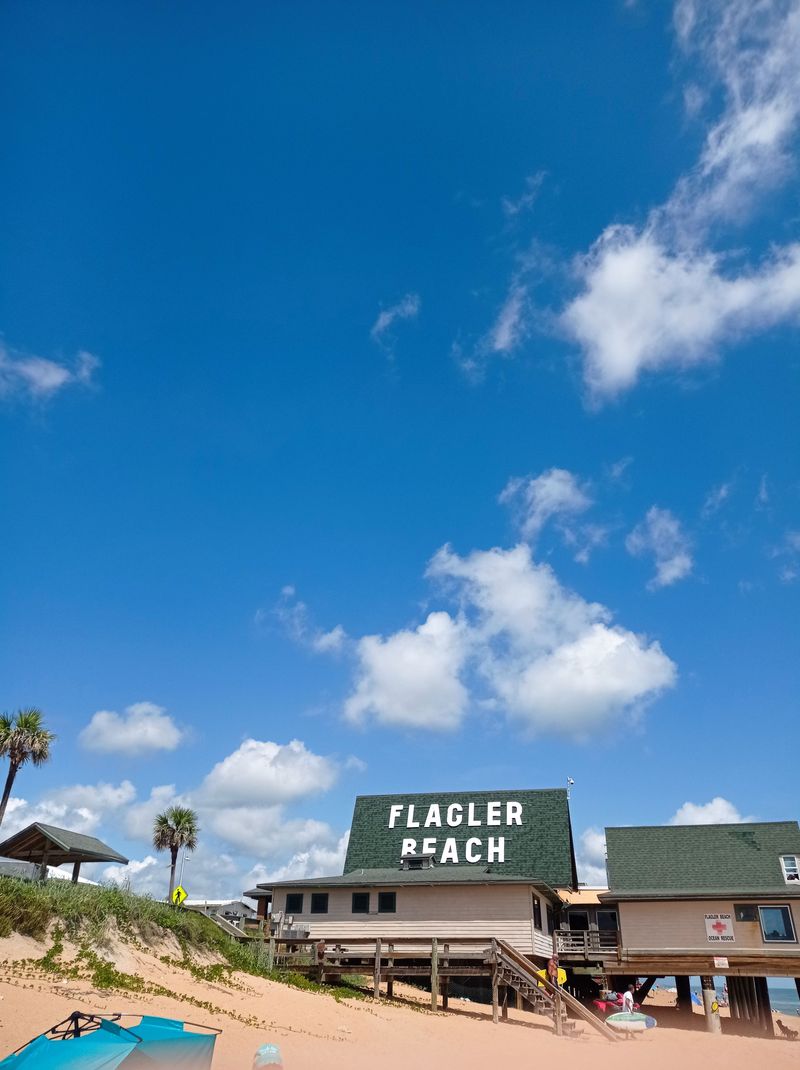
Flagler Beach embraces its reputation as one of Florida’s last authentic beach towns, where a retro vibe, friendly locals, and free beach access create an atmosphere that feels refreshingly uncommercial.
The town’s six miles of coastline remain blissfully free of high-rise condos, preserving ocean views and a small-town character that has vanished from many Florida beaches.
Families spread blankets on sand that slopes gently into waves perfect for boogie boarding, building sandcastles, or teaching young swimmers to navigate ocean currents safely.
The fishing pier stretches 800 feet into the Atlantic, providing a classic Florida experience as anglers test their luck while dolphins often swim past hunting for the same fish.
Walking the pier costs just a few dollars, and even if nobody catches dinner, the views and sea breeze make the stroll worthwhile.
Downtown Flagler Beach consists of just a few blocks, but those blocks contain an impressive concentration of locally-owned restaurants, surf shops, and galleries showcasing regional artists.
High Tides at Snack Jack has achieved near-legendary status among locals and visitors alike, serving casual beachfront meals with ocean views that make every burger taste better.
The town’s unpretentious atmosphere means families feel comfortable arriving sandy, salty, and sunburned, without worrying about dress codes or fancy expectations.
Surfers appreciate the consistent waves that roll in here, creating a beach culture that values stoke and sunsets over status and luxury.
Free parking along A1A, though sometimes challenging to find on busy weekends, saves families the hefty fees charged at many Florida beaches.
The combination of natural beauty, authentic character, and wallet-friendly amenities makes Flagler Beach a highlight that many families wish they had discovered sooner.
9. Daytona Beach Boardwalk
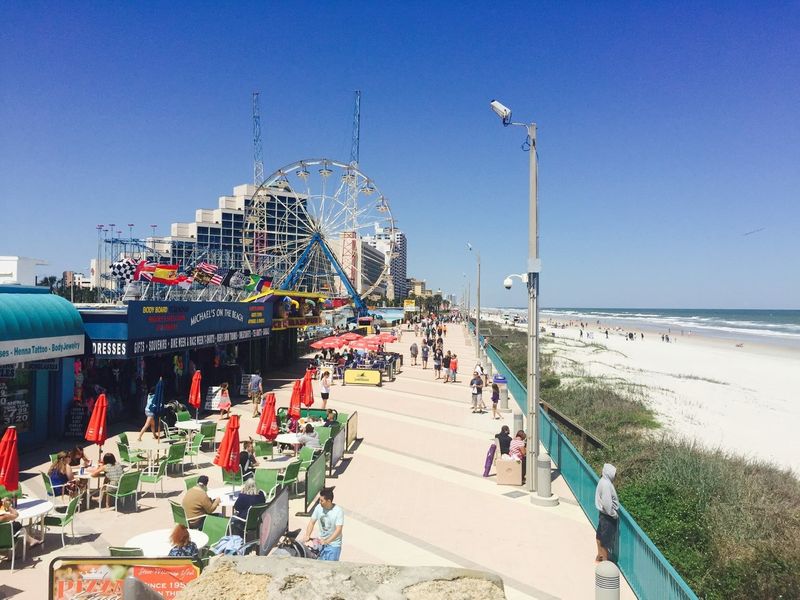
Energy pulses through Daytona Beach Boardwalk like nowhere else on A1A, as this iconic stretch combines classic beach town nostalgia with modern entertainment that keeps families busy for hours.
The boardwalk itself spans several blocks, lined with restaurants serving everything from fresh seafood to pizza, ice cream shops offering dozens of flavors, and gift stores selling souvenirs ranging from tasteful to delightfully tacky.
Street performers, musicians, and artists set up along the walkway, creating an ever-changing scene of entertainment that captures the carnival atmosphere beach boardwalks perfected decades ago.
Daytona Lagoon Waterpark rises adjacent to the boardwalk, featuring water slides that send riders plummeting down near-vertical drops, a lazy river for floating, and wave pools that simulate ocean swells.
The park also includes go-kart tracks where families race each other around curves and straightaways, adding friendly competition to the day’s adventures.
Mini golf courses with tropical themes provide entertainment for all ages, especially appreciated during the hottest afternoon hours when shade and slower-paced activities feel most appealing.
The beach itself allows cars to drive and park directly on the sand, a unique Daytona tradition that divides opinion but undeniably makes hauling coolers, chairs, and beach toys much easier.
Families set up camp near their vehicles, creating mini base camps complete with umbrellas, tents, and enough supplies for full-day beach sessions.
The wide, hard-packed sand that permits driving also makes this beach particularly accessible for people using wheelchairs or walkers.
Bike rentals along the boardwalk let families cruise the beachfront, feeling ocean breezes while covering more ground than walking allows.
As evening approaches, the boardwalk’s lights begin to glow, transforming the atmosphere into something magical that makes families linger just a little longer.
10. St. Augustine Lighthouse and Maritime Museum
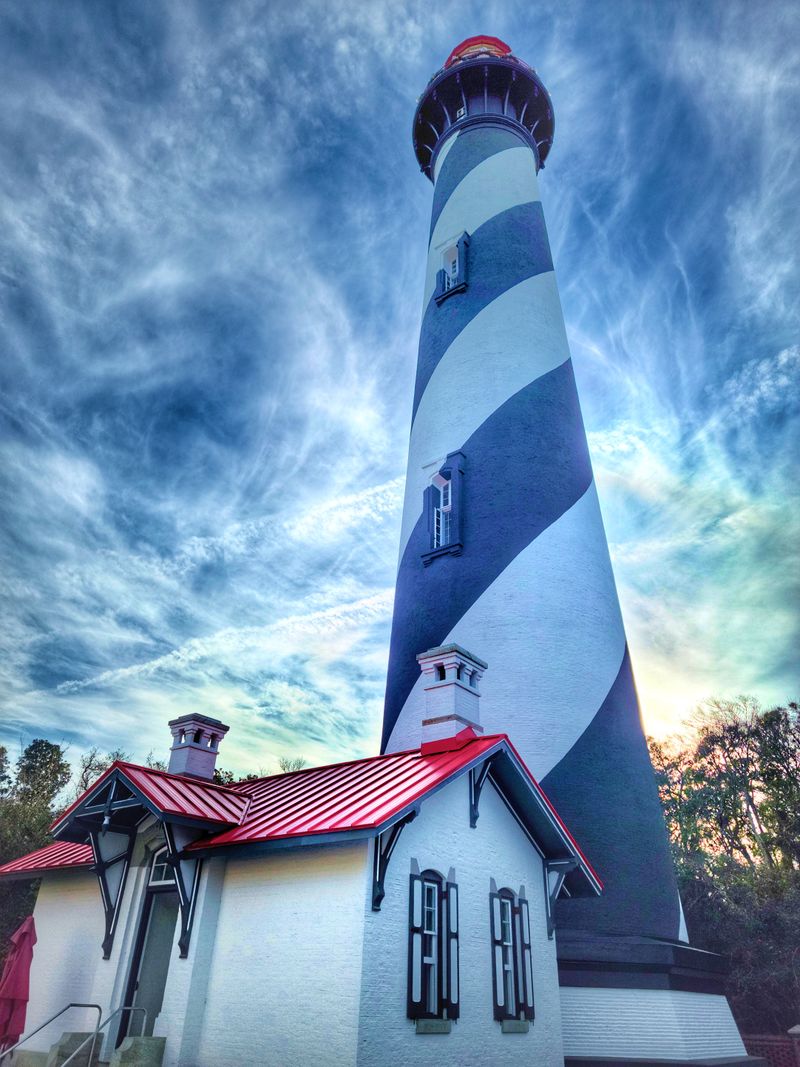
Rising 165 feet above the coastline, the St. Augustine Lighthouse has guided ships safely past dangerous shoals since 1874, and today it guides families toward one of Florida’s most rewarding historical attractions.
Climbing the 219 steps to the top tests leg muscles and determination, but the panoramic views from the observation deck make every step worthwhile.
From this height, St. Augustine spreads out in one direction while the Atlantic Ocean extends to the horizon in the other, creating vistas that help visitors understand why this location was chosen for a lighthouse.
Children count steps as they spiral upward through the tower’s interior, their voices echoing off brick walls that have stood firm through hurricanes, wars, and over a century of changing technology.
The lighthouse keeper’s house, restored to reflect life in the late 1800s, shows how families lived while maintaining this vital navigational aid.
Costumed interpreters share stories about the daily routines, challenges, and occasional dangers faced by keepers who climbed the tower multiple times each day to maintain the light.
The maritime museum contains fascinating exhibits about shipwrecks, navigation tools, and the evolution of lighthouse technology from oil lamps to modern automated beacons.
Hands-on displays let children try morse code, examine navigation charts, and learn how lighthouses saved countless lives by warning sailors away from treacherous coastlines.
Ghost stories swirl around the lighthouse, as several tragic deaths occurred here over the years, and some visitors claim to experience unexplained phenomena.
Whether you believe in spirits or not, the lighthouse’s history contains enough drama, tragedy, and heroism to captivate imaginations.
The grounds include a boat shed with restored vessels and archaeological exhibits revealing artifacts recovered from nearby waters.
Address: 100 Red Cox Drive, St. Augustine, Florida
11. Sebastian Inlet State Park
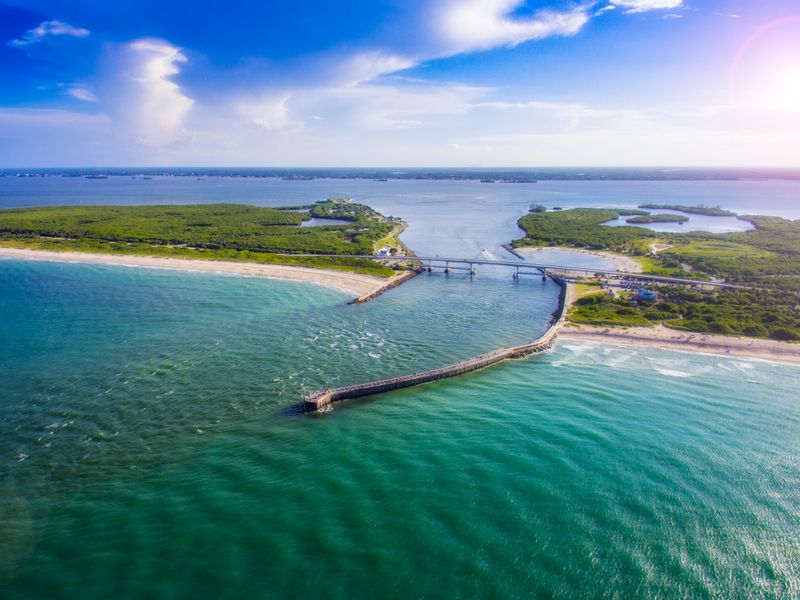
Sebastian Inlet State Park has earned legendary status among Florida surfers, as the inlet’s unique geography creates waves that break with remarkable consistency compared to Florida’s typically gentle surf.
Families spread across three miles of pristine beaches, where the Atlantic’s turquoise waters lap against white sand that squeaks underfoot.
The inlet itself cuts through the barrier island, creating strong currents that carry nutrients and baitfish, which in turn attract larger game fish that make this an angler’s paradise.
Fishing from the jetties or the Sebastian Inlet Bridge provides opportunities to catch snook, redfish, tarpon, and Spanish mackerel, with local tackle shops nearby offering advice, bait, and tall tales about the ones that got away.
Even families who don’t fish enjoy watching from the bridge as water rushes through the inlet with each tide change, creating swirling currents that demonstrate the ocean’s raw power.
The park’s location along an important sea turtle nesting area means summer visitors might witness these ancient creatures emerging from the waves to dig nests and deposit eggs.
Educational programs led by park rangers teach families about sea turtle conservation, the threats these endangered species face, and how humans can help protect them.
The McLarty Treasure Museum, located within the park, tells the story of a 1715 Spanish treasure fleet that sank during a hurricane, scattering gold and silver coins along this coastline.
Beachcombers still occasionally find coins or artifacts washing ashore, though most treasure has been recovered by professional salvagers over the decades.
Kayaking and paddleboarding in the calmer waters behind the barrier island offer peaceful alternatives to ocean swimming, with mangrove-lined channels perfect for spotting wildlife.
Camping facilities let families extend their stay, falling asleep to the sound of waves and waking to spectacular sunrises over the Atlantic.
Address: 9700 S Hwy A1A, Melbourne Beach, Florida
12. Key West
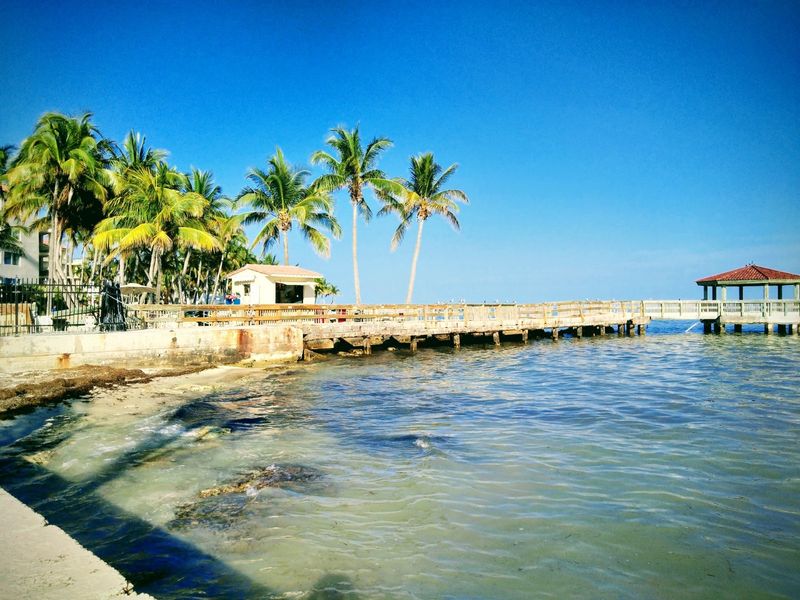
Reaching Key West feels like arriving at the end of the world, as this tiny island sits closer to Cuba than to Miami, surrounded by waters that shift from emerald to sapphire depending on depth and light.
The Overseas Highway’s final miles cross bridge after bridge, with ocean visible on both sides and the sense that civilization has been left far behind.
Key West’s compact size means families can explore much of the island on foot or by renting bicycles, pedaling past gingerbread houses painted in tropical colors that pop against brilliant blue skies.
Duval Street pulses with energy as the main thoroughfare, lined with shops selling everything from fine art to cheap T-shirts, restaurants serving fresh seafood, and bars where live music spills onto sidewalks.
The Ernest Hemingway Home and Museum draws literary fans and cat lovers alike, as dozens of six-toed feline descendants of Hemingway’s own cats lounge throughout the property like furry monarchs.
Tours of the house reveal where the famous author wrote some of his greatest works, surrounded by tropical gardens and the bohemian atmosphere that attracted artists and writers for generations.
Mallory Square’s nightly sunset celebration transforms into a street fair where jugglers, musicians, and performers entertain crowds gathered to watch the sun sink into the Gulf of Mexico.
Applause erupts as the last sliver disappears below the horizon, a ritual that connects strangers in appreciation of natural beauty.
Glass-bottom boat tours let families observe coral reefs and tropical fish without getting wet, perfect for younger children or anyone uncomfortable with snorkeling.
The southernmost point marker attracts tourists who wait in line to photograph themselves at this symbolic location, even though the actual southernmost point lies on restricted military property nearby.
Key West’s laid-back island culture encourages families to slow down, embrace flip-flop casualness, and remember that the journey matters as much as the destination.
Dear Reader: This page may contain affiliate links which may earn a commission if you click through and make a purchase. Our independent journalism is not influenced by any advertiser or commercial initiative unless it is clearly marked as sponsored content. As travel products change, please be sure to reconfirm all details and stay up to date with current events to ensure a safe and successful trip.
