Texas stretches across nearly 270,000 square miles, and within that vast expanse lie countless treasures that most travelers never discover.
While the Alamo, South Padre Island, and Austin’s Sixth Street draw millions each year, a quieter side of the Lone Star State beckons those willing to venture off the beaten path.
These are places where you can hike dramatic canyons without waiting in line, explore ancient rock art in solitude, and wander through historic towns where the only crowd might be a few friendly locals.
1. Big Bend National Park
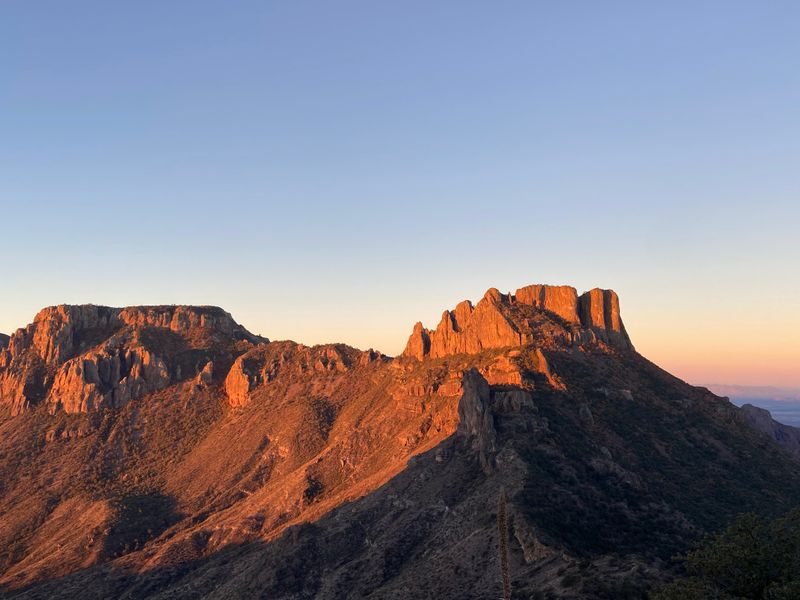
Vast and untamed, Big Bend National Park sprawls across 801,163 acres of the Chihuahuan Desert in far West Texas. Mountains rise sharply from the desert floor, the Rio Grande carves deep canyons through ancient limestone, and the night sky reveals more stars than most people see in a lifetime.
Despite its fame as one of America’s most spectacular national parks, Big Bend remains blissfully uncrowded due to its remote location, sitting roughly five hours from the nearest major city.
The park’s three distinct ecosystems create remarkable diversity. Desert lowlands host prickly pear and ocotillo, mountain zones shelter oak and pine forests, and the river corridor supports cottonwoods and willows.
Hiking trails range from easy riverside walks to challenging mountain ascents, with the South Rim Trail offering panoramic views that stretch into Mexico. The Chisos Basin, nestled in the heart of the mountains, provides a cool retreat from desert heat and serves as the starting point for many adventures.
Wildlife thrives in this protected wilderness. Roadrunners dart across highways, javelinas root through vegetation, and patient observers might spot mountain lions, black bears, or the park’s famous resident roadrunners.
Birdwatchers flock here to glimpse species found nowhere else in the United States, including the Colima warbler. Cell phone service is nearly nonexistent throughout the park, creating a rare opportunity to disconnect completely from the digital world and reconnect with nature’s rhythms.
The park’s isolation, which once made it a hideout for outlaws and revolutionaries, now makes it a sanctuary for those seeking solitude and wonder.
2. Marfa
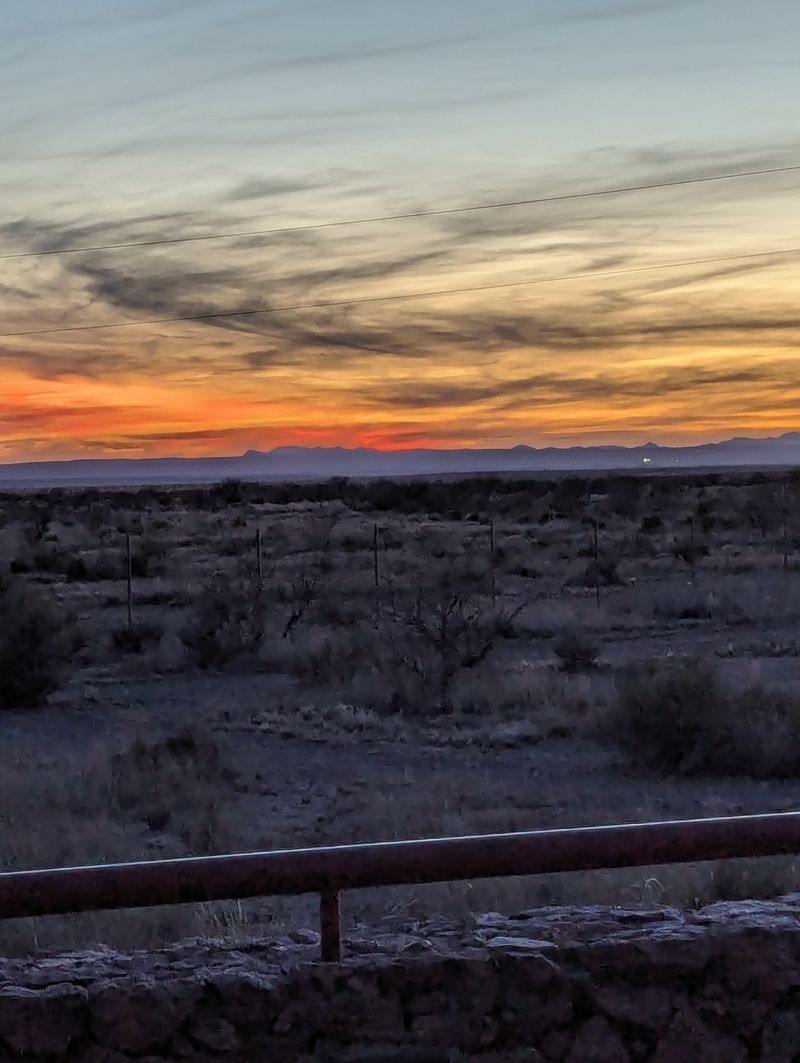
High desert plains surround this tiny town of fewer than 2,000 residents, where contemporary art galleries sit alongside historic adobe buildings.
Marfa transformed from a railroad water stop into an unlikely cultural destination when minimalist artist Donald Judd arrived in the 1970s and began converting military buildings into permanent art installations.
Today, the Chinati Foundation showcases large-scale works across former Fort D.A. Russell, yet the town maintains an unhurried atmosphere that contrasts sharply with typical tourist hotspots.
The landscape itself feels like art. Endless horizons stretch in every direction, interrupted only by distant mountains and the occasional windmill.
Sunsets paint the sky in shades of orange, pink, and purple that seem almost unreal. At night, visitors gather outside town hoping to witness the mysterious Marfa Lights, unexplained glowing orbs that have puzzled observers since the 1880s.
Whether natural phenomenon or something more mysterious, the lights add to the town’s enigmatic character.
Marfa’s creative community includes artists, writers, and filmmakers drawn by affordable space and inspiring surroundings. Small cafes serve locally roasted coffee, vintage shops offer carefully curated collections, and food trucks provide surprisingly sophisticated meals.
The restored Paisano Hotel, where the cast and crew of the film Giant stayed during production, stands as a reminder of the town’s Hollywood connection.
Despite its growing reputation, Marfa remains refreshingly low-key, with more antelope than people in the surrounding rangeland and a sense that time moves differently here than in the rest of the world.
3. Bastrop State Park
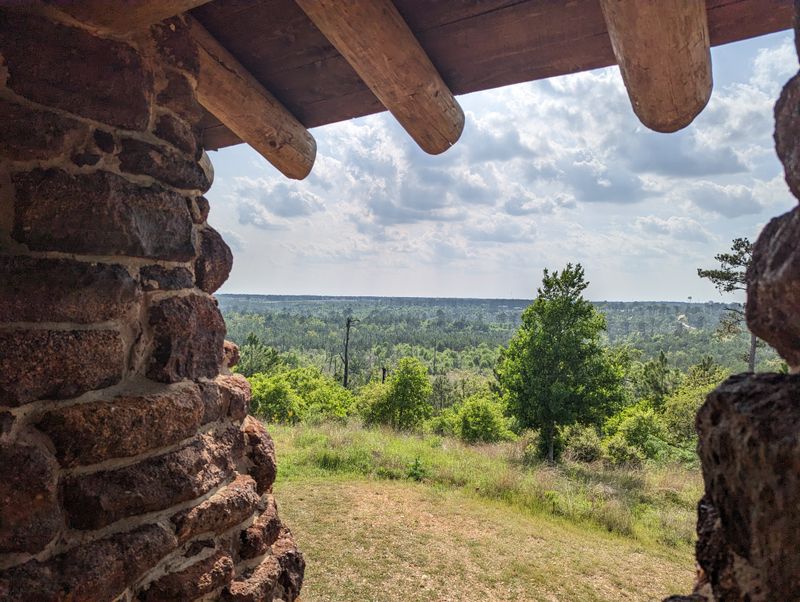
Ancient loblolly pines tower overhead, creating an unexpected forest landscape just 30 miles from Austin. Bastrop State Park protects one of the westernmost stands of these East Texas trees, which somehow established themselves here, isolated from their usual habitat by hundreds of miles of prairie.
The phenomenon has puzzled botanists for generations, making this 6,600-acre preserve both a natural mystery and a peaceful retreat from urban life.
Stone cabins built by the Civilian Conservation Corps during the 1930s nestle among the pines, their craftsmanship evident in every carefully placed rock. These structures, along with the park’s roads and trails, represent some of the finest Depression-era public works projects in Texas.
Hikers can explore over 12 miles of trails that wind through pine forest, post oak groves, and juniper thickets. The terrain rolls gently, making most trails accessible to families, while longer loops challenge those seeking more distance.
A devastating wildfire swept through the park in 2011, consuming over 96 percent of the forest. What could have been a tragedy has become a remarkable story of recovery and resilience.
Young pines now grow thick across the hillsides, wildlife has returned in abundance, and the park demonstrates nature’s incredible ability to heal. Visitors today can witness this regeneration firsthand, walking through areas where blackened trunks stand among vibrant new growth.
The park’s swimming pool, fed by artesian wells, offers refreshment after hiking, and its relatively modest visitor numbers mean you’ll often have trails largely to yourself, even on weekends when more famous Texas destinations feel overcrowded.
Address: 100 Park Road 1A, Bastrop, Texas
4. Hueco Tanks State Historic Site
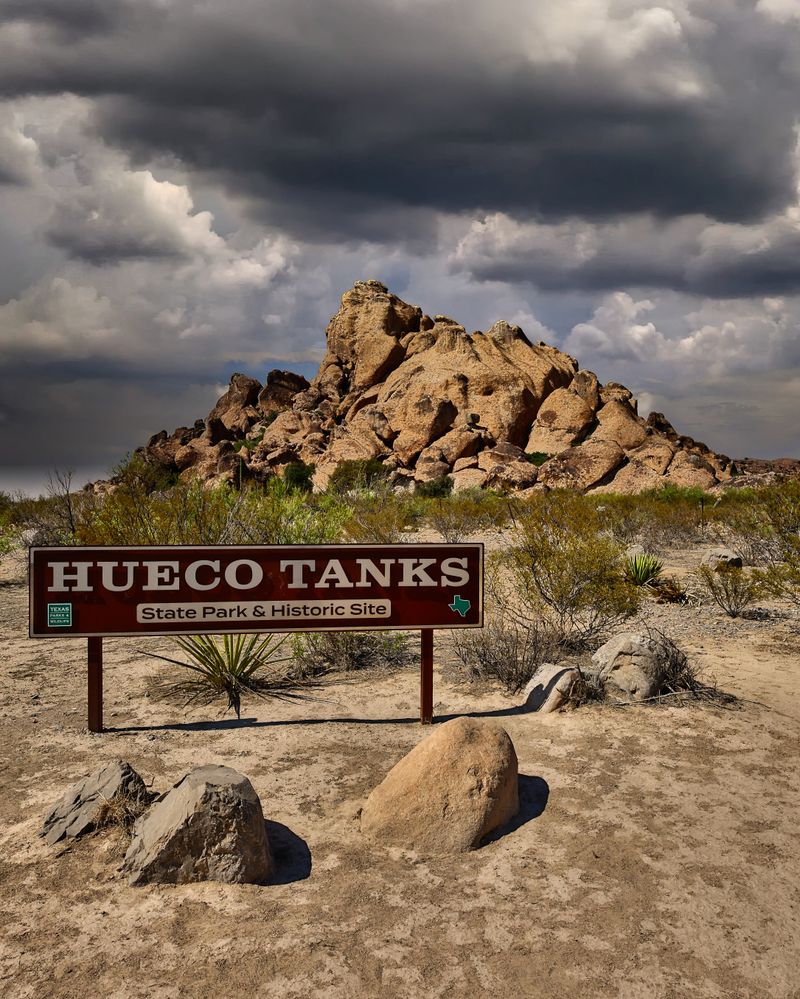
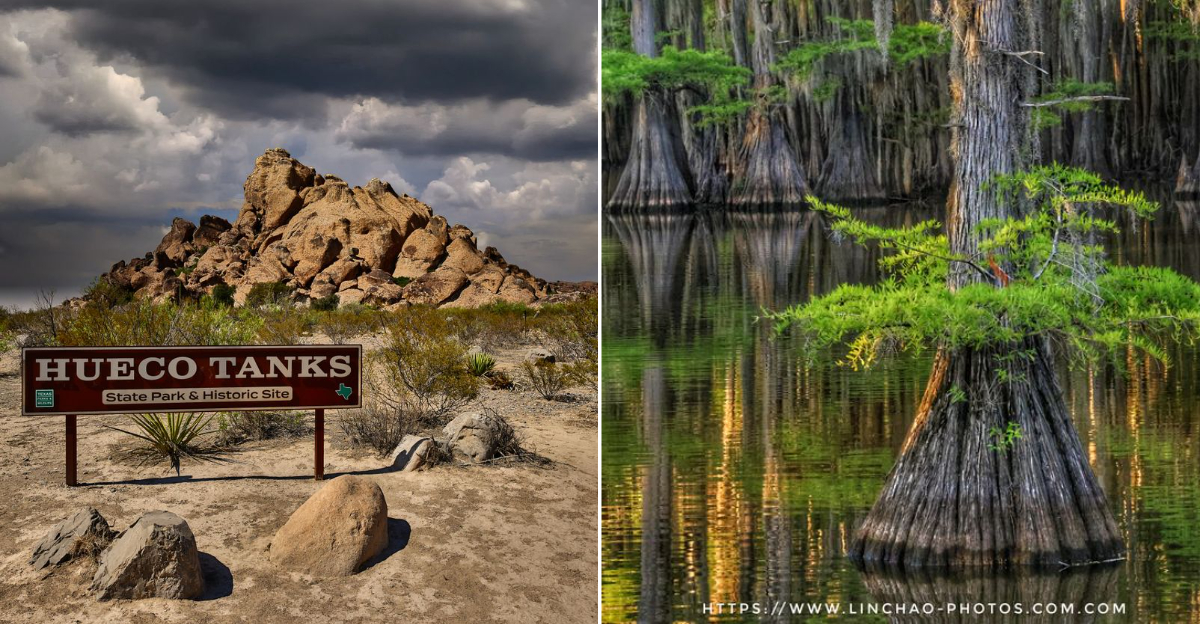
Massive granite boulders rise from the Chihuahuan Desert floor like ancient monuments, their surfaces decorated with thousands of pictographs created over millennia.
Hueco Tanks takes its name from the natural rock basins that collect rainwater, making this site a crucial stopping point for travelers throughout history.
Native peoples, Spanish explorers, and westward-bound settlers all left their marks here, creating one of North America’s most significant collections of rock art.
The pictographs tell stories in red, black, yellow, and white pigments. Shamanic figures, geometric patterns, animal images, and mysterious symbols cover protected rock faces throughout the site.
Some paintings date back over 3,000 years, while others were added by Apache groups in more recent centuries. The most famous image, a mask-like face painted by the Jornada Mogollon people, has become an icon of Southwest archaeology.
Guided tours provide access to the most significant panels while protecting these irreplaceable cultural resources from damage.
Rock climbers discovered Hueco Tanks in the 1980s, recognizing its world-class bouldering opportunities. The unique rock formations create thousands of challenging problems, and the site has influenced climbing technique and style worldwide.
To protect both the rock art and the natural environment, the park limits daily visitors and requires reservations for most areas. This careful management means you’ll explore these remarkable landscapes in small groups, with plenty of opportunity to appreciate the site’s spiritual and historical significance.
Address: 6900 Hueco Tanks Rd No 1, El Paso, Texas.
5. Caddo Lake State Park
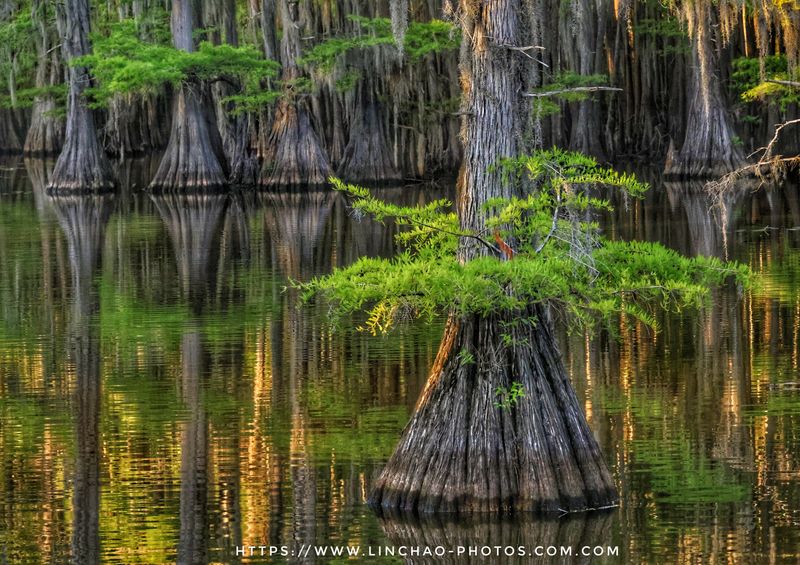
Cypress trees draped in Spanish moss rise from dark waters, their knobby knees breaking the surface like wooden sculptures. Caddo Lake straddles the Texas-Louisiana border, creating a maze of bayous, sloughs, and channels that feels more like the Deep South than typical Texas landscapes.
This is the only naturally formed lake in Texas, created by a massive logjam on the Red River, and it supports an ecosystem found nowhere else in the state.
Paddling through Caddo Lake feels like entering another world. Narrow waterways wind between cypress trunks, sunlight filters through the canopy in golden shafts, and the only sounds are bird calls and paddle strokes.
The lake’s complex geography can disorient newcomers, but that’s part of its charm. Alligators sun themselves on logs, great blue herons stalk the shallows, and river otters play in the channels.
More than 70 species of fish inhabit these waters, making it a fishing paradise for those who know where to look.
The state park occupies just a small portion of the lake’s 26,810 acres, offering camping, hiking trails, and canoe rentals. Historic structures include a 1930s bathhouse and stone pavilion built by the Civilian Conservation Corps.
Local legends speak of steamboats that once navigated these waters, of oil booms and busts, and of the lake’s mysterious formation. Despite being one of Texas’s most unique natural features, Caddo Lake remains relatively unknown to travelers, who tend to focus on the state’s more famous attractions.
This obscurity preserves the lake’s wild character and ensures that those who make the journey to Texas’s far northeastern corner can experience its magic without competing with crowds.
Address: 245 Park Rd 2, Karnack, Texas
6. Palo Duro Canyon State Park
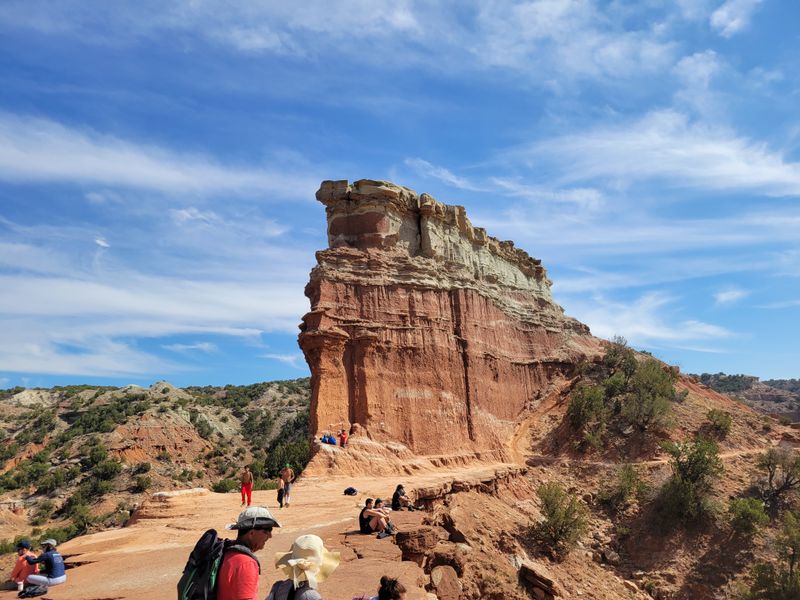
The earth suddenly drops away, revealing a gash in the High Plains that stretches 120 miles long and plunges 800 feet deep. Palo Duro Canyon, the second-largest canyon system in the United States, surprises first-time visitors who expect Texas to be flat and featureless.
Layers of red, orange, yellow, and white rock tell a geological story spanning 250 million years, while the Prairie Dog Town Fork of the Red River continues carving the canyon deeper with each passing century.
Spanish explorers named it Palo Duro, meaning hardwood, for the juniper and mesquite trees growing along the canyon floor. These early visitors marveled at the landscape, as do modern travelers who wind down the canyon’s steep access road.
The Lighthouse, a distinctive rock formation rising 310 feet from the canyon floor, serves as the park’s most recognizable landmark. A moderately challenging trail leads to its base, offering spectacular views and photo opportunities that capture the canyon’s immense scale.
Outdoor enthusiasts find endless opportunities here. Over 30 miles of trails accommodate hikers, mountain bikers, and equestrians, ranging from easy nature walks to strenuous rim-to-river routes.
The canyon’s protected environment supports diverse wildlife, including roadrunners, wild turkeys, mule deer, and occasional bobcats. Summer evenings bring the outdoor musical drama TEXAS, performed in the canyon’s natural amphitheater since 1966.
Despite being Texas’s second-most-visited state park, Palo Duro’s vast size means you can easily find solitude on less-traveled trails or at remote overlooks where the only sounds are wind and birdsong echoing off ancient canyon walls.
7. Balmorhea State Park
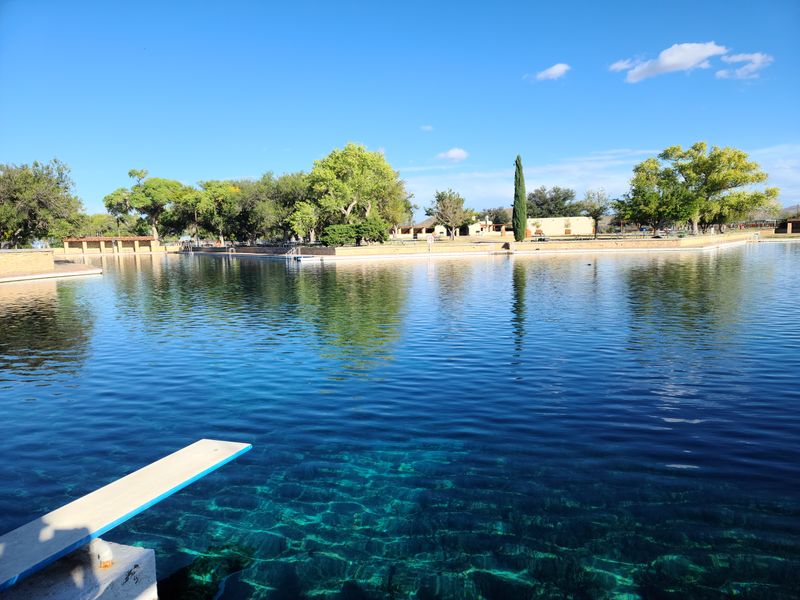
Crystal-clear water bubbles up from the desert floor at a rate of 15 million gallons per day, filling what may be the world’s largest spring-fed swimming pool. Balmorhea State Park, located in the remote Trans-Pecos region, offers an oasis experience that feels almost magical in the arid West Texas landscape.
The pool measures 1.75 acres and maintains a constant temperature of 72 to 76 degrees year-round, providing refreshing relief from summer heat and surprisingly comfortable swimming even in winter months.
The Civilian Conservation Corps constructed this remarkable facility during the 1930s, using native stone and concrete to create a swimming area that blends seamlessly with the natural environment. Water flows continuously through the pool, keeping it clean without harsh chemicals and creating habitat for native fish species.
Snorkelers and scuba divers explore the pool’s depths, observing Comanche Springs pupfish and Mexican tetras in their natural habitat. The endangered pupfish exists nowhere else on Earth, making every swim here a chance to witness rare biodiversity.
San Solomon Springs, the source of Balmorhea’s water, has supported life in this desert region for thousands of years. Native peoples camped here, Spanish explorers refreshed their horses, and early settlers established farms using the spring’s reliable flow.
Today, the park preserves this heritage while providing recreational opportunities. Campsites shaded by cottonwood and pecan trees offer peaceful overnight stays, and the small park rarely feels crowded despite its unique attractions.
The surrounding desert landscape invites exploration, with nearby Davis Mountains providing dramatic scenery and additional hiking opportunities. Address: 9207 TX-17, Toyahvale, Texas.
8. McKinney Roughs Nature Park
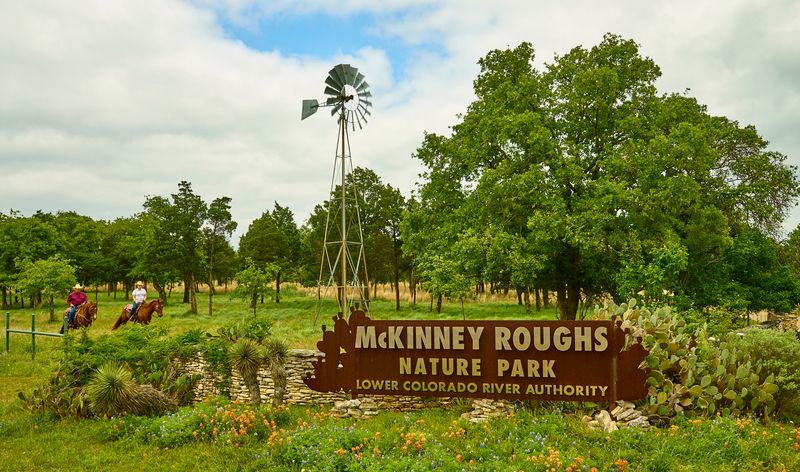
Where the Colorado River bends through Central Texas, a 1,100-acre preserve protects six distinct ecosystems within a remarkably small area.
McKinney Roughs Nature Park showcases the biological diversity that makes the Texas Hill Country special, from river bottomland to limestone bluffs to oak-juniper woodlands.
Trails wind through these varied landscapes, offering experiences that change dramatically within just a few hundred yards of walking.
The park takes its name from Thomas McKinney, an early Texas colonist, and the rough, rocky terrain that characterizes much of the property. Over nine miles of trails provide options for hikers, trail runners, mountain bikers, and equestrians.
Some paths follow the river, where towering sycamores and pecans create shaded corridors, while others climb to high overlooks offering views across the river valley.
Spring brings wildflowers in abundance, including bluebonnets, Indian paintbrush, and delicate orchids that thrive in the preserve’s protected environment.
The Colorado River itself provides additional recreation opportunities. Kayakers and canoeists paddle gentle stretches of water, fishing enthusiasts cast for bass and catfish, and naturalists scan the riverbanks for wildlife tracks and bird species.
The park’s education programs introduce visitors to the region’s natural and cultural history, including the area’s significance to Native peoples and early settlers. Despite being located just 25 miles from Austin, McKinney Roughs maintains a peaceful atmosphere that contrasts sharply with the city’s bustling energy.
Weekend visitors might encounter a few fellow trail users, but the park’s extensive trail system ensures you’ll have plenty of opportunities for quiet contemplation among ancient oaks and limestone outcrops.
Address: 1884 State Hwy 71 West, Cedar Creek, Texas
9. Seminole Canyon State Park
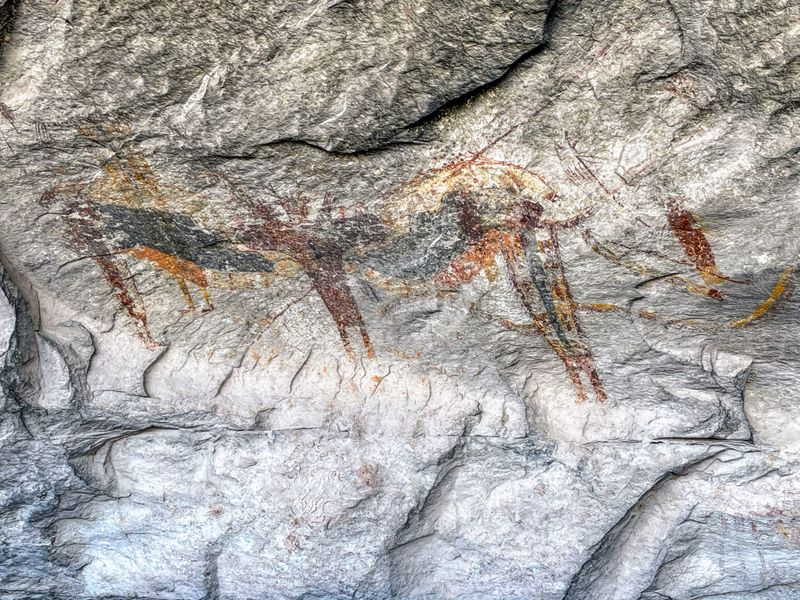
Ancient artists climbed these canyon walls thousands of years ago, leaving behind some of the oldest and most mysterious rock art in North America.
Seminole Canyon State Park protects these irreplaceable pictographs while offering visitors a chance to explore the rugged landscape of the Lower Pecos River region.
The canyon itself cuts deep into the limestone terrain, creating dramatic cliffs and sheltered overhangs where prehistoric peoples lived and created their enduring artworks.
The Fate Bell Shelter houses the park’s most accessible rock art, reached via a guided tour that descends into the canyon. Paintings in red, yellow, black, and white cover the shelter’s walls, depicting shamanic figures, animals, geometric patterns, and scenes whose meanings remain debated by archaeologists.
Some images date back over 4,000 years, making them older than the Egyptian pyramids. The artists used minerals and organic materials to create pigments that have survived millennia of exposure, a testament to both their skill and the shelter’s protective qualities.
Beyond the rock art, the park offers hiking trails that explore the canyon’s ecology and geology. Desert plants including lechuguilla, sotol, and various cacti thrive in the arid environment, while the canyon bottom supports more diverse vegetation near seasonal water sources.
The visitor center provides context for the region’s human and natural history, helping visitors understand the significance of what they’re seeing.
Seminole Canyon’s remote location in Val Verde County means it receives far fewer visitors than more accessible Texas parks, creating an opportunity to experience these ancient sites in relative solitude and contemplate the lives of the people who called these canyons home long before recorded history.
Address: US-90, Comstock, Texas
10. Neches River National Wildlife Refuge
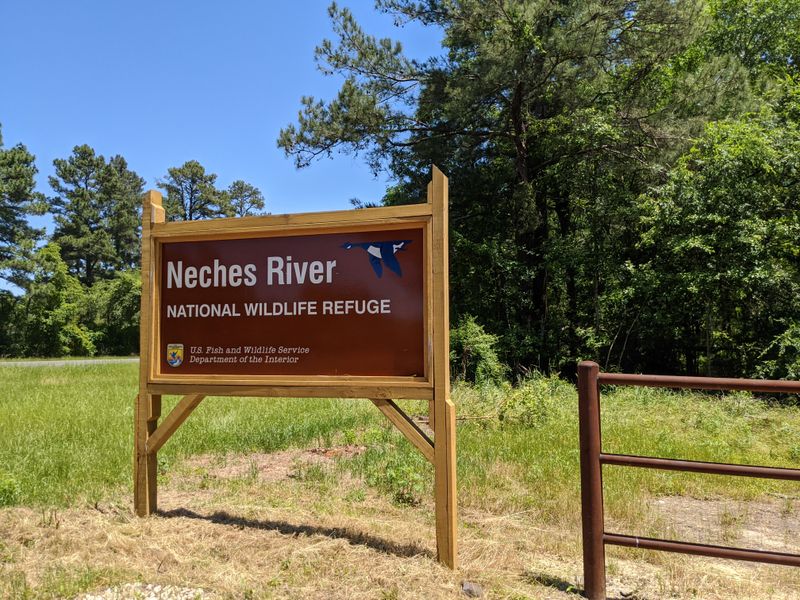
Bottomland hardwood forests line the river’s edge, creating a green corridor through East Texas that supports remarkable biodiversity. Neches River National Wildlife Refuge protects 7,000 acres along the upper Neches River, preserving habitat for migratory birds, native fish, and countless other species.
This is the Texas that existed before extensive development, a landscape of oxbow lakes, cypress sloughs, and towering trees that floods seasonally and teems with life.
Established in 2006, the refuge represents a successful conservation effort to protect one of Texas’s most important river systems. The Neches flows 416 miles from its headwaters to the Gulf of Mexico, and this protected stretch showcases the river’s ecological significance.
Bald eagles nest here in winter, their white heads visible in the tallest trees. Wading birds including herons, egrets, and ibis stalk the shallows.
Alligators sun themselves on muddy banks, and river otters leave their tracks along the water’s edge.
Access to the refuge is limited, which helps maintain its wild character. Canoe and kayak trips offer the best way to experience the refuge, paddling through narrow channels beneath overhanging branches.
The water runs dark with tannins, stained by decaying vegetation, creating reflections that double the forest’s beauty. Fishing for bass, catfish, and sunfish attracts anglers who appreciate the refuge’s pristine conditions.
Few hiking trails exist, but those that do wind through forest that feels primeval and untouched.
The refuge’s location near Jacksonville places it off the radar of most Texas travelers, who tend to focus on Hill Country or coastal destinations, ensuring that this remarkable ecosystem remains a peaceful sanctuary for both wildlife and the few humans who make the effort to visit.
Address: Jacksonville, Texas
Dear Reader: This page may contain affiliate links which may earn a commission if you click through and make a purchase. Our independent journalism is not influenced by any advertiser or commercial initiative unless it is clearly marked as sponsored content. As travel products change, please be sure to reconfirm all details and stay up to date with current events to ensure a safe and successful trip.
