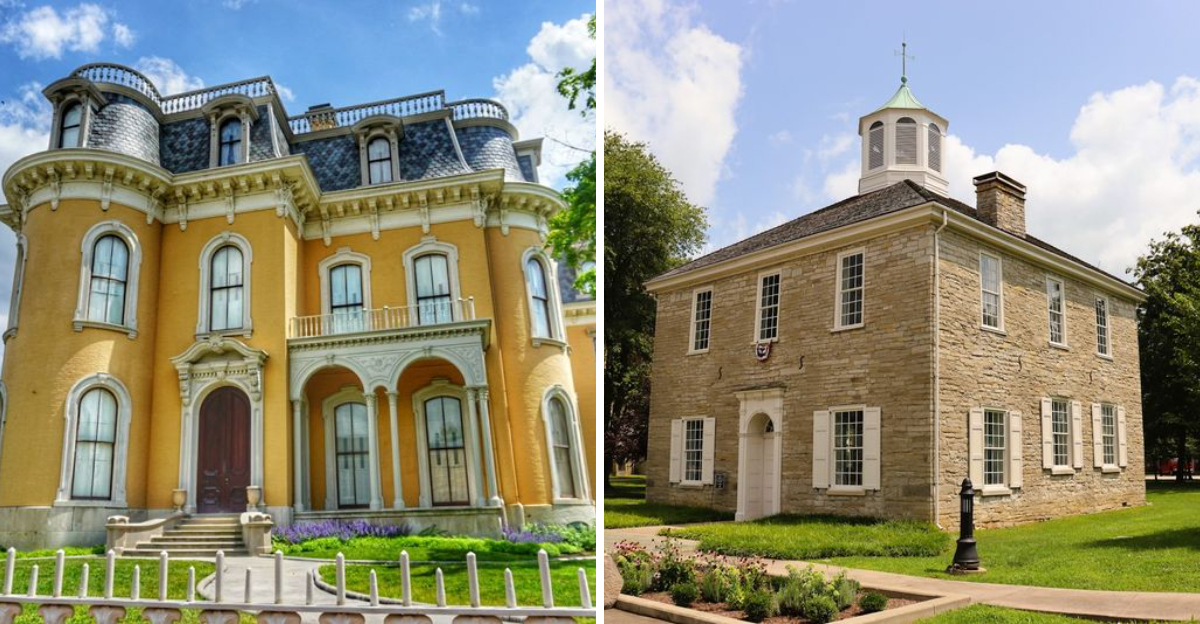
Think you know Indiana? Its historic landmarks might have a few surprises for you.
Scattered across the state are preserved buildings, remarkable estates, historic settlements, and sites connected to people and events that helped shape local communities. Some are grand and unmistakable, while others look surprisingly ordinary until you learn what happened there.
Together, they offer a fascinating way to experience the state’s past without opening a textbook.
From architectural treasures to places tied to important moments in American history, these ten landmarks are worth adding to your list, especially if you have lived nearby but never taken the time to explore them.
1. Soldiers and Sailors Monument in Indianapolis
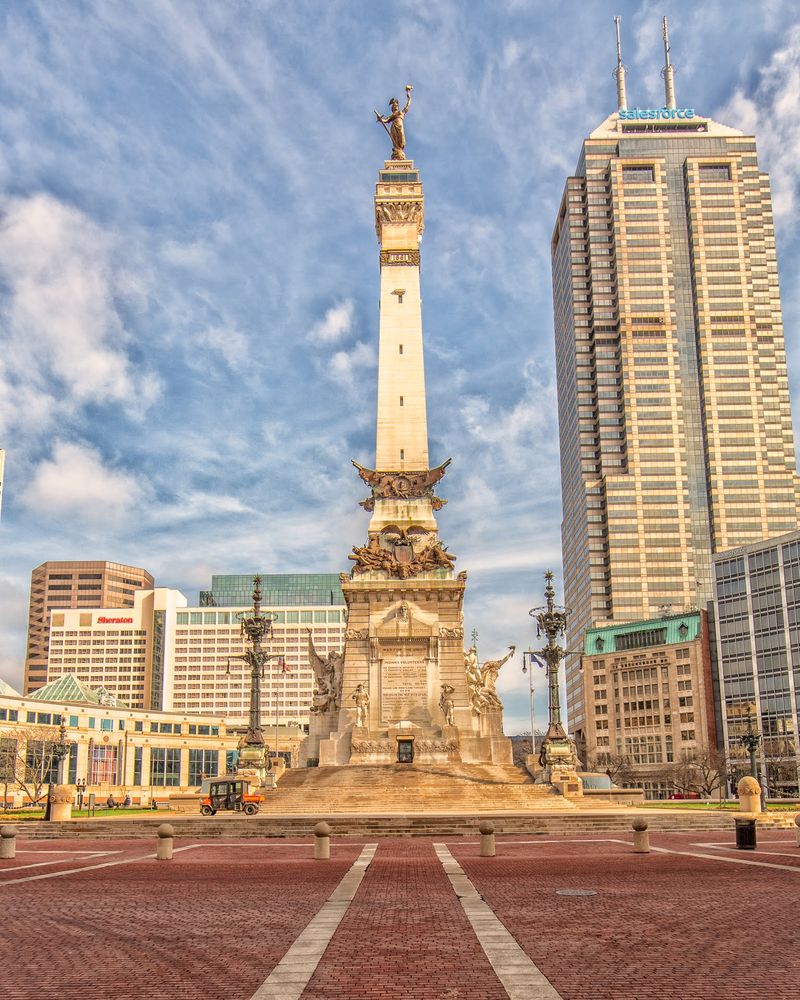
My neck still aches a little every time I visit, because I cannot stop looking up. The limestone shaft climbs nearly 285 feet into the sky, which puts it only slightly shorter than the Statue of Liberty.
Dedicated in 1902, it holds a distinction that surprises most people. It was the first monument in the country built to honor the common soldier rather than a famous general.
Sculptor Rudolf Schwarz carved the dramatic scenes of war and peace that wrap around the base, and the details reward slow looking. Bronze figures, rushing water, and weathered stone all compete for attention at once.
Inside, an observation deck waits at the top. I always tell friends to make the climb, or ride if the elevator is running, because the view across the city puts the whole downtown grid into perspective in a way no photo manages.
Below the monument sits a museum devoted to Civil War history, tucked underground where most passersby never think to look. It is quieter down there, and the shift in mood is striking.
Come back after dark during the seasonal light presentation, when projections and music transform the stonework into something almost theatrical. Locals gather on the steps, traffic circles slowly around, and the whole scene feels wonderfully alive.
Address: Monument Circle, Indianapolis, IN
2. Corydon Capitol State Historic Site
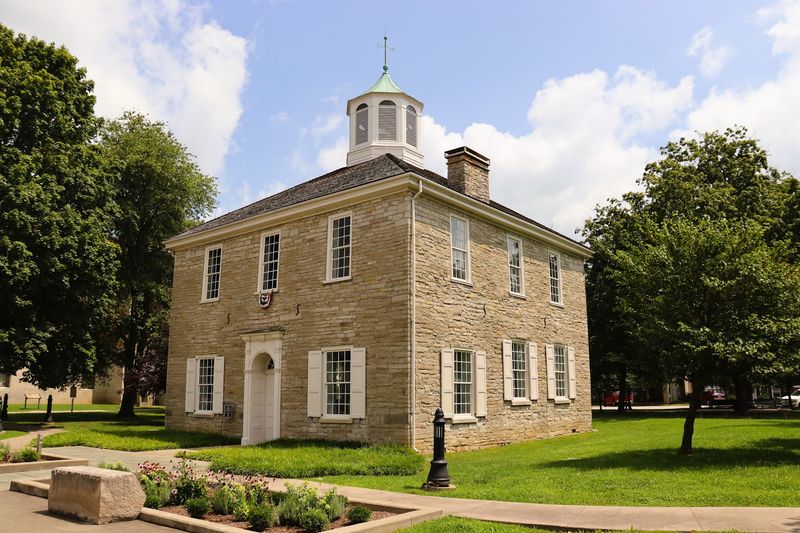
Honestly, the building is smaller than I expected, and that is exactly what makes it special. Indiana’s entire state government once operated out of a modest limestone box built between 1814 and 1816.
Lawmakers wrote our first constitution here, and this served as the seat of government from statehood in 1816 until the capital moved north in 1825. Standing in those plain rooms, the beginnings of Indiana feel remarkably human sized.
The floors creak. The windows are wavy old glass.
Nothing about it feels staged, which I appreciate more than polished displays.
Guides share details about the debates that shaped early Hoosier law, including the arguments over where the capital should eventually sit. Those conversations decided a lot about how our state grew.
Beyond the capitol itself, the site includes other surviving structures from those years. The Governor’s Headquarters served as the home of Governor Hendricks between 1822 and 1825, and its rooms give a sense of daily life for frontier leadership.
The surrounding town rewards a wander afterward, with old storefronts and shaded sidewalks that make an easy afternoon. I usually end up circling the square twice, just enjoying the pace.
For anyone curious about where Indiana actually began, this is the starting line, and it costs nothing but time to appreciate it.
Address: 200 N Capitol Ave, Corydon, IN 47112
3. Lincoln Boyhood National Memorial
Fourteen years. That is how long Abraham Lincoln lived on this southern Indiana farm, arriving as a seven year old boy and leaving at twenty one.
The stretch between 1816 and 1830 shaped him more than most people realize, and the memorial protects the actual ground where it happened. Woods press in close, and the air carries that damp leaf smell common to Indiana hollows.
His mother, Nancy Hanks Lincoln, is buried here. I find myself lingering at the gravesite longer than planned every single time, thinking about how much loss he absorbed before adulthood.
Over at the Living Historical Farm, rangers in period clothing tend crops, care for animals, and work a cabin recreation built to reflect 1820s frontier life. Woodsmoke usually hangs in the air, and the whole scene feels lived in rather than performed.
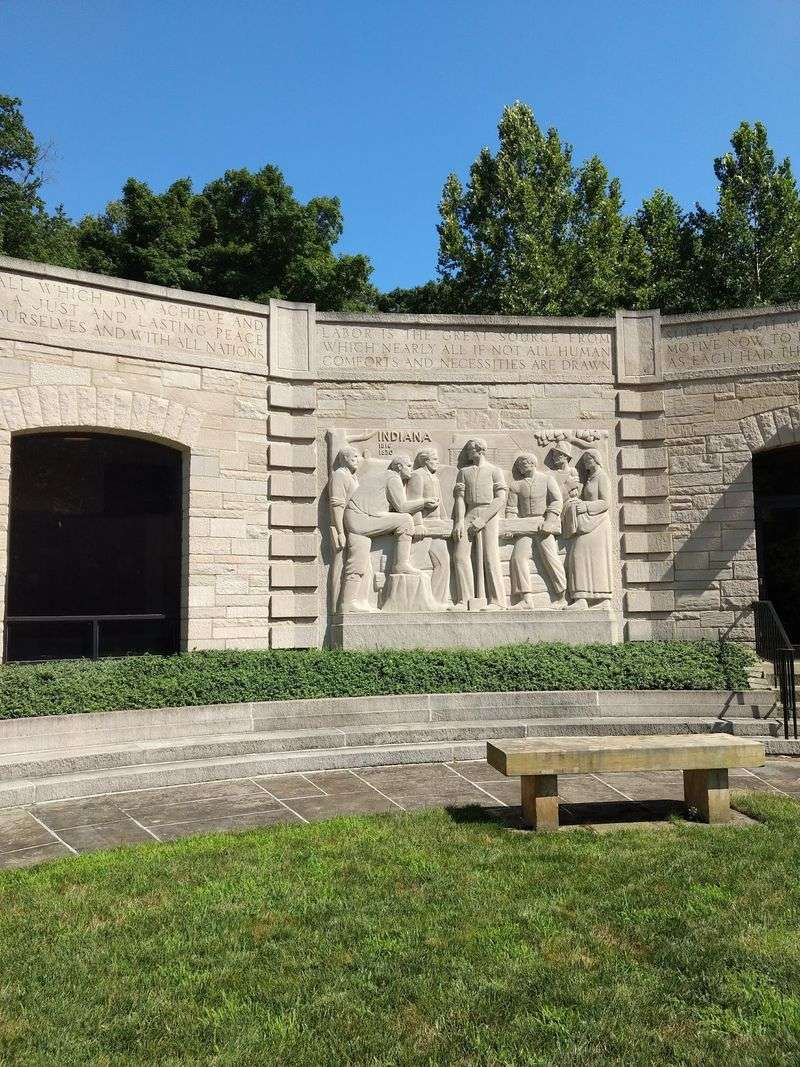
The Visitor Center screens an orientation film and holds exhibits worth an unhurried walk. Outside, five sculpted limestone panels illustrate scenes from Lincoln’s life, and the carving quality genuinely impressed me.
Trails connect everything, including a path toward the nearby state park. Bring comfortable shoes and plan for a couple of hours minimum.
What sticks with me is how ordinary the setting looks, and how extraordinary the person who grew up in it became.
Address: 3027 East South Street, Lincoln City, IN 47552
4. Mounds State Park in Anderson
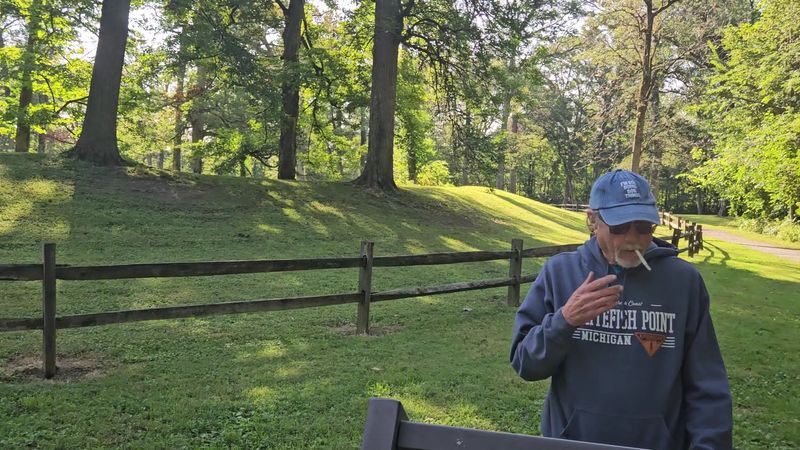
Quiet is the first thing I notice here, the kind of hush that makes you lower your voice without deciding to. Ten ancient earthworks sit inside this park east of Anderson, built by the Adena and later Hopewell peoples.
The Great Mound dates back roughly to 160 B.C., which is a number that takes a moment to sink in. That circle of earth was shaped before the Roman Empire existed.
Researchers believe these structures served ceremonial purposes, and that some align with celestial events including the summer and winter solstices. A calendar made of soil and careful observation, essentially.
Trails loop through wooded ravines and along the White River, so the walking is pleasant even if you came only for the history. Wildflowers show up in spring, and fall turns the whole ridge gold.
The Nature Center adds context with wildlife displays and hands on activities, which makes it an easy stop with kids in tow. Staff there often point out details on the mounds you would otherwise walk right past.
My advice is simple. Go on a weekday morning, walk slowly, and give yourself a minute at the top of the Great Mound before moving on.
Few places in Indiana connect you to such deep time.
Address: 4306 Mounds Road, Anderson, IN 46017
5. Angel Mounds State Historic Site
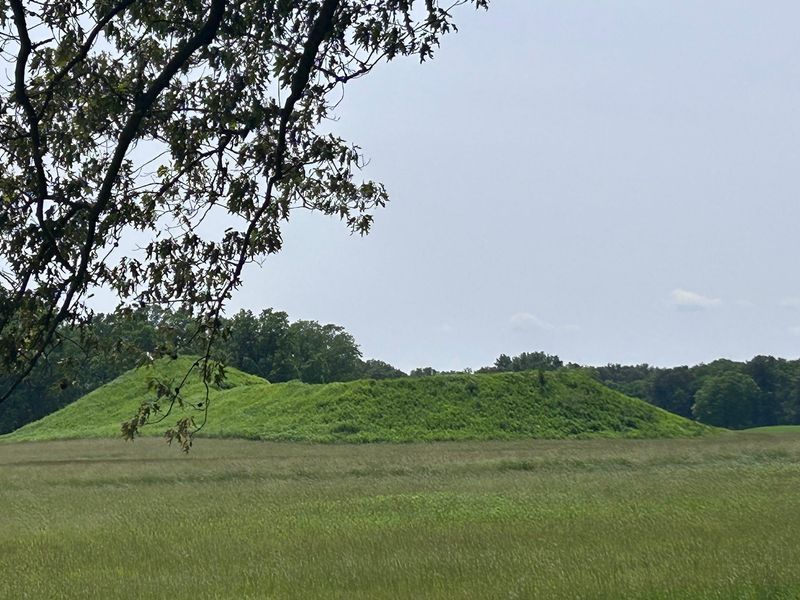
Picture a bustling town of several hundred people, thriving along the Ohio River centuries before anyone drew a map of Indiana. That was reality here between roughly 1000 and 1450 A.D.
Angel Mounds ranks among the best preserved Mississippian settlements anywhere in the United States, and eleven earthen mounds still rise from the flat riverside ground. The largest ones once elevated important buildings above the rest of the community.
Walking the outdoor trails is my favorite part. Reconstructed wattle and daub houses show how homes were framed with saplings and packed with clay, and the craftsmanship makes the past feel practical rather than distant.
Interpretive displays highlight farming, trade, and social structure, while making room for the voices of Native nations connected to this heritage today. That perspective matters, and I noticed how thoughtfully it is handled.
Mound alignments track celestial events, another reminder that these builders were skilled observers of the sky. Nothing about the layout happened by accident.
Summer heat can be intense on the open grounds, so water and a hat are smart companions. Early morning visits work best.
What I carry home from Angel Mounds is scale. A whole civilization flourished on this riverbank, and the evidence is still under our feet.
Address: 8215 Pollack Ave, Evansville, IN 47715
6. George Rogers Clark National Historical Park
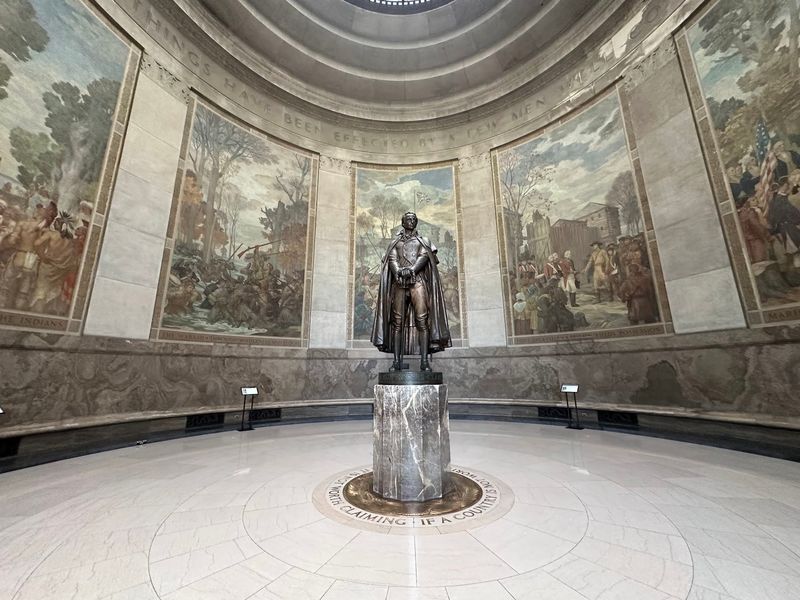
Sixteen granite columns, one enormous rotunda, and a story about soldiers wading through freezing floodwater. That combination hooked me immediately.
The memorial honors Colonel George Rogers Clark and his capture of Fort Sackville from the British in 1779, a victory during the Revolutionary War that helped secure American claims to the frontier territory. Completed in 1931, the classical temple sits on the very ground where the siege unfolded.
Inside, enormous murals wrap the walls, and the acoustics turn every footstep into an echo. I ended up whispering, though nobody asked me to.
At the Visitor Center, the orientation film called Long Knives walks through the winter march across flooded Illinois country. Hearing the details of that campaign makes the memorial outside land differently.
French residents of the settlement played a real role in supporting Clark’s men, a part of the story that deserves more attention than it usually gets. Exhibits cover it well.
Outside, landscaped lawns slope toward the Wabash River, and benches invite a slower pace. On breezy afternoons the whole area feels like a park more than a monument.
Vincennes packs a surprising amount of early history into a small area, and this stop anchors all of it. Give yourself at least ninety minutes.
Address: 401 South 2nd Street, Vincennes, IN 47591
7. Grouseland, Home of William Henry Harrison
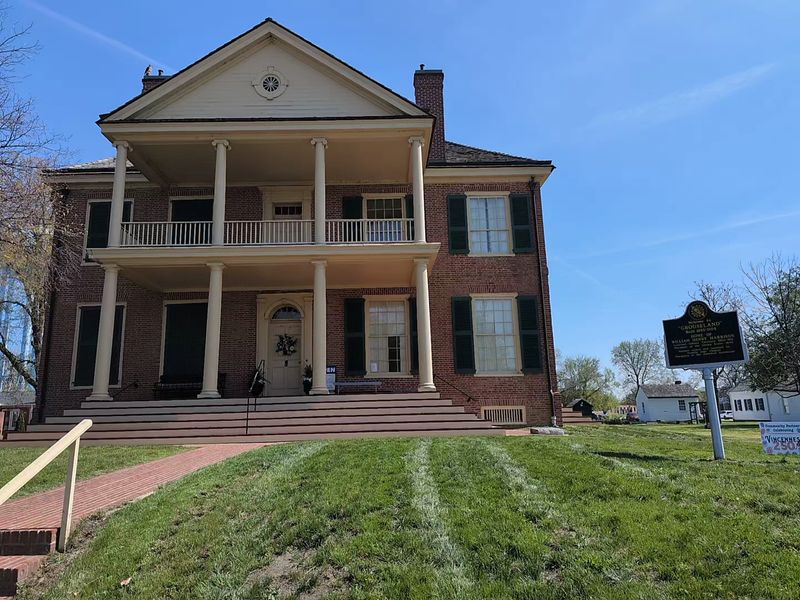
A brick mansion on the frontier sounds like a contradiction, and in 1804 it basically was. Most neighbors lived in log structures while this elegant Federalist home went up between 1802 and 1804.
William Henry Harrison built it while serving as the first governor of the Indiana Territory, long before he became the ninth president. Architect William Lindsay designed a house meant to impress visitors and reassure officials back east.
Original Harrison family pieces fill the restored rooms, including his writing desk and the dining table where guests once gathered. Seeing actual objects rather than reproductions changes the experience completely.
Meriwether Lewis and William Clark passed through these rooms. Treaty negotiations with Native leaders also took place on the grounds, discussions that carried enormous consequences.
Defensive features are woven into the design, since the territory was often tense. A stockade once surrounded the property, and thick walls served purposes beyond decoration.
I found the upstairs rooms particularly interesting, partly because the ceilings and window views suggest how the family actually lived rather than how they entertained.
Tours run at a comfortable pace, and guides handle tough historical topics honestly. Pair a visit here with the Clark memorial nearby for a full afternoon of early territorial history.
Address: 3 W. Scott Street, Vincennes, IN 47591
8. Benjamin Harrison Presidential Site
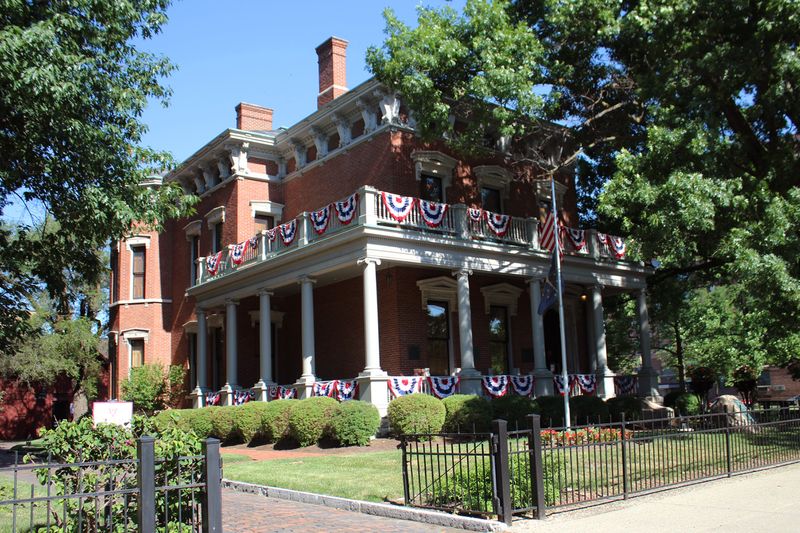
Here is the detail that stopped me cold. Somewhere between 75 and 80 percent of the furnishings inside belonged to the Harrison family themselves.
Built in 1875, this Italianate Victorian home housed Benjamin Harrison, the only United States president Indiana has produced. Guided tours cover three floors and ten rooms, and the guides genuinely enjoy their material.
Original artwork, personal belongings, and family furniture fill the space, so rooms feel occupied rather than staged. I kept noticing small things, like books left as if someone stepped out.
When it was constructed, the house included running water and an unusual number of light fixtures, luxuries that neighbors would have found remarkable. Indiana limestone appears throughout the construction.
The reconstructed carriage house now welcomes visitors and hosts rotating exhibits. Topics range from presidential pets to historic fashion, which keeps repeat visits interesting.
Special programming fills the calendar too, including candlelight theatre performances and a croquet event on the lawn that sounds delightfully old fashioned. Locals treat it as a neighborhood fixture.
The surrounding Old Northside district makes for a lovely stroll afterward, lined with grand houses and mature trees.
For anyone who thinks presidential history belongs only to Washington, an hour inside this Indianapolis home makes a convincing argument otherwise.
Address: 1230 North Delaware Street, Indianapolis, IN 46202
9. Culbertson Mansion State Historic Site
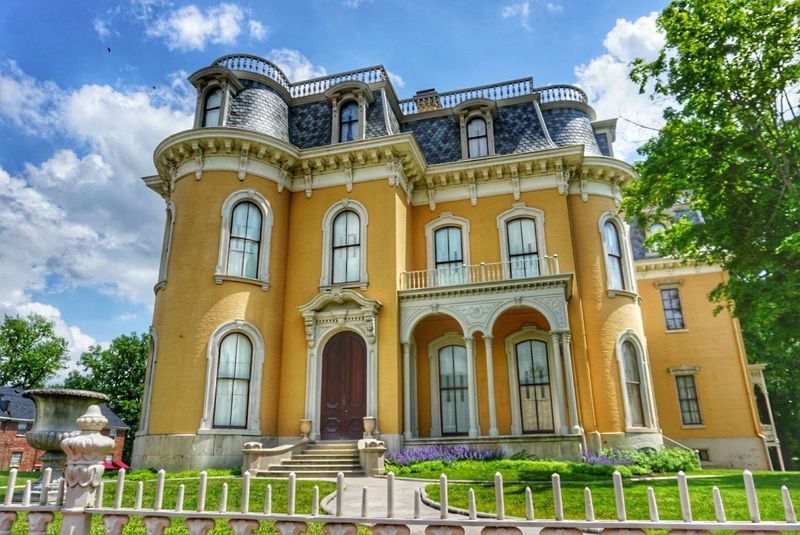
Twenty five rooms. Twenty thousand square feet.
Hand painted ceilings that made me forget to keep walking.
Completed in 1869, this Second Empire showpiece belonged to William S. Culbertson, once considered the wealthiest man in Indiana.
Every surface seems to have received attention from someone with serious skill.
Frescoed walls, marble fireplaces, and a carved staircase finished to resemble rosewood set the tone the moment you enter. The craftsmanship is the real attraction, more than the wealth behind it.
Modern comforts of the era appear throughout, including central heating and indoor plumbing, which were far from standard in the 1860s. Guides explain how those systems actually worked, and the engineering is oddly fascinating.
Exhibits also cover the family’s story and Culbertson’s charitable work around New Albany, which included support for local institutions. That side of the history gives the opulence some balance.
Seasonal events keep the calendar busy, from mystery dinner programs to a well known haunted attraction staged in the Carriage House during autumn. Teenagers seem particularly enthusiastic about that one.
Photography restrictions vary, so ask before snapping away inside.
Southern Indiana holds plenty of pretty old houses, but few deliver this level of decorative ambition. Set aside enough time to actually look up at those ceilings.
Address: 914 E. Main Street, New Albany, IN 47150
10. Historic New Harmony on the Wabash
Two separate groups tried to build a perfect society in this small Wabash River town, and both left their fingerprints all over it. That layered oddity is exactly why I keep coming back.
German Harmonists led by George Rapp arrived in 1814, building a carefully planned village with practical architecture and communal structures. Their sense of order still shows in the street layout and surviving buildings.
Robert Owen purchased the town in 1825 with a different vision, centered on education, science, and social reform. The shift from religious community to intellectual experiment happened fast.
Walking between historic properties, the contrast between the two eras becomes obvious. One built for discipline, the other for discovery.
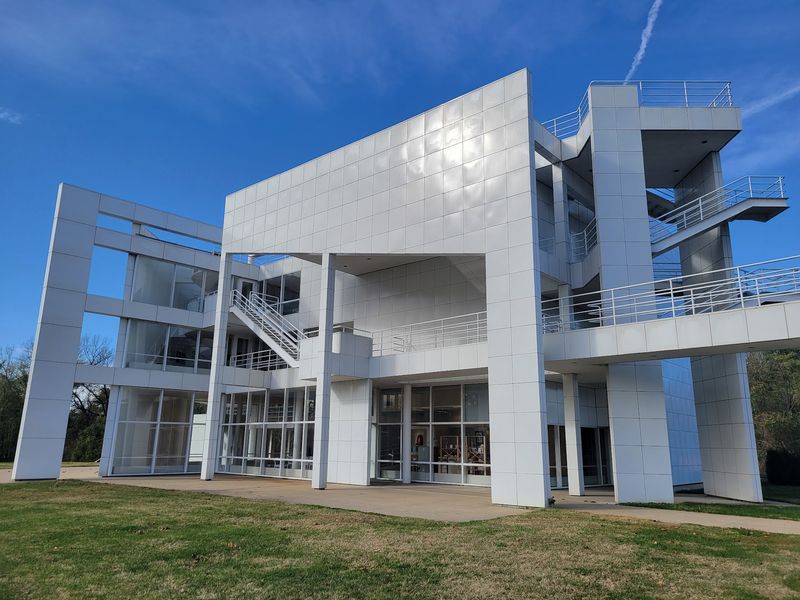
Guided tours begin at the Atheneum Visitor Center, a striking white modern structure designed by Richard Meier. Seeing sharp geometric architecture beside two hundred year old brick buildings sounds strange, yet it works beautifully.
Gardens, a labyrinth, and quiet lanes make the town enjoyable even between tour stops. I usually end up sitting somewhere with a coffee, watching the light change on old walls.
Something about the place encourages slower thinking, which feels appropriate given its origins.
For a town this small, New Harmony carries an unusually large share of Indiana’s imagination, and locals owe themselves at least one unhurried visit.
Address: 410 Main Street, New Harmony, IN 47631
