Indiana is quietly becoming one of the most exciting tech destinations in the entire country, and watching it happen in real time is something else. Cities across the state are landing billion-dollar investments from some of the biggest names in tech, including Amazon, Google, Meta, and Microsoft.
These companies are not just building offices. They are constructing massive, high-tech data centers that power everything from online searches to social media platforms.
Whether you live here or are just curious about what is driving this explosive growth, this list breaks down the eight cities leading the charge and why each one is grabbing the world’s attention right now.
1. Indianapolis
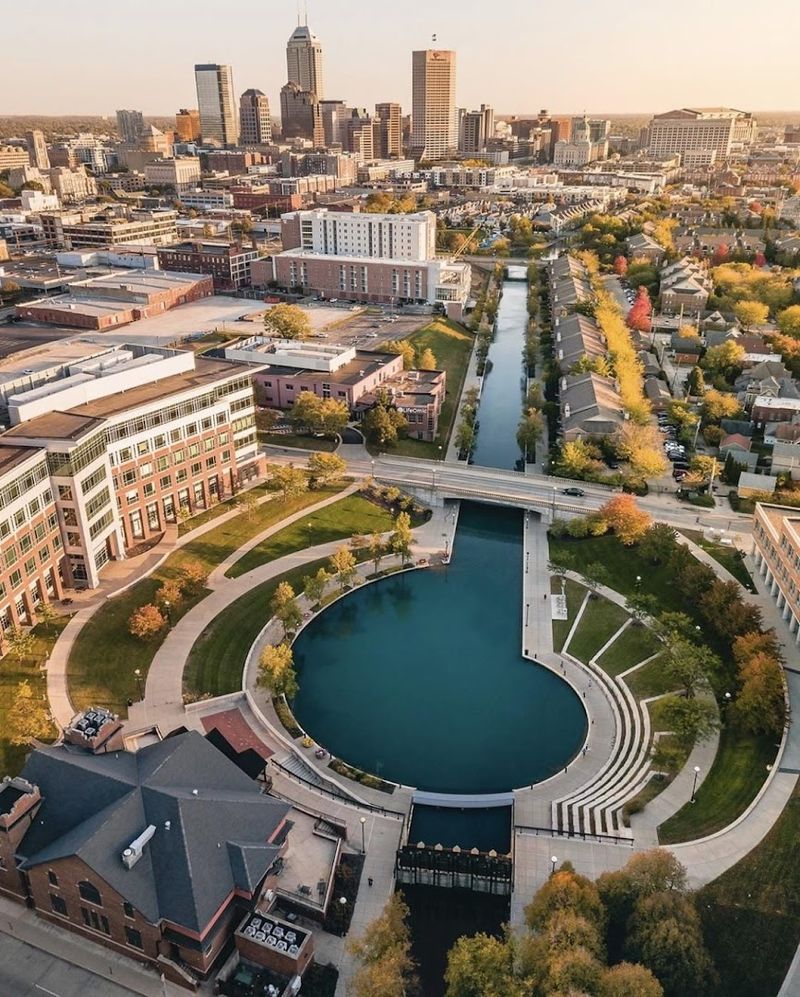
Indianapolis has quietly become one of the most cost-effective cities in the country for running a large tech operation, and the numbers back that up.
CBRE ranked it the number one U.S. market for the lowest operating costs for large tech firms, and Midwest Startups named it one of the top three best startup cities in 2022.
That kind of recognition does not happen by accident.
The 16 Tech Innovation District, a 50-acre mixed-use campus northwest of downtown, is where a lot of the real action unfolds. Entrepreneurs, researchers, and industry leaders share space in a hub that connects life sciences, advanced manufacturing, and technology under one roof.
Salesforce has its largest office outside San Francisco here, and Infosys runs two full campuses in the city.
When you want a break from the tech world, Indianapolis delivers. St. Elmo Steak House at 127 S.
Illinois St has been feeding locals since 1902, and its shrimp cocktail is practically legendary. Eagle Creek Park at 7840 W 56th St offers 3,900 acres of forest and a 1,400-acre reservoir for hiking, kayaking, and just breathing fresh air.
The Madam Walker Legacy Center at 617 Indiana Avenue honors the legacy of America’s first Black self-made millionaire. Indianapolis is not just growing fast.
It is growing smart, and the rest of the country is starting to pay very close attention.
2. Fort Wayne
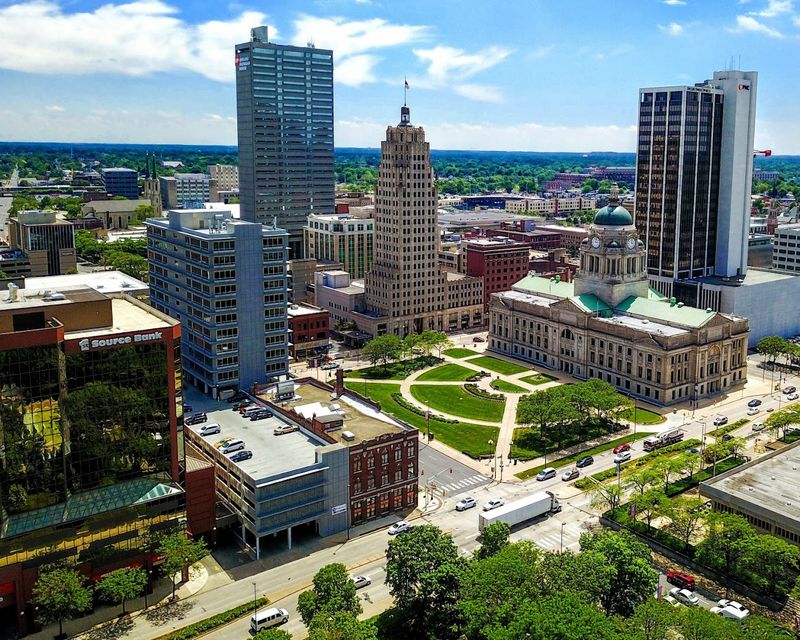
Fort Wayne is home to one of the most ambitious data center projects in the entire state, and it goes by the code name Project Zodiac. Google committed $2 billion to build a hyperscale campus spanning more than 700 acres at 6015 Adams Center Road, Fort Wayne, IN 46816.
The facility is designed to hold up to 12 buildings and will support Google Maps, Gmail, Search, cloud services, and advanced AI workloads when fully operational.
The city secured a 10-year, 50% property tax abatement and a 35-year sales tax exemption on equipment and energy to land this deal. That is a serious show of commitment from local leadership, and it signals that Fort Wayne is playing the long game when it comes to attracting global tech investment.
Construction is well underway, with operations expected to begin in late 2025.
Fort Wayne also has a remarkably rich local food scene for a mid-sized city. The Oyster Bar at 1830 S.
Calhoun St has been serving fresh seafood since 1888, making it one of Indiana’s longest-running restaurants. Proximo at 898 S Harrison St brings Latin-inspired flavors to a sleek downtown setting.
For something unexpected, Pepper and Spice Jamaican Restaurant at 1815 W Main St brings bold Caribbean heat to the table. Fort Wayne is proving that world-class tech investment and authentic local charm can absolutely coexist in the same zip code.
3. Lebanon
Lebanon might not be the first city that comes to mind when you think about global tech investment, but Meta’s massive presence is changing that narrative fast.
The social media giant committed a staggering $10 billion to build a 4-million-square-foot campus inside the LEAP Research and Innovation District, with plans for multiple state-of-the-art data center buildings.
The site sits prominently along State Road 32, between County Roads 250 West and 400 West, and it is truly enormous in every sense of the word. The LEAP district is a state-led initiative designed specifically to attract high-tech industries and research facilities to central Indiana.
Meta chose Lebanon because of its access to reliable power, strong local infrastructure, and a rapidly growing tech talent pool. When a global tech titan writes a multi-billion dollar check for your hometown, it puts Lebanon on the international map almost overnight.
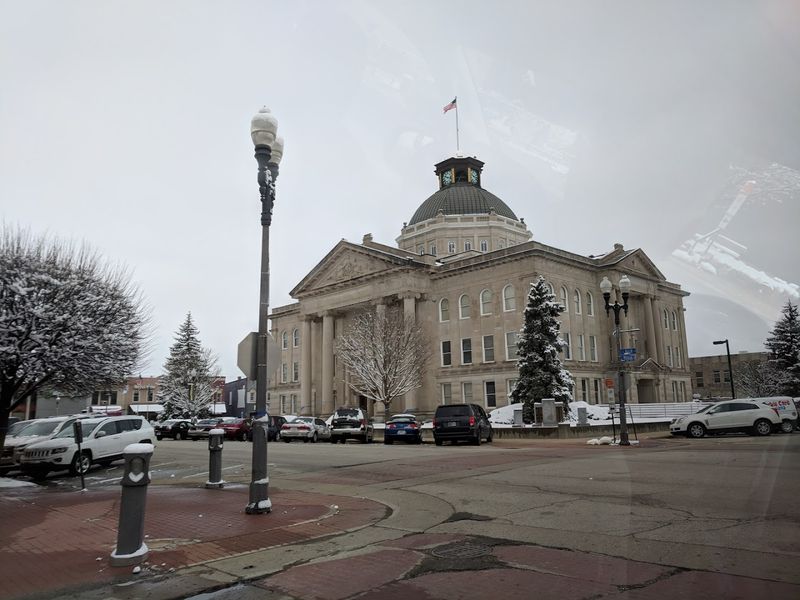
Downtown Lebanon still holds onto its small-town character in the best possible way. The Boone County Courthouse, a stunning Classical Revival building completed in 1911, anchors the historic district and draws visitors year-round.
Titus Bakery and Deli at 820 W South St is famous locally for its award-winning donuts, and it is the kind of place you visit once and never stop thinking about. Memorial Park at 130 E.
Ulen Drive offers 40 acres of green space, walking paths, and picnic shelters for families. Lebanon is growing into something remarkable, and the world is watching.
4. Hammond
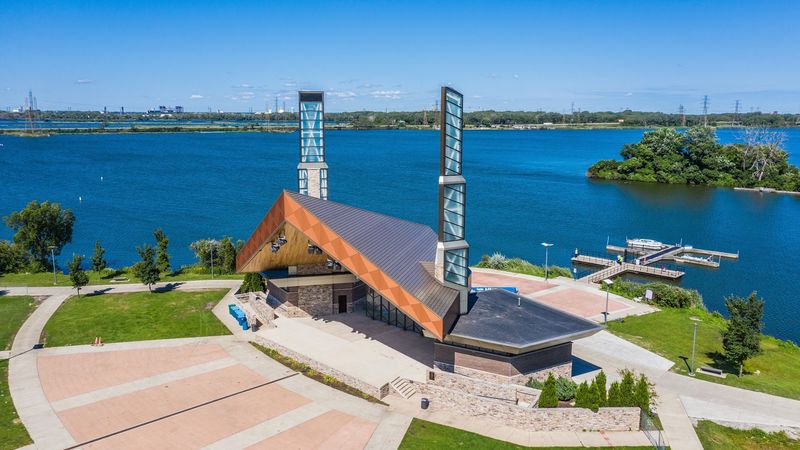
Hammond’s data center story is one of the coolest reinvention tales in the state.
The Digital Crossroads campus at 100 Digital Crossroads Drive is built inside the former State Line Generating Plant, a massive industrial site that sat idle for years before being transformed into a cutting-edge, sustainable data center hub.
The facility has expanded rapidly beyond its initial load, now actively supporting a major 20-megawatt baseline.
A massive $7 billion “DX3” multi-phase blueprint is underway to scale the property into hundreds of additional megawatts to handle intense global artificial intelligence demands.Location is a huge part of Hammond’s appeal.
Sitting right on the Illinois and Indiana border, the campus is less than 30 minutes from downtown Chicago. That regional access gives tech companies a strategic foothold in the greater Chicagoland market without paying Chicago prices.
The facility also uses an eco-friendly water cooling system drawing directly from Lake Michigan, which reflects a genuine commitment to sustainable operations.
Hammond has plenty to offer beyond its industrial revival story. The Indiana Welcome Center at 7770 Corinne Drive serves as a welcoming gateway to the region, complete with exhibits and a local gift shop.
Wolf Lake Memorial Park stretches across 800 acres spanning the Indiana-Illinois border and offers hiking, fishing, and scenic waterfront views. Hammond Lakefront Beach and Marina at 701 Casino Center Drive gives residents direct access to Lake Michigan for swimming and boating.
The Marcus Morton Towle House at 229 Ogden Street is Hammond’s first designated local landmark, an elaborate Queen Anne home dating back to 1885. Hammond is rewriting its own story one megawatt at a time.
5. Jeffersonville
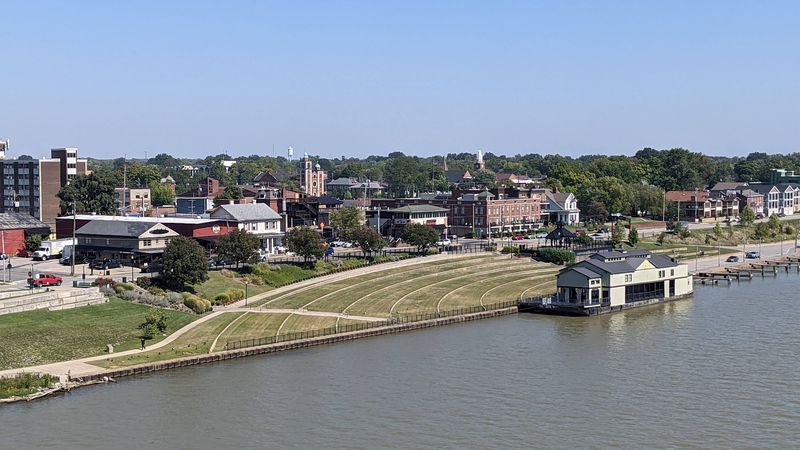
Jeffersonville is making a serious name for itself on the data center map, thanks to Meta’s $800 million investment at the River Ridge Commerce Center. The new campus covers nearly 700,000 square feet across a 619-acre site and is expected to become fully operational in 2026.
It will bring roughly 100 permanent jobs and support more than 1,200 construction positions during the build-out phase.
What makes this project stand out beyond the dollar amount is Meta’s sustainability commitment. The company is targeting 100% renewable energy use and LEED Gold certification for the facility.
That level of environmental ambition paired with a massive capital investment shows that Jeffersonville is attracting the right kind of growth, the kind that thinks about long-term impact and not just short-term gains.
Jeffersonville itself is a charming city with a lot of heart. The Big Four Bridge at 201 Pearl St is a pedestrian and bicycle path stretching across the Ohio River into Louisville, Kentucky, and the views from the bridge are genuinely breathtaking.
Schimpff’s Confectionery at 347 Spring St has been making handmade candy since 1891 and includes a candy museum that is equal parts delicious and fascinating. The Howard Steamboat Museum at 1101 East Market Street preserves the rich history of the Howard Shipyards inside a stunning Victorian mansion.
Coffee Crossing at 228 Spring St Ste 105 is the go-to local spot for a well-crafted cup before exploring everything this riverfront city has to offer.
6. Michigan City
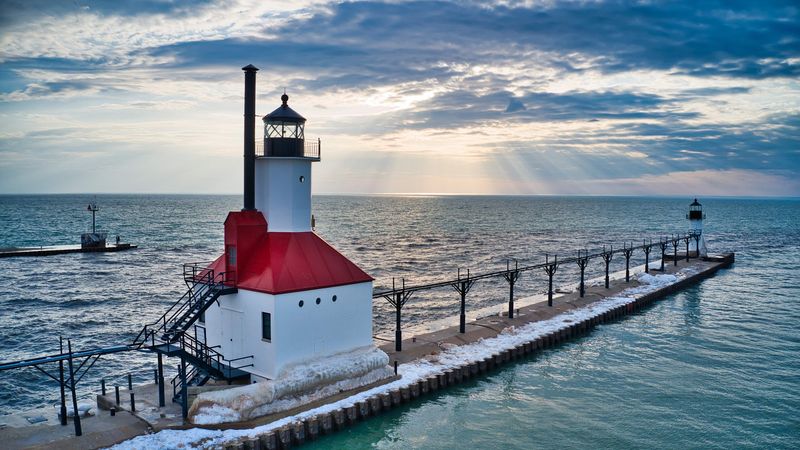
Michigan City is turning an old industrial eyesore into a world-class digital infrastructure hub, and Google is the one making it happen. Project Maize is an $832 million data center being built inside a long-vacant Federal Mogul Corp. building at 402 Royal Road, Michigan City, IN 46360.
Google is covering 100% of the site’s power and infrastructure costs, which is an extraordinary commitment that speaks volumes about the city’s strategic value.
The project is expected to create more than 30 high-skill permanent jobs along with several hundred construction positions during the build phase. Beyond the employment numbers, this investment signals that Michigan City is no longer just a lakeside getaway.
It is becoming a legitimate node in the global digital infrastructure network, and that shift carries serious long-term economic weight for the entire region.
Michigan City has always had a lot going for it as a destination. The historic Barker Mansion at 631 Washington Street was built in 1905 and is listed on the National Register of Historic Places, offering guided tours through its beautifully preserved rooms.
The Old Lighthouse Museum at 100 Heisman Harbor Road tells the story of Great Lakes shipping history and the brave crews who navigated its waters. Creek Ridge County Park at 7943 W. 400 N. covers 112 acres of trails, wetlands, and forest perfect for a weekend hike.
Lakeshore Cafe at 444 Wabash St is a beloved all-day spot in the Historic Uptown Arts District for coffee and a quiet moment.
7. Morgan County (Monrovia and Martinsville)
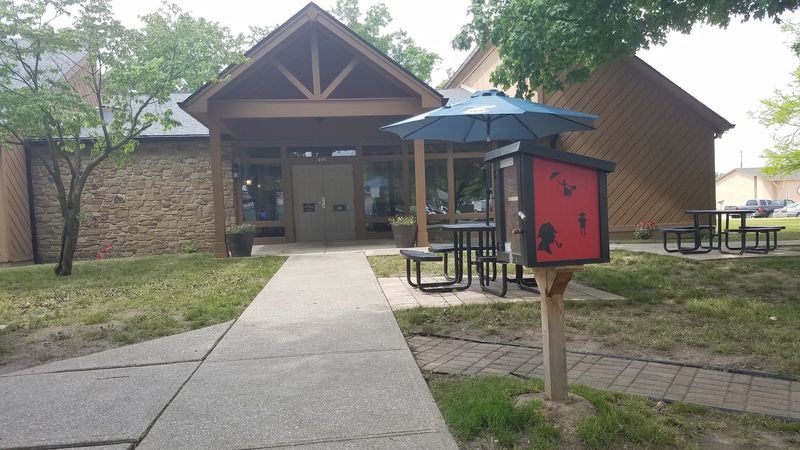
Morgan County might seem like an unlikely spot for a Google data center campus, but Project Louie is making it one of Indiana’s most talked-about tech locations. Google acquired roughly 628 acres of land near Monrovia in Monroe Township, with plans for five buildings including four large data centers.
The site sits north of Indiana 42, east of West Union Church Road, and rezoning for data center use was approved in 2025.
The project involves close collaboration with local utilities, including AES Indiana, which operates the Eagle Valley power plant in nearby Martinsville.
Getting the power infrastructure right is a massive part of making a campus like this function, and Morgan County’s existing utility network gives it a real competitive edge.
Community leaders are excited, and the economic ripple effects for local businesses and workforce development could be significant over the coming decade.
Martinsville, the county seat, is a town that knows how to hold onto its character. The Martinsville Candy Kitchen at 46 N Main St has been handcrafting candy canes, chocolates, and ice cream for over a century, and a visit there feels like stepping into a sweeter era.
The Art Sanctuary at 190 North Sycamore Street is a community arts center that hosts live events and showcases regional talent throughout the year. Jimmy Nash City Park provides a central green space with a community pool and playgrounds for families to enjoy.
Morgan County is proof that big tech and small-town charm can grow side by side without losing what makes a place worth calling home.
8. New Carlisle and South Bend
No project in Indiana’s data center boom comes close to matching what Amazon Web Services is building near New Carlisle. Project Rainier represents an $11 billion investment across a 1,200-acre site, making it the largest capital commitment in Indiana’s entire history.
Seven of the planned 30 buildings were already operational by October 2025, and the full campus will ultimately draw 2.2 gigawatts of power when complete.
The facility is designed to house what AWS calls the world’s largest cluster of non-Nvidia AI chips, with each building exceeding 200,000 square feet.
AWS also contributed $7 million for highway improvements, $114 million for utility upgrades, and established a $100 million community fund dedicated to education and workforce development in the surrounding area.
That level of community investment alongside the construction is rare and genuinely impressive.
The South Bend and New Carlisle area has deep roots worth exploring between tech conversations. The Studebaker National Museum at 201 Chapin Street in South Bend preserves over 150 years of automotive history with a priceless vehicle collection that car enthusiasts absolutely love.
The History Museum at 808 W. Washington Street explores the St. Joseph River Valley’s rich cultural heritage with rotating exhibits and permanent collections.
Bendix Woods County Park at 32132 State Road 2 in New Carlisle offers 195 acres of hiking and mountain biking trails, plus the famous pine tree arrangement that spells out Studebaker from the air.
Tippecanoe Place Restaurant at 620 W Washington St in South Bend serves fine dining inside the historic Studebaker Mansion, making every meal feel like a special occasion.
