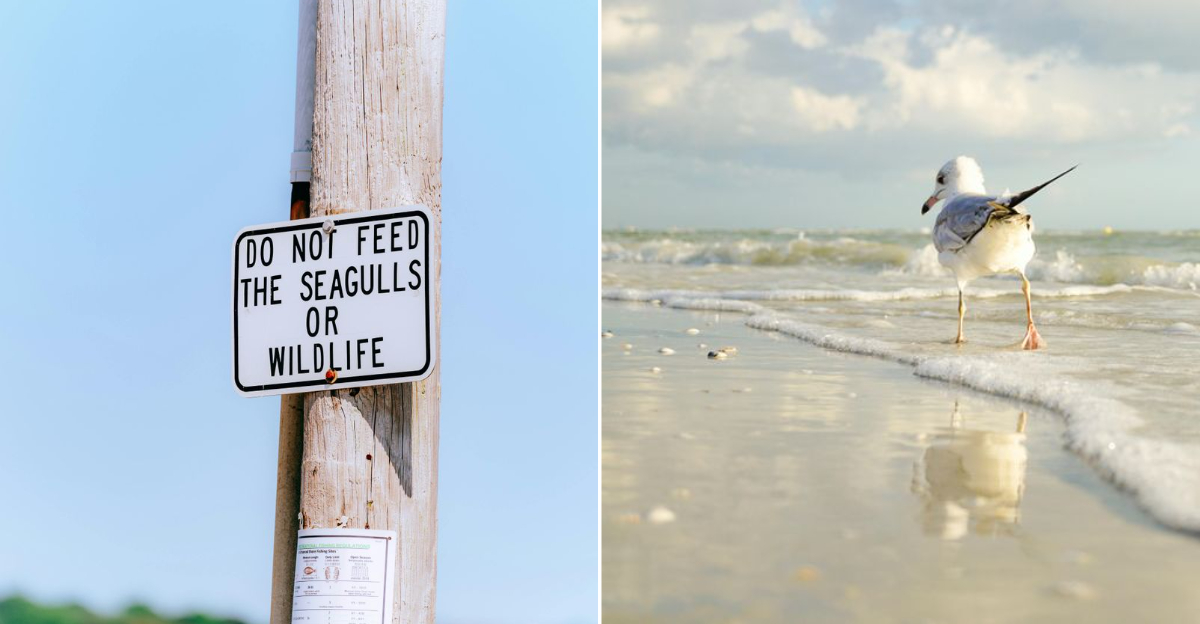
Tourists, beware and think twice before tossing breadcrumbs to birds.
Beautiful weather and a gull giving you side-eye can feel like peak Florida, until that french fry becomes your most expensive snack of the trip.
I learned fast that feeding birds can flip a cozy beach day into a chat with an officer and a fine you did not budget for.
The rules are real, the signs matter, and the reasons go way beyond spoiled picnics.
Stick with me and dodge the ticket while still soaking up every mile of coastline.
You Might Not Realize It Is Illegal
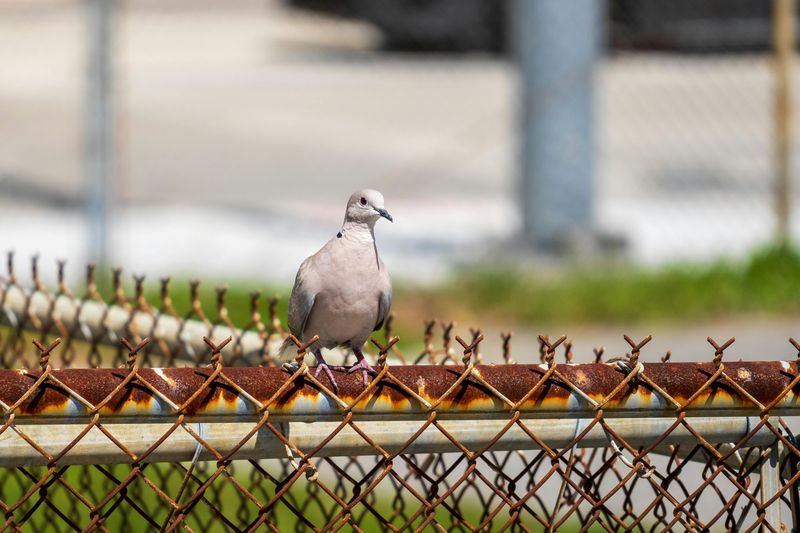
My morning on Clearwater Beach felt harmless until a ranger pointed at the rule I did not read.
Florida treats feeding gulls, pelicans, and ibises as wildlife harassment in many cities and parks.
That means a ticket can land faster than a gull on a chip.
I learned this the simple way by asking before tossing a crumb, and the answer was a firm no.
The first surprise is how broad the prohibition is across beaches, piers, and urban lakes.
Miami Beach, St. Petersburg, and Destin each maintain ordinances that restrict feeding wildlife on public property.
Park rangers and city officers enforce the policy because it prevents bigger problems later.
Tourists think kindness means sharing snacks, but law enforcement reads that as disturbance.
Ask a lifeguard or kiosk attendant and you will hear the same advice every time.
Keep your food to yourself, and let birds forage the natural way without cues from people.
The law balances public safety with animal health, which is hard to argue against.
Once I accepted that, my beach days got calmer, cleaner, and frankly less stressful.
You will notice the shoreline feels more peaceful when flocks are not swarming for handouts.
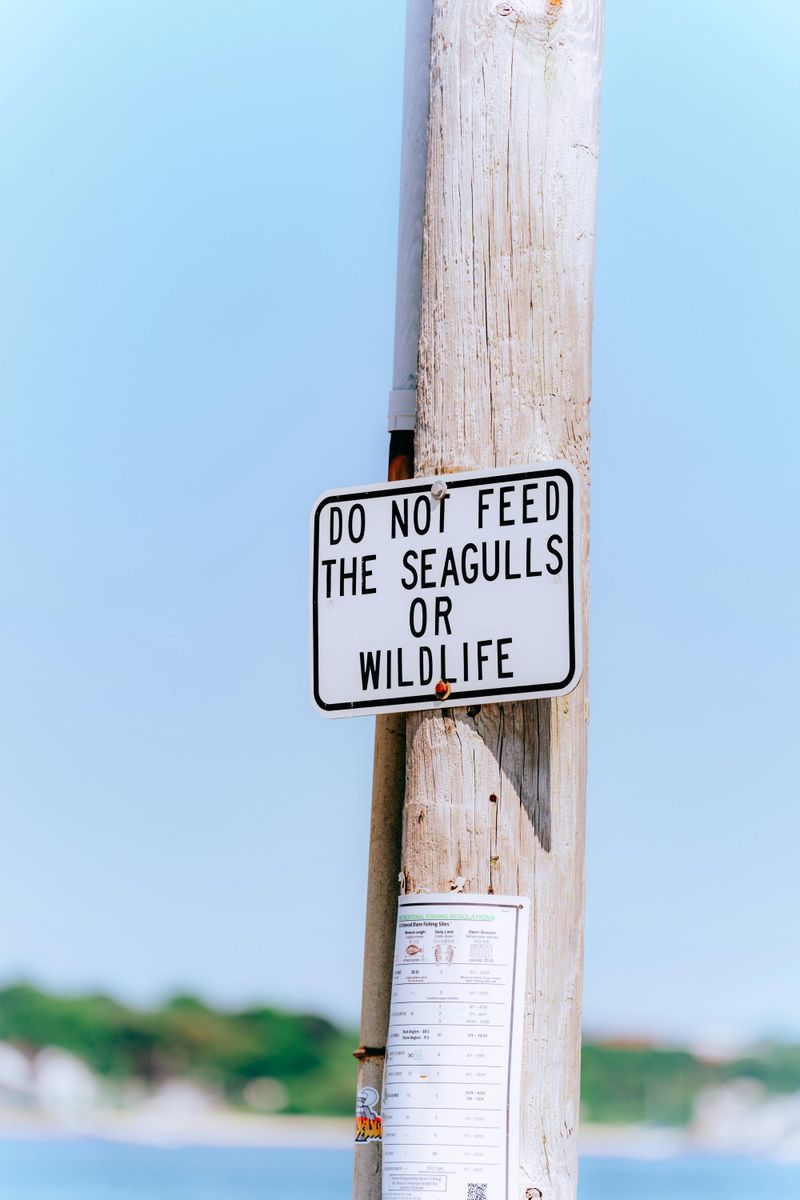
Those “Do Not Feed Wildlife” Signs Actually Count
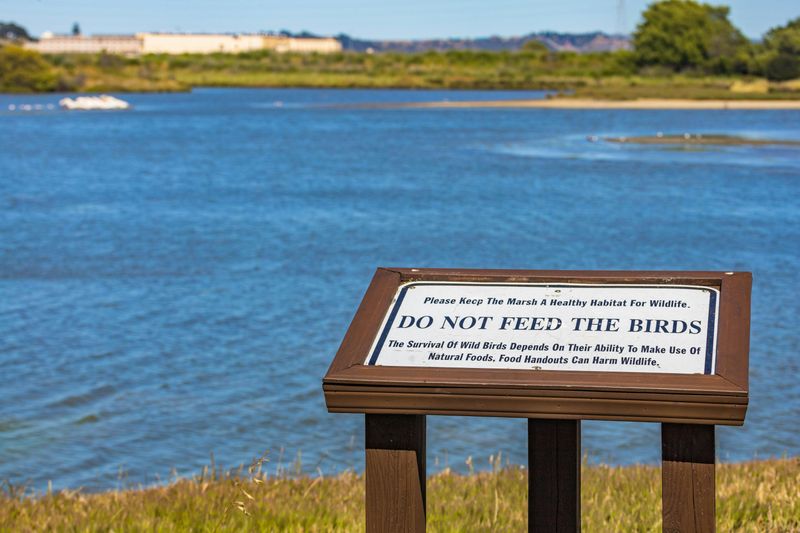
Florida posts “Do Not Feed Wildlife” notices for a reason, and they are legally enforceable where ordinances apply.
Walking past a clear warning and tossing fries makes the officer’s job very simple.
I watched a tourist at Naples Pier regret a dramatic throw that turned into a fast citation.
Signs at piers, boardwalks, and city parks indicate an area subject to specific local rules.
Compliance is not optional because the sign is an official directive, not a friendly suggestion.
Even temporary paper postings carry weight when issued by the managing authority.
They often include references to codes that rangers can cite in seconds if needed.
The logic is public clarity, which supports fair enforcement without guesswork.
When expectations are posted, every visitor gets the same information and the same responsibility.
Keep your camera out, not your crackers, and you will capture views without jeopardy.
The ocean backdrop looks just as epic when your hands are free of bird bait.
I started treating signs like trail markers that keep vacations on track.
It turns out fewer gulls circling overhead means better photos and calmer crowds.
Your best souvenir is a clean record and a quiet pier, not a fine that spoils the day.
You Help Create Aggressive Flocks
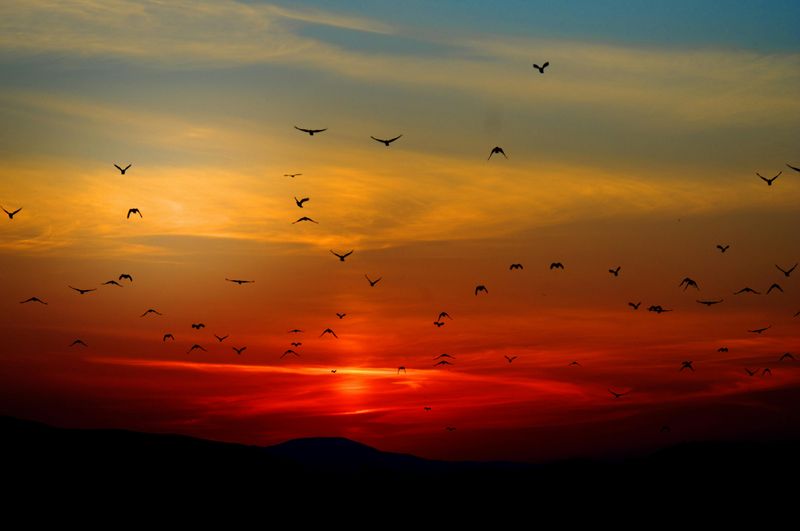
Feeding equals training, and birds are very fast learners when snacks rain from human hands.
Florida officials crack down because repeated handouts condition flocks to swoop, steal, and swarm.
That jumpy crowd energy can escalate into pecks, spills, and panicked kids.
I once shielded my sandwich like it was a celebrity leaving a limo, which was not relaxing.
Managers aim to stop the behavior upstream by removing the reward that starts it.
A bird that never gets chips from people never bothers people for chips.
It sounds simple because it is behavior science applied to boardwalk life.
Fines are the stick when a polite reminder does not curb the seed tossing.
Communities prefer calm promenades where families can sit without airborne interceptions.
Parks test success by watching flocks spread out and return to natural foraging.
When I keep my snacks zipped, gulls lose interest and glide back to the waterline.
That shift lowers conflict and keeps first aid kits from coming out for scratches.
Tourists often do not see the baseline until a crowd scene erupts around one handful.
Cut the cue, and the theatrics end before they begin on Florida sand.
The best bird encounter is from a respectful distance, with your lunch unbothered and your day intact.
You Are Messing With Their Diet
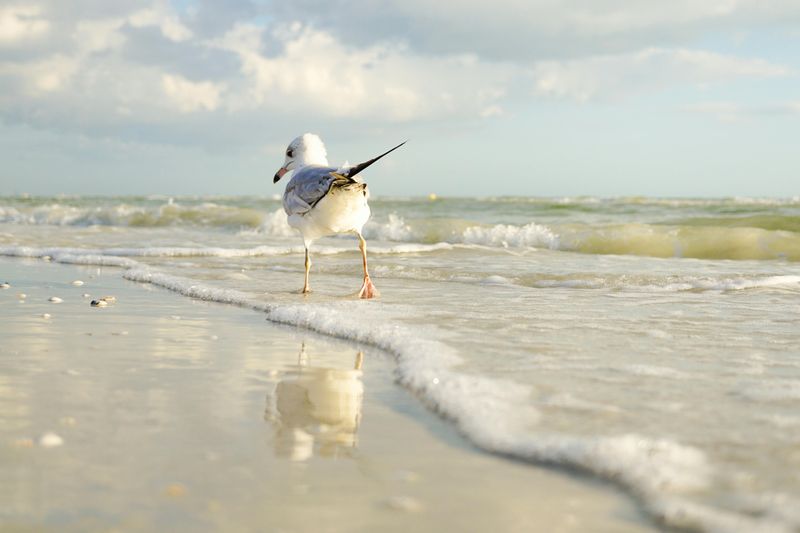
Florida agencies discourage feeding because it displaces natural diets of fish, insects, and plants.
Empty calories can cause malnutrition and weird dependence that spirals across seasons.
I once watched ibises abandon tidal flats to chase picnic crumbs, which felt terribly wrong immediately.
Wildlife managers want birds to forage, not queue up.
The healthiest flocks spread out and feed across habitats instead of crowding trash cans.
Rules protect the ecosystem by keeping nutrients cycling the way nature intended.
Over time, that means fewer sick birds and fewer messy roosts near people’s spaces.
The science is straightforward, and the results look cleaner and calmer in real life.
Pack snacks for you, and let the birds earn theirs the old-fashioned way.
I carry a reusable container so nothing spills, which solves the temptation instantly.
If you want to help, clean up litter and secure bins so wildlife stays wild.
That small habit supports Florida shorelines, parks, and neighborhoods year-round.
Healthy birds are beautiful from afar, and your restraint makes that picture possible.
Fed Birds Start Harassing Everyone Else
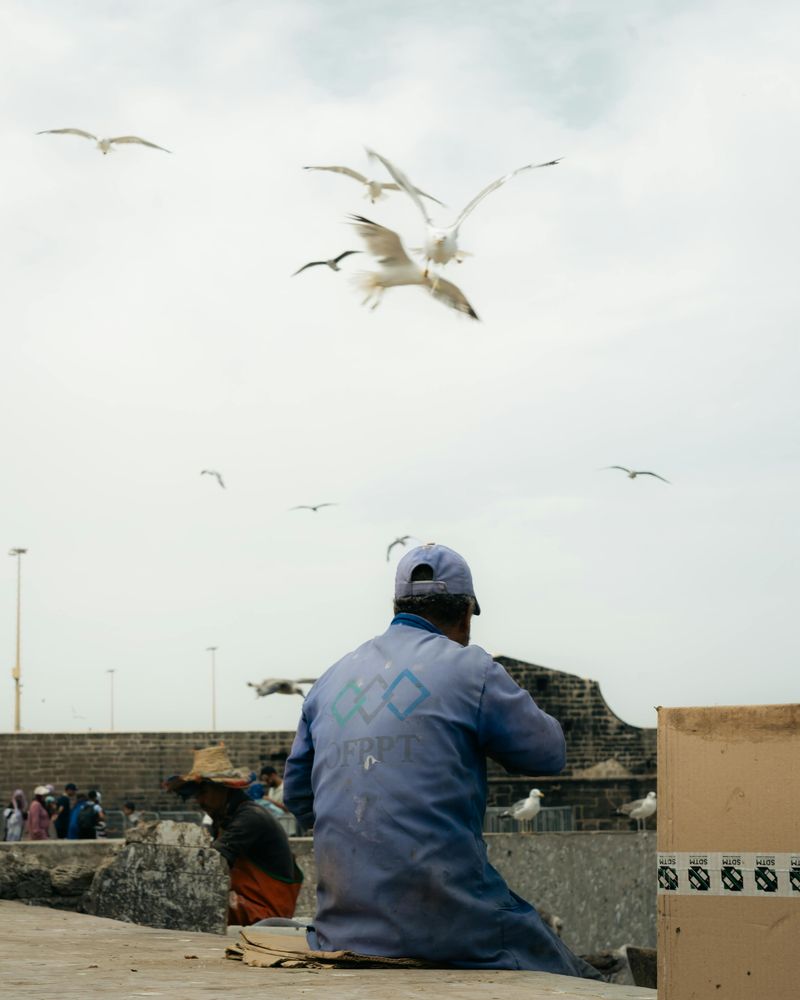
What feels like a cute moment for you becomes a daily gauntlet for everyone behind you.
Florida rangers call it crowd conditioning, and the results look like organized loitering with wings.
Once a spot becomes a snack zone, flocks patrol it like regulars on a schedule.
Officials use fines to break the cycle that reinforces aggressive waiting behavior.
One stopped handout often equals ten calmer strolls for visitors that follow.
Neighbors notice the difference in noise and mess when feeding declines.
Shop owners near the water appreciate fewer flaps at doorways and railings.
Each citation broadcasts a simple message across the pier without loudspeakers.
No food from people, no reason to hover and demand snacks.
You avoid conflict, and the space returns to shared enjoyment instead of aerial pressure.
I promise your walk feels nicer when you are not a moving buffet line.
Florida beaches thrive when wildlife keeps distance and visitors relax on clean seating.
Skip the toss, and you help restore normal rhythms along the waterfront.
Your Crumbs Attract Bigger Problems
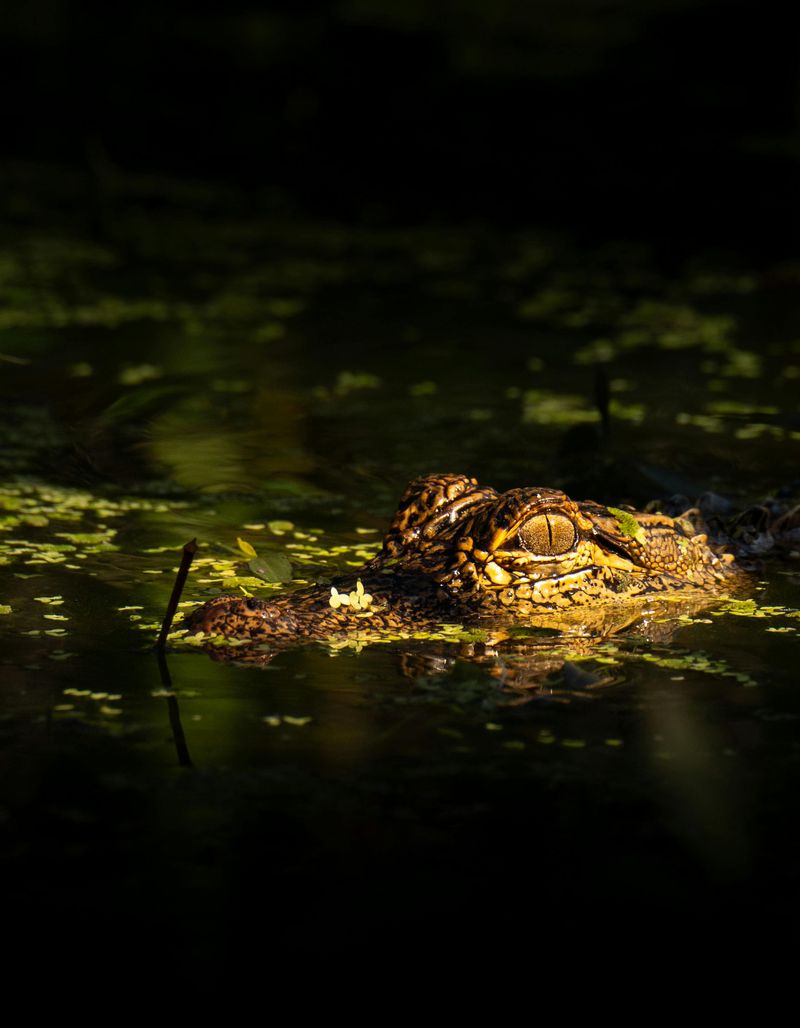
Crumbs do not stop at gulls, because raccoons, rats, and even alligators follow the trail.
Florida takes this seriously near freshwater and brackish edges where gators roam.
Any attraction that pulls predators toward people is flagged as a safety risk.
Small food waste sets off a chain that nudges larger animals into human zones.
That is how you get bold visitors at docks, parking lots, and picnic spots.
State messaging is clear, never feed or entice alligators, and secure every scrap.
Local rules often extend that principle to all wildlife because the cascade is real.
Trash cans with locking tops are not decor, they are prevention tools that work.
Use them every time, and pack out leftovers from remote overlooks.
I pocket snack bits until I find a bin, which turned into a habit worth keeping.
Florida communities prefer quiet waterlines without curious reptile heads near shore.
Resisting the toss helps keep that line drawn between people space and wild space.
Safety grows from a long chain of tiny choices that add up quickly.
Your clean picnic equals fewer risky encounters and a better day for everyone.
That Social Media Shot Is Not Worth A Ticket
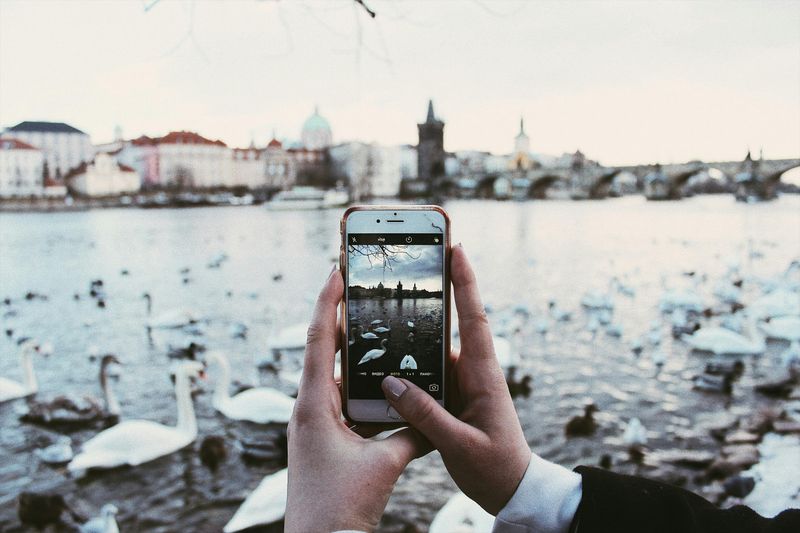
Florida is full of photogenic scenes that do not involve baiting animals for clicks.
Rangers see phones out and watch for the toss that comes next.
I started filming wide shots of waves and sky instead, and the mood feels better.
Angles from piers, dunes, and overlooks highlight color and light without inviting trouble.
Clean compositions beat chaotic flocks every single time on a small screen.
Officers prefer education first, but they pivot to enforcement when posts encourage copycats.
That is the reality of managing busy beaches where trends ripple fast.
Choose landscapes, architecture, and sunsets that will age well on your feed.
Florida rewards patience with scenes that carry their own drama without props.
Your best travel story starts with simple respect for space and rules.
I kept the fun by switching from close bird shots to texture and light.
It turns out serenity plays better than stunts, and it keeps your wallet happy.
Locals Are Tired Of The Chaos
Residents live with the fallout from tourists who turn docks into snack stands.
Florida neighborhoods near water deal with noise, droppings, and roof roosting that lingers.
Complaints lead to targeted patrols and quicker citations around hotspots.
I heard a condo board in Sarasota describe daily scrubbing as a part-time job.
Community tolerance drops when weekends feel like theme parks for gulls.
Local governments respond with stricter reminders and clearer signs where conflicts peak.
Coastal towns want harmony between visitors and the rhythms of everyday life.
That balance requires tourists to keep wildlife wild, not house guests with wings.
Skip the feed, and neighbors keep their patience and their porches cleaner.
Everybody wins when mornings start with coffee, not a flock tap dancing on rails.
Authorities listen to residents because they see the patterns across seasons.
Their feedback shapes enforcement routes that you will notice on busy days.
Florida hospitality shines when respect flows both directions across the street.
Your quiet choices help keep that welcome bright for the next traveler.
The best souvenir is a community that feels glad you came and glad you left no mess.
Bird Droppings Become A Real Problem
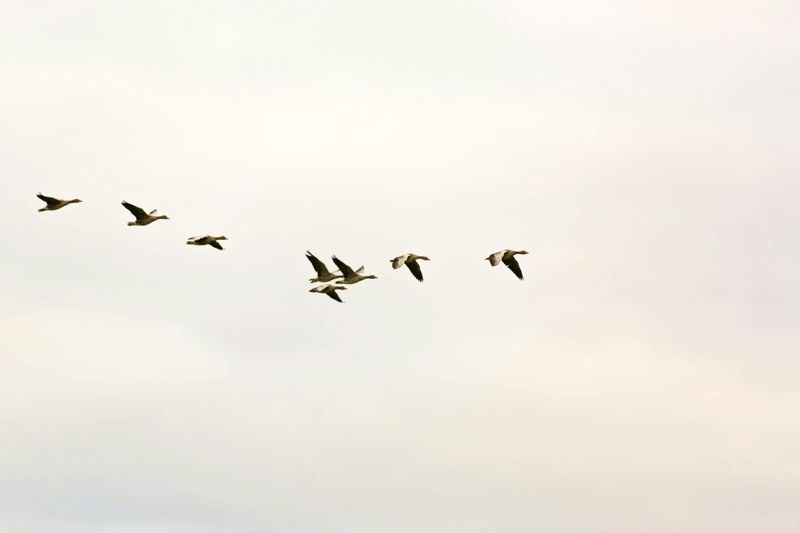
Big roosts equal big mess, and those benches do not clean themselves after a gull party.
Florida maintenance crews face constant scrubbing when flocks settle near food sources.
Droppings damage paint, corrode rails, and make walkways slick and unsanitary.
I watched a marina manager in Tampa point at stains that reappeared within hours.
Enforcement aims to cut the root cause instead of chasing the aftermath daily.
Stop the snacks, and flocks disperse to forage away from human zones.
This keeps boats, picnic shelters, and restrooms cleaner for longer stretches.
Visitors notice the difference when seating is dry and pathways are safe.
Rangers prefer prevention because it is kinder to birds and budgets alike.
One less feed often equals fewer cleanup cycles and happier crews.
Florida prides itself on tidy waterfronts that invite slow walks and quiet views.
Your choice not to feed helps preserve that invitation for everyone.
I carry wipes for my own mess, but wildlife mess is another scale entirely.
Respect the rule, and your shoes avoid surprises that ruin the mood instantly.
Clean marinas feel like a gift, and you can help keep the bow shiny.
“It Is Only One Cracker” Adds Up Fast
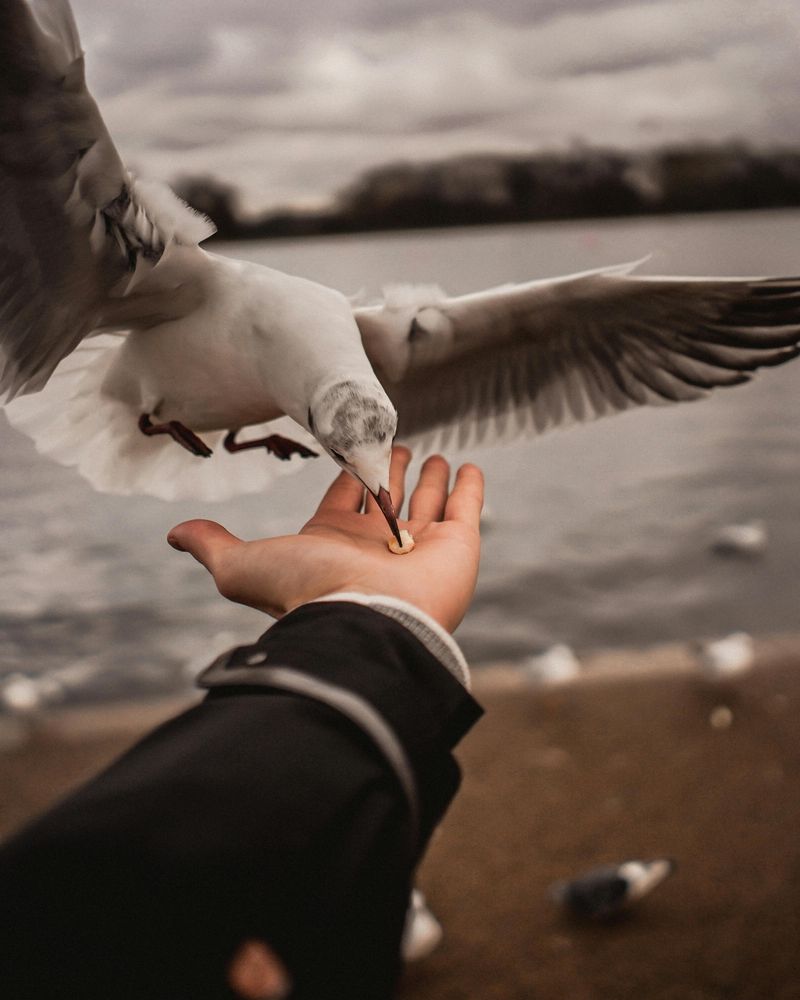
The tiny handful you toss multiplies when dozens of people make the same small choice.
Florida hotspots see steady streams of visitors, and birds do the math in seconds.
More hands means more crumbs, which means bigger flocks and bolder behavior.
I caught myself thinking one chip would not matter, then saw three others thinking alike.
Officials use fines as a speed bump that slows the accumulation of tiny harms.
It is collective action, but in reverse, where restraint builds a cleaner scene.
When feeding stops for a while, the change is quick and obvious to everyone.
Walkways quiet down, and the sky above stops looking like a snack patrol.
That feedback loop encourages more visitors to follow the rule without drama.
Peer example becomes the gentle nudge that enforcement alone cannot deliver.
Florida thrives on shared spaces that feel welcoming and safe across seasons.
Your small no keeps that welcome steady for the next family in line.
I think of it like trail etiquette that preserves the experience for strangers.
One cracker spared is one less reason for a gull to tail the crowd.
Multiply that by a day, and you have a calmer boardwalk with no citations.
It Is An Easy Rule To Enforce
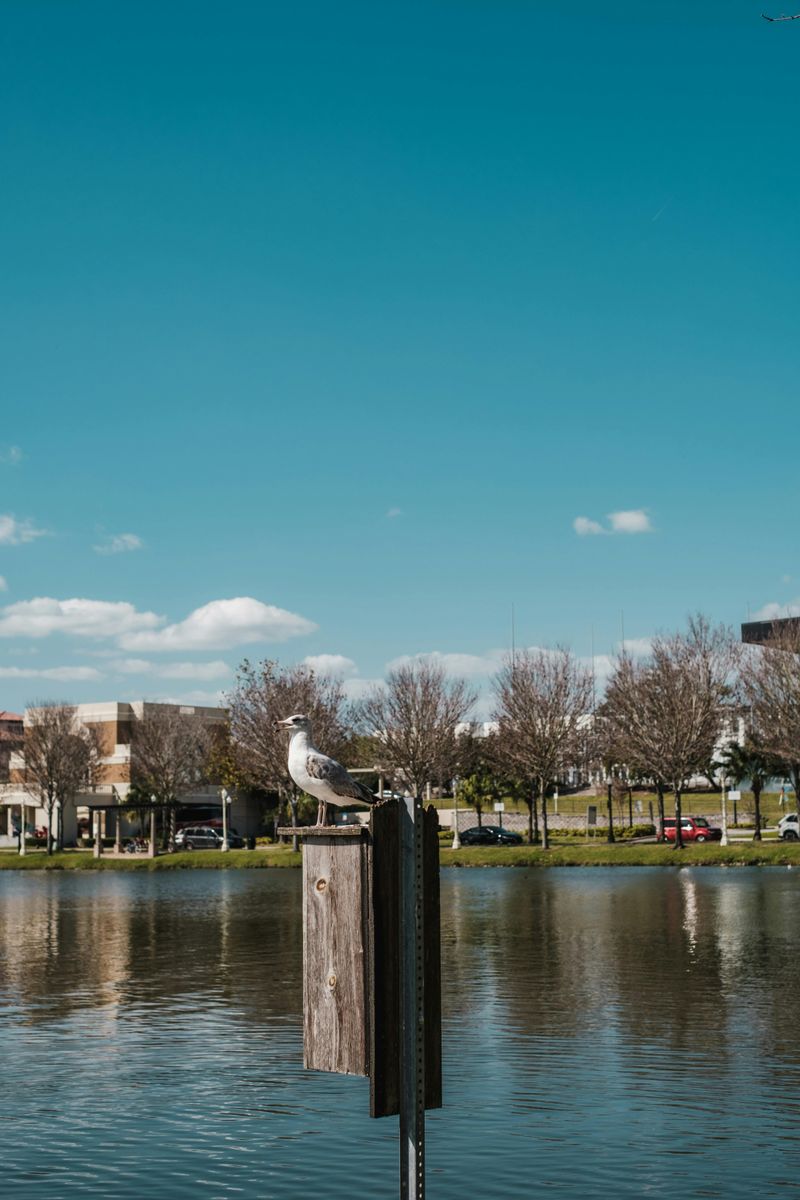
Rangers cannot police every splash, but they can spot a tossed chip from across the sand.
Florida beaches are open spaces where feeding stands out like a flag.
That visibility is why citations happen quickly during busy hours.
I have seen officers use a friendly warning first, then write when the tossing continues.
The rule is simple to explain, which keeps encounters short and consistent.
Clear signage backs the message so there is little room for confusion.
Enforcement efficiency matters when surf, traffic, and weather already demand attention.
Stopping a visible feed can prevent a dozen copycat throws nearby.
That ripple effect frees staff to handle rescues, lost items, and hazards.
Tourists benefit because order returns without heavy handed tactics.
Florida public safety teams balance education with accountability on crowded days.
Your cooperation turns a potential citation into a smile and a wave.
I keep snacks tucked away until I am off the sand and near covered areas.
Small habits like that avoid awkward moments and keep the vibe light.
You leave with memories, not paperwork, which is the best travel outcome.
Dear Reader: This page may contain affiliate links which may earn a commission if you click through and make a purchase. Our independent journalism is not influenced by any advertiser or commercial initiative unless it is clearly marked as sponsored content. As travel products change, please be sure to reconfirm all details and stay up to date with current events to ensure a safe and successful trip.
