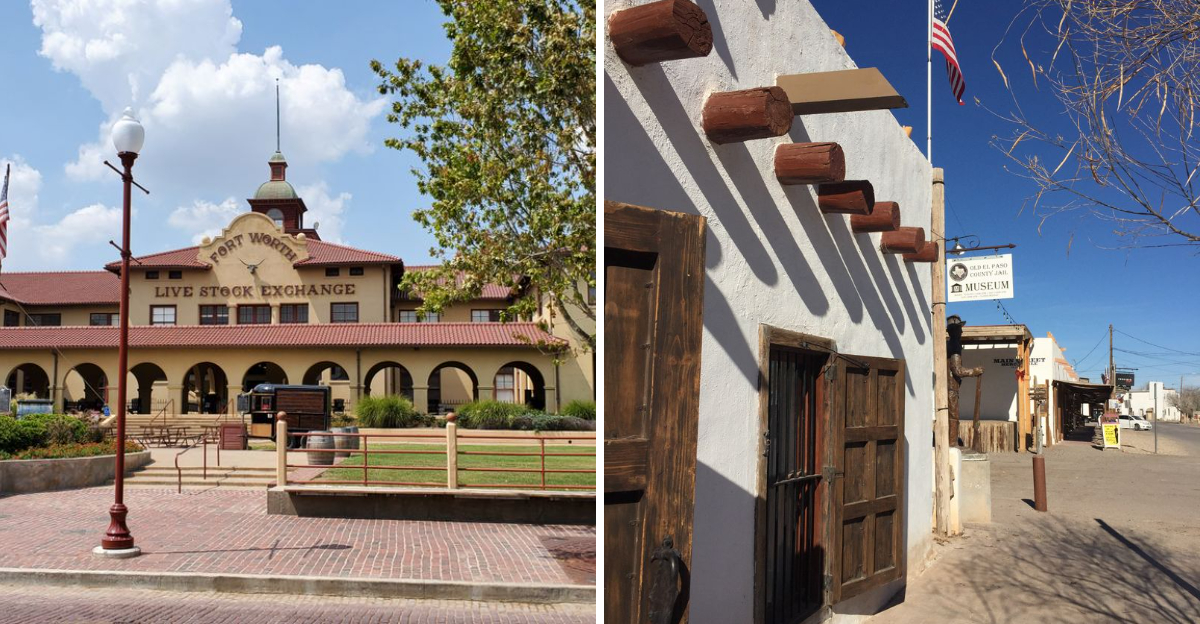
Texas stretches across a landscape so vast and varied that first-time visitors often find themselves surprised by just how much personality each region holds.
From sprawling desert horizons in the west to rolling green hills dotted with wildflowers in the center, the Lone Star State offers a little bit of everything for travelers seeking adventure, culture, and authentic experiences.
Popular cities like Austin, San Antonio, and Dallas draw millions of tourists each year, but knowing where locals actually spend their time can transform your trip from ordinary to unforgettable.
This guide will walk you through ten must-visit spots across Texas while helping you sidestep the overpriced, overcrowded tourist traps that often disappoint first-time visitors.
1. San Antonio’s Mission Reach
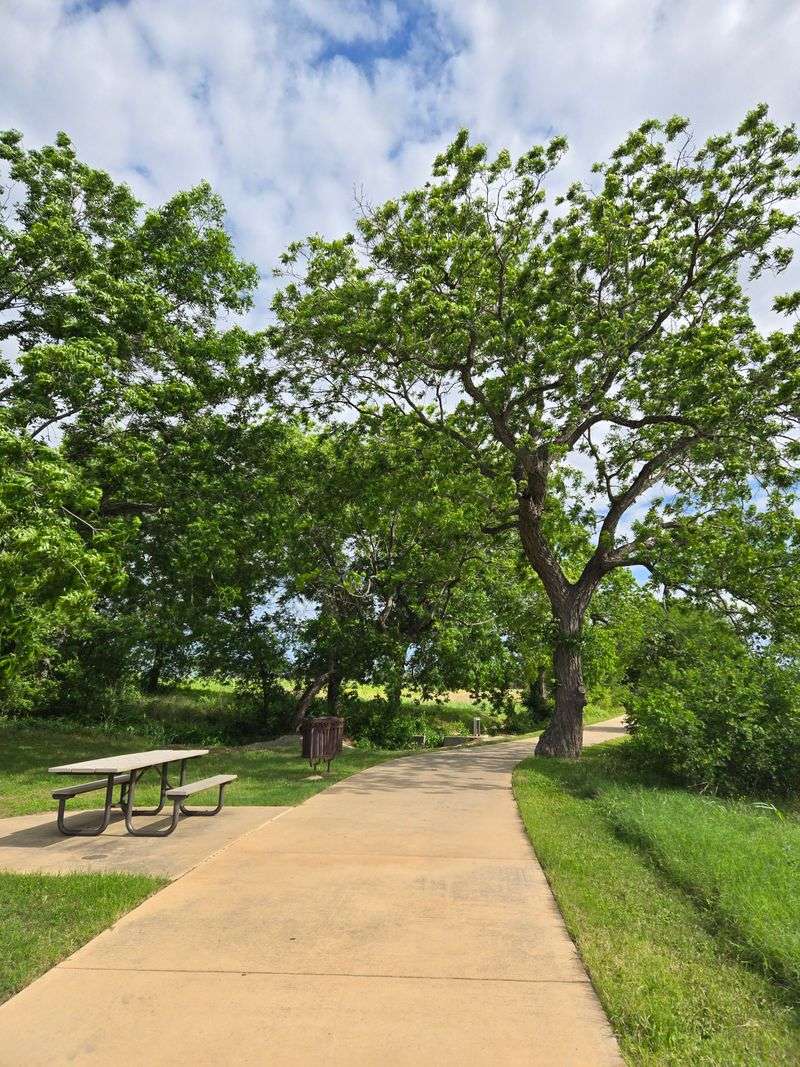
Most visitors to San Antonio never venture beyond the crowded River Walk downtown, missing out on the Mission Reach entirely.
This eight-mile stretch along the San Antonio River connects four UNESCO World Heritage missions built by Spanish colonizers in the 1700s.
Biking or walking the paved trail offers a completely different perspective on San Antonio, one that highlights history and nature instead of margarita bars and souvenir shops.
Mission Concepción stands as the oldest unrestored stone church in America, its frescoes still visible after nearly three centuries.
Further south, Mission San José earned the nickname Queen of the Missions thanks to its impressive size and ornate rose window.
Between missions, the trail winds through restored native habitat where you might spot great blue herons, turtles sunning on logs, or armadillos rustling through the brush.
Local families use this trail regularly for weekend bike rides and picnics, giving it an authentic neighborhood feel.
Small taquerías and mom-and-pop restaurants dot the surrounding residential areas, offering better food at half the price of River Walk establishments.
Interpretive signs along the trail explain the complex history of Spanish colonization and its impact on indigenous communities.
Visiting in spring means wildflowers blooming along the banks, while fall brings cooler temperatures perfect for a leisurely afternoon.
Unlike the manufactured charm of the tourist River Walk, Mission Reach feels like a genuine slice of San Antonio life and history.
Bring water, sunscreen, and comfortable shoes since shade can be sparse during midday hours.
2. Austin’s Rainey Street Historic District
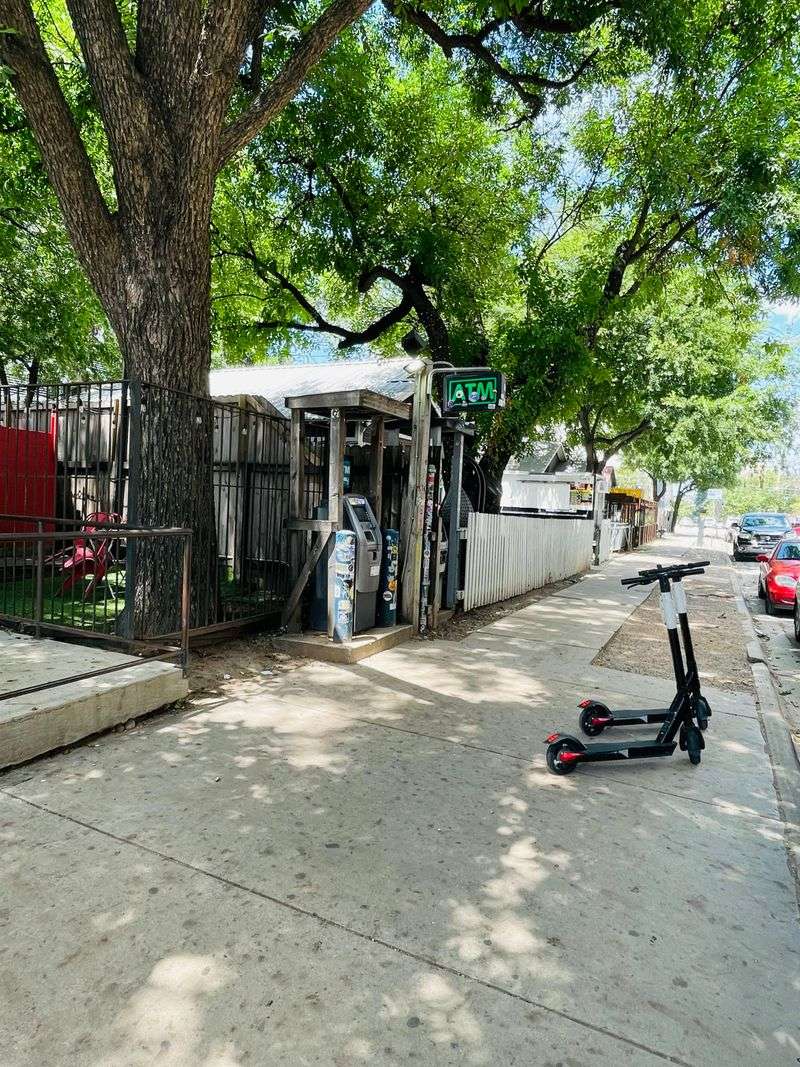
Rainey Street feels like stumbling upon a secret neighborhood that somehow became the coolest hangout in Austin without losing its soul.
Unlike the chaotic mess that Sixth Street has become, this compact historic district offers a laid-back vibe where converted bungalows now house unique bars, each with its own personality and backyard patio.
Walking down the tree-lined street, you will notice how the original residential character remains intact even as craft cocktails and live music spill out onto wooden decks.
Locals flock here precisely because it avoids the aggressive party atmosphere that dominates the downtown tourist strips.
Each bungalow-turned-bar maintains its quirky charm, from vintage furniture on the porches to fairy lights strung between old oak trees.
Food trucks park along the street offering everything from gourmet tacos to Korean barbecue, giving you plenty of dinner options without needing reservations.
The crowd skews more toward young professionals and Austin residents rather than bachelor parties and college spring breakers.
During weekdays, the atmosphere stays relaxed enough for conversation, while weekends bring a livelier energy that still feels manageable.
Parking can get tricky, so consider using a rideshare or renting a scooter to zip over from downtown.
The district sits just a few blocks from Lady Bird Lake, making it easy to combine a sunset paddleboard session with evening drinks.
What makes Rainey Street special is how it captures Austin’s reputation for keeping things weird while actually delivering a quality experience that does not feel manufactured for tourists.
Address: Rainey Street, Austin, Texas
3. Dallas’s Bishop Arts District
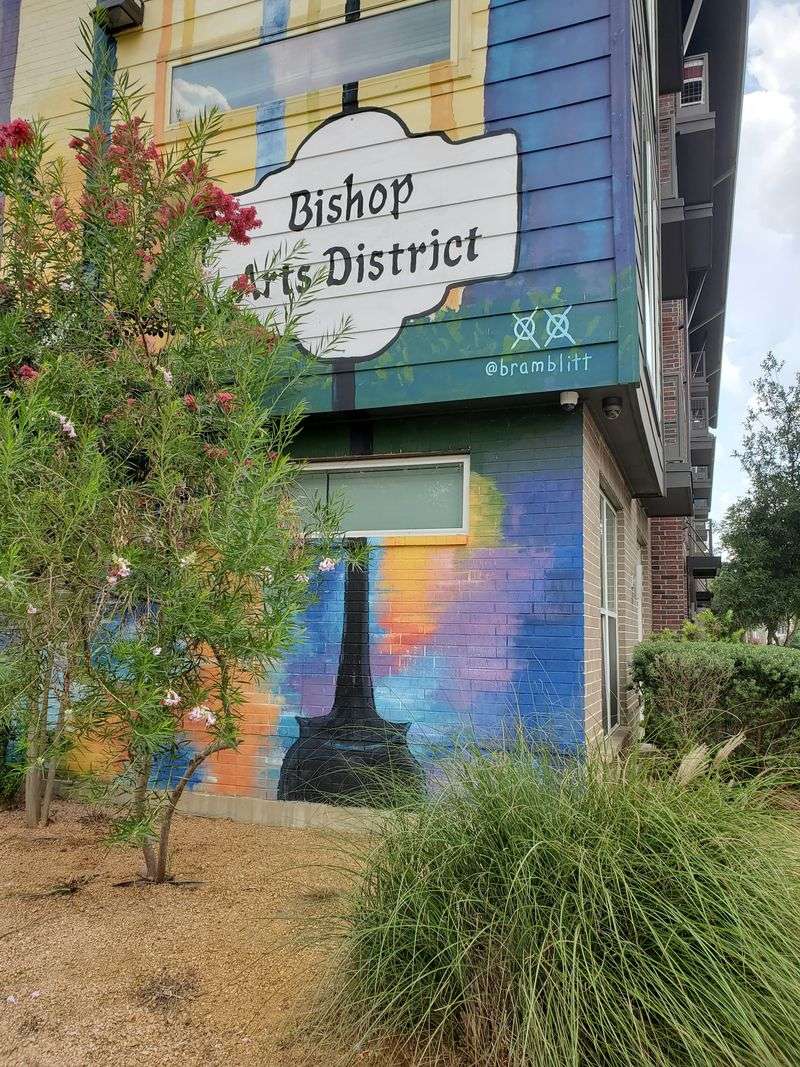
Bishop Arts District proves that Dallas has way more personality than its skyscraper-dominated downtown might suggest.
This walkable neighborhood in North Oak Cliff bursts with independently owned shops, art galleries, and restaurants that reflect the city’s growing creative community.
Vintage clothing stores sit next to contemporary art spaces, while family-owned bakeries share sidewalks with craft cocktail lounges.
The area avoided the corporate development that homogenized other Dallas neighborhoods, maintaining an authenticity that locals fiercely protect.
Murals cover building walls throughout the district, turning a simple stroll into an outdoor art exhibition.
On weekends, street performers and pop-up markets add extra energy to the already lively atmosphere.
Restaurant options span the globe, from elevated Mexican cuisine to Mediterranean small plates, all without the chain-restaurant blandness that plagues tourist areas.
Bishop Arts also hosts several theaters and performance spaces where you can catch independent films, live music, or experimental theater productions.
The neighborhood’s revival story mirrors the broader renaissance happening across Dallas, as younger residents seek alternatives to suburban sprawl.
Parking is easier here than in downtown Dallas, with free street parking and small lots scattered throughout the district.
Visit on First Thursday evenings when galleries stay open late and the streets fill with locals browsing new exhibitions.
What started as a struggling commercial strip has transformed into one of the most vibrant neighborhoods in North Texas without sacrificing its community character.
Plan to spend at least half a day exploring, shopping, and sampling food from multiple restaurants.
4. Fredericksburg’s Main Street
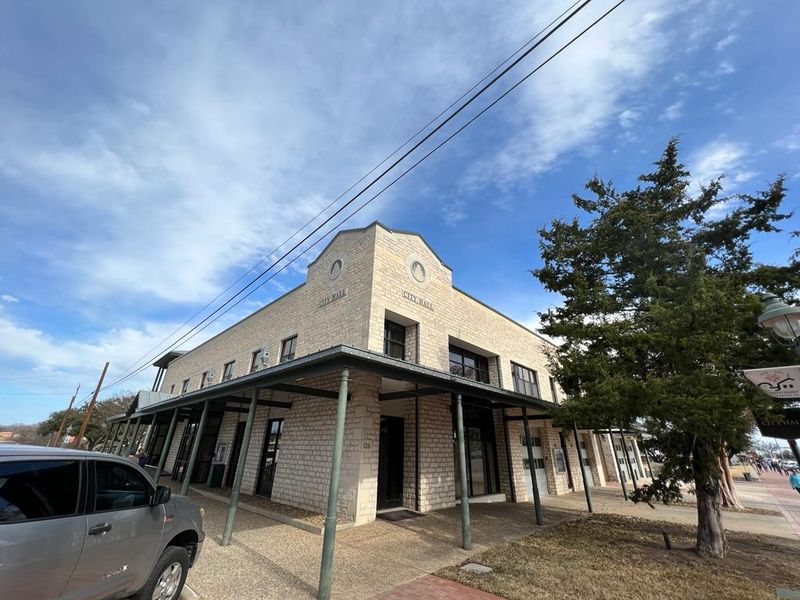
Fredericksburg sits in the heart of Texas Hill Country, where German immigrants established a thriving community in the mid-1800s that still influences the town today.
Main Street stretches for blocks lined with limestone buildings housing wine tasting rooms, antique shops, and German bakeries selling authentic strudel.
Unlike artificial tourist villages, Fredericksburg functions as a real town where locals actually live and work, giving it a genuine small-town atmosphere.
The surrounding region produces excellent wines, and many tasting rooms along Main Street offer samples from nearby vineyards without the pretension of Napa Valley.
Between wine sips, you can browse shops selling everything from handmade jewelry to Texas-made gourmet foods.
Several restaurants serve schnitzel, sausages, and other German specialties alongside Texas barbecue, creating a unique fusion of cultures.
On weekends, the town fills with visitors from Austin and San Antonio, but weekdays offer a more relaxed pace for exploring.
The National Museum of the Pacific War sits just off Main Street, providing a surprisingly comprehensive look at World War II history.
Spring brings wildflower season to the Hill Country, with bluebonnets and Indian paintbrush carpeting the fields surrounding town.
Many visitors make Fredericksburg a day trip, but staying overnight at one of the historic bed and breakfasts lets you experience the town after day-trippers leave.
Local peach orchards open for picking season in summer, offering a hands-on agricultural experience you won’t find in big cities.
Main Street maintains its historic character while adapting to modern tourism, striking a balance that many Texas towns struggle to achieve.
5. Houston’s Museum District
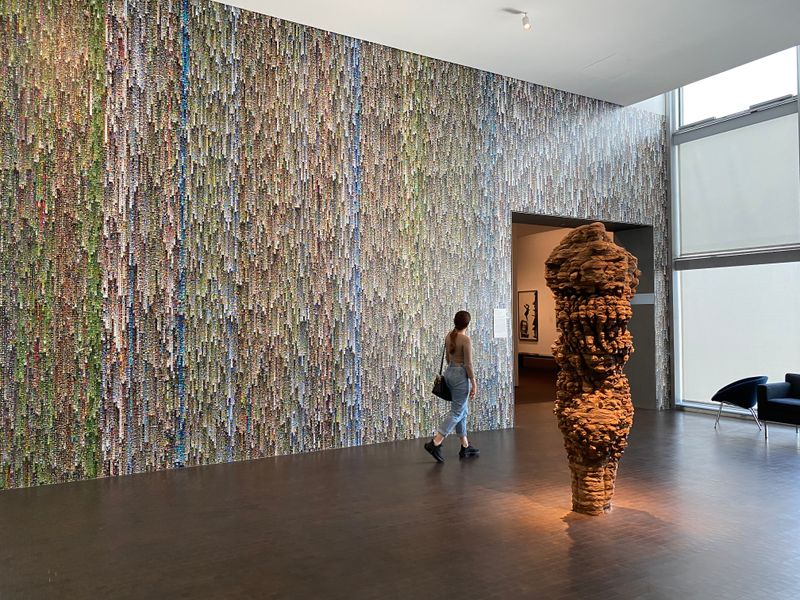
Houston often gets dismissed as nothing but oil refineries and traffic, but the Museum District reveals the city’s sophisticated cultural side.
Nineteen museums cluster within walking distance of each other, covering everything from fine arts to natural science to contemporary photography.
The Museum of Fine Arts Houston houses an impressive collection rivaling those in much larger cities, with works spanning centuries and continents.
Next door, the Contemporary Arts Museum showcases cutting-edge exhibitions in a striking stainless steel building that looks like modern sculpture itself.
Hermann Park borders the district, providing green space for picnics between museum visits and a peaceful lake where you can rent pedal boats.
Several museums offer free admission on certain days, making culture accessible without emptying your wallet.
The Children’s Museum of Houston ranks among the best in the nation, keeping younger travelers engaged with hands-on exhibits.
Rice University sits adjacent to the district, its beautiful campus worth exploring for its architecture and public art installations.
Food trucks and casual restaurants near the museums provide lunch options that beat overpriced museum cafes.
Unlike tourist traps that charge inflated prices for mediocre experiences, these world-class institutions deliver genuine cultural enrichment.
The Holocaust Museum Houston offers a sobering but essential educational experience with free admission.
Light rail connects the Museum District to downtown Houston, eliminating parking hassles and letting you explore without a car.
Plan your visit around special exhibitions and events, which often feature talks by artists, curators, and scholars.
6. Marfa’s Art Scene

Way out in the West Texas desert, Marfa exists as one of the most unexpected art destinations in America.
This tiny town of fewer than two thousand residents became an international art mecca after minimalist artist Donald Judd moved here in the 1970s.
His permanent installations at the Chinati Foundation transform former military buildings into contemplative spaces where art and landscape merge.
Walking through these galleries feels meditative, with the harsh desert light streaming through windows onto precisely arranged aluminum boxes and concrete sculptures.
Downtown Marfa mixes working ranchers with art collectors, creating an unlikely cultural collision that somehow works.
Gallery openings happen regularly, and the small-town atmosphere means you might end up chatting with internationally recognized artists over coffee.
The famous Marfa Lights viewing area sits just outside town, where mysterious glowing orbs appear on the horizon with no definitive explanation.
Prada Marfa, a permanent sculpture resembling a luxury boutique, stands alone on a desolate highway northwest of town.
Despite its art-world fame, Marfa avoids pretension, maintaining the dusty authenticity of a ranching community.
Hotel options range from renovated historic buildings to modern minimalist accommodations, all reflecting the town’s aesthetic sensibility.
Restaurants serve elevated cuisine using local ingredients, a far cry from the truck-stop fare you might expect in such a remote location.
Getting to Marfa requires commitment since it sits hours from any major city, but that isolation preserves its unique character.
Visit during the cooler months since summer temperatures in the desert can be brutal.
7. Fort Worth Stockyards
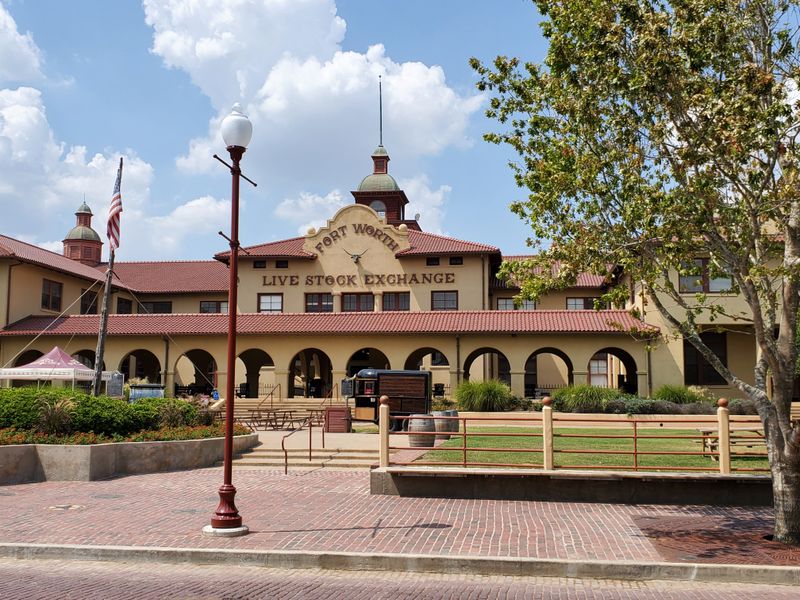
Fort Worth embraces its cowboy heritage without turning it into a cheesy theme park experience.
The Stockyards National Historic District preserves the authentic architecture and atmosphere of the city’s cattle-trading past.
Twice daily, real longhorn cattle get driven down Exchange Avenue by actual cowboys and cowgirls, not actors in costumes.
Brick streets and wooden sidewalks maintain the Old West aesthetic while shops sell quality Western wear used by working ranchers.
Unlike tourist traps that manufacture artificial Western experiences, the Stockyards evolved from genuine agricultural industry.
Billy Bob’s Texas claims to be the world’s largest honky-tonk, hosting live country music and bull riding in an enormous venue that feels authentically Texan.
The Texas Cowboy Hall of Fame honors real rodeo legends and ranching pioneers rather than Hollywood versions of the West.
Several restaurants serve excellent steaks from cattle raised on nearby ranches, connecting you directly to the region’s ranching traditions.
On weekends, the area gets crowded, but the size of the district means you can always find quieter corners to explore.
The Stockyards border the Trinity River, and nearby trails offer escapes from the bustle into natural areas.
Fort Worth positions itself as where the West begins, and the Stockyards deliver on that promise without feeling manufactured.
Visit the Stockyards Museum to understand how the cattle industry shaped not just Fort Worth but the entire American West.
Western apparel stores here sell functional gear rather than costume pieces, reflecting the working culture that still exists in rural Texas.
8. South Padre Island’s Nature Trails
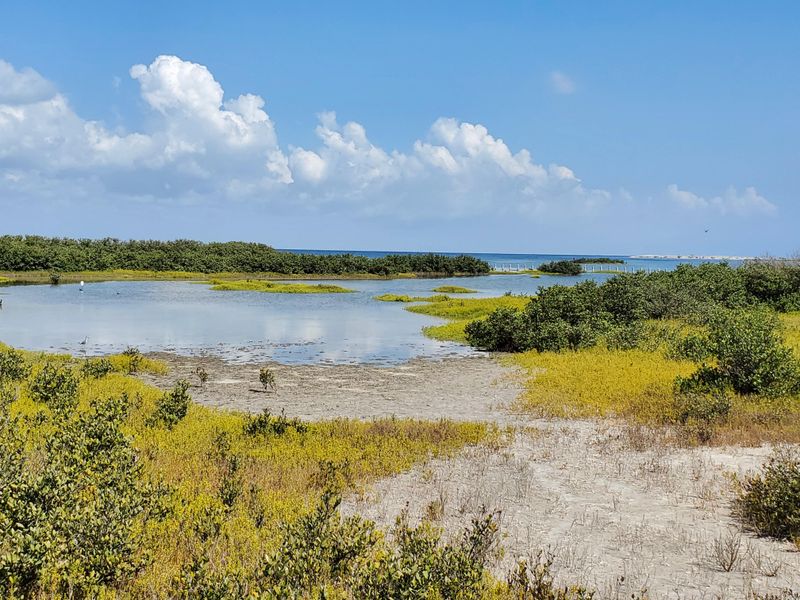
South Padre Island attracts spring breakers and beach tourists, but its less-visited nature preserves reveal a completely different side of this barrier island.
The South Padre Island Birding and Nature Center features five stories of observation decks overlooking wetlands that host hundreds of bird species.
Boardwalks wind through coastal habitat where you might spot roseate spoonbills, redditch egrets, or even alligators lurking in shallow ponds.
Early morning visits offer the best wildlife viewing before heat and crowds arrive.
The Laguna Madre Nature Trail provides another escape from beach party culture, with interpretive signs explaining the unique ecosystem.
This narrow lagoon between the island and mainland creates one of the most important habitats for migrating birds in North America.
Sea Turtle Inc. rescues and rehabilitates injured sea turtles, offering educational programs that beat generic beach activities.
Meeting these ancient creatures up close provides a connection to Gulf ecology that sunbathing alone cannot deliver.
Most tourists never venture beyond the beach and beachfront bars, leaving the nature trails surprisingly peaceful.
Kayaking through the Laguna Madre at sunrise or sunset offers solitude and stunning light impossible to find on the crowded beach.
The island’s position on the Central Flyway makes it a premier birdwatching destination, especially during spring and fall migrations.
Bring binoculars, insect repellent, and water since facilities along nature trails are minimal.
These natural areas remind visitors that South Padre Island is more than spring break destination, supporting complex ecosystems worth protecting and exploring.
9. El Paso’s Mission Trail
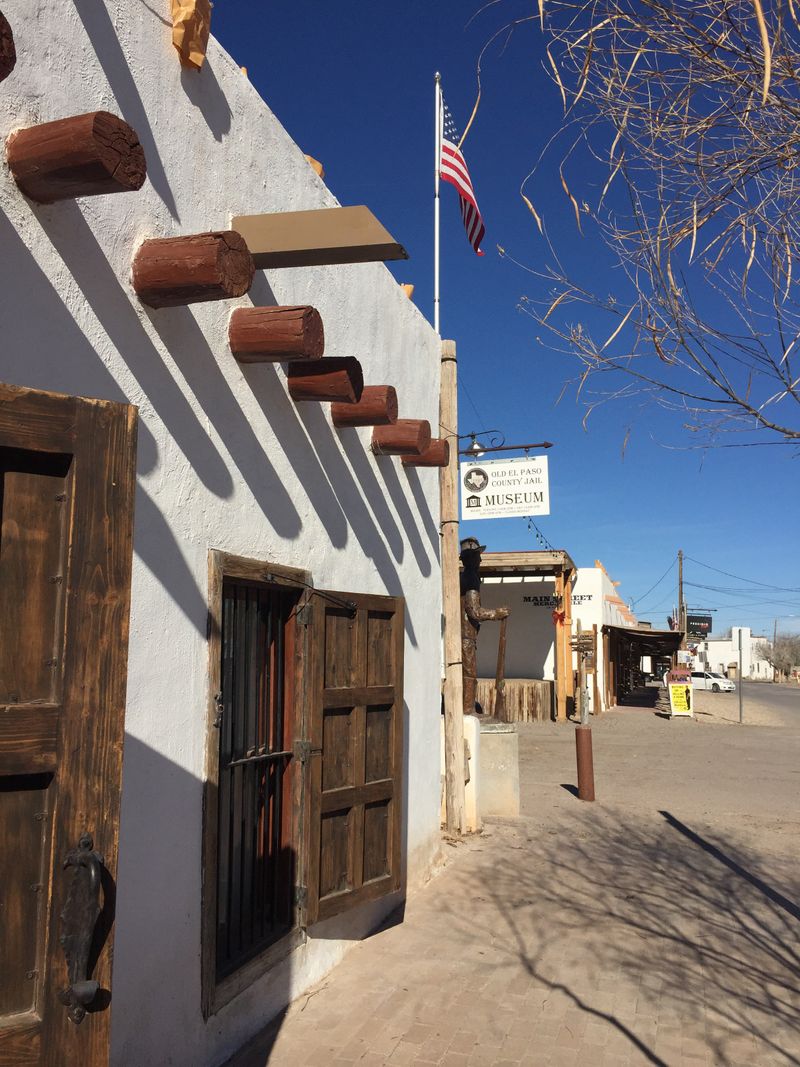
El Paso sits at the far western tip of Texas where the state meets Mexico and New Mexico, creating a distinct borderland culture.
The Mission Trail connects three Spanish missions built in the late 1600s, predating the famous San Antonio missions by decades.
Ysleta Mission serves as the oldest continuously operated parish in Texas, still holding regular services after more than three centuries.
Socorro Mission features beautiful original artwork and a simple adobe construction that has withstood earthquakes and floods.
San Elizario Presidio Chapel anchored a Spanish military garrison and later became the seat of local government.
Driving the trail takes you through neighborhoods where Spanish remains the primary language and Mexican food reaches levels of authenticity impossible in other Texas cities.
These missions avoid the tourist infrastructure surrounding San Antonio’s missions, offering a quieter, more contemplative experience.
The Franklin Mountains rise dramatically behind El Paso, providing a stunning backdrop completely different from the rest of Texas.
Local guides offer tours that explain the complex history of Spanish colonization, indigenous resistance, and Mexican-American cultural blending.
Nearby restaurants serve incredible Tex-Mex and interior Mexican cuisine at prices that seem impossibly low compared to tourist areas.
El Paso’s isolation from other major Texas cities preserved cultural traditions that have been diluted elsewhere.
The mission trail represents living history rather than museum pieces, with active congregations maintaining these buildings.
Visit during cooler months since El Paso’s desert climate brings intense summer heat that makes outdoor exploration challenging.
10. Galveston’s East End Historic District
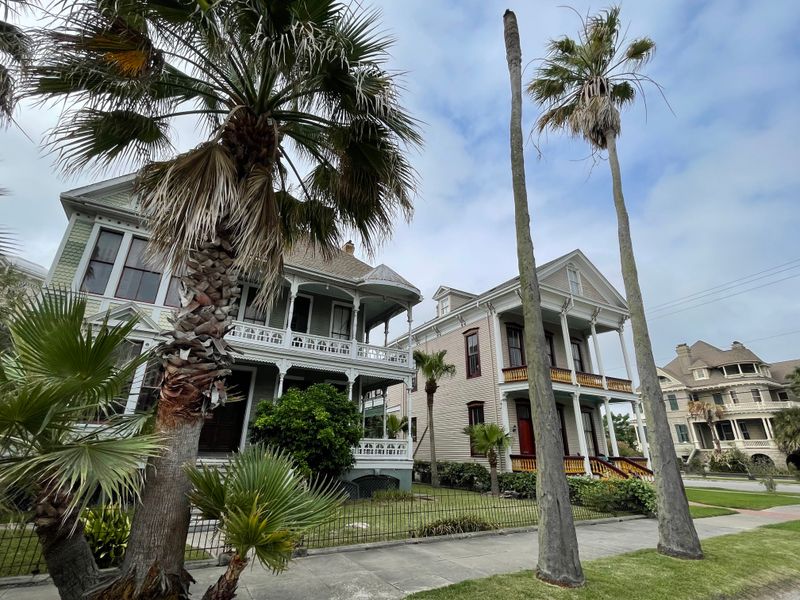
Galveston Island draws beach-seekers to its sandy shores, but the East End Historic District offers architecture and history that most visitors completely overlook.
This neighborhood survived the devastating 1900 hurricane that destroyed much of Galveston, preserving Victorian homes that showcase incredible craftsmanship.
Walking these tree-shaded streets feels like stepping back to when Galveston ranked as the wealthiest city in Texas.
Ornate details cover the homes, from intricate woodwork to stained glass windows, representing various architectural styles popular in the late 1800s.
Unlike the touristy Strand district with its souvenir shops, the East End remains primarily residential, giving it an authentic neighborhood atmosphere.
Several homes operate as bed and breakfasts, letting you experience Victorian elegance firsthand while supporting historic preservation.
The neighborhood borders the seawall, making it easy to combine architectural exploration with beach time.
Local coffee shops and small restaurants cater to residents rather than tourists, offering better quality and lower prices.
Galveston’s complex history includes its role as a major immigration port, and interpretive markers throughout the East End explain this heritage.
The annual Galveston Historic Homes Tour opens private residences to visitors, revealing interiors as impressive as the exteriors.
Biking through the district provides an ideal pace for appreciating architectural details while covering more ground than walking.
Photography enthusiasts will find endless subjects in the colorful Victorian homes framed by palm trees and tropical vegetation.
This neighborhood represents Galveston’s golden age before the hurricane and subsequent rise of Houston shifted economic power inland.
Dear Reader: This page may contain affiliate links which may earn a commission if you click through and make a purchase. Our independent journalism is not influenced by any advertiser or commercial initiative unless it is clearly marked as sponsored content. As travel products change, please be sure to reconfirm all details and stay up to date with current events to ensure a safe and successful trip.
