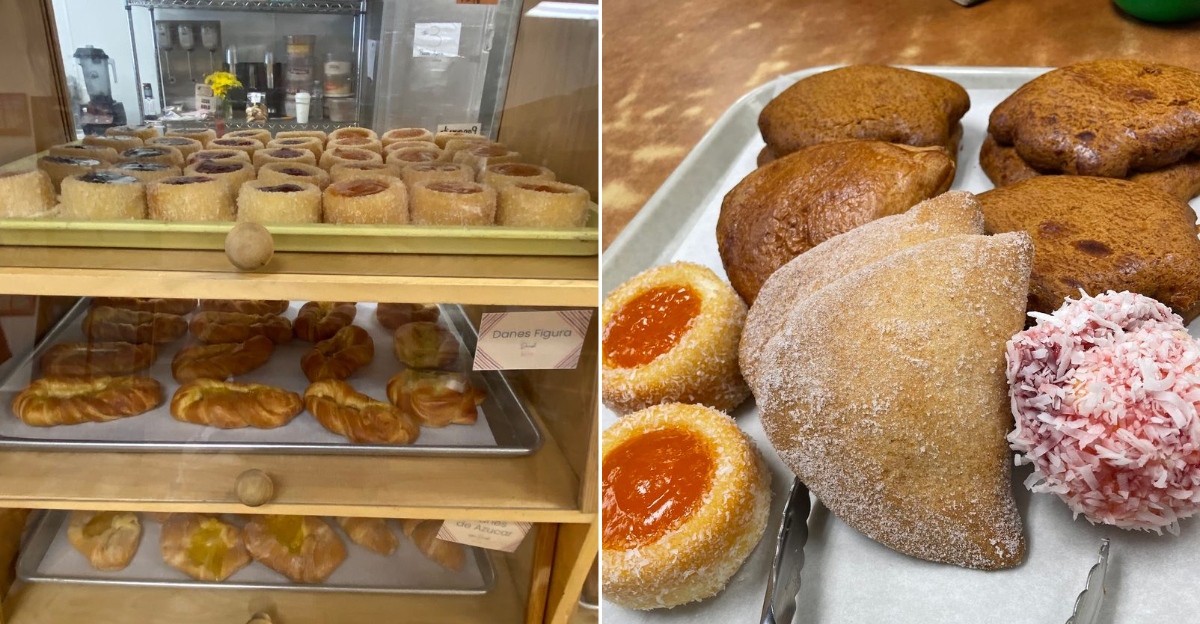
The aroma of warm cinnamon and vanilla drifts through the doors before you even step inside. Tongs clatter against metal trays as customers load up on conchas, empanadas, and sweet loaves that have been made the same way for more than a century.
A family recipe that started in Mexico in 1912 crossed the border and found a new home in Oklahoma.
Today, the fifth generation of bakers still works through the night, rolling dough and firing ovens so the cases are full by sunrise.
The pan dulce is soft, fragrant, and unmistakably fresh. Locals line up with trays, filling their baskets with familiar favorites and new discoveries alike.
This is not a place that rushes. It is a place that honors tradition, one golden pastry at a time.
In a world of mass production, this Oklahoma bakery reminds you that the best things are still made by hand.
A Family Recipe Book That Started In Michoacan
Picture a small bakery opening in Michoacan, Mexico, more than a century ago, and then picture that same family still shaping dough today in Tulsa. That is the actual timeline here, and it stretches across five generations of bakers who each learned from the one before them.
What I find genuinely wild is how few businesses of any kind survive that long, let alone a bakery where everything depends on skill passed hand to hand. Recipes like these do not live in a computer somewhere, they live in muscle memory and in the way someone knows dough is ready just by touching it.
The family carried that knowledge north and set up shop in Oklahoma, which means what you are buying has a real lineage behind it rather than a marketing story someone invented later. You can see it in how consistent the shapes and colors are across the trays.
If you like knowing the backstory of the food you eat, this one is easy to appreciate. There is something grounding about biting into a pastry made the same way it was made generations ago, in a completely different country, by people related to the ones baking it now.
Where To Actually Find The Original East Tulsa Shop
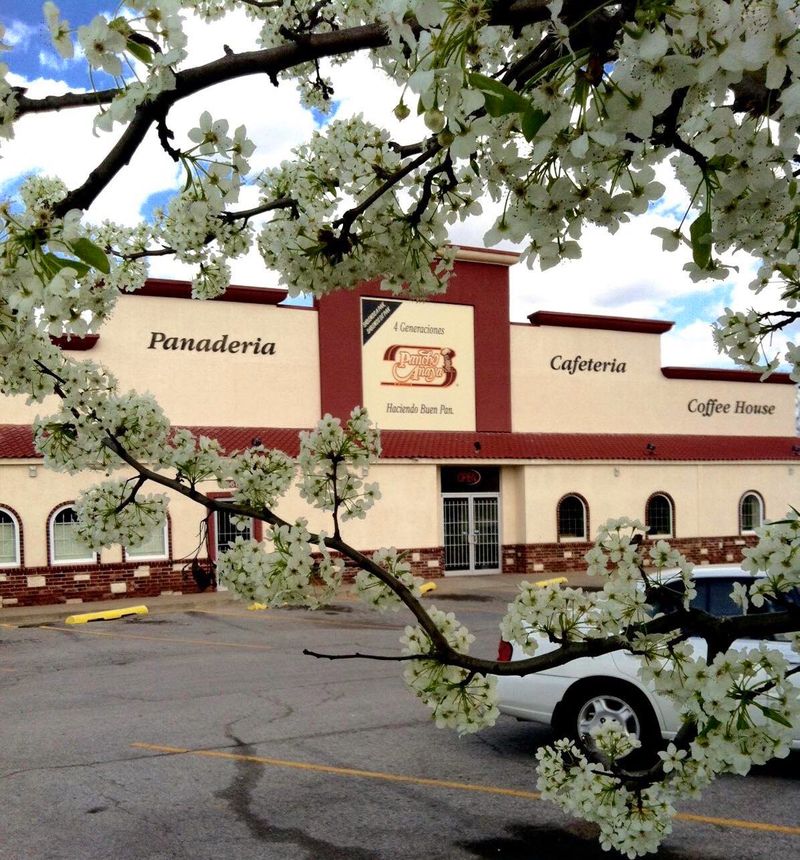
Let me get the practical part out of the way first, because you will want this written down somewhere. The original east Tulsa location sits at 40 S Garnett Road, Tulsa, OK 74128, and that is the spot where the family first planted their sweet shop after bringing the tradition to the United States in the late nineties.
It is an easy address to find if you are already moving around the east side of town, and the surrounding stretch is the kind of busy commercial road where you can pull in without much fuss. Parking is not the drama it would be downtown.
Going to the original location has a different feel than stopping at a newer branch, at least for me, because you are standing in the place where the whole Oklahoma chapter of this family story started. That counts for something when you are traveling.
Mornings tend to be when the cases look their fullest, so if you have flexibility in your schedule, aim early. Later in the day still works, but the selection naturally thins out as people come through and clear the trays.
Conchas, Puerquitos, And The Whole Sweet Bread Lineup
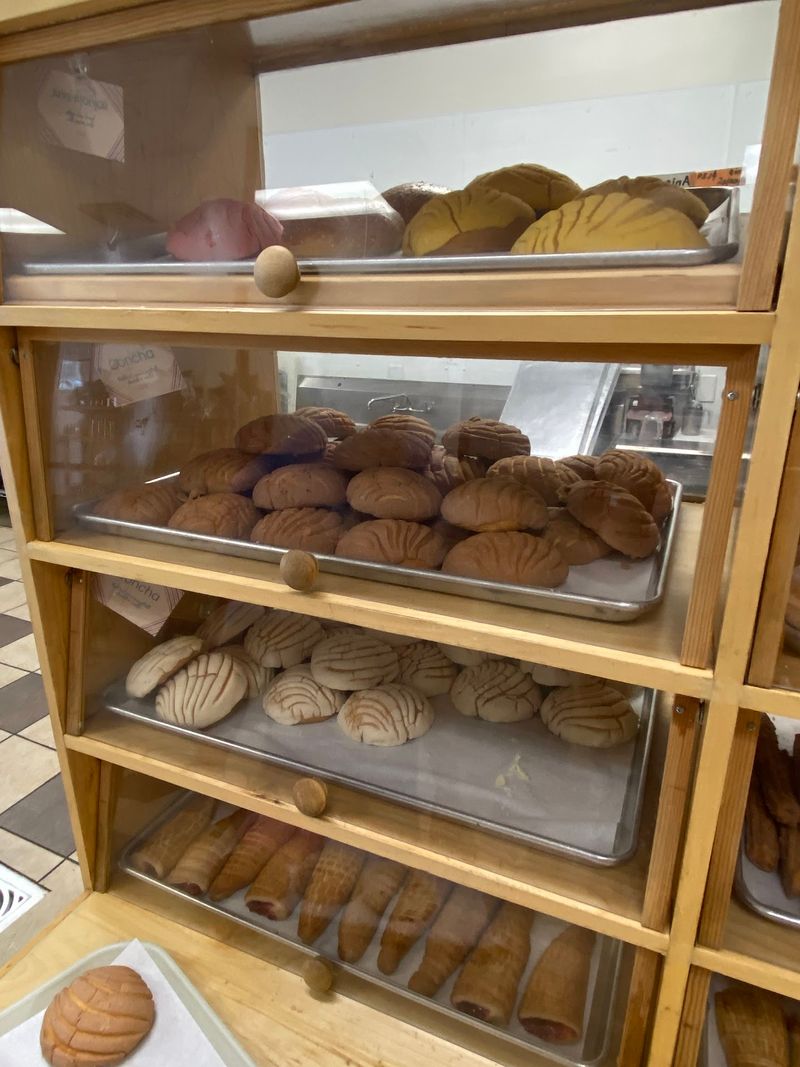
Sweet bread is the whole reason most people walk through the door, and honestly the variety is what gets you. Conchas with their crackly shell topping sit next to puerquitos, those little pig-shaped gingerbread cookies, and from there the shapes just keep going.
Pan dulce is not one thing, it is a whole category built from European artisan baking techniques mixed with indigenous Mexican traditions, and you can see both influences sitting side by side in the cases. The colors alone make the display fun to look at before you even choose.
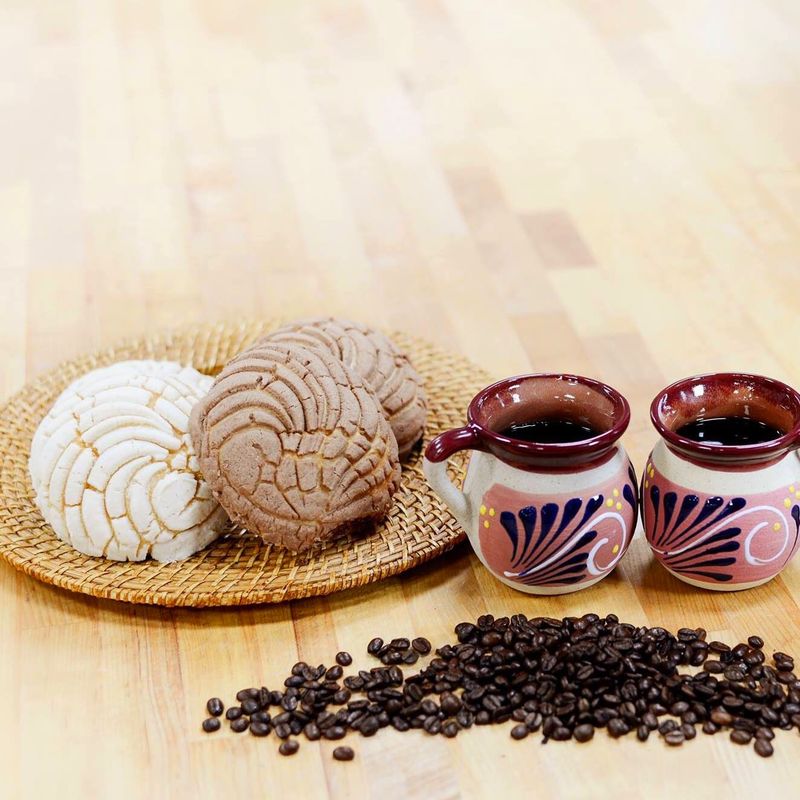
If you have never tried it, a concha is a good starting point because it is soft, mildly sweet, and pairs beautifully with coffee or hot chocolate. Puerquitos lean spicier and denser, more like a cookie with attitude.
My honest advice is to grab a few different shapes rather than loading up on one favorite, since half the fun is comparing textures. Some are pillowy, some are flaky, some crumble the second you bite them.
You will figure out your preference fast, and then you will probably want to come back for more of it.
Churros, Orejas, And Tres Leches Round Out The Cases
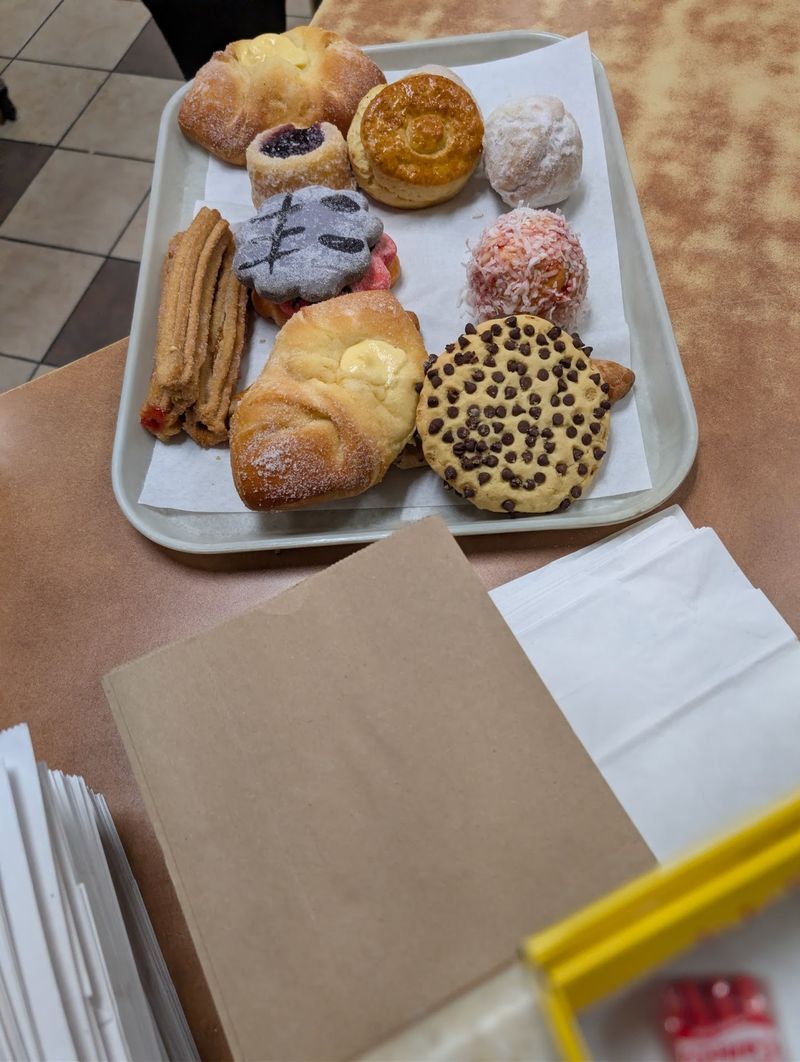
Sweet bread gets the headlines, but skipping the rest of the counter would be a mistake. Filled churros show up here, along with orejas, which are those wide puff pastry ears that shatter into flakes the moment you bite into them.
There are Mexican cookies in several styles, brioche buns that work for sandwiches or just eating plain, and tres leches cake for anyone who wants something softer and soaked in milk. That range means the bakery covers breakfast, dessert, and everything in between.
Have you ever had a churro with filling inside instead of the plain cinnamon sugar version? It changes the whole experience, turning a crunchy snack into something closer to a pastry.
Orejas are my pick if you want something to eat in the car while driving through Oklahoma, because they are dry, sturdy, and not messy in the way a cream-filled item would be. Tres leches is the opposite and really needs a plate and a fork.
Plan accordingly based on whether you are eating there or taking a box back to wherever you are staying, since some of these travel much better than others.
Thousands Of Pieces Coming Out Of The Ovens Daily
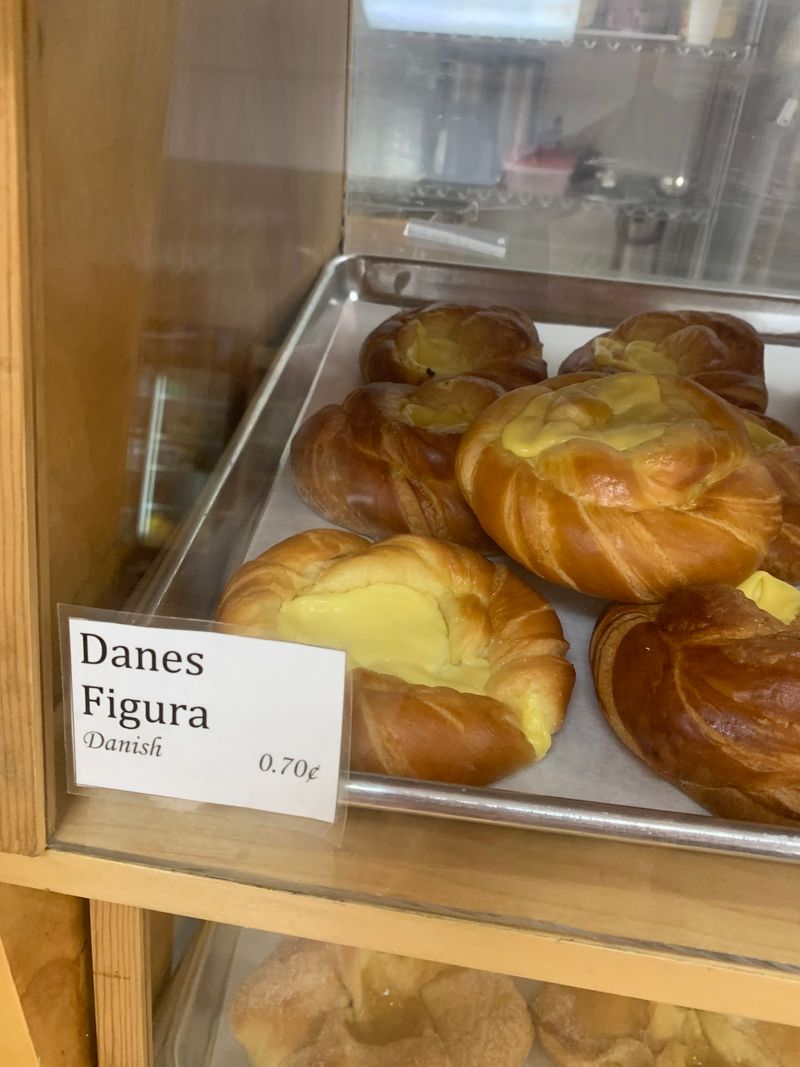
The production numbers here are genuinely hard to picture until you say them out loud. On an average day the bakery turns out roughly nine thousand pieces of pan dulce, bolillo, and buns, which is an enormous amount of bread coming from one operation.
All that output does not just sit in one shop either, because fresh goods get delivered twice a day to their other locations. That second delivery is the detail I like most, since it means afternoon customers are not automatically stuck with morning leftovers.
Bolillo deserves a mention on its own, because those crusty rolls are the backbone of tortas and plenty of home cooking across Oklahoma households. They are not sweet, they are functional, and they sell steadily for good reason.
Running at that volume while still doing significant handwork is a balancing act most places would not attempt. It requires real organization behind the scenes and a staff that knows exactly what it is doing.
So when you walk in and the shelves look fully loaded, that is not luck or timing. That is a production schedule built to keep bread arriving fresh throughout the whole day.
A Slice Of Mexican Culture Sitting In Tulsa
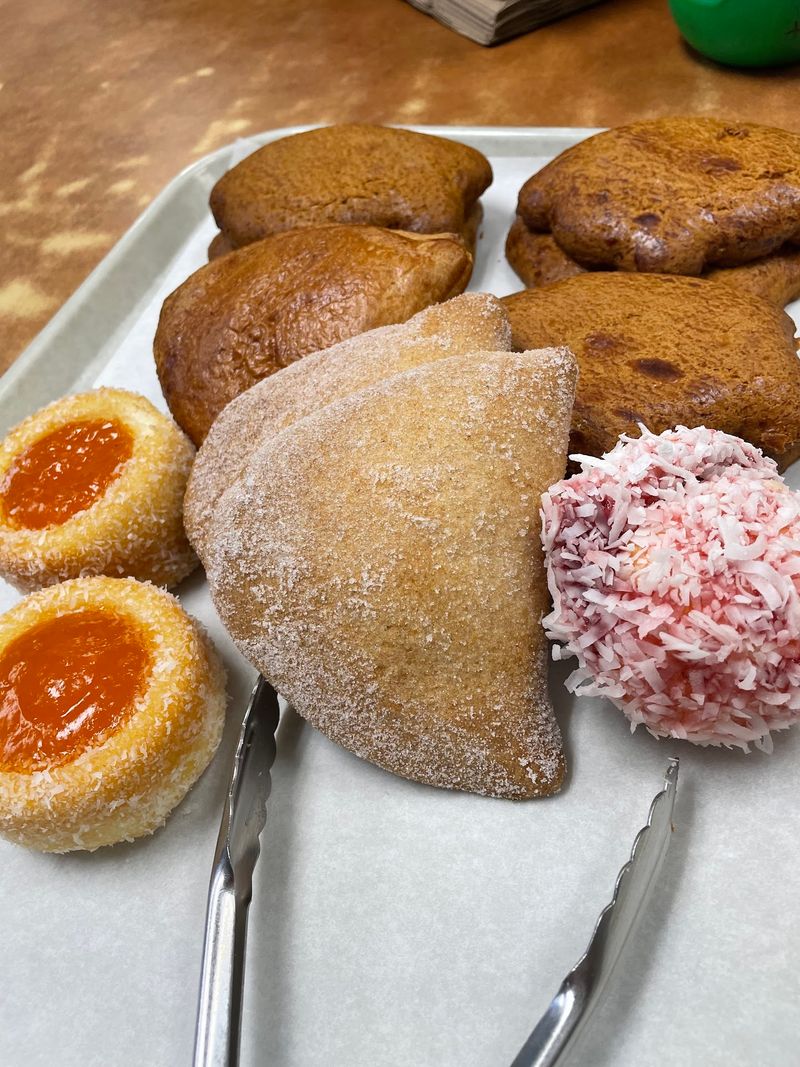
Food carries culture better than almost anything else, and that is very much the case inside this bakery. Walking in, you get a strong sense that this is a place built around Hispanic heritage and family values, expressed through bread rather than through signs on the wall.
It functions as a gathering spot as much as a store, the kind of place where regulars come weekly and where newcomers get introduced to a tradition they might not have known existed. Tulsa has a lot of good food, but this fills a specific role.
For travelers passing through Oklahoma, that cultural angle is a big part of the appeal. You are not just picking up a snack, you are stepping briefly into a community space that has been serving the same neighborhood for decades.
The atmosphere is casual and unpretentious, with no expectation that you know what anything is called or how to order. Nobody is judging your pronunciation.
If you have kids with you, bakeries like this tend to be a hit, because the bright colors and the self-serve tray system make the whole visit feel like an activity rather than an errand.
Grab A Tray, Grab The Tongs, Start Browsing
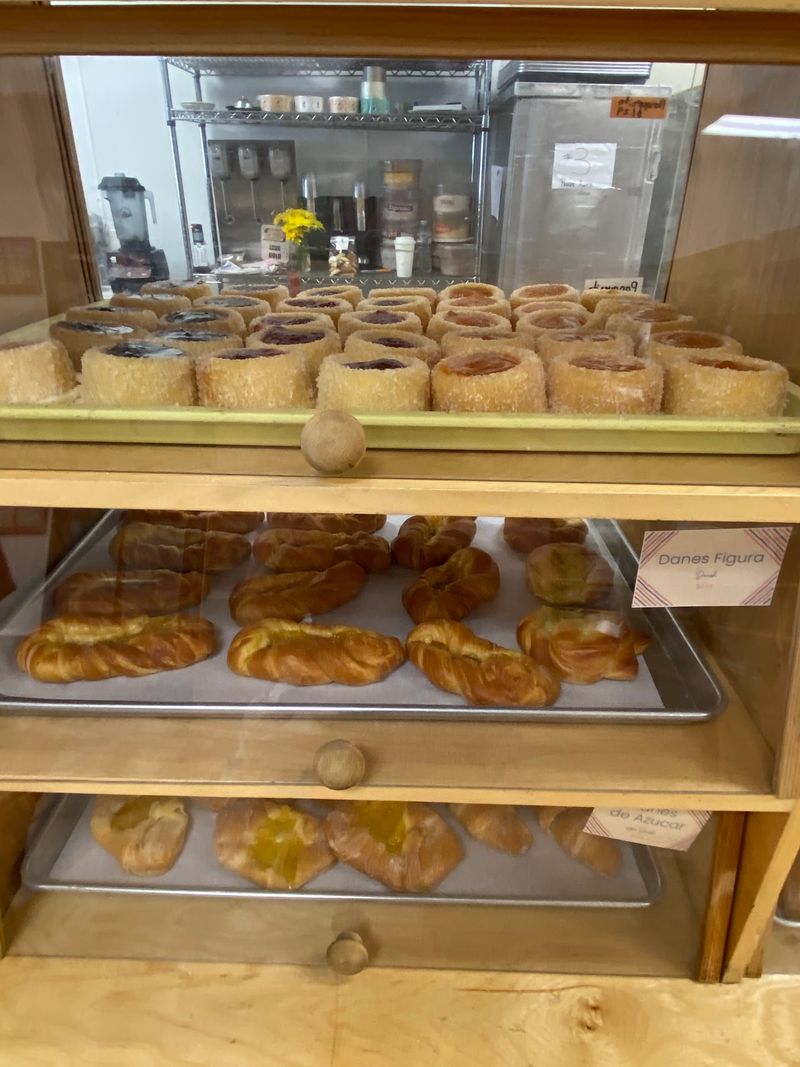
First-timers sometimes freeze at the entrance, unsure how the ordering works, so let me save you that moment of hesitation. You pick up a tray and a pair of tongs near the front, then you walk the cases and take whatever looks good to you.
No ordering at a counter, no pointing at things through glass while somebody waits, just you and the bread deciding things together. When your tray is full, you bring it up to be rung out.
It is a system that rewards curiosity, because trying something unfamiliar costs almost nothing when each piece is small. That is how most people discover the pastry they end up loving.
My suggestion is to walk the entire display once before putting anything on your tray, since the best-looking item is rarely the first one you pass. There is always something further down that changes your mind.
Bring a little patience if you arrive during a rush, and do not stress about taking your time choosing. Everyone in line is doing the exact same thing, weighing conchas against churros like it is a serious decision, which honestly it kind of is.
Bread That Travels Beyond The Storefront
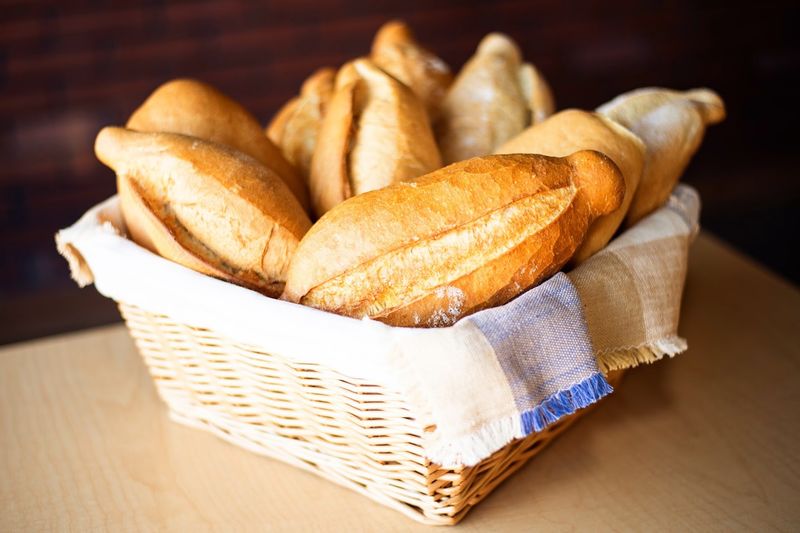
Here is a side of the operation most walk-in customers never see. The fifth generation of the family pushed into manufacturing, which opened the door to supplying bread well beyond their own retail counters.
They now provide bread to local restaurants and produce telera rolls that get shipped out to other cities, meaning the family’s baking reaches plates far from Oklahoma. Telera is the soft, flat roll built for tortas, and getting it right takes practice.
Think about what that expansion actually represents for a family that started with one small shop in Michoacan. Going from a neighborhood bakery to a wholesale supplier is a genuinely big leap.
For the local economy it means jobs and steady business, and for restaurants it means access to bread made by people who have been doing it for over a century. That is a strong partnership either way.
The neat part is that the retail shop did not get sacrificed for the growth. You can still walk in, browse the trays, and get the same handmade sweet bread the family has always sold, which is not always how these stories go.
Why Locals Treat It Like A Neighborhood Anchor
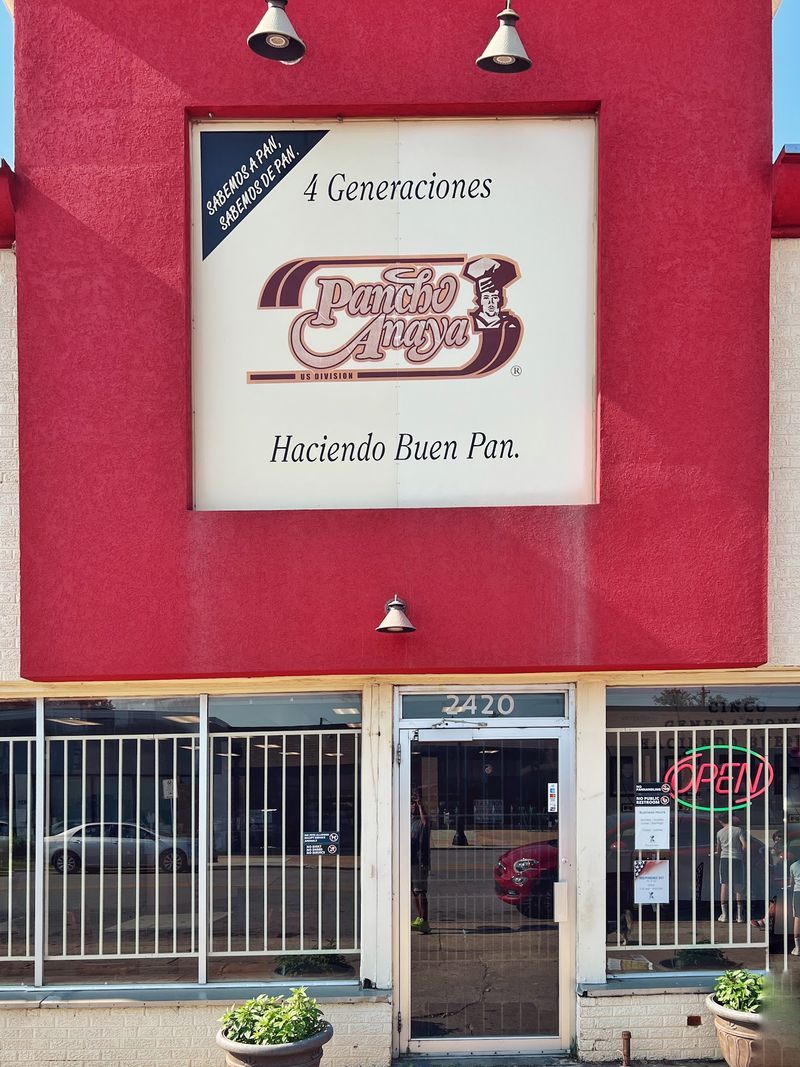
Some businesses just become part of the fabric of a place, and that is clearly what has happened here. Locals treat this bakery as a cornerstone, the sort of stop folded into weekly routines rather than saved for special occasions.
Part of that comes down to consistency, since fresh bread every day builds trust in a way that flashier things never do. The other part is the family story, which people around Tulsa know and take pride in.
Hard work and family tradition are easy phrases to throw around, but this place actually demonstrates them across five generations and two countries. That is a real track record.
For anyone traveling through Oklahoma looking for something more meaningful than a chain stop, this fits the bill without trying to be fancy about it. The bread is the whole point, and it holds up.
So if your route takes you anywhere near east Tulsa, set aside a little time for it. Buy more than you think you need, because whatever you grab will be gone faster than expected, and you will wish you had picked up an extra concha for later.
