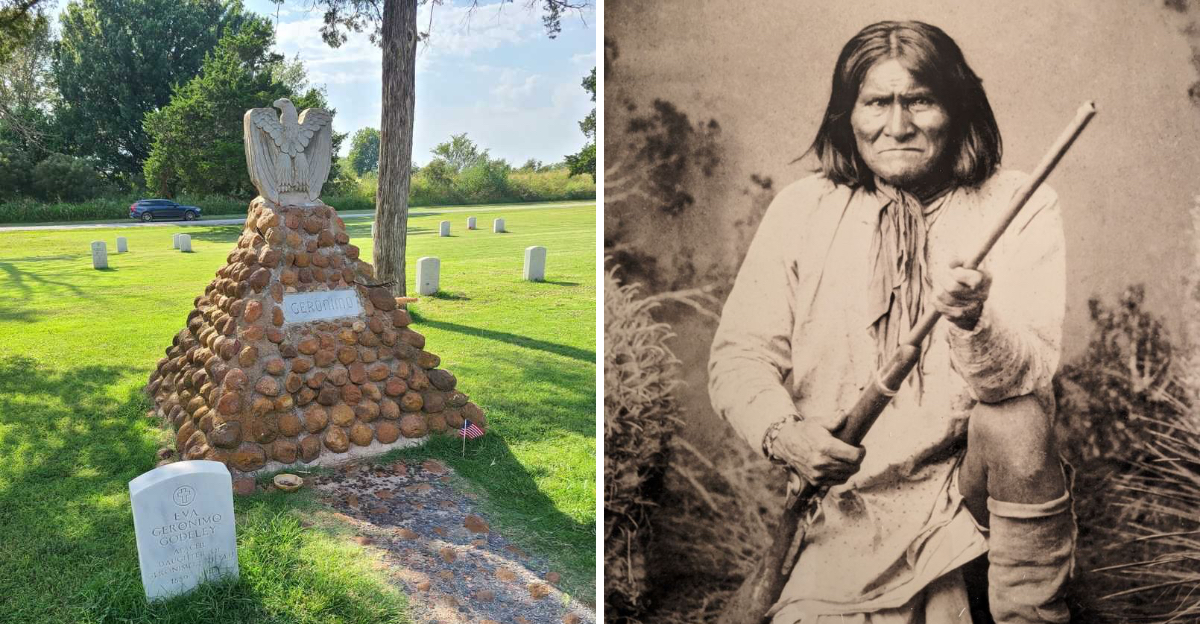
I stood at the entrance of Fort Sill National Historic Landmark and Museum at 435 Quanah Rd in Lawton, Oklahoma, knowing I was about to walk through the final chapter of one of America’s most legendary figures.
Geronimo spent his last years here as a prisoner of war, and the fort preserves that powerful story alongside the broader narrative of the American frontier.
The original buildings from 1869 still stand around the old parade ground, creating a living timeline you can actually touch and explore.
What struck me most was how this place tells multiple stories at once: the Buffalo Soldiers, the Apache prisoners, the cavalry life, and the transformation of the American West all converge in one remarkable location.
Walking the Original 1869 Frontier Outpost Grounds
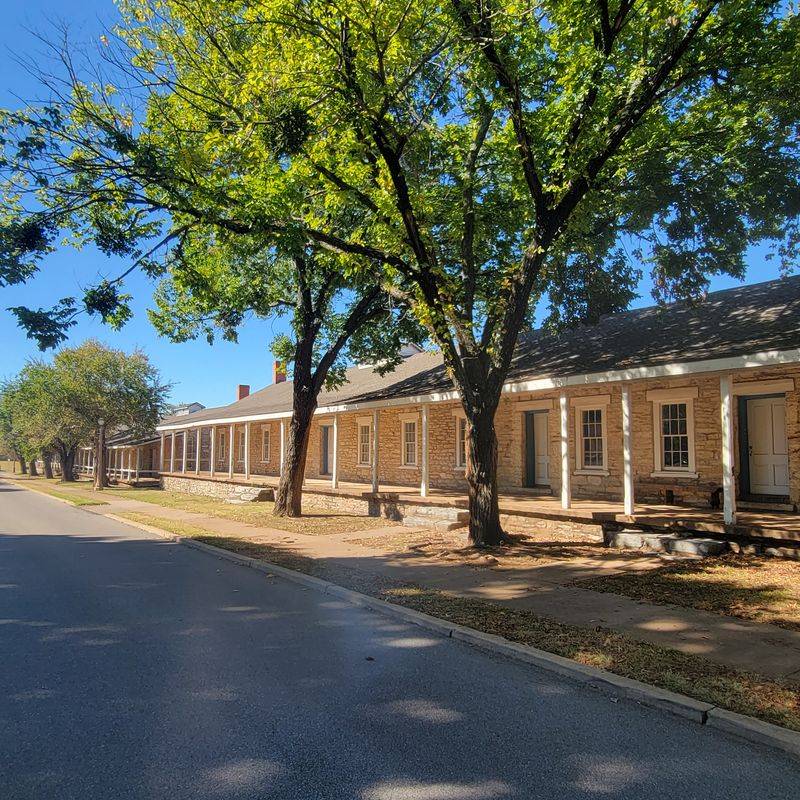
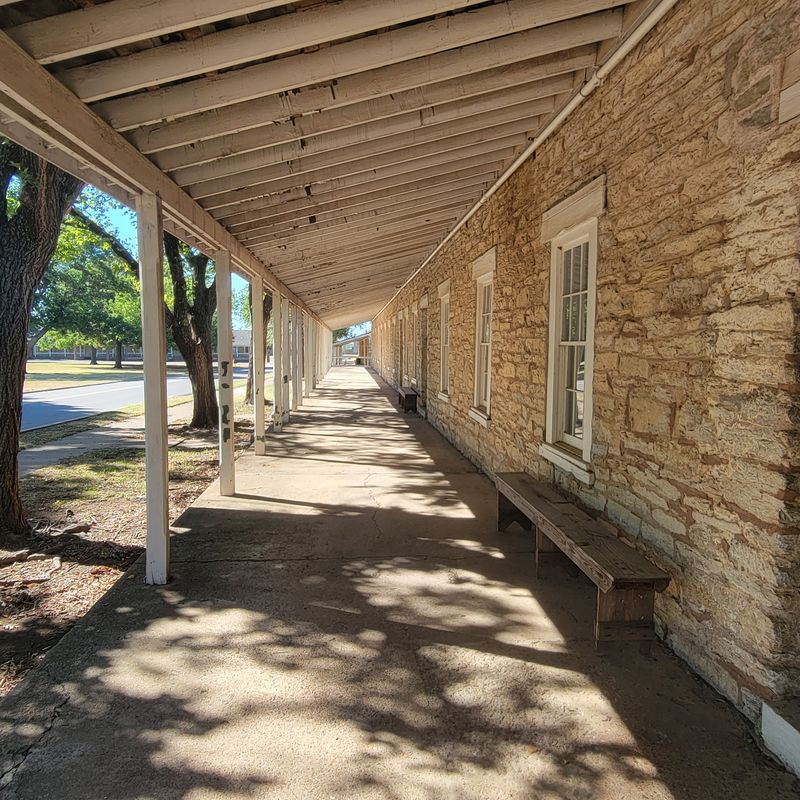
Stepping onto the Old Post Quadrangle felt like crossing a threshold in time. The buildings surrounding the parade ground date back to 1869, making them some of the oldest continuously used military structures in the western United States.
I walked around the perimeter with my phone in hand, following the free audio tour that brought each building to life. The stone structures have weathered more than 150 years of Oklahoma sun and storms, yet they remain remarkably intact.
Officers still live in some of these historic homes, which adds an unusual dimension to the experience. You’re not just looking at preserved museum pieces but walking through a functioning part of Fort Sill that bridges past and present.
The audio guide explained how soldiers lived, where they drilled, and how the fort evolved from a frontier outpost to a modern training facility. I spent nearly an hour just circling the quadrangle, absorbing details I would have missed without the narration.
Visiting during weekday hours between 10 AM and 4 PM gives you the best chance to explore thoroughly. The sense of authenticity here surpasses most reconstructed historical sites I’ve visited across the country.
The Story Behind Geronimo’s Final Years
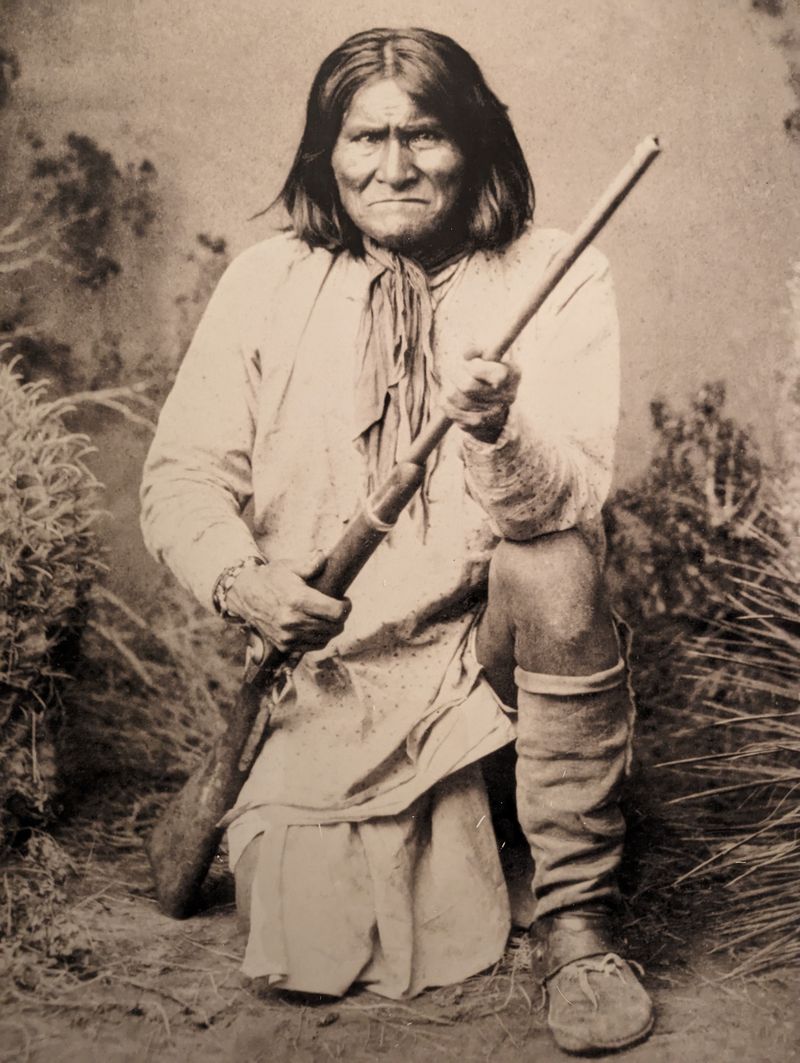
Geronimo arrived at Fort Sill in 1894 as a prisoner of war, and he remained here until his passing in 1909. The museum dedicates significant space to telling his story, displaying photographs, personal items, and documents that chronicle these final fifteen years.
What fascinated me most was learning how Geronimo adapted to life as a prisoner. He became something of a celebrity, appearing at fairs and exhibitions, even riding in Theodore Roosevelt’s inaugural parade in 1905.
The exhibits don’t romanticize or oversimplify his experience. Instead, they present the complexity of a warrior leader living in captivity, far from his Arizona homeland, yet somehow maintaining dignity and cultural identity.
Several docents I spoke with were incredibly knowledgeable about Apache history and Geronimo’s time at Fort Sill. They shared stories not found on the display placards, adding depth to what I was seeing.
The museum also explains why Geronimo and other Apache prisoners were sent to Oklahoma in the first place. Understanding this broader context of forced relocation and military policy made the personal artifacts even more poignant.
Inside the Restored Cavalry Barracks
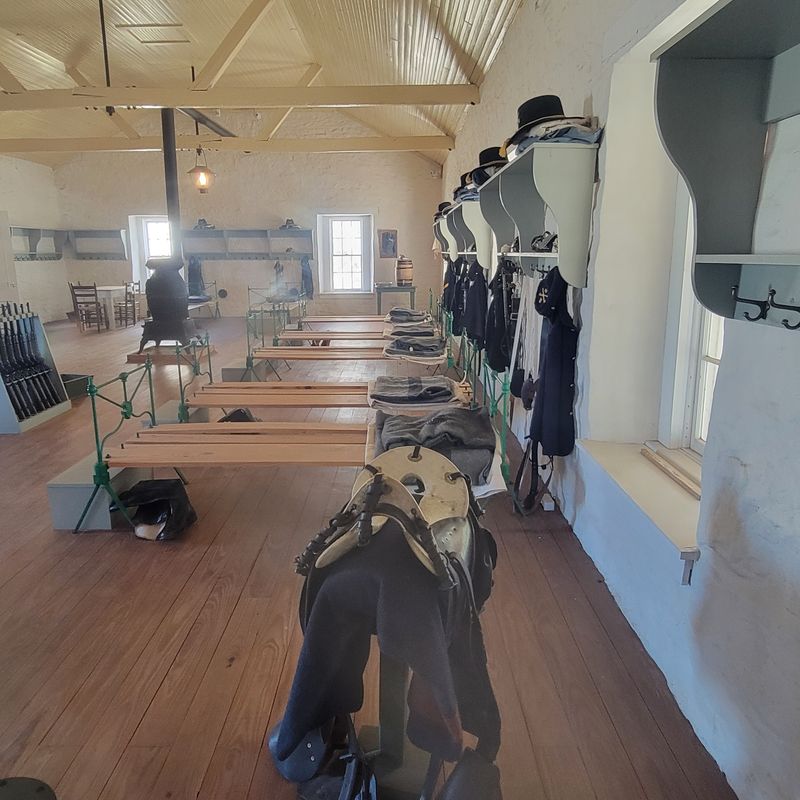
The cavalry barracks display transported me straight into the 1890s. Everything is arranged exactly as it would have been when soldiers lived here: cots lined up with military precision, footlockers at the end of each bed, uniforms hanging on pegs.
I could almost hear the sounds of soldiers preparing for patrol as I walked between the rows. The attention to detail impressed me greatly, from the personal grooming items on the shelves to the playing cards scattered on a small table.
One corner of the barracks shows the equipment soldiers carried on patrol. The saddles, rifles, canteens, and bedrolls gave me a new appreciation for how physically demanding cavalry life must have been.
The docent explained that soldiers spent months at a time in these cramped quarters, regardless of Oklahoma’s extreme temperatures. Summer heat and winter cold made comfort nearly impossible, yet military discipline demanded order and cleanliness.
I noticed several visitors taking their time here, reading the informational panels and studying the artifacts. This building offers the most immersive experience at the museum, letting you truly imagine frontier military life in all its harsh reality.
Military Artifacts Spanning Generations
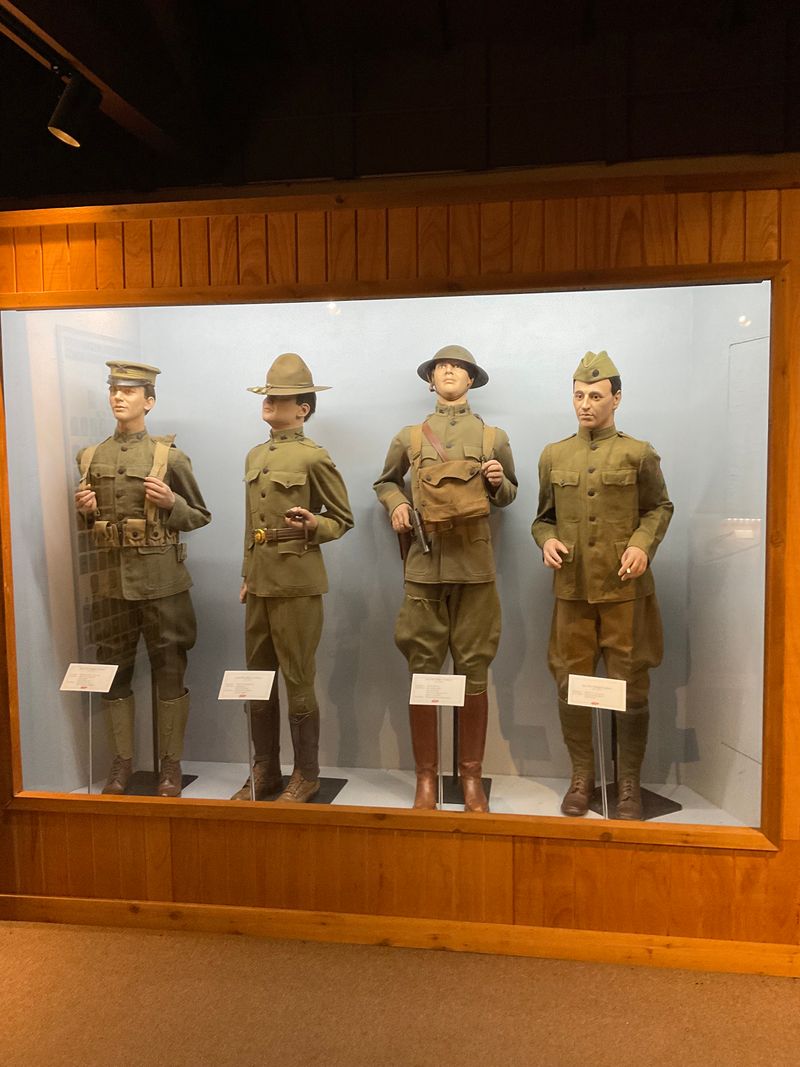
The museum’s collection amazed me with its breadth and quality. Artillery pieces, uniforms, weapons, photographs, and personal items fill the exhibition halls, representing different eras of American military history.
I started with the Civil War era displays and worked my way forward chronologically. Each period gets substantial attention, from the Indian Wars through both World Wars and into contemporary conflicts.
One display case held letters written by soldiers stationed at Fort Sill. Reading their firsthand accounts of daily life, homesickness, and duty made the history feel immediate and personal rather than distant and abstract.
The weapons collection particularly interested me, showing the evolution of military technology over 150 years. From single-shot rifles to modern artillery systems, the progression tells its own story about changing warfare.
I recommend watching the 20-minute introductory film before exploring the exhibits. It provides essential context that helps you understand what you’re seeing and why Fort Sill played such a crucial role in western expansion and military training.
Photography is allowed throughout the museum, so I captured images of displays that particularly moved me or taught me something new about this period of American history.
The Buffalo Soldiers Legacy
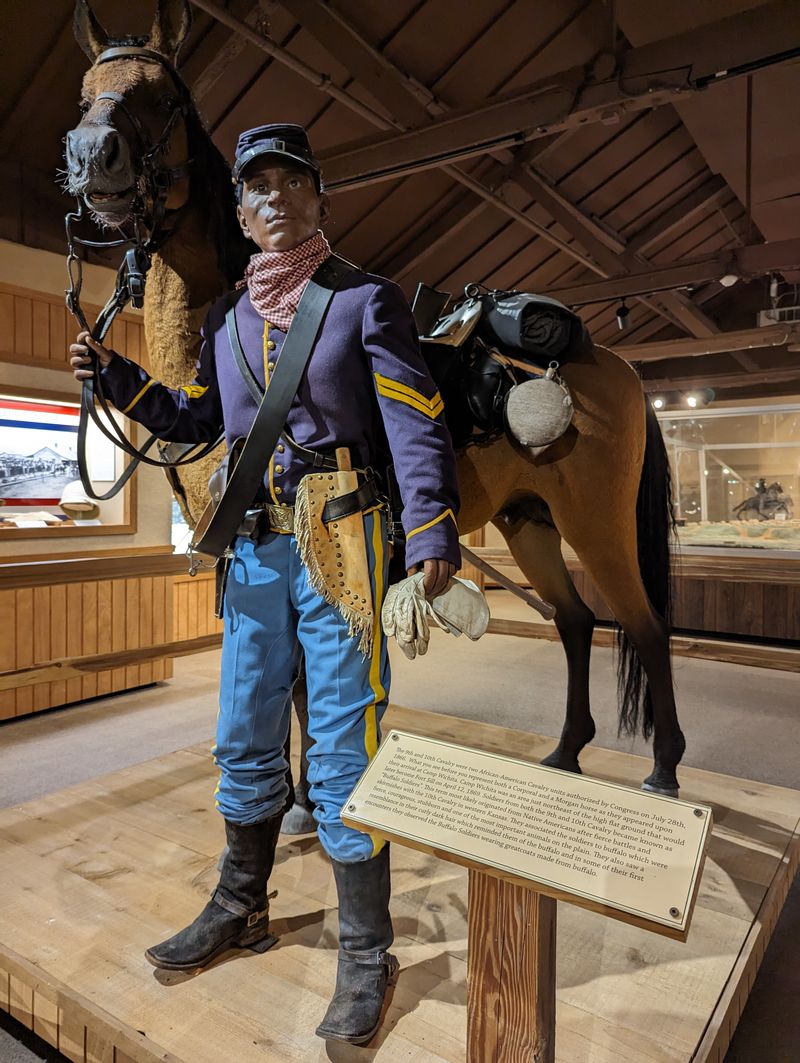
Fort Sill served as home to Buffalo Soldier regiments, and the museum honors their contributions with dedicated exhibits. These African American cavalry and infantry units played vital roles in frontier military operations despite facing discrimination and hardship.
The displays include photographs of individual soldiers, regimental histories, and explanations of their missions throughout Oklahoma and the Southwest. I learned that Buffalo Soldiers participated in numerous campaigns and helped establish order in newly settled territories.
One grandmother brought her grandchildren specifically to teach them about Buffalo Soldiers, and I overheard her explaining how these men served their country with distinction despite being denied basic rights elsewhere. That intergenerational education happening in real time moved me deeply.
The exhibits don’t shy away from discussing the complicated reality these soldiers faced. They fought against Native American tribes while themselves being marginalized by the very nation they served with courage and professionalism.
I spent considerable time reading the personal stories of individual Buffalo Soldiers who were stationed at Fort Sill. Their resilience and dedication deserve recognition, and this museum ensures their legacy remains visible and honored for future generations to discover and appreciate.
Apache Prisoner of War Cemetery
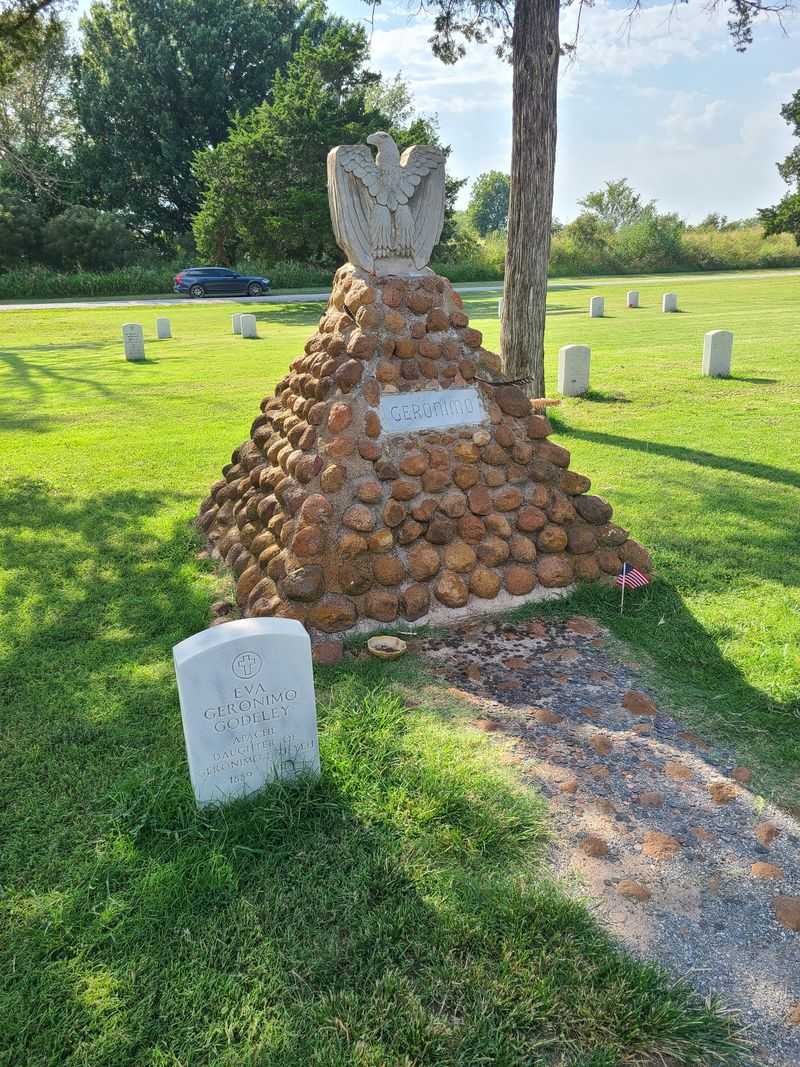
Beyond the museum grounds lies the Apache Prisoner of War Cemetery, where Geronimo and other Apache prisoners are buried. Visitors need base access to reach it, but the journey proves worthwhile for anyone interested in this chapter of history.
The cemetery sits in a quiet corner of Fort Sill, marked by simple headstones and a memorial explaining the Apache prisoners’ story. I stood at Geronimo’s grave, which visitors have covered with coins and small offerings, a tradition that continues today.
Reading the names on surrounding markers reminded me that Geronimo wasn’t alone. Entire families lived and passed away here in Oklahoma, far from their Arizona homeland, never granted permission to return.
Several reviews I read before visiting mentioned this as a bucket-list destination, and I understand why. Standing at the grave of such a legendary figure creates a powerful connection to history that books and documentaries cannot replicate.
The docents at the museum provide directions to the cemetery and explain the visitor pass process for accessing it. I recommend allocating extra time for this pilgrimage, as it adds essential context to everything you learn inside the museum about Apache history and Geronimo’s final years.
Free Admission with Donation Option
The museum operates on a free admission basis, though a donation box sits near the entrance. I appreciated this approach, which makes history accessible to everyone regardless of financial circumstances.
The staff member at the front desk greeted me warmly and explained everything available during my visit. He mentioned which buildings were open, how the audio tour worked, and what else I might want to see on the base.
Most visitors I observed dropped ten or twenty dollars in the donation box, which helps keep the museum operating and the exhibits maintained. For the quality and quantity of what you experience here, even a modest contribution feels appropriate.
The gift shop offers books, postcards, and memorabilia related to Fort Sill history and Geronimo. Purchases here also support the museum’s mission and preservation efforts, giving you another way to contribute beyond direct donations.
I noticed several families with children enjoying the museum without worrying about steep admission fees. This accessibility matters tremendously for educational institutions, allowing schools and families to explore history together regardless of their budget constraints or economic situations.
Outdoor Artillery and Equipment Displays
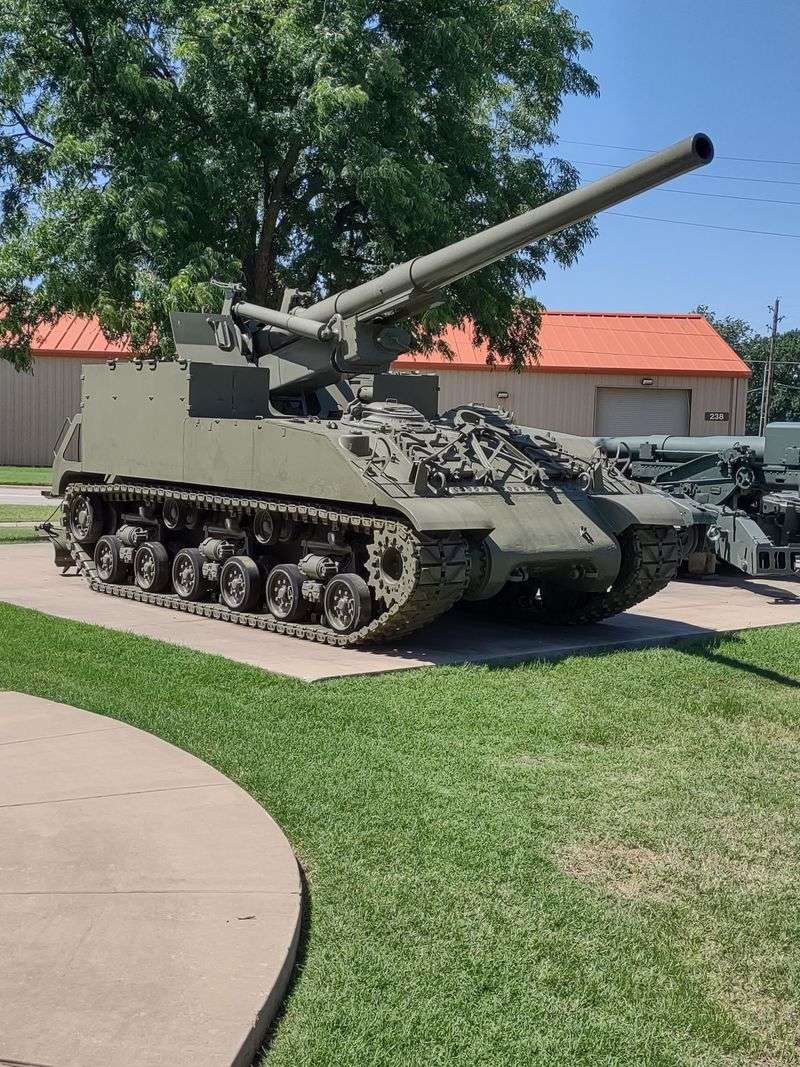
Before even entering the museum building, I spent an hour exploring the outdoor artillery and equipment displays scattered across the lawn. Each piece comes with an informative placard explaining its history, specifications, and role in military operations.
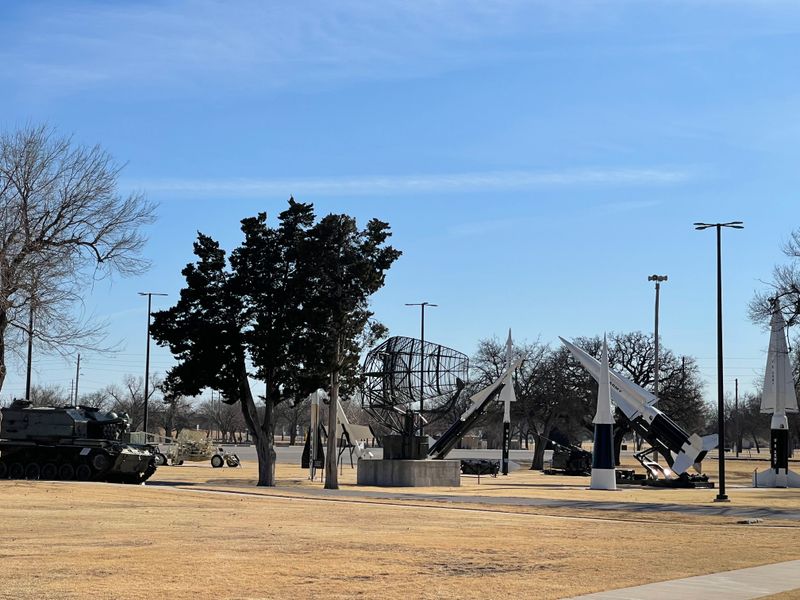
The collection spans different eras of warfare, from Civil War-era cannons to more modern artillery systems. Walking among these massive pieces of equipment gave me a visceral sense of their scale and power.
The displays are remarkably well-maintained considering they sit exposed to Oklahoma weather year-round. The Army clearly takes pride in preserving these historical pieces for public education and appreciation.
I watched other visitors climbing on some of the equipment for photographs, which the museum permits. This hands-on accessibility makes the experience especially engaging for children and military history enthusiasts alike.
Even when the indoor museum closes due to government shutdowns or holidays, these outdoor displays remain accessible. One review I read mentioned visitors who came specifically for the Artillery Museum next door but spent an hour here first, completely absorbed by the outdoor collection.
The combination of indoor and outdoor exhibits creates a comprehensive experience that appeals to different learning styles and interests across various age groups.
Combining Your Visit with Field Artillery Museum
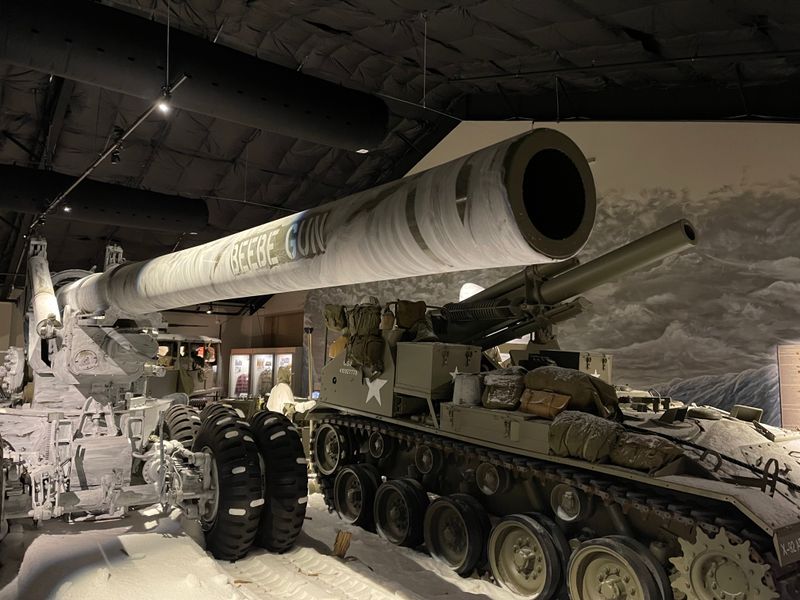
The Field Artillery Museum sits nearby on Fort Sill, and multiple visitors recommended seeing both museums in one trip. I initially planned to visit only the National Historic Landmark but extended my stay after learning about the artillery collection next door.
The two museums complement each other beautifully. While the historic fort focuses on frontier military life and the Apache prisoner experience, the Field Artillery Museum showcases the evolution of artillery warfare from revolutionary times through modern conflicts.
I met several military enthusiasts who considered the Field Artillery Museum their primary destination but were equally impressed by the historic fort. The combination creates a comprehensive military history experience you won’t find elsewhere in Oklahoma.
One father brought his son specifically to see the artillery displays, using both museums as educational opportunities to discuss military service, technological advancement, and American history. Their enthusiasm proved contagious as I overheard their excited conversations throughout the exhibits.
If you’re traveling to Lawton specifically for Fort Sill, dedicating a full day to explore both museums thoroughly makes perfect sense. The experiences differ enough that neither feels redundant, yet together they provide a complete picture of Fort Sill’s multifaceted importance in American military heritage.
The Authentic Experience That Keeps Visitors Returning
What distinguishes Fort Sill from other historical sites is its authenticity. These aren’t reconstructions or replicas but actual buildings where real soldiers lived, where Geronimo spent his final years, where frontier military history unfolded daily.
The buildings might look rough from the outside, as one reviewer noted, but that weathered appearance testifies to their age and genuine historical significance. I actually appreciated the lack of excessive restoration that sometimes sanitizes historical sites into theme park versions of themselves.
Walking through spaces where such consequential events occurred created an emotional connection I didn’t anticipate. History stopped being abstract dates and names, becoming instead a tangible presence I could touch and experience directly.
Multiple reviews mentioned returning with grandchildren or planning future visits, which speaks to the museum’s lasting impact. I left already thinking about bringing family members back to share this remarkable place with them.
The combination of free admission, knowledgeable staff, authentic settings, and powerful stories creates something special that transcends typical museum visits.
Fort Sill preserves not just artifacts but the actual ground where American history’s final frontier chapters were written in Oklahoma soil over 150 years ago.
Dear Reader: This page may contain affiliate links which may earn a commission if you click through and make a purchase. Our independent journalism is not influenced by any advertiser or commercial initiative unless it is clearly marked as sponsored content. As travel products change, please be sure to reconfirm all details and stay up to date with current events to ensure a safe and successful trip.
