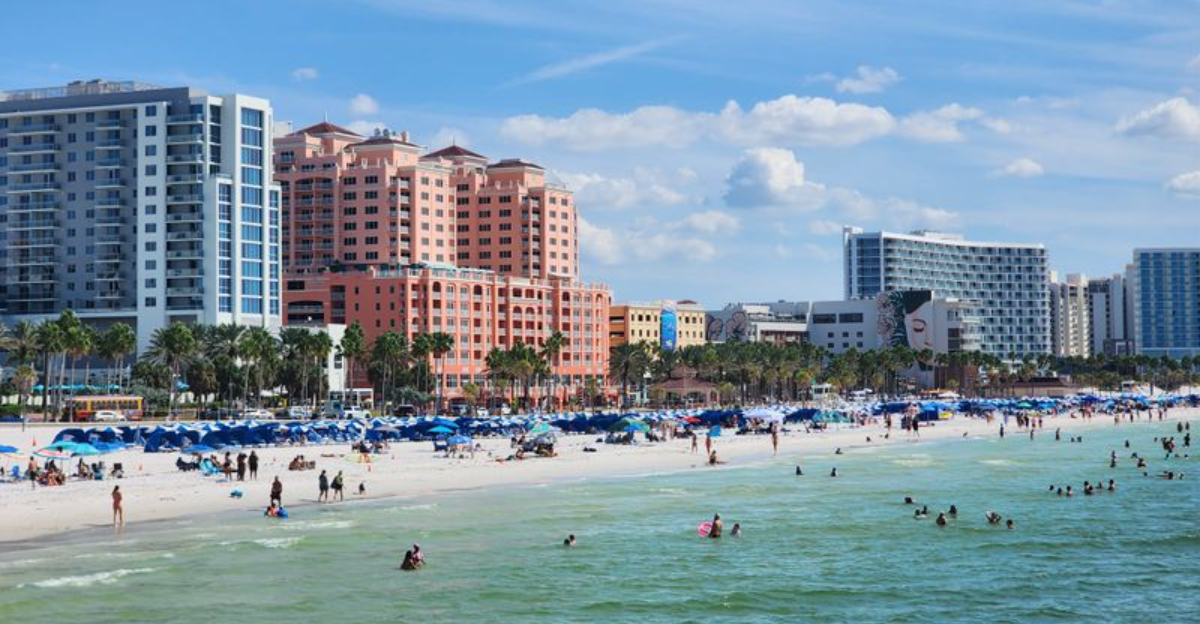
Florida’s coastline stretches over 1,350 miles, offering some of the most stunning beaches and waterfront towns in America.
During peak tourist seasons, however, many of these beautiful destinations transform into overcrowded hotspots that test the patience of even the most devoted beach lovers.
While visitors flock to these famous shores for sun and fun, locals know exactly which places to avoid when the crowds arrive, opting instead for quieter alternatives where they can still enjoy the coastal beauty without the chaos.
1. Miami Beach
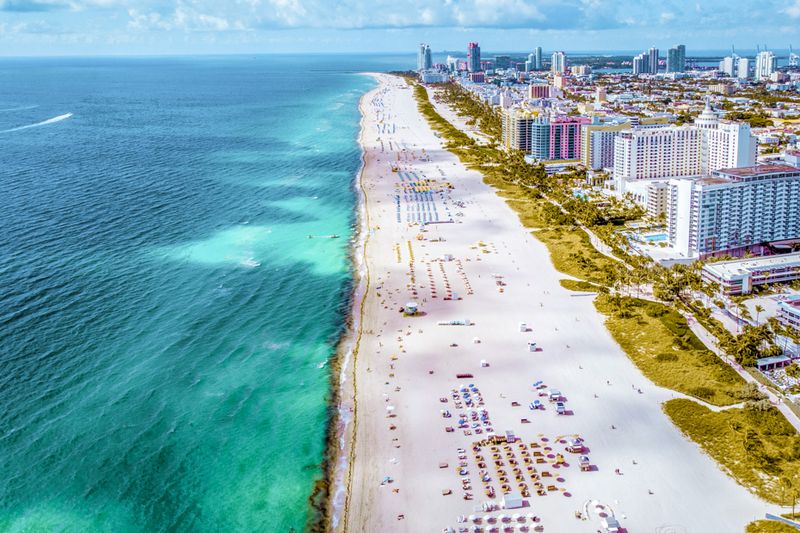
Art Deco buildings line the streets in pastel perfection, but during spring break and summer months, this iconic destination becomes nearly impossible to navigate.
Ocean Drive transforms into a parking lot where cars inch forward at a snail’s pace, and finding a spot to park feels like winning the lottery.
The famous beaches that stretch along the Atlantic become blankets of humanity, with umbrellas packed so tightly you can barely see the sand beneath.
What was once a glamorous escape now feels more like an endurance test as thousands of visitors descend on the area simultaneously.
The nightlife scene, while legendary, contributes to noise levels that make peaceful evenings a distant memory.
Restaurants overflow with waiting lists that stretch for hours, and even a simple walk down the sidewalk requires strategic maneuvering through crowds.
Locals who call this area home have learned to retreat to North Beach or the quieter pockets of South Beach during these overwhelming months.
The cultural richness and architectural beauty still exist, but they’re buried beneath layers of tourist activity that make everyday life exhausting.
Hotels raise their rates to astronomical levels, and the entire atmosphere shifts from relaxed coastal living to commercial frenzy.
Those who know the area best simply mark their calendars and plan their beach days elsewhere until the masses move on.
2. Key West
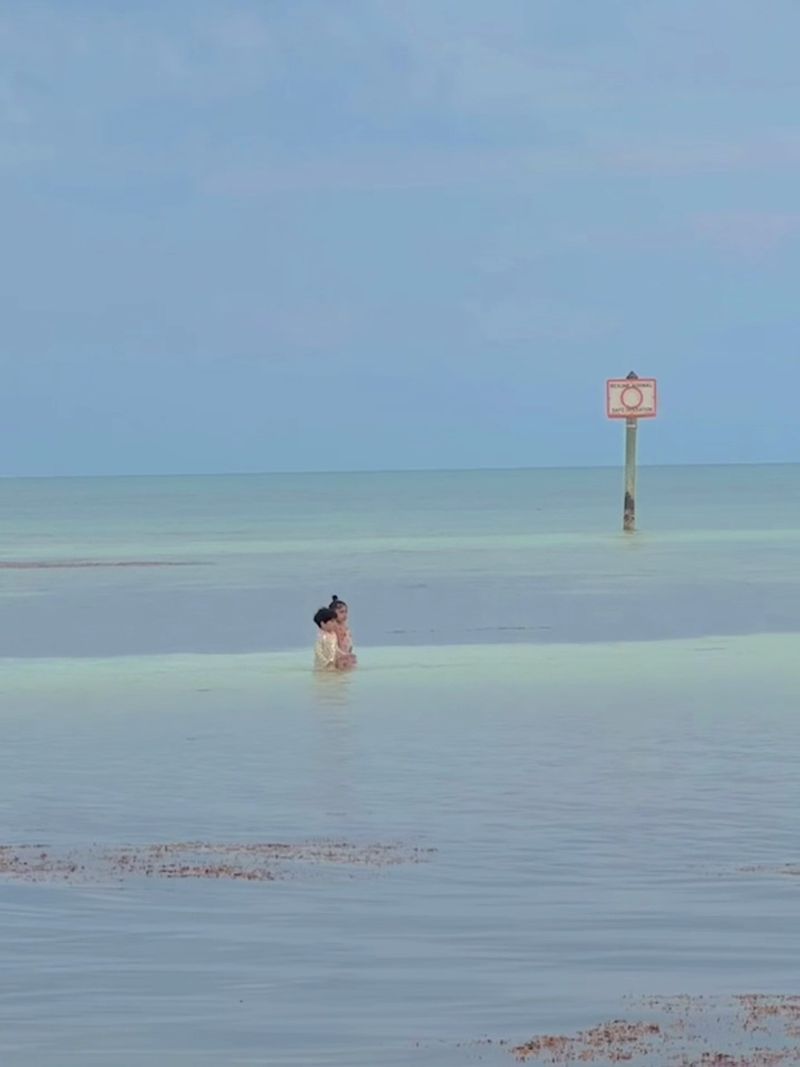
Cruise ships arrive like clockwork, disgorging thousands of passengers onto an island that measures just two miles by four miles.
Duval Street, the famous main thoroughfare, becomes a river of humanity flowing between bars, shops, and restaurants.
The charm of this southernmost point in the continental United States gets buried under the sheer volume of visitors trying to experience it all in a few short hours.
Historic sites that tell stories of pirates, presidents, and literary legends become challenging to appreciate when you’re stuck in a crowd.
The laid-back island vibe that attracted so many artists and free spirits over the decades evaporates when peak season arrives.
Parking becomes such a nightmare that residents avoid driving downtown altogether, opting for bicycles or simply staying home.
The sunset celebration at Mallory Square, once a magical daily ritual, now feels more like a crowded street fair.
Local businesses appreciate the revenue, but the people who live here year-round know that the authentic Key West experience vanishes during these busy months.
Stock Island, just a short distance away, offers residents a refuge where they can still enjoy waterfront living without the overwhelming tourist presence.
The turquoise waters and tropical atmosphere remain beautiful, but experiencing them peacefully requires patience and strategic timing that most locals simply choose to avoid.
3. Destin
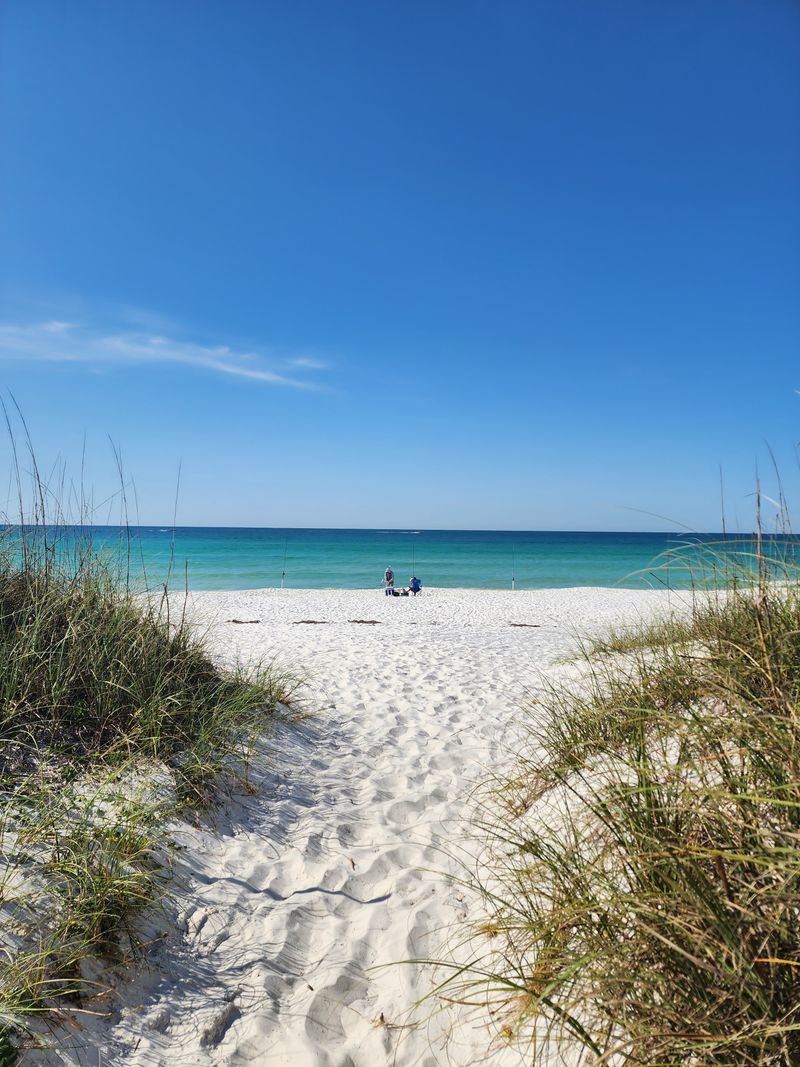
Emerald waters glisten against sugar-white sand, creating a postcard-perfect scene that draws massive summer crowds.
Highway 98 transforms into a congested nightmare as cars filled with beach equipment and eager vacationers crawl toward the shore.
What should be a ten-minute drive can stretch into an hour-long ordeal during peak afternoon times.
Restaurants that locals love become impossible to enjoy without reservations made days in advance, and even then, service slows to accommodate the overwhelming demand.
The beaches themselves, while undeniably gorgeous, lose their peaceful appeal when every square foot of sand hosts a family setup.
Early morning becomes the only reasonable time to experience the area’s natural beauty before the daily invasion begins.
Fishing charters and water sports operators book solid months ahead, leaving spontaneous adventures off the table.
The charming harbor area fills with visitors searching for that perfect seafood meal, creating waits that test anyone’s hunger.
Locals have discovered that Fort Walton Beach, just a short drive away, offers similar coastal beauty with a fraction of the crowds.
The community atmosphere that makes Destin special during quieter months gets lost in the shuffle of peak season tourism.
Residents mark their calendars for September when the waters remain warm but the crowds finally thin out.
4. Panama City Beach
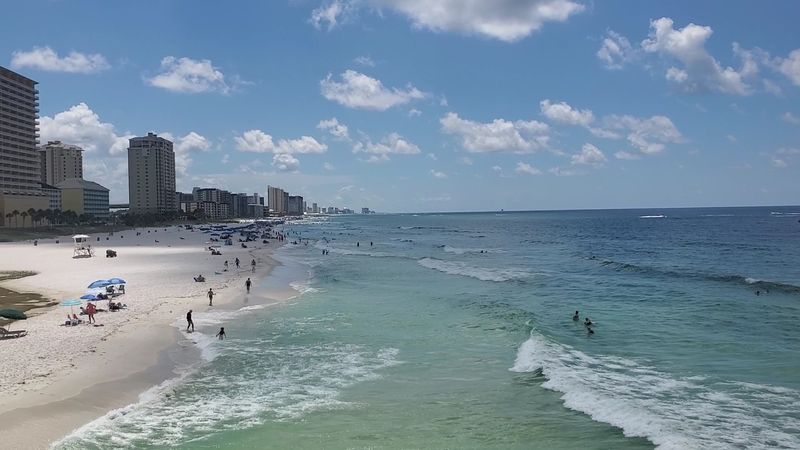
College students arrive by the thousands when spring break season kicks into high gear, transforming this Gulf Coast destination into party central.
The beaches that families enjoyed during quieter months become stages for activities that residents would rather not witness.
Music blares from hotels and beach bars at volumes that carry for blocks, making peaceful sleep nearly impossible for anyone living nearby.
Traffic along Front Beach Road reaches gridlock status as vehicles cruise slowly, searching for parking or simply showing off.
The natural beauty of the coastline still exists, but appreciating it requires looking past crowds of revelers and the debris they leave behind.
Local businesses gear up for this influx, knowing it brings significant revenue, but residents themselves clear out until the chaos subsides.
Law enforcement presence increases dramatically to manage the inevitable problems that arise when large crowds gather for extended celebrations.
The family-friendly atmosphere that exists during other times of year completely disappears under the weight of spring break culture.
Nearby beaches along the Gulf Coast offer the same beautiful waters and white sand without the overwhelming party scene.
Summer brings a different crowd, but the sheer numbers still make everyday activities challenging for those who call this area home.
Residents have learned to plan vacations of their own during these peak periods, leaving their hometown to the tourists.
5. Clearwater Beach
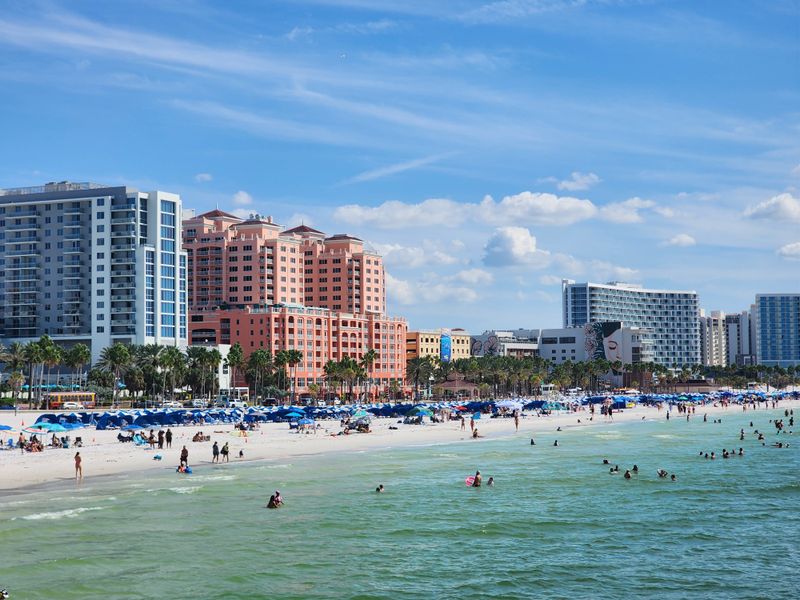
Awards and accolades pile up year after year, naming this stretch of sand among America’s finest beaches.
Recognition brings consequences, though, as visitors from around the world add Clearwater Beach to their must-see lists.
The famous pier extends into the Gulf, but reaching it during summer requires navigating through crowds that pack the surrounding beach and walkways.
Parking garages fill by mid-morning, and the rates climb higher as demand increases throughout the day.
The beach itself remains beautiful, with soft white sand and clear waters that justify its name, but finding space to spread a towel becomes challenging.
Beachfront hotels tower above the shore, and their guests flood the area from sunrise to sunset.
The roundabout near Pier 60 handles constant traffic as cars circle endlessly, searching for the parking that simply doesn’t exist during peak hours.
Street performers and vendors add to the carnival atmosphere that replaces the relaxed beach vibe locals prefer.
Nearby Caladesi Island State Park offers an escape, accessible only by boat, where residents can still find the unspoiled Florida beach experience.
The nightly sunset celebration draws even more crowds, turning what should be a peaceful moment into a crowded event.
Those who live in the area year-round have their secret spots and off-peak times, but during the height of tourist season, they simply go elsewhere.
6. Fort Lauderdale Beach
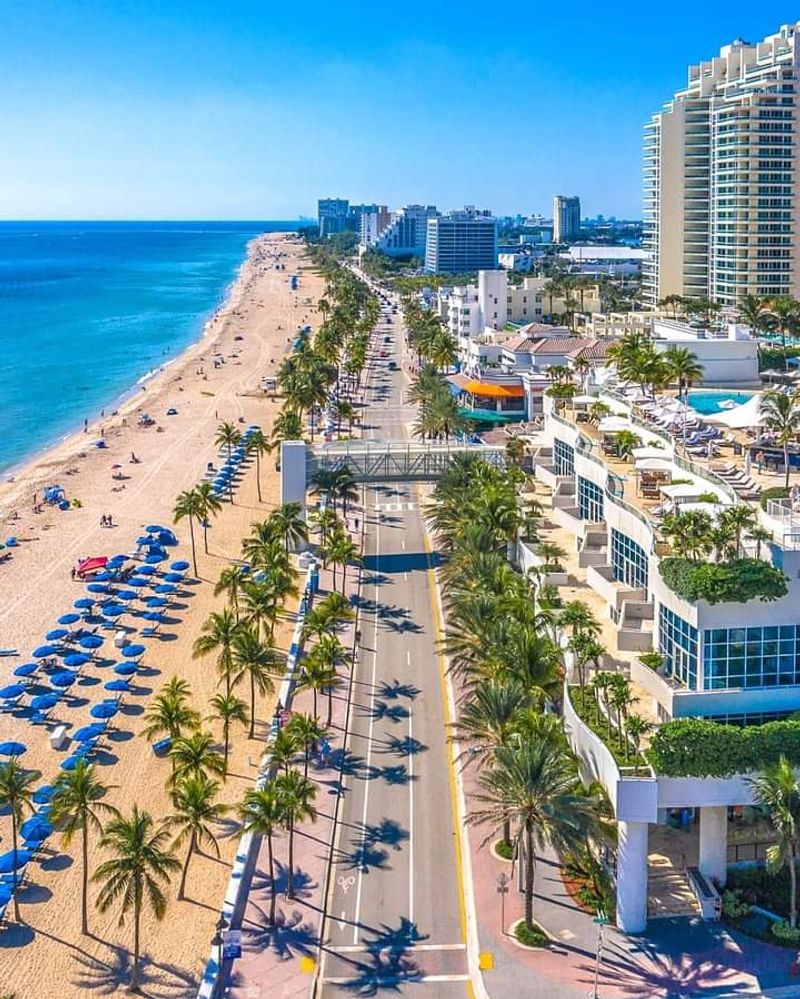
Once upon a time, this stretch of Atlantic coastline belonged to locals who enjoyed its proximity and beauty without overwhelming crowds.
The transformation into a major tourist destination happened gradually, but the result is undeniable during peak seasons.
The beach promenade, while beautifully designed with palm trees and modern amenities, becomes a parade route for endless streams of visitors.
Hotels and resorts line the shore, and their marketing success means the beach itself rarely sees a quiet moment during high season.
Las Olas Boulevard connects the beach to downtown, creating a corridor that fills with traffic as tourists explore both areas.
Restaurants that locals once frequented now require reservations, and the menus have shifted to accommodate tourist preferences and budgets.
The cruise port nearby adds another layer of visitors, with passengers taking day trips to the beach before their ships depart.
What made Fort Lauderdale Beach special was its combination of accessibility and local character, but the latter has faded as tourism dominates.
Residents now drive north to Lauderdale-by-the-Sea, where a smaller, more intimate beach town atmosphere still exists.
The waters remain warm and inviting, and the sand is just as soft, but the experience of enjoying them has changed dramatically.
Peak season transforms this destination into something that serves visitors well but no longer feels like home to those who live nearby.
7. South Beach Miami
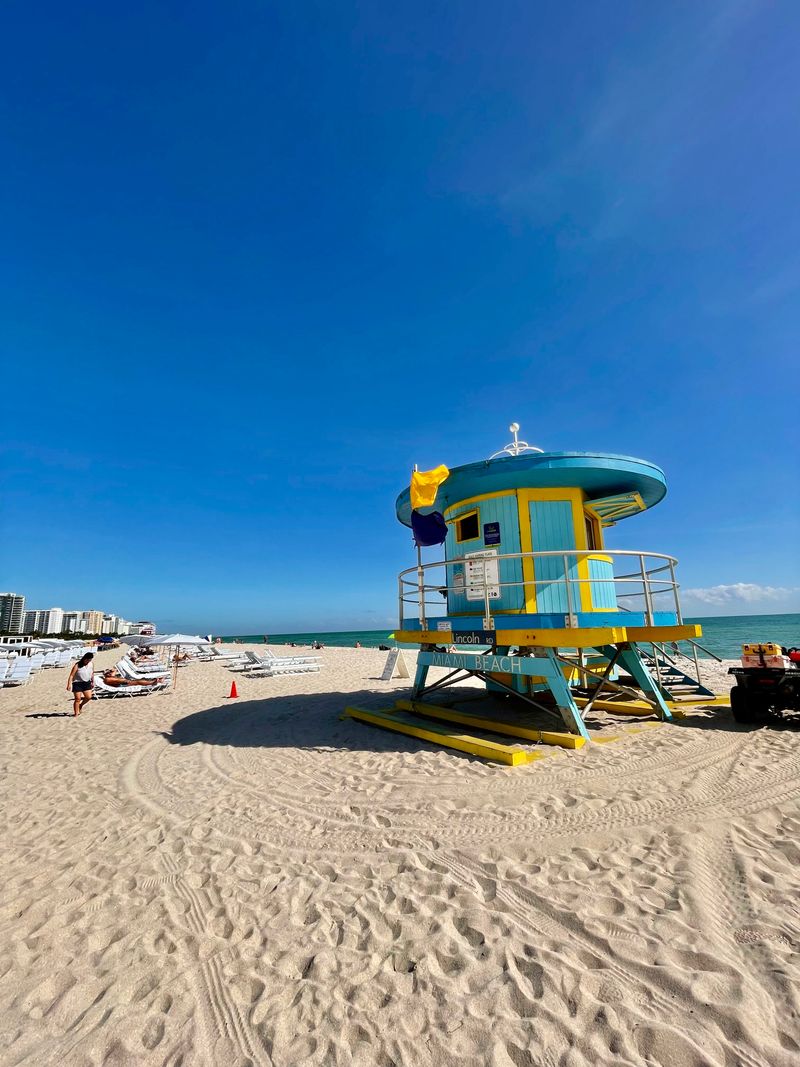
Neon lights reflect off vintage cars as models pose for photographs against backdrops of perfectly restored Art Deco architecture.
This is the postcard version of South Beach, but the reality during spring break and summer months is far more chaotic.
The beach stretches for miles, yet finding a spot that isn’t already claimed feels like an impossible mission during peak hours.
Ocean Drive becomes a spectacle where tourists outnumber locals by ratios that make everyday errands feel like navigating an obstacle course.
Nightclubs pump music that carries through the humid night air, creating a soundtrack that never stops during the busy seasons.
The international appeal of South Beach means the crowds come from everywhere, speaking dozens of languages and bringing diverse expectations.
What was once a neighborhood with character has become a brand, marketed globally and delivering exactly what visitors expect.
Residents who remember quieter times have mostly moved to North Beach or other areas where community still exists.
The cultural significance remains, with museums and galleries offering substance beyond the party scene, but accessing them requires patience.
Parking becomes such a challenge that many locals refuse to drive to South Beach during peak months, knowing the frustration isn’t worth it.
The turquoise waters and art deco beauty still create stunning visuals, but experiencing them peacefully means avoiding the very times when most people visit.
8. Anna Maria Island
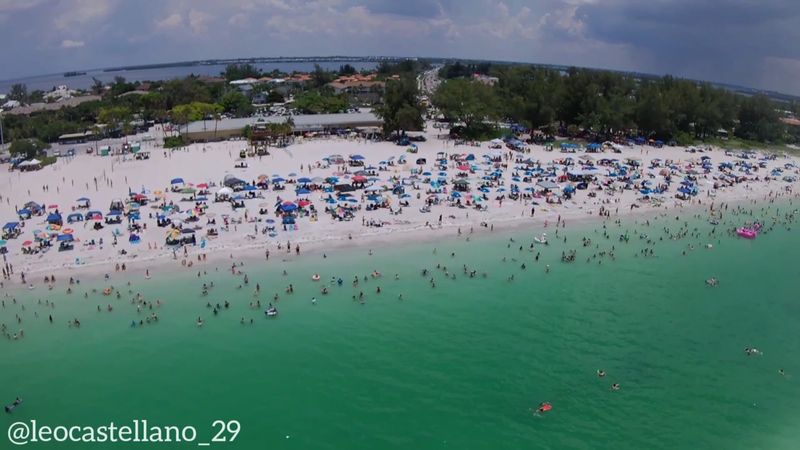
Charm oozes from every corner of this barrier island, where Old Florida atmosphere still clings to life despite increasing development.
The problem is that everyone has discovered this charm, and during peak season, the island’s infrastructure struggles under the weight of visitors.
Only two bridges connect Anna Maria Island to the mainland, creating bottlenecks that turn arrivals and departures into lengthy ordeals.
The narrow streets that give the island its quaint character become parking lots as cars search endlessly for spaces that don’t exist.
Beach access points overflow with people, and the once-peaceful shores transform into crowded stretches where personal space becomes a luxury.
The island measures just seven miles long, so the concentration of tourists during high season feels particularly intense.
Local restaurants and shops appreciate the business, but even they struggle to keep up with demand during the busiest weeks.
The laid-back vibe that makes Anna Maria Island special gets overwhelmed by the stress of too many people in too small a space.
Residents often choose to explore nearby Holmes Beach or simply stay home during peak times, waiting for the crowds to thin.
The natural beauty remains intact, with stunning sunsets over the Gulf and gentle waves that invite swimming, but accessing these pleasures requires strategic timing.
Those who love the island most have learned to visit during shoulder seasons when its true character can shine without the overwhelming tourist presence.
9. Sanibel Island
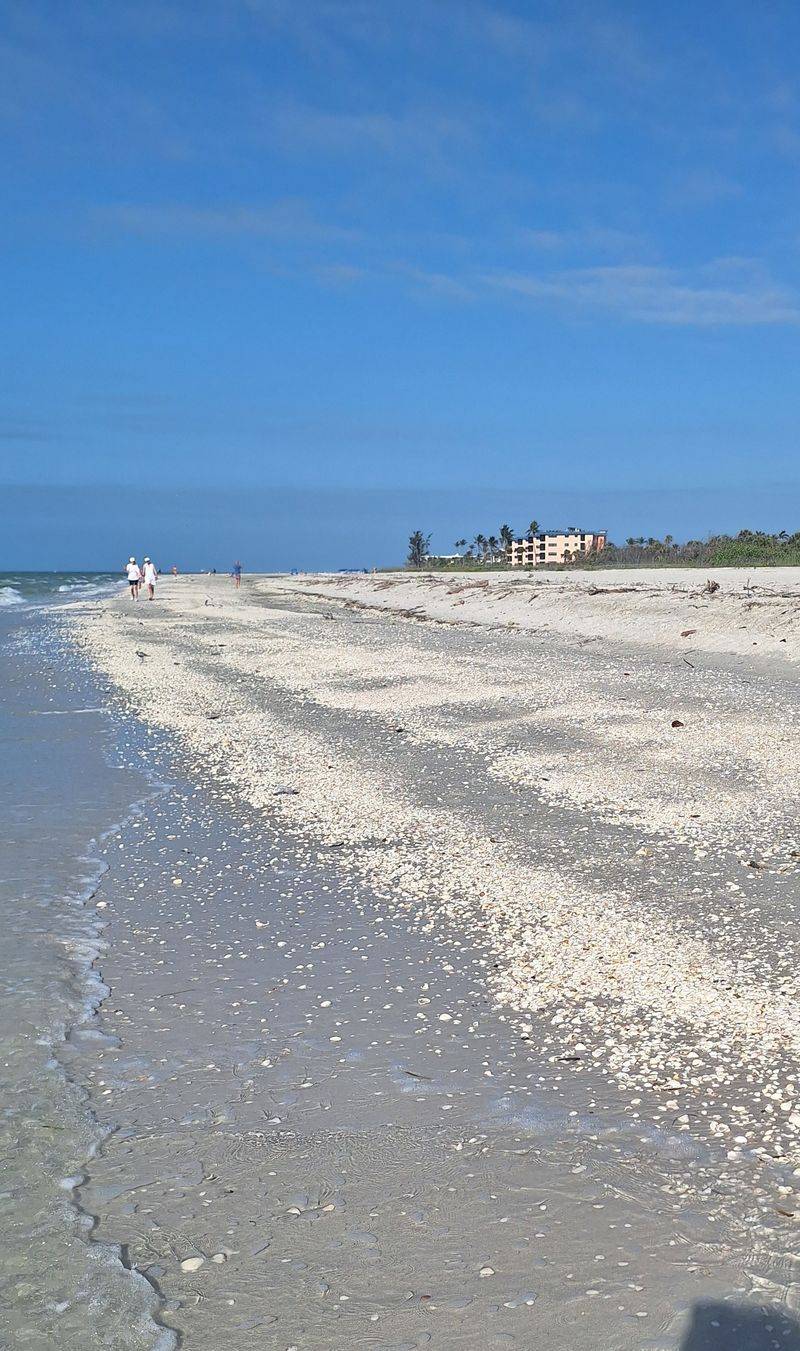
Shells carpet the beaches in such abundance that visitors develop a distinctive posture called the Sanibel Stoop from constant collecting.
This natural treasure draws shell enthusiasts from around the world, and during peak season, the beaches become crowded with bent figures scanning the sand.
The causeway connecting Sanibel to the mainland handles a constant stream of traffic, with backups occurring during prime arrival and departure times.
The island enforces strict development codes that preserve its natural character, but those same codes limit parking and infrastructure.
When crowds arrive, the limited parking fills immediately, and finding a spot at popular beaches becomes a frustrating hunt.
The J.N. Ding Darling National Wildlife Refuge offers spectacular nature experiences, but even this protected area sees overwhelming visitor numbers during high season.
Bicycle paths wind throughout the island, and while they’re wonderful during quiet times, peak season turns them into crowded routes where patience is essential.
The restaurants and shops along Periwinkle Way cater to tourists, and locals often avoid the area entirely when the crowds are at their peak.
Nearby Captiva Island offers a slightly quieter alternative, though it too experiences increased traffic during busy months.
The natural beauty that makes Sanibel special, from its wildlife to its shells, remains present, but enjoying it peacefully requires avoiding the times when everyone else visits.
Locals cherish their island home but have learned to adjust their routines dramatically during tourist season to maintain any sense of normalcy.
10. St. Pete Beach
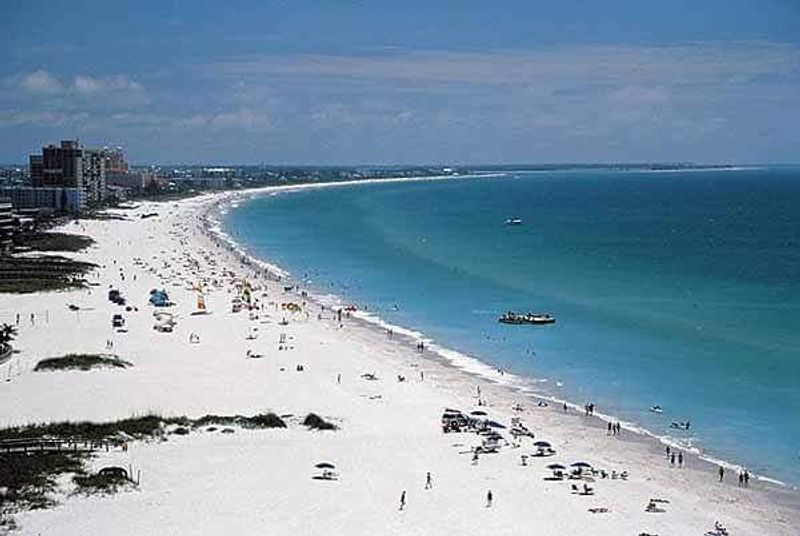
The Don CeSar Hotel rises in pink majesty along this stretch of Gulf Coast, a landmark that has drawn visitors for nearly a century.
Its presence symbolizes the area’s long history as a tourist destination, and that history has created infrastructure designed to handle crowds.
During peak season, however, even that infrastructure gets overwhelmed as visitors pack the wide beaches and fill the waterfront hotels.
Gulf Boulevard runs the length of the barrier island, and during busy months, traffic crawls as tourists move between beaches, restaurants, and attractions.
The beach itself remains gorgeous, with soft sand and warm Gulf waters, but finding a peaceful spot requires arriving at dawn.
Beachfront restaurants and bars capitalize on the crowds, with music and activity creating an energetic atmosphere that some love and locals often find exhausting.
Water sports operators, parasailing companies, and beach vendors compete for attention, adding to the commercial feel during high season.
The sense of discovery that makes beach exploration exciting gets lost when every square foot is occupied and every activity requires waiting in line.
Residents have their favorite quiet spots and times, but they guard these secrets carefully, knowing that sharing them means losing them to crowds.
The sunsets remain spectacular, painting the Gulf in brilliant colors, but watching them has become a group activity rather than an intimate moment.
Those who call St. Pete Beach home year-round appreciate the economic benefits of tourism but celebrate when the peak season finally ends and they can reclaim their beaches.
Dear Reader: This page may contain affiliate links which may earn a commission if you click through and make a purchase. Our independent journalism is not influenced by any advertiser or commercial initiative unless it is clearly marked as sponsored content. As travel products change, please be sure to reconfirm all details and stay up to date with current events to ensure a safe and successful trip.
