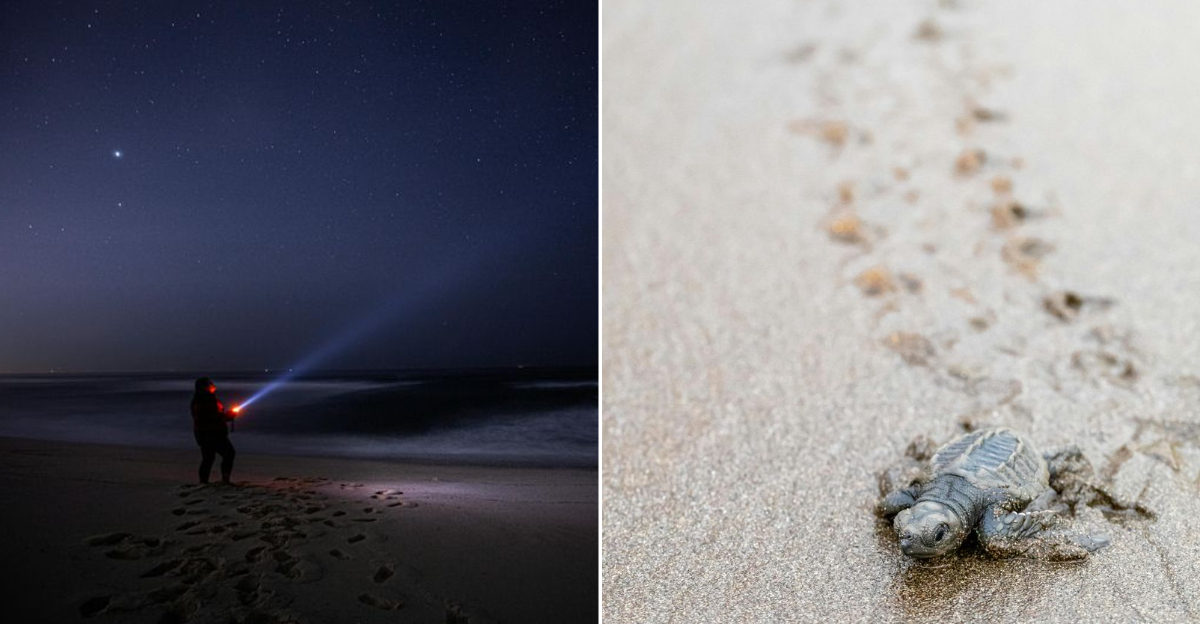
What happens to a Florida beach after dark when one wildlife rule quietly changes the whole look of the shoreline? That is exactly what makes this law so interesting.
A lot of visitors expect the coast to glow at night the way beach towns often do, then realize Florida treats beachfront lighting very differently in many nesting areas because artificial light can disrupt sea turtles and their hatchlings.
State wildlife guidance says lighting visible from the beach can create hazards, and many counties and cities use beachfront lighting ordinances based on Florida’s marine turtle protection rules. That is what gives the story its pull.
On the surface, it sounds like a small coastal rule most travelers would never think twice about. In practice, it can change the mood of the shoreline, the way buildings look after sunset, and what people notice once the sun goes down.
By the time you realize this is not just about aesthetics but about protecting what happens on the beach at night, the whole law starts feeling a lot more memorable than expected.
Why Some Florida Beaches Look Darker After Sunset
Think about that first step onto the sand when the sky turns from peach to ink and the boardwalk glow suddenly softens, because that shift is not an accident. Florida treats nighttime like part of the beach’s habitat, and it shows up in the way lights near the shore get toned down so the water stays the brightest thing on the horizon.
You feel it on stretches of sand in places like Juno Beach or Anna Maria Island, where the sidewalks keep a warm hush and even lobby lights fade.
The idea is simple once you hear it, because sea turtles use the natural brightness of the ocean to navigate, and bright white lights on land can pull them the wrong way. That is why the shoreline starts leaning into lower, warmer tones and shielded fixtures after sunset, so the beach does not glow like a runway.
It reads as moody at first, then it becomes peaceful.
If you are staying in a beachfront place, you will notice blinds getting closed and balcony lights staying off, which makes the surf line feel almost old fashioned in the best way. Cocoa Beach and parts of Naples do this really well, because the sidewalks still feel safe while the sand keeps its night vision.
Once you get used to it, your eyes relax, your steps slow down, and the horizon takes over again.
The Sea Turtle Rule That Changes Nighttime Lighting

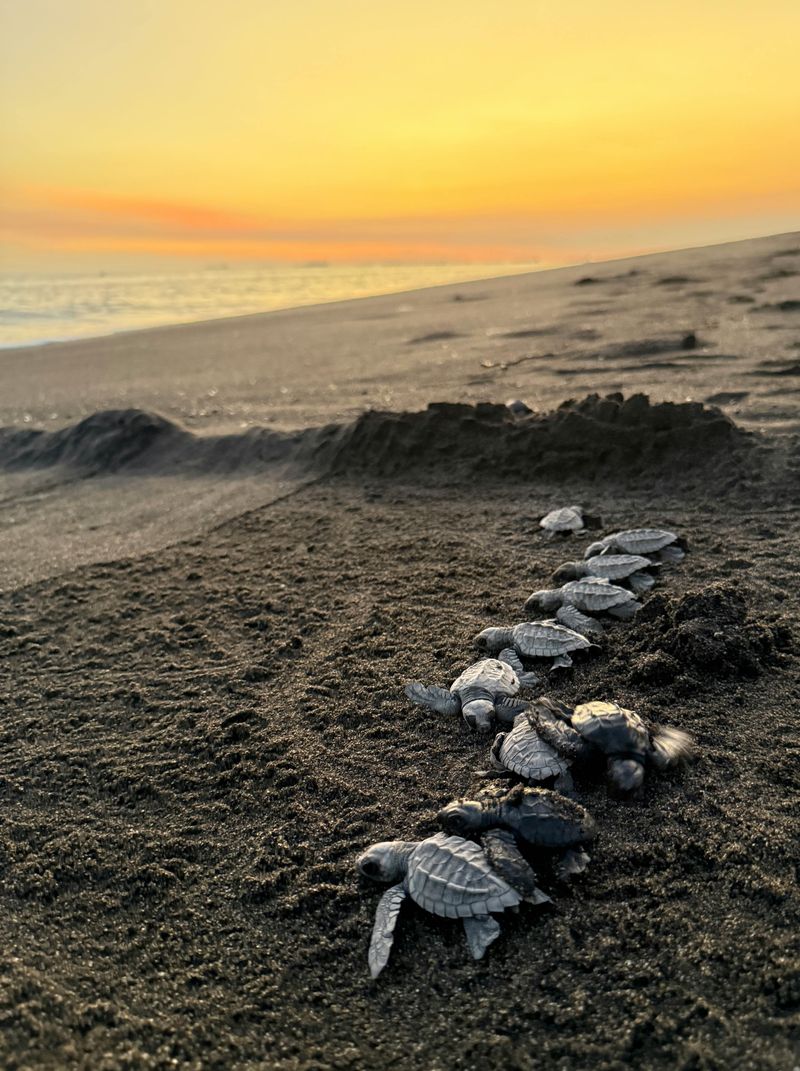
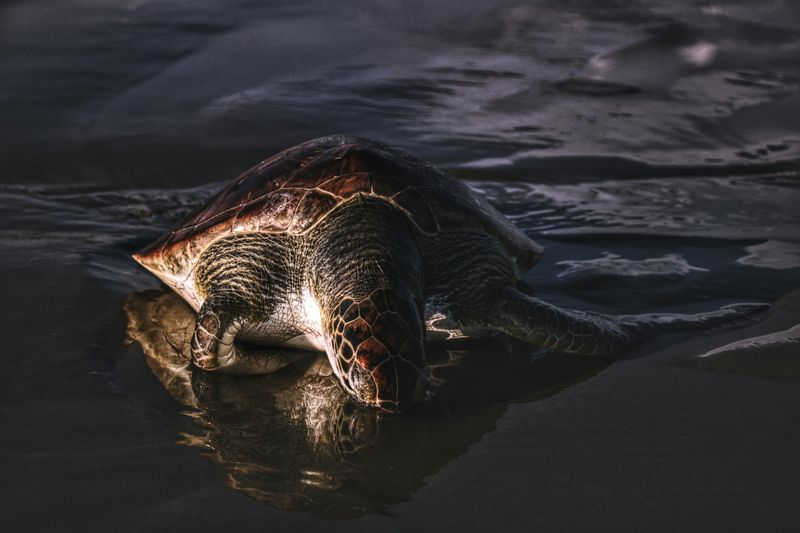
Here is the short version you will hear from locals if you ask why it is so dark out there, because sea turtles set the tone. When nesting females come ashore and hatchlings later head out, they use the brighter ocean horizon to find their way, which means bright landward lights can turn the beach into a maze.
Florida leans on a wildlife rule that keeps artificial light off the sand and pushes any necessary glow down and away.
That is why you will see amber bulbs on walkways and shielded fixtures on low posts near dunes in places like Boca Raton, Panama City Beach, and Sarasota County shores. The light still helps you find the stairs and the railings, but it does not splash the beach.
Careful choices like this give the shoreline back to the animals for the hours when they most need it.
Honestly, once you tune into it, the whole thing feels respectful and a little magical, because the surf becomes the one steady beacon again. Hotels and condos by the sand often play along with curtains, tint, and door reminders, and you will notice rangers or volunteers explaining why that matters.
The result is a coastline that behaves like a habitat first and a night stroll second, which is a trade that starts to make real sense once you see hatchling tracks at dawn.
How Beachfront Lights Can Become A Real Problem
Picture a row of bright balcony lights reflecting off glossy windows, because that glow can pull hatchlings toward parking lots instead of the waves. It is not just the big spotlights, because even decorative uplights on palm trunks or uncovered stair bulbs can send confusion straight across the sand.
When that happens, the beach stops being a guide and turns into a bright wall that points the wrong way.
The fix sounds small, and it is usually simple, which is why so many Florida towns have taken the same approach. They swap to long wavelength lamps, add shields or hoods, drop fixture heights, and point everything landward.
The goal is to keep light useful for people while hiding it from the shoreline, so the sea remains the clearest exit sign.
Once you start noticing problems, you will see how quick the solutions appear, because one shield or a curtain can make a big difference. Miami Beach has entire blocks with thoughtful fixtures that glow softly on sidewalks while leaving the dunes alone, and Fort Myers Beach has pushed design updates along renovated stretches.
If you are curious, take a slow walk at night and look for where shadows fall, because the safest setups let you move comfortably without lighting up the surf like a stadium.
Why Visitors Are Asked To Keep The Glow Down
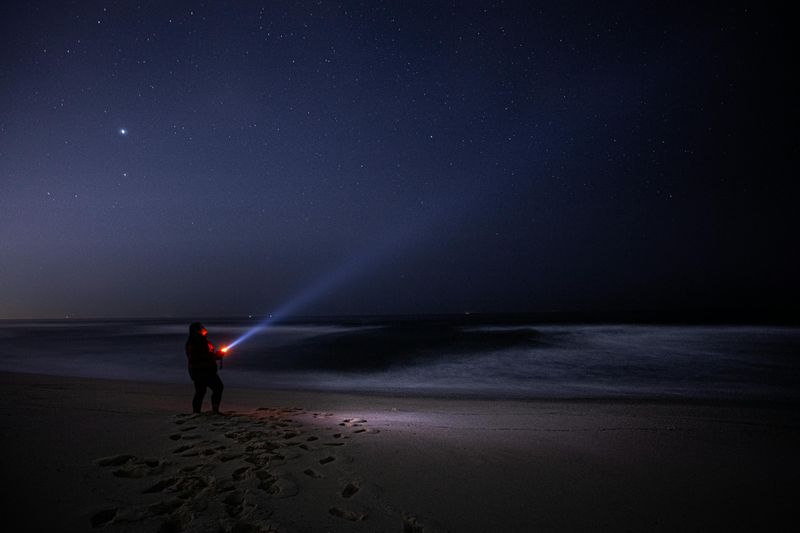
Let’s be honest, most of us are walking lights these days, because phones, smart watches, and tiny flashlights live in every pocket. On a Florida beach at night, that pocket glow suddenly matters, and little choices add up.
Turning the screen brightness down, using a red filter app, or cupping your hand over light when you face the dunes keeps the beach from acting like a lure.
Volunteers in places like Juno Beach and Melbourne Beach will gently mention it, and the ask is not meant to kill the vibe. They simply want you to enjoy the night without turning the shoreline into a blinking path.
If you want to look for crabs or shells, stay near the wet sand and aim any beam low, short, and away from the dunes.
It feels a bit like backcountry etiquette, and after a few minutes, your night vision catches up and the sounds take over. The ocean gets louder, the wind shapes the dune grass, and the stars grow teeth in the dark sky.
Keeping the glow down turns you into a better night guest, and that is exactly the spirit that makes Florida’s beach towns easy to love when the lights go soft and the tide hums along.
The Coastal Town Rules That Can Surprise Travelers
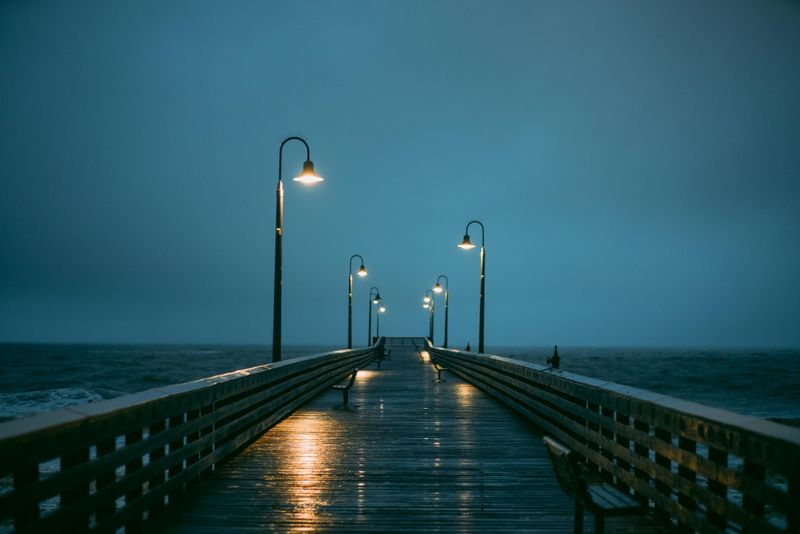
You might check into a condo or hotel and find a friendly card on the nightstand asking you to close the drapes after sunset, and that is part of the local playbook. Florida lets coastal towns write lighting rules that fit their beaches, so you get versions of the same plan in places like Destin, Naples, and Hollywood.
The tone is practical and neighborly, and it is usually backed by inspections when nesting season rolls in.
What catches travelers off guard is how interior lights count just as much as outdoor ones, because a bright living room can splash the sand through a big window. That is why blackout curtains and tinted glass are everywhere, and why housekeeping sometimes double checks angles and shades.
The idea is not to trap you in the dark, because the goal is to keep the shore calm while you still live normally inside.
Signs at beach accesses often explain the basics in clear language, and employees are good at simple fixes if something is off. If a balcony bulb is too harsh, they will swap it, and if a shade needs a tweak, someone will handle it.
Once you know the rhythm, you end up helping without thinking about it, and the beach holds that softer look Florida is aiming for after dusk.
Long, Low, And Shielded Lighting Makes A Big Difference
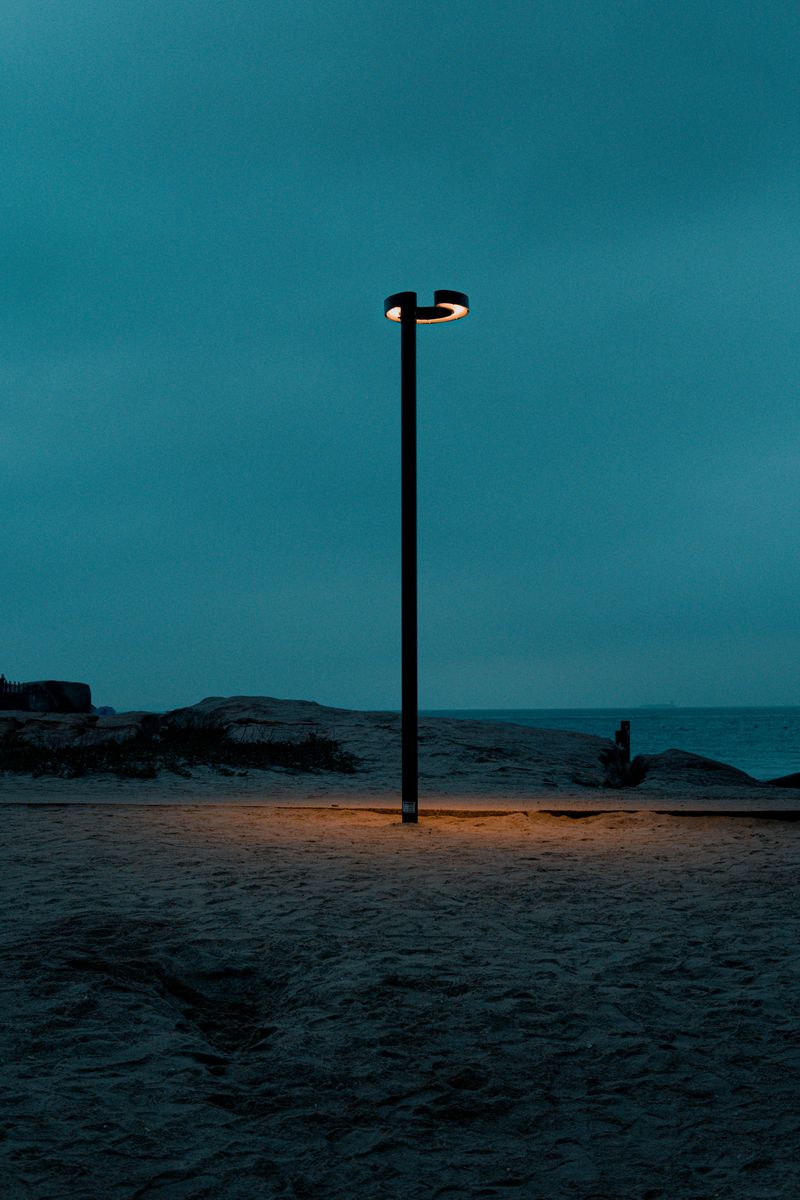
There is a little phrase you will hear from lighting folks near the coast, because long, low, and shielded pretty much sums it up. Long wavelength amber glows, low mounted fixtures close to the ground, and shields that block the beach view work together like a quiet team.
When all three show up on a boardwalk, you get a gentle pool underfoot and darkness where the sand begins.
Walk the paths in Sarasota County or wander the steps at Hutchinson Island, and you will see how the glow hugs the planks. The light lands on toes and railings instead of the dunes, and the horizon stays the star.
It is not fancy design talk, because it just means smarter angles and calmer colors doing the job.
Shops and small inns that face the beach often use the same toolkit at their doorways, which keeps the breezeway friendly without turning the shore into a billboard. Once you recognize those amber notes, you can spot compliant lights from a block away, and then everything else seems too loud.
It is the kind of quiet upgrade that makes Florida nights feel natural, and it keeps night wildlife moving where it should without tripping up your walk back to the room.
The Nesting Season Factor Behind The Darker Shore
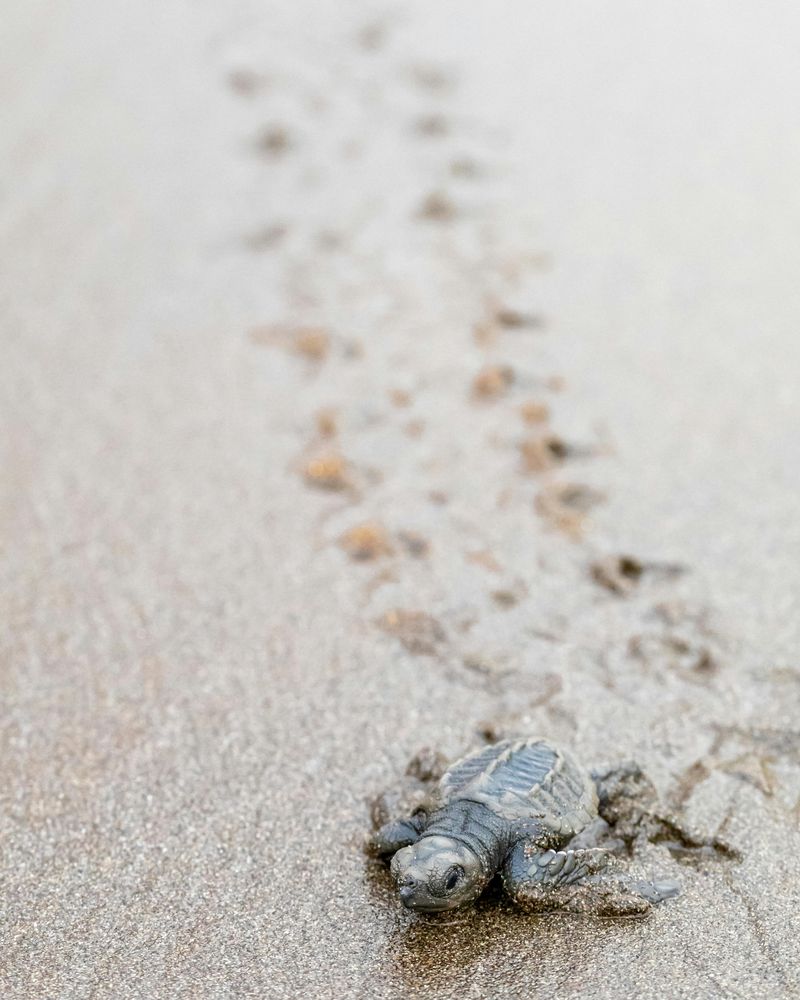
If you have ever seen those neat zipper tracks running from the dunes to the water at daybreak, you already know why nights get special treatment. That darker look lines up with nesting season on many Florida beaches, which is when the rules tighten and the reminders get friendly but frequent.
The idea is to keep the coast welcoming for both the night crowd and the morning footprints that tell the story.
Places like Loggerhead Park in Juno Beach and stretches of the Treasure Coast take this seriously with posted notes and occasional patrols. You will spot dimmer pathways, curtained windows, and shielded fixtures that feel almost invisible once your eyes settle in.
It ends up shaping your plans in a good way, because late walks begin to feel like a quiet ritual instead of a lit promenade.
Some mornings you will see tiny tracks that look like someone stitched the sand with little commas, and that is when the whole thing lands. The ocean becomes the lighthouse again, and the shoreline trades cluttered glow for a natural ceiling of stars.
Knowing that nights feed into those tracks makes it easy to lean into the calmer rules Florida keeps on the books for this stretch of the year.
How One Wildlife Law Changes The Beach After Dark
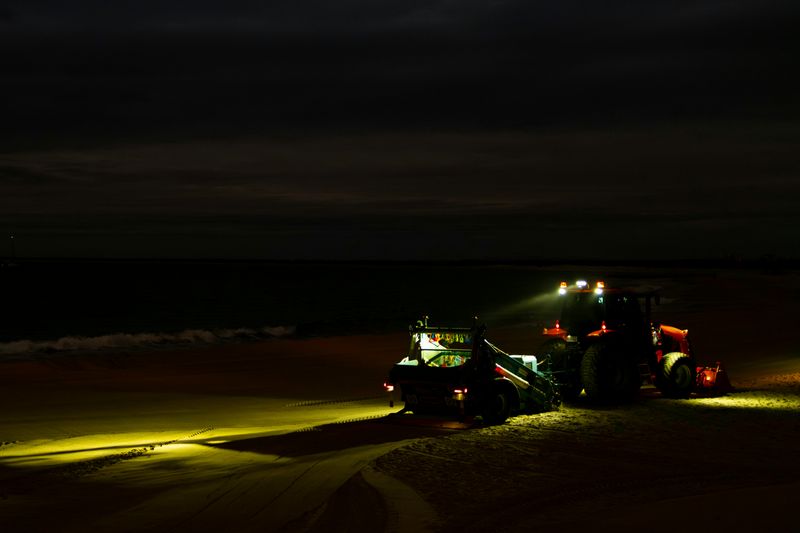
Here is the twist that turns pretty scenery into policy, because a wildlife protection rule quietly resets the beach once the sky goes dark. It tells property owners and towns to keep artificial light off the sand and to use fixtures that point away, which is why you see amber glows hugging the ground.
The ocean stays brighter, the dunes stay shadowed, and the shore looks like itself.
What you will notice in places like Clearwater Beach, St. Augustine Beach, and Lauderdale by the Sea is how coordinated it feels. Signs, fixtures, window tint, and even landscaping team up to block stray beams, because palms and sea grapes help catch glare.
It reads as hospitality with a nature accent, and it helps night wildlife do what it has always done.
Once your eyes click into this rhythm, the darker look never feels like a downgrade, because it becomes the reason a night walk is relaxing. You hear more, you squint less, and you start spotting constellations you forgot you knew.
The beach returns to shadow and texture, and Florida turns down the volume in a way that lets the water write the headline while the lights whisper around the edges.
The Florida Shore Rule Worth Knowing Before Sunset
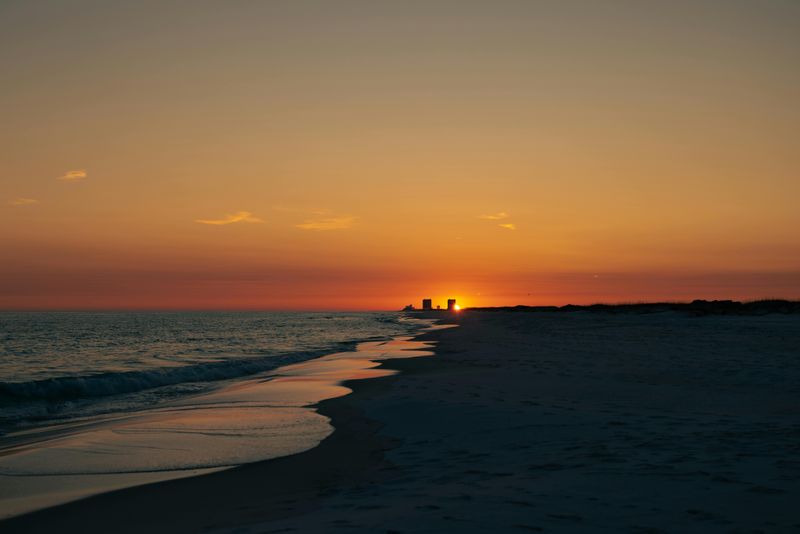
If there is one heads up to tuck into your plans before you wander out after dinner, it is that the beach will look darker on purpose. Florida wants the ocean to lead at night, which means interior drapes, shielded fixtures, and warm low glows take over along the sand.
You will still find your way, and the boardwalks are fine, but the shoreline itself stays mostly unlit.
Do a quick sweep of your room lights if you are staying beachfront, and pull curtains when the sky fades, because that helps more than you think. Keep your phone dim, keep any flashlight aimed at your feet, and linger near the waterline if you need a beam.
Towns from Gulf Islands to the Space Coast post simple reminders that make the whole plan easy to follow.
Once the night settles, the payoff is real, because the surf feels wider and the stars get time to breathe. You end up walking slower, talking softer, and noticing the hush that shows up when the sand is not glowing like a stage.
It is a small shift that changes the whole evening, and it is one of those Florida rules that feels thoughtful the moment you feel the beach go calm.
Dear Reader: This page may contain affiliate links which may earn a commission if you click through and make a purchase. Our independent journalism is not influenced by any advertiser or commercial initiative unless it is clearly marked as sponsored content. As travel products change, please be sure to reconfirm all details and stay up to date with current events to ensure a safe and successful trip.
