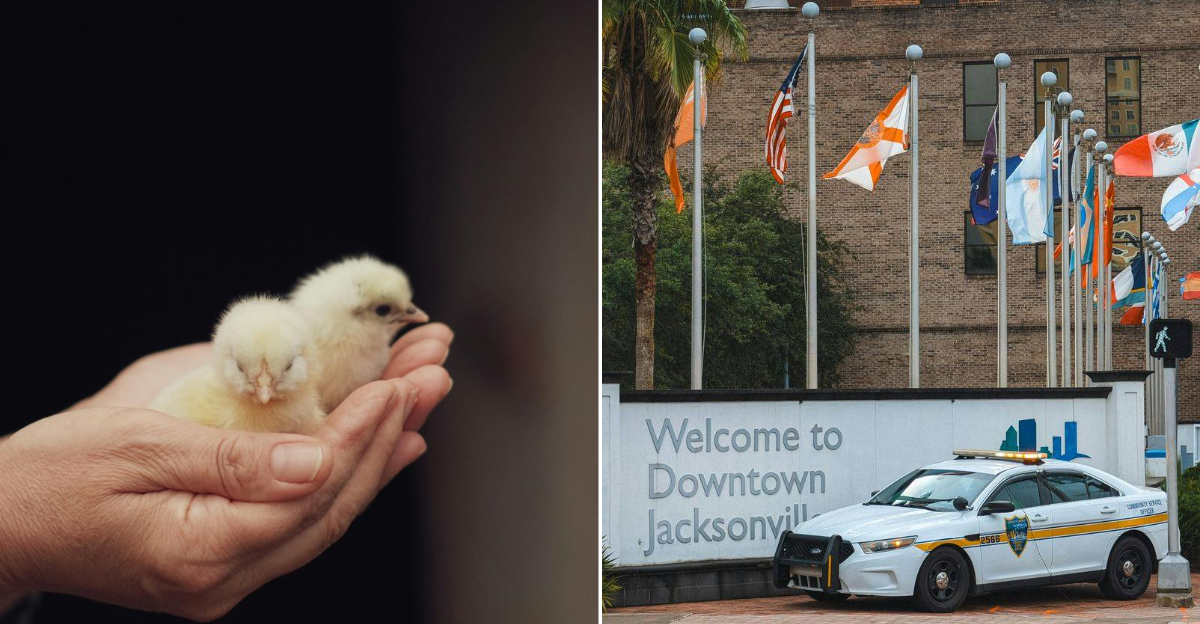
Ready to find out how one Florida rule can turn a cute-looking chick into a legal headache? Florida has a law that targets dyed baby animals, because bright colors can be used to market them like toys and push impulse buys.
On the surface it sounds like a weird niche problem, until you picture springtime pop-up sales, roadside stands, and people grabbing a tiny animal without any real plan. That is where the state steps in, aiming to protect animal welfare and discourage the whole novelty-pet cycle.
It is also one of those laws that surprises visitors, especially anyone used to seeing pastel chicks and bunnies advertised around holidays. What makes it extra interesting is how quickly the vibe flips from harmless to serious once enforcement and penalties enter the story.
If you are traveling with kids, shopping at markets, or even just scrolling local listings, this is the kind of rule that is good to know before you accidentally support a sketchy setup.
What Florida Actually Bans When It Comes To Dyed Baby Animals
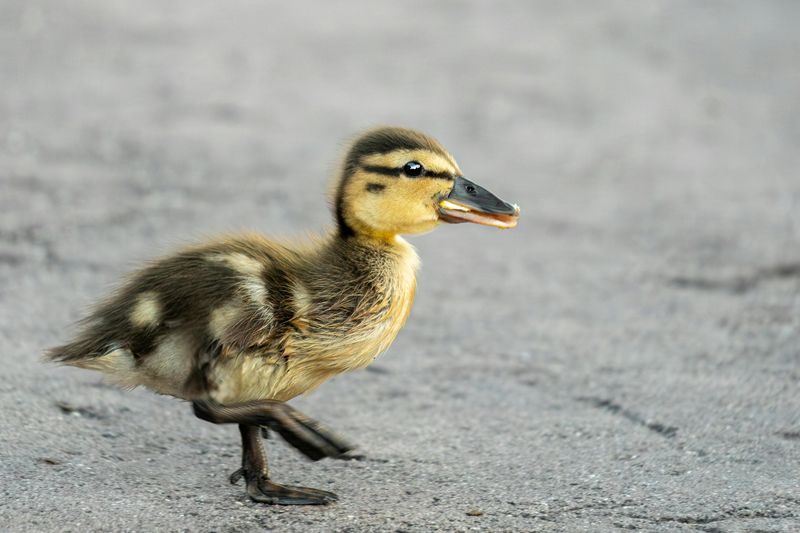
Here is the straight shot, because it is easy to miss in the buzz of an event or a holiday plan. Florida Statutes section 828.1615 bans artificially coloring certain live baby animals and then selling, offering, or giving them away.
That includes using dyes, paints, or anything that changes the animal’s natural color for show or promotion, even if someone swears it washes out later. The law does not care if the shade is subtle or flashy, because the risk and message are the same.
If a booth is handing out pastel chicks, that is a problem.
The rule also bans using these animals as a merchandising premium or prize, which covers carnival style promotions, street fairs, and pop up tables in parking lots. It is not only about the color, it is about turning young animals into giveaways that can leave people with zero preparation for real care.
Florida takes that seriously, and enforcement shows up at places you would never expect. Walking around Orlando or Tampa during spring, you might see signs reminding folks.
Bottom line, dyed young animals are not souvenirs, and the state backs that up with penalties. You can look at live exhibits, learn from handlers, and support rescues without painting anything.
If someone tells you the color is temporary, nod politely and keep moving. There are better ways to make a memory that do not end with a citation and a frantic call to a vet.
Why Chicks, Ducklings, And Rabbits Get Special Protection In The Statute
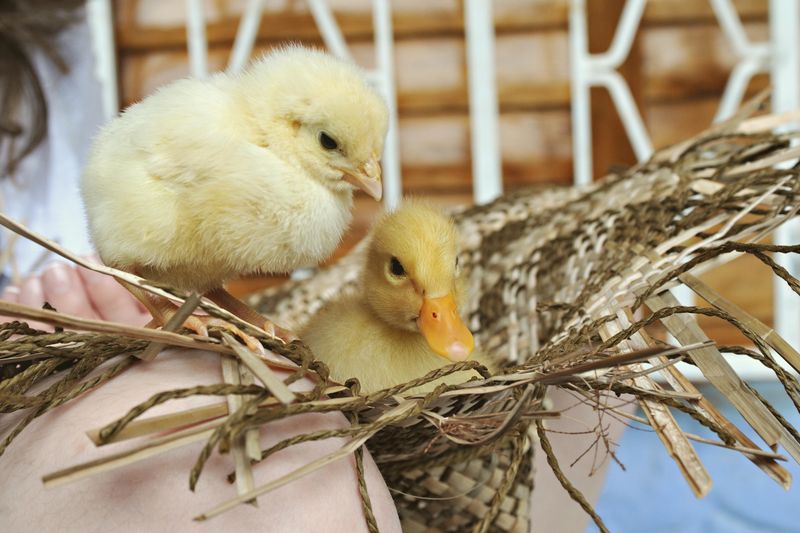
You know how everyone melts when they see tiny fluffballs in spring windows? That reaction is exactly why chicks, ducklings, and young rabbits get singled out in Florida’s law.
They are unbelievably cute, incredibly fragile, and way too easy to impulse grab at a stand. A week later, reality shows up, and the animal ends up stressed or surrendered.
The statute steps in early to cut the novelty hook that leads to that heartbreak.
These species are sensitive to handling, temperature, and diet, and dyed feathers or fur can mess with grooming, bonding, and even hiding from stress. If the color is harsh or applied badly, skin can get irritated, and preening can bring chemicals right into a tiny body.
I have heard people say it is harmless, and maybe they mean well, but the risk meter jumps for young animals. Florida’s logic is prevention, not after the fact rescue.
Think of it like guardrails on a scenic road along the coast. You might never hit them, but they are there because the drop off is no joke.
The law nudges everyone to choose enrichment that does not make a living thing a prop. Visit a farm sanctuary near Gainesville, watch natural colors do their quiet magic, and let handlers guide any contact.
Cute is great, but healthy and calm is better by a mile.
The “Merchandising Premium” Rule That Catches People Off Guard
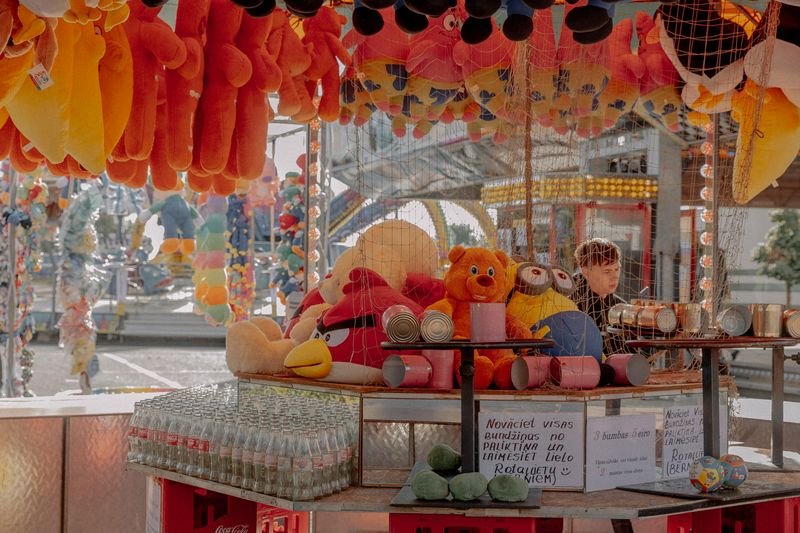
This is the part that sneaks up on people who run booths at markets and fairs. Florida bans giving live baby animals as premiums, prizes, or promotional giveaways, even when nobody is paying for the animal directly.
So that raffle where a dyed bunny goes to a lucky winner? That sits squarely under the umbrella and can trigger a violation.
It is not just about kindness, it is about responsible placement and the message sent by turning lives into swag.
Picture a pop up in Miami with bright banners and a wheel spin. If a chick is the bonus for buying a basket, that is a merchandising premium.
The law treats it as a no go because it pushes a quick handoff without vetting, supplies, or any genuine preparation. A family might walk away smiling and then scramble at home with heat, housing, and care questions.
Florida writes the line so the scramble does not begin.
If you are running an event, skip the live animal prize entirely. Use plush toys, sponsor a rescue, or offer a farm tour voucher that introduces real care without the pressure of ownership.
The vibe stays fun, the rules stay intact, and you avoid that awkward conversation with an inspector. I have seen organizers breathe easier when they swap prizes and keep the crowd happy without crossing the statute.
Age Cutoffs That Matter, Under 12 Weeks, Under 4 Weeks, Under 2 Months
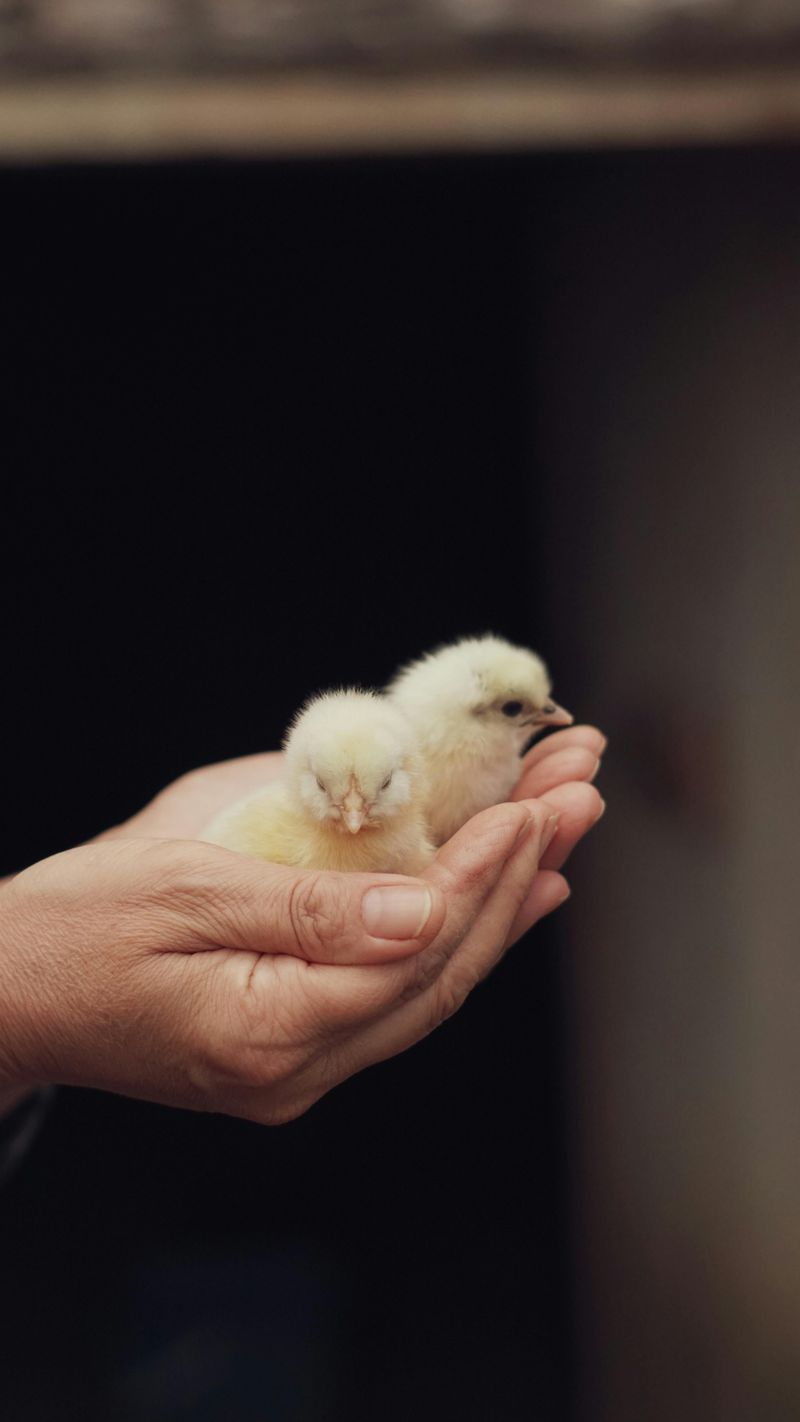
Age matters in this statute, and it is not a vague suggestion. Florida draws hard lines around very young animals, and those lines show up in the wording about chicks, ducklings, and rabbits.
You will see cutoffs like under twelve weeks for rabbits and even younger for poultry, because development, heat needs, and socialization are still in the fragile zone. If someone winks and says it is close enough, that is a red flag you should not ignore.
Those ages are not random, they track with basic care timelines. Feathers, weaning, temperature regulation, and immune strength all change fast in early weeks, and sending an animal home too soon stacks the odds in the wrong direction.
I have watched people buy a sweet bundle and then learn about brooder setups in a parking lot. That is not a plan, that is stress with a receipt tucked in your pocket.
When you hear under four weeks or under two months, treat it like a slow sign on a tight curve. Step back, ask questions, and consider whether anyone is following Florida’s requirements.
Shelters and sanctuaries usually wait until animals are truly ready, and they walk adopters through care with calm detail. That pace makes happy homes and fewer surprises.
The law is basically asking everyone to respect the calendar that young bodies live by.
Bringing Dyed Animals Into Florida, The Part Tourists Forget Exists
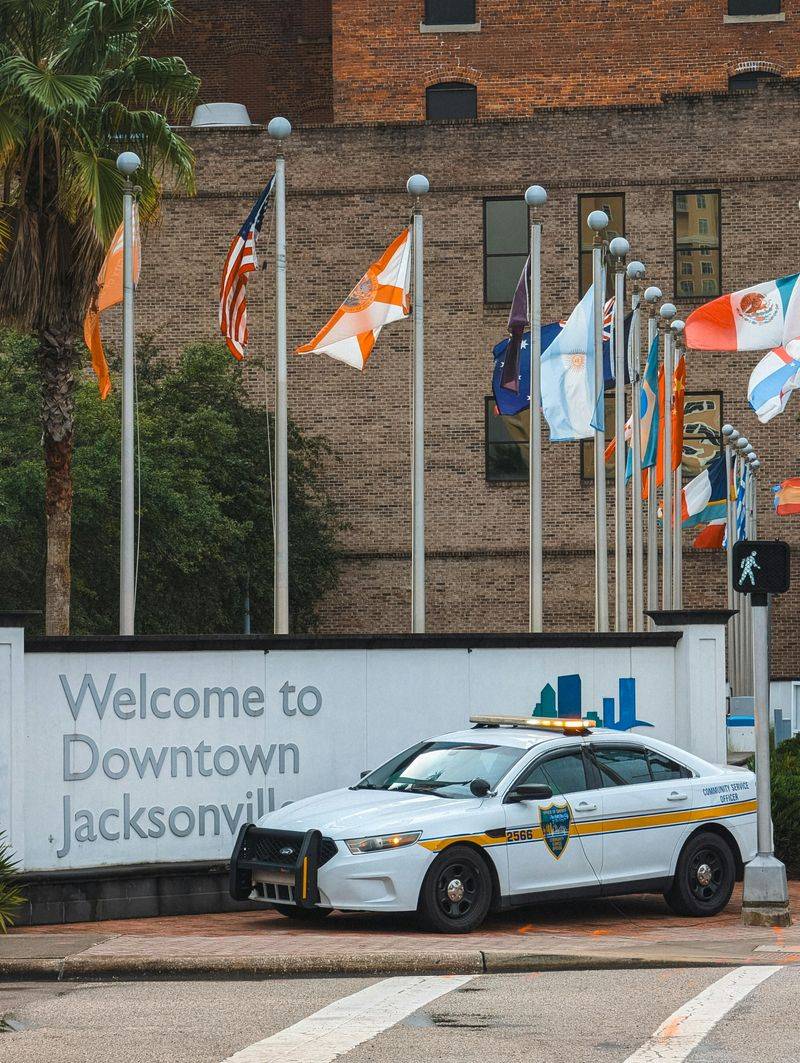
Crossing the state line with a pastel pet sounds like a harmless road trip story, but Florida sees it differently. If an animal was artificially colored and it fits the protected categories, rolling into the state can land you inside the same set of rules that ban distribution.
People pick one up at a roadside market elsewhere, then vacation in Florida, and forget the law does not care where the color happened. The minute you use it for promo or try to gift it, you are in the zone.
Tourists do not always mean harm, they just underestimate how specific the statute is about young animals. If you are heading to Orlando, Jacksonville, or the Keys with kids, skip the dyed surprise.
You can visit reputable encounters or sanctuaries that do not dye animals and still get all the smiles and photos. It keeps you out of the gray area and keeps the animal in a calm routine.
When in doubt, call a local shelter or animal control office and ask what is allowed. They will usually steer you toward educational options that make everyone happy and keep things legal.
Florida’s approach is prevention, and visitors fit under that umbrella like anyone else. You get a smooth trip, the animal skips the chaos, and the memory does not come with a worried conversation at a rest stop.
Exceptions That Are Legal, Agricultural Health Markings And Exhibitions
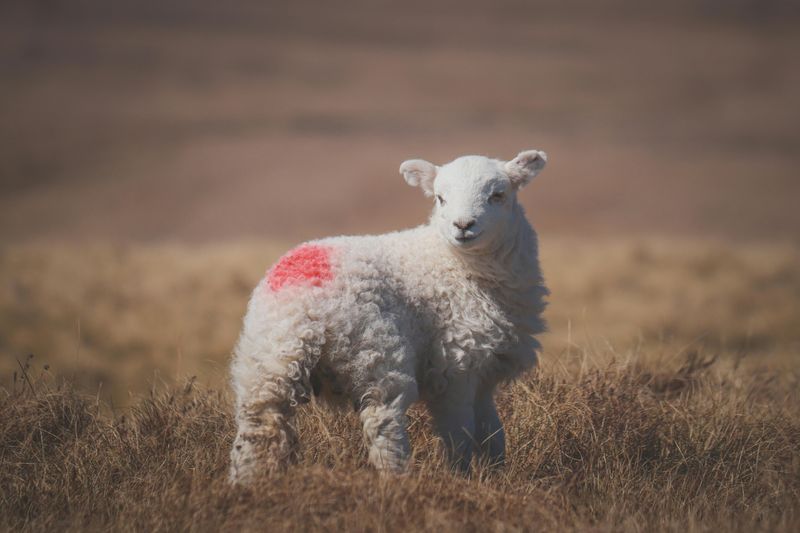
Not every bit of color is illegal, and that nuance matters when you are staring at a calf with an official mark or a bird with a simple health tag. Florida carves out space for agricultural health markings and regulated exhibitions, where identification and disease control are the priority.
Those markings are practical, not decorative, and they come with oversight that keeps welfare at the center. Think numbered leg bands, veterinary stamps, and show tags handled by trained staff.
At county fairs around Florida, exhibitions often follow strict rules on handling, housing, and access for the public. You can walk through, learn, and snap a photo of the setup without anyone pushing a pink bunny into your hands.
That difference is the whole point, because education is safe when the animals are stable and cared for by people who know the playbook. It is not about spectacle, it is about stewardship.
If you are unsure, ask who applied the mark and why. A quick, clear answer usually tells you the color is for identification or health, not for sales or giveaways.
You still skip touching without permission, and you keep noise down like a decent human. The statute leaves room for serious work while shutting down gimmicks.
That balance is how Florida protects animals and lets communities keep learning in public spaces.
How Pet Stores, Festivals, And Pop-Up Events Can Accidentally Cross The Line
The accidents happen in plain sight, usually when excitement outruns the checklist. A pet store runs a spring display with pastel chicks from a supplier, or a festival booth adds a “free bunny with basket” deal and thinks it is clever.
In both cases, Florida’s statute can land squarely on the table with very real consequences. It takes one complaint or one patrol pass to shift the mood from festive to nervous.
Most small shops and event teams just need better guardrails. Put a written policy near the register about no dyed animals and no live animal promotions.
Train staff to steer customers toward toys, enrichment kits, or adoption events hosted by rescues that follow state rules. If you are organizing a pop up, run your plan past the venue and local animal control ahead of time.
A short call now beats paperwork later.
I have seen managers in Miami and St. Petersburg post friendly signs that explain the law in simple language, and it changes conversations immediately. People still coo at the natural color of a chick in a supervised demo, but nobody expects to take it home on a whim.
Florida’s communities know the drill when it is spelled out, and families appreciate clear choices. That is how you keep the energy high, the animals safe, and the clipboard checks uneventful.
Smart, Legal Alternatives For Easter, Parties, And Kid-Friendly Events

If you want the joy without the trouble, there are easy switches that feel just as fun. Try plush toys, coloring tables, or a photo corner with spring props that do not breathe or bite.
Book a short visit from an educator with rescue friendly policies, where animals stay in their natural colors and nobody goes home with one. Kids light up anyway, and adults breathe easier knowing there is no surprise cleanup later.
Florida is full of family spaces that welcome this approach. Community centers in places like Sarasota or Tallahassee can host craft hours, story time about animal care, and meet and greet sessions where the pros do the handling.
You can add a donation jar for a local rescue and snap photos in front of a cheerful backdrop. The memory lands without any legal strings or welfare worries.
For parties, hand out adoption themed coupons for plush pets with names and care cards. It turns into a little lesson on kindness and responsibility without the heavy lift of real housing, heat, or vet bills.
If you miss the color splash, use pastel streamers and lights, not living things. Florida’s law makes a clear lane for creativity, and you can cruise in it with zero drama and plenty of laughs.
Quick Checklist For Staying On The Right Side Of The Rule
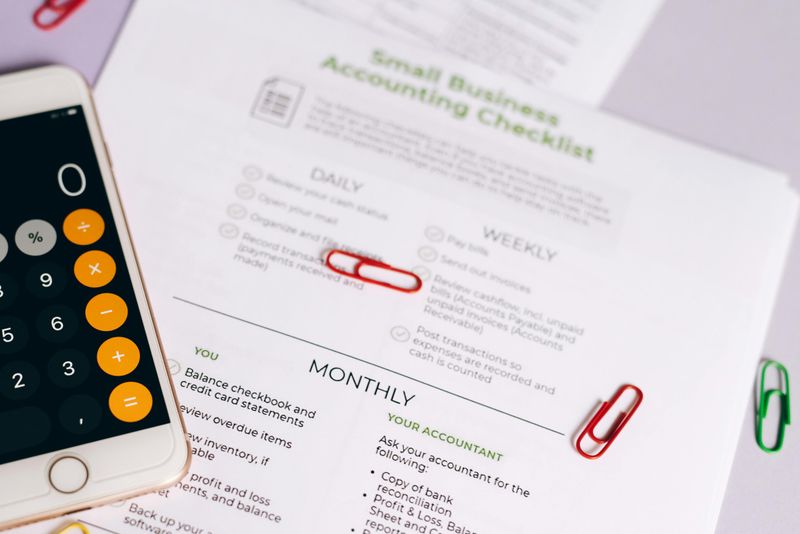
Let me give you a pocket list you can actually use. First, no dyed or artificially colored young animals, full stop, whether you are selling, gifting, or using them to boost anything.
Second, no live animal prizes or merchandising premiums, even if it feels playful. Third, respect age cutoffs for chicks, ducklings, and rabbits, because early handoffs pile on risks.
Fourth, confirm any exhibition or mark is legitimate and health related, not decoration for show.
Next up, train staff and volunteers to explain the rule with a smile. Post friendly signs so there is no confusion when the crowd gets busy.
Avoid pop up suppliers who skirt questions, and stick to known rescues and licensed sources for educational visits. When in doubt, call local animal control or a county extension office and get a clear answer before you open the doors.
Finally, swap risky ideas for safe wins. Use photo booths, crafts, plush adoptions, and guided demos with experienced handlers.
Keep animals in natural colors, minimize handling, and set quiet zones so kids learn to watch with patience. Florida’s approach is not a buzzkill, it is a blueprint.
Follow it, and your event runs smooth, your conscience stays light, and your photos age well without a footnote.
Dear Reader: This page may contain affiliate links which may earn a commission if you click through and make a purchase. Our independent journalism is not influenced by any advertiser or commercial initiative unless it is clearly marked as sponsored content. As travel products change, please be sure to reconfirm all details and stay up to date with current events to ensure a safe and successful trip.
