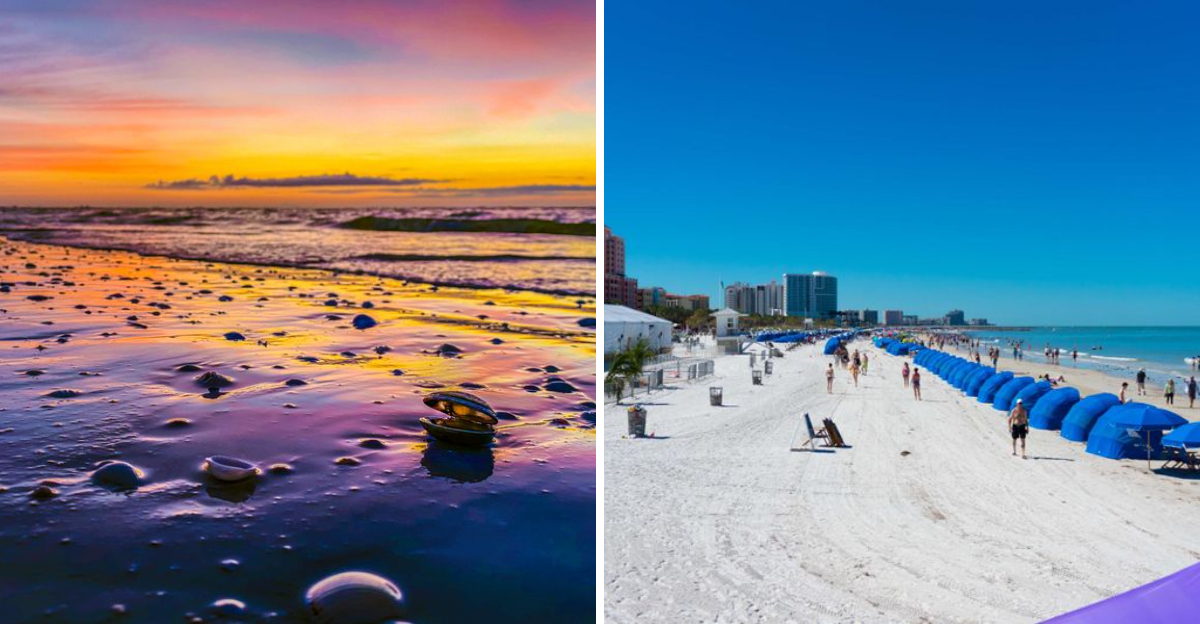
Florida’s sun-drenched islands have long been magnets for travelers seeking turquoise waters, powdery beaches, and that unmistakable tropical charm that defines the Sunshine State.
Yet as more visitors discover these coastal gems, many island communities are grappling with unprecedented crowds that threaten the very qualities that made them special in the first place.
From the barrier islands of the Atlantic coast to the famous Keys stretching into the Gulf, once-peaceful shorelines now face traffic jams, strained infrastructure, and environmental pressures that have residents worried about their future.
Understanding which islands are experiencing the most dramatic changes helps paint a picture of Florida’s evolving relationship between tourism, development, and preservation.
1. Brevard County’s Southern Barrier Island
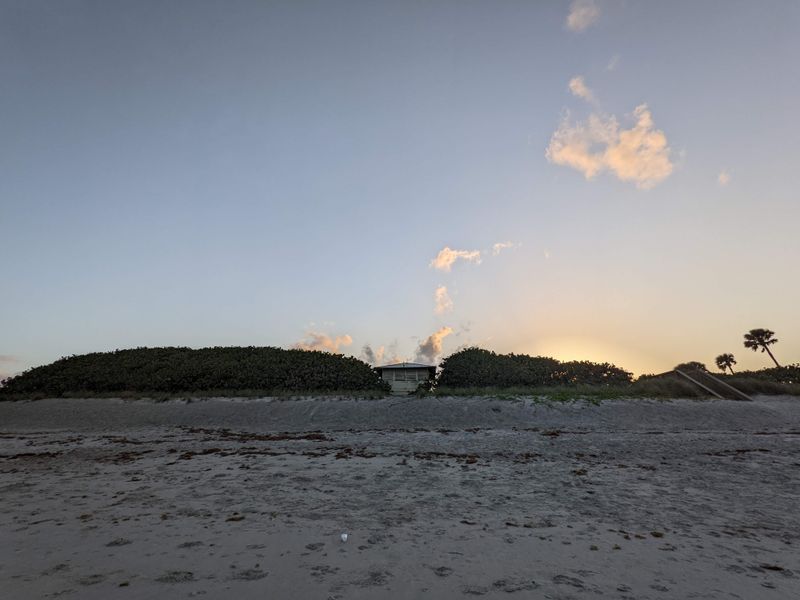
Stretching along Florida’s Atlantic coast, this barrier island community has become a battleground between development pressures and environmental preservation.
Residents who have called this area home for decades watched as construction projects multiplied, threatening to transform their quiet coastal haven into yet another overdeveloped tourist corridor.
The island’s natural beauty, with its unspoiled beaches and diverse ecosystems, attracted developers who saw lucrative opportunities in every undeveloped parcel.
Local families feared that unchecked growth would destroy the very characteristics that made their home special.
Traffic increased noticeably as new residents moved in and visitors discovered the area’s pristine shores.
Community members organized, attending meetings and voicing concerns about water quality, wildlife habitat loss, and the strain on local infrastructure.
Their persistence paid off when the area achieved designation as an Area of Critical State Concern, a status that provides additional regulatory oversight.
This designation represents a significant victory for conservation-minded residents who want to protect coastal ecosystems from excessive development.
The southern barrier island’s struggle illustrates a broader pattern affecting Florida’s coastline.
Balancing economic growth with environmental stewardship requires constant vigilance from communities that value their natural surroundings.
Walking along these beaches today, you can still find stretches where sea oats wave in the breeze and shorebirds nest undisturbed.
Yet the presence of new construction reminds visitors that this tranquility remains fragile.
Local activists continue monitoring development proposals, knowing that each project approved sets precedents for future growth.
The island’s experience serves as a cautionary tale for other coastal communities facing similar pressures.
Residents here have learned that protecting their environment requires more than appreciation.
It demands active participation in planning processes and willingness to challenge developments that threaten ecological balance.
For travelers visiting this barrier island, the landscape offers a glimpse of what much of Florida’s coast once looked like before intensive development reshaped shorelines.
Supporting local conservation efforts and respecting protected areas helps ensure future generations can enjoy these natural treasures.
The ongoing tension between growth and preservation here reflects challenges facing coastal regions worldwide.
How communities respond to these pressures will determine whether places like this barrier island retain their environmental integrity or succumb to overdevelopment.
2. Sanibel Island
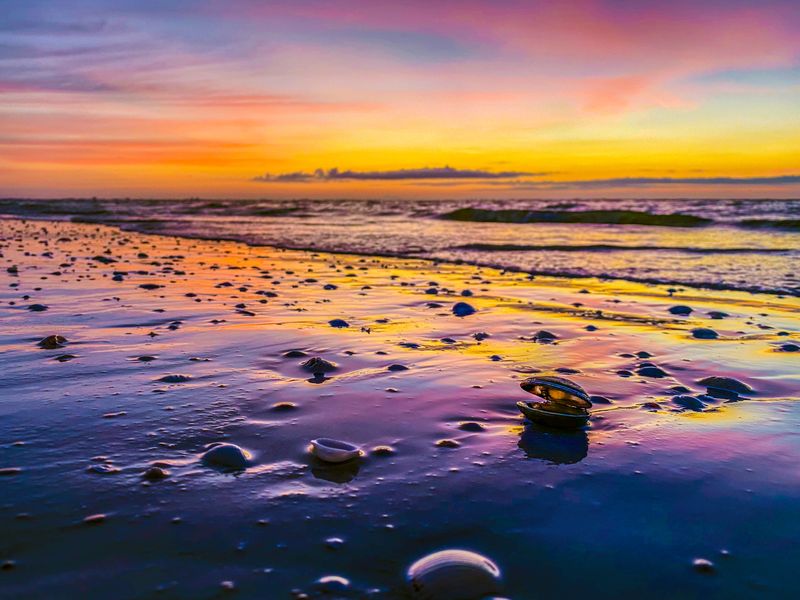
Known worldwide as the Seashell Capital of the World, Sanibel Island has built its reputation on the extraordinary variety of shells that wash onto its beaches.
Collectors arrive from across the globe, adopting the distinctive bent-over posture locals call the Sanibel Stoop as they search for treasures among the tide lines.
This unique geological positioning causes shells from the Caribbean to accumulate here in quantities found nowhere else in North America.
Yet this very fame has created challenges for the island community.
Tourism numbers have climbed steadily over the years, with visitors eager to experience the shell-hunting phenomenon firsthand.
Peak season brings traffic congestion to the island’s limited roadways, and parking near popular beaches becomes increasingly difficult to find.
Residents who remember quieter times worry that overcrowding diminishes the peaceful atmosphere that once defined island life.
Environmental concerns accompany the increased visitor numbers.
Fragile dune systems face erosion from foot traffic, and wildlife habitats experience disturbance from human activity.
The island’s famous shelling beaches require careful management to prevent overexploitation of marine resources.
Local conservation groups work tirelessly to educate visitors about responsible collection practices and the importance of leaving live shells in their natural habitat.
Sanibel’s commitment to preservation shows in its strict building codes and absence of high-rise development.
The island maintains a deliberately low-key character, with structures hidden among native vegetation rather than dominating the skyline.
Still, the sheer number of people visiting during high season tests the community’s ability to maintain this balance.
Hurricane damage in recent years has added another layer of complexity to development discussions.
Rebuilding efforts must consider both the need to accommodate residents and businesses and the desire to preserve the island’s special character.
Many longtime residents advocate for slower, more thoughtful growth that prioritizes environmental health over rapid expansion.
Visitors who take time to explore beyond the most popular spots discover quieter stretches of beach and nature preserves teeming with wildlife.
The J.N. Ding Darling National Wildlife Refuge protects thousands of acres of mangrove ecosystems and provides sanctuary for hundreds of bird species.
Experiencing Sanibel responsibly means respecting these protected areas and understanding that tourism’s impact extends beyond economic benefits.
The island’s future depends on finding sustainable approaches that allow visitors to enjoy its natural wonders without destroying them.
3. Captiva Island
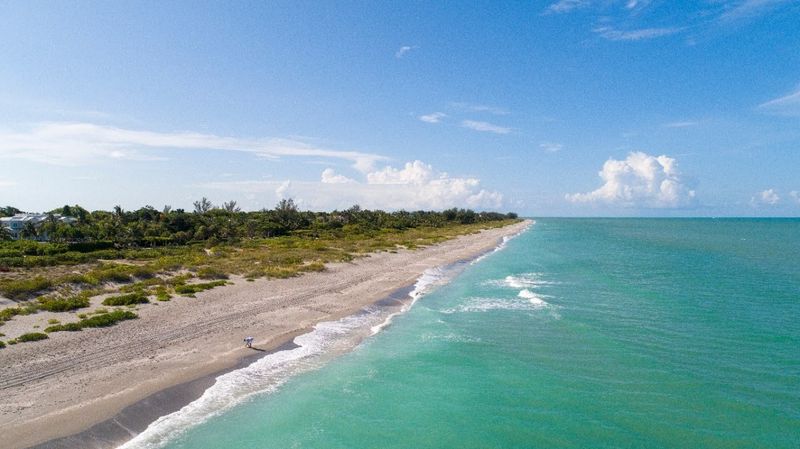
Connected to Sanibel by a small bridge, Captiva Island offers a slightly more exclusive and secluded atmosphere than its neighbor.
This narrow strip of land features stunning beaches where the Gulf of Mexico meets powdery white sand in shades of turquoise that seem almost unreal.
Captiva has long attracted visitors seeking a quieter alternative to busier Florida destinations, with charming beach cottages and upscale resorts tucked among swaying palms.
Recent years have brought growing pains to this small island community.
Development proposals for expanded resort facilities have sparked heated debates among residents concerned about preserving the island’s intimate character.
Traffic flowing through Captiva to reach the island’s northern attractions creates congestion on roads never designed for high volumes.
Limited parking at beach access points means that during busy periods, finding a spot becomes an exercise in patience and timing.
Community organizations have mobilized to address these challenges, advocating for responsible growth that respects the island’s carrying capacity.
Residents remember when you could walk the beach for hours without encountering crowds, when local businesses knew every customer by name.
That small-town feel faces pressure as visitor numbers increase and property values soar, pricing out longtime residents and changing the community’s demographic makeup.
The natural environment suffers when too many people concentrate in sensitive coastal areas.
Sea turtle nesting sites require protection from artificial lighting and human disturbance during critical breeding seasons.
Coastal vegetation that stabilizes dunes and prevents erosion needs space to thrive without constant trampling.
Marine life in nearshore waters responds to pollution and disturbance from increased boating activity.
Captiva’s beauty makes it vulnerable to the very attention it attracts.
Sunset celebrations at the island’s northern tip have become so popular that managing the crowds requires careful planning.
Local restaurants and shops, once sleepy establishments serving a small residential population, now contend with tourist seasons that bring both economic opportunity and operational challenges.
Some business owners welcome the increased revenue, while others worry about losing the authentic island culture that made Captiva special.
Finding middle ground between economic vitality and community preservation occupies much of the conversation at local meetings.
Visitors who approach Captiva with respect for its fragile ecosystem and small-town character contribute positively to the island’s future.
Choosing less crowded times to visit, supporting local conservation initiatives, and treating the environment gently all help preserve what makes this island worth visiting in the first place.
4. Key West
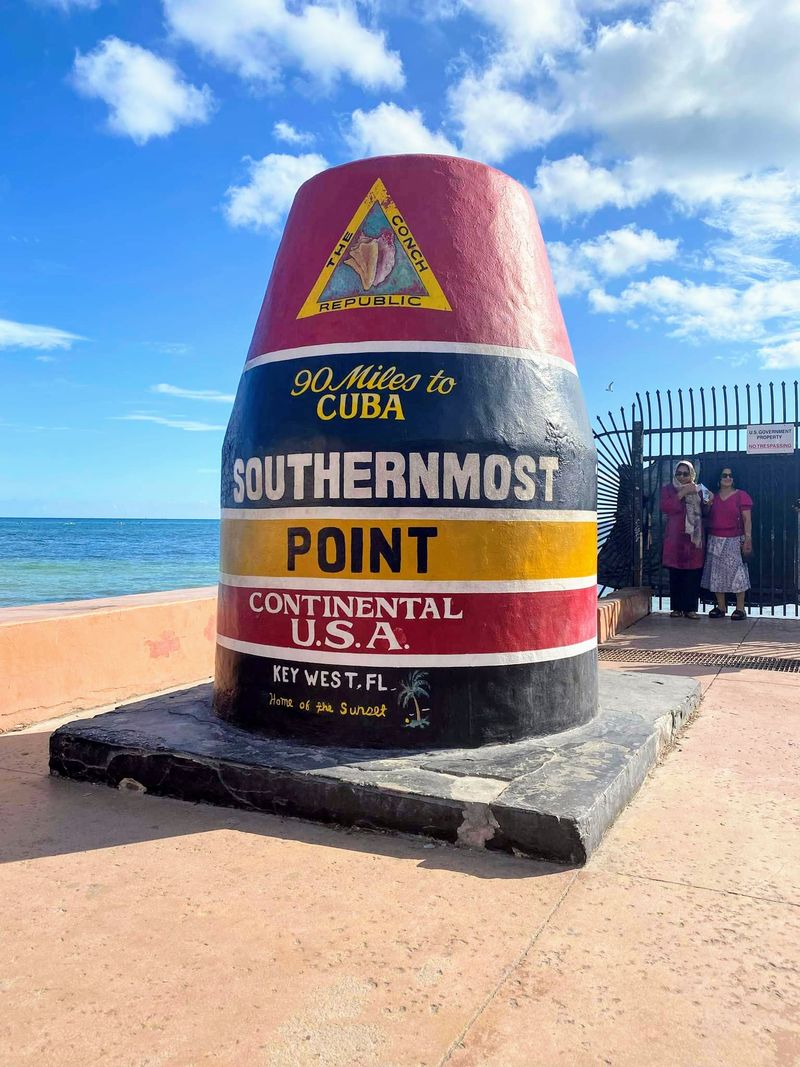
Perched at the southernmost point of the continental United States, Key West has evolved from a quiet fishing village to one of Florida’s most visited destinations.
Historic architecture painted in Caribbean pastels lines streets where Ernest Hemingway once walked and wrote.
The island’s unique blend of Cuban, Bahamian, and American influences creates a cultural atmosphere found nowhere else in the country.
Yet this popularity has transformed Key West into a place where crowds often overwhelm the infrastructure.
Cruise ships disgorge thousands of passengers daily during peak season, flooding Duval Street with tourists seeking margaritas and souvenirs.
The narrow streets of Old Town, designed for a much smaller population, become congested with rental scooters, pedicabs, and pedestrians.
Parking remains scarce and expensive, forcing visitors to circle endlessly or pay premium rates for limited spaces.
Local residents increasingly feel like strangers in their own town during high tourist season.
Housing costs have skyrocketed as investors convert homes into vacation rentals, pushing working families off the island entirely.
The service industry struggles to find employees who can afford to live locally, creating labor shortages despite tourism’s economic benefits.
Environmental pressures accompany the human congestion.
The coral reefs surrounding the Keys face threats from climate change, pollution, and damage from inexperienced snorkelers and divers.
Water quality suffers from aging infrastructure struggling to handle waste from both residents and millions of annual visitors.
Marine ecosystems that support the fishing industry and attract nature lovers require protection from overuse.
City officials have begun exploring measures to manage tourism more sustainably.
Discussions include limiting cruise ship arrivals, improving public transportation, and creating incentives for businesses that serve residents rather than only tourists.
Some residents advocate for a tourist tax that would fund infrastructure improvements and environmental restoration.
Others worry that any measures restricting visitor numbers could harm the economy that many families depend upon.
Finding balance between welcoming tourists and maintaining livability for residents represents Key West’s central challenge.
Beyond the crowded tourist districts, quieter neighborhoods still retain some of the island’s original character.
Historic cemeteries, botanical gardens, and residential streets offer glimpses of the Key West that existed before mass tourism reshaped the landscape.
Visitors willing to explore beyond Duval Street discover a more authentic experience and help distribute tourism’s impact more evenly across the island.
The future of Key West depends on whether the community can preserve its unique cultural identity while managing the crowds that threaten to overwhelm it.
5. Anna Maria Island
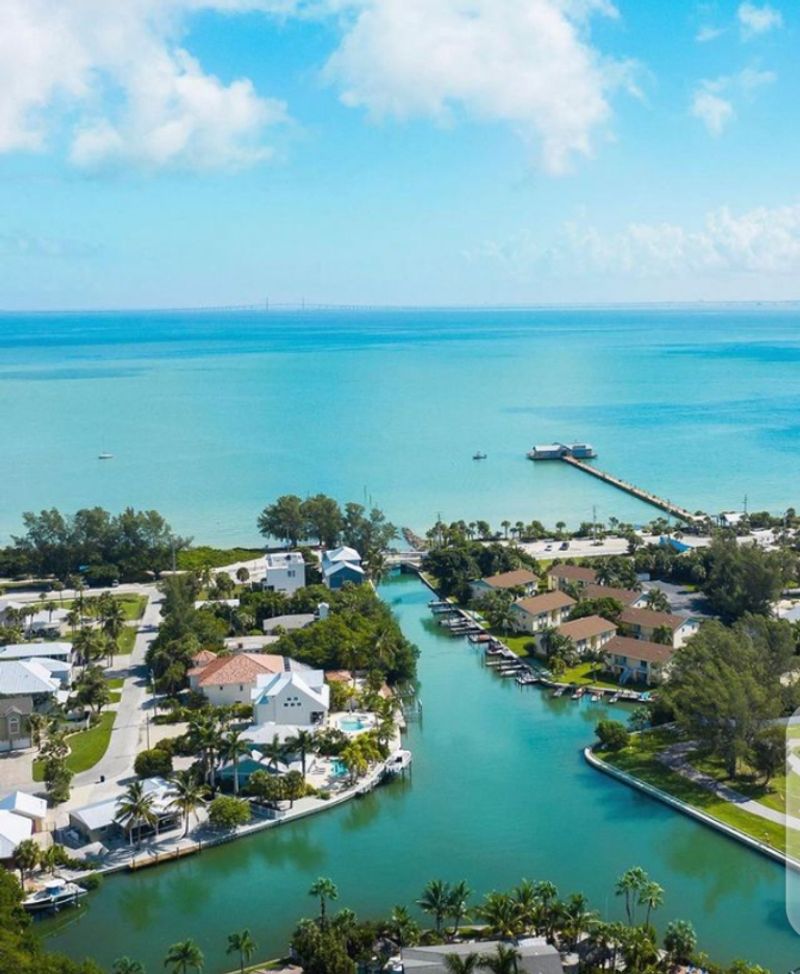
Spanning just seven miles of barrier island along Florida’s Gulf Coast, Anna Maria Island has maintained a refreshingly low-key atmosphere despite increasing development pressures.
Three small communities share the island, each with distinct personalities but united by a commitment to preserving the area’s old Florida charm.
Visitors arriving via the island’s bridges immediately notice the absence of high-rise hotels and chain restaurants that dominate many Florida beach destinations.
Instead, vintage beach cottages painted in cheerful colors line streets shaded by Australian pines and sea grapes.
This deliberately preserved character has made Anna Maria Island increasingly popular with travelers seeking authentic coastal experiences.
Unfortunately, that popularity has created the very crowding that threatens the laid-back atmosphere people come to enjoy.
Beach access points that once accommodated local residents now overflow with visitors during peak seasons and weekends.
Parking has become the island’s most contentious issue, with limited spaces creating frustration for both tourists and residents.
Some visitors arrive before dawn to claim spots, while others circle for hours hoping someone will leave.
The island’s two-lane roads experience traffic backups that would have seemed impossible just a decade ago.
Local officials have implemented various strategies to manage the crowds, including paid parking zones and resident-only parking areas.
Free trolley service helps reduce vehicle traffic by transporting visitors between beaches and commercial districts.
Still, the sheer number of people discovering Anna Maria Island continues to test the community’s capacity.
Environmental concerns accompany the increased visitation.
Beach dunes that protect the island from storm surge face erosion from foot traffic and development pressures.
Sea turtle nesting season brings additional management challenges as volunteers work to protect nests from disturbance.
Water quality monitoring reveals the impact of increased septic system use and stormwater runoff on the surrounding marine environment.
Longtime residents speak nostalgically about the days when you knew everyone on the beach and traffic meant waiting for a golf cart to pass.
Many fear that Anna Maria Island is losing the qualities that made it special as vacation rentals replace year-round residents and mom-and-pop businesses struggle against rising rents.
Community meetings often feature passionate debates about growth management and the island’s future direction.
Despite these challenges, Anna Maria Island retains much of its original appeal for those willing to visit during shoulder seasons or explore beyond the most popular areas.
Sunrise walks along less-traveled beaches still offer peaceful moments of connection with nature.
Small local restaurants serve fresh seafood in casual settings where flip-flops remain the preferred dress code.
Supporting these local businesses and respecting parking regulations helps visitors contribute positively to the island community they have come to enjoy.
6. Siesta Key
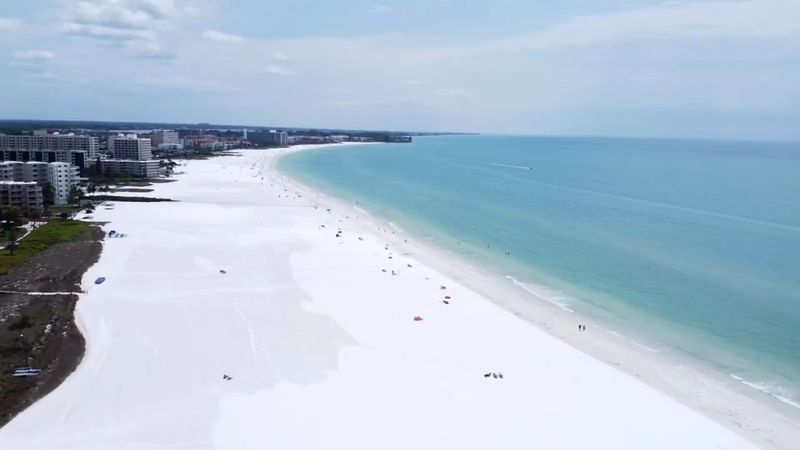
Boasting some of the finest sand in the world, Siesta Key has earned international recognition for its beaches composed of 99% pure quartz crystal.
This geological uniqueness creates sand so white it almost glows, remaining cool underfoot even during the hottest summer days.
Siesta Beach has repeatedly won awards as America’s best beach, recognition that brings both pride and problems to this barrier island community.
Fame has its price, and for Siesta Key that price comes in the form of overwhelming crowds during tourist season.
The main public beach can resemble a crowded city park on busy days, with thousands of visitors competing for space on the sand.
Parking lots fill by mid-morning, forcing latecomers to circle endlessly or seek alternative beaches.
The single road connecting Siesta Key to the mainland experiences gridlock during peak times, with traffic backing up for miles.
Residents who once enjoyed quick trips to the mainland now factor in significant delays for even simple errands.
Development has accelerated in recent years, with older beach cottages replaced by larger vacation rental properties designed to maximize occupancy and rental income.
This transformation changes the character of residential neighborhoods as short-term renters replace year-round community members.
Noise complaints increase, parking disputes become common, and the sense of neighborhood cohesion diminishes.
Wildlife faces mounting pressure from habitat loss and human activity.
Shorebirds that once nested along quieter stretches of beach now struggle to find undisturbed areas.
Sea turtles attempting to nest encounter obstacles from beach furniture and artificial lighting that disorients hatchlings.
Marine life in nearshore waters responds to increased boat traffic and water quality changes.
Conservation organizations work to protect these vulnerable species while educating visitors about their impact on island ecosystems.
Local government officials grapple with balancing tourism revenue against quality of life concerns from permanent residents.
Infrastructure improvements lag behind growth, with roads, utilities, and emergency services stretched thin during peak visitation periods.
Some community members advocate for limiting development through stricter zoning regulations, while others argue that property rights should allow owners to maximize their investments.
Beyond the famous main beach, Siesta Key offers quieter alternatives for those willing to explore.
Turtle Beach at the southern end attracts fewer crowds and provides a more relaxed atmosphere.
Crescent Beach offers middle ground between the bustling main beach and the quieter southern areas.
Visiting during off-peak times or weekdays provides a better experience and reduces strain on island resources.
The challenge for Siesta Key lies in preserving the natural beauty that earned it fame while managing the crowds that recognition attracts.
Sustainable tourism practices and thoughtful development decisions will determine whether future generations can enjoy this remarkable island or find it loved to death by its own popularity.
7. Clearwater Beach
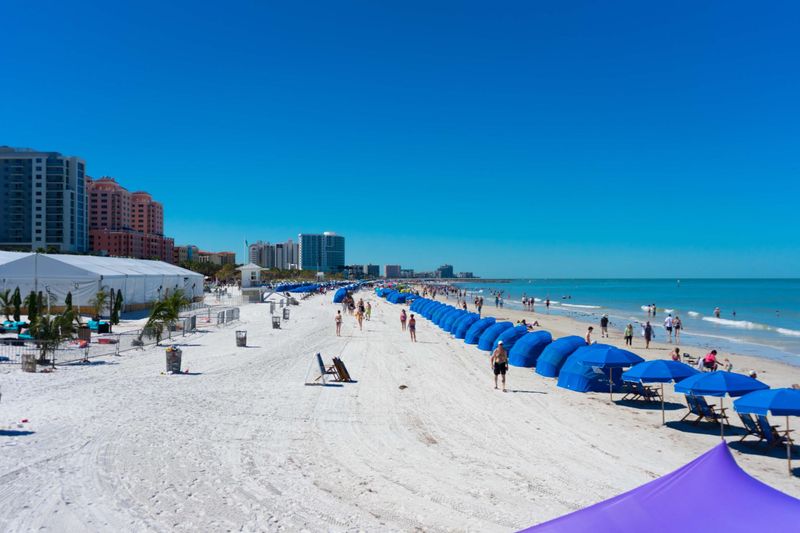
Consistently ranking among America’s top beaches, Clearwater Beach attracts millions of visitors annually with its combination of sugar-white sand and remarkably clear Gulf waters.
The beach’s convenient location near Tampa makes it easily accessible for day-trippers and weekend visitors, contributing to its popularity and crowding issues.
Unlike some Florida barrier islands that maintain strict development limits, Clearwater Beach features numerous high-rise hotels and condominium towers that dominate the skyline.
This intensive development reflects decades of growth-oriented policies that prioritized tourism infrastructure over preservation of the area’s natural character.
During peak tourist season, the beach becomes a sea of umbrellas, beach chairs, and bodies packed shoulder to shoulder.
Finding a spot to spread a towel requires arriving early or accepting a location far from the water’s edge.
The famous Pier 60 area hosts nightly sunset celebrations that draw enormous crowds, creating both festive atmosphere and management challenges.
Street performers, craft vendors, and food stands create a carnival-like environment that some visitors love and others find overwhelming.
Traffic congestion plagues the narrow island, especially during the approach to and departure from the beach.
City officials have invested in a large parking garage and improved public transportation, but demand still exceeds capacity during busy periods.
Ride-sharing services and tour buses add to the vehicular congestion, while pedestrians and cyclists navigate streets designed before such traffic volumes were imaginable.
The intense development and visitor pressure create environmental concerns that sometimes get overlooked amid the tourism focus.
Water quality monitoring reveals occasional issues related to stormwater runoff and the concentration of people in the water.
Marine life adapts to constant human presence, with some species thriving on discarded food while others retreat to less disturbed areas.
Beach nourishment projects attempt to combat erosion caused by both natural forces and human impact, requiring ongoing investment and environmental assessment.
Local residents often avoid the main beach area during tourist season, instead seeking quieter spots to the north or south.
Some longtime residents lament the transformation of what was once a small beach community into a major tourism destination.
Others appreciate the economic opportunities and amenities that tourism dollars provide.
City planners face the challenge of enhancing visitor experience while addressing concerns about overcrowding and its impacts.
Proposals to limit beach access or implement reservation systems generate controversy, with business interests opposing measures that might reduce visitor numbers.
For travelers, Clearwater Beach offers the classic Florida beach vacation experience complete with all the amenities and activities anyone could want.
Those seeking that experience will find it here in abundance, along with the crowds that come with popularity.
Visitors preferring a more tranquil beach experience might consider exploring less developed nearby islands or timing their visit for shoulder seasons when crowds thin and the beach reveals more of its natural appeal.
Dear Reader: This page may contain affiliate links which may earn a commission if you click through and make a purchase. Our independent journalism is not influenced by any advertiser or commercial initiative unless it is clearly marked as sponsored content. As travel products change, please be sure to reconfirm all details and stay up to date with current events to ensure a safe and successful trip.
