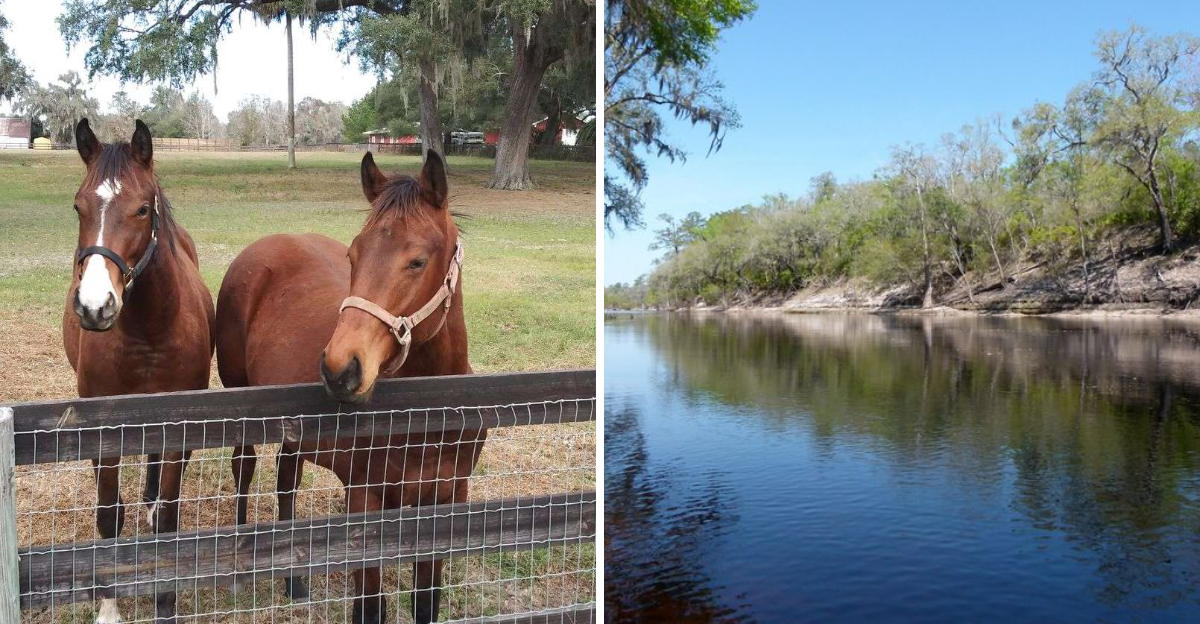
Most people picture Florida as a land of theme parks, crowded beaches, and neon-lit cities.
But beyond the tourist hotspots lies a completely different world, one filled with cattle ranches, citrus groves, and quiet fishing villages.
These rural regions showcase a side of the Sunshine State that most visitors never see, where cowboy culture thrives and agricultural traditions run deep.
From the moss-draped river valleys of the north to the sugarcane fields of the south, these areas offer a glimpse into the authentic Florida that existed long before the resorts arrived.
Exploring these lesser-known corners reveals the true character of the state, shaped by generations of farmers, fishermen, and ranchers.
Whether you’re drawn to pristine springs, rolling horse pastures, or tropical fruit stands, Florida’s rural heartland promises unforgettable experiences.
Pack your curiosity and prepare to discover landscapes that feel worlds away from the usual tourist trail.
1. The Panhandle’s Forgotten Coast
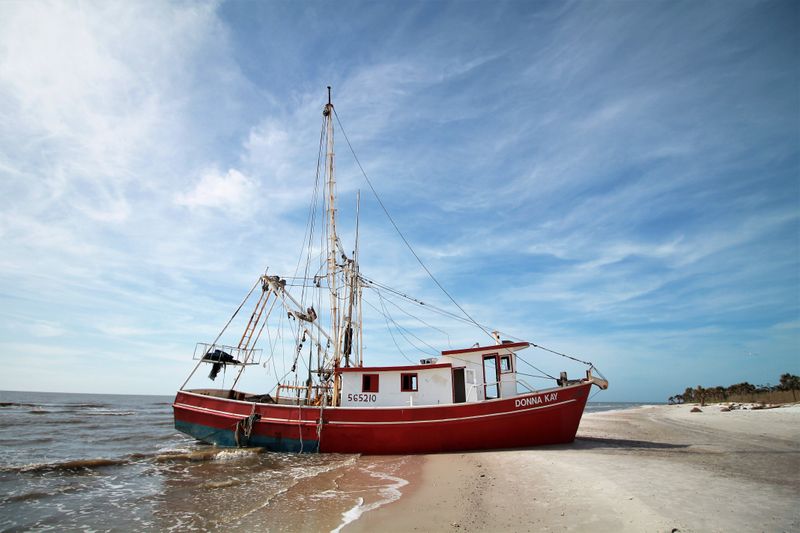
Stretching from Apalachicola to Mexico Beach, this coastal stretch earns its nickname through sheer remoteness and authenticity.
Unlike the condo-lined beaches elsewhere in Florida, this region remains remarkably untouched by mass tourism.
Commercial fishing docks line the waterfront, where boats unload fresh oysters harvested from the nutrient-rich bays.
Apalachicola itself serves as the oyster capital, with generations of families making their living from these waters.
Dense pine forests stretch for miles inland, creating a natural buffer between the coast and modern development.
Small towns here move at a slower pace, with local seafood shacks and bait shops defining the landscape.
The area’s charm lies in what it lacks: no high-rises, no chain restaurants, no crowds fighting for beach access.
Instead, visitors find quiet shores where shorebirds outnumber sunbathers and fishing remains a way of life rather than a hobby.
Historic downtown districts preserve buildings from Florida’s territorial days, offering glimpses into the past.
This region proves that coastal Florida doesn’t always mean resort development and tourist attractions.
Address: Apalachicola Bay Area, Franklin County, FL 32320
2. The Nature Coast Big Bend
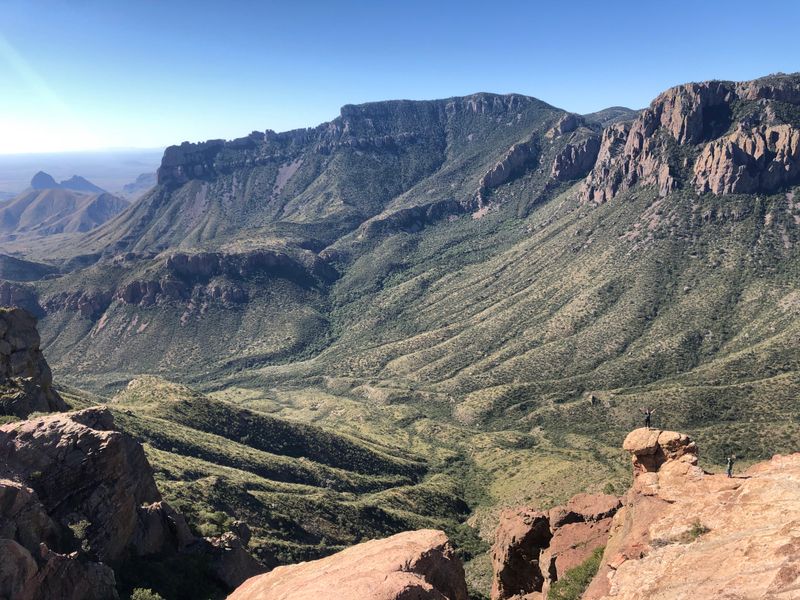
Levy and Dixie Counties form the heart of what locals call the Nature Coast, where land and water blend seamlessly.
Salt marshes dominate the landscape, creating a unique ecosystem that supports countless bird species and marine life.
Stilt houses rise above the wetlands, architectural remnants of Florida’s pioneering Cracker culture.
These elevated homes were designed to withstand flooding while keeping families cool in the subtropical heat.
Commercial crabbing remains a primary occupation, with traps dotting the shallow coastal waters throughout the year.
Small communities here maintain traditions passed down through generations of fishermen and cattle ranchers.
The cowboy heritage runs particularly deep, with many families tracing their ranching roots back over a century.
Roads wind through endless stretches of palmetto scrub and pine flatwoods, often going miles without passing another vehicle.
Towns like Cedar Key and Steinhatchee offer glimpses into Old Florida, where time seems to have slowed considerably.
Visitors seeking authentic rural experiences find them here in abundance, far from Florida’s typical tourist corridors.
Address: Levy County, Cedar Key, FL 32625
3. The Lake Wales Ridge
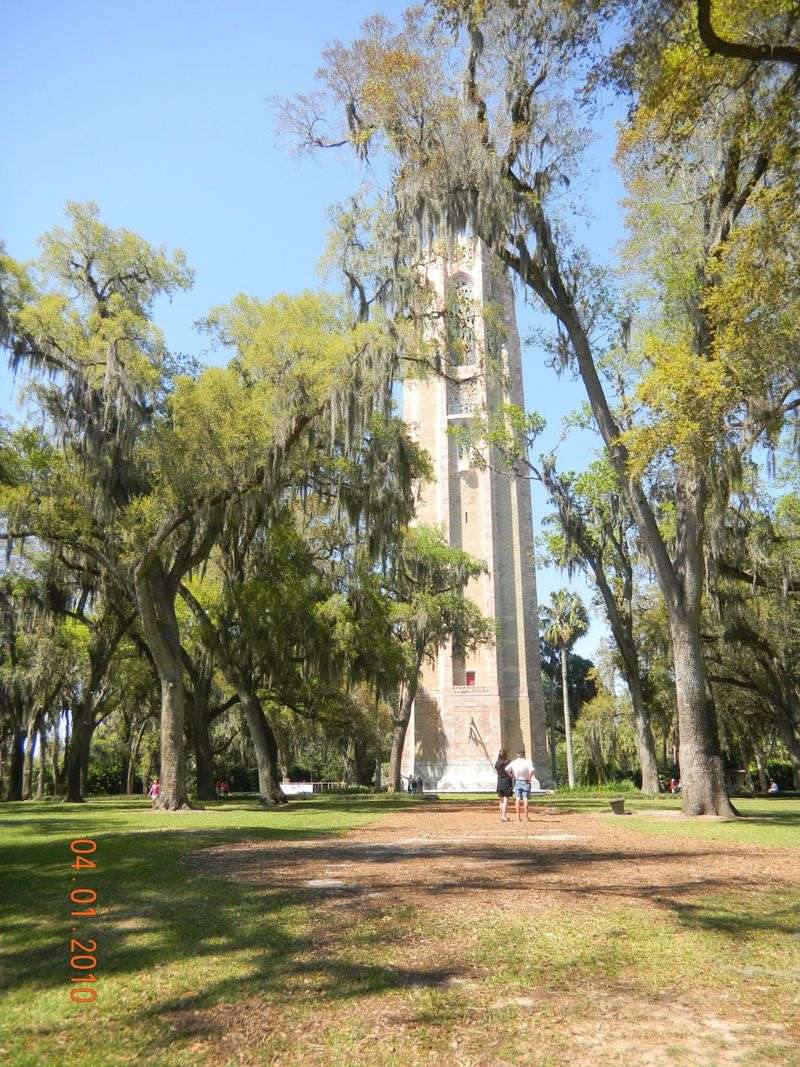
Rising above the surrounding flatlands, this ancient sand ridge forms the backbone of Florida’s citrus industry.
Orange groves blanket the landscape for miles, their orderly rows creating geometric patterns across the countryside.
Packing houses stand as monuments to agricultural heritage, some still operating as they have for generations.
The ridge’s unique sandy soil and elevation provide ideal conditions for growing world-famous citrus varieties.
During bloom season, the sweet fragrance of orange blossoms fills the air for miles in every direction.
Small towns along the ridge grew up around citrus processing, their economies still deeply tied to the harvest cycles.
Roadside stands offer fresh-squeezed juice and bags of fruit picked that same morning from nearby groves.
This region represents the agricultural heart of Central Florida, far removed from the theme park excitement to the north.
Historic groves have weathered hurricanes, freezes, and economic shifts while maintaining their essential character.
Walking through these orchards connects visitors to a Florida tradition that predates most modern development.
The ridge proves that agriculture still thrives in the Sunshine State beyond the tourist attractions.
Address: Lake Wales Ridge, Polk County, FL 33853
4. Suwannee River Valley
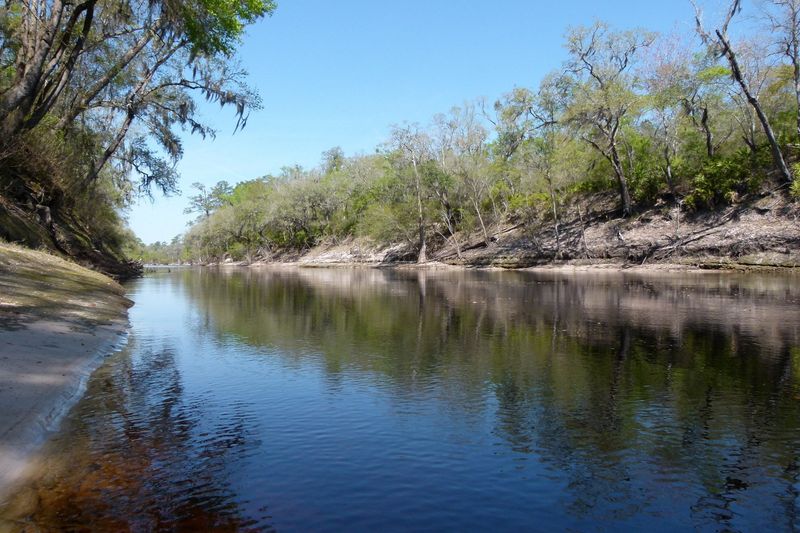
North Central Florida’s Suwannee River carves through limestone bedrock, creating dramatic bluffs and revealing countless springs.
These crystal-clear springs bubble up from underground aquifers, maintaining constant temperatures year-round.
Small farming communities like Live Oak and Branford dot the riverbanks, their histories intertwined with the waterway.
Cypress trees draped in Spanish moss line the river’s edge, creating scenes that seem frozen in time.
Local residents still tube, canoe, and swim in the same spots their grandparents enjoyed decades ago.
The river valley supports small-scale agriculture, with family farms producing vegetables, pecans, and livestock.
Limestone outcroppings provide natural drama to a landscape otherwise dominated by gentle rolling hills.
Towns here maintain a quiet rural character, with main streets featuring locally owned shops and cafes.
Spring-fed tributaries create swimming holes that locals guard as treasured secrets from the outside world.
This region embodies Old Florida charm, where nature and community remain more important than commercial development.
Exploring the Suwannee means stepping into a slower-paced world where rivers still define daily life.
Address: Suwannee River Valley, Live Oak, FL 32064
5. Okeechobee and The Kissimmee River Valley
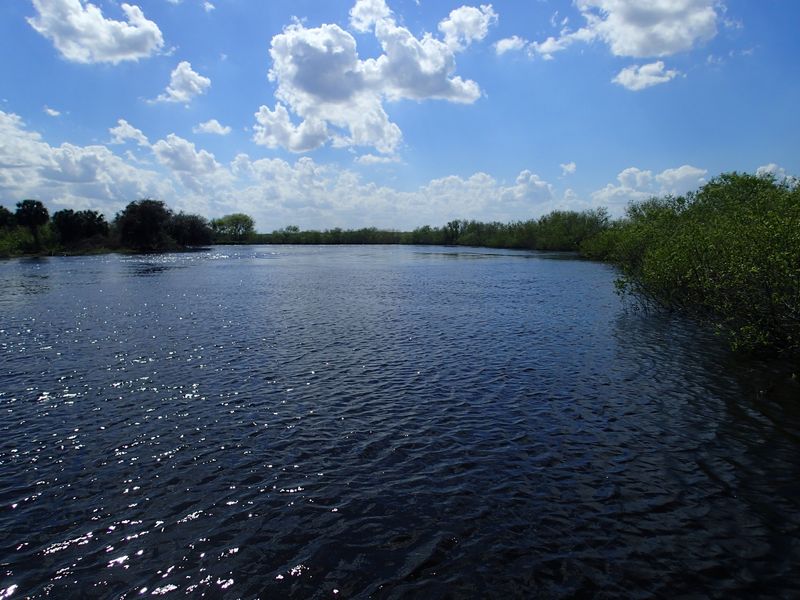
Vast prairies stretch across this region, supporting one of the largest cattle populations in the entire country.
Cowboys still work these ranches on horseback, maintaining traditions that reach back to the Spanish colonial era.
Cow camps dot the landscape, simple structures where ranch hands have lived and worked for over a century.
The open grasslands create vistas more reminiscent of the Western plains than typical Florida scenery.
Lake Okeechobee forms the southern boundary, its massive expanse influencing weather patterns across the region.
Ranching families here take immense pride in their heritage, with many properties passed down through multiple generations.
During cattle drives, herds move across unfenced prairies much as they did in Florida’s frontier days.
Small towns serve as supply centers for surrounding ranches, their economies built around agricultural needs.
The Kissimmee River winds through wetlands and pastures, recently restored to its natural meandering course.
Visitors discover a Florida that contradicts every beach and palm tree stereotype they might hold.
This working landscape proves that cowboy culture thrives in the Sunshine State just as vibrantly as anywhere out West.
Address: Okeechobee County, Okeechobee, FL 34974
6. The Glades South of Lake Okeechobee
South of Lake Okeechobee lies some of the richest agricultural land in North America, known locally as the muck.
This dark, organic soil formed over thousands of years from decomposed vegetation in the ancient Everglades.
Belle Glade and Clewiston anchor the region, their identities completely shaped by large-scale farming operations.
Sugarcane fields dominate the landscape, their tall stalks swaying in the breeze before harvest season arrives.
Winter vegetables also thrive here, with the region producing massive quantities of lettuce, celery, and sweet corn.
The farming operations run on an industrial scale, yet the communities themselves remain decidedly rural and close-knit.
During harvest, the fields buzz with activity as crops are gathered and transported to processing facilities.
This agricultural powerhouse feeds millions of people across the country, though few realize where their produce originates.
Towns here lack tourist amenities, existing primarily to support the farming workforce and operations.
The landscape is flat and expansive, with geometric field patterns stretching toward distant horizons.
Exploring the Glades reveals Florida’s crucial role in American agriculture, far beyond oranges and theme parks.
Address: Belle Glade, Palm Beach County, FL 33430
7. Zolfo Springs and The Peace River
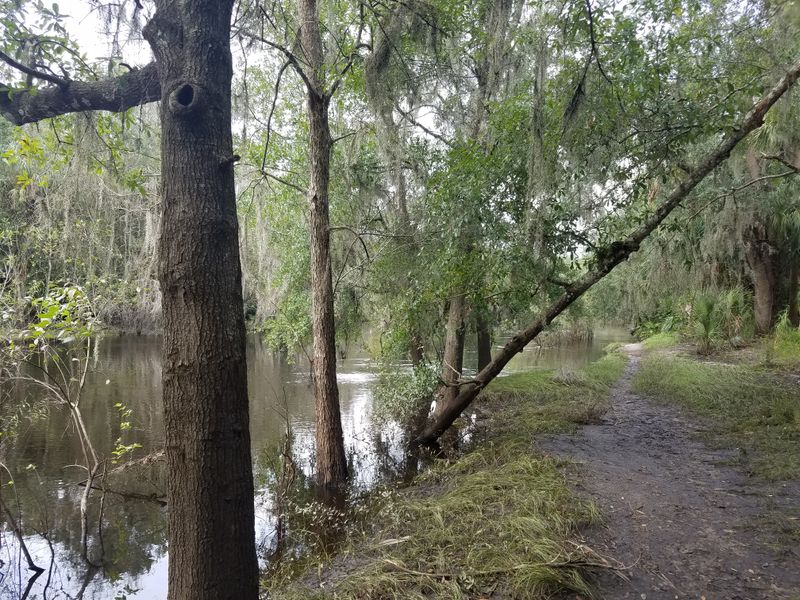
Hardee County’s Peace River region offers a glimpse into Florida’s geological past and ranching present.
The river cuts through ancient phosphate deposits, exposing fossils that draw amateur paleontologists from across the state.
Wading through shallow sections reveals shark teeth, mammoth bones, and other prehistoric treasures embedded in the riverbed.
Zolfo Springs serves as the hub for this rural area, a small town where everyone seems to know everyone else.
Cattle ranching dominates the economy, with pastures and ranch buildings defining the countryside for miles around.
Phosphate mining has shaped the landscape, creating unusual topography where operations have excavated and reclaimed land.
The river culture here revolves around fishing, canoeing, and fossil hunting rather than beach recreation.
Local residents maintain strong connections to the land, with many families ranching or farming for multiple generations.
Towns along the Peace River lack pretension, offering authentic small-town Florida experiences without tourist polish.
Exploring this region means embracing a slower pace where natural history and agricultural heritage intersect beautifully.
Few visitors make it this far inland, leaving the Peace River Valley wonderfully uncrowded and unspoiled.
Address: Zolfo Springs, Hardee County, FL 33890
8. The Redland in South Dade
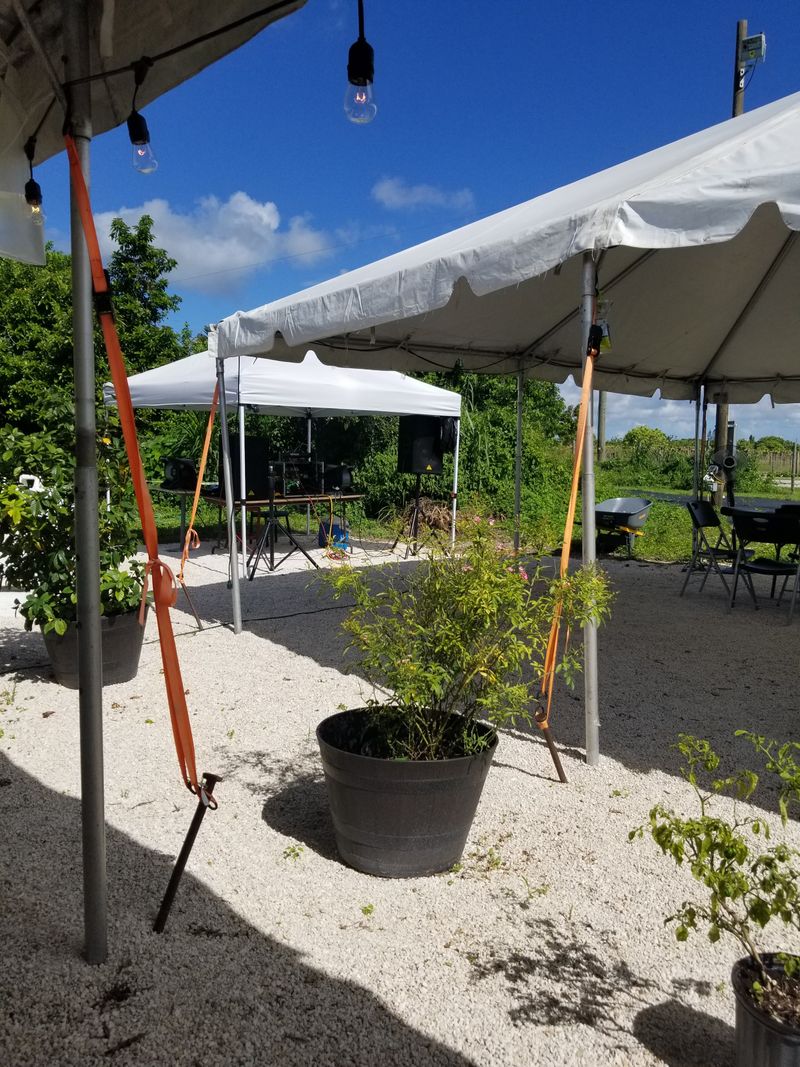
Just north of Everglades National Park, the Redland district functions as Florida’s tropical agricultural breadbasket.
Avocado groves stretch across the countryside, producing exotic varieties rarely found in typical grocery stores.
Nurseries cultivate tropical plants, palms, and orchids that ship to landscapers and garden centers nationwide.
Robert Is Here stands as perhaps the most famous roadside fruit stand in Florida, attracting visitors for generations.
The rich red soil gives the region its name and provides ideal growing conditions for tropical and subtropical crops.
Small family farms operate alongside larger commercial operations, creating a diverse agricultural landscape.
Mango season brings locals and visitors alike to farm stands overflowing with dozens of different varieties.
This area feels distinctly different from the rest of Florida, with a tropical character influenced by Caribbean agricultural traditions.
Many farms welcome visitors to pick their own produce, offering hands-on connections to where food actually grows.
The Redland proves that agriculture thrives even in South Florida’s urban shadow, maintaining rural character against development pressure.
Exploring these farms and stands reveals the incredible diversity of crops that flourish in Florida’s unique climate.
Address: Redland, Homestead, FL 33030
9. DeLand and West Volusia
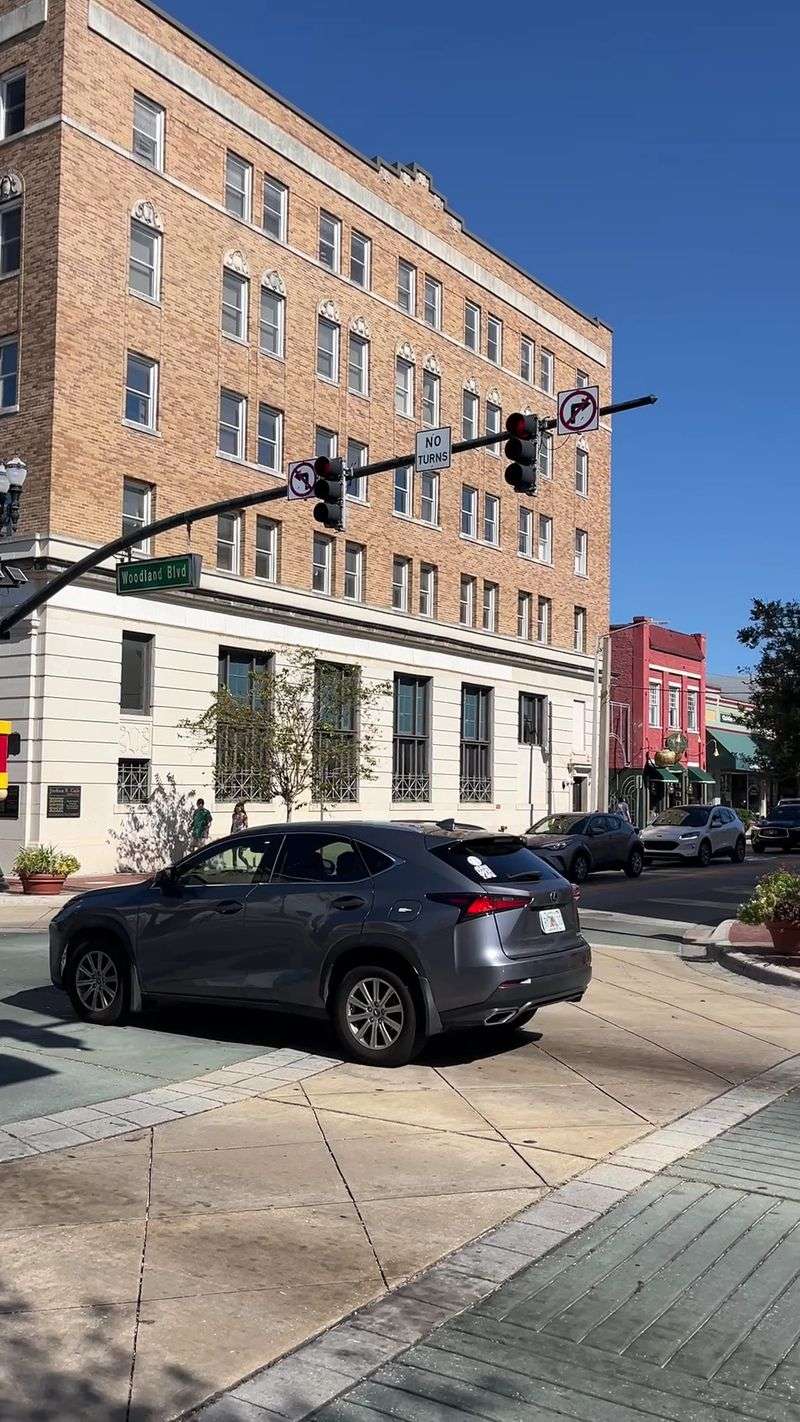
West Volusia County surprises visitors with actual hills, a rarity in typically flat Florida geography.
The region earned its title as the Fern Capital of the World through specialized agriculture focused on ornamental ferns.
Shade houses cover acres of land, protecting delicate ferns that supply florists and garden centers across the country.
DeLand anchors the area with historic charm, its downtown featuring brick streets and beautifully preserved buildings.
The St. Johns River flows northward through the region, one of the few North American rivers to do so.
Houseboat culture thrives along quieter stretches of the river, with floating homes creating unique waterfront communities.
Away from the coastal beaches, this inland area maintains a distinctly rural character that surprises first-time visitors.
Rolling landscapes dotted with oak trees create scenery more reminiscent of the Deep South than typical Florida.
Small communities surrounding DeLand preserve Old Florida atmosphere, with locally owned businesses and unhurried lifestyles.
Exploring West Volusia reveals agricultural diversity and natural beauty that exists beyond the beach-focused tourist areas.
The combination of fern farms, river culture, and rolling terrain makes this region truly distinctive within the state.
Address: DeLand, Volusia County, FL 32720
10. The Horse Country of Ocala and Marion County
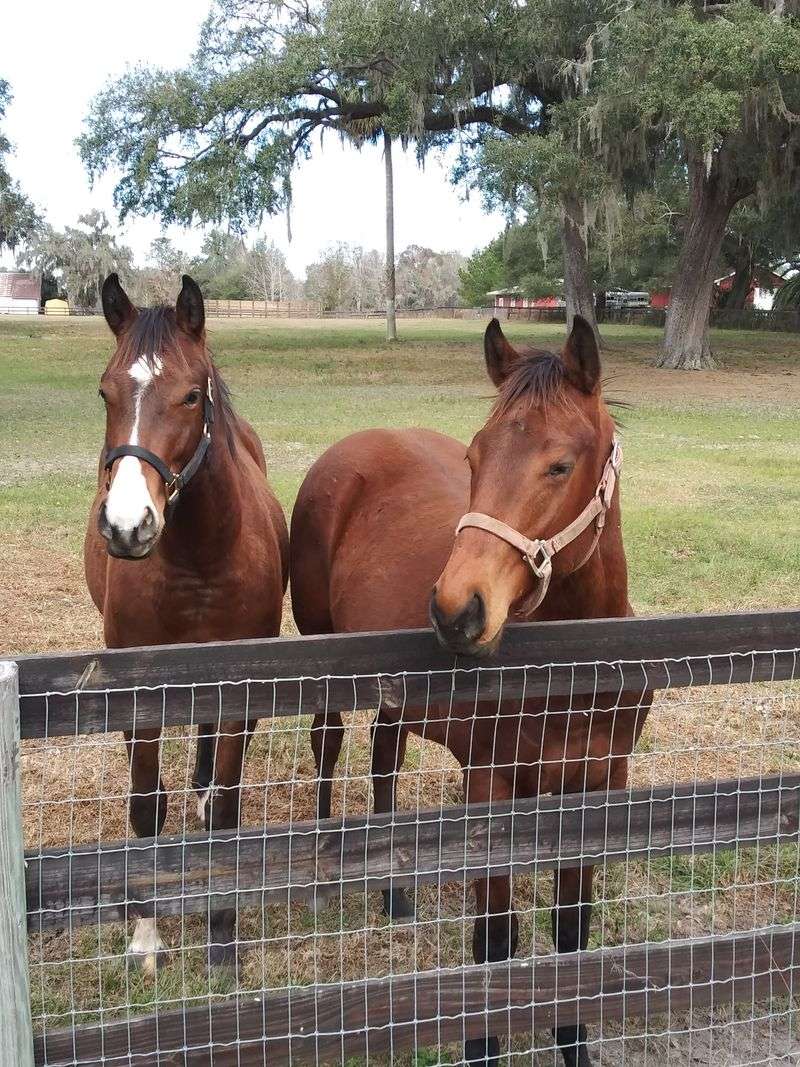
Marion County’s rolling pastures and limestone-fenced farms create landscapes that rival Kentucky’s famous Bluegrass region.
Thoroughbred breeding and training operations dominate the countryside, earning Ocala recognition as the Horse Capital of the World.
White fences stretch for miles, enclosing emerald pastures where champion racehorses graze and train.
The World Equestrian Center has transformed the region into a global destination for competitive riding and equestrian events.
Underground limestone deposits naturally enrich the soil and water, contributing to strong bone development in horses raised here.
Generations of horse farming families have perfected their craft, producing winners for tracks and shows worldwide.
Driving through the countryside reveals farm after pristine farm, each meticulously maintained with impressive facilities.
The region’s beauty lies in its pastoral perfection, with gentle hills and ancient oak trees adding to the picturesque scenery.
Small towns surrounding Ocala cater to the equestrian industry, with tack shops and veterinary specialists serving local farms.
This horse country proves that rural Florida encompasses far more than cattle ranches and citrus groves.
Visitors discover a sophisticated agricultural region where equestrian excellence defines the landscape and culture.
Address: Ocala, Marion County, FL 34470
Dear Reader: This page may contain affiliate links which may earn a commission if you click through and make a purchase. Our independent journalism is not influenced by any advertiser or commercial initiative unless it is clearly marked as sponsored content. As travel products change, please be sure to reconfirm all details and stay up to date with current events to ensure a safe and successful trip.
