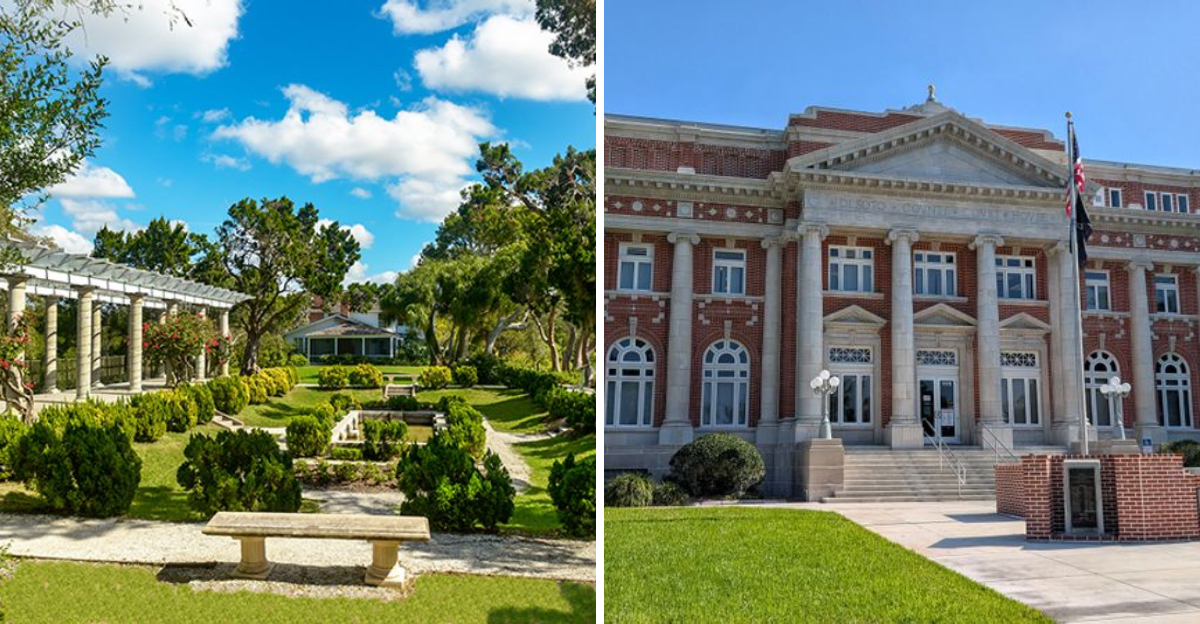
Florida tells its richest stories far from the billboards and bright lights, in small towns where heritage still shapes daily life.
You will find history in wooden porches, quiet chapels, and shaded streets that whisper about the people who came before.
Walk slowly, ask questions, and let the past reveal itself one careful step at a time.
If you are ready for a deeper look at the Sunshine State, these nine stops belong on your map.
1. Historic Spanish Point, Osprey
Florida’s big cities get the billboards, but it’s the small towns that keep the stories.
Away from the beaches and theme parks, you will find places where history is not tucked behind velvet ropes, it lives in the streets and the steady rhythm of local life.
You do not need a textbook here, just good walking shoes and a curious eye.
The charm is quieter, and the memories linger.
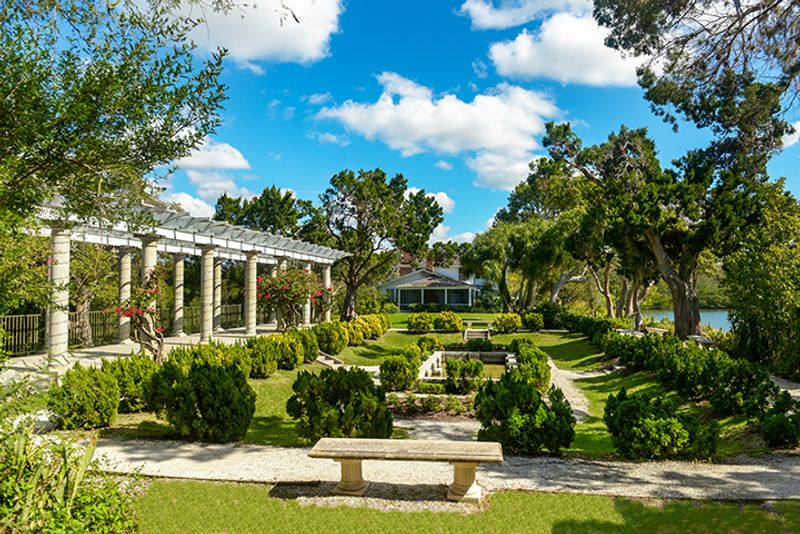
At Historic Spanish Point in Osprey, you step into a landscape where native shell middens rise beside pioneer cottages and airy gardens.
Trails weave through mangroves and along Sarasota Bay, and the sunlight filters through bamboo that once shaded early homesteads.
Archaeological features tell stories of Indigenous communities, while the White Cottage and Mary’s Chapel reflect settler perseverance.
The butterfly garden adds movement and color that frames the past in a living present.
Today the campus operates as part of Marie Selby Botanical Gardens, with staff who interpret cultural layers with care and clarity.
Indoor exhibits offer context, and outdoor boardwalks let you stand where history and ecology meet.
Guided experiences deepen the visit, though solo wandering rewards anyone who prefers quiet observation.
Benches overlook the water, and the view encourages you to slow down.
The setting captures what makes Florida special, a meeting of ancient human presence and resilient coastal life.
Interpretive signs are concise, which keeps the walk relaxed and unhurried.
Photography is welcome in most outdoor areas, and the natural light is usually kind.
Plan time for the waterfront trail, because the perspective shifts with every curve.
Each corner adds another chapter without repeating the last.
You leave understanding that heritage here is a living partnership with the bay.
That feeling lingers long after the path returns to the entrance.
Address, 337 N Tamiami Trail, Osprey, FL 34229.
2. Ximenez-Fatio House Museum, St. Augustine
Florida’s coastal history feels personal in St. Augustine, where everyday objects become anchors to the past.
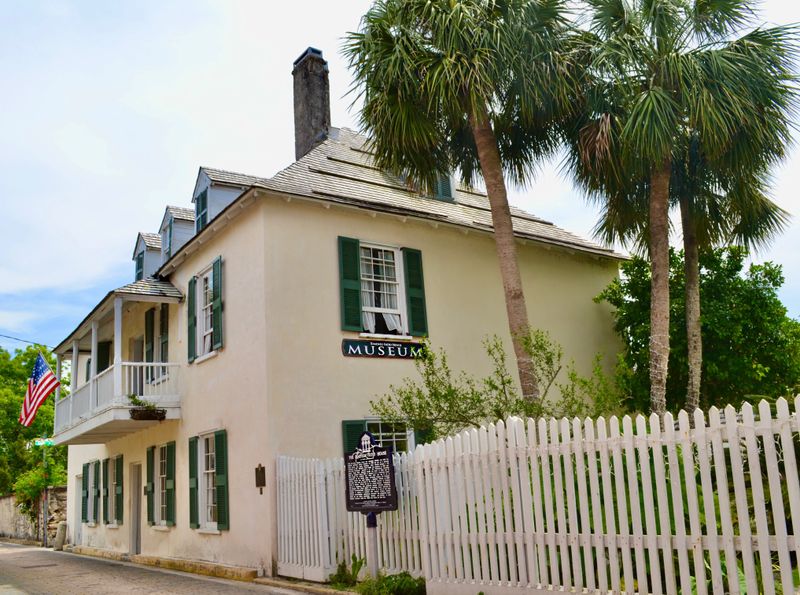
The Ximenez-Fatio House Museum shows how a home evolved into a respected boarding house under the leadership of skilled businesswomen.
Each room tells a story through careful reconstruction and original materials.
Docents share researched narratives that connect names to livelihoods and travels.
Coquina walls and cedar beams frame interiors that balance accuracy with warmth.
The courtyard invites a pause, and you can hear the quiet city hum just beyond the gate.
Women who managed the property made choices that shaped hospitality long before modern tourism.
Interpretation here centers their decisions, not just the architecture.
Exhibits rotate to highlight lesser told accounts, including workers and travelers whose paths crossed on this block.
The atmosphere remains calm, which makes details easy to absorb.
Tours move at a measured pace that suits the compact rooms and narrow staircases.
Photographs and ledgers create a bridge between objects and lived experiences.
St. Augustine is known for grand sites, yet this address offers intimacy without spectacle.
You step out with a clearer view of how commerce, culture, and lodging intertwined.
The museum also maintains a small shop with publications about local history and preservation.
Volunteers keep the gardens tidy so sightlines to the house remain open.
Everything feels intentional, from the limewash to the modest furnishings.
The result is a steady, informative visit that respects context over drama.
It fits beautifully within Florida’s oldest city and its layered streets.
Address, 20 Aviles St, St. Augustine, FL 32084.
3. Micanopy Historic District, Micanopy
Florida’s oldest inland town still carries a gentle pace that favors wandering.
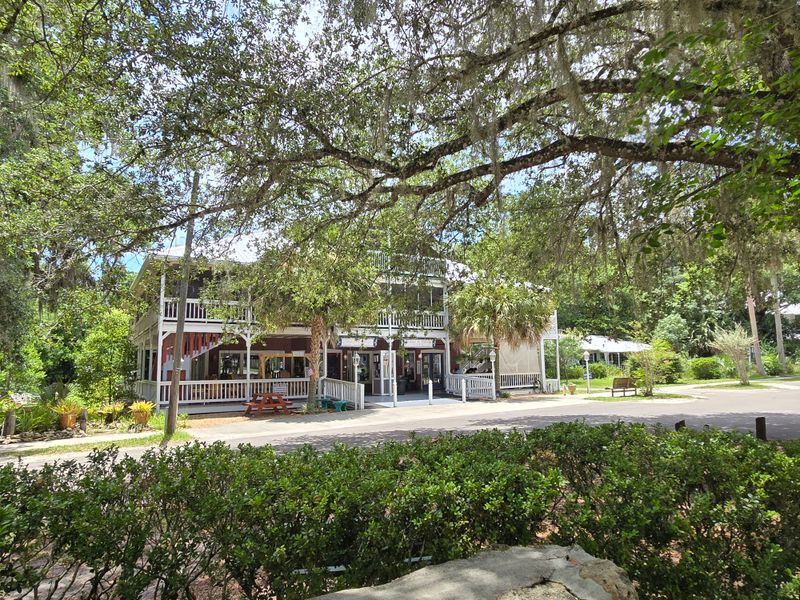
Micanopy sits under sweeping oaks, and the branches stitch together a green canopy over weathered storefronts.
Cholokka Boulevard holds antique shops, galleries, and porches deep enough for conversation.
Side streets reveal homes with wood siding and careful restorations.
The Micanopy Historical Society Museum explains Seminole history, early trade, and the growth that followed.
Displays are compact, and the docents are attentive to questions.
Every doorway seems to hold a memory of earlier travelers and trades.
Modern traffic stays mostly calm, which keeps the soundscape soft.
Bring comfortable shoes, because the best details hide just past the first corner.
The town rewards curiosity and good manners in equal measure.
Weekdays feel especially relaxed, and the sidewalks invite a longer loop.
Historic markers provide context without taking over the view.
Shops keep irregular hours, so a flexible plan works best.
Even with limited time, you can sense how the town formed around community needs.
The result is a living district rather than a staged display.
Trees, light, and painted brick create a palette that photographs beautifully.
Florida heritage shines here through small decisions and steady stewardship.
The scale suits slow travel and thoughtful browsing.
You leave feeling welcomed and quietly informed.
Address, 607 NE Cholokka Blvd, Micanopy, FL 32667.
4. Mount Dora Historic Downtown, Mount Dora
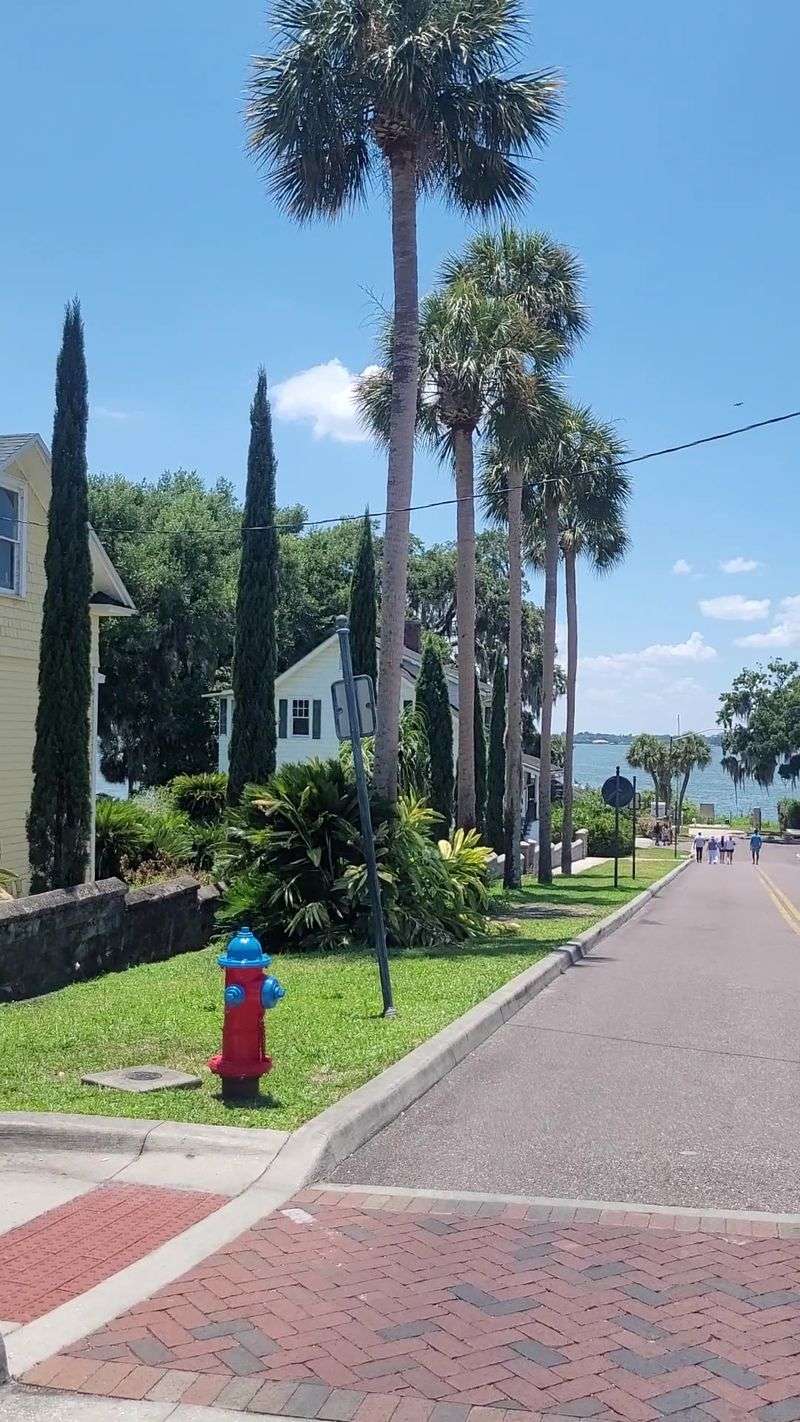
Florida’s lake country shows its softer side in Mount Dora, where water and architecture share the spotlight.
Victorian homes, brick lanes, and a waterfront park set the tone for a peaceful day.
The Lakeside Inn anchors the shoreline with broad verandas and rocking chairs.
Shops and galleries keep windows bright, and the town feels built for strolling.
The Mount Dora Center for the Arts supports year round exhibits and community programs.
Outdoor seating areas provide quiet breaks between blocks.
Sunset often paints the water, and the docks stay lively without rushing anyone along.
The lighthouse at Gilbert Park offers a small but pleasing vantage.
Weekend markets bring local makers whose work fits the setting.
Street musicians sometimes add a gentle soundtrack on busy afternoons.
Everything feels walkable, which keeps the visit unrushed and open ended.
Historic plaques sit at eye level, and they explain enough without crowding.
The town treats preservation as a daily habit rather than a theme.
It is an easy place to navigate, especially for first time visitors.
Parking spreads around the core, so blocks remain human scaled.
Lakeside breezes make even warm days manageable.
Florida charm here is made of porches, trees, and steady hospitality.
The mood invites conversation and unplanned discoveries.
You notice details that larger cities rush past.
Address, 110 W 4th Ave, Mount Dora, FL 32757.
5. Cedar Key Historic District, Cedar Key
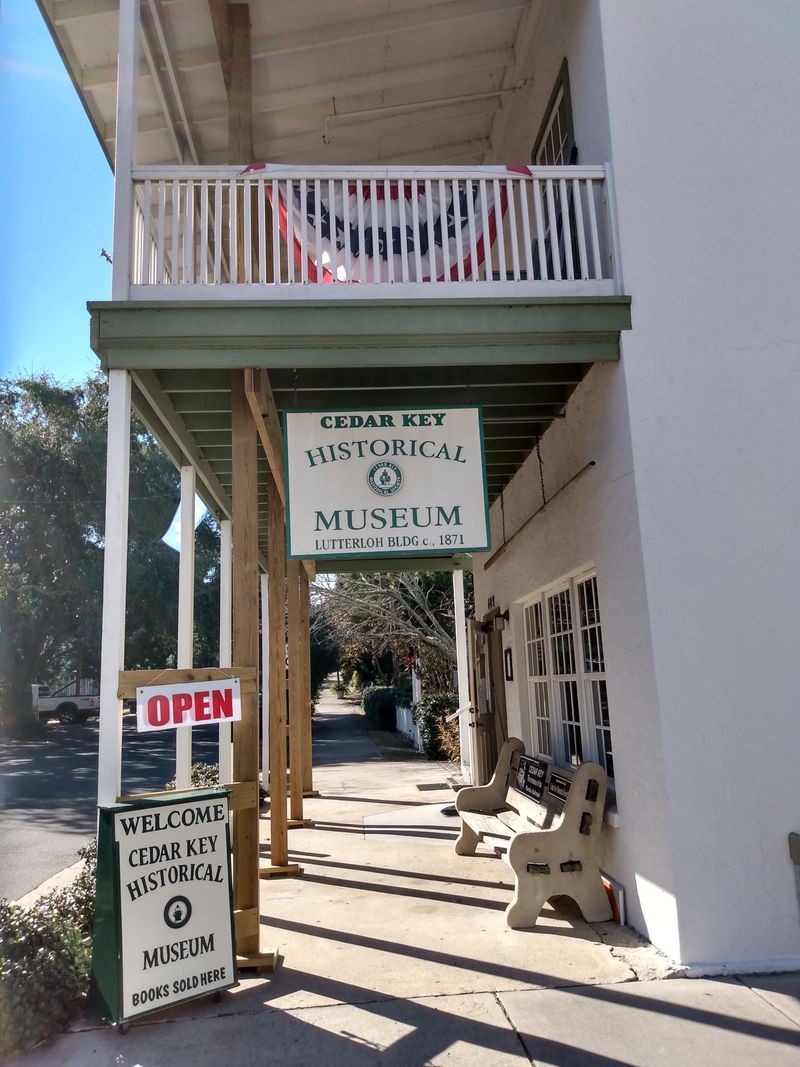
Florida’s Gulf side keeps its heritage close in Cedar Key, a small town with weathered boards and resilient spirit.
The streets run close to the water, and the buildings face sea light that changes by the hour.
Cedar Key Museum State Park explains the rise of the local pencil industry and its wider connections.
The St. Clair Whitman House displays shells, artifacts, and careful curation.
Walking the district feels like reading a story in short chapters, one storefront at a time.
Boardwalks and porches create easy vantage points across the shallows.
The Seahorse Key Light sits offshore and opens on select days with coordinated transport.
When the schedule aligns, the view from the island adds a memorable frame to the town narrative.
Even without the boat ride, the harbor carries plenty of history.
Docents and park staff tend to answer questions with patient detail.
You will notice murals and small markers that honor fishing families and early settlers.
Wind shapes the soundscape, and gulls fill the spaces between buildings.
The scale invites slow steps and frequent pauses for photos of trim and siding.
Rest spots face the water, and the horizon keeps you looking outward.
Shops showcase local craft without overwhelming the sense of place.
Florida heritage here feels salty, weathered, and kind.
It rewards visitors who appreciate understated beauty.
Time your visit around tides if you like open flats and soft reflections.
You will leave with sea air in your clothes and stories in your pocket.
Address, 12231 SW 166th Ct, Cedar Key, FL 32625.
6. Apalachicola Historic District, Apalachicola
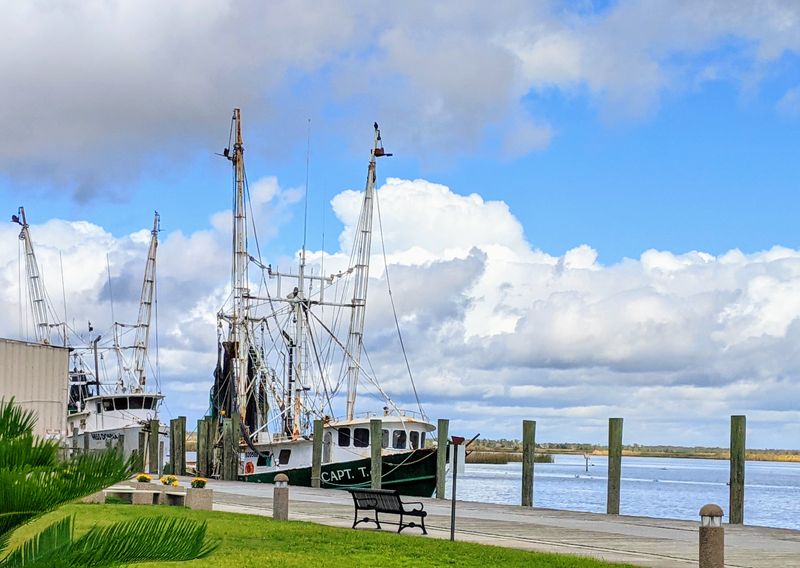
Florida’s Forgotten Coast keeps its promises in Apalachicola, where the river sets the rhythm and brick tells the history.
Warehouses and storefronts line streets that face the working waterfront.
The Orman House Historic State Park preserves a refined residence with gardens and river views.
Nearby, the John Gorrie Museum interprets the breakthrough that reshaped comfort in warm climates.
Downtown buildings hold outfitters, galleries, and long porches with shade that feels like relief.
Side alleys still show the bones of trade and transport.
Interpretive signs describe growth, storms, and a community that adapts without forgetting.
Brick textures and iron details create a strong visual fabric for photography.
The river breeze keeps sidewalks pleasant, even under bright sun.
Boats and pilings draw the eye toward the channel again and again.
Locals share directions freely, and small parks offer places to sit and watch the water.
The district feels genuine, not staged, because the work has never truly stopped.
A walk here teaches more than any quick summary could manage.
Buildings speak through renovations that respect original lines and materials.
The cadence is unhurried, and the town rewards patience.
You can easily pair the museums with a gentle loop along the riverfront.
Florida history stands in the open where anyone can read it.
Everything connects, from timber to shipping to community halls.
The visit ends with a view that feels both present and historic.
Address, 177 5th St, Apalachicola, FL 32320.
7. Arcadia Historic District, Arcadia
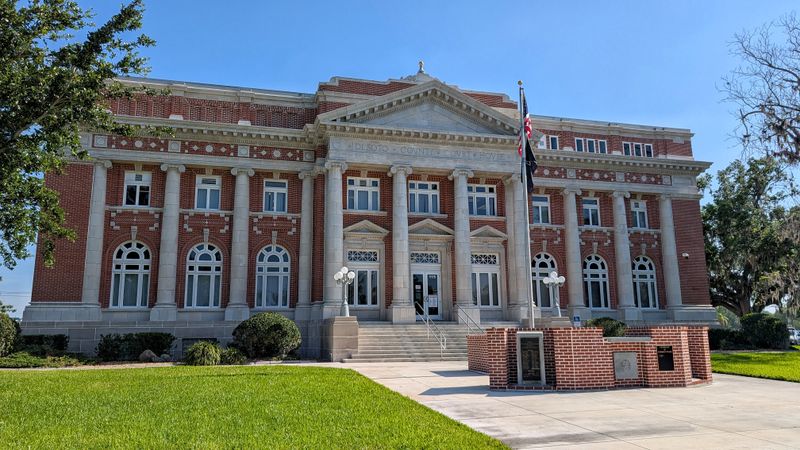
Florida heritage travels inland to Arcadia, where brick storefronts and graceful cornices hold a century of local stories.
The downtown grid feels orderly, and the rhythm of awnings and windows sets a comfortable pace.
Antique shops cluster along key blocks, and window displays change often.
Monthly markets draw collectors who know the layout by heart.
Historic markers explain fires, rebuilds, and community grit.
Side streets reveal churches and civic buildings with careful restorations.
The Peace River sits nearby, and its bends attract paddlers and fossil fans.
In town, benches and planters keep the sidewalks friendly.
Look up to catch brick patterns and painted signs that survived earlier eras.
Light and shadow play across recessed entries during the afternoon.
The district invites exploration that can be as short or as lingering as you like.
Shopkeepers share local tips with an easy manner born of long days on the block.
Architecture styles mix without clashing, which makes the walk interesting.
Restoration work continues in measured steps, and the results feel steady.
Arcadia rewards patient eyes and comfortable shoes.
The sense of continuity is strong without feeling fussy.
Florida pride shows in the way residents care for these facades.
You will leave with a memory of brick dust, old glass, and friendly nods.
The route is simple, yet the details keep unfolding.
Address, 100 W Oak St, Arcadia, FL 34266.
8. DeLand Historic Garden District, DeLand
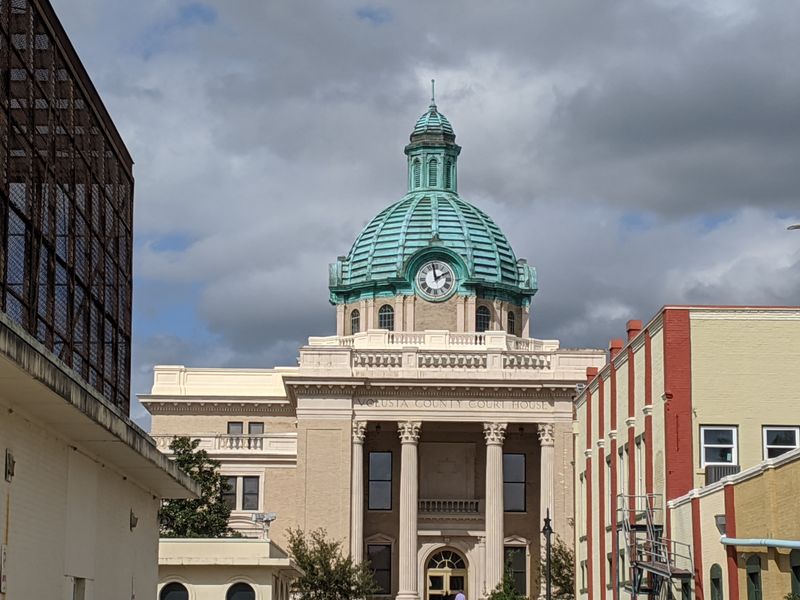
Florida college town energy meets preservation in DeLand, where leafy streets and early homes create a graceful loop.
The Historic Garden District spreads south of downtown with porches, gingerbread trim, and tidy sidewalks.
Stetson University’s presence nearby adds arts programming and a steady cultural heartbeat.
Walking here feels calm, and every block carries a slightly different mood.
Neighbors keep gardens clipped, and colors range from soft pastels to rich earth tones.
Small parks offer shade and benches for a mid stroll pause.
Architectural styles span several eras, with wood siding and thoughtful restorations.
Porch swings creak gently, and that sound becomes part of the memory.
Downtown sits close, which makes it easy to pair shopping with a quiet neighborhood walk.
Art banners and historic plaques lend context without clutter.
The district promotes preservation through events that highlight local craftsmanship.
Sidewalks stay even, and the route suits casual walkers.
Trees filter the sun, which keeps colors soft for photos.
Florida character here is shaded, friendly, and easygoing.
You will find corners that feel like a step back without losing the present.
Everything remains human scaled and welcoming.
The best approach is unhurried, with time to notice trim and brickwork.
Look for curbside details that hint at older street plans.
The neighborhood’s charm comes from care rather than polish.
Address, 104 S Woodland Blvd, DeLand, FL 32720.
9. Fernandina Beach Historic District, Amelia Island
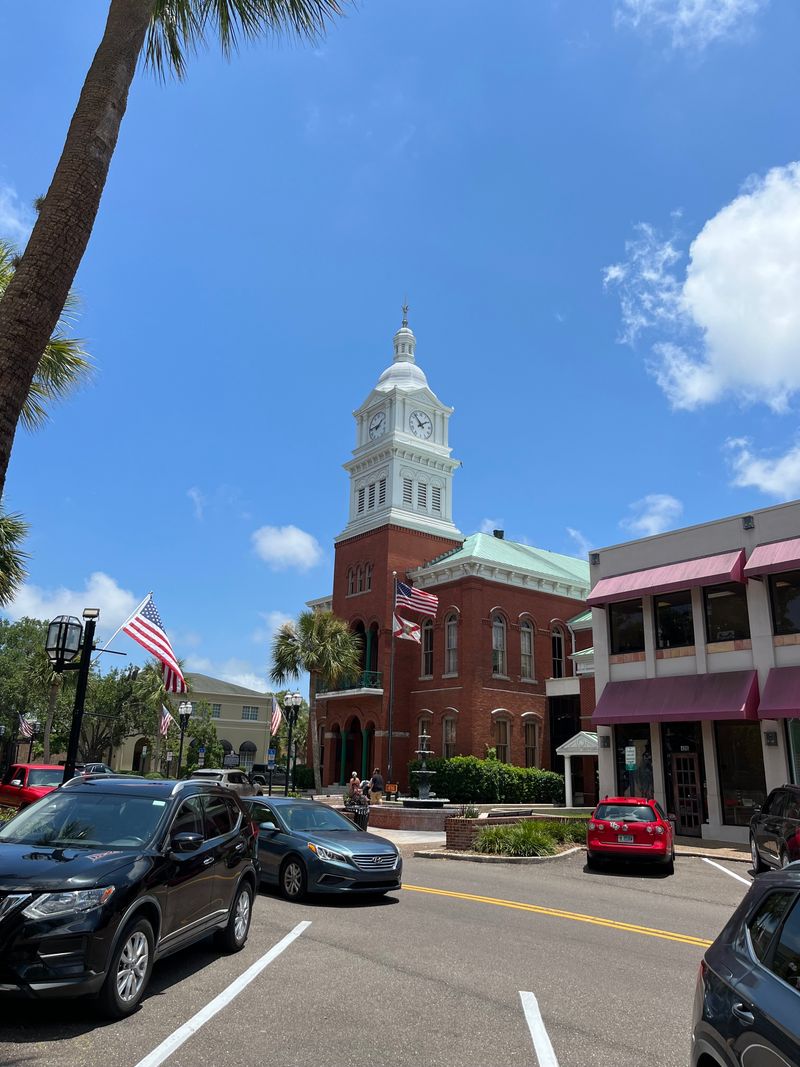
Florida’s northern coast saves a refined surprise in Fernandina Beach, where Victorian facades meet a lively harbor.
Centre Street forms the spine of a district with ornate brickwork and tall windows.
Parks near the river frame views of shrimp boats and a broad horizon.
Wooden balconies and iron details reward anyone who looks up.
Shops and galleries fit within preserved storefronts that keep their original proportions.
Side lanes open to courtyards and quiet benches with filtered light.
Historical panels trace maritime trade, rail connections, and waves of settlement.
Museum exhibits nearby expand the story with photographs and artifacts.
Everything sits within an easy walk that suits families and solo travelers.
Tree canopies soften the edges of brick and glass.
The waterfront boardwalk offers a gentle loop with wide views.
Sunset draws warm tones out of the buildings, which makes a fine time for photos.
Docents and rangers answer questions with clear, well sourced detail.
Public seating encourages unplanned breaks between blocks.
The district feels cared for without looking overly polished.
Florida heritage shows up here in maritime grit and Victorian grace.
You will recognize a town that still works while honoring its past.
The experience ends with an easy stroll back toward the river light.
The quiet lingers even after the streets grow busier.
Address, 402 Centre St, Fernandina Beach, FL 32034.
Dear Reader: This page may contain affiliate links which may earn a commission if you click through and make a purchase. Our independent journalism is not influenced by any advertiser or commercial initiative unless it is clearly marked as sponsored content. As travel products change, please be sure to reconfirm all details and stay up to date with current events to ensure a safe and successful trip.
