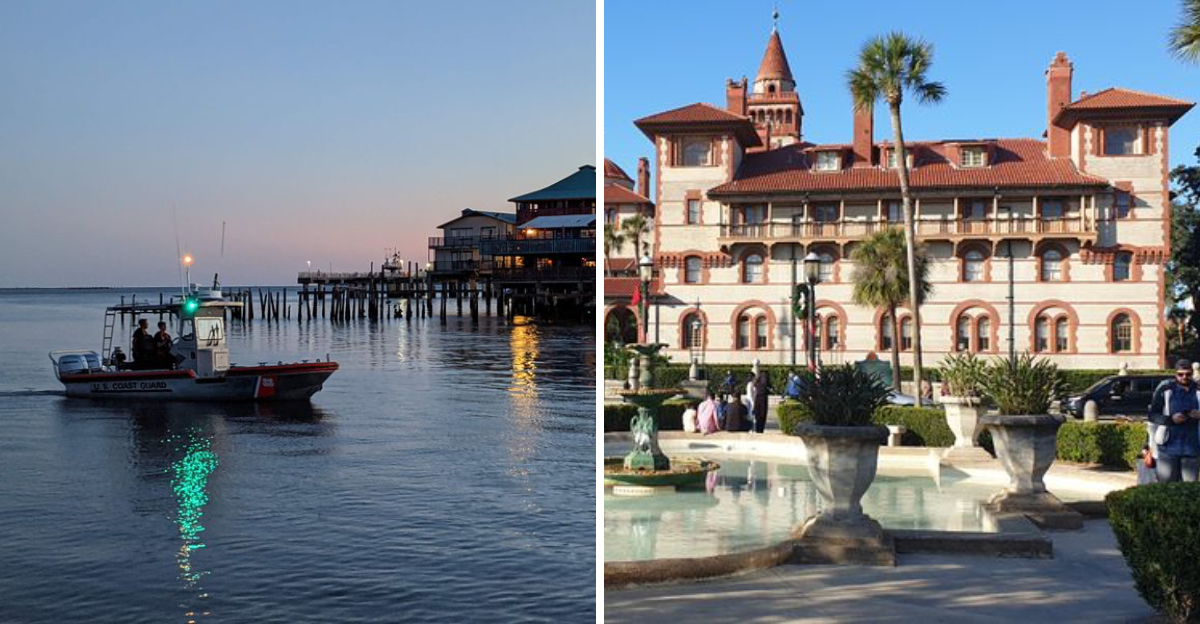
Florida offers more than theme parks and crowded beaches.
Tucked along coastlines, rivers, and bays are small towns where history blends with waterfront charm.
These communities preserve their past through restored buildings, brick-lined streets, and stories passed down through generations.
At the same time, they provide access to fishing piers, boat launches, and scenic shorelines.
Whether you want to explore a museum in the morning and kayak in the afternoon, or simply stroll past century-old homes with water views, these towns deliver both.
Each destination on this list combines heritage with the kind of relaxed coastal atmosphere that makes Florida special.
We organized this list using factors such as historical significance, waterfront accessibility, and local character, drawing on research and firsthand experience.
Availability and conditions may change, and the ranking reflects editorial perspective rather than an exhaustive assessment.
1. Fernandina Beach
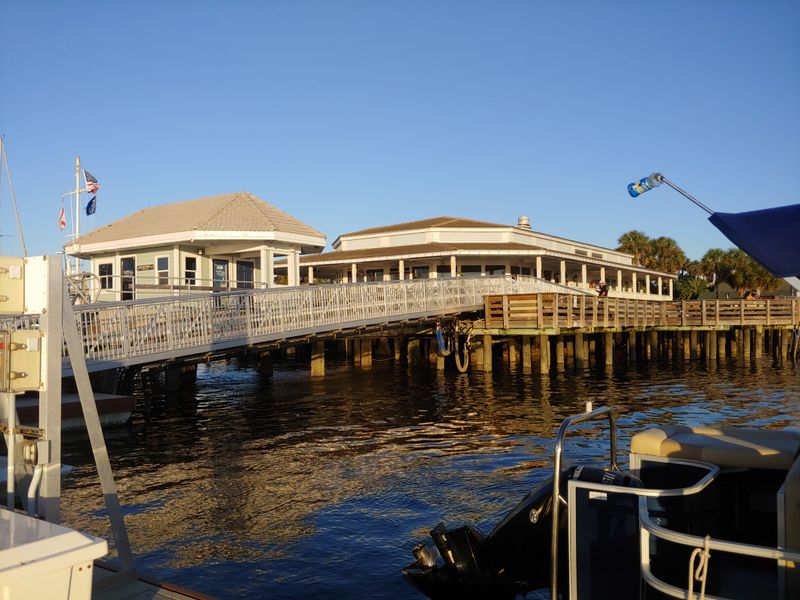
Amelia Island’s main town sits where the Amelia River meets the Atlantic, creating a setting that has attracted settlers for centuries.
Centre Street forms the heart of the historic district, lined with brick storefronts and Victorian buildings that date back to the late 1800s.
The town earned its place on the National Register of Historic Places thanks to more than fifty blocks of preserved structures.
Walking through downtown feels like stepping into another era, with wrought-iron balconies, gas-style streetlamps, and shaded sidewalks leading past antique shops and local cafes.
The waterfront lies just blocks away, where the Fernandina Harbor Marina offers slips for visiting boats and a public boardwalk with views across the water.
Shrimp boats still dock here, continuing a fishing tradition that shaped the town’s economy for generations.
The Palace Saloon, established in 1903, remains one of Florida’s oldest continuously operating bars, housed in a building that survived fires and hurricanes.
Fort Clinch State Park sits at the island’s northern tip, featuring a well-preserved Civil War-era fort where costumed interpreters demonstrate military life from the 1860s.
The park also includes fishing piers, nature trails, and a beach that stretches along Cumberland Sound.
Annual events like the Shrimp Festival draw visitors who want to experience the town’s maritime heritage alongside live music and local food.
The combination of walkable history and immediate water access makes this a destination where you can tour a museum in the morning and cast a line by afternoon.
Local shops sell handmade goods and regional art, adding to the town’s authentic character without feeling overly touristy.
Fernandina Beach manages to honor its past while remaining a living, working waterfront community.
2. Mount Dora
Perched on rolling hills overlooking Lake Dora, this inland town offers a different kind of waterfront experience.
The historic district stretches along Donnelly Street and surrounding blocks, where buildings from the early 1900s now house galleries, bookstores, and family-owned restaurants.
Mount Dora earned recognition as a cultural hub, with art festivals and antique fairs drawing visitors year-round.
The Donnelly House, built in 1893, serves as a community center and museum that tells the story of the town’s founding families.
Lake Dora itself covers more than four thousand acres, connected to a chain of lakes that extends for miles through Central Florida.
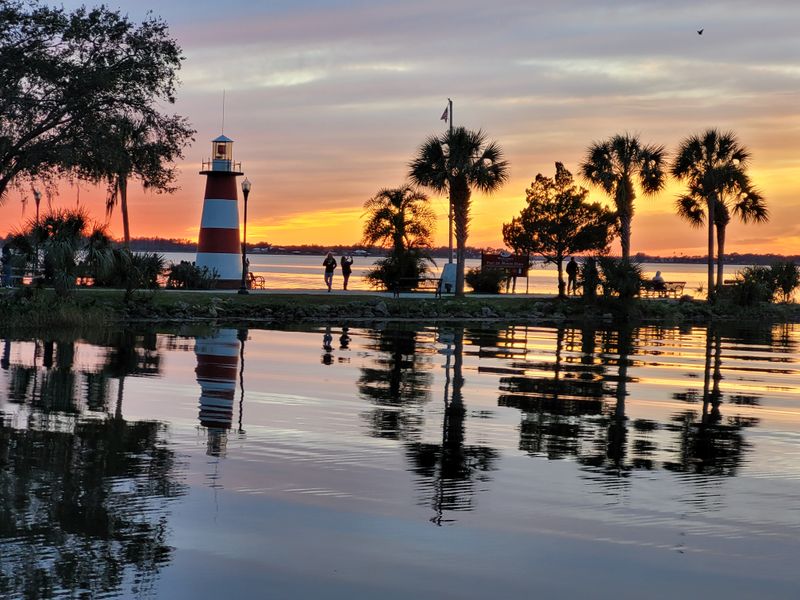
The lakefront park includes a public dock, a lighthouse replica, and a walking path that follows the shoreline.
Boat rentals and guided tours make it easy to explore the water, whether you prefer a leisurely pontoon cruise or a fishing expedition for bass and crappie.
The town’s elevation, unusual for Florida, provides views that stretch across the lake toward distant tree lines and occasional glimpses of wildlife.
Historic homes with wraparound porches line the streets near downtown, many painted in pastel colors that reflect the town’s Victorian heritage.
The Mount Dora Center for the Arts occupies a restored building and offers classes, exhibitions, and workshops that keep the creative spirit alive.
Visitors can browse antique malls that fill entire city blocks, then walk down to the water for a sunset view.
The town hosts a monthly classic car show and an annual arts festival that transforms the streets into an outdoor gallery.
This blend of culture and waterfront access creates a destination that appeals to those who want more than just a beach day.
3. Apalachicola
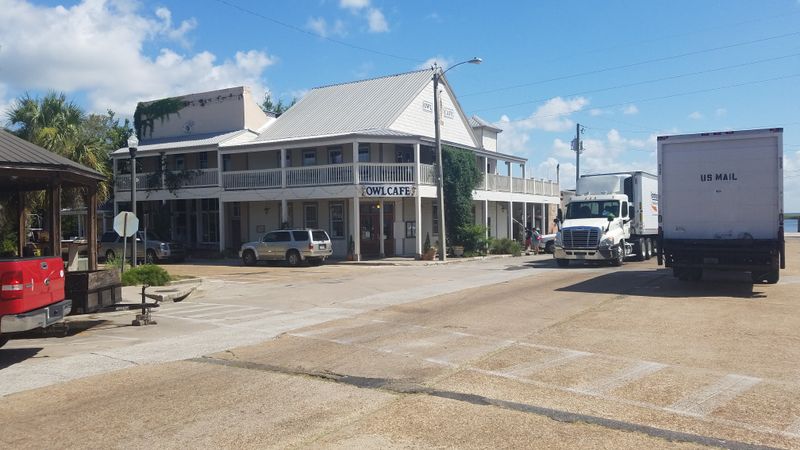
Situated where the Apalachicola River flows into the Gulf of Mexico, this town has built its identity around oysters and maritime trade.
The historic district covers several dozen blocks, filled with buildings that reflect the town’s peak as a cotton shipping port in the mid-1800s.
The John Gorrie Museum honors the physician who invented mechanical refrigeration while working in Apalachicola, a contribution that changed medicine and food preservation worldwide.
Commercial Avenue and Market Street form the downtown core, where you will find seafood restaurants, dive shops, and businesses that have served the community for decades.
The waterfront provides direct access to Apalachicola Bay, known for producing some of the finest oysters in the country.
Working docks line the shore, where boats unload their daily catch and pelicans wait for scraps.
The Apalachicola Maritime Museum showcases the tools and techniques that have sustained the fishing industry here for generations.
Battery Park offers a public green space along the water, with picnic areas and a boat ramp for those who want to launch their own vessel.
The town’s architecture includes Greek Revival homes, Italianate storefronts, and simple wooden structures that have weathered countless storms.
Many buildings display plaques explaining their history, turning a casual walk into an informal education.
The nearby barrier islands, accessible by boat, provide pristine beaches and nesting grounds for sea turtles and shorebirds.
Local festivals celebrate the oyster harvest, with shucking contests and cook-offs that highlight the town’s culinary traditions.
Apalachicola remains a place where history and daily life overlap, where the waterfront is not just scenery but the foundation of the local economy.
4. New Smyrna Beach
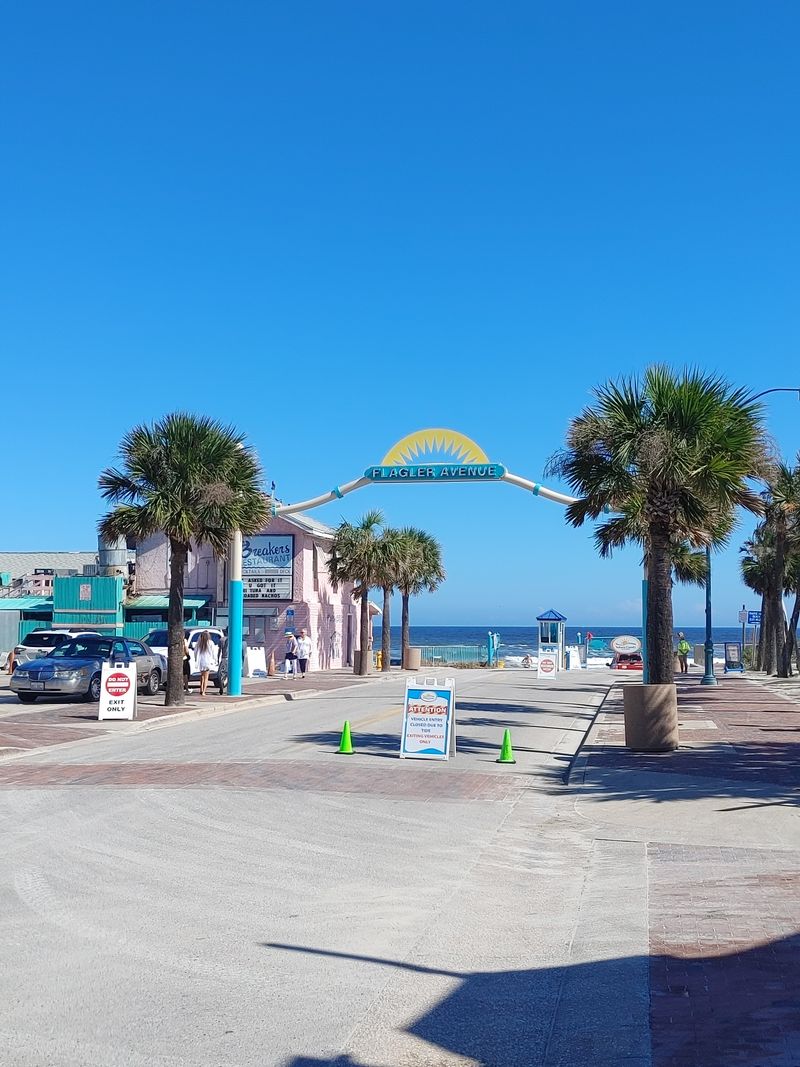
Founded in 1768 by Scottish physician Andrew Turnbull, this coastal town claims the title of one of the oldest European settlements in Florida.
The historic district centers around Canal Street and Flagler Avenue, where renovated buildings now serve as boutiques, surf shops, and casual eateries.
The town’s location on a barrier island places it between the Atlantic Ocean and the Indian River Lagoon, offering two distinct waterfront environments.
Flagler Avenue leads directly to the beach, where a wide, sandy shoreline attracts surfers, swimmers, and those who prefer long walks at the tide line.
The Atlantic Center for the Arts, housed in a modern facility just outside the historic core, brings writers, musicians, and visual artists together for residencies and public programs.
On the mainland side, the Indian River offers calmer waters ideal for kayaking, paddleboarding, and observing manatees during cooler months.
The Smyrna Dunes Park sits at the northern tip of the island, where a boardwalk winds through coastal scrub and provides views of Ponce de Leon Inlet.
Historic homes along Riverside Drive showcase styles from the late 1800s and early 1900s, many with wide porches and original woodwork.
The town’s fishing pier extends into the ocean, giving anglers a chance to catch redfish, flounder, and Spanish mackerel without needing a boat.
Local galleries display works by artists who have made this area their home, drawn by the quality of light and the relaxed pace.
The downtown farmers market operates weekly, offering produce, baked goods, and handmade crafts from regional vendors.
New Smyrna Beach balances its historical roots with a laid-back beach culture, creating a destination that feels both timeless and current.
5. St. Augustine
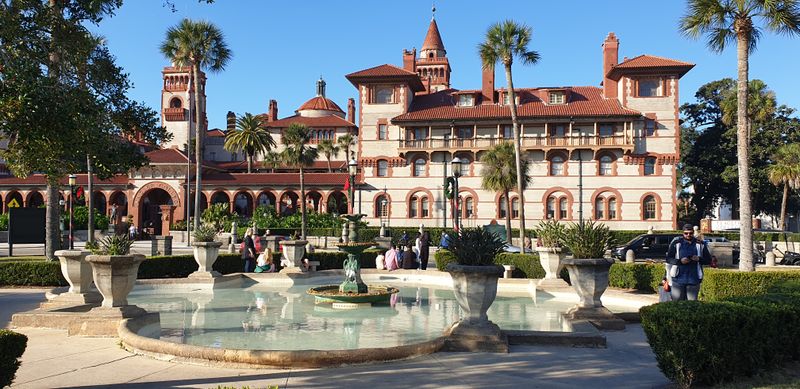
Established in 1565, this city holds the distinction of being the oldest continuously occupied European settlement in the continental United States.
The historic district spans dozens of blocks, where cobblestone streets and coquina stone buildings transport visitors back to Spanish colonial times.
Castillo de San Marcos, a fortress completed in 1695, sits directly on Matanzas Bay, its thick walls and strategic location reflecting centuries of military importance.
St. George Street forms the pedestrian heart of downtown, lined with shops, restaurants, and historic sites that include the Oldest Wooden Schoolhouse and the Gonzalez-Alvarez House.
The waterfront along the bay offers views of sailboats, fishing charters, and the Bridge of Lions, an iconic drawbridge that connects the mainland to Anastasia Island.
The Lightner Museum, housed in the former Alcazar Hotel, displays decorative arts and curiosities collected by publisher Otto Lightner during the early twentieth century.
Visitors can take guided tours of historic homes, many of which feature original furnishings and stories about the families who lived there.
The city marina provides docking for boats and serves as the departure point for sightseeing cruises and eco-tours through the surrounding waterways.
Flagler College occupies the former Ponce de Leon Hotel, a Spanish Renaissance Revival masterpiece designed by architects Carrere and Hastings in the 1880s.
The Fountain of Youth Archaeological Park marks the traditional site where Spanish explorer Juan Ponce de Leon is said to have landed in 1513.
Anastasia State Park, just across the bridge, offers beach access, nature trails, and tidal lagoons perfect for kayaking among mangroves.
St. Augustine blends history with modern amenities, making it a place where you can explore four centuries of the past while enjoying waterfront dining and outdoor recreation.
6. Cedar Key
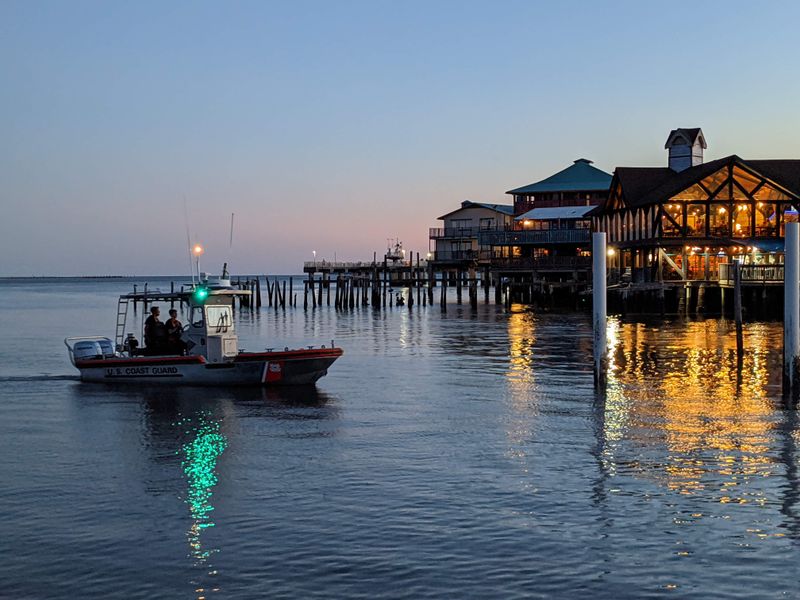
This island town sits off Florida’s Nature Coast, surrounded by salt marshes and shallow waters that have shaped its character for generations.
The historic district includes buildings from the late 1800s, when Cedar Key served as a major port for shipping timber, seafood, and turpentine.
The Cedar Key Historical Society Museum occupies the old Lutterloh Building, displaying artifacts from the town’s days as a railroad terminus and fishing hub.
Second Street runs parallel to the waterfront, where weathered docks, seafood shacks, and fishing boats create a scene that has changed little over the decades.
The town’s remote location has preserved its small-scale, unhurried atmosphere, attracting visitors who want to escape busier coastal areas.
The Cedar Key National Wildlife Refuge encompasses thirteen islands, providing habitat for wading birds, nesting turtles, and countless species of fish.
Boat tours and kayak rentals make it easy to explore the surrounding waters, where oyster bars and seagrass beds support a rich marine ecosystem.
The town celebrates its heritage with annual events like the Old Florida Celebration of the Arts and the Seafood Festival, both of which draw crowds without overwhelming the quiet character of the place.
Historic homes and cottages, many raised on stilts to avoid storm surge, line the narrow streets near the water.
Local restaurants serve fresh clams, grouper, and mullet, often caught that same day by fishermen who dock just steps away.
The Cedar Key Museum State Park, located on a shell mound built by indigenous people centuries ago, offers exhibits about the area’s natural and cultural history.
Sunsets here are legendary, with the sun sinking into the Gulf while silhouettes of birds return to their roosts on nearby islands.
Cedar Key remains a place where history and nature intertwine, offering a glimpse of Old Florida that feels increasingly rare.
7. Tarpon Springs
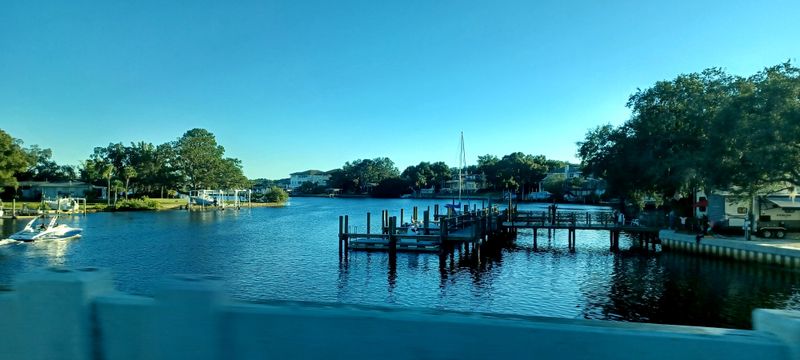
Known for its Greek heritage and sponge diving industry, this town on the Gulf Coast offers a cultural experience unlike anywhere else in Florida.
The historic district centers on Dodecanese Boulevard and the Sponge Docks, where boats still harvest natural sponges from the Gulf floor.
Greek immigrants arrived in the early 1900s, bringing diving techniques and traditions that transformed Tarpon Springs into the sponge capital of the world.
Shops along the docks sell sponges, olive oil, and imported goods, while restaurants serve authentic Greek cuisine including saganaki, moussaka, and fresh seafood prepared with Mediterranean flavors.
St. Nicholas Greek Orthodox Cathedral, with its Byzantine architecture and ornate interior, stands as a testament to the community’s enduring cultural ties.
The Tarpon Springs Heritage Museum displays photographs, equipment, and personal stories from the town’s sponge diving heyday.
Spring Bayou, a natural spring-fed inlet, provides a scenic waterfront area where locals and visitors gather for picnics, festivals, and the annual Epiphany celebration.
During Epiphany, a cross is thrown into the bayou and young divers compete to retrieve it, continuing a tradition that dates back over a century.
The Anclote River flows through town, offering opportunities for boating, fishing, and exploring the nearby Anclote Key Preserve State Park.
The historic downtown area includes shops, galleries, and the Safford House Museum, a restored Victorian home that showcases life in Tarpon Springs before the arrival of the sponge industry.
Boat tours depart from the docks, taking visitors out to see how sponges are harvested and providing narration about the town’s maritime history.
The blend of Greek culture and Florida waterfront creates a unique atmosphere that sets Tarpon Springs apart from other coastal communities in the state.
Dear Reader: This page may contain affiliate links which may earn a commission if you click through and make a purchase. Our independent journalism is not influenced by any advertiser or commercial initiative unless it is clearly marked as sponsored content. As travel products change, please be sure to reconfirm all details and stay up to date with current events to ensure a safe and successful trip.
