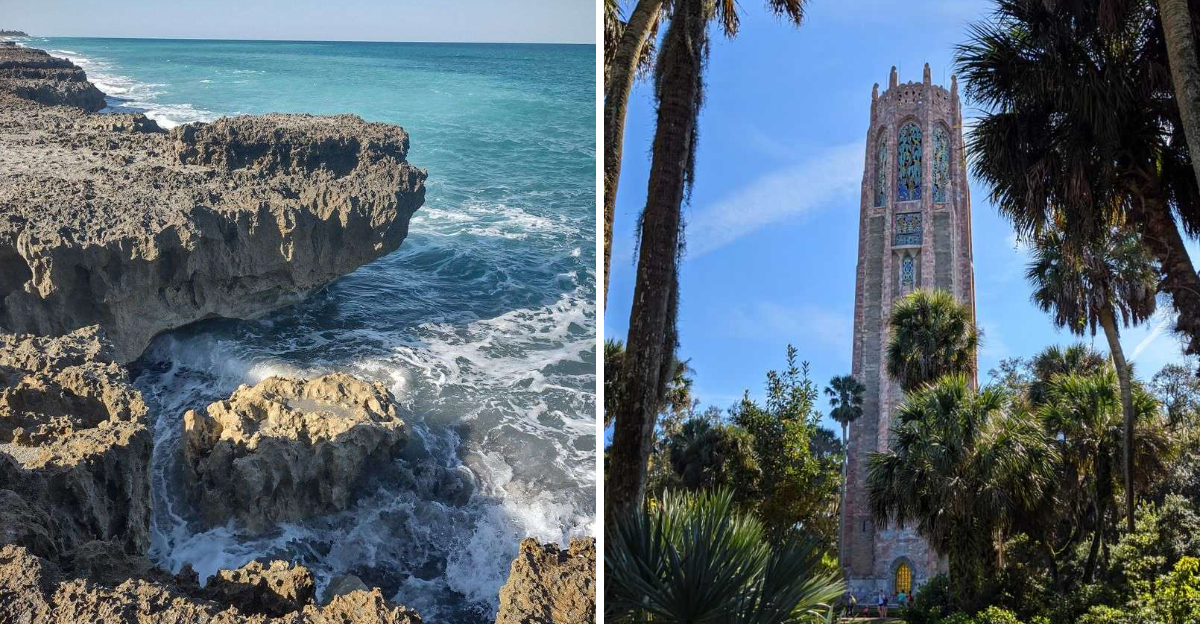
Florida is famous for its theme parks and crowded beaches, but the Sunshine State hides countless treasures that most travelers never discover.
Beyond the bustling tourist corridors lie charming coastal villages, mysterious natural springs, and cultural havens that offer authentic Florida experiences without the overwhelming crowds.
These overlooked destinations showcase the state’s diverse personality, from historic waterfront towns steeped in maritime tradition to serene gardens that transport visitors to distant lands.
Whether you crave outdoor adventure, cultural immersion, or simply a peaceful retreat from everyday life, these hidden gems promise unforgettable weekend escapes that reveal Florida’s true character.
1. Cedar Key
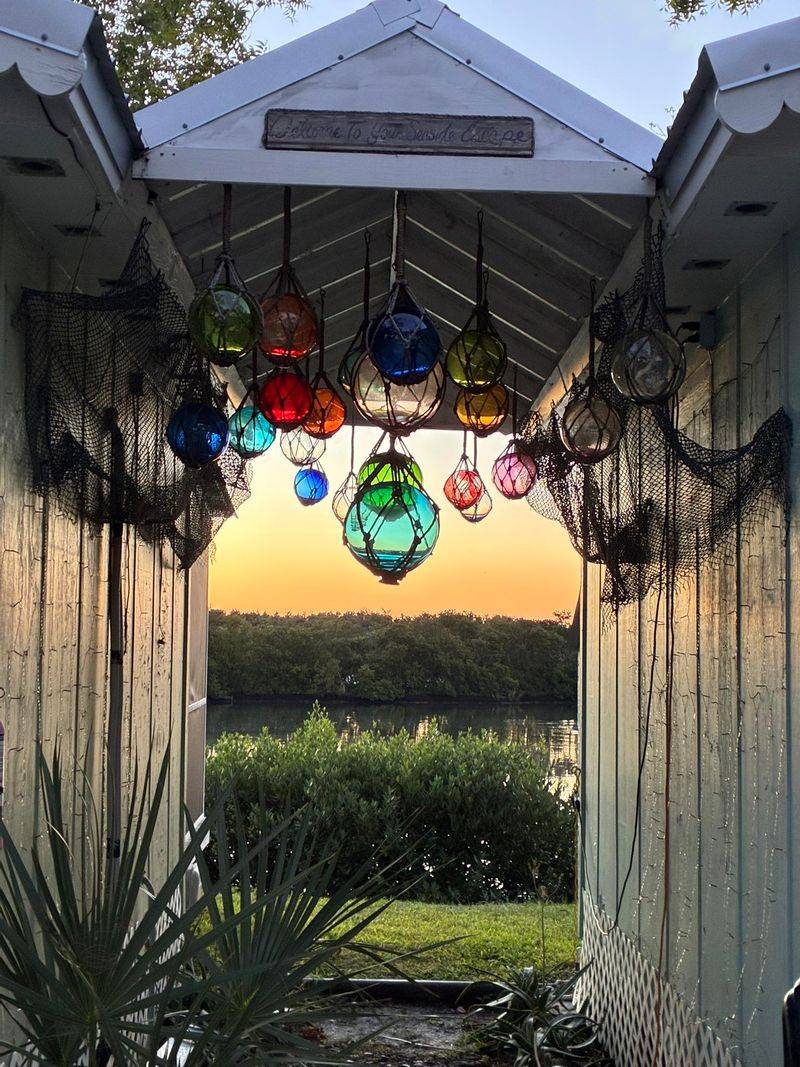
Tucked away on Florida’s Nature Coast, Cedar Key feels like stepping back in time to Old Florida before the developers arrived.
This small island community of fewer than 700 residents maintains an unhurried pace that instantly melts away stress from the mainland.
The entire town revolves around a single main street called Dock Street, where weathered wooden buildings house eclectic art galleries, seafood shacks, and quirky shops selling everything from handmade jewelry to vintage postcards.
Local artists have claimed Cedar Key as their creative sanctuary, and their studios dot the waterfront with colorful displays visible through salt-sprayed windows.
Fresh seafood isn’t just a menu item here but a way of life, with fishing boats unloading their daily catches right at the docks where restaurants source their ingredients.
Clam chowder at Tony’s Seafood Restaurant has achieved legendary status among regular visitors who make the pilgrimage specifically for steaming bowls of this Gulf Coast specialty.
Kayaking adventures lead to nearby Atsena Otie Key, an uninhabited island where ruins of a historic cemetery and old foundations whisper stories of Cedar Key’s 19th-century heyday as a pencil manufacturing center.
The shallow waters surrounding the islands shimmer in shades of turquoise and emerald, perfect for spotting dolphins, manatees, and wading birds.
Sunsets here deserve their own category of spectacular, painting the sky in layers of orange, pink, and purple that reflect off the calm Gulf waters.
Without chain hotels or corporate restaurants, Cedar Key preserves an authenticity that has vanished from much of coastal Florida, making every visit feel like discovering a secret.
2. Devil’s Den Spring
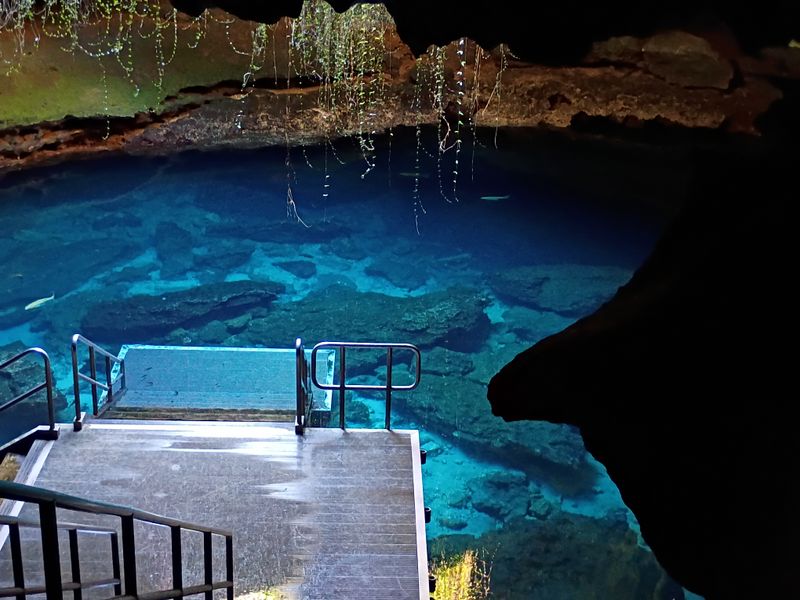
Imagine descending wooden stairs into the earth itself, where a hidden underground spring has carved out a cathedral of stone over thousands of years.
Devil’s Den earned its mysterious name from early settlers who spotted steam rising from the opening on cold mornings and thought they had stumbled upon a gateway to the underworld.
The reality proves far more enchanting than any hellish myth, as the spring maintains a constant 72-degree temperature year-round, creating that misty effect in winter while offering refreshing relief during Florida’s sweltering summers.
Crystal-clear water fills this ancient karst window, allowing visibility that extends for dozens of feet in every direction, making it a paradise for snorkelers and scuba divers alike.
Sunlight filters through the opening above, creating shimmering columns of light that dance across the limestone walls and illuminate the underwater landscape.
Fossil formations embedded in the rock walls serve as reminders that this spring has existed since prehistoric times, possibly providing water to ancient animals that once roamed Florida.
Unlike crowded tourist springs elsewhere in the state, Devil’s Den limits daily visitors, ensuring a peaceful experience where you can actually hear the gentle movement of water and your own breathing through a snorkel.
The underwater cave system extends beyond the main chamber, though only certified cave divers with proper training can explore these deeper passages.
Beginners and experienced divers share the space respectfully, with the shallow areas perfect for first-time snorkelers while deeper sections challenge advanced divers.
After your underwater adventure, the surrounding property offers camping facilities and nature trails where you can extend your visit and truly disconnect from the modern world.
Address: 5390 NE 180th Ave, Williston, Florida
3. Morikami Museum and Japanese Gardens
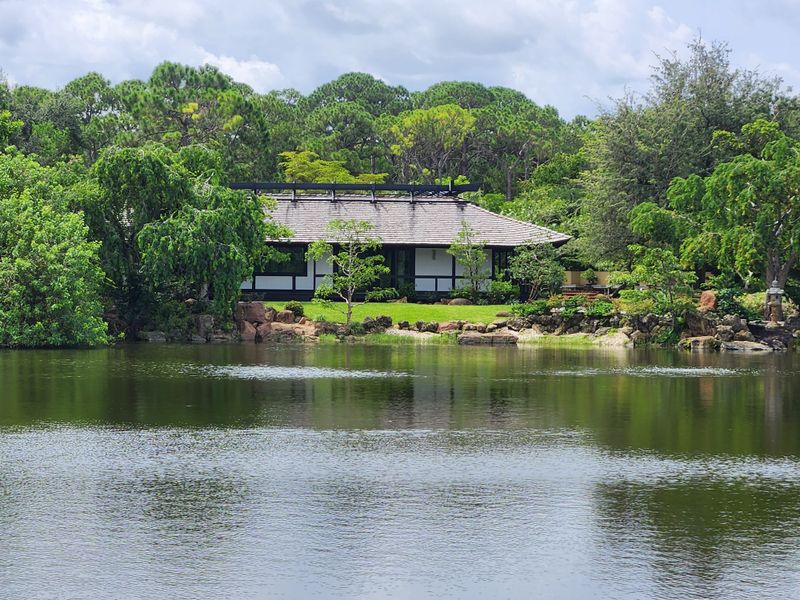
Few visitors expect to find an authentic slice of Japan nestled in South Florida, yet the Morikami Museum transports guests across the Pacific without requiring a passport.
This remarkable cultural oasis emerged from the dreams of a small group of Japanese farmers who established the Yamato Colony here in the early 1900s, seeking to create a new life in America.
George Morikami, the last surviving member of that pioneering community, donated his land to Palm Beach County with the vision of preserving Japanese culture and sharing it with future generations.
Today, sixteen acres of meticulously designed gardens recreate various styles from different periods of Japanese history, each section offering distinct aesthetics and philosophical approaches to landscape design.
Winding paths lead visitors through representations of paradise gardens, tea gardens, and modern landscapes, with every rock, tree, and water feature positioned according to centuries-old principles.
Koi ponds shimmer with orange, white, and gold fish that glide beneath wooden bridges, their movements creating ripples that disturb perfect reflections of overhanging maples and pines.
Traditional tea houses provide settings for authentic tea ceremonies where participants learn the ritualized preparation and serving of matcha, experiencing mindfulness practices that have remained unchanged for generations.
The museum building itself houses rotating exhibitions of Japanese art, from ancient ceramics to contemporary installations, along with permanent displays explaining the Yamato Colony’s fascinating history.
Seasonal changes bring different beauty to the gardens, with spring cherry blossoms giving way to summer lotus flowers, autumn foliage, and winter’s subtle dormant elegance.
Educational programs, cultural festivals, and workshops throughout the year offer deeper engagement with Japanese traditions, from origami and ikebana to martial arts demonstrations.
Address: 4000 Morikami Park Rd, Delray Beach, Florida
4. Apalachicola
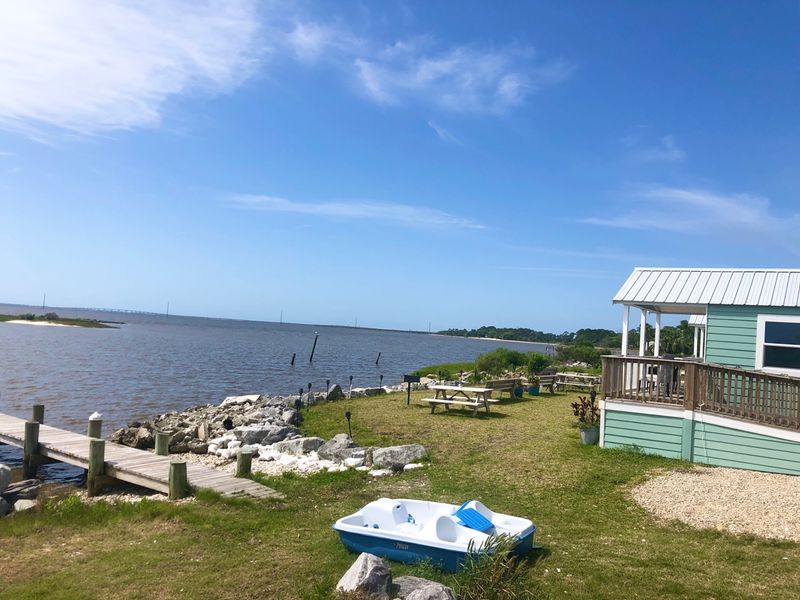
Apalachicola’s name rolls off the tongue like poetry, and this forgotten Panhandle port town lives up to its melodious reputation with layers of history and flavor.
Once among the busiest cotton ports in the Gulf South, the town’s Victorian-era downtown remains remarkably intact, with buildings that whisper tales of 19th-century prosperity and maritime commerce.
Today, Apalachicola reigns as the oyster capital of Florida, with the vast Apalachicola Bay producing some of the finest bivalves found anywhere along the Gulf Coast.
Local oyster houses have perfected their craft over generations, and visitors can watch workers shucking fresh catches while learning about the sustainable harvesting practices that protect this vital industry.
Waterfront restaurants serve these prized oysters prepared every way imaginable: raw on the half shell, steamed, fried, in stews, or baked with creative toppings that showcase chef ingenuity.
Beyond seafood, the town has cultivated a thriving arts scene, with galleries occupying restored storefronts and local artisans drawing inspiration from the surrounding natural beauty and maritime heritage.
The historic district invites leisurely strolls past antebellum homes, churches with towering steeples, and the Raney House Museum, which preserves the lifestyle of a prosperous merchant family from the 1830s.
Apalachicola’s laid-back atmosphere encourages visitors to slow down, sit on a waterfront bench, and watch shrimp boats return with their catches as pelicans dive for fish scraps.
Annual festivals celebrate everything from oysters to blues music, bringing the community together and welcoming visitors into authentic Panhandle culture.
The nearby beaches and St. George Island offer pristine stretches of sand without the development that has transformed much of Florida’s coastline into concrete corridors.
5. Bok Tower Gardens
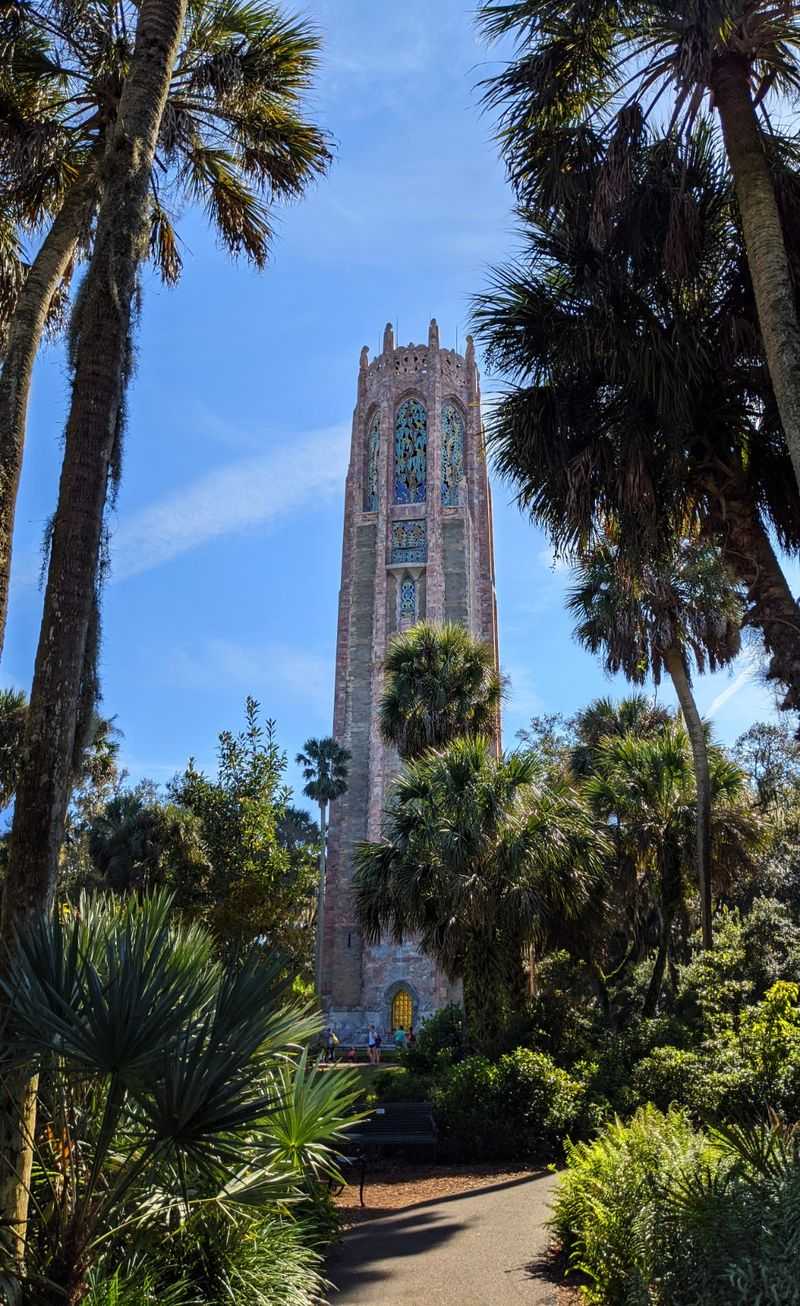
Rising from Iron Mountain, Florida’s highest point, Bok Tower reaches toward the sky like a Gothic dream transported to the subtropics.
Edward Bok, a Dutch immigrant who became a successful magazine publisher, created this sanctuary in the 1920s as a gift to the American people who had welcomed him and enabled his success.
The 205-foot-tall Singing Tower serves as the centerpiece, its carillon containing 60 bronze bells that fill the air with concerts twice daily, their melodies drifting across the surrounding gardens.
Listening to these bells while wandering through the gardens creates an almost spiritual experience, as if the landscape itself has found a voice to express its beauty.
Frederick Law Olmsted Jr., son of the famous landscape architect who designed Central Park, crafted the garden design with native plants, exotic species, and carefully planned sight lines that reveal new vistas around every turn.
Ancient live oaks draped in Spanish moss create shaded groves where benches invite contemplation, while open areas showcase colorful azaleas, camellias, and magnolias depending on the season.
A separate preserve within the property protects one of Florida’s last remaining patches of original scrub habitat, home to endangered species like the Florida scrub jay that can’t survive anywhere else.
The tower’s exterior features intricate tilework and carvings depicting Florida wildlife, with herons, pelicans, and other native creatures immortalized in stone and ceramic.
Pinewood Estate, a 20-room Mediterranean Revival mansion on the grounds, offers tours that showcase 1930s elegance and provides context for the era when Bok created his masterpiece.
Visiting during different seasons reveals completely different gardens, as the 250 acres constantly change with blooming cycles, migrating birds, and Florida’s subtle seasonal shifts.
Address: 1151 Tower Blvd, Lake Wales, Florida
6. Tarpon Springs
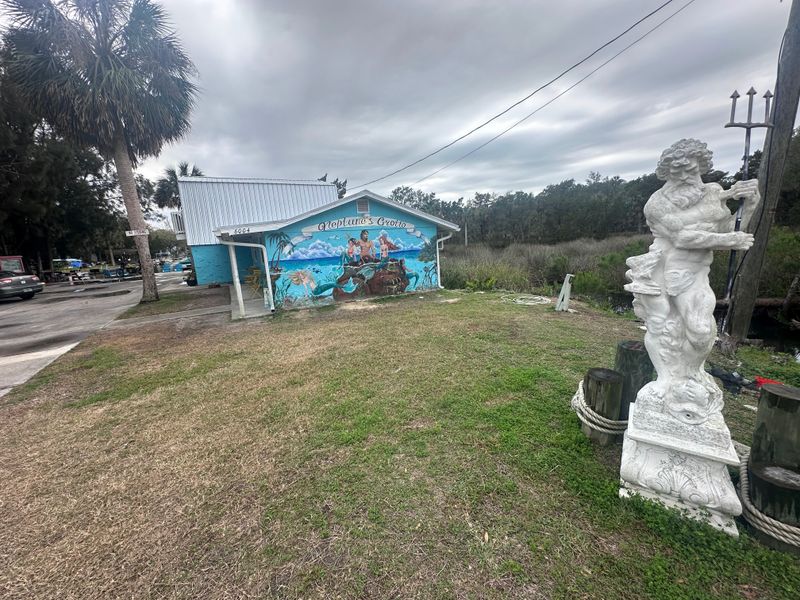
The aroma of grilled octopus and fresh baklava fills the air along the sponge docks, where Greek heritage runs deeper than anywhere else in America.
Tarpon Springs became the sponge capital of the world in the early 1900s when Greek immigrants brought their diving expertise and transformed this quiet Florida town into a thriving Mediterranean outpost.
Generations later, descendants of those original sponge divers maintain their ancestors’ traditions, operating boats, restaurants, and shops that keep Greek culture vibrantly alive.
The historic sponge docks remain the heart of the community, where visitors can watch demonstrations of traditional diving equipment and learn how harvesting natural sponges shaped the town’s identity.
Authentic Greek restaurants line the waterfront, their menus featuring dishes prepared according to recipes passed down through families: moussaka, spanakopita, souvlaki, and fresh seafood prepared with Mediterranean flair.
St. Nicholas Greek Orthodox Cathedral dominates the skyline with its neo-Byzantine architecture, and on January 6th, the Epiphany celebration draws thousands to witness young men diving for a cross thrown into the Spring Bayou.
Beyond the tourist-friendly docks, residential streets reveal a living Greek-American community where you might hear Greek spoken in markets and see elderly men playing tavli (backgammon) in coffee shops.
Bakeries produce traditional sweets like loukoumades (honey puffs) and galaktoboureko (custard pastry), with recipes and techniques unchanged since they were brought from the islands.
The Tarpon Springs Heritage Museum preserves the town’s fascinating multicultural history, including not just Greek influence but also the area’s earlier incarnation as a Victorian winter resort.
Kayaking through the surrounding bayous and springs reveals why settlers found this location so appealing, with crystal-clear waters and lush vegetation creating natural beauty that complements the cultural richness.
7. Sanibel Island
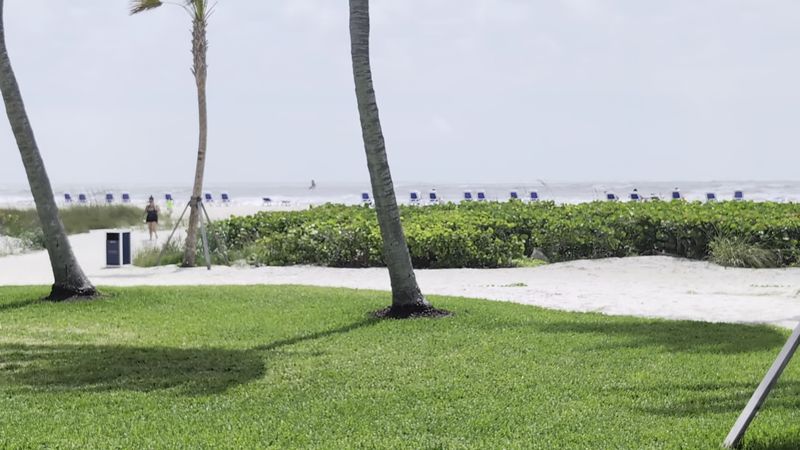
Sanibel Island bends into the Gulf of Mexico at an unusual east-west angle, creating a natural catch-all for seashells that has earned it a reputation as the shelling capital of North America.
Visitors develop what locals call the Sanibel Stoop, a bent-over posture adopted while scanning the sand for prize specimens among the countless shells deposited by each tide.
More than 400 shell species wash ashore here, from common coquinas to rare junonia shells that send serious collectors into excited frenzies when discovered.
The island maintains strict development codes that have prevented the high-rise hotels and commercial sprawl that mar much of Florida’s coast, keeping buildings low and hidden among native vegetation.
J.N. Ding Darling National Wildlife Refuge occupies a substantial portion of the island, protecting 6,400 acres of mangrove forests, wetlands, and coastal habitats crucial for migratory birds.
Driving or biking the refuge’s Wildlife Drive reveals an astounding variety of birds: roseate spoonbills with their shocking pink plumage, wood storks, herons, egrets, and occasionally even bald eagles.
Alligators sun themselves along canal banks, manatees surface in shallow bays, and river otters play in the mangroves, making wildlife encounters virtually guaranteed for patient observers.
Over 25 miles of paved bike paths crisscross the island, providing car-free ways to explore beaches, neighborhoods, and natural areas while enjoying tropical breezes and dappled sunlight filtering through palm fronds.
The historic Sanibel Lighthouse, built in 1884, still guides boats while serving as a beloved landmark and popular photography subject, especially at sunrise when golden light illuminates its iron framework.
Local restaurants emphasize fresh Gulf seafood prepared simply, letting quality ingredients shine rather than masking them with heavy sauces or complicated preparations.
8. Mount Dora
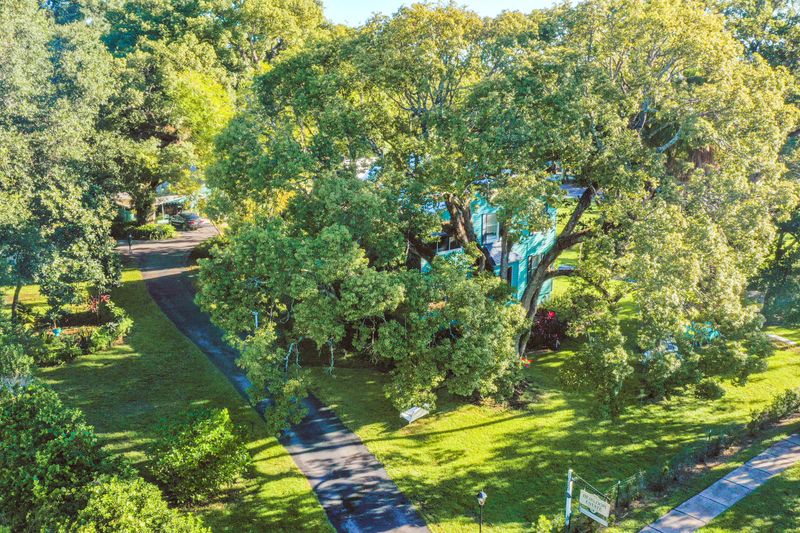
Mount Dora earned its mountain designation despite sitting at a modest 184 feet above sea level, but in pancake-flat Florida, even gentle hills feel like alpine peaks.
This New England-style village seems impossibly out of place in Central Florida, with tree-canopied streets, Victorian architecture, and a walkable downtown that encourages leisurely exploration.
Antique hunters consider Mount Dora a paradise, with dozens of shops occupying historic buildings and offering everything from fine furniture and vintage jewelry to quirky collectibles and retro kitchenware.
The town has also attracted artists and craftspeople who operate galleries showcasing paintings, sculptures, handmade jewelry, pottery, and other creations inspired by the area’s natural beauty and small-town atmosphere.
Lake Dora sparkles at the edge of downtown, its 4,475 acres providing opportunities for boating, fishing, and sunset cruises aboard the historic Lady Dora, a replica paddle-wheeler.
Mount Dora hosts an impressive calendar of festivals throughout the year, including renowned events celebrating arts, crafts, bicycles, sailboats, and even a Scottish Highland Games complete with bagpipes and caber tossing.
The downtown area rewards wandering, with independent bookstores, ice cream parlors, coffee shops, and restaurants occupying buildings that have served the community for over a century.
Donnelly Street serves as the main thoroughfare, lined with colorful storefronts and shaded by massive live oaks that create a natural canopy, keeping sidewalks cool even on hot summer days.
The Modernism Museum celebrates mid-century design with rotating exhibitions that attract enthusiasts from across the country, proving Mount Dora’s cultural offerings extend beyond its Victorian exterior.
Mount Dora’s commitment to preserving its historic character while supporting contemporary arts creates a unique blend where past and present coexist harmoniously.
9. Falling Waters State Park
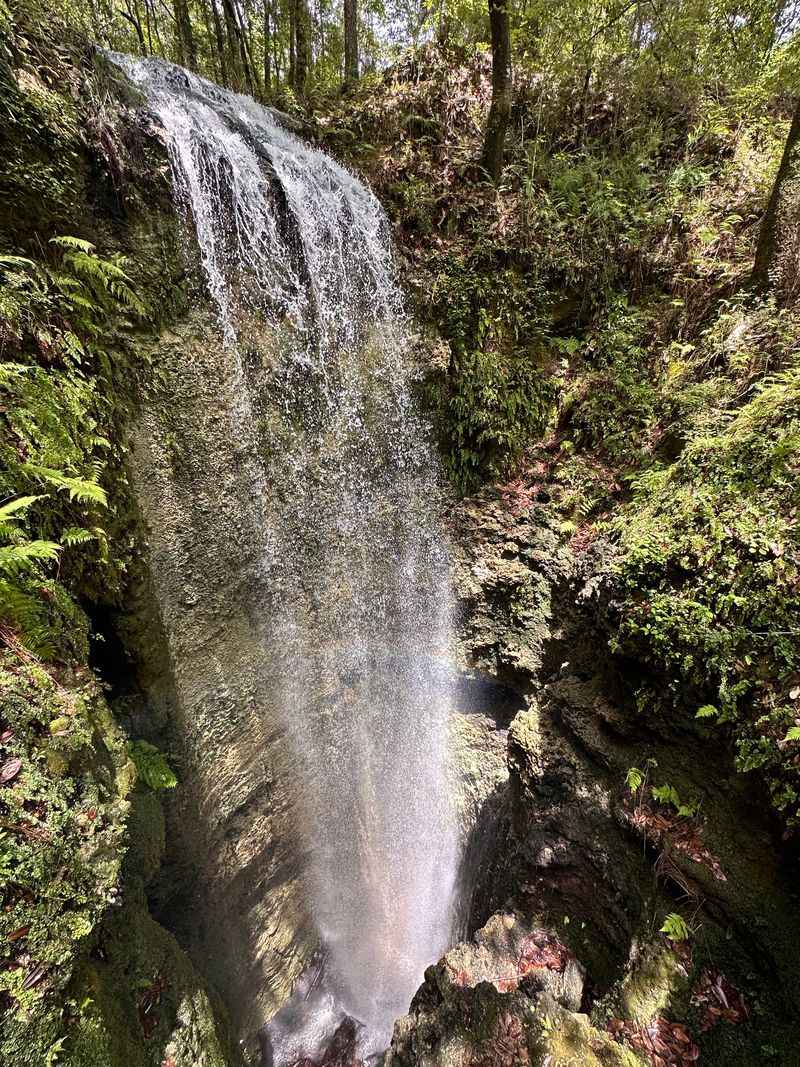
Florida isn’t famous for waterfalls, making Falling Waters State Park an unexpected geological marvel that defies expectations about the state’s typically flat terrain.
A 73-foot cascade plunges into a cylindrical sinkhole, creating Florida’s tallest waterfall and one of its most unique natural features.
The waterfall’s flow varies dramatically depending on rainfall, transforming from a thundering curtain during wet seasons to a delicate trickle during droughts, but remaining captivating regardless of volume.
Nobody knows exactly how deep the sinkhole extends, as the bottom remains submerged and previous attempts to measure it have proven inconclusive, adding an element of mystery to the site.
Geologists believe the sinkhole formed when the roof of an underground cavern collapsed, a common occurrence in Florida’s karst landscape where limestone slowly dissolves over millennia.
Hiking trails wind through the surrounding 171-acre park, showcasing longleaf pine forests and hardwood hammocks that represent ecosystems once widespread across the Panhandle but now increasingly rare.
During summer months, a swimming area fed by cool spring water provides relief from Florida heat, though the waterfall sinkhole itself remains off-limits for safety reasons.
The park offers camping facilities for those wanting to extend their visit, with sites nestled among trees where evening brings choruses of crickets, frogs, and the occasional hoot of a barred owl.
Butterflies and wildflowers proliferate in spring, creating colorful displays along trails and in open meadows where native plants have been restored after years of invasive species removal.
Educational displays explain the area’s geological history and the ongoing processes that continue shaping Florida’s underground landscape, revealing a dynamic earth beneath our feet.
Address: 1130 State Park Rd, Chipley, Florida
10. Blowing Rocks Preserve
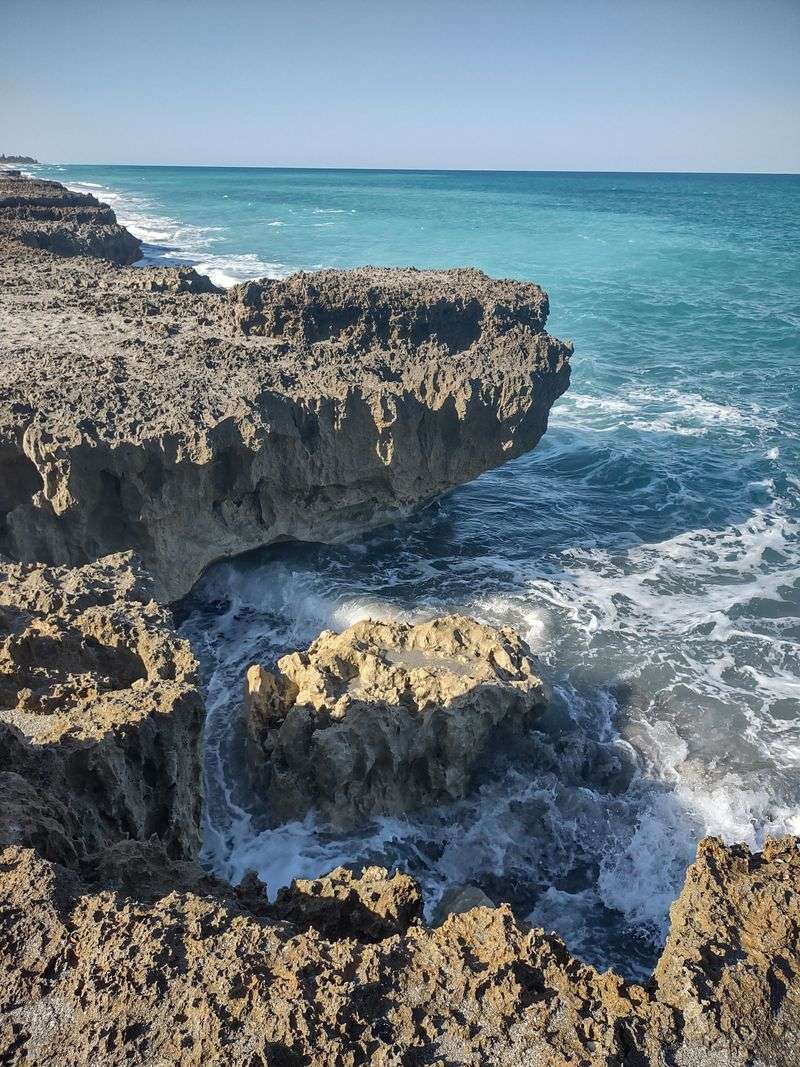
When powerful waves collide with ancient limestone at high tide, water explodes skyward through cracks and fissures, creating spectacular plumes that can reach 50 feet into the air.
This natural phenomenon occurs along a mile-long stretch of Jupiter Island’s Atlantic coastline, where the largest limestone outcropping on Florida’s east coast has been sculpted by waves for thousands of years.
The preserve’s name perfectly describes the dramatic show that unfolds when conditions align: high tide, strong winds, and substantial wave action combine to transform the shoreline into a natural fountain display.
Even during calm conditions, the preserve offers remarkable beauty, with the honeycombed limestone creating tide pools where small fish, crabs, and sea creatures thrive in temporary aquatic neighborhoods.
The Nature Conservancy manages this 73-acre preserve, protecting not just the geological formations but also critical sea turtle nesting habitat and native coastal vegetation.
During summer months, loggerhead, green, and leatherback sea turtles lumber ashore under cover of darkness to dig nests and deposit eggs in the sand above the high tide line.
Trained volunteers monitor nesting activity and protect nests from predators and human interference, continuing conservation efforts that have helped stabilize previously declining turtle populations.
A coastal hammock trail leads through a maritime forest where gumbo limbo trees, live oaks, and saw palmettos create a shaded ecosystem distinctly different from the exposed rocky shore just steps away.
Photographers flock to Blowing Rocks during optimal conditions, hoping to capture the perfect moment when water erupts against blue sky, creating images that seem impossible in typically flat Florida.
Visiting requires timing and patience, as the most impressive displays occur only when multiple factors align, but even quiet days offer peaceful beach walking and fascinating geological observations.
Address: 574 S Beach Rd, Hobe Sound, Florida
Dear Reader: This page may contain affiliate links which may earn a commission if you click through and make a purchase. Our independent journalism is not influenced by any advertiser or commercial initiative unless it is clearly marked as sponsored content. As travel products change, please be sure to reconfirm all details and stay up to date with current events to ensure a safe and successful trip.
