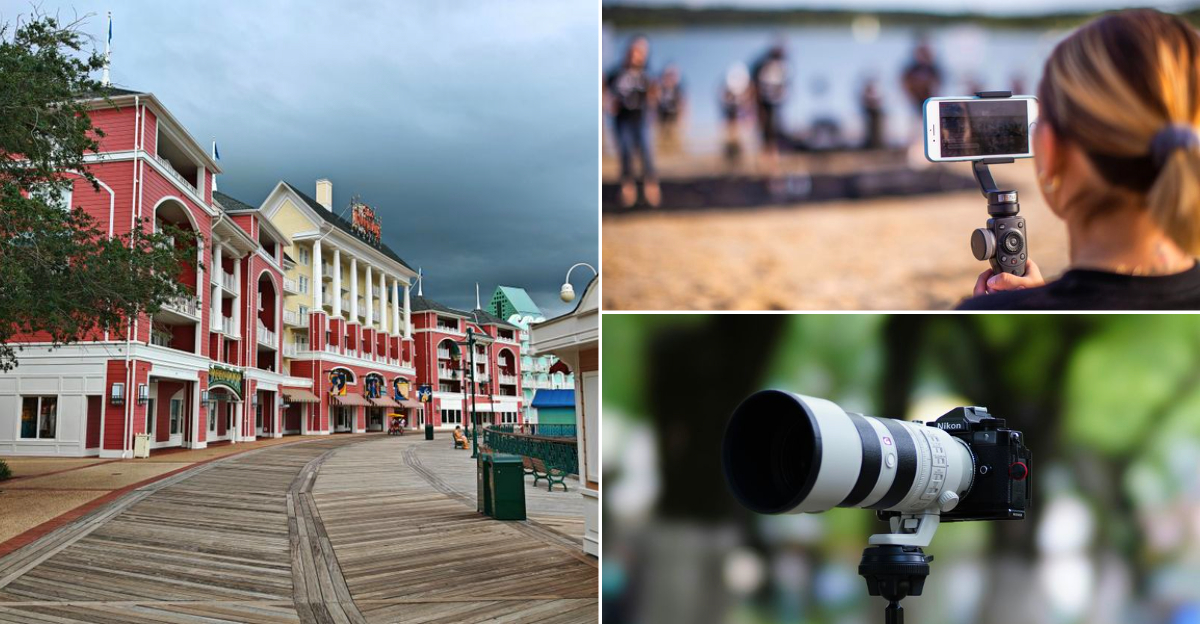
You set up a tripod for the perfect boardwalk shot and suddenly the vibe shifts from casual stroll to “Are we allowed to do this?”. Florida’s coastal walkways look like open, free spaces, but the moment professional-looking gear appears, a different set of expectations kicks in.
Boardwalks are shared corridors for joggers, families, vendors, and emergency access, and anything that slows traffic can draw attention fast.
For creators and travelers, that tiny three legged stand can signal commercial filming, crowding, or safety issues, even if you are just chasing a sunset reel.
Some towns treat tripods as harmless, others see them as potential obstructions, and a few require permits once gear hits the planks. That confusion catches visitors off guard, especially when everyone else is snapping photos with phones without a second thought.
Knowing how boardwalk rules shift when a tripod appears can save you awkward conversations and keep your beach day smooth.
Why A Tripod Changes The Rules Instantly
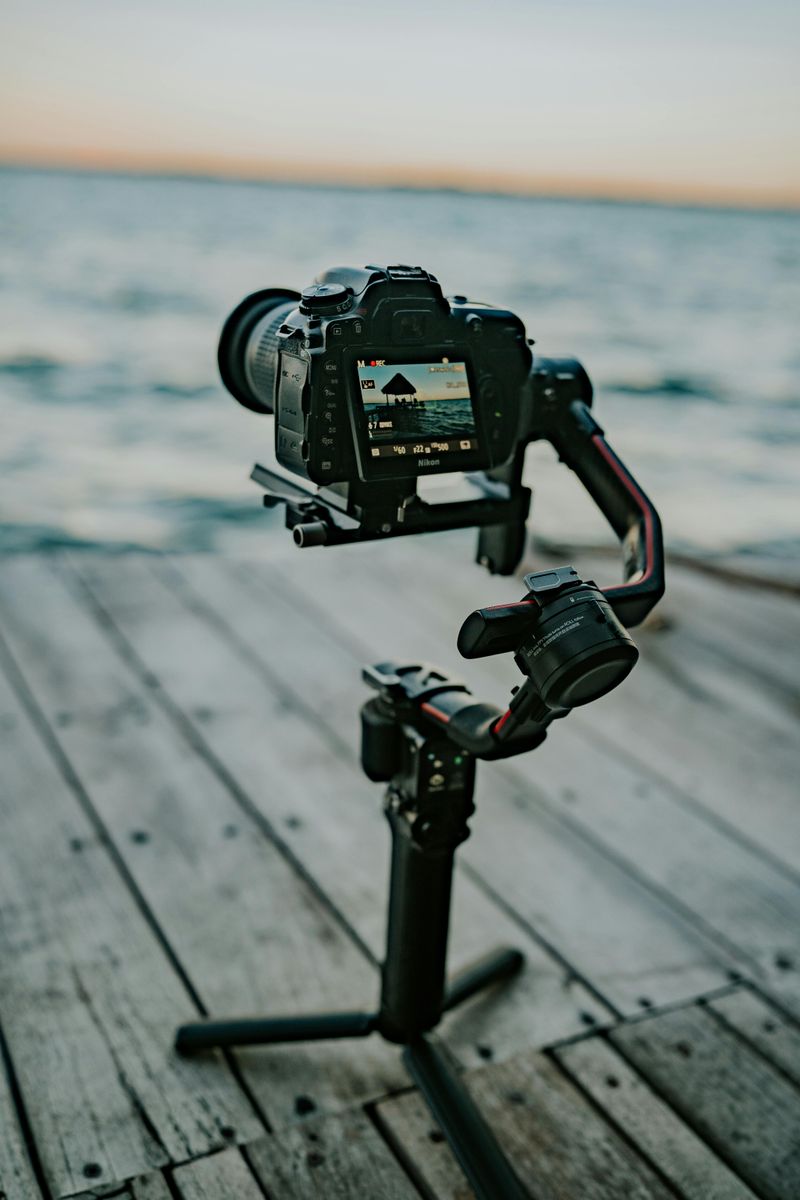
The second a tripod shows up on a Florida boardwalk, staff start wondering if this is a production and not a casual walk. A tripod looks like you are setting up shop, and that changes how they are required to respond.
Think about the space it claims and the message it sends.
You are not just passing through anymore, you are placing equipment on shared ground.
Boardwalk rules are designed for flow and safety, not studio vibes. When the gear suggests a set, officials have to step in and verify intent.
They are not reading your mind, they are reading the scene. Tripods create signals that scream planned shoot, and that triggers policy.
If you want to stay low key, keep it handheld and keep moving. The moment those legs spread, you are in a different lane.
Even little tripods look more serious than a phone.
Staff cannot assume, so they ask questions and check permits.
It is not personal, it is protection for the crowd. One stumble over a leg can cause a chain of issues no one wants.
When in doubt, ask before you mount the camera. A quick chat at the kiosk keeps your day smooth and your shots rolling.
Casual Photos Versus A “Produced Shoot”
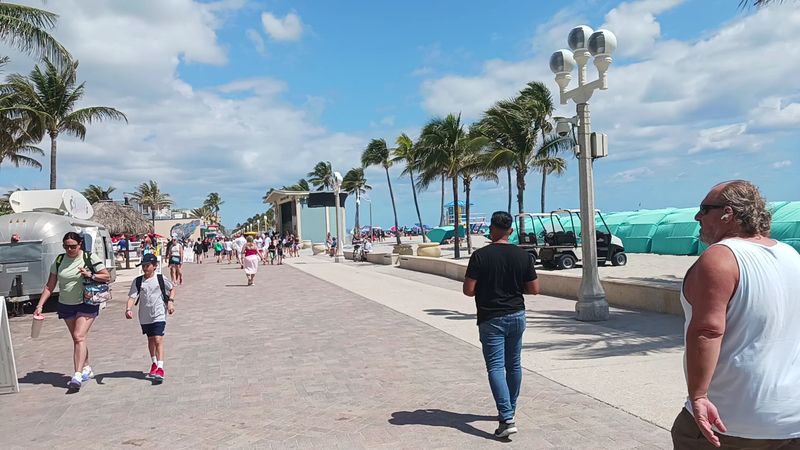
Casual photos look like quick moments as you wander, and no one thinks twice. A produced shoot looks planned, with gear, staging, and time blocking, and that is where boardwalk rules kick in.
Florida spots like Hollywood Beach Broadwalk are used to cameras.
What raises eyebrows is when the setup stays put and starts managing the space.
If you are adjusting lights or directing someone where to stand, it reads commercial. Even if you are just helping a friend, the scene looks like work.
Staff will not grill you for a selfie. They will pause for stands, sliders, and repeat takes that hold up traffic.
Ask yourself what a stranger would think. If it looks like a mini set, it gets classified as production in practice.
A quick-hold handheld approach stays under the radar. The second you build a footprint, paperwork can enter the chat.
Florida boardwalks are public, but they are managed spaces.
Produced shoots often need permits to balance fairness and safety.
So if you want the sunrise shot without drama, travel light and move with the flow. Keep the scene feeling like a stroll, not a set.
Public Property Rules That Boardwalks Follow
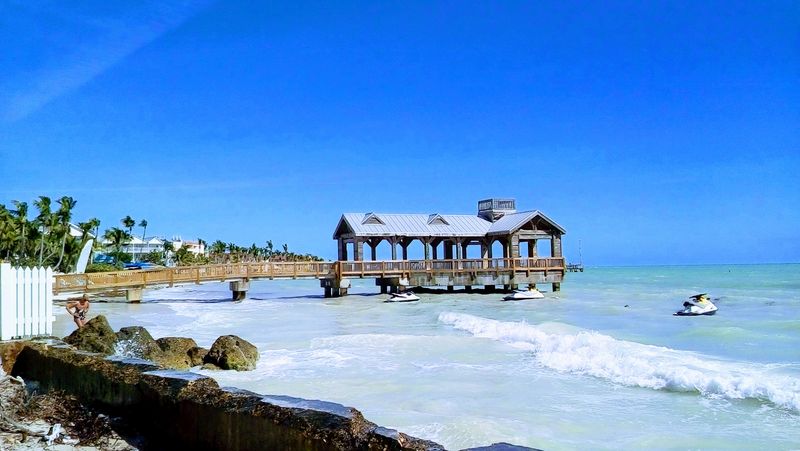
Boardwalks in Florida often sit on public land but come with specific management rules. That means photography is welcome, yet controlled when it affects safety, access, or operations.
You might see signs about blocking paths and commercial activity.
Those are the anchors for most tripod conversations with staff.
Public space does not mean unlimited setup time. The agencies running the area have duties to keep traffic moving and liability low.
Permits are the tool they use to track impact. If your gear looks like it changes how people move, expect questions.
Each city writes its own version, so details vary by place. Clearwater Beach will not be identical to Daytona Beach.
What stays consistent is the balancing act. Enjoy the space, but do not take more than your share of it.
When you are unsure, find the maintenance office or visitor booth.
A two minute chat can clarify everything before you even unzip a bag.
Public land rules are not trying to gatekeep creativity. They are there so the next person gets the same easy walk you just enjoyed.
The Gear That Triggers Permit Questions Fast
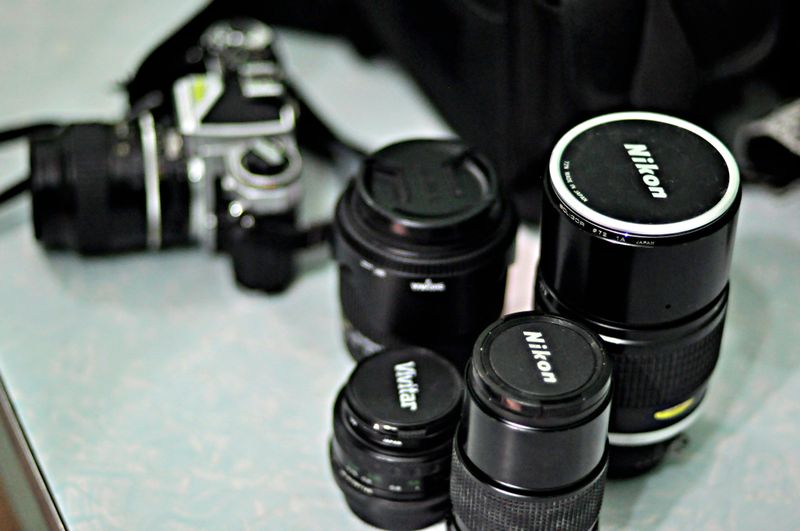
There is a short list of gear that instantly looks like production. Tripods, light stands, reflectors, sliders, and boom mics are at the top.
Even a compact travel tripod sends the same message.
Once legs hit the boards, staff have to think about crowd flow and risk.
Large backpacks can raise the first eyebrow. When the gear comes out and plants, the second eyebrow joins quickly.
Multiple lenses are fine if they stay on you. The problem begins when objects stand alone in the walkway.
Florida boardwalks are narrow in busy sections. Anything that sprouts outward can snag a wheel or an ankle.
Bring clamps if you must mount something to a rail.
Ask first, because some rails are protected or freshly painted.
Keep audio low profile if you are recording. A visible boom pole makes the whole scene look official instantly.
When the kit starts to feel like furniture, you are past casual. Scale down, move often, and you will glide through without friction.
Blocking Foot Traffic: The Problem Everyone Notices
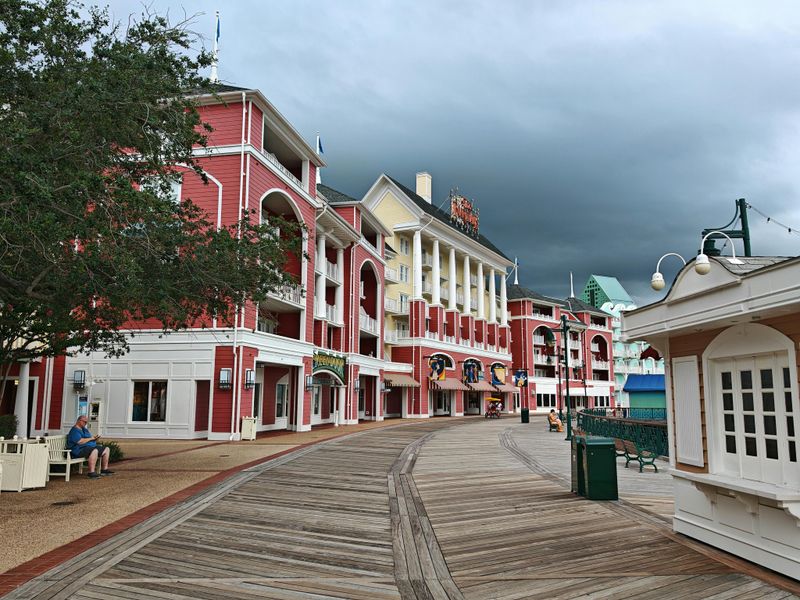
Nothing gets attention faster than blocked flow on a Florida boardwalk.
People are moving in both directions with strollers, bikes, and beach carts, and a tripod leg in the mix is a hazard.
Even if no one trips, the slowdown ripples down the line. That is when staff step in and ask you to shift or fold.
It is not just the gear, it is the pause it creates. Folks look, wait, then go around, and suddenly the rhythm falls apart.
Find wide pullouts, alcoves, or empty rail edges. Step off the main artery so you are not part of the flow.
Florida crowds surge with the weather. Quiet in the morning can turn busy by midafternoon without warning.
Walk the route before you shoot anything. You will spot natural pockets where standing gear blends in safely.
If staff flag you, smile and move. A friendly shift often solves the entire issue on the spot.
Think like a pedestrian first and a photographer second.
Keep the path clean, and you will stay invisible in the best way.
Commercial Intent Signals Officials Look For
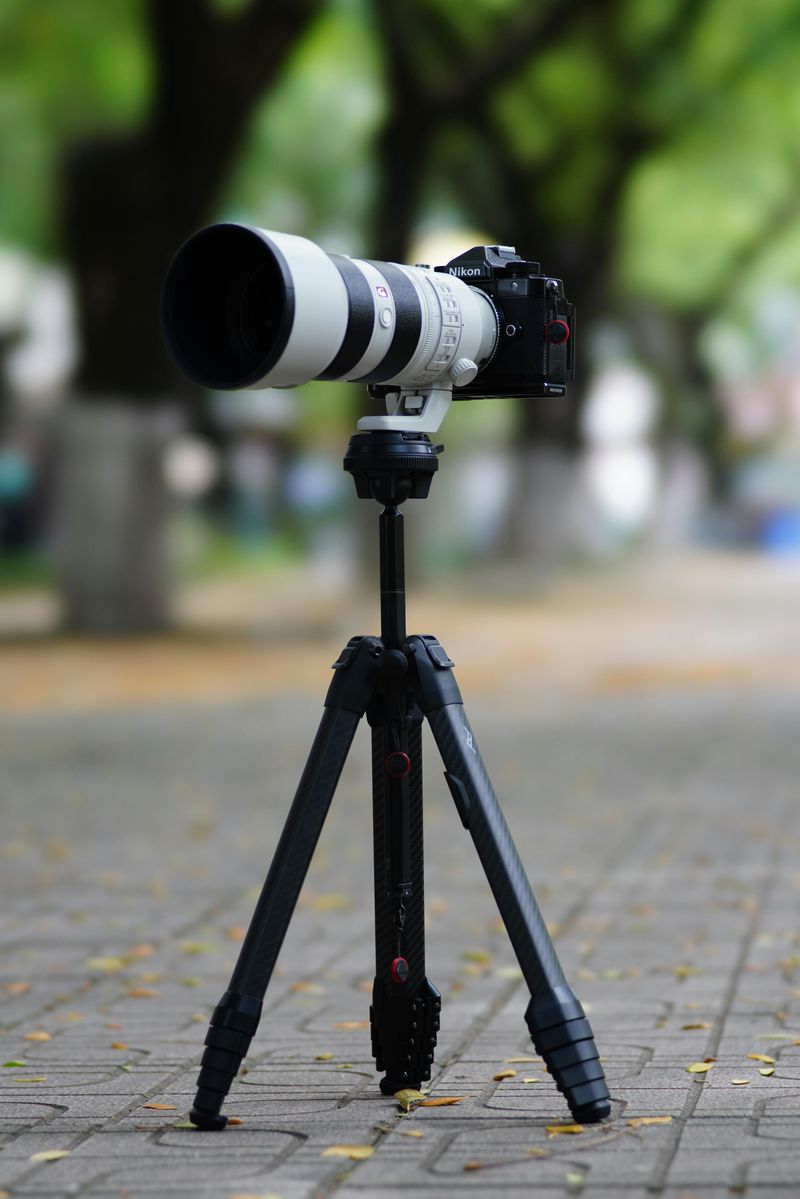
Officials read the scene the way you read light. They look for patterns that suggest money is moving or branding is involved.
Wardrobe racks, shot lists, and repeated takes look commercial. So does directing strangers or staging a corner of the walkway.
If you start asking the public to pause, that is a red flag.
Using logos or signage as hero backdrops can also trigger checks.
Florida municipalities protect public access strongly. Anything that feels like private use of shared space gets attention.
Even casual influencer shoots can look like ads. Staff do not parse your channel, they watch impact on the boardwalk.
Simple note here: keep the footprint tiny. Shoot, step aside, and avoid coaching crowds like you own the lane.
When asked, describe your plan plainly and kindly.
A calm tone shows you are not trying to run a set.
If it truly is a gig, permits make everyone comfortable. Clear rules mean you work with support instead of against it.
What Happens When Staff Ask You To Stop
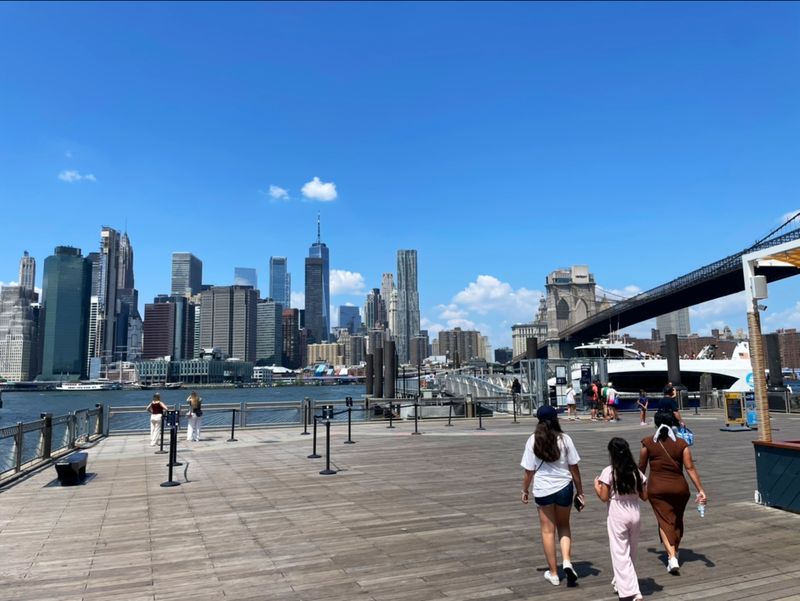
First thing, breathe and listen. Staff are usually calm and direct, and they will tell you exactly what needs to change.
Most times it is as simple as folding the tripod or sliding three steps over.
If the setup reads commercial, they might mention permits and where to ask.
Florida crews know the drill and keep it friendly. A respectful yes keeps the exchange short and painless.
You can ask quick questions to clarify. Where should I stand, or is handheld fine here, usually gets a helpful answer.
If they ask you to stop entirely, do it. You can always regroup off the boardwalk and rethink the plan.
Take note of the location they suggest. There is often a wider turnout just beyond the next bench or pavilion.
This is not a debate, it is a safety call. The faster you cooperate, the faster you are back to shooting.
End with thanks and a smile. Those tiny moments build goodwill for the next person with a camera.
How To Get The Shot Without A Tripod Fight
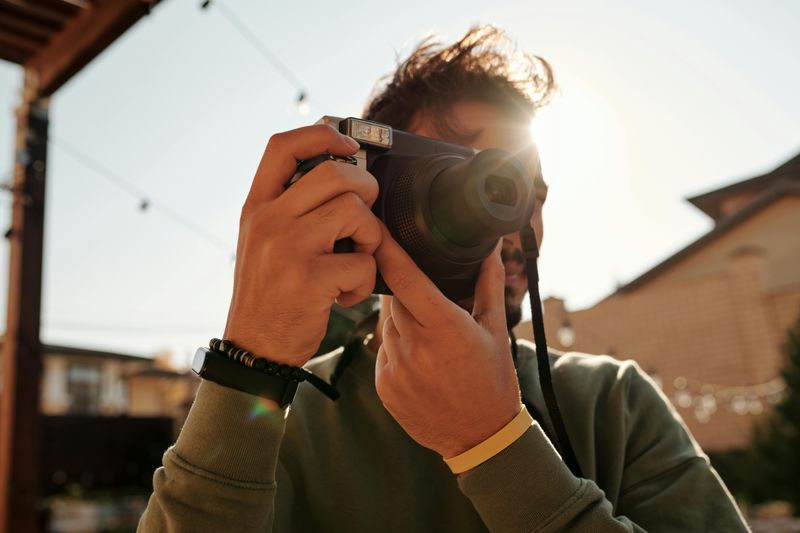
Skip the legs and use the world as your support. Rails, benches, and low walls turn into steady points if you brace well.
Set a faster shutter and breathe slow. Elbows tucked against your ribs beat wobbly sticks in busy spots.
Work in short bursts, then move on. You will look like any other visitor taking a moment to steady a shot.
Florida light is bright and forgiving. Early sun across the water lets you keep ISO low and speed high.
Use burst mode when the wind kicks up.
One frame will land razor sharp even when waves bounce light around.
If you need a longer exposure, find a quiet pocket. Press the camera to a post and roll gently on the shutter.
A wrist strap keeps things tidy near crowds. You will avoid accidental bumps and you will stay nimble.
Do it right and no one blinks. You get the image, and the boardwalk keeps flowing like nothing happened.
Tripod Alternatives That Keep You Out Of Trouble
Tripods are not the only path to sharp frames on a Florida boardwalk.
A monopod, a clamp, or a little beanbag solves the same problem with less footprint.
A monopod stays vertical and mobile. You can lift and shift without planting legs across the flow.
Clamp mounts are tiny lifesavers. Ask before clipping to a rail, then lock in and keep your elbows clear.
Beanbags mold to benches and low walls. They absorb vibration and look like nothing to passersby.
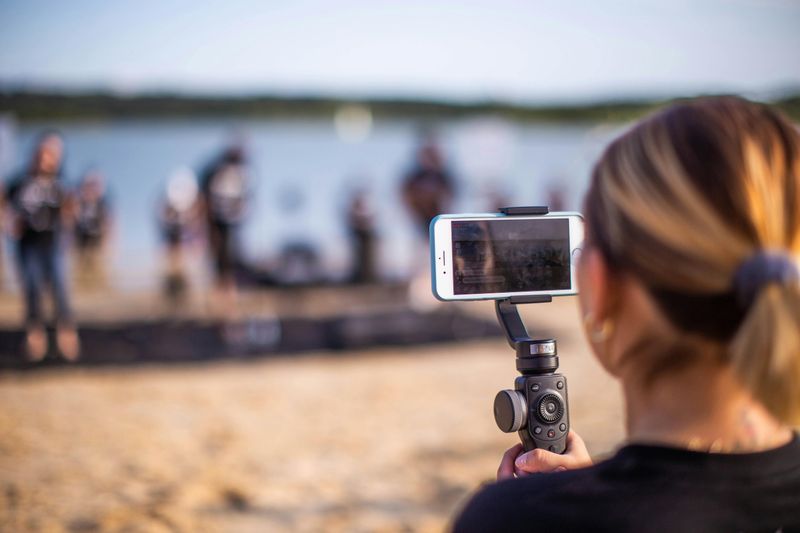
Gimbals help when you are moving. They read like casual gear instead of a ground claim.
Keep straps tidy and bags zipped. Loose loops around ankles are what staff worry about most.
Florida boardwalks reward small setups with big views. The less you spread out, the more you can roam without pause.
Build a kit that respects the lane and the light. You will walk away with clean shots and zero tense conversations.
Dear Reader: This page may contain affiliate links which may earn a commission if you click through and make a purchase. Our independent journalism is not influenced by any advertiser or commercial initiative unless it is clearly marked as sponsored content. As travel products change, please be sure to reconfirm all details and stay up to date with current events to ensure a safe and successful trip.
