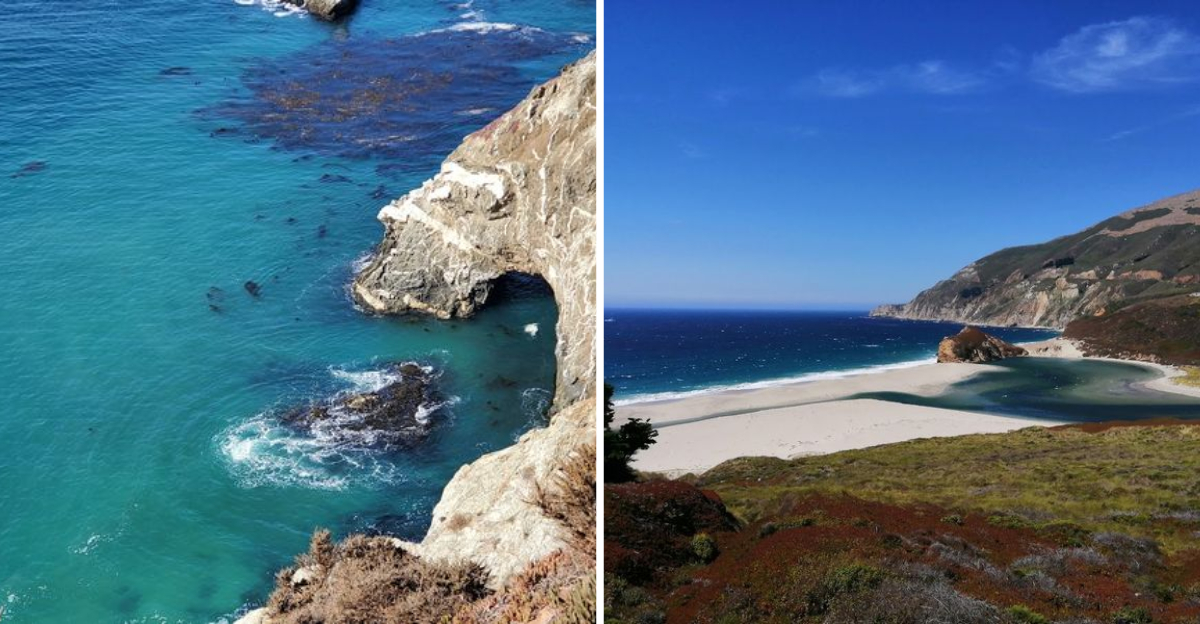
There are places in this world that stop you mid-breath, where nature does something so unexpected and so beautiful that you genuinely wonder if you stumbled into a painting. This California spot along the Big Sur coast is exactly that kind of place.
An 80-foot waterfall drops straight off a cliff onto a tiny crescent beach, and the turquoise Pacific stretches out beyond it like it has been waiting there all along. I had heard about it for years before finally making the drive down Highway 1, and nothing quite prepared me for the moment it came into view.
The rugged cliffs, the crystal-clear cove, the sound of the ocean mixing with the rush of falling water, it all hits at once. I stood there longer than I planned, watching the light shift across the water and feeling grateful I had made the trip. This is one of those rare spots that earns every bit of its reputation.
McWay Falls: The Waterfall That Drops Into the Ocean
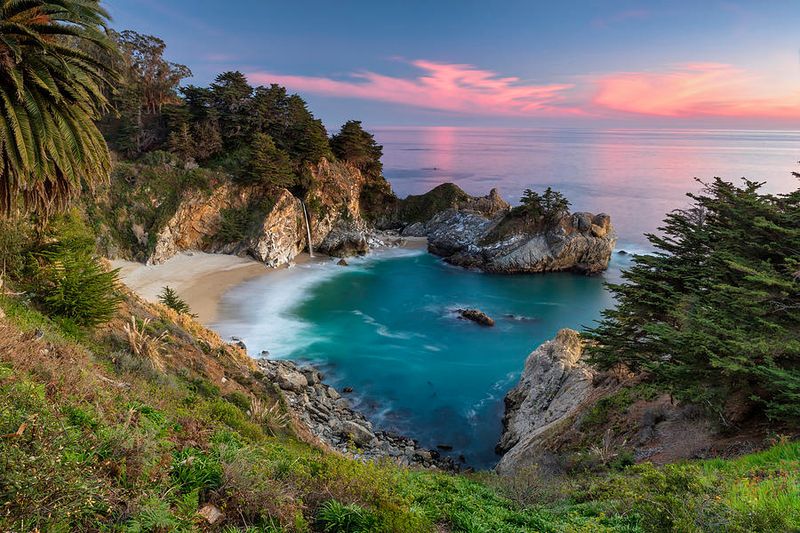
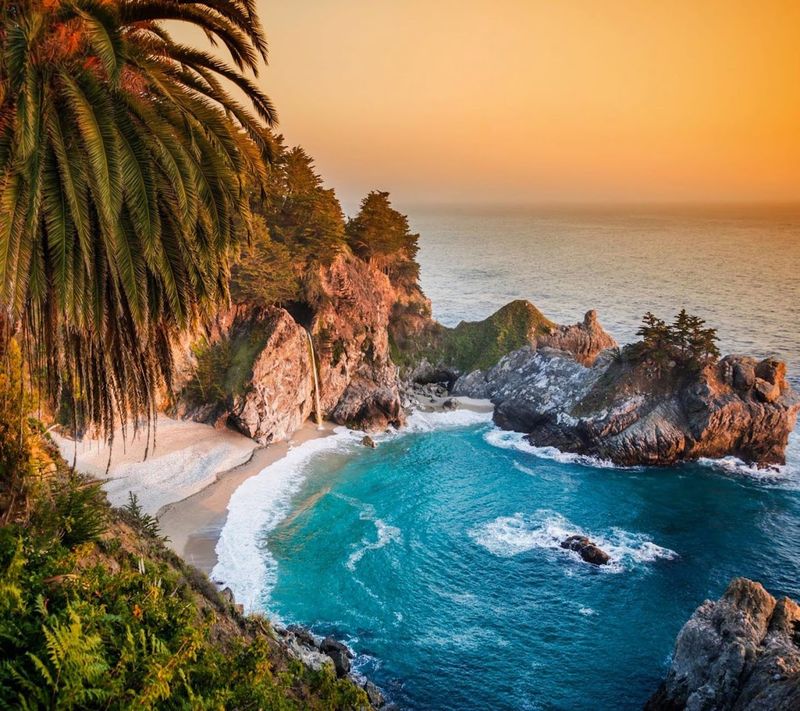
Most waterfalls end in a river or a pool, but McWay Falls has a different idea entirely. This 80-foot cascade drops straight from a coastal cliff onto a small sandy beach, and depending on the tide, it flows directly into the Pacific Ocean.
That makes it one of only two “tidefalls” in all of California, a genuinely rare natural feature that sets it apart from nearly every other waterfall in the country.
McWay Creek feeds the falls year-round, so there is always water moving over that cliff no matter what season you visit. The cove below holds some of the clearest turquoise water you will ever see along the California coast.
The contrast between the white sand, the dark cliffs, and that vivid blue-green ocean is the kind of thing phone cameras struggle to fully capture.
Historically, the falls flowed directly into the ocean before a 1983 landslide deposited enough debris into the cove to form the small beach visible today. Ocean waves shaped that material over time into the pristine strip of sand now framing the base of the falls.
Visiting feels like witnessing something the rest of the world has not quite discovered yet, even when there are other people nearby.
The Story Behind Julia Pfeiffer Burns State Park
The park carries the name of Julia Pfeiffer Burns, a pioneering rancher who spent much of her life in the Big Sur region during the early 20th century. She was deeply respected by the local community, and naming this stretch of coastline after her feels like a fitting tribute to someone who understood the land long before it became a destination.
The property itself was donated to the state of California in 1961 by Helene Hooper Brown. Before the park opened in 1962, Helene and her husband Lathrop Brown owned the land and even built a structure called the Waterfall House near the falls.
That building was eventually demolished in 1965 after plans for a museum fell through, which was part of the original donation agreement.
Today the park stretches from the rugged coastline all the way inland to ridgelines reaching around 3,000 feet. It encompasses redwood groves, tan oak, madrone, and chaparral, creating a genuinely diverse landscape packed into one protected area.
The park is also part of the Monterey Bay National Marine Sanctuary and connects with the Ventana Wilderness, making it an important wildlife corridor for species like peregrine falcons, California condors, and southern sea otters.
What to Expect When You Arrive: Trail Closures and Viewing Options
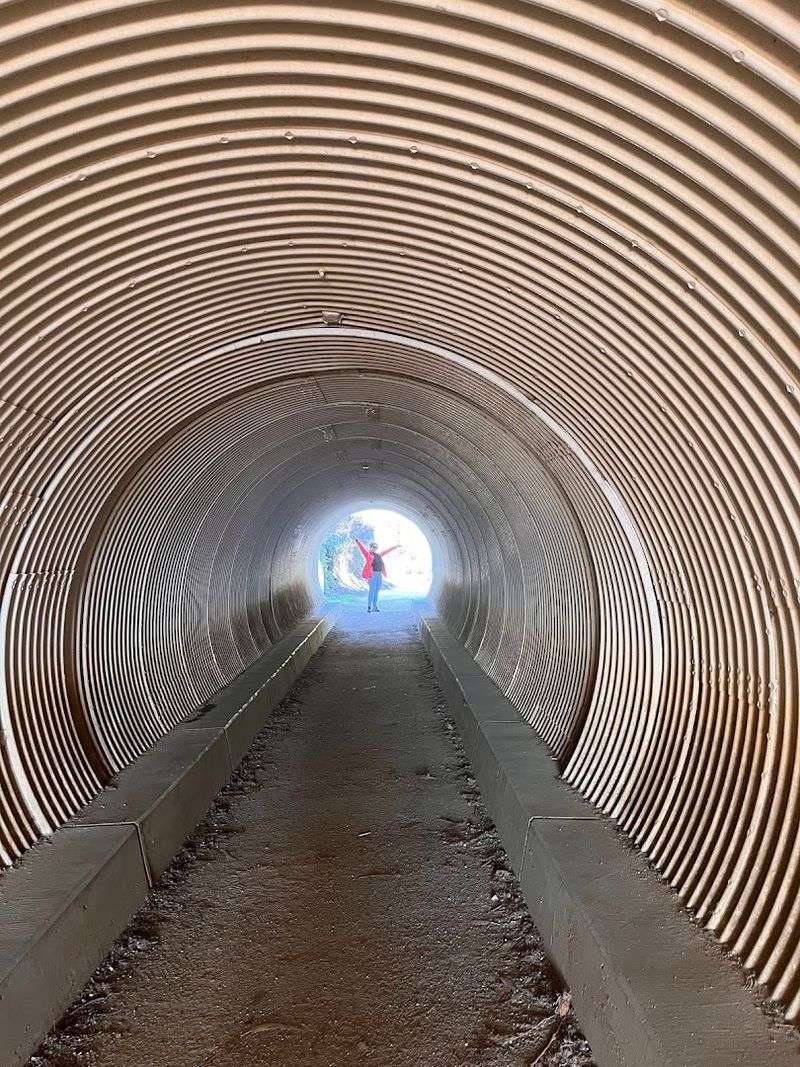
Planning your visit carefully matters more right now than it might have in previous years. The McWay Falls Overlook Trail is currently closed due to a long-term retaining wall repair project that began in April 2025 and is expected to continue into 2026.
That means the classic short walk through the tunnel under Highway 1 to the overlook platform is not accessible at the moment.
The good news is that the falls are still visible from a small designated viewing area on the side of Highway 1 itself. It is not the same intimate experience as standing on the overlook, but the view is still genuinely impressive.
Plenty of visitors have found it well worth pulling over for, even with the limitation.
One thing worth knowing before you go: the beach and cove area below are strictly off-limits to visitors. The cliffs are steep and genuinely dangerous, and trespassing carries serious consequences including citations, fines, and arrests.
The restriction also protects a fragile coastal ecosystem that cannot recover quickly from foot traffic. Checking the official California State Parks website before your trip is always a smart move, since trail conditions and access points can shift with little warning.
Parking, Fees, and Getting There Without the Headache
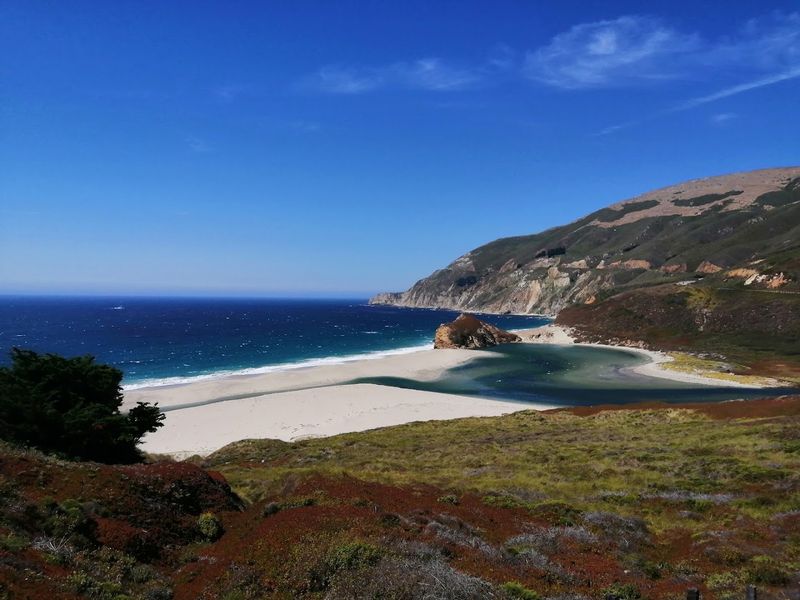
Getting to McWay Falls requires a drive along Highway 1 through Big Sur, which is one of the most scenic stretches of road in the entire country. The park sits roughly 37 miles south of Carmel-by-the-Sea, so building in extra drive time is a good idea since the road winds dramatically along the cliffs and you will want to stop more than once along the way.
The Julia Pfeiffer Burns State Park day-use parking lot charges a fee that helps fund park maintenance, and paying for parking at one California State Park typically covers you at other state parks in the area for the rest of that day. Keep your receipt.
Roadside pullouts along Highway 1 do exist, but they fill up fast and parking illegally can result in tickets and towing, which is a frustrating way to start what should be a great day.
Restrooms are available near the main parking lot, which is a genuine convenience given how remote this stretch of Big Sur feels. Accessible parking and picnic tables are also on site.
Dogs are not permitted on the trails, with the exception of service animals, and drones are prohibited throughout the park. Arriving early on weekends makes a noticeable difference in finding a spot without stress.
Other Trails Worth Exploring in the Park
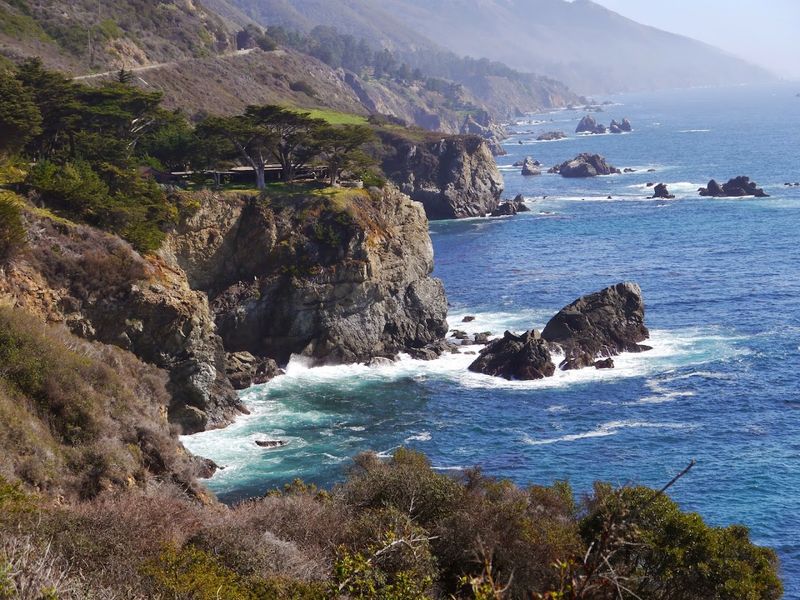
McWay Falls gets all the attention, but the park has more to offer once you are already there. The Ewoldsen Trail is a five-mile loop that winds through old-growth redwood forest and opens up to occasional coastal views that feel like a reward for the effort.
It is a proper hike with real elevation, and the quiet under the redwoods feels completely different from the energy at the falls overlook area.
Partington Cove is another option worth considering, especially for those who want something shorter. The trail is about one mile roundtrip and passes through a unique rock tunnel before reaching a historic cove with dramatic scenery.
It connects to the area’s logging history, when timber was loaded onto ships directly from the cove in the late 1800s.
The Canyon Trail, which leads to a separate 60-foot waterfall inside the park, is currently closed due to fire damage and debris flows from past seasons. Conditions on all trails can change quickly in Big Sur, so checking the California State Parks website before heading out is genuinely useful, not just a formality.
The park rewards those who take a little extra time to explore beyond the single famous viewpoint everyone comes for.
Best Times to Visit for the Most Memorable Views
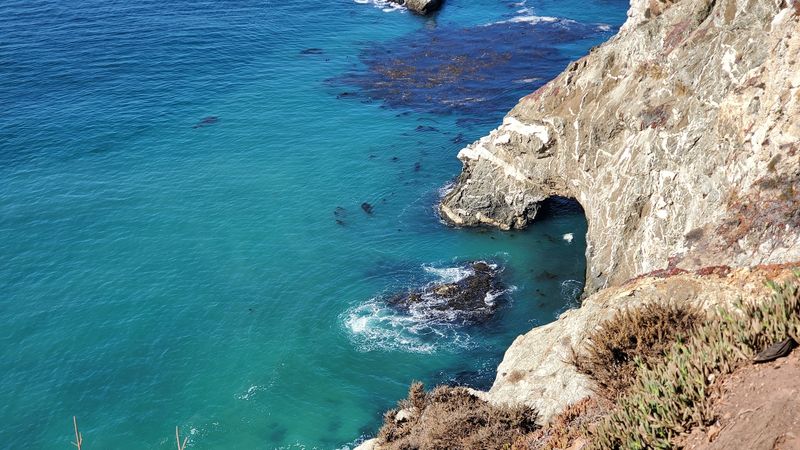
Spring and fall tend to be the sweet spot for visiting McWay Falls. Temperatures are mild, the crowds are thinner than summer, and the coastal fog tends to lift earlier in the day, leaving clearer views of the falls and the cove below.
Spring also brings the waterfall to peak flow after winter rains, and the surrounding hillsides fill in with wildflowers that make the whole landscape feel alive.
Summer is the busiest season by a wide margin. Warmer temperatures and school breaks bring large numbers of visitors, so arriving early in the morning is the most practical way to enjoy the spot without feeling like you are sharing it with half of California.
Fog is common from late spring through early fall, rolling in overnight and often clearing by midday, creating some genuinely atmospheric morning scenes for photographers.
Winter offers the fewest crowds and a rawer, more dramatic version of the coastline. The trade-off is unpredictable weather and the occasional road closure due to landslides, which are a real possibility in Big Sur during heavy rain seasons.
Checking road conditions on Highway 1 before you leave is not optional in winter, it is just common sense. Layering your clothing is smart no matter what month you visit.
Wildlife, the Marine Sanctuary, and the Bigger Picture
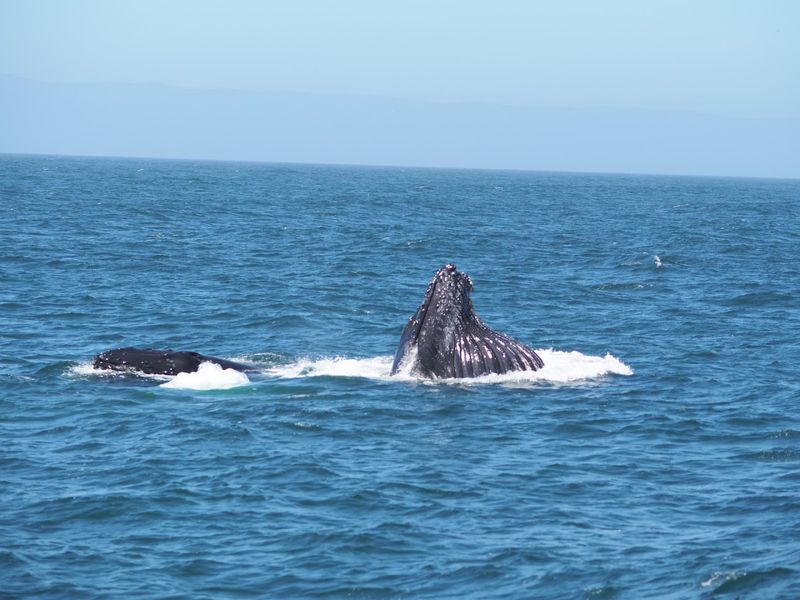
Julia Pfeiffer Burns State Park sits within the Monterey Bay National Marine Sanctuary, which gives the surrounding ocean an extra layer of protection that shapes the entire experience of being there. The underwater world just offshore is as rich and complex as the land above the cliffs, and that connection between the two ecosystems is part of what makes this stretch of coast so ecologically significant.
On land, the park serves as a wildlife corridor linking the Ventana Wilderness and Los Padres National Forest. That connectivity supports populations of threatened and endangered species including peregrine falcons, bald eagles, California brown pelicans, California condors, and southern sea otters.
Spotting any one of these animals during a visit feels like a genuine bonus rather than something expected.
Gray whales migrate along this coastline between December and April, and the elevated viewpoints in the park offer surprisingly good sightlines for watching them pass. It adds a whole other dimension to a visit that most people plan entirely around the waterfall.
The park is a reminder that the most memorable travel experiences are rarely about a single thing. They are about everything happening at once, the water, the wildlife, the cliffs, and the feeling that you are somewhere that genuinely matters.
