A stretch of Gulf coast with water so clear it looks fake and sand like powdered sugar under your feet. That is the kind of place that gets under your skin in the best way.
Slow pace. Warm breeze.
Finally room to breathe. But sometimes, breathing is exactly the problem.
I remember the first time I smelled something strange near the shoreline. Not the usual salt and seaweed.
Something heavier. Mustier.
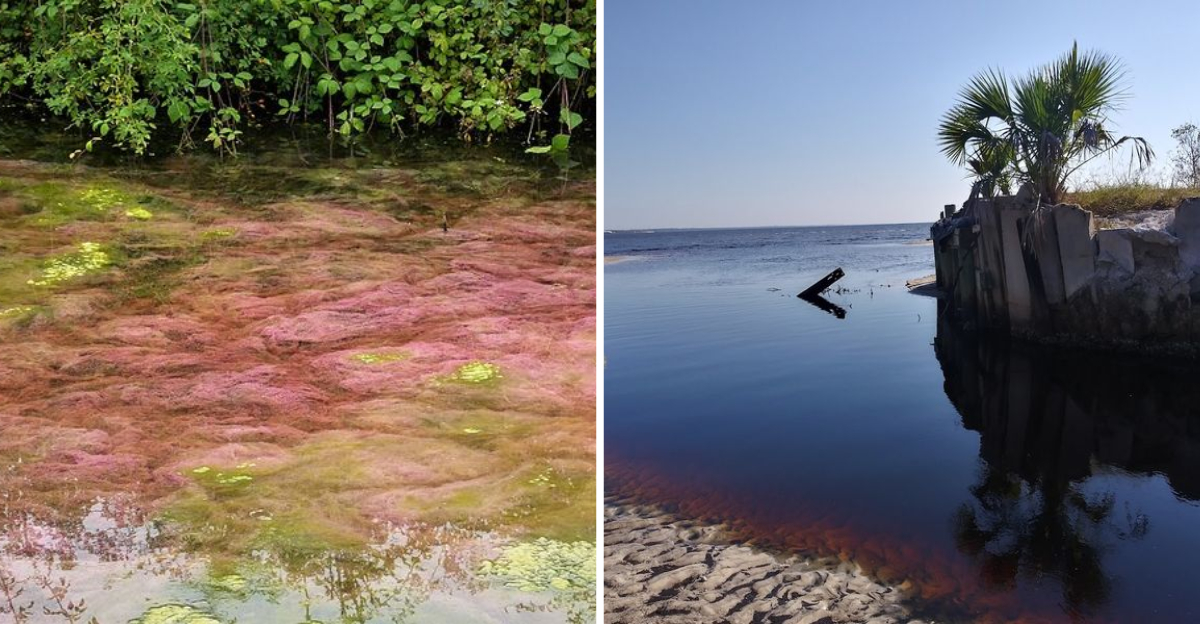
The water had taken on a rust-colored hue, beautiful in a way that should have felt wrong. Fish floated without a single flick of a fin.
The sea had emptied them of everything but weight. What looked like a scene from a nature documentary was actually a full-blown harmful algal bloom.
And the air itself was already working against me. Within minutes, my throat tightened.
Eyes burned. Every breath felt like small work.
Red tide turns paradise into a health emergency fast. The warning signs are easy to miss until they are inside your lungs.
Trust your nose. Watch the water.
And know when to walk away. The beach will wait.
Your lungs will not.
What Red Tide Actually Is and Why It Hits Mexico Beach Hard
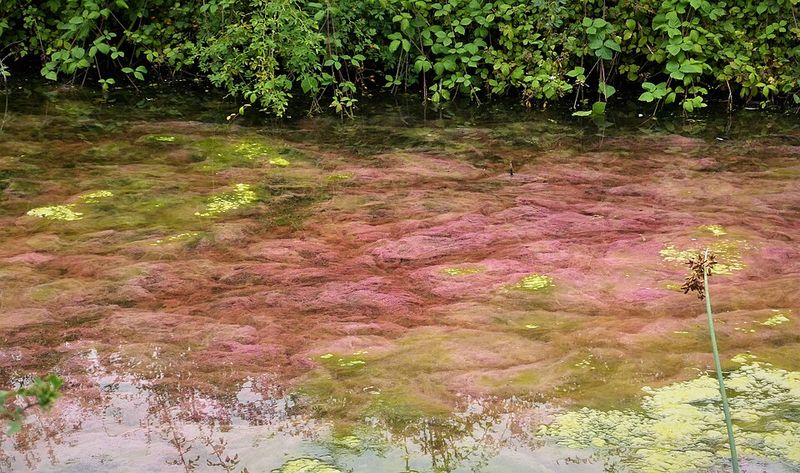
Red tide sounds almost poetic until you realize what it actually does. Along the Gulf Coast, red tide refers to blooms of a microscopic algae called Karenia brevis, and Mexico Beach sits right in its path when conditions line up.
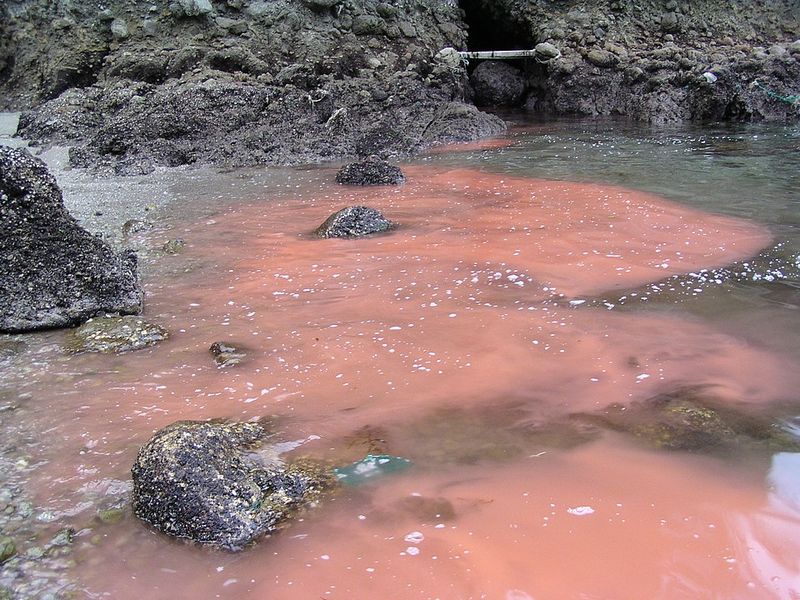
The water shifts from its usual turquoise to a murky brownish-red during heavy blooms. It does not happen every season, but when it does, the impact is immediate and hard to ignore.
Karenia brevis produces powerful neurotoxins called brevetoxins, and these are not just a problem in the water. Wind carries them into the air as tiny aerosol particles, turning a beach walk into a respiratory hazard.
The Florida Fish and Wildlife Conservation Commission actively monitors bloom density along the coast, and Bay County, where Mexico Beach sits, has seen its share of significant events.
Understanding what you are dealing with before you visit is genuinely useful. Checking current bloom reports from the Florida Fish and Wildlife Conservation Commission website before heading to the shoreline can save you a miserable afternoon and possibly a trip to urgent care.
The Airborne Toxins That Turn a Beach Day Into a Medical Event
Most people assume the ocean is safe to be near even if you are not swimming. Red tide breaks that assumption in a pretty dramatic way.
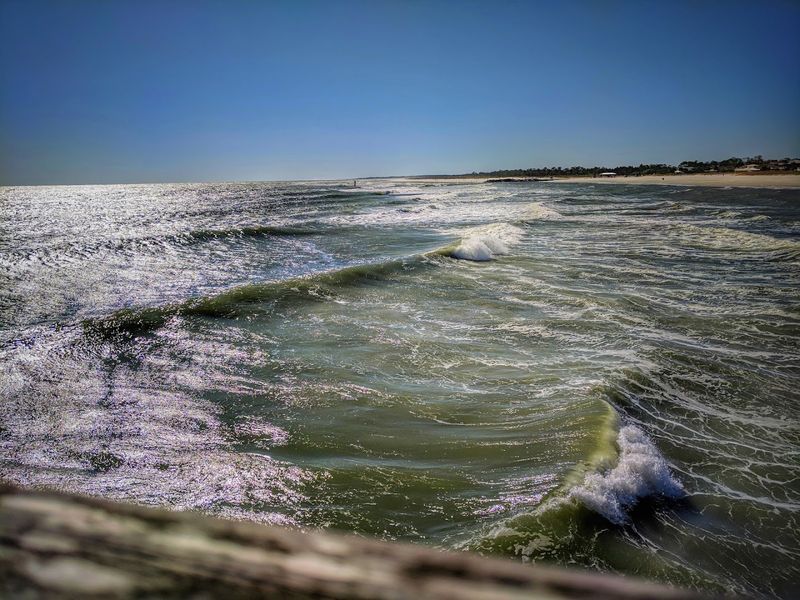
Brevetoxins become airborne when waves churn the surface, releasing microscopic particles that float freely in the coastal breeze.
You do not need to touch the water or even get close to the shoreline. Simply breathing the air near an active bloom can trigger coughing fits, throat irritation, and watery eyes within minutes.
For healthy adults, symptoms are usually temporary and clear up quickly after leaving the area. But for anyone with asthma, chronic obstructive pulmonary disease, or other respiratory conditions, exposure can escalate fast into something serious enough to require emergency care.
The American Lung Association has documented these effects thoroughly, noting that airborne brevetoxins are genuinely hazardous for vulnerable populations. If you feel your chest tightening or notice you cannot stop coughing near the beach, that is your body giving you a clear signal.
Move away from the coast, get indoors, and if symptoms persist, call the Florida Poison Information Center at 1-800-222-1222 or seek medical attention right away.
Recognizing the Warning Signs Before You Even Reach the Water

There is a particular smell that hangs in the air during a red tide event, something between rotting fish and a sharp chemical sting. It hits you before you even see the water, and once you know that smell, you never forget it.
Belly-up fish washing onto the shore is another early indicator. Brevetoxins attack the nervous systems of marine life, and fish losses are one of the most visible signs that a bloom is active and potent nearby.
Mexico Beach locals often know to check the color of the surf and the smell of the wind before heading out. Visitors, though, sometimes walk right into an active bloom without any idea what is happening.
The Florida Department of Health posts health advisories on its website when conditions become dangerous, and those updates are worth bookmarking if you are planning a trip to Bay County.
Physical warning signs on your body can include an itchy throat, burning eyes, or a dry cough that starts out of nowhere. Any one of those sensations near the Gulf shoreline during bloom season should prompt you to leave the beach area and move to an air-conditioned space as quickly as possible.
How to Protect Yourself If You Cannot Avoid the Area
Sometimes you are already in Mexico Beach when a red tide event flares up, and leaving immediately is not always an option. Knowing how to reduce your exposure makes a real difference in how your body handles it.
Wearing a particle filter mask, like an N95, significantly cuts down on how many airborne toxins you inhale. It is not a perfect solution, but it provides meaningful protection during short outdoor exposure periods.
Keeping car and home windows closed is genuinely helpful. Running air conditioning with clean, properly maintained filters keeps indoor air cleaner than outside air during an active bloom.
If you are staying at a rental near the beach, check that the air filters are not overdue for a change.
Avoid the beach entirely during peak wind hours when aerosols are most concentrated in the air. Early mornings with calm wind tend to be less intense than afternoons when sea breezes pick up.
Staying hydrated and rinsing off after any outdoor exposure near the coast also helps clear irritants from your skin and eyes. Being prepared does not ruin the trip.
It just means you get to enjoy more of it without ending up in a medical clinic.
What Mexico Beach Looks Like When Red Tide Rolls In
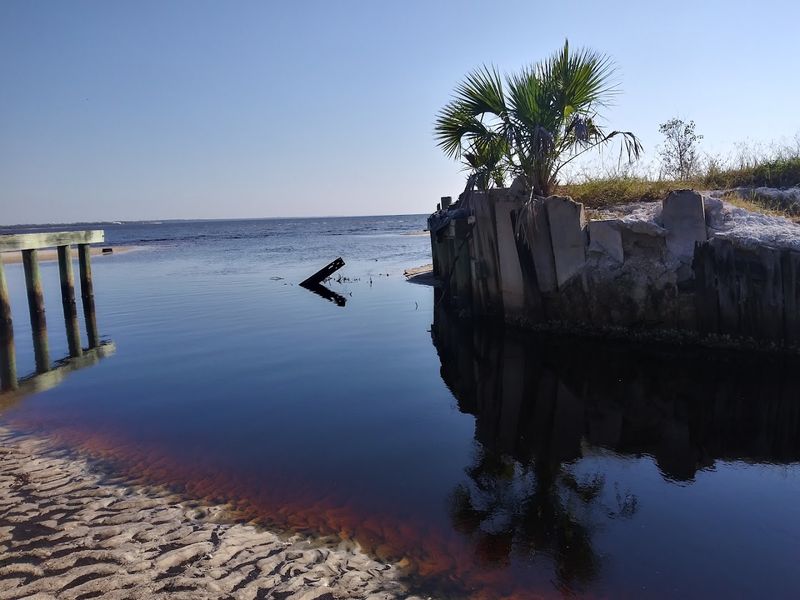
Mexico Beach has a quiet, unhurried character that sets it apart from busier Gulf Coast destinations. The town is small, the streets are lined with modest beach cottages, and the Gulf usually glitters in a shade of blue-green that feels almost unreal.
When red tide moves in, that picture shifts completely. The water turns a dull, reddish-brown, and the shoreline takes on an eerie stillness.
Beachgoers disappear. Seabirds act confused.
The usual hum of activity just stops.
There is something genuinely unsettling about seeing a place that beautiful go quiet so fast. I noticed it one afternoon when the beach I had visited that morning was completely empty by midday, with a faint haze sitting low over the water.
The town itself, set along US-98 in Bay County, still functions during bloom events. Restaurants and shops stay open, and the inland areas are far less affected by airborne toxins than the shoreline.
Mexico Beach is located at the intersection of community resilience and natural volatility, and the locals handle red tide with a matter-of-fact attitude that is almost admirable. They know this coast deeply, and they have learned to read its moods with real precision.
Who Is Most at Risk and What Doctors Want You to Know
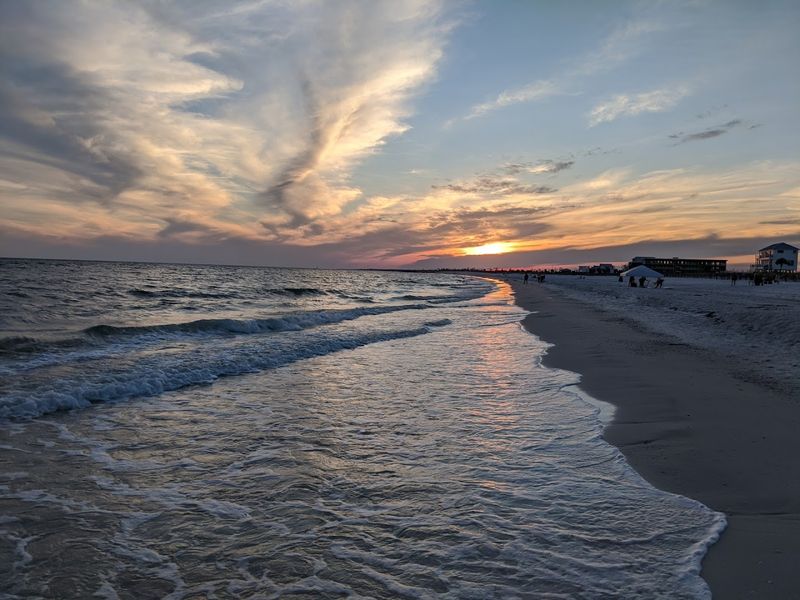
Not everyone reacts to red tide the same way, and that difference matters a lot when you are planning a coastal trip. Healthy adults might feel mild irritation and nothing more.
For others, the same air can trigger a serious health crisis.
Children, elderly individuals, and anyone with pre-existing respiratory conditions face the highest risk. Asthma sufferers in particular should treat active red tide zones the same way they would treat heavy air pollution days.
Exposure can cause bronchospasms that are difficult to manage without medical intervention.
Doctors and public health officials consistently advise these groups to avoid affected coastal areas entirely during active blooms. The Florida Department of Health publishes specific guidance for vulnerable populations, and it is not overly cautious advice.
It is grounded in documented cases of people needing hospitalization after prolonged exposure.
If you or someone in your group starts showing symptoms that do not improve after moving indoors, do not wait to see if it passes. Call the Florida Poison Information Center at 1-800-222-1222 for guidance, or head to the nearest urgent care facility.
Bay Medical Sacred Heart in Panama City is the closest major medical center to Mexico Beach and is well-equipped to handle respiratory emergencies.
Staying Informed and Planning Smarter Around Red Tide Season
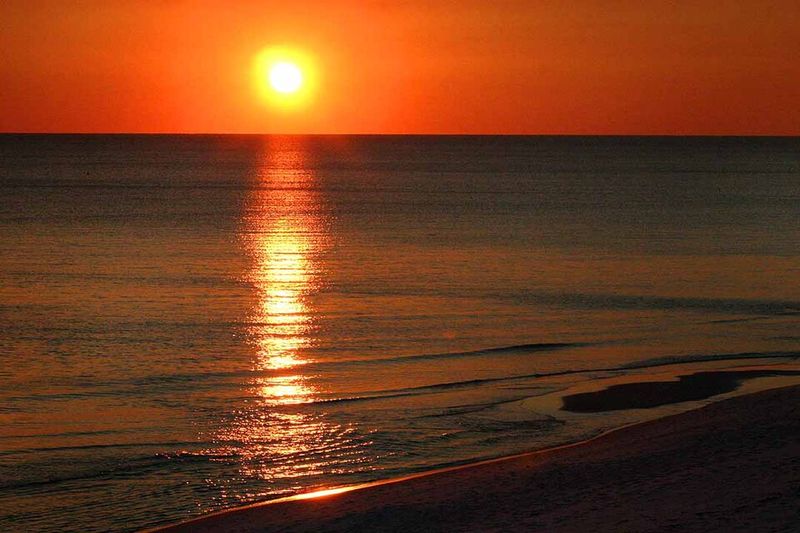
Red tide does not follow a strict calendar, but late summer through fall tends to be the most active period along Florida’s Gulf Coast. That window overlaps with peak travel season, which is why staying informed before and during your visit to Mexico Beach is so practical.
The Florida Fish and Wildlife Conservation Commission updates its red tide status map regularly, and it breaks conditions down by county. Bay County listings are easy to find, and the reports tell you whether a bloom is present, how dense it is, and whether health impacts are being reported onshore.
The Florida Department of Health also posts beach condition reports and health advisories that are straightforward to read. Signing up for email alerts or bookmarking these pages takes about two minutes and can genuinely shape your itinerary in a useful way.
Flexible travel plans work best in this part of Florida. Bloom conditions can shift within a day or two, so building in some flexibility means you can pivot to inland activities like fishing in the bay, exploring the nearby St. Joseph Peninsula State Park, or driving into Panama City if the shoreline becomes temporarily inaccessible.
Mexico Beach rewards the patient traveler who pays attention to what the Gulf is doing. Address: 201 Paradise Path, Mexico Beach, FL 32456.
