Spring on Florida’s Forgotten Coast feels like the whole world woke up at once. The water turns that clear green-blue, the air smells like salt and pine, and the fish seem to know exactly what time of year it is.
A random tip from a guy at a bait shop led to a spot that changed the way one visitor thinks about fishing destinations entirely. A lighthouse stands tall over a landscape that looks almost untouched, with marshes stretching out in every direction.
Redfish crash bait in the shallows. Speckled trout run the grass flats.
The whole place has this buzzing, alive energy that is hard to put into words. Every cast feels like it might be the one.
Every ripple on the surface could be something big. Florida has its famous coasts, the ones packed with condos and crowds.
This is not that coast. This is the quiet one, the one locals hope you never discover.
Spring is the season everything wakes up. The fish are waiting.
The question is whether you will show up.
Why Spring Is The Sweet Spot For Fishing The Forgotten Coast
Something shifts in late February along this stretch of Florida coastline that makes every angler pay attention. Water temperatures start climbing out of the low 60s, and the fish respond almost immediately. redfish that spent the cold months hanging deep in tidal creeks suddenly push onto the flats with purpose, feeding hard and moving fast.
The window from March through May is widely considered the most productive stretch of the year here. grass flats light up with activity, oyster bars become ambush points, and the whole ecosystem seems to hum with feeding energy. trout stack up in the same spots year after year, which means local knowledge pays off big.
Spring also brings comfortable temperatures for anglers. You are not fighting brutal summer heat or unpredictable winter cold fronts.
Early mornings are cool and still, perfect for working the flats before the breeze picks up. afternoon tides often bring a second wave of feeding, especially around the passes where moving water pushes bait into waiting mouths. This season rewards patience and rewards those who show up consistently.
The forgotten Coast does not disappoint when the conditions align like this.
Redfish On The Flats: Reading The Water Like A Local
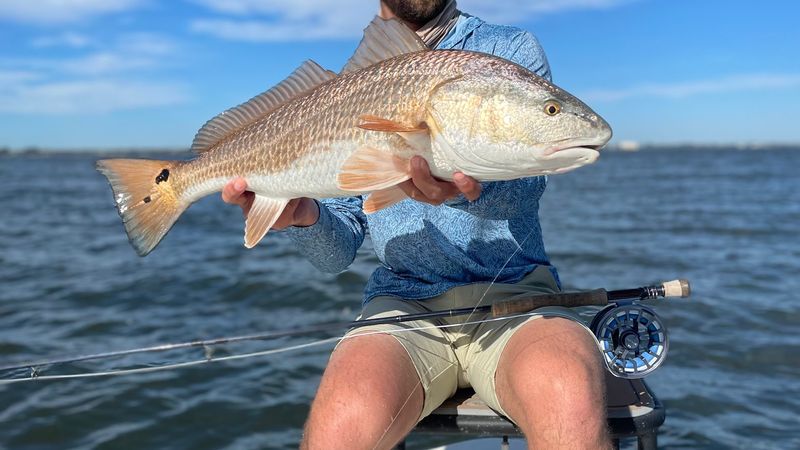
There is nothing quite like spotting a redfish tail sticking up out of a foot of water while the sun is just clearing the tree line. That coppery flash in the shallows is one of the most exciting sights in inshore fishing, and around St. Marks it happens with real regularity in spring. redfish here are not shy, but they are smart.
The grass flats near St. Marks National Wildlife refuge offer some of the most productive sight-fishing in North Florida. redfish cruise the edges of oyster bars and root through the grass looking for crabs and shrimp. A well-placed cast with a gold spoon or a soft plastic on a light jig head can produce explosive strikes that feel completely out of proportion to the size of the fish.
Reading the water matters more than gear here. Look for nervous water, birds working low over the surface, or subtle wakes moving against the current.
These are all signs that redfish are close. Wade quietly or pole your skiff slowly to avoid spooking fish in the skinny water.
The slower you move, the more fish you find. Local guides know these flats intimately and can make a huge difference for first-time visitors.
Speckled Trout: The Reliable Stars Of The Grass Flats
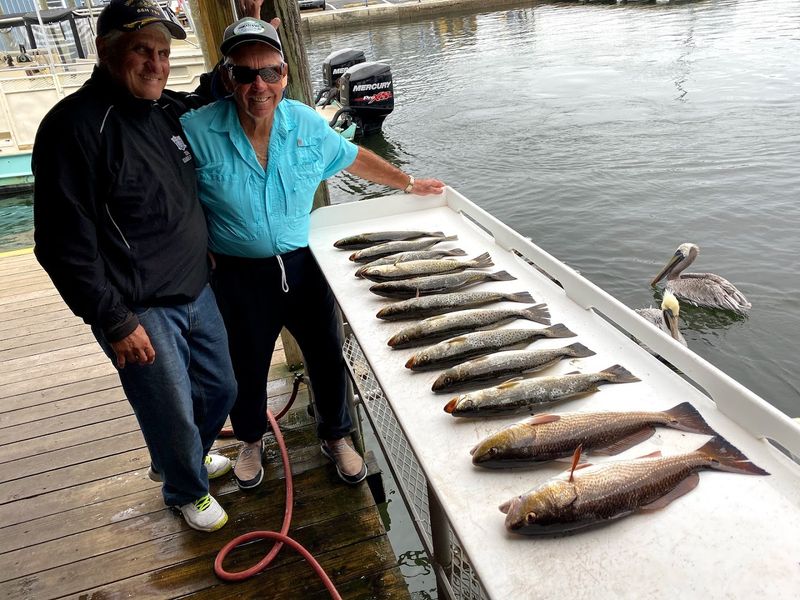
Ask any angler on the forgotten Coast what fish they count on most in spring, and speckled trout will come up almost every time. These fish are beautifully patterned, hard-fighting, and found in numbers that can make even a slow day feel productive.
They tend to hold over grass beds in water between two and five feet deep, which makes them very accessible from a kayak or a shallow-draft skiff.
trout respond well to a variety of presentations in spring. topwater plugs worked slowly in the early morning can trigger violent surface strikes that are genuinely thrilling to watch. Later in the day, switching to a paddle tail soft plastic on a quarter-once jig head near the bottom often picks up fish that have moved slightly deeper as the sun climbs.
One thing that makes trout fishing here special is the consistency. You can return to the same grass flat three days in a row and find fish each time, especially if tides are moving.
The St. Marks River mouth and the surrounding bays hold strong populations through the spring months. trout also tend to school up, so catching one often means more are nearby. Pay attention to the bottom structure and let the tide do the work.
The St. Marks Lighthouse: More Than Just A Landmark
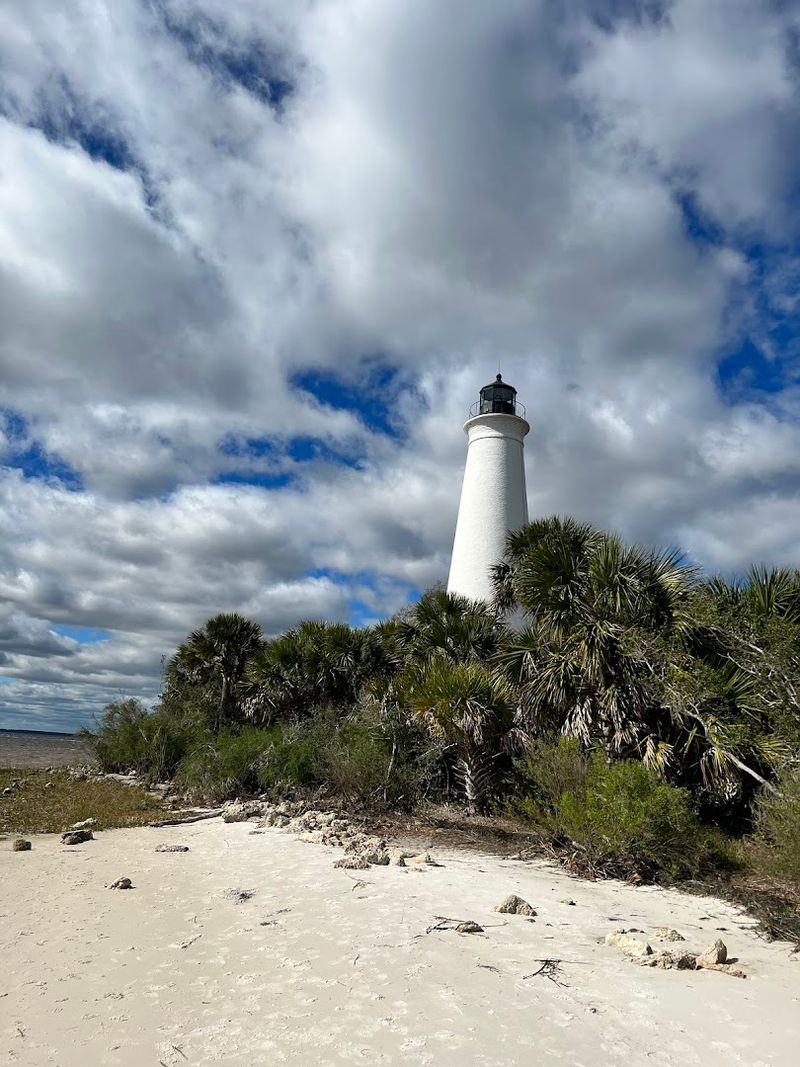
The St. Marks lighthouse has been standing at the end of 255 lighthouse Road since 1831, and it still draws people in like a magnet. Built from limestone quarried right on site, it is one of the oldest lighthouses in Florida and one of the most photogenic spots on the entire Gulf coast. fishing near the lighthouse grounds adds a layer of atmosphere that is hard to replicate anywhere else.
The waters around the lighthouse sit within the St. Marks National Wildlife refuge, which means they are protected and relatively undisturbed. That protection pays dividends for anglers.
The flats here see less pressure than many spots further east, and the fish tend to be less wary as a result. Early mornings near the lighthouse channel can produce both redfish and trout in the same short stretch of water.
Beyond the fishing, the refuge itself is worth exploring. The drive down lighthouse Road takes you through pine flatwoods, freshwater impoundments, and salt marsh habitats that feel genuinely wild. birds are everywhere in spring, including osprey, roseate spoonbills, and great blue herons that seem completely unbothered by human presence.
The whole area has a quiet, unhurried quality that makes it easy to stay longer than planned.
Gear Up Right: Tackle Tips For Inshore Success
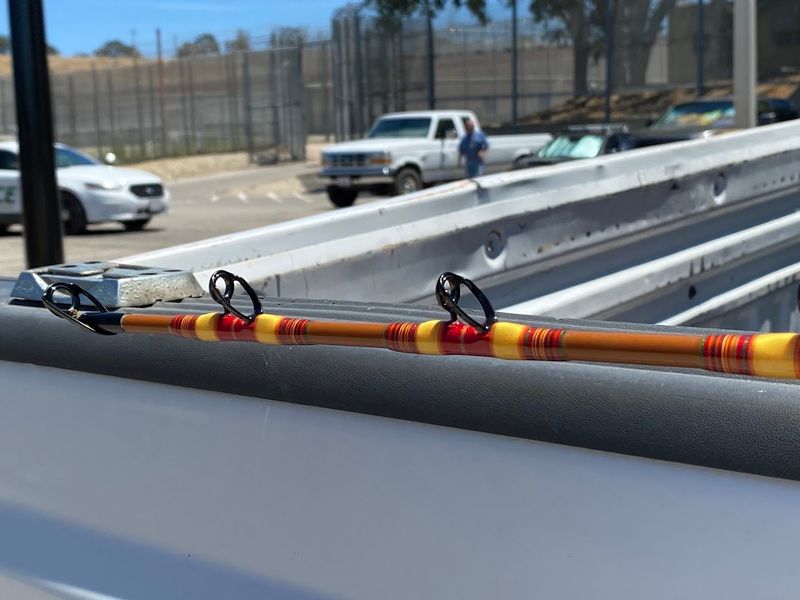
Getting your gear dialed in before you hit the flats makes a real difference in how many fish you connect with. For redfish and trout in spring, light to medium spinning tackle in the 2500 to 3000 reel size range handles the job well.
Most local anglers spool up with 10 to 20 pound braided line and add a fluorocarbon leader of around 20 to 30 pound test to reduce visibility near the bait.
soft plastic paddle tails in natural colors like shrimp, mullet, and chartreuse are consistent producers throughout the spring season. Gold spoons are a go-to for redfish, especially in murky water where flash and vibration help fish locate the lure. topwater plugs like a walking bait or a popper work beautifully on calm mornings when trout are actively feeding near the surface.
Keep your tackle simple and versatile rather than loading up with every lure in the shop. A small selection of proven baits in a few sizes covers most situations you will encounter.
Live shrimp fished under a popping cork remains one of the most effective presentations for both species, particularly when the bite gets tough. Check local regulations on hook size and bait restrictions before heading out, as rules can vary by area and season.
Beyond The Cast: Exploring St. Marks And The Surrounding Area
St. Marks is the kind of town that sneaks up on you. It is small enough to feel like a secret but has just enough character to keep you busy between fishing sessions.
The waterfront area along the St. Marks River has a relaxed, unhurried energy that feels genuinely authentic rather than manufactured for tourists.
The St. Marks River itself is worth exploring by kayak or canoe if you have the time. The upper reaches pass through cypress-lined banks and open into wide, shallow bays that hold fish and wildlife in equal measure.
Spring is an especially beautiful time to paddle here, with wildflowers blooming along the banks and birds nesting in the trees overhead.
The nearby town of Newport sits just a few miles north and offers a convenient stop for supplies and local knowledge. The whole region sits along the Florida National scenic Trail, which passes directly through the wildlife refuge and offers excellent hiking through longleaf pine and coastal scrub habitats.
Whether you spend your evenings walking the trails or simply sitting on the dock watching the sun go down over the marsh, the forgotten Coast has a way of slowing time down in the best possible way. It is the kind of place you plan to visit once and end up returning to every spring.
Planning Your Trip: What To Know Before You Go
A little preparation goes a long way on the forgotten Coast, especially during the busy spring season when fishing pressure picks up and boat ramps can get crowded on weekends. The St. Marks boat ramp near the wildlife refuge is a popular launch point and fills up early on Saturday and Sunday mornings. arriving before sunrise gives you the best chance at open parking and calm water before the wind builds.
Florida fishing licenses are required for anyone 16 and older, and they are easy to purchase online through the Florida Fish and Wildlife Conservation Commission website before your trip. Always review current size and bag limits for redfish and trout before heading out, as regulations are updated periodically.
The minimum size for redfish in this region is 18 inches, and a slot limit applies, so a measuring device on the boat is essential.
Local bait shops are worth stopping at even if you already have everything you need. The staff at these shops often have up-to-the-minute reports on where fish are holding and what they are eating. booking a half-day charter with a local guide is one of the best investments a first-time visitor can make. guides know the tides, the spots, and the subtle details that turn a good trip into a great one.
Address: 255 Lighthouse Road, St. Marks, FL 32355.
