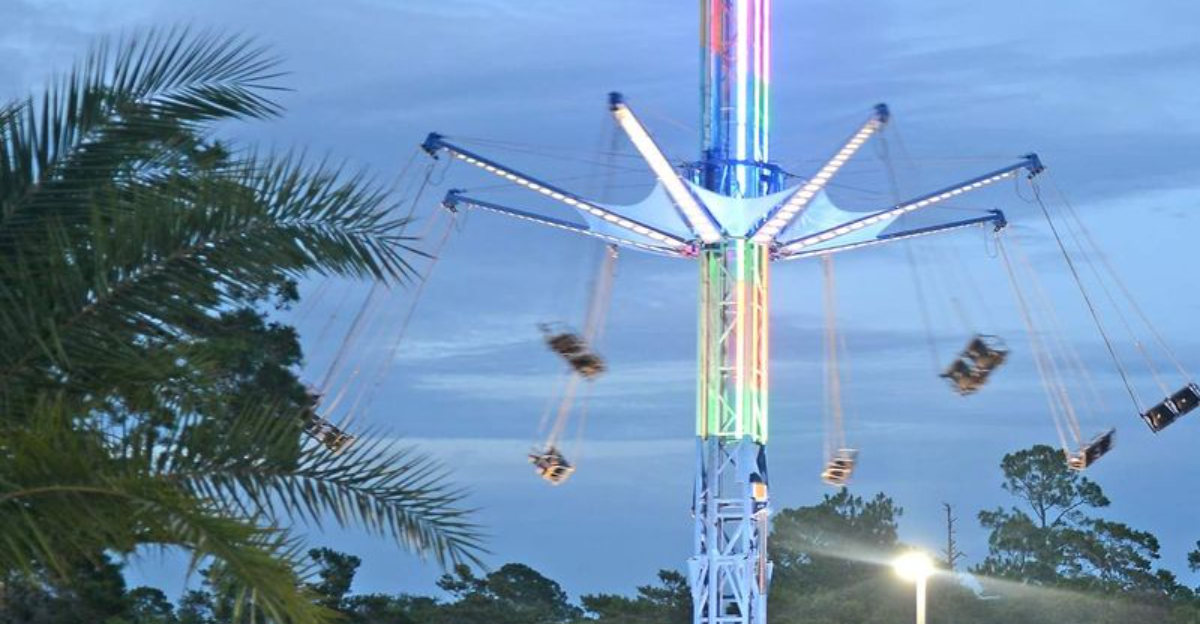
Florida is famous for its theme parks and sunny beaches, but hidden beneath the surface lies a fascinating world of forgotten attractions.
Across the state, abandoned parks sit quietly, holding stories of joy, innovation, and dreams that once drew thousands of visitors.
These forgotten places offer a glimpse into Florida’s past, showcasing the rise and fall of entertainment ventures that couldn’t stand the test of time.
From overgrown water slides to crumbling animal exhibits, each location tells a unique tale of ambition and decline.
Exploring these hidden gems reveals how quickly nature reclaims what humans leave behind.
Some parks closed due to financial struggles, while others faced safety concerns or simply lost their appeal to newer attractions.
Walking through these abandoned spaces feels like stepping into a time capsule, where rusted rides and faded signs whisper memories of laughter and excitement.
Understanding these forgotten parks helps us appreciate the challenges of running entertainment businesses and the importance of preservation.
Join us as we uncover eight of Florida’s most intriguing abandoned parks, each with its own remarkable history waiting to be rediscovered.
1. Splendid China
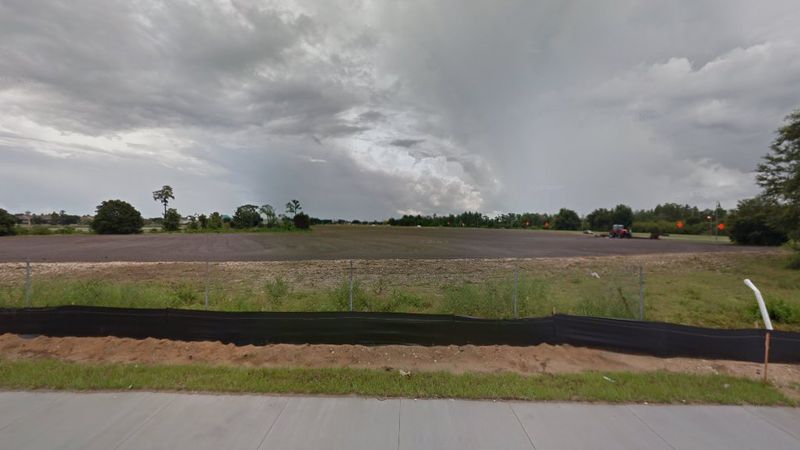
Once a vibrant celebration of Chinese culture, Splendid China opened its gates in 1993 near Orlando, promising visitors an unforgettable journey through miniature versions of China’s most iconic landmarks.
The park featured over 60 meticulously crafted replicas, including the Great Wall, Forbidden City, and Terra Cotta Warriors, all built at a 1:15 scale.
Located at 3000 Splendid China Boulevard, Kissimmee, FL 34747, the attraction sprawled across 76 acres of carefully landscaped grounds.
Despite its impressive displays and cultural performances, the park struggled to attract consistent crowds in a region dominated by Disney and Universal Studios.
Controversy also plagued the attraction, as human rights activists protested its ties to the Chinese government and its portrayal of Tibet.
These ongoing protests, combined with declining attendance, forced the park to close permanently in 2003 after just a decade of operation.
Today, nature has reclaimed much of the property, with vines crawling over miniature palaces and trees sprouting through cracked pathways.
The once-colorful structures now stand as eerie monuments to failed ambition, their paint peeling and details fading under the relentless Florida sun.
Trespassers who brave the overgrown grounds report finding broken statues, collapsed buildings, and remnants of gift shops frozen in time.
The site remains a popular destination for urban explorers and photographers seeking to capture the haunting beauty of abandonment.
Security patrols still monitor the property, but that hasn’t stopped curious adventurers from documenting the park’s decay.
Splendid China serves as a powerful reminder that even the most ambitious projects can crumble when vision doesn’t align with market demand and public sentiment.
2. Six Gun Territory
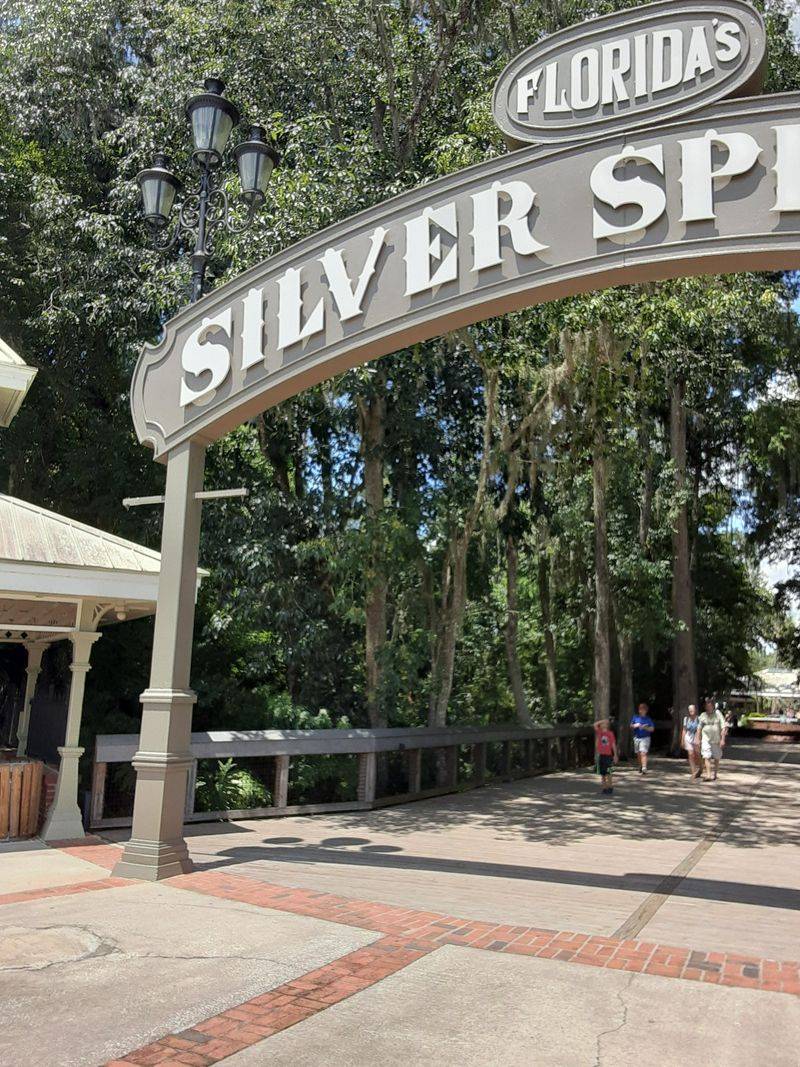
Step back into the Old West at what remains of Six Gun Territory, a themed attraction that transported families to frontier days complete with gunfights, saloons, and stagecoach rides.
Opening in 1963 at 6000 East State Road 60, Silver Springs, FL 34488, this Wild West park offered an immersive experience during the golden age of roadside attractions.
Guests could watch live shootouts, pan for gold, and explore authentic-looking frontier buildings that captured the spirit of America’s western expansion.
The park thrived throughout the 1960s and 1970s when families traveling along Florida’s highways eagerly sought unique entertainment stops.
Children loved the petting zoo and pony rides, while adults enjoyed the comedy shows and themed restaurants serving hearty frontier fare.
However, as major theme parks like Disney World opened nearby, smaller attractions like Six Gun Territory found themselves unable to compete with such polished, large-scale entertainment.
Financial difficulties mounted through the 1980s, and despite efforts to modernize and attract new visitors, the park closed its doors in 1984.
For years, the property sat abandoned, with wooden storefronts slowly rotting and tumbleweeds literally blowing through the ghost town setting.
The irony wasn’t lost on locals; a fake ghost town had become a real one.
Much of the original structure has since been demolished or repurposed, but traces of the Old West theme still linger in the area.
Old-timers remember the excitement of watching cowboys and outlaws stage dramatic battles in the dusty streets.
Six Gun Territory represents an era when simpler, story-driven attractions could captivate audiences before technology and massive budgets became entertainment industry standards.
3. Boardwalk and Baseball
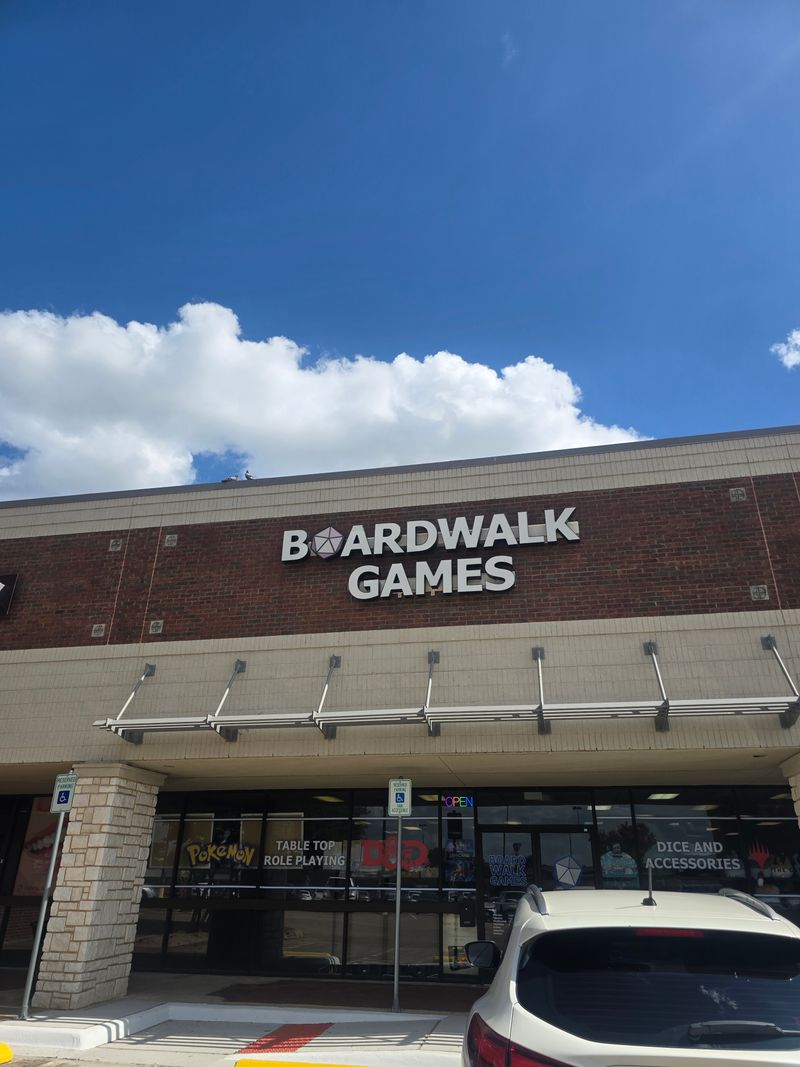
Combining America’s favorite pastime with classic carnival fun, Boardwalk and Baseball attempted to create a unique entertainment destination that honored both baseball history and amusement park thrills.
The park opened in 1987 at 3800 Cypress Gardens Boulevard, Winter Haven, FL 33884, on the former site of Circus World, bringing fresh energy to a location that had already seen one failed attraction.
Visitors could explore a baseball museum, watch spring training games, and enjoy traditional boardwalk rides all in one convenient location.
The concept seemed promising, especially with its nostalgic boardwalk theme featuring wooden coasters, arcade games, and classic fair food.
A regulation baseball stadium hosted Kansas City Royals spring training, adding legitimacy and drawing sports fans to the complex.
The park’s designers hoped this dual appeal would attract both families seeking amusement park excitement and baseball enthusiasts wanting a taste of spring training atmosphere.
Unfortunately, the formula never quite clicked with Florida tourists, who preferred either dedicated theme parks or pure sports venues.
The split focus meant neither aspect received enough investment to truly excel, leaving visitors feeling the experience was incomplete.
After just three years of disappointing attendance and mounting losses, Boardwalk and Baseball closed in 1990, making it one of Florida’s shortest-lived major attractions.
The property eventually became part of Cypress Gardens, which itself later transformed into Legoland Florida.
Few traces remain of the baseball stadium or boardwalk attractions that once occupied this space.
Boardwalk and Baseball stands as a cautionary tale about the dangers of trying to be everything to everyone, proving that even creative concepts need clear market positioning to survive in Florida’s competitive entertainment landscape.
4. River Country
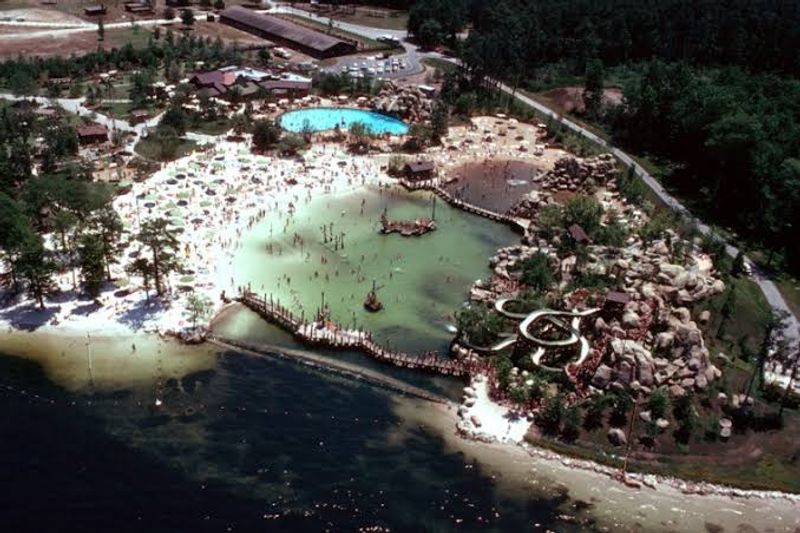
Even Disney isn’t immune to failure, as evidenced by River Country, the company’s first water park that now sits abandoned and slowly decaying on Walt Disney World property.
Located at 4510 North Fort Wilderness Trail, Lake Buena Vista, FL 32830, this rustic-themed water attraction opened in 1976, offering a more natural swimming experience compared to today’s elaborate water parks.
The park featured water slides, rope swings, and a massive pool that actually drew filtered water from adjacent Bay Lake.
River Country’s design embraced a wilderness aesthetic, with wooden structures, sandy beaches, and a laid-back atmosphere that contrasted with Disney’s more polished attractions.
Families loved the relaxed environment where kids could splash freely while parents lounged on the beach-like shores.
For two decades, the park served as a popular retreat for Disney resort guests seeking relief from Florida’s intense summer heat.
However, concerns about waterborne bacteria led Disney to stop using lake water in the early 1990s, requiring expensive infrastructure changes.
The park closed temporarily after a guest death in 1980 and again following a bacterial outbreak scare, though these closures weren’t officially cited as the main reasons for its eventual shutdown.
Competition from newer, larger water parks like Typhoon Lagoon and Blizzard Beach ultimately made River Country obsolete.
Disney closed the attraction in 2001, claiming it was temporary, but the park never reopened.
For years, the abandoned water slides and empty pools remained visible to guests on boats crossing Bay Lake, creating an eerie contrast to Disney’s typically pristine image.
Disney finally demolished most structures in 2019, but River Country’s legacy reminds us that even magic kingdoms must adapt or face abandonment.
5. Weeki Wachee Springs Underwater Theater
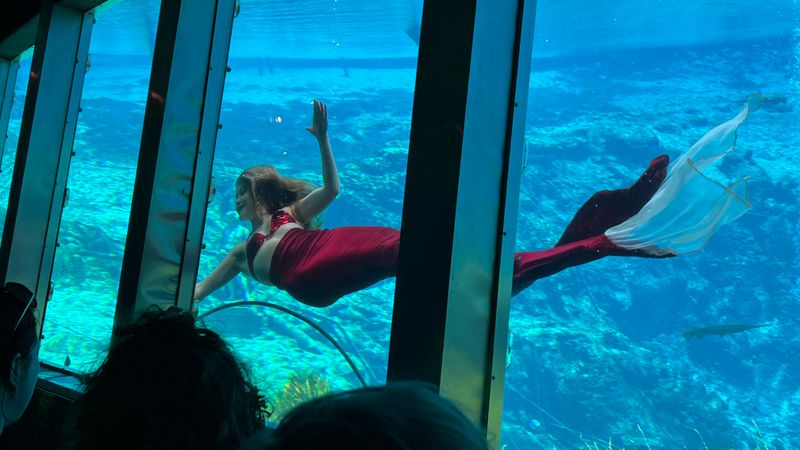
Mermaids performing underwater ballet might sound like fantasy, but at Weeki Wachee Springs, this enchanting spectacle became reality for millions of visitors over several decades.
The attraction at 6131 Commercial Way, Weeki Wachee, FL 34606, opened in 1947, featuring real women performing choreographed routines while breathing through air hoses in a natural spring.
The underwater theater, built directly into the spring, allowed audiences to watch through large glass panels as mermaids gracefully swam, ate, and drank underwater.
During its heyday in the 1950s and 1960s, Weeki Wachee became one of Florida’s most popular roadside attractions, drawing celebrities and tourists alike.
The performances were genuinely impressive, requiring athletes with exceptional swimming skills and lung capacity to execute complex routines.
Young women came from across the country hoping to become mermaids, and those selected underwent rigorous training to perfect their underwater techniques.
As interstate highways bypassed the old coastal roads and massive theme parks dominated Florida tourism, Weeki Wachee’s visitor numbers declined dramatically.
The park struggled financially through the 1990s and early 2000s, changing ownership multiple times and facing possible closure.
While the mermaid shows continue today as a state park attraction, many original buildings and facilities sit abandoned around the property.
Old dressing rooms, ticket booths, and maintenance buildings now stand empty, covered in vegetation and slowly crumbling.
These forgotten structures tell the story of an era when simple, creative attractions could capture America’s imagination.
Weeki Wachee’s partial abandonment illustrates how tourism trends shift, leaving behind physical reminders of entertainment concepts that once seemed timeless but couldn’t adapt to changing visitor expectations and competition.
6. Miracle Strip Amusement Park
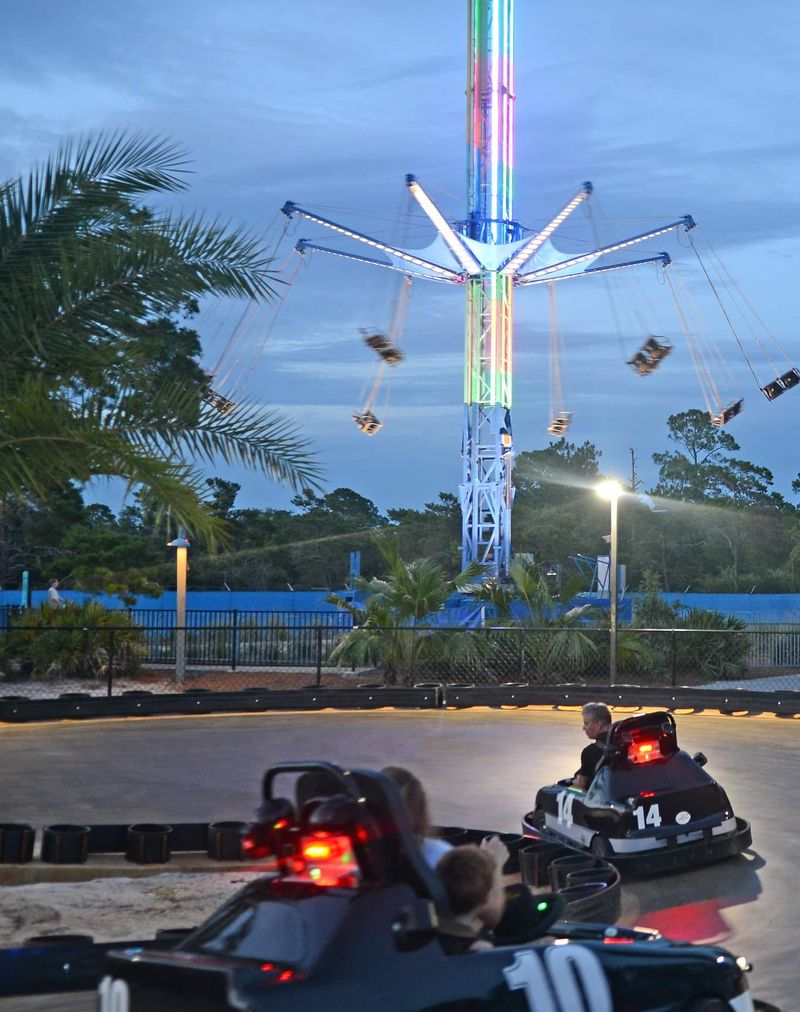
For over four decades, Miracle Strip Amusement Park served as Panama City Beach’s premier entertainment destination, offering classic rides and beachfront fun that defined summer vacations for countless families.
The park operated at 12000 West Highway 98A, Panama City Beach, FL 32407, right along the famous white sand beaches that attract millions of tourists annually.
Opening in 1963, the park featured a wooden roller coaster, Ferris wheel, bumper cars, and numerous other attractions that captured the spirit of traditional American amusement parks.
The beachfront location gave Miracle Strip a unique advantage, allowing visitors to easily transition between ocean swimming and carnival rides.
Families could spend entire days enjoying the park’s offerings, from kiddie rides for toddlers to thrilling attractions for teenagers and adults.
The park’s relaxed atmosphere and affordable pricing made it accessible to working-class families seeking vacation entertainment without breaking their budgets.
Rising property values along Panama City Beach eventually sealed the park’s fate, as developers eyed the valuable beachfront real estate for condominium projects.
The owners faced increasing pressure to sell, and maintenance costs for aging rides continued climbing each year.
In 2004, Miracle Strip closed permanently, ending an era and leaving many locals heartbroken over losing a beloved community landmark.
The property was quickly cleared for redevelopment, with condominiums now occupying the former park grounds.
However, some rides were saved and relocated to a new, smaller Miracle Strip at Pier Park, attempting to preserve the legacy.
The original park’s closure demonstrates how economic forces can erase cultural landmarks, prioritizing development profits over community history and the intangible value of shared memories spanning multiple generations.
7. Cypress Gardens Adventure Park
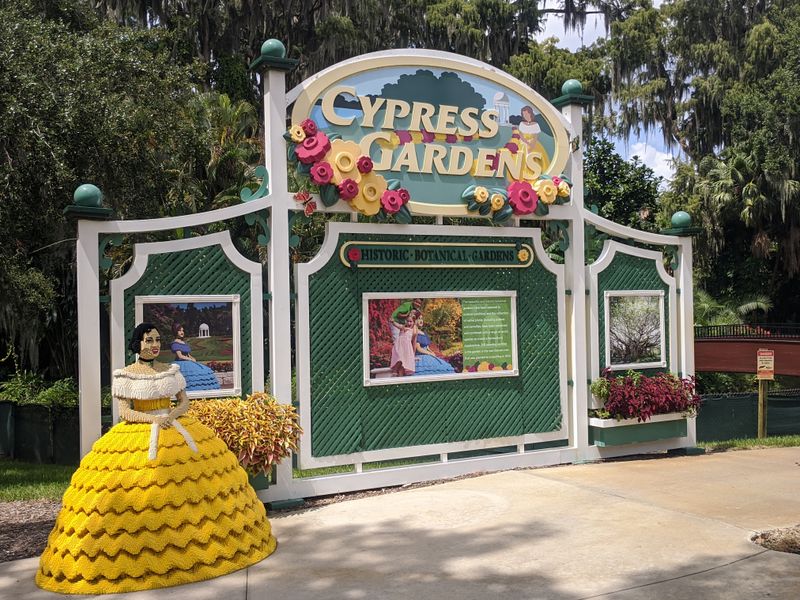
Before it transformed into Legoland Florida, Cypress Gardens went through multiple identities, closures, and ownership changes that left portions of this historic attraction abandoned and forgotten.
Located at 6000 Cypress Gardens Boulevard, Winter Haven, FL 33884, the park originally opened in 1936 as a botanical garden featuring stunning plant collections and famous water ski shows.
For decades, Cypress Gardens represented Florida tourism at its finest, showcasing the state’s natural beauty and entertaining visitors with Southern belle greeters and spectacular aquatic performances.
The gardens flourished through the mid-20th century, becoming internationally recognized for their horticultural displays and innovative water skiing stunts.
Photographers flocked to capture the park’s picturesque scenery, and the water ski shows set world records that brought prestige and attention.
However, competition from modern theme parks gradually eroded the attraction’s appeal, and several ownership changes in the 1980s and 1990s brought instability and declining investment.
The park closed in 2003, reopened as Cypress Gardens Adventure Park in 2004 with added thrill rides, then closed again in 2009 during the economic recession.
During these closure periods, beautiful gardens became overgrown, rides sat rusting, and buildings deteriorated from neglect.
Visitors who explored the abandoned property during these dark periods described an eerie atmosphere where nature reclaimed manicured landscapes and silence replaced the sounds of happy crowds.
Legoland purchased and renovated the property in 2011, preserving some historic elements while removing others.
Portions of the original Cypress Gardens remain accessible, but many areas were demolished or completely transformed.
This cycle of closure, decay, and reinvention illustrates the constant evolution required for Florida attractions to survive in an industry where yesterday’s innovation quickly becomes tomorrow’s obsolete relic.
8. Pirates World
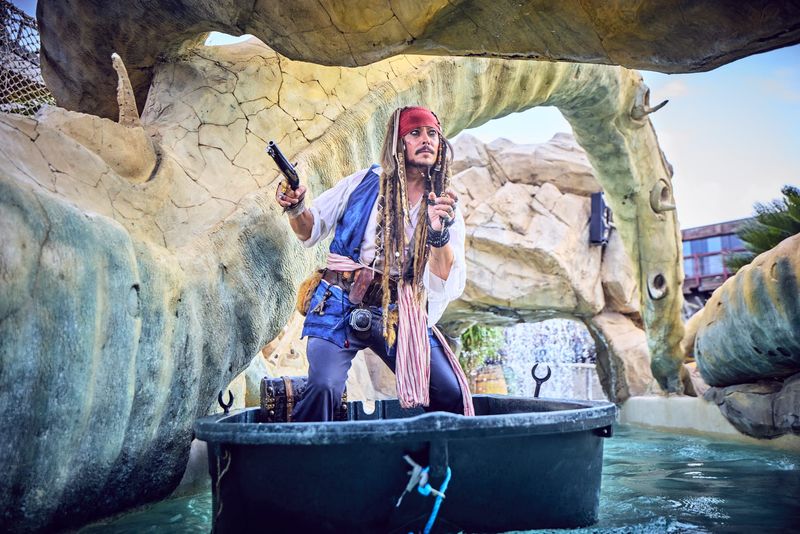
Ahoy, mateys! Pirates World once invited families to experience swashbuckling adventures at South Florida’s first major theme park, complete with pirate ships, themed attractions, and live entertainment celebrating seafaring outlaws.
The park opened in 1967 at 7000 Southwest 50th Street, Dania Beach, FL 33314, hoping to capture some of Disney’s magic with a distinctive pirate theme years before “Pirates of the Caribbean” became a blockbuster franchise.
Guests could explore replica ships, watch stunt shows featuring sword fights, and enjoy rides with nautical themes that brought pirate legends to life.
During its early years, Pirates World successfully attracted South Florida families looking for local entertainment options without traveling to Orlando.
The park featured a mix of gentle rides for children and more thrilling attractions for teenagers, all wrapped in the colorful pirate aesthetic.
Live performances included comedy acts, musical shows, and dramatic reenactments of famous pirate battles that kept audiences entertained throughout the day.
Despite initial success, Pirates World struggled to maintain attendance as competition increased and the pirate theme alone couldn’t sustain interest.
The park underwent a major rebranding in 1975, becoming “Pirate’s World” with less emphasis on the theme and more focus on contemporary rides and concerts.
This identity crisis confused potential visitors and diluted the park’s unique appeal, leading to continued financial struggles and eventual closure in 1975 after less than a decade of operation.
The property sat abandoned for several years before being demolished and redeveloped for commercial use.
Today, a shopping center occupies the former pirate kingdom, with no visible traces remaining of the ships and treasure that once entertained thousands.
Pirates World’s brief existence reminds us that theme alone cannot guarantee success; attractions need constant innovation, marketing, and the ability to compete with larger, better-funded entertainment venues.
Dear Reader: This page may contain affiliate links which may earn a commission if you click through and make a purchase. Our independent journalism is not influenced by any advertiser or commercial initiative unless it is clearly marked as sponsored content. As travel products change, please be sure to reconfirm all details and stay up to date with current events to ensure a safe and successful trip.
