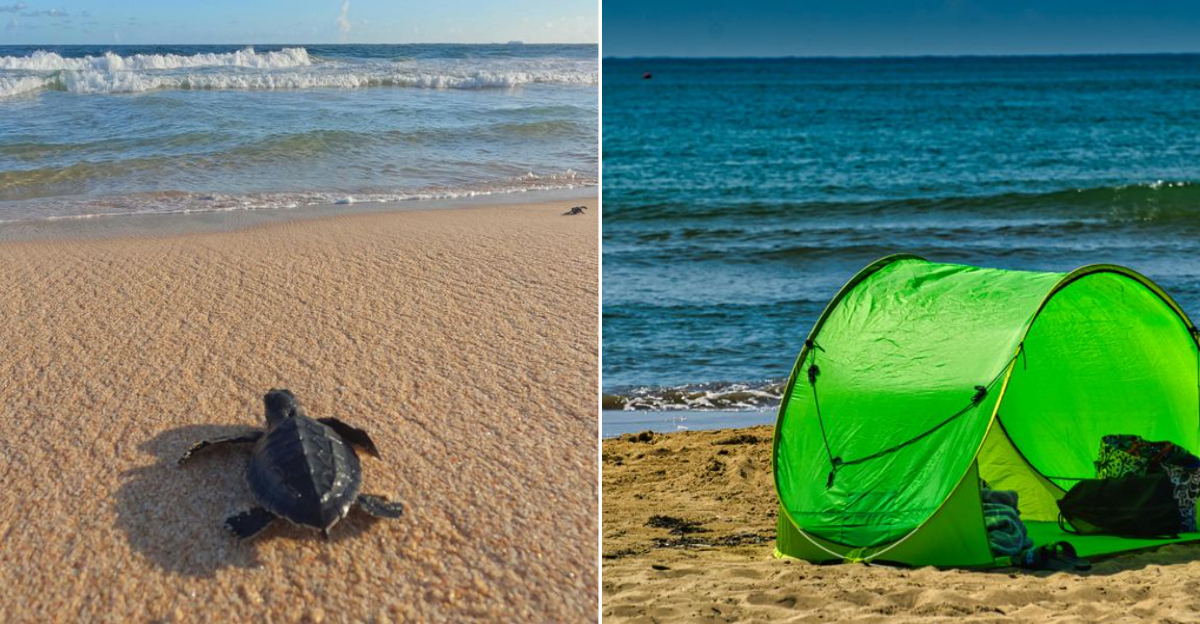
Just when you think a beach walk in Florida is simple, the turtle rules kick in. Florida’s Marine Turtle Protection Act makes beach behavior surprisingly specific, because disturbing, harassing, or messing with sea turtles, hatchlings, nests, or eggs is illegal.
That means no touching nests, no stepping into marked areas, and no getting cute with photos if it changes how the animals move. Light is the big one people forget, since bright flashes, phone lights, and beach-facing lighting can disorient turtles and hatchlings, which is why FWC pushes strict lighting behavior.
The safest play is to keep your distance, keep lights off or shielded, and let the beach stay dark and calm, especially during nesting season. It feels picky until you realize one careless moment can wreck a nest night for an animal that already has a tough job.
Florida Marine Turtle Protection Act Basics, What It Protects

Before you toss a towel on the sand, it helps to know how specific Florida gets about sea turtles. The Marine Turtle Protection Act is not just a feel good idea, because it actually protects living turtles, their nests, and their eggs from any kind of taking, messing with, or bothering.
Think of it as the beach version of please do not touch, except it covers everything from footprints over a dune to curious hands near a marked nest.
What counts as protected is broader than folks expect, and that is kind of the point. You are not supposed to move turtle eggs, collect shells that look like egg fragments, or poke around a fresh crawl, even if you are careful.
The law treats the whole nesting scene as sensitive habitat, which means you keep a respectful distance and let the specialists handle anything that looks unusual.
If a turtle is on the beach, you give it more space than you think you need and stay behind it, because it is easy to scare a nesting female back to sea. If you stumble on hatchlings, resist the urge to pick them up or light their way.
Florida takes this seriously, and honestly, the calm energy of doing it right makes the beach feel better for everyone.
What Counts As Disturbing A Sea Turtle

Here is where folks get tripped up, because disturbing a turtle is not only about touching. Quick movements, hovering too close, or blocking the turtle’s path can all count as harassment, even when you think you are being quiet.
If you alter what the turtle would normally do, that is a problem, and the safest choice is always to slow down, step back, and watch from a calm distance.
Sound matters more than you think, especially on still nights when every whisper carries. Loud laughter, running kids, and excited groups can push a turtle to abandon nesting when she was almost there.
If that happens, the energy she used is wasted, and the nest never gets made, which is exactly what the law is trying to prevent.
Getting low, staying behind, and never surrounding the turtle are easy habits that make a big difference. Keep pets off the beach during nesting hours, because curious noses and wagging tails feel like pressure to a wild animal.
When in doubt, pretend you are wildlife staff setting the example, and you will feel that relaxed Florida rhythm where you are present, respectful, and still totally part of the night.
Nest Markers And Why You Must Stay Back

Those little wooden stakes with bright tape are not decoration, and they are not a suggestion. They mark an active or protected nest area that should not be touched, crossed, or leaned on, even when the line looks tempting for a photo.
The space around the markers protects the actual egg chamber and also the routes hatchlings might take when they emerge and beeline for the water.
Staying back helps preserve scent and sand structure that professionals might need to read later. Tracks, moisture, and subtle indentations can tell a story that informs monitoring, so keeping your steps outside the marked zone really matters.
If you want a closer look, use your eyes and zoom with a camera from way back, because the best shot is the one that does not risk a collapse.
If you see a damaged marker, do not try to fix it, since moving a stake can push into the nest or send people the wrong way. Call the local non emergency number or the beach management office and describe what you see.
Florida communities handle these calls all the time, and you will feel pretty good knowing you kept the nest safe without improvising.
Lights Out Rules That Change Night Beach Habits
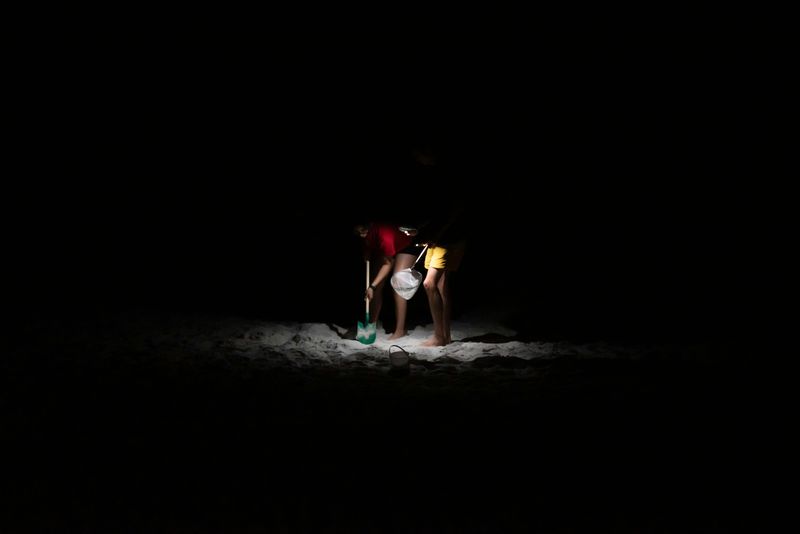
The night beach looks different here on purpose, because light can flip turtle instincts the wrong way. Buildings switch to warm, shielded fixtures that face away from the sand, and beach access lights are dim or absent so the horizon stays the brightest line.
That contrast matters, since hatchlings are wired to head for the glow over the open water and not the condo balcony.
For you, it means learning to enjoy the darkness without lighting up the whole scene. Leave bright flashlights inside, or use a careful red filtered beam pointed down if allowed by local rules.
Even then, keep it brief, cover the lens with a hand when you stop, and let your night vision do more of the work.
Inside rentals, close curtains facing the beach and keep TVs and lamps from spilling onto the sand. Exterior lights should be down shielded or switched off when you can, because you will notice how peaceful it feels once the glare is gone.
Florida coasts feel wilder and more honest this way, and that is a pretty great trade for a darker walk.
Flash Photos And Phone Lights That Can Cause Problems
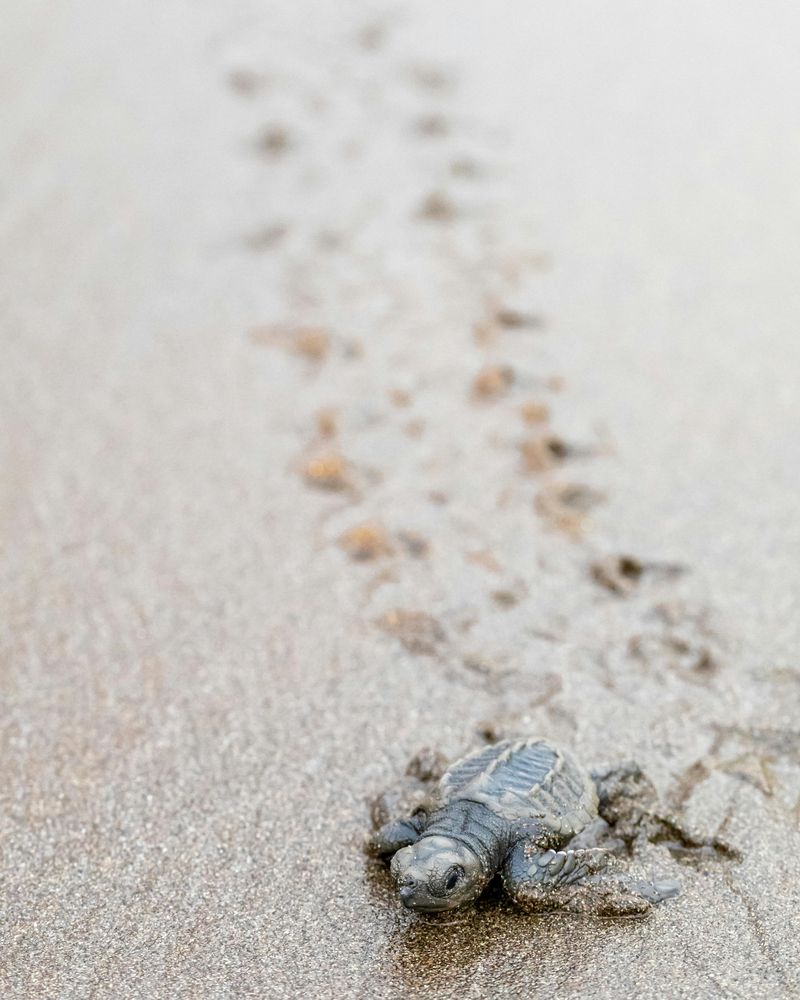
I get it, the urge to grab a quick shot is strong, but flash on a dark beach is a big no. That sudden burst can spook a nesting turtle or send hatchlings pointed inland, and a phone’s flashlight is just as disruptive when it cuts across the sand. If you want a memory, switch off the flash, lower the brightness, and take a wide, grainy photo from way back that feels like the night you are in.
Better yet, pocket the phone and make it a story you tell later. The quiet, the shuffle of flippers, and the soft scrape of sand do not translate well to a screen anyway.
You will remember more when you are not fussing with settings, and you will keep the beach vibe calm for the next person walking up.
If someone around you forgets, a gentle reminder about turtle rules usually does the trick. People do not want to be the reason a nest fails, and the social cue lands fast.
Florida visitors figure it out quickly, and the beach turns into an easy team effort.
Chairs, Tents, And Holes That Become Turtle Obstacles
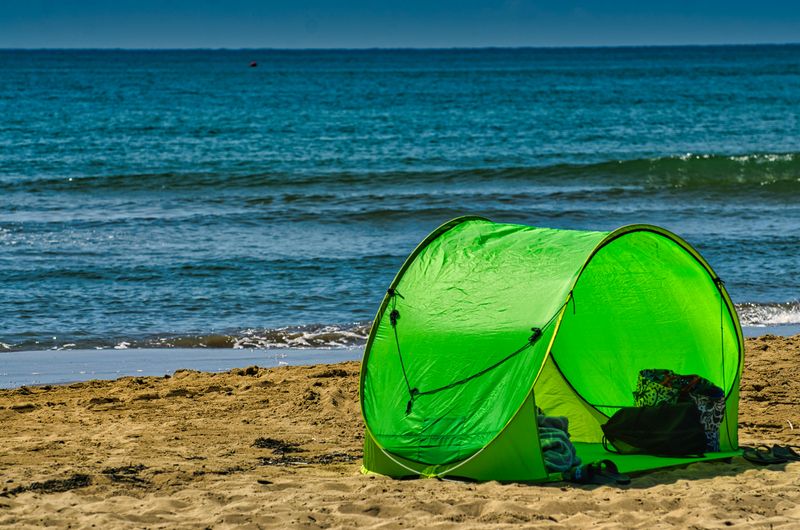
The daytime habit that matters most is cleaning your footprint before you leave. Chairs, umbrellas, and little shade tents can block a nesting turtle or trap hatchlings as they scramble downslope, and even shallow holes become pits that are hard to escape.
If you dig, fill it back, knock down sand castles, and stack your gear well above the wrack line or carry it off the beach.
Trash and loose string are sneaky hazards you do not notice until you find a tangle near the waterline. Pick up plastic, deflate toys, and pull down kite lines so nothing loops around a flipper later.
You will feel a little proud carrying extra litter to a bin, and that small effort really adds up along long stretches of Florida coast.
Night crews sometimes move furniture off popular nesting zones, but it is on all of us to leave the sand clear. If your rental sets out chairs, bring them back before dusk, because an empty beach gives turtles room to choose their spot.
Think of it like rolling up the welcome mat, then letting the locals have the floor.
What To Do If You See A Nesting Turtle Or Hatchlings
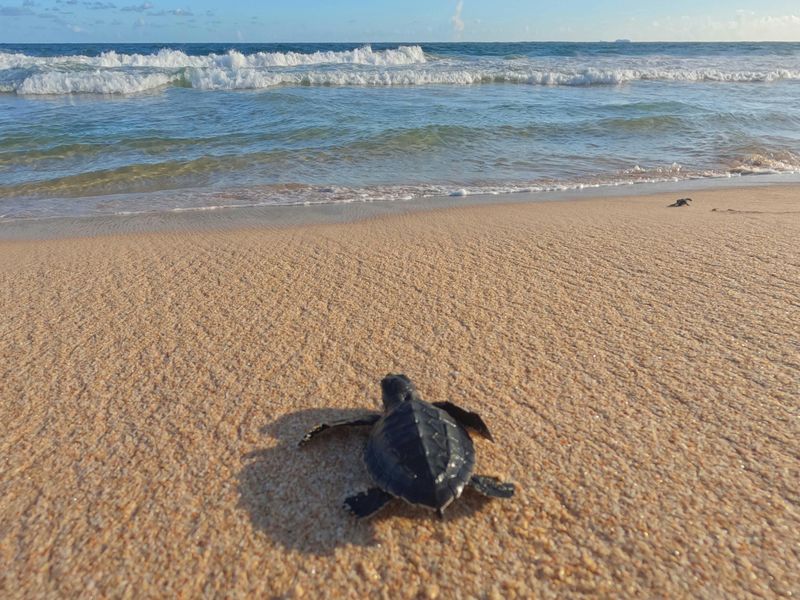
First move is simple, stop where you are and get low, because sudden shifts feel risky to a turtle that just committed to crawling ashore. Stay behind her line to the water and keep a wide arc, so she does not see a wall of silhouettes in the corner of her eye.
Quiet helps more than anything, and patience usually rewards you with an unforgettable moment.
If hatchlings appear, do not pick them up or point a light, even if the path looks rough. Clear small obstacles in your immediate spot without smoothing the whole beach, and let them work it out while you protect the darkness.
If they head the wrong way, call the local hotline or the non emergency police number, and a responder can guide you.
Report injured turtles, floating debris snarls, or disoriented groups to the county line or wildlife office for that beach. Share the location clearly using landmarks, not bright lights.
Florida beach teams know these calls and will take it from there, and you can savor the quiet while nature sorts itself out.
Permit Rules For Anything Beyond Watching
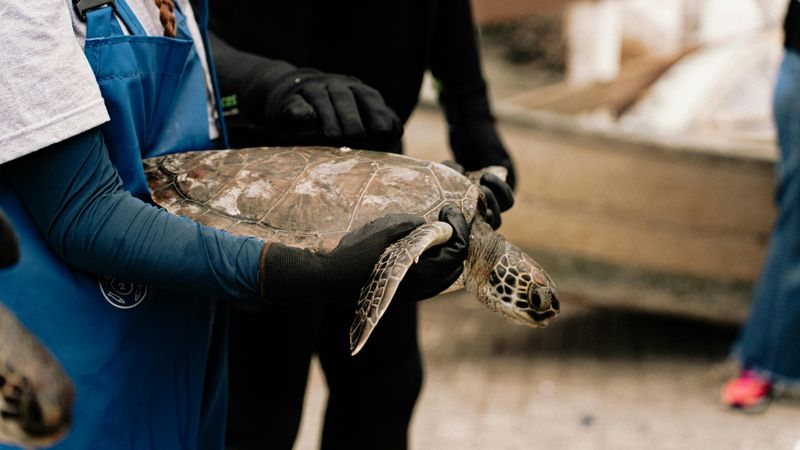
Watching is free and easy, but the second you want to handle, relocate, escort, or research, you are in permit country. Florida runs a tight ship on this, and that is good, because coordination keeps well meaning help from turning into trouble.
Permits cover lighting changes, organized walks, surveys, and any activity that touches nests or turtles, and you apply through the wildlife agency or local partners.
If a hotel wants to swap fixtures or a community plans a beach event, they loop in the right staff before anything happens. Same goes for photographers who hope for close shots, since special access is controlled and supervised.
It all sounds formal, but it removes guesswork and puts trained people on the line when animals are involved.
For regular beachgoers like us, the unpermitted choice is simple, observe and leave no trace. If you are tempted to guide a hatchling with a dim light, remember that it can rewire their cues in ways you cannot see.
When it truly needs hands, call it in, and let Florida’s permitted crews do their careful work.
Local Turtle Lighting Ordinances That Add More Rules
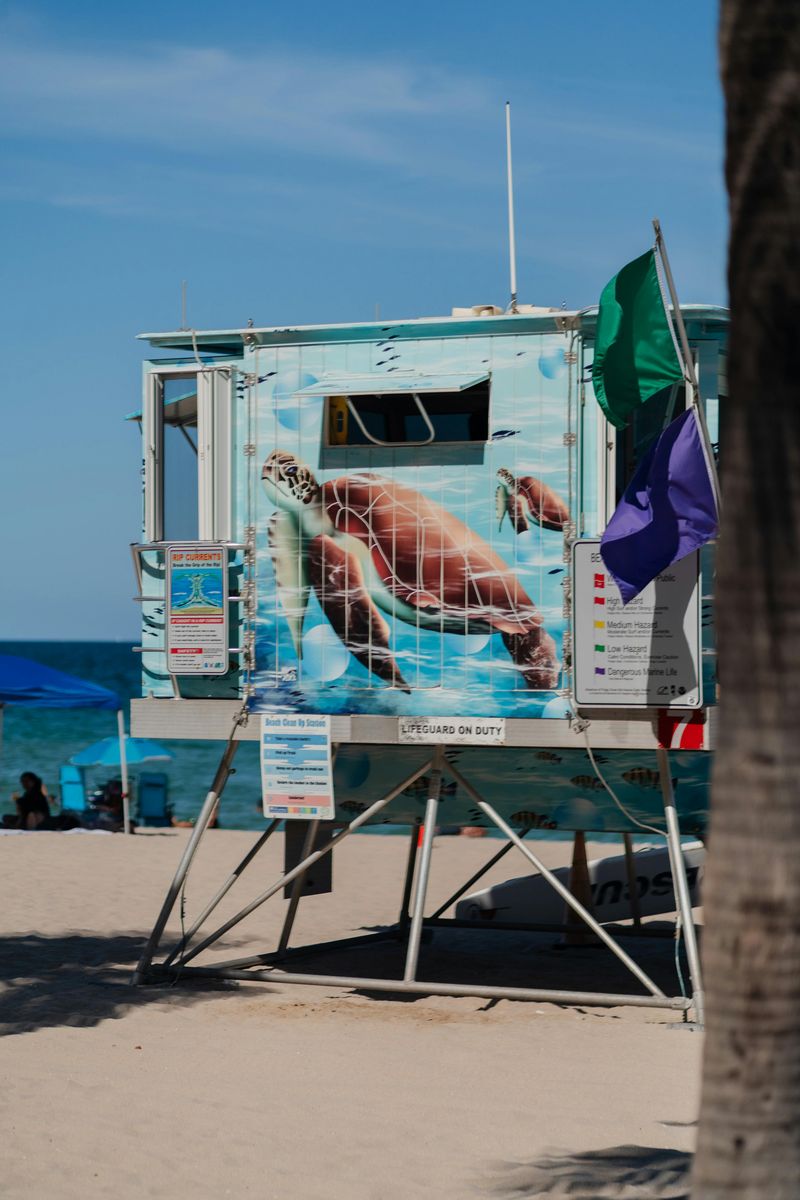
Here is the twist, local rules often stack on top of state protection, and the lighting details can change from town to town. Coastal cities pass turtle lighting ordinances that tailor bulb color, shielding, and placement, and code officers actually check for compliance.
If you are staying oceanfront, management usually knows the drill and will remind guests about curtains and porch lights.
Walking a beach at night, you can see who got it right by how little glow reaches the sand. Warm amber tones and downward shades are the giveaway, while bright white spots stand out like beacons.
When in doubt, turn things off, close the blinds, and keep conversations soft until you are back inside.
If you want the specifics, look up your beach name with the words turtle lighting and you will find the ordinance that applies. It is worth a minute, because it explains why the place feels calmer than a typical boardwalk.
Florida communities built this culture on purpose, and you can feel it in the way the shoreline breathes.
Dear Reader: This page may contain affiliate links which may earn a commission if you click through and make a purchase. Our independent journalism is not influenced by any advertiser or commercial initiative unless it is clearly marked as sponsored content. As travel products change, please be sure to reconfirm all details and stay up to date with current events to ensure a safe and successful trip.
