Ever hear about a rule that makes you wonder why it still exists? Florida has plenty of those, and some are so strange they’ve managed to stick around long after their original purpose faded.
From quirky local ordinances to statewide laws that feel more like trivia than anything enforceable, these odd rules refuse to disappear.
What makes them fun is that they’re not just rumors, you can actually find them written down. Some probably made sense decades ago, while others seem like they were created on a whim.
Either way, they’ve become part of Florida’s personality, adding to the state’s reputation for being a little unpredictable.
They’re the kind of facts you’d bring up at a party just to see everyone’s reaction. Whether you’re a local or just curious, Florida’s weird rules are worth knowing about.
So, ready to see which ones will make you scratch your head?
1. Feeding Pelicans Is A Hard No
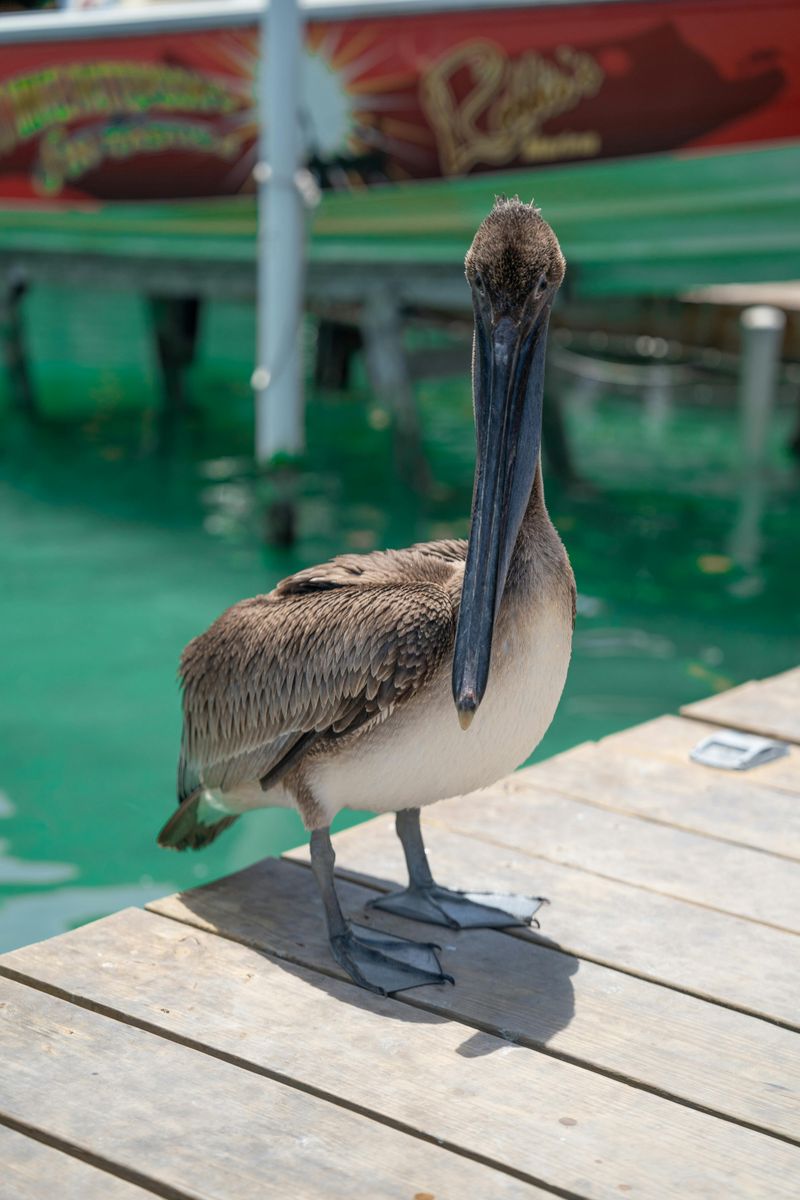
Pelicans look like sleepy dock neighbors in Florida. They sidle up on pylons and pretend they are staff, which makes it very tempting to hand over a snack.
The rule says do not do it, and the definition of feeding is broad.
Leaving scraps or garbage that draws birds in counts as feeding. It changes how wildlife behaves and sticks them right next to hooks, lines, and engines.
The state is firm about this to keep the birds wild and a little wary, which is how they stay safe.
I like watching them glide low over the water, almost skimming like paper planes. That moment stays sweet when they are not crowding people for handouts.
It is better for everyone when the birds look past us and hunt like they are built to do.
So if you are cleaning up at a pier, tie the bag and stash it, not on a railing, but in a covered bin.
Quick rule of thumb: if a bird could snack on it, it should not sit out in the breeze.
2. Sea Oats And Sea Grapes Are Hands-Off Plants
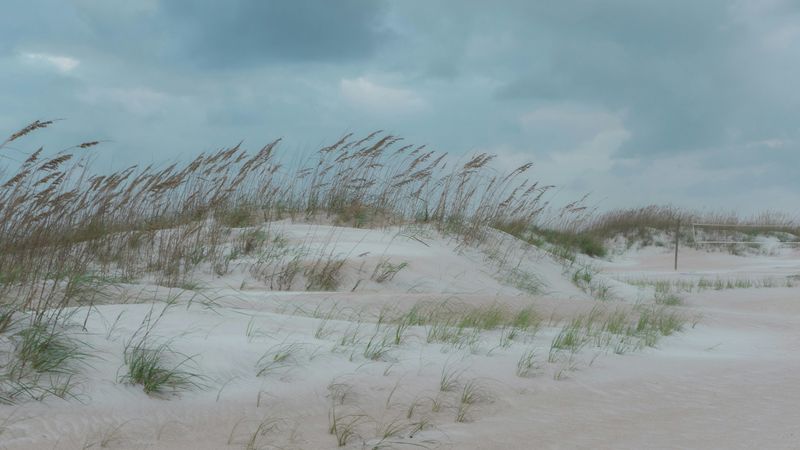
Walk a Florida beach and those tall waving grasses and big round leaves kind of steal the show.
Sea oats and sea grapes anchor dunes and shield neighborhoods when storms push water around.
Touching them is not the move, and cutting or removing them can land you in real trouble.
The rule covers public land and private land without the owners saying so. Even having cut stems in your car can count as evidence if you are not the landowner.
I keep my hands in my pockets and enjoy the rustle, because that sound means the dune is holding firm.
Think of dunes as Florida’s quiet bodyguards. They trap sand, slow wind, and make a living wall that does heavy lifting when tides climb.
When you snip or collect, the wall weakens and the beach starts to slide away grain by grain.
So if you are hunting souvenirs, maybe snag a shell you found rolling in the swash and leave the plants alone.
It is a small choice that pays off when the next big storm shows up. Those ropes and signs are not cute decor, they are friendly fences with a purpose.
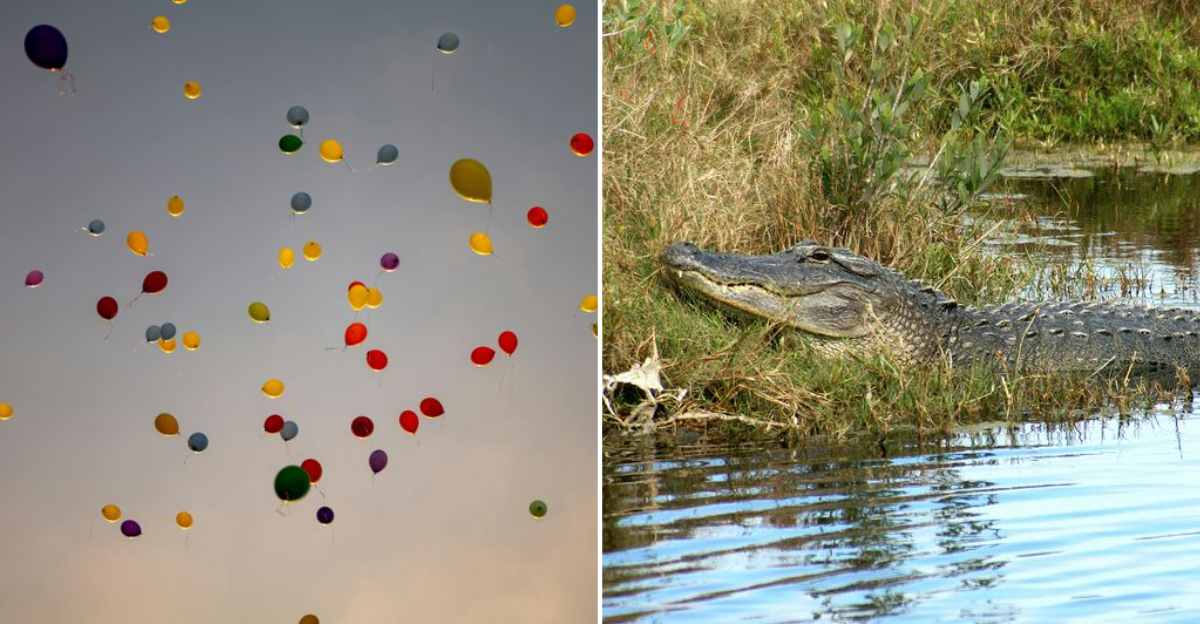
3. Releasing Balloons On Purpose Is Actually Illegal

Here is the one I did not expect to talk about in this state. Intentionally releasing balloons is illegal here, and it is not just a beach-town suggestion whispered on windy days.
The rule is baked into state law because anything floating away comes down somewhere, usually as a mess for wildlife and water.
You might see a celebration, let go of the ribbons, and think it drifts to the clouds. In reality, it lands in the Gulf or the Atlantic and turns into a tangle that creatures confuse with food.
The state carved out narrow exceptions, but the big picture is simple and pretty reasonable.
If you are road tripping the peninsula, you will spot reminders near parks and boat ramps from Pensacola to the Keys.
I like the calm of a sunset on the bay and I like it even more without balloons hugging mangroves. So if you want a send off, choose bubbles or flags and skip the floaters altogether.
You know what also helps? Keep party debris in the car until you find a bin, because open trash blows fast in the coastal wind.
The state stays cleaner when you stop treating the sky like a trash chute, and that is a rule I can get behind, no drama required.
4. Feeding Sandhill Cranes Is Specifically Prohibited
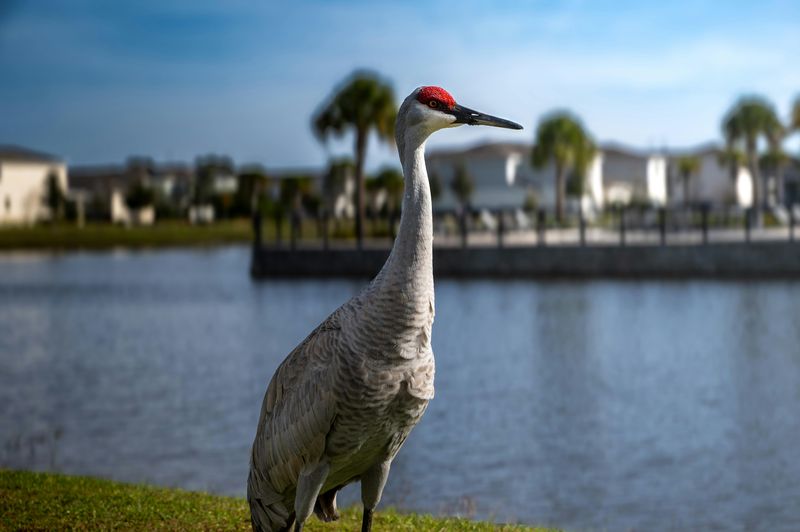
Sandhill cranes have that bossy stroll that makes every cul de sac feel like their runway. Visitors see them near ponds and think a little treat is fine.
Florida’s code spells it out clearly, feeding cranes is not allowed.
They already find what they need in wetlands and lawns without our help. Snacks from people make them fearless and put them in traffic, which never ends well.
The rule might sound fussy until a tall bird starts tapping on doors because it learned that people mean food.
I like hearing their calls drift across a lake in the evening. It adds a wild note to a quiet neighborhood walk.
That wildness fades fast when they line up like pigeons at a bench.
Enjoy the stroll-by and keep your hands empty. Snag a photo from a few steps back if you want a memory.
In Florida, letting wildlife stay wild turns out to be the kindest habit you have.
5. Spiny Lobster Divers Must Carry A Measuring Tool
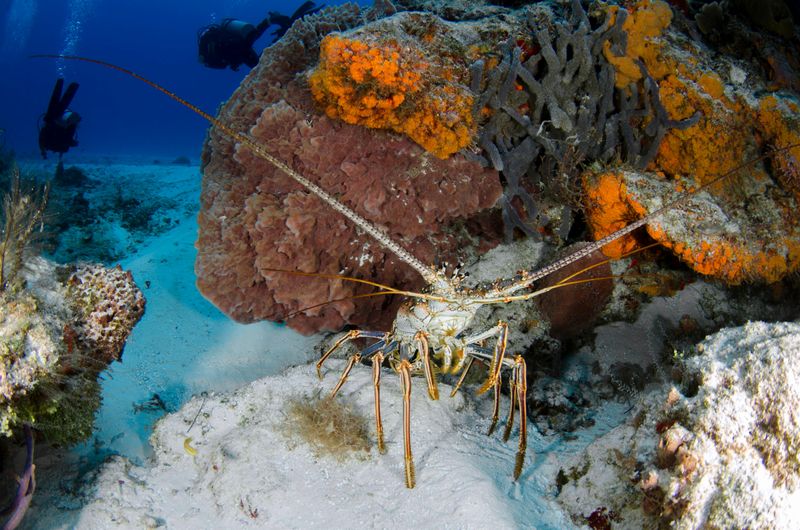
Here is a detail that sounds oddly specific until you picture the scramble.
If you are diving for spiny lobster in Florida, you need a measuring device with you in the water. Measurements also have to happen right there, not back on the boat.
It keeps everyone honest and saves undersized lobster from a rough ride on deck.
The underwater check is quick when you have the gauge clipped where your hand naturally reaches. I like that the rule is crisp and easy to follow even in a hurry.
On the reef, seconds count. Fish shift, current nudges you, and visibility plays tricks.
A ready gauge means you can make the call and let the small ones slide back into their holes like nothing happened.
Clip the tool, practice the motion, and you will settle into a calm rhythm. It feels good to do it right and leave the reef looking like you were barely there.
Florida’s water gives big days to people who treat it with steady respect.
6. Feeding Bald Eagles Is Prohibited By State Rule
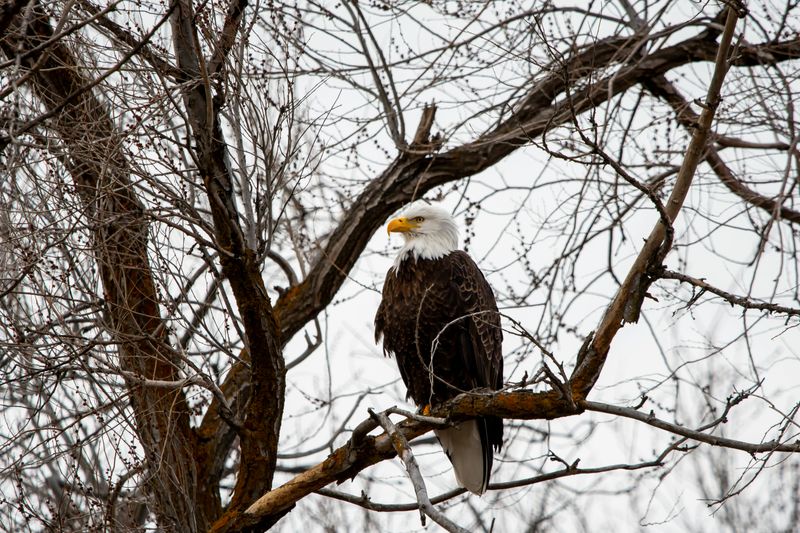
Spotting a bald eagle over Florida water still makes me stop mid sentence. The instinct to help with food is strong, but the rule is clear.
No person may feed, disturb, or possess bald eagles, nests, or eggs without the federal green light.
It is easy to see the logic once you watch an eagle work the shoreline. These birds are skilled, and human snacks only tangle them in parking lots and lines they do not need.
I like admiring from a respectful distance, then letting the moment fade like a song on the wind.
Every now and then, you will find a sign near a trailhead reminding you to give space. That space helps young birds practice and keeps territories stable.
The state takes that seriously because success stories in the sky depend on quiet on the ground.
If you get a photo, great, pocket the memory and move on.
Leave no crumbs, no noise, no reason for an eagle to link people with food. It is a small discipline that keeps the wild part of the state feeling wild.
7. Certain Lobster Tools Are Not Allowed
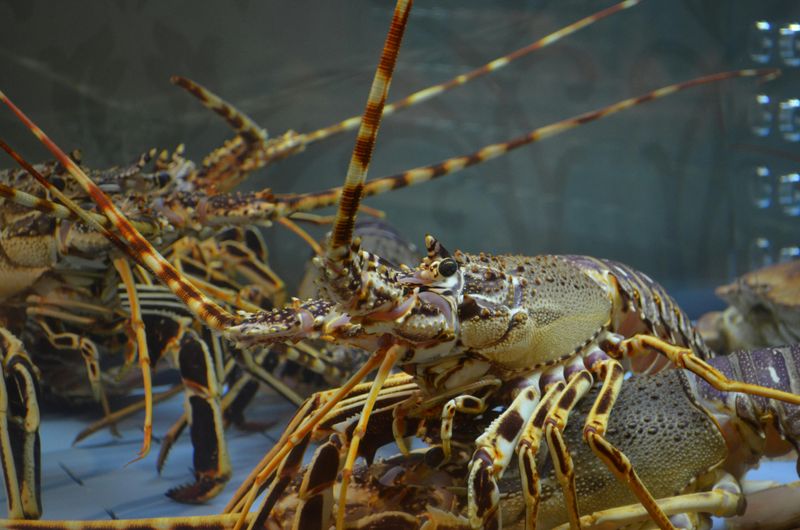
Ever seen the wild gadgets people dream up for catching things underwater? Florida has, and the rules draw a boundary for spiny lobster gear.
No devices that puncture, penetrate, or crush the shell or flesh.
That wording sounds lawyerly, but the idea is simple kindness and consistency. You can guide or coax, but you do not harm.
I have watched lobster slide away the second a tool looks clumsy, so the clean approach is also the smart approach.
It keeps harvest methods lined up with what the reef can handle long term. Less damage means fewer broken antennas littering the rocks and fewer scrapes that turn into problems.
The reef is busy enough without our tools leaving scars.
So think gentle, think precise, and move slow. If a piece of gear looks like it belongs in a toolbox, it probably stays in the garage.
Florida’s underwater rules want you to come back year after year to the same lively ledges.
8. Sea Turtle Nests And Eggs Have Strong Legal Protection
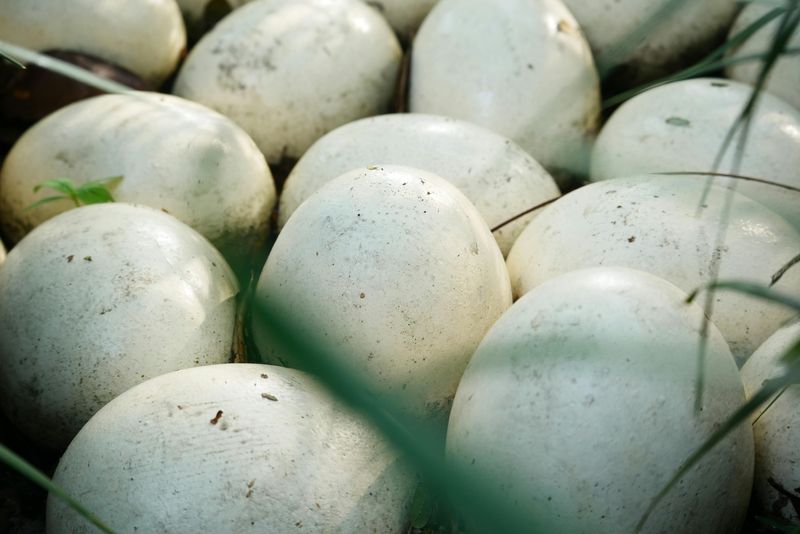
Walking a Florida beach at night can feel like tiptoeing through a secret.
Sea turtles use that darkness to nest, and the law wraps them in strong protections. It covers the animals, the eggs, the nests, and even habitat that turtles need to breed and shelter.
That means the space matters as much as the shell you might glimpse. Signs and roped zones are there so hatchlings have a clear runway to the water.
I try to keep lights pointed down and filters on, and I skip flash completely.
It is a quiet kind of magic hearing waves and imagining tiny tracks at first light. Every small choice stacks up, from where you stand to how you carry gear across the sand.
The state treats this carefully because one messy night can ripple for a season.
If you find a marked nest, give it room and enjoy the scene like a hush in a theater. You will remember the stars and the sound more than anything you would have poked or moved.
That is the whole point, keep the story intact for the next walker.
9. Feeding Alligators Or Crocodiles Is Unlawful
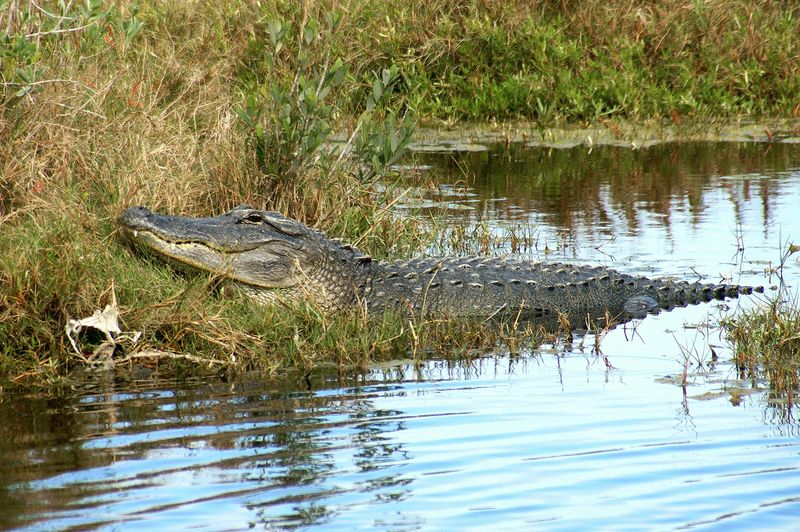
This one feels obvious until you watch someone toss a scrap toward the water.
Florida draws a hard line on feeding any crocodilian in the wild. No snacks, no baiting, no bright ideas unless there is a proper permit for captive animals.
The reason is pattern building. Food from people pushes these animals to lose their natural caution and hang around docks and yards.
That is the moment a chill river spot turns tense for everyone.
The law keeps the message clean and simple so rangers can step in fast if they see a problem.
If you are carrying a picnic, keep it sealed and set up away from the bank. Toss trash in closed bins, not on the grass.
In this state, respect for water edges is the difference between a calm day and a story you do not want to tell.
10. Importing Or Releasing Non-Native Animals Is Restricted
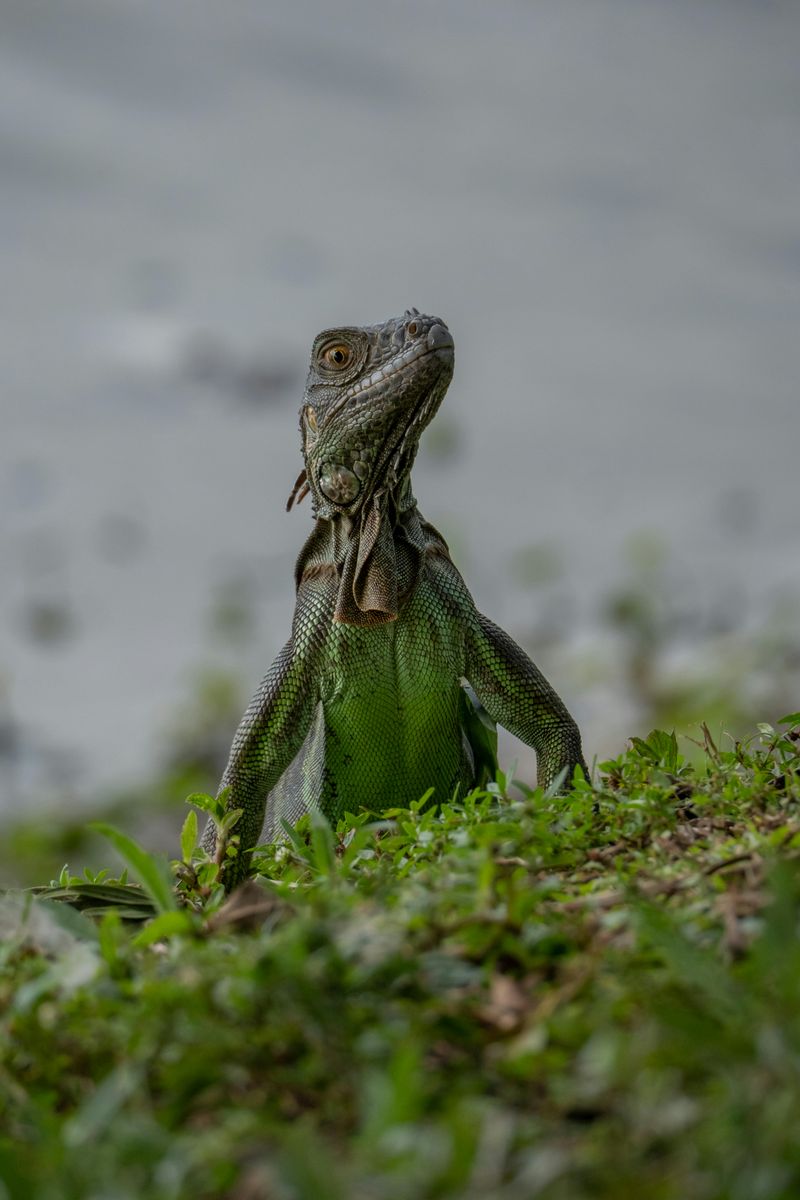
The state has a climate that turns casual mistakes into big problems. That is why importing for sale or use, or releasing non native animals, is unlawful without the right permission.
It is the “please do not turn your pet problem into everyone’s problem” rule.
When released, hardy species can dig in and crowd out the locals. Then it takes a huge effort to untangle the mess across wetlands and neighborhoods.
I try to picture where an animal would end up in a year, not just tomorrow, and that makes the rule feel obvious.
It is not about scolding, it is about making sure wild spaces stay balanced. Florida knows how fast things spread in warm water and lush edges.
One kind choice at home spares a lot of work out on trails later.
If you cannot keep an animal, find a rescue path that is legal and kind. Do not go for the quick release that feels easy in the moment.
The state keeps this line bright so people do not have to learn the hard way down the road.
11. Releasing Non-Native Saltwater Species Into Florida Waters Is Unlawful
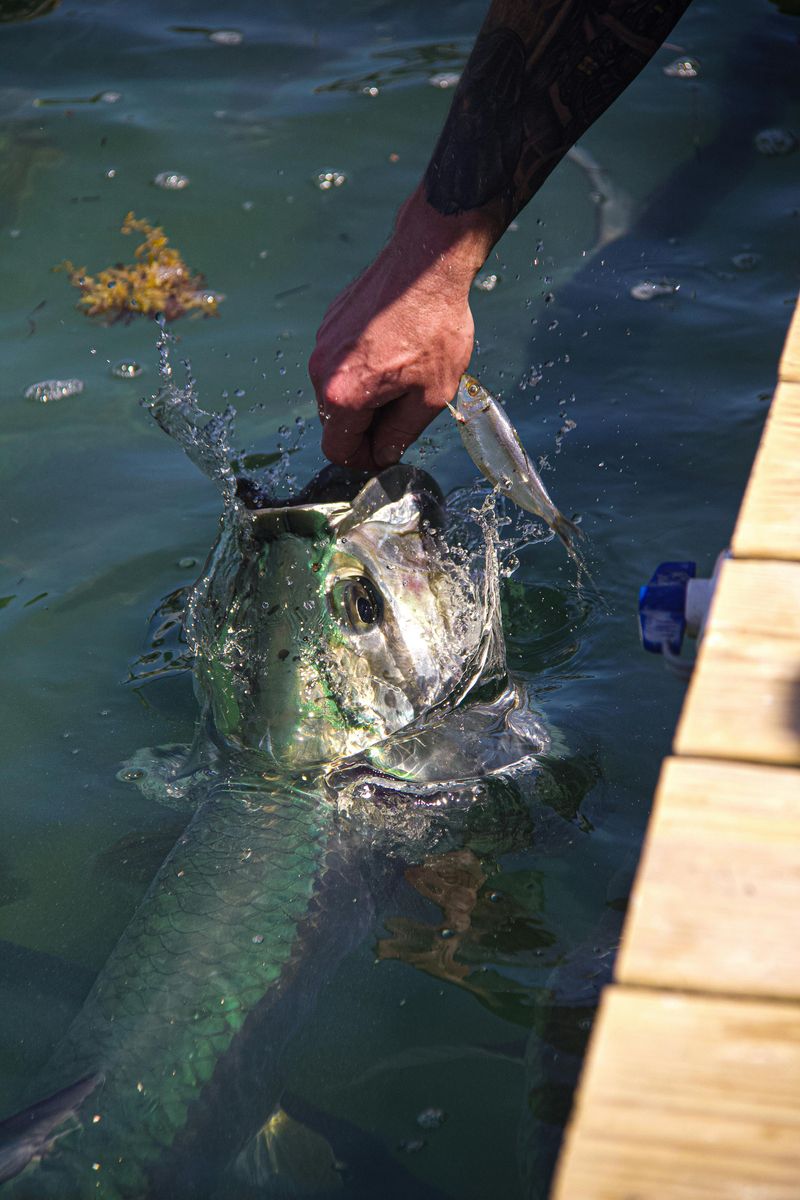
Here is the saltwater twist on that last idea. Florida says you cannot release non-native saltwater species into state waters, period, even if it is not on some list you checked online.
The wording is broad for a reason.
Coasts change fast when something new slips in and finds easy food. You might think one little release will vanish into currents, but that is not how it goes.
I like to imagine the bay as a neighborhood, and new tenants need a real screening process.
It keeps fisheries, reefs, and mangroves from getting scrambled. When a new species takes hold, it is tough to unwind, and by then the work lands on everyone.
This state has learned that lesson more than once, so the rule stays strong.
If you boat, fish, or keep aquariums, treat disposal as a careful task. Call a shop, a program, or a friend who knows the right handoff.
That small pause at the dock saves a whole lot of downstream headaches for the coast.
Dear Reader: This page may contain affiliate links which may earn a commission if you click through and make a purchase. Our independent journalism is not influenced by any advertiser or commercial initiative unless it is clearly marked as sponsored content. As travel products change, please be sure to reconfirm all details and stay up to date with current events to ensure a safe and successful trip.
