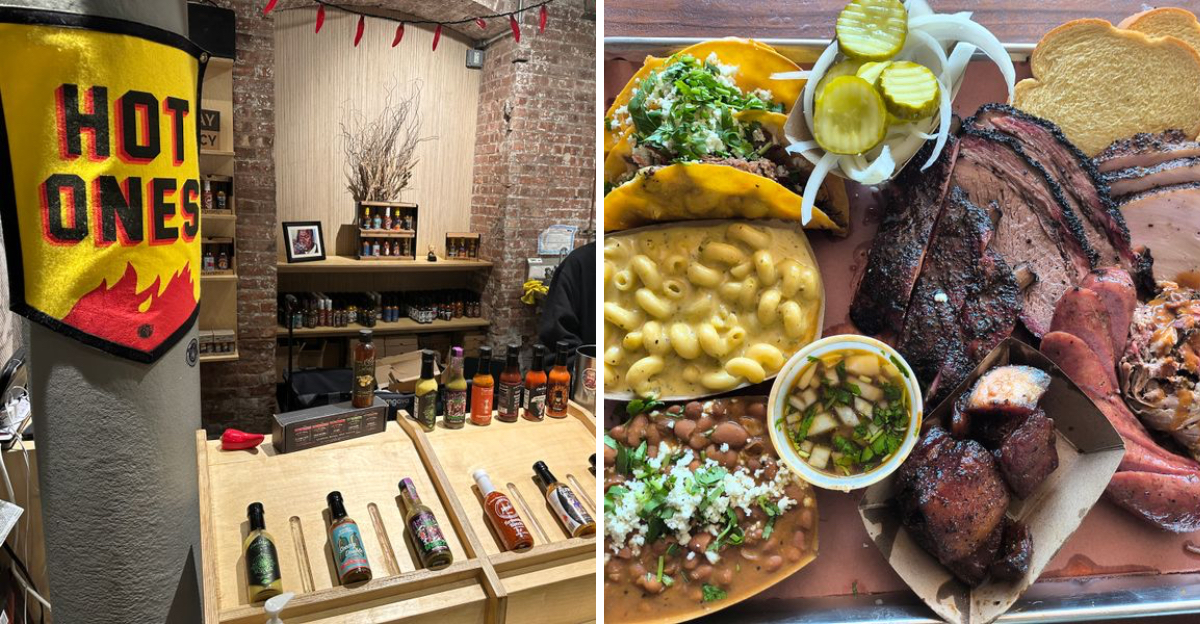
Texas loves to talk about food, and the sayings can sound like riddles until you sit down at a table and taste what they mean.
You will hear phrases that roll off the tongue, then realize they point to traditions that locals treat with real care.
It spells out the slang without taking away the fun, giving you the confidence to stroll into a café or barbecue joint like a local.
Stick around, because the Lone Star State hides its best wisdom in everyday chatter.
1. “All Hat, No Cattle on That Barbecue”
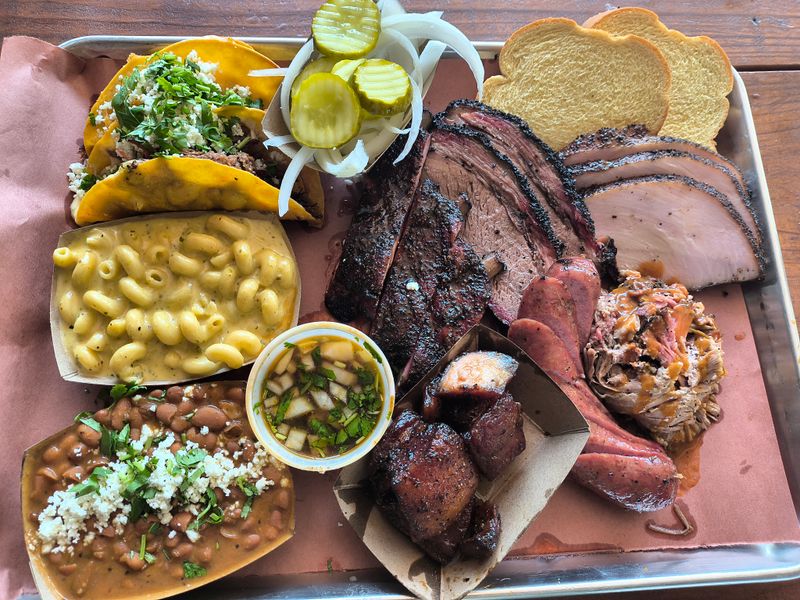
You hear this when a pit glows like a movie set but the brisket falls flat on the tongue.
Texas rewards patience and clean smoke, not flashy pits and oversized signage.
The saying borrows ranch talk to call out barbecue that struts without substance.
Locals judge by the quiet details, the line of regulars, the steady scent of post oak, and the bark that whispers pepper and salt.
Tourists sometimes chase trending murals, then learn that flavor usually lives in calm corners.
Ask the cutter for the end slice, breathe in the smoke, and listen before you chew.
In Texas, sauce is optional because the meat should stand up on its own legs.
That does not mean dry, it means rendered fat and a soft tug that does not collapse.
The phrase helps you spot bravado, so you spend your appetite on the real thing.
You will leave with a deeper respect for pits that speak softly and carry steady heat.
Texas cooks value wood choice and fire control, two skills you cannot fake for long.
By the time you finish, you will know that plain can be perfect when smoke runs true.
Look for a modest storefront, a hand painted sign, and the calm hum of satisfied conversation.
Those signals beat neon every time in this state.
2. “Grab a Kolache Run”
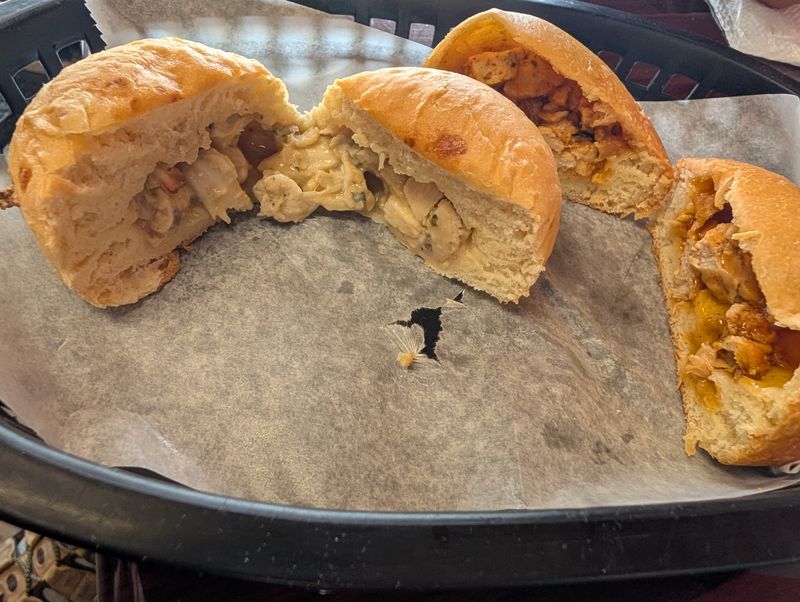
A kolache run is Texas shorthand for a quick bakery dash that brightens a road morning.
It comes from Czech roots that settled deep in the state and never left the breakfast table.
The phrase promises variety, not a single pastry and not a slow sit down meal.
You might stop at a gas station where the scent of yeast floats above maps and ice bags.
Locals know which counter holds sweet fruit fillings and which warmer hides the savory cousins.
Visitors learn fast that the category is broad and designed for the hand.
The joy is in the easy grab, the friendly hello, and the quick return to the highway.
Texas makes this feel like a small ritual that pairs caffeine with community smiles.
Do not expect fine china, expect paper bags and a nod that keeps you moving.
The run fits well between towns, especially along long ribbons of asphalt.
Ask where families stop on church mornings and you will find the good places.
Shops that open early often carry stories pinned to bulletin boards near the register.
The phrase reminds you that speed can still carry comfort and craft.
It is a habit that turns travel into something softer and more local.
3. “Fixing a Plate at Church”
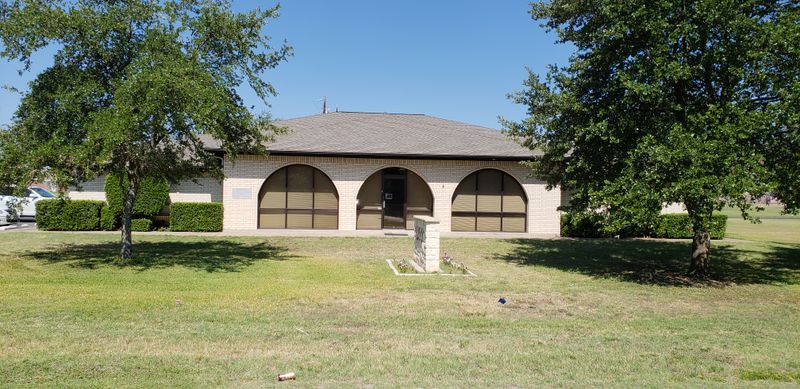
When someone says they are fixing a plate at church, nobody is reaching for tools.
They are stepping into a community line where casseroles meet conversation and neighbors catch up.
The phrase turns a meal into fellowship, a bond as sturdy as a pew bench.
In Texas, church halls double as social hubs with folding tables, name tags, and laughter.
You move from greeting to serving spoon, guided by the rhythm of shared care.
The plate becomes a map of friendships that have been seasoned over time.
Visitors sometimes hesitate, then realize the unspoken rule is simple hospitality.
Say thank you, accept the scoop, and ask about the recipe if you want a story.
The act honors tradition that values giving before taking a seat.
It is how the state keeps small towns stitched together through busy weeks.
Even big cities hold pockets where this practice thrives and welcomes newcomers.
You will likely leave with leftovers and a list of local names to remember.
The phrase also signals that nobody eats alone if the lights are on.
It is food as a handshake, warm and steady.
4. “Eat It Like You Mean It”
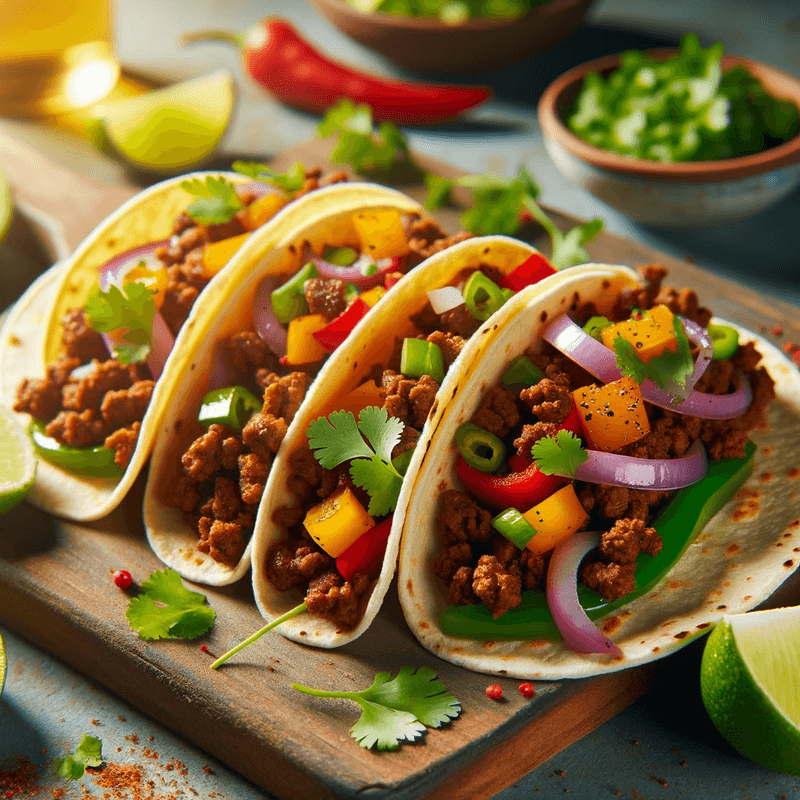
This line pops up when someone keeps poking at a plate instead of taking a real bite.
It is a nudge to commit, to trust the cook, and to let flavor speak without second guessing.
Texas favors confidence at the table, not timid nibbling that misses the point.
The saying carries encouragement rather than scolding, a friendly push across the plate edge.
You drop the fork worries and enjoy what the kitchen meant you to taste.
The moment becomes simple and better for its directness.
Locals apply the idea beyond food, because decisiveness fits the state mindset.
It blends with a culture that values clear choices and straightforward talk.
Tourists hear it once, then start smiling when they recognize it later.
It turns into a reminder to arrive hungry and open to surprise.
In a busy diner, that spirit keeps the line moving and the chatter bright.
The phrase also honors the labor behind the meal you were served.
Someone tended heat, timing, and seasoning so your bite could be bold.
So lean in, take the bite, and let the flavors land.
5. “That Chili Doesn’t Know Beans About Texas”
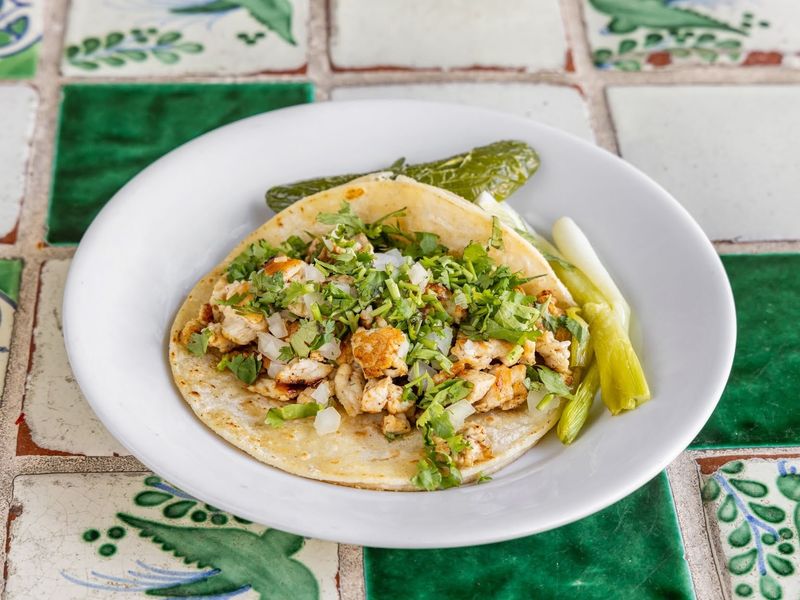
Hear this and you have likely met a bowl filled with beans where chili should not have them.
Texas tradition keeps chili focused on meat, spice, and a rich base without legumes.
The quip is cheeky, not hostile, but it draws a clear local line.
Visitors discover that recipes vary, yet the baseline rule is widely respected.
Competitions and cookouts lean on chilies, stock, and careful simmering for depth.
Beans belong in other dishes, not this one, according to state custom.
The phrase doubles as a friendly primer for anyone new to the scene.
It helps you order well and read menus without confusion.
When someone breaks the rule, expect a grin and a gentle correction.
Texas holds this standard like a secret handshake that everyone can learn.
Ask about peppers and you will get a lesson in heat with character.
The pride comes from balance, not from sheer burn that overwhelms everything.
Lean into the tradition and you will taste a stew that feels both rugged and refined.
It is built for conversation, weather, and long evenings that stretch comfortably.
6. “Bring the Heat, Not the Fireworks”
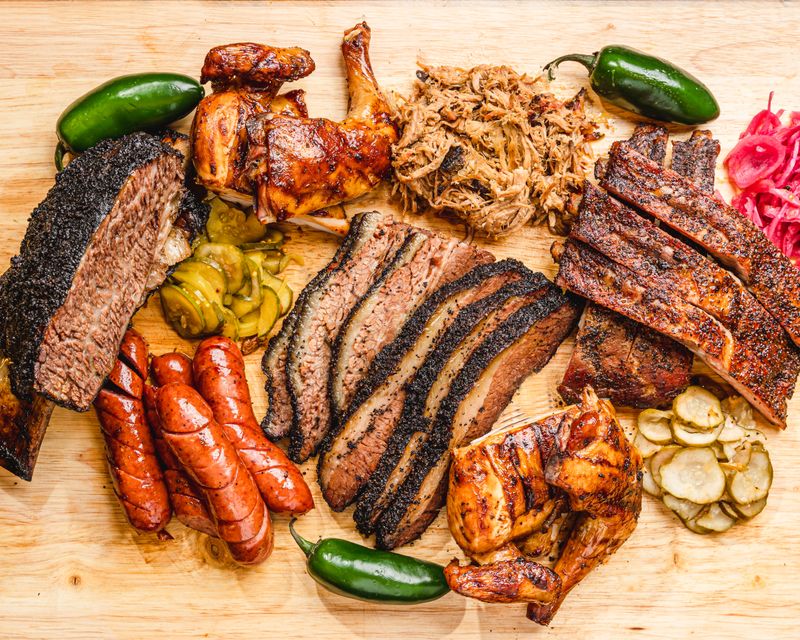
People say this when spicy food screams without any flavor to back it up.
Texas eaters love warmth that unfolds in layers, not a single spark that vanishes.
The idea values pepper character, fruit, smoke, and earth over raw sting.
You can taste jalapeño grace, serrano bite, or hatch depth when it is done well.
Fireworks impress for a second, then leave only noise and watery eyes.
Heat should walk beside the dish, not charge ahead and trample it.
Chefs around the state pay attention to this balance across snacks and mains.
They pull flavor from toasting, searing, and clean sourcing rather than gimmicks.
Tourists who chase the hottest option often circle back to the nuanced bowl.
There they find warmth that keeps speaking long after the first taste.
Ask your server about pepper varieties and you will learn geography through spice.
It becomes a map of fields, farms, and seasons written in small sparks.
The saying is a compass so you can order smart and eat happily.
Follow it and you will enjoy spice that tells a story instead of a dare.
7. “That’s Table Salsa, Not Boot Salsa”
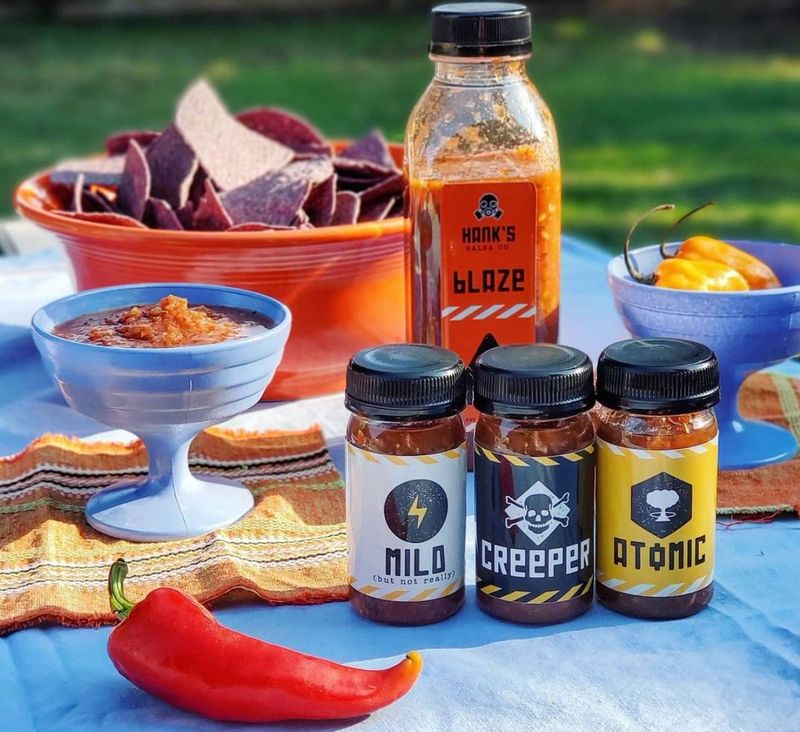
This phrase separates the friendly red bowl from the hidden jar that bites harder.
Table salsa greets everyone, mild and bright, built for easy chips and conversation.
Boot salsa waits off to the side, hotter and more direct, sometimes behind the counter.
Locals ask for it when they want a punch that still keeps flavor in focus.
Visitors who learn the code start ordering with a confident nod.
Staff often smile because you picked up the local rhythm in one visit.
The names hint at attitude, polished for the table, rugged for the boots.
Neither is wrong, they just serve different moods and spice tolerances.
Texas restaurants keep both so friends can sit together without negotiation.
That small kindness lets a group share baskets without argument.
The phrase helps you match heat to the moment and the company.
It also protects newcomers who would rather enjoy lunch than chase pain.
Ask where the boot jar lives and be ready for a small warning.
Take a tiny taste first, then decide if your day welcomes more.
8. “Order It Chicken-Fried”
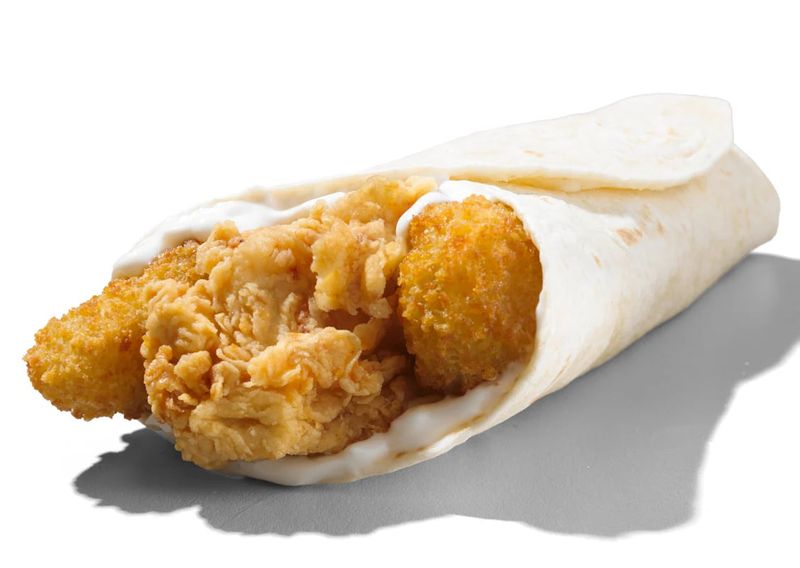
Tourists often think chicken fried means a bird, but the phrase refers to a method.
It is a battered, pan fried style that can crown steak, pork, or actual chicken.
The crust is the point, along with a tender bite under the crisp shell.
Menus across Texas use the term without apology because the technique is beloved.
It speaks to comfort, roadside stops, and plates that feel generous without fuss.
Servers understand the confusion and translate with a patient smile.
When you order, expect a familiar golden exterior that protects juicy texture inside.
That contrast is the experience people travel for and remember later.
The phrase shortens a whole cooking method into three tidy words.
It saves time in a busy cafe where orders stack up fast.
If you want to sound local, say it smoothly and pick your cut.
Ask about sides and you will hear regional favorites with pride.
The dish pairs well with conversation and a long highway ahead.
It is simple, sturdy, and widely understood in this state.
9. “Make It a Ranch Water”
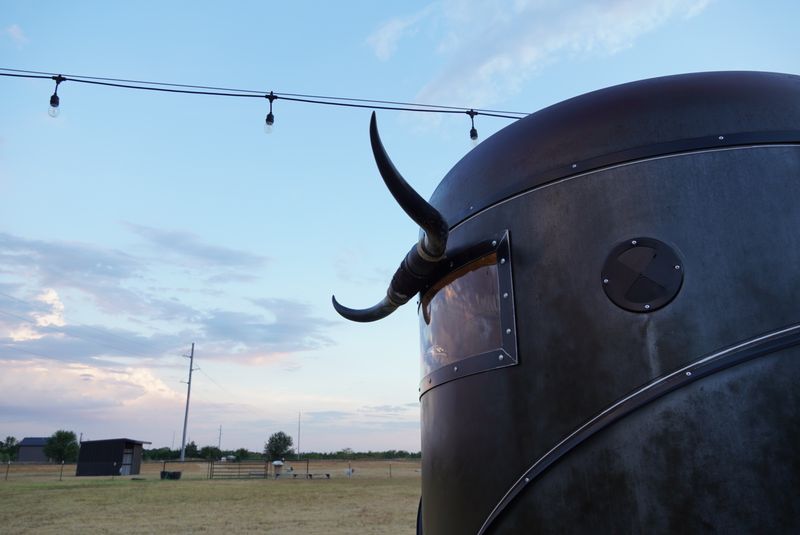
Order a Ranch Water and you are speaking a Texas born refreshment language.
The name signals simple, unfussy balance that many travelers crave in dry country air.
It carries West Texas roots that locals mention with quiet pride.
The phrase fits menus in towns big and small across the state today.
Servers hear it and know you prefer something clean and straightforward.
It also marks you as someone who enjoys classic Texas ease.
Visitors sometimes expect a complicated recipe, then find the beauty is restraint.
The order lands quickly and keeps conversation light and relaxed.
People choose it for porch evenings and open sky settings that stretch wide.
The words themselves feel like a breeze moving across dry grass.
Ask where the name started and you will get stories from different corners.
The truth matters less than the feeling of place the phrase carries.
Use it when you want refreshment without fuss or garnish drama.
It works from road trips to hotel patios across Texas.
10. “That Sauce Will Talk Back Later”
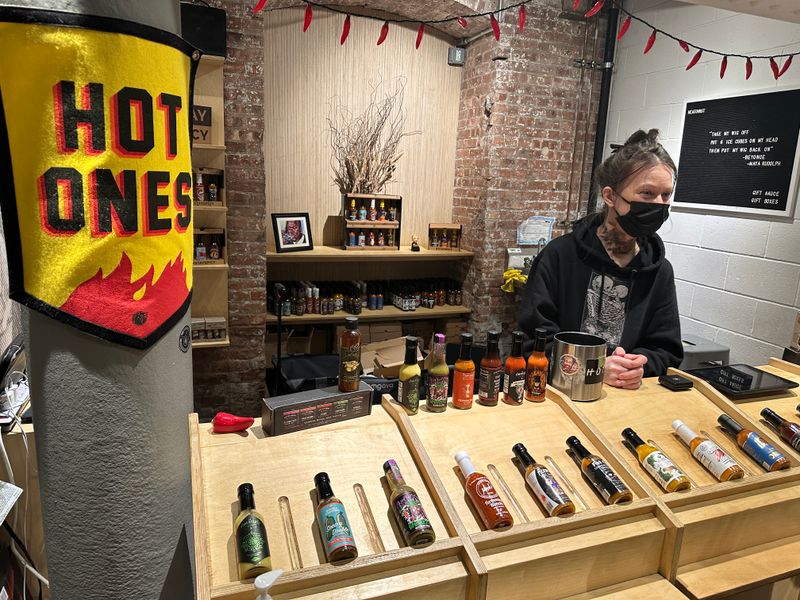
When someone says a sauce will talk back later, they mean flavor with a memory.
The first bite feels polite, then a slow echo returns after the plate is clear.
It is a playful warning, not a complaint, about lingering spice or garlic.
Texas eaters respect sauces that keep the conversation going beyond the meal.
They favor personality that shows up twice without shouting.
The phrase helps tourists expect a second act and enjoy it.
Ask the cook about peppers, vinegar, or smoke and you will hear careful choices.
The blend aims for afterglow, not a blast that burns out fast.
It pairs well with lively tables, storytelling, and slow evenings in town squares.
That is where the state loves to stretch time under wide skies.
You will leave thinking about spice as a companion instead of a dare.
The memory makes lunch feel bigger than the clock suggests.
Use the phrase when you feel that gentle return on the ride home.
It will mark you as someone who listens to flavor.
11. “Save Room for the Pie Case”
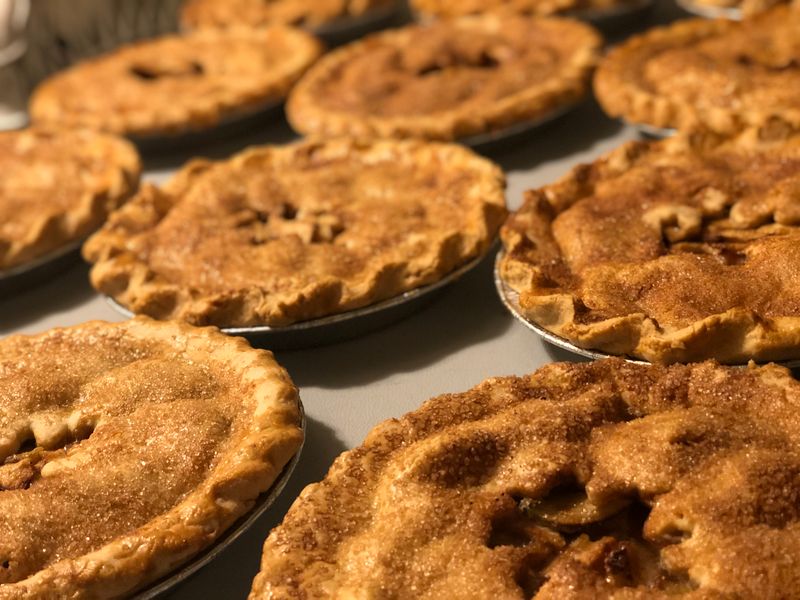
This reminder shows up near the register where a spinning display draws quiet attention.
Texas diners treat pie as a promise, not a maybe, and the phrase keeps you honest.
It means pause before you fill up, because dessert is part of the plan.
Locals know the case rotates with seasons and baker moods.
The joy comes from pointing, chatting, and claiming a slice that feels right today.
Visitors often learn that the best choice sells out when you hesitate.
The phrase nudges you to pace the meal so sweetness can land.
It is also a cue to linger a little longer at your booth.
Diners across the state treat that final slice as community time.
You will see conversations restart when plates hit the table again.
Staff share quick stories about bakers and family recipes with pride.
The case becomes a scrapbook in glass, updated through the week.
Save room, then stroll up and enjoy the friendly expectation.
It is a ritual that makes travel days feel grounded in Texas comfort.
Dear Reader: This page may contain affiliate links which may earn a commission if you click through and make a purchase. Our independent journalism is not influenced by any advertiser or commercial initiative unless it is clearly marked as sponsored content. As travel products change, please be sure to reconfirm all details and stay up to date with current events to ensure a safe and successful trip.
