Louisiana sits along the Gulf of Mexico in the southeastern United States, where the mighty Mississippi River pours into the sea and creates a landscape unlike anywhere else in America.
Travelers flock to this remarkable state for its vibrant music scene, historic architecture, mysterious bayous draped in Spanish moss, and above all, its legendary cuisine that blends French, African, Spanish, and Native American influences into something entirely its own.
But when you visit Louisiana, especially cities like New Orleans or Lafayette, you’ll quickly discover that locals speak their own delicious dialect when it comes to food.
The phrases and sayings you’ll overhear at restaurants, markets, and backyard cookouts might leave you scratching your head at first, even if you’re fluent in English and familiar with Southern hospitality.
Making Groceries
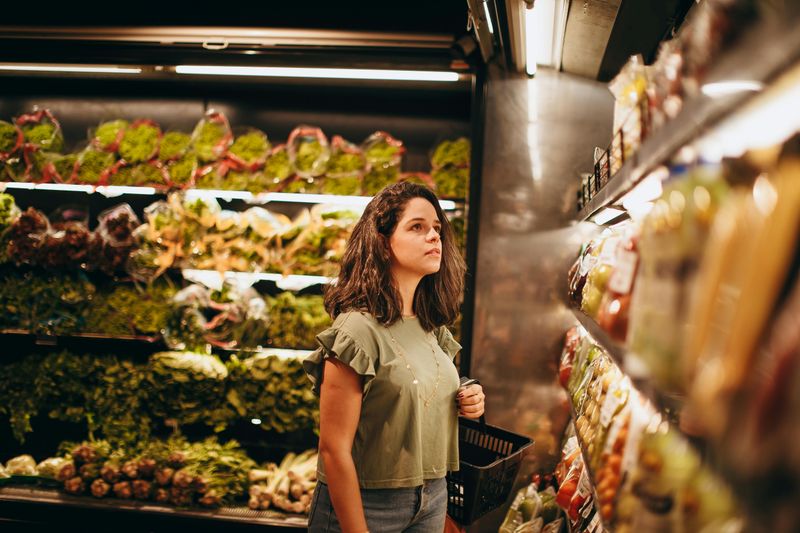
Walk into any conversation in New Orleans, and you might hear someone say they’re going to “make groceries.”
Your first reaction will probably be confusion because most people say they’re going grocery shopping or picking up groceries.
But in Louisiana, particularly in areas with strong French influence, making groceries is the standard way to describe this everyday errand.
The phrase comes directly from the French expression “faire le marché,” which translates to “make the market” or “do the shopping.”
When French-speaking Louisianans translated this literally into English, they kept the structure and created a saying that sounds charmingly unique to outsiders.
You’ll hear grandmothers tell their grandchildren they need to make groceries before Sunday dinner, or neighbors asking if you’ve made groceries yet this week.
The expression captures something essential about Louisiana culture: food shopping isn’t just a chore but an active, creative process.
When you make groceries in Louisiana, you’re not just buying ingredients.
You’re selecting fresh okra for gumbo, choosing the perfect spices for jambalaya, and picking up French bread for po’boys.
The phrase suggests you’re building something, preparing for the cooking and community meals that define Louisiana life.
Once you understand this saying, you’ll appreciate how deeply food and language intertwine in Louisiana culture, where even a simple shopping trip becomes part of the state’s rich culinary tradition.
Lagniappe
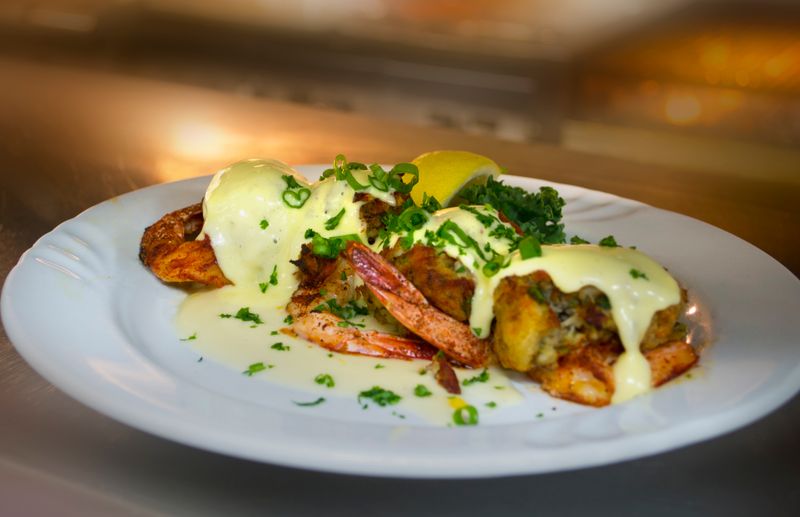
Pronounced “LAN-yap,” this word will pop up constantly during your Louisiana visit, especially when you’re buying food or dining out.
Lagniappe means a little something extra, a bonus given freely by the seller or host to show generosity and goodwill.
If you buy a dozen donuts and the baker tosses in a thirteenth, that’s lagniappe.
The word comes from the Spanish “la ñapa,” which itself derived from Quechua, the language of the Inca people.
Spanish traders brought the term to Louisiana, where it became deeply embedded in local commerce and culture.
Lagniappe represents more than just getting something free.
It embodies the Louisiana philosophy of abundance, hospitality, and treating people with unexpected kindness.
When a restaurant owner brings you an extra cup of gumbo because you complimented the first one, that’s lagniappe.
When a seafood vendor at the market adds a few extra shrimp to your order without charging you, that’s lagniappe too.
The practice reminds everyone that business relationships should be personal and generous, not coldly transactional.
You’ll find lagniappe at farmers markets, restaurants, bakeries, and even bars where bartenders might pour your drink a little stronger than necessary.
Understanding this concept helps you appreciate Louisiana’s culture of generosity, where giving a little extra creates connections between people and makes everyday transactions feel special and memorable.
Dressed
Order a po’boy sandwich anywhere in Louisiana, and the person behind the counter will likely ask if you want it dressed.
First-time visitors often pause, wondering if this means the sandwich comes wearing tiny clothes or requires formal attire.
Actually, dressed is Louisiana shorthand for all the traditional toppings that complete a proper po’boy sandwich.
When you say yes to dressed, you’re agreeing to lettuce, tomatoes, pickles, and mayonnaise piled onto your sandwich along with whatever protein you’ve chosen.
These toppings might seem simple, but they provide crucial texture and freshness that balance rich fried seafood or roast beef.
The term probably originated from the idea that these toppings dress up the sandwich, making it complete and presentable.
Without these additions, your po’boy would be naked, just meat and bread without the finishing touches that make it special.
Some places might vary the exact toppings slightly, adding hot sauce or substituting ingredients, but the basic concept remains the same across Louisiana.
Saying no to dressed means you want your sandwich plain, with only the main ingredient and bread.
Most locals would consider this unusual because the dressed toppings are considered essential to the po’boy experience.
When you understand this term, ordering becomes much easier, and you’ll sound like you know exactly what you’re doing at Louisiana sandwich shops, seafood shacks, and corner stores throughout the state.
Holy Trinity
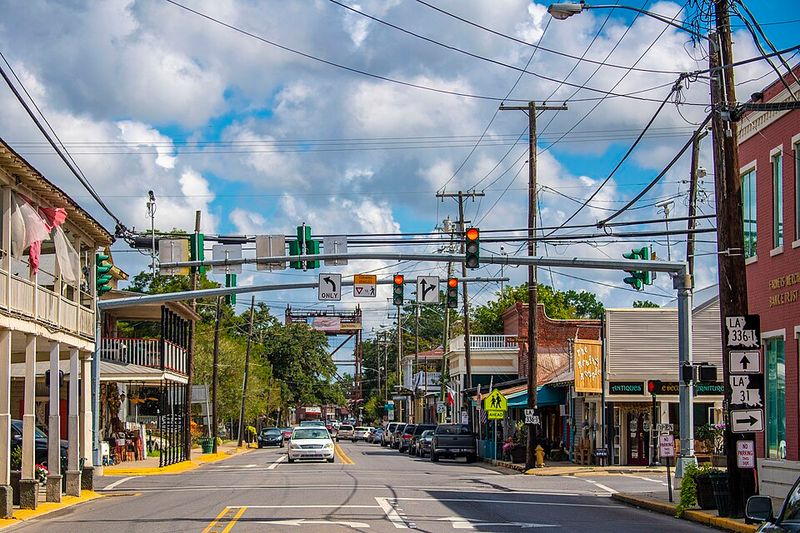
Listen to Louisiana cooks discuss their recipes, and you’ll frequently hear references to the holy trinity.
Unless you’re in a church, they’re not talking about religious doctrine but rather the foundation of Cajun and Creole cooking.
The holy trinity consists of onions, celery, and bell peppers, chopped and sautéed together as the flavor base for countless Louisiana dishes.
This vegetable combination appears in gumbo, jambalaya, étouffée, red beans and rice, and dozens of other regional specialties.
The name playfully mirrors the French mirepoix, which uses onions, celery, and carrots as its base trio.
Louisiana cooks substituted bell peppers for carrots because peppers grew more abundantly in the warm, humid climate and matched local taste preferences better.
Someone clever noticed that this three-ingredient combination was sacred to Louisiana cooking and gave it the religious nickname that stuck.
The proportions usually follow a rough guideline of two parts onion to one part each of celery and bell pepper, though every cook has personal preferences.
When recipes say to start with the holy trinity, they mean you should dice these vegetables and cook them in oil or butter until soft and fragrant.
This process releases flavors and creates a savory foundation that supports whatever proteins, spices, and liquids you add next.
Understanding the holy trinity helps you decode Louisiana recipes and appreciate how these three humble vegetables form the backbone of the state’s most beloved dishes.
Pass a Good Time
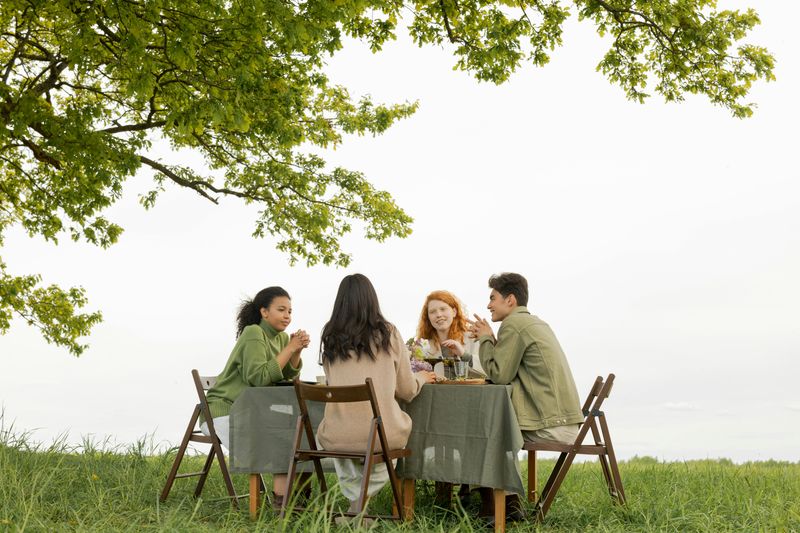
Someone in Louisiana might invite you to dinner by saying they want to help you pass a good time.
English speakers from elsewhere might find this phrasing odd because we typically say “have a good time” rather than “pass” one.
But in Louisiana, passing a good time is the ultimate goal of any gathering, especially those centered around food.
The expression comes from French, specifically “passer un bon temps,” which translates literally as “pass a good time.”
French-speaking Louisianans kept this structure when speaking English, and it became a beloved local expression that captures something important about regional culture.
Passing a good time suggests that time itself is something you move through together with friends and family, making memories while sharing meals.
Food events in Louisiana, from crawfish boils to fish fries to backyard barbecues, exist primarily so people can pass a good time together.
The phrase emphasizes the social and communal aspects of eating rather than just the food itself.
When someone promises you’ll pass a good time, expect music, laughter, stories, and probably way more food than anyone could reasonably eat.
Louisianans take this concept seriously because they understand that life’s best moments happen when people gather around tables loaded with delicious food.
Using this phrase yourself will make locals smile and welcome you more warmly into their celebrations, showing you understand what Louisiana hospitality really means beyond just serving good food.
Save the Dishes
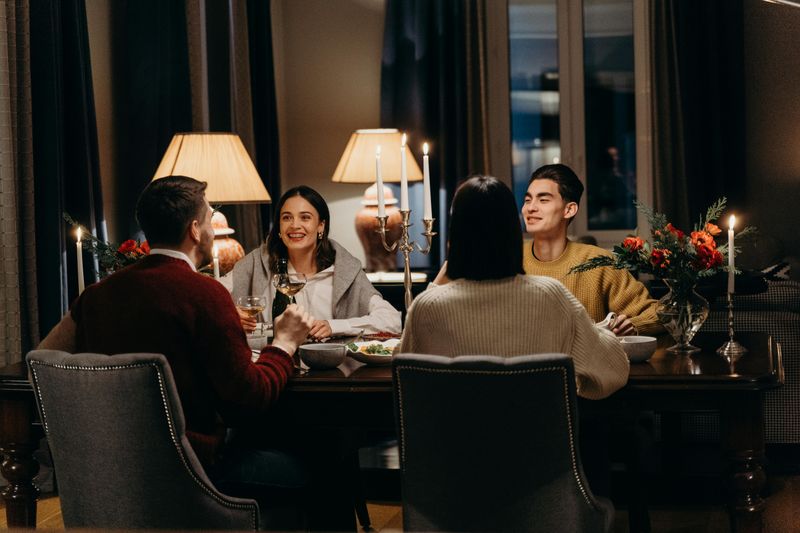
After enjoying a wonderful Louisiana meal, your host might ask you to help save the dishes.
Your first instinct might be to wonder what danger the dishes are in and what exactly you’re saving them from.
In Louisiana, saving the dishes simply means washing them and putting them away, though the phrase sounds much more dramatic than this everyday chore.
The expression likely comes from French Acadian roots, where “sauver” can mean to save or rescue but also to preserve or put away safely.
When translated literally into English, it became this charmingly unusual way to describe cleaning up after dinner.
Hearing someone ask you to save the dishes reminds you that Louisiana English preserves linguistic traditions that disappeared elsewhere.
The phrase also reflects the importance Louisianans place on taking care of belongings, especially items used for cooking and serving the elaborate meals that define their culture.
Dishes aren’t just washed but saved, protected, and preserved for the next gathering.
In a state where family recipes and cooking traditions pass down through generations, even the cleanup process carries special meaning.
When you help save the dishes after a Louisiana feast, you’re participating in the full cycle of hospitality, from preparation through eating to the final cleanup that readies everything for the next meal.
Understanding this phrase connects you to the practical, caring approach Louisianans take toward their kitchens, their tools, and the endless cycle of cooking that defines daily life in this food-obsessed state.
Makin’ Do-Do
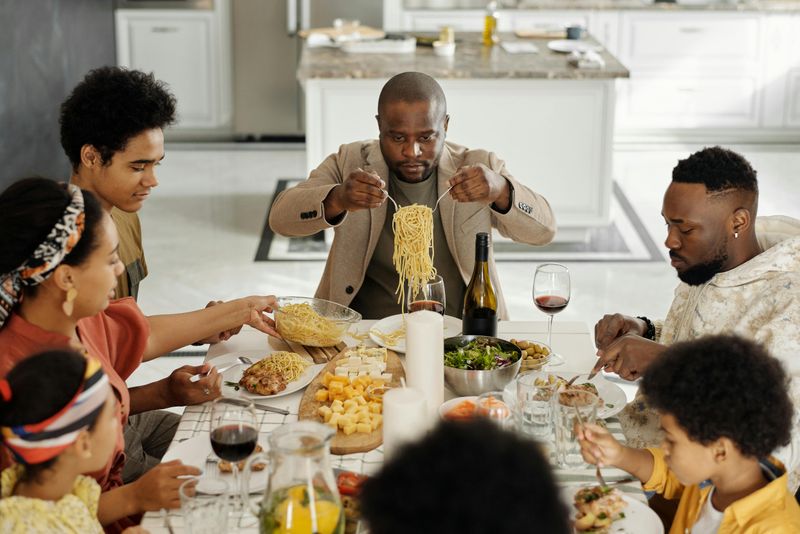
After a huge Louisiana feast, you might hear parents tell their children it’s time to make do-do.
If you’re unfamiliar with this expression, you might assume it refers to using the bathroom, but that’s not what Louisianans mean at all.
Making do-do means going to sleep, taking a nap, or putting children to bed after they’ve worn themselves out eating and playing.
The phrase comes from French baby talk, specifically “faire dodo,” which means to go to sleep.
French parents have used this gentle, repetitive phrase with young children for centuries, and it crossed the Atlantic with French settlers to Louisiana.
The soft sounds make it perfect for lulling tired children toward sleep after big family gatherings centered around food.
You’ll hear this expression most often at extended family dinners, crawfish boils, and holiday celebrations where children eat themselves into happy exhaustion.
Louisiana meals often last for hours, with multiple courses and lots of socializing, so it’s natural that young ones eventually need to make do-do.
Adults might even joke about needing to make do-do themselves after consuming massive plates of gumbo, jambalaya, and bread pudding.
The food coma that follows a proper Louisiana feast is legendary, and having a special phrase for post-meal napping seems entirely appropriate.
When you hear someone mention making do-do, you’ll know you’ve been invited into the intimate, family-centered world of Louisiana culture where food, rest, and togetherness blend into one warm experience.
Ax
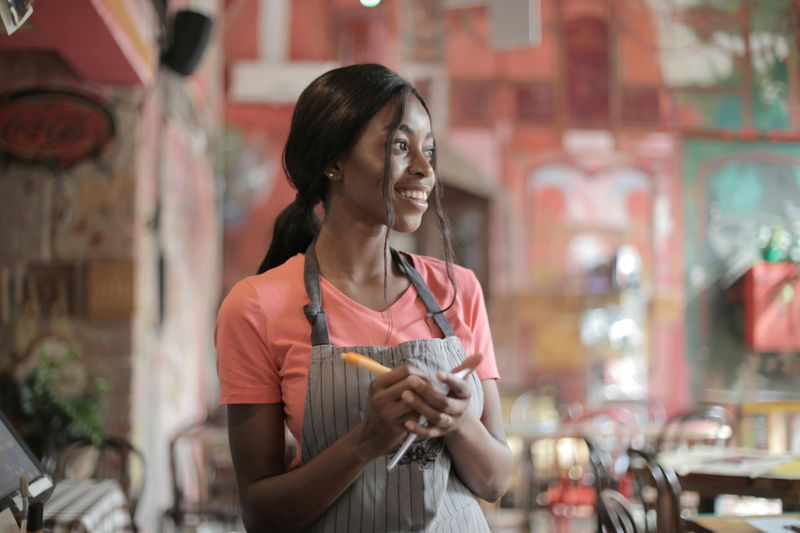
Your waiter at a Louisiana restaurant might ax you what you want to order.
Before you look around nervously for a weapon, understand that ax is simply the local pronunciation of ask.
This pronunciation appears throughout Louisiana, especially in areas with strong African American cultural influence and in Cajun communities.
The variation isn’t unique to Louisiana but appears throughout the American South and in African American English nationwide.
However, in Louisiana, you’ll hear it constantly in food-related contexts, from servers taking orders to vendors at farmers markets checking what you need.
Linguists explain that ax actually represents an older English pronunciation that was common in medieval England before ask became standard.
Chaucer used ax in his writings, showing that this pronunciation has deep historical roots in English.
In Louisiana, this pronunciation persisted through isolated communities and cultural transmission, becoming a natural part of local speech.
When someone axes you if you want hot sauce on your po’boy or if you’ve tried the bread pudding, they’re speaking authentic Louisiana English.
Responding naturally without correcting or seeming confused shows respect for local dialect and culture.
Language variation makes Louisiana fascinating, with French, Spanish, African, and English influences blending into unique speech patterns you won’t hear anywhere else.
Understanding that ax means ask helps you navigate restaurants, markets, and food conversations more smoothly while appreciating the rich linguistic diversity that makes Louisiana special beyond just its incredible cuisine and warm hospitality.
Cold Drink
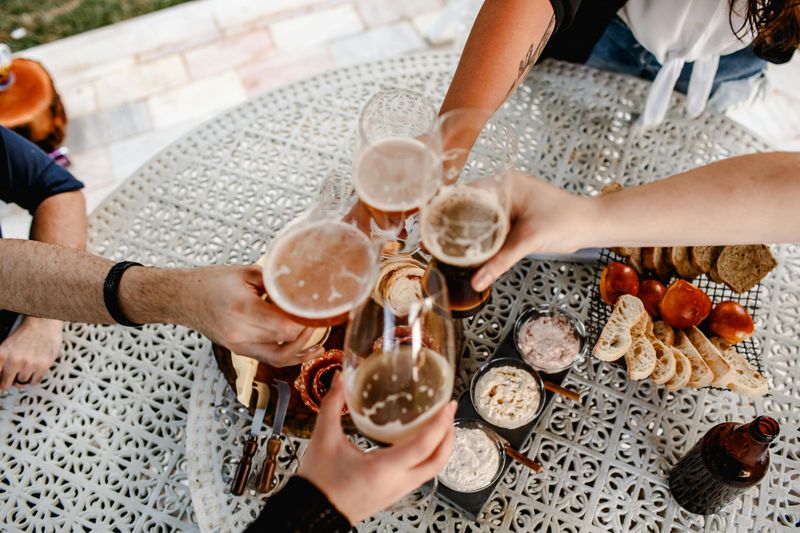
Someone in Louisiana might offer you a cold drink, and you’ll need to understand they’re not talking about iced tea or lemonade.
In Louisiana, a cold drink means a soft drink, soda, or pop, regardless of whether it’s actually cold or not.
The phrase refers to the category of carbonated beverages rather than their temperature, though most people do prefer them chilled.
This usage appears throughout the South but remains especially common in Louisiana, where specific regional terms for everyday items persist despite national standardization.
When someone axes if you want a cold drink with your meal, they mean Coca-Cola, Sprite, root beer, or similar sodas.
The term distinguishes these sweet, fizzy beverages from other drink options like water, tea, coffee, or alcohol.
Louisiana’s hot, humid climate makes cold drinks especially popular and refreshing, particularly alongside spicy Cajun and Creole dishes.
The carbonation and sweetness help cool your mouth after eating fiery gumbo, jambalaya loaded with cayenne, or hot sauce-drenched crawfish.
At Louisiana gatherings, you’ll find coolers filled with cold drinks alongside the food, with locals reaching for their favorites throughout the meal.
Popular choices include classic Colas, but also regional favorites like Barq’s root beer, which originated in Louisiana.
Understanding this terminology prevents confusion when you’re offered beverages and helps you navigate Louisiana’s food culture more smoothly, ensuring you get exactly what you want to drink with your delicious meal.
Where Y’at

Walk through New Orleans, and you’ll constantly hear people greet each other by saying where y’at.
Your logical assumption might be that they’re asking for someone’s location or directions to a place.
Actually, where y’at is simply New Orleans slang for hello or how are you doing, with no geographical information expected in response.
The phrase probably evolved from “where are you at,” shortened and slurred together until it became one quick greeting.
New Orleanians use it so frequently that locals are sometimes called Yats, a nickname that celebrates this distinctive speech pattern.
When someone greets you with where y’at before taking your order at a restaurant or while serving you at a market, just respond with a friendly greeting back.
You might say where y’at in return, or simply answer fine, how are you, treating it like any standard hello.
The phrase represents New Orleans’s unique dialect, which blends influences from Italian, Irish, German, French, and African American communities into something entirely its own.
Food vendors, restaurant workers, bartenders, and locals throughout the city use where y’at constantly, making it one of the first Louisiana expressions visitors encounter.
Hearing this greeting reminds you that you’re in a place with its own language, customs, and culture distinct from anywhere else in America.
Understanding where y’at helps you feel more comfortable in Louisiana’s food scene, where friendly greetings and warm hospitality matter just as much as the incredible dishes being served.
Dear Reader: This page may contain affiliate links which may earn a commission if you click through and make a purchase. Our independent journalism is not influenced by any advertiser or commercial initiative unless it is clearly marked as sponsored content. As travel products change, please be sure to reconfirm all details and stay up to date with current events to ensure a safe and successful trip.
