
New York is famous for its towering skyscrapers, bustling streets, and world-class attractions, but hidden in its shadows are places that time forgot.
Across the state, old theme parks and amusement sites sit quietly, their rides rusted and their laughter long faded.
Some are overgrown with weeds, while others have been reclaimed by nature, creating eerie yet fascinating landscapes.
These forgotten parks tell stories of joy, excitement, and dreams that once drew families from miles around.
Today, many of these locations remain accessible to curious explorers and history lovers.
Walking through these abandoned spaces feels like stepping back in time, where you can almost hear the echoes of children laughing and carnival music playing.
Whether you’re a fan of urban exploration or simply love uncovering hidden pieces of history, these forgotten theme parks offer a unique glimpse into New York’s colorful past.
Grab your camera and a sense of adventure, because these sites are waiting to be rediscovered.
1. Glenwood Power Plant and Amusement Park Ruins
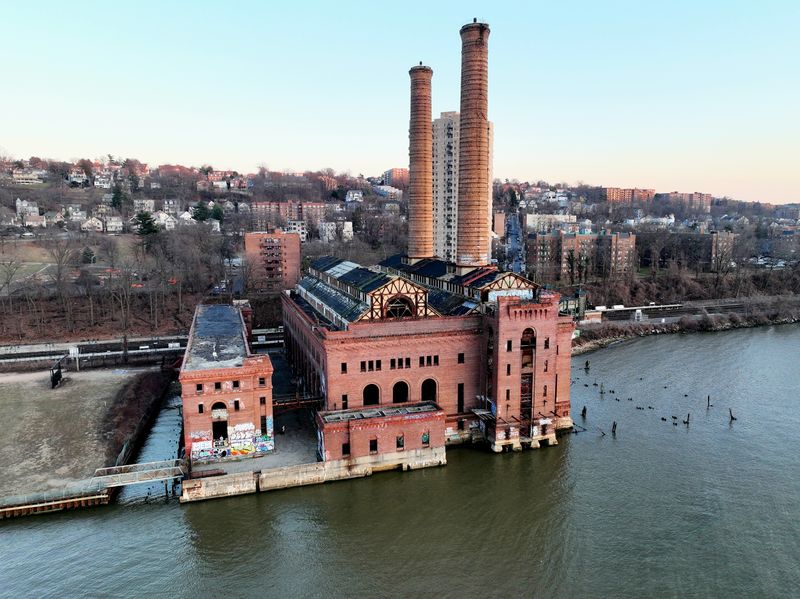
Along the Hudson River near Yonkers, remnants of an old amusement area connected to the Glenwood Power Plant still stand as silent witnesses to a bygone era, quietly telling stories of a time when this riverside spot was filled with laughter and activity.
Back in the early 1900s, the area buzzed with energy as families flocked to enjoy picnics, carnival games, and breathtaking views of the Hudson River, creating cherished weekend memories.
The power plant itself was considered a marvel of early 20th-century engineering, its towering structures and machinery impressing visitors and symbolizing industrial progress.
Adjacent to the plant, the recreational area became a popular destination for locals, offering a mix of entertainment, leisure, and scenic beauty that drew crowds from nearby towns.
Today, intrepid explorers can still discover crumbling stone walls, rusted metal beams, and foundations marking where rides, roller coasters, and attractions once thrilled visitors.
Nature has slowly reclaimed the site, with vines climbing the walls, moss covering the ruins, and trees sprouting through old pathways, blending the industrial past with a wild, green present.
The atmosphere is haunting yet beautiful, creating a striking contrast that attracts photographers, history enthusiasts, and urban adventurers seeking evocative scenes for exploration and storytelling.
Visitors should exercise caution, as the terrain can be uneven, stairs may be missing, and some structures are unstable, making awareness and preparedness essential.
Wearing sturdy shoes, bringing a flashlight, and carrying basic safety gear are smart choices for those venturing into the darker corners of the abandoned site.
The area is accessible via winding hiking trails that meander through the surrounding woods, offering occasional glimpses of the Hudson River and integrating scenic views into the adventure.
This forgotten park serves as a vivid reminder of how quickly time can erase even the most vibrant and bustling places, leaving only fragments of history behind.
Yet, the ruins continue to inspire curiosity and wonder in those who stumble upon them, igniting imaginations and providing a tangible connection to the past.
For anyone interested in history, architecture, industrial heritage, or simply exploring off-the-beaten-path locations, the site offers a fascinating journey into New York’s recreational and industrial past.
Explorers can envision the laughter of children, the thrill of rides, and the bustle of weekend crowds, imagining a world that no longer exists except in memories and photographs.
Just remember to respect the area, leaving it as you found it so future visitors can enjoy the same sense of discovery, history, and quiet adventure that makes this abandoned amusement site so compelling.
2. Palisades Amusement Park Site
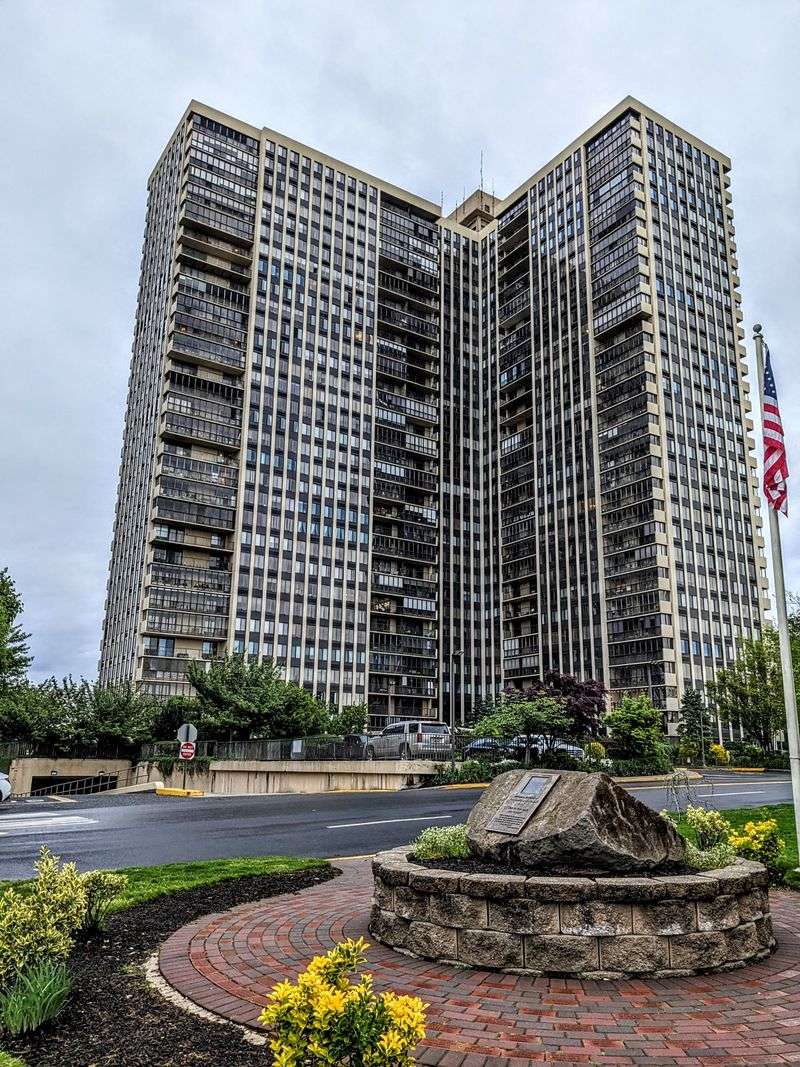
Perched high above the Hudson River in Cliffside Park, New Jersey, just across from New York City, the legendary Palisades Amusement Park once thrilled millions of visitors with its lively attractions and scenic riverside setting.
From its opening in 1898 until its closure in 1971, the park was a beloved destination, featuring thrilling roller coasters, a massive saltwater pool, carnival games, and countless other amusements for families and thrill-seekers alike.
The park’s iconic sign could be seen for miles, acting as a beacon that drew visitors from nearby towns and even New York City itself, promising excitement and adventure.
Though the park was ultimately demolished to make way for apartment complexes, traces of its glory days can still be discovered by those curious enough to explore the area.
Old photographs displayed in local libraries and archives capture the park’s grandeur, preserving glimpses of its rides, crowds, and riverside vistas for future generations.
Some original structures, like stone walls, staircases, and retaining walls, remain tucked between modern buildings, offering subtle reminders of the park’s past presence.
Walking through the neighborhood today, one can almost sense the echoes of laughter, the hum of rides, and the vibrant energy that once defined the area.
Local historians have worked diligently to preserve the memory of Palisades Amusement Park through plaques, markers, and exhibitions scattered throughout Cliffside Park.
The site at 2175 Lemoine Avenue now holds residential towers, yet the breathtaking views of the Manhattan skyline remain, connecting the past with the present.
Visitors can stroll along the cliff edge and imagine the screams of joy from the Cyclone roller coaster or the laughter of children running between attractions on a summer day.
For those fascinated by amusement park history, this location offers a bittersweet experience, blending nostalgia with the reality of urban transformation.
While the rides and attractions are gone, the stories and memories live on through local museums, historical markers, and the recollections of those who once visited.
The legacy of Palisades Amusement Park stands as a testament to how beloved entertainment destinations can disappear, yet their cultural and emotional impact continues to resonate through generations.
Even decades later, the park’s spirit lingers in the hearts of locals and visitors alike, inspiring curiosity, reflection, and a sense of wonder about the past.
3. Freedomland USA Remnants
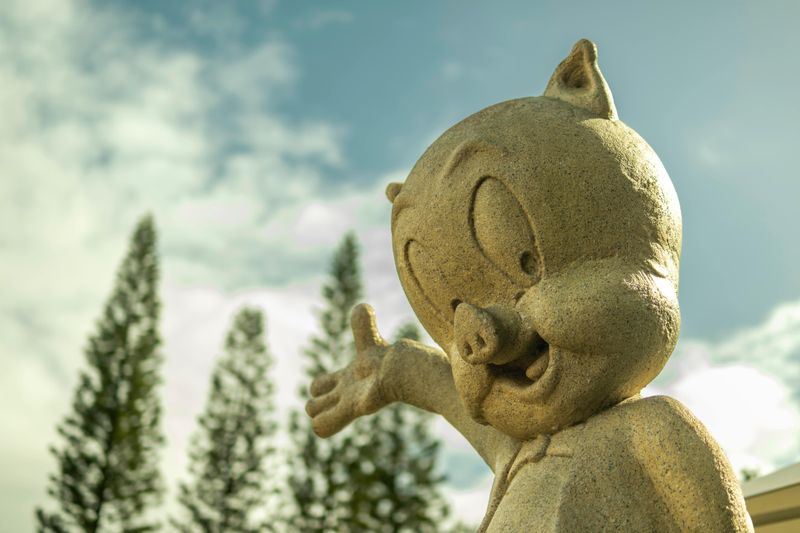
Imagine a theme park shaped like a map of the United States, where each section represented a different region of the country.
That was Freedomland USA, a massive 205-acre park that opened in the Bronx in 1960.
Visitors could walk from the Old Southwest to the Chicago Fire exhibit, experiencing American history through elaborate shows and attractions.
Unfortunately, the park struggled financially and closed just four years later in 1964.
Today, the site is occupied by Co-op City, one of the largest cooperative housing developments in the world.
However, careful observers can still spot traces of the park’s existence, including unusual ground patterns and old infrastructure hidden beneath modern buildings.
Some of the original parking lot structures and pathways remain visible if you know where to look.
Local history enthusiasts have documented these remnants, and walking tours occasionally highlight the park’s former locations.
The Bronx Historical Society at 3309 Bainbridge Avenue holds photographs and memorabilia from Freedomland’s brief but memorable run.
What makes this site particularly interesting is how completely it was transformed.
Unlike parks that were simply abandoned, Freedomland was built over, yet its footprint can still be traced by those with a keen eye.
The sheer ambition of creating a theme park in the Bronx during that era speaks to the optimism of the time.
For urban explorers and history buffs, discovering these hidden traces feels like uncovering buried treasure.
The story of Freedomland reminds us that even the grandest dreams can fade, but their echoes remain for those willing to search.
4. Boblo Island Amusement Park Accessible Ruins
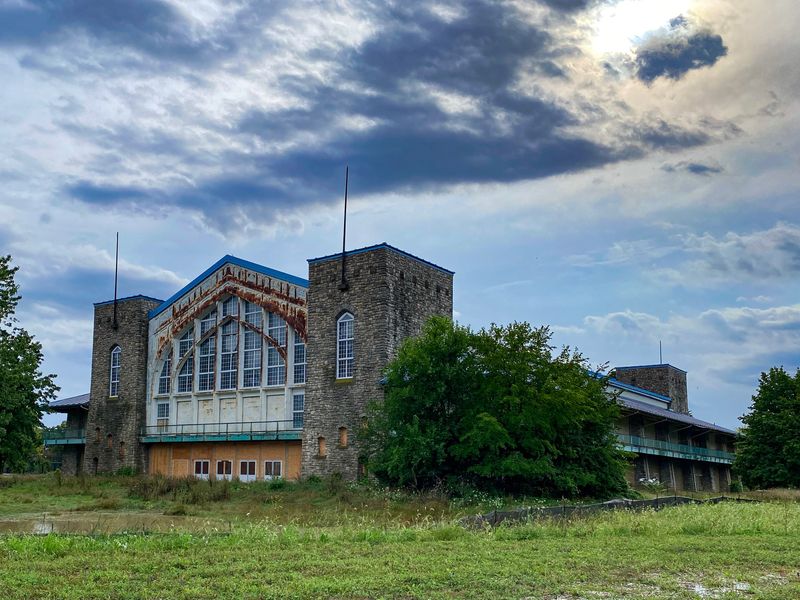
Boblo Island sits in the Detroit River between Michigan and Ontario, but its connection to New York comes through the countless families who traveled from upstate areas to visit this magical destination.
The park operated from 1898 to 1993, featuring a stunning dance hall, carousel, and various thrill rides.
Ferries would transport excited visitors across the water, building anticipation for a day of fun.
After closing, the island fell into disrepair, but some structures remain standing today.
The magnificent dance hall, though deteriorating, still showcases beautiful architecture with its grand columns and ornate details.
Exploring these ruins requires a boat trip to the island, which adds to the adventure and sense of discovery.
Several buildings are accessible to careful explorers, including the old theater and maintenance areas.
Nature has reclaimed much of the island, with trees growing through building floors and wildlife making homes in abandoned structures.
The contrast between man-made attractions and natural beauty creates a hauntingly picturesque scene.
Visitors should note that the island is now partially developed with private residences, so respecting property boundaries is essential.
Public areas near the old park site can still be explored, offering glimpses into the park’s former glory.
Photographers particularly love the way sunlight filters through broken windows and the interplay of decay and growth.
The journey to Boblo Island feels like a pilgrimage for amusement park enthusiasts.
Standing among the ruins, you can almost hear the music playing and see families dancing in the grand ballroom.
This forgotten park represents a piece of regional history that deserves to be remembered and appreciated.
5. Rye Playland’s Abandoned Sections
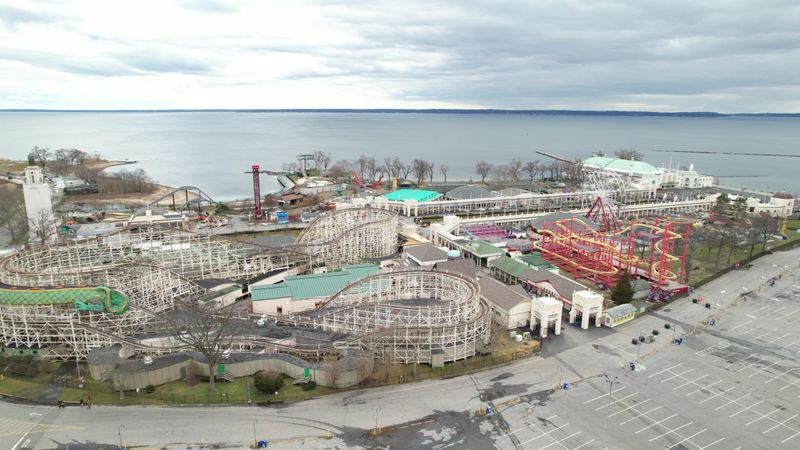
While Rye Playland in Westchester County continues operating as one of America’s oldest amusement parks, not everyone knows about its forgotten sections.
Opened in 1928, this Art Deco masterpiece at 1 Playland Parkway in Rye has evolved over the decades, leaving behind abandoned buildings and unused attractions.
These closed-off areas tell stories of changing entertainment trends and economic challenges.
Behind chain-link fences and boarded-up doorways, old funhouse structures and storage buildings sit untouched.
Some original 1920s architecture remains visible, including decorative elements that showcase the park’s glamorous past.
During the off-season, when the operating park is quiet, these abandoned sections become even more apparent and accessible to curious observers.
The contrast between the active, bustling park and its forgotten corners creates a unique exploration opportunity.
Visitors to the functioning park can catch glimpses of these abandoned areas from various vantage points throughout the grounds.
Old photographs displayed in the park museum show how these now-empty spaces once teemed with activity and excitement.
Park management occasionally offers historical tours that include information about these closed sections, providing context and stories from longtime employees.
The abandoned bathhouse near the beach area is particularly interesting, with its vintage tile work and grand architectural design still partially visible.
These forgotten spaces within an active park create a fascinating juxtaposition between past and present.
For amusement park enthusiasts, Rye Playland offers a unique opportunity to experience both operational nostalgia and abandoned history in one location.
The park’s commitment to preserving its Art Deco buildings means these forgotten sections might someday be restored, making now the perfect time to observe them in their current state of beautiful decay.
6. Rockaway’s Playland Ruins
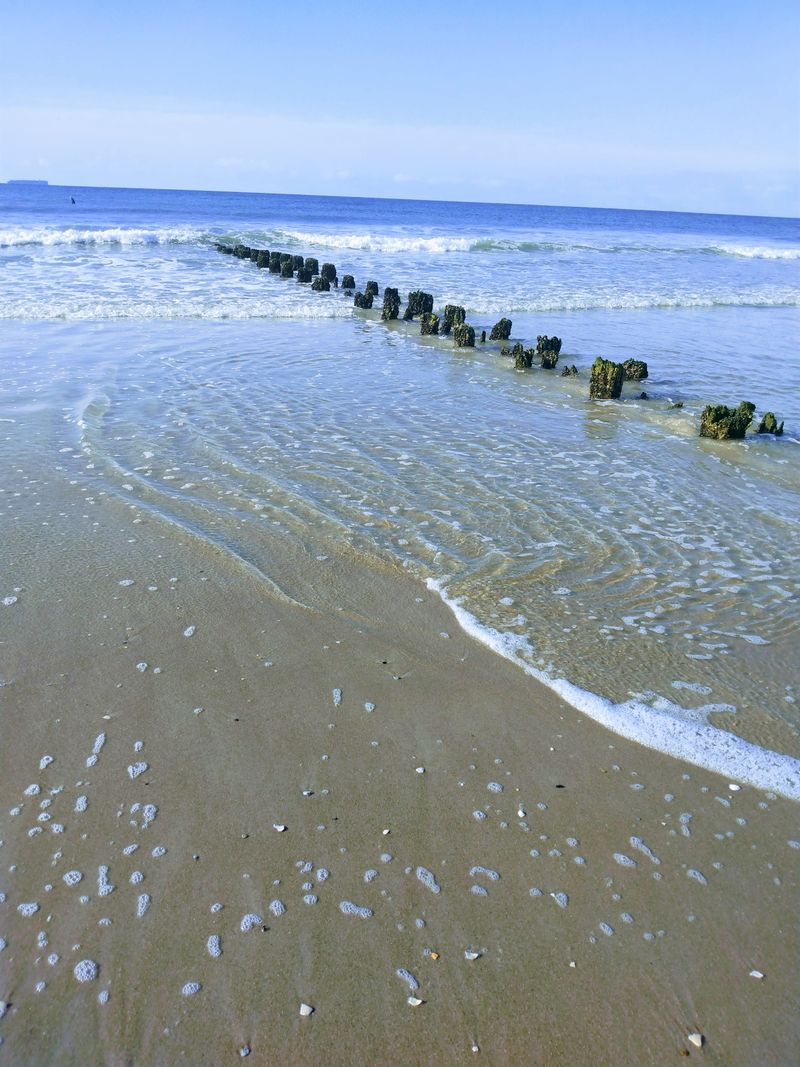
On the Rockaway Peninsula in Queens, the ghost of a once-beloved amusement park still haunts the beachfront.
Rockaway’s Playland operated from 1901 to 1985, providing generations of New Yorkers with seaside entertainment and thrills.
The park’s famous Atom Smasher roller coaster and funhouse were iconic landmarks visible from miles away along the beach.
After closing, most structures were demolished, but determined explorers can still find remnants scattered along the boardwalk area.
Concrete foundations peek through the sand, and old pilings from the pier extend into the water like skeletal fingers.
The site near Beach 97th Street still contains traces of the park’s footprint, though much has been lost to time and development.
Hurricane Sandy in 2012 further altered the landscape, but also exposed some previously buried park infrastructure.
Local residents occasionally discover old tokens, ride parts, and other artifacts washed up on the beach after storms.
These tangible connections to the park’s past create excitement among collectors and history enthusiasts.
The area has been partially redeveloped with new housing and recreational facilities, but the memory of Playland remains strong in the community.
Old-timers share stories of summer days spent riding the Whip and eating cotton candy while watching the ocean waves.
Photographs displayed at the Rockaway Beach Surf Club at 302 Beach 87th Street help preserve the park’s visual history.
Walking along the boardwalk today, especially during quiet winter months, allows for contemplation of what once stood there.
The combination of beach beauty and historical ruins creates a melancholy yet fascinating atmosphere that draws urban explorers and nostalgic locals alike to this forgotten entertainment destination.
Dear Reader: This page may contain affiliate links which may earn a commission if you click through and make a purchase. Our independent journalism is not influenced by any advertiser or commercial initiative unless it is clearly marked as sponsored content. As travel products change, please be sure to reconfirm all details and stay up to date with current events to ensure a safe and successful trip.
