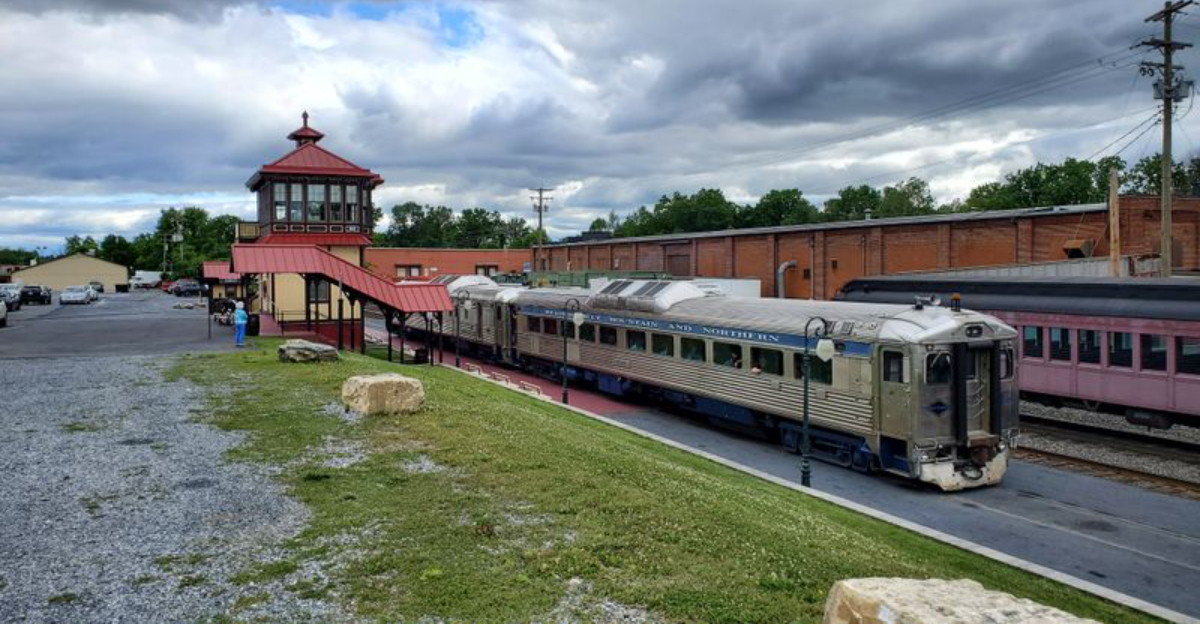
Pennsylvania hides rail stories in quiet stone depots, ivy covered platforms, and foundations tucked along rivers and trails. You can still feel the rhythm of trains in places where grass now waves and bicycles glide. These stops shaped towns, carried coal and mail, and stitched the state together in steel. Walk with me through ten locations where time slowed, yet the echoes still speak.
1. Manayunk Industrial Ruins, Schuylkill River Trail
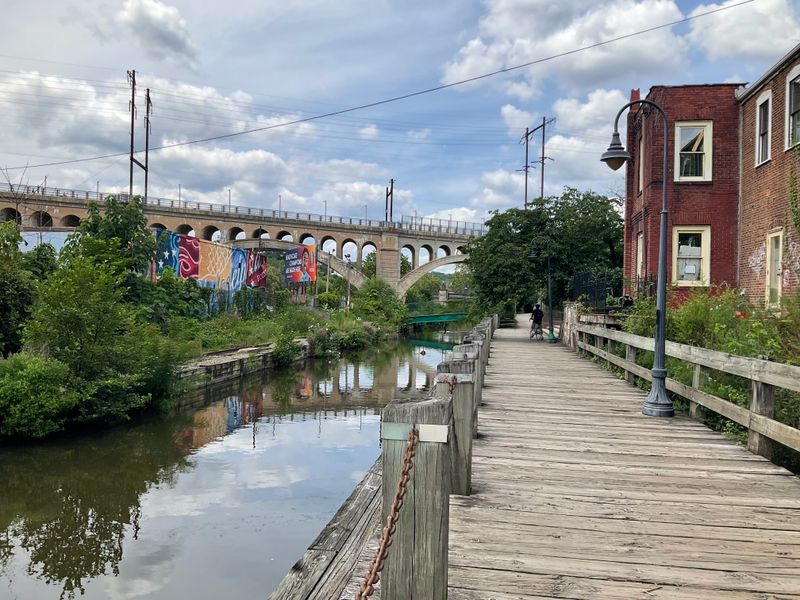
Manayunk reveals its rail bones along the Schuylkill River Trail, where foundations and retaining walls peek out beside the water.
Mills once needed sidings, and sidings asked for switchmen, lantern signals, and careful schedules that kept the valley humming.
Now cyclists trace a gentler line, following a corridor that still feels straight, purposeful, and quietly resilient.
Walk from the trail access near 4000 Main Street, Philadelphia, Pennsylvania, and look for stone pads tucked under vines.
Some are square and resolute, like paused machinery, while others tilt into the riverbank with patient acceptance.
You begin to read the walls like a ledger of loads, with metal scars marking where rivets clung.
Manayunk keeps a lively street scene nearby, yet the trail edges feel contemplative, almost museum like without labels.
River light slides across old surfaces, and reflections blur the divide between then and now.
Listen for freight echoes, a rhythm that seems to match footsteps as you pass steel grates and bridge trusses.
Philadelphia rail history runs long, and this stretch compresses chapters into a few quiet bends.
You see how industry shaped neighborhood curves, placing shops where tracks allowed deliveries and early morning starts.
Leave with a map in your head, stitched by stone, metal, and river, guiding your next Pennsylvania rail walk.
2. Lansdale Station Old Building, Montgomery County
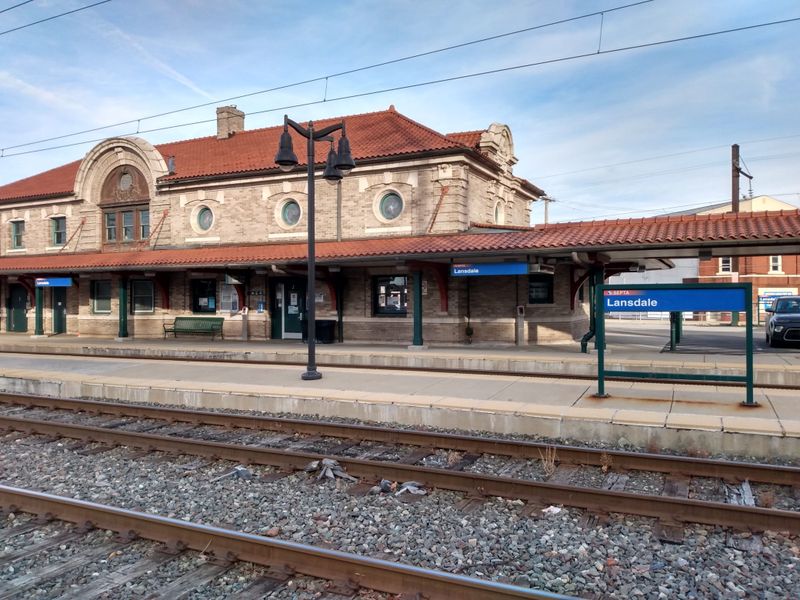
Lansdale feels layered, with an active rail town framing an older station building that still wears distinctive star motifs.
The current platforms handle commuters, yet the original structure invites slower attention and a look at careful design.
Stand back and notice the roofline angles, where woodwork and brickwork share a calm conversation.
Find it at 80 West Main Street, Lansdale, Pennsylvania, where sidewalks lead past storefronts into the heartbeat of the borough.
The old building reads like a thesis on suburban growth, showing how rail made daily travel feel practical and close.
Windows frame the street, and the street returns a portrait of patios, bikes, and small town pace.
Star details punctuate the facade, a modest flourish that still catches light in late afternoon.
You sense how tickets once set journeys in motion, folding lives into neat segments between home and office.
Here the past is not abandoned, just quieter, sheltered by canopies that promise shelter from drizzle.
Montgomery County holds rail stories at corners and crosswalks, and Lansdale keeps its chapter in plain view.
Train horns drift across rooftops, blending utility with a hint of ceremony that never quite left.
Come for a look, then stay to feel Pennsylvania time settle into brick, glass, and steel.
3. Broad Street Station Memory, Center City Philadelphia
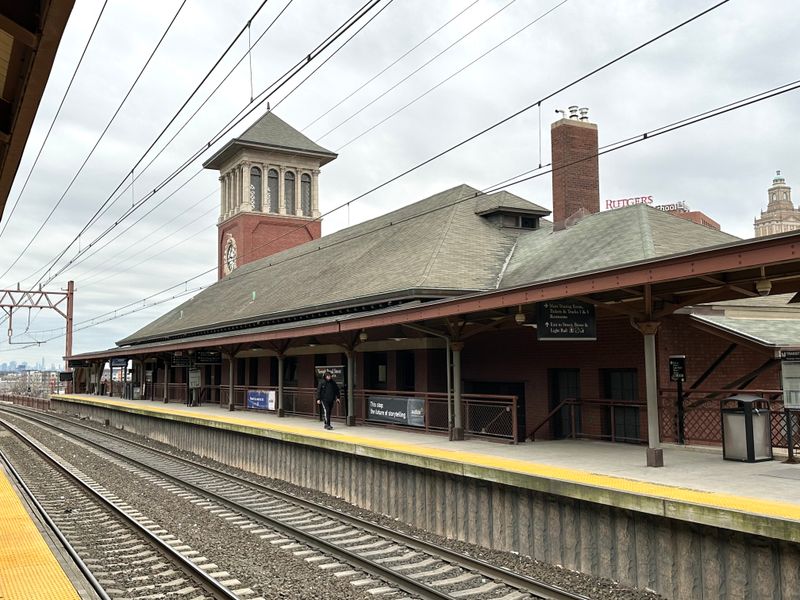
The ghost of Broad Street Station stands in the city grid, a memory that shaped how Philadelphia meets the tracks.
The great terminal is gone, yet its story still frames the walk between City Hall and the grand steps of progress.
You trace edges by photographs, plaques, and alignments that point toward the living hub to the west.
Stand near 1500 Market Street, Philadelphia, Pennsylvania, and let the space itself explain what scale once felt like.
The replacement era brought 30th Street Station into focus, shifting the center while keeping the network alive.
Streets breathe differently here, with traffic and footsteps filling a void that once thundered with carriages and cars.
Look up at the skyline and imagine a trainshed casting patterned shadow over a sea of platforms.
Broad Street taught the city how to arrive, and the city kept arriving even after steel left.
Architecture changes, but routes remain, a civic habit that covers distance with repetition and faith.
The plaza becomes a palimpsest, where modern glass balances the weight of what stood before.
Everything feels near, yet the time between stations speaks across blocks with a patient voice.
Philadelphia history lingers, and Pennsylvania memory gathers at corners, waiting for your steps to connect the chapters.
4. Allegheny Portage Railroad Remnants, Near Altoona
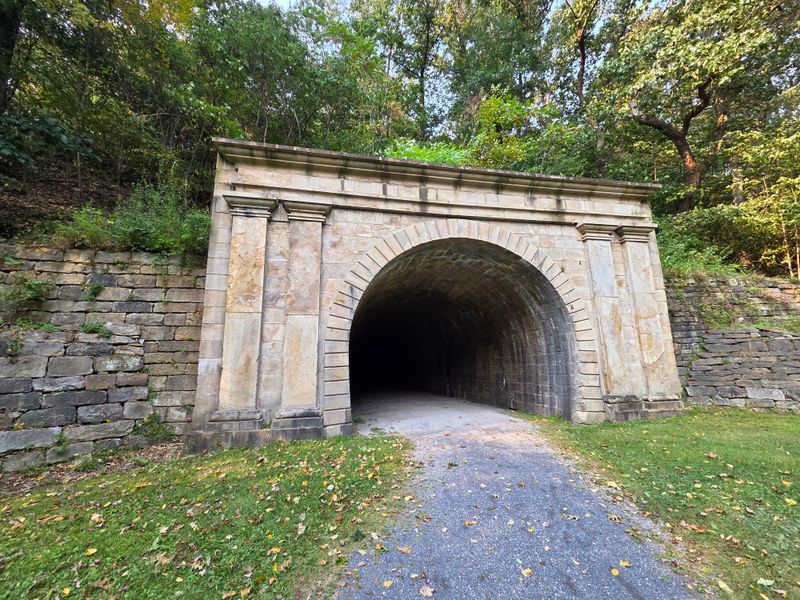
In the Alleghenies, the old portage railroad reveals canals of stone, plane grades, and tunnel mouths softened by moss.
It feels like a classroom built from rock, showing the logistics that once pulled the state over its mountains.
Each culvert whispers about water, weight, and the stubborn promise of connection.
Begin at 110 Federal Park Road, Gallitzin, Pennsylvania, then follow signs into the national historic area.
Paths lead to overlooks where you see earthworks step upward, measured and resolved against a stubborn slope.
Tunnel portals hold cool air, and the quiet holds a confidence that outlasted timetables.
Interpretive signs outline techniques, yet the stones do most of the teaching with patient clarity.
Stand still and count breaths until the trees seem to match a long forgotten cadence.
Pennsylvania built a reputation here, forging a route that turned distance into a solvable problem.
Wood, rope, iron, and grit made a system that still proofs itself in surviving geometry.
You will leave with cleaner lines in your mind, the kind engineers draw when solutions appear.
Mountains remain, but the path over them feels closer once you walk these remnants with care.
5. Abandoned PRR Lines, Conemaugh Valley
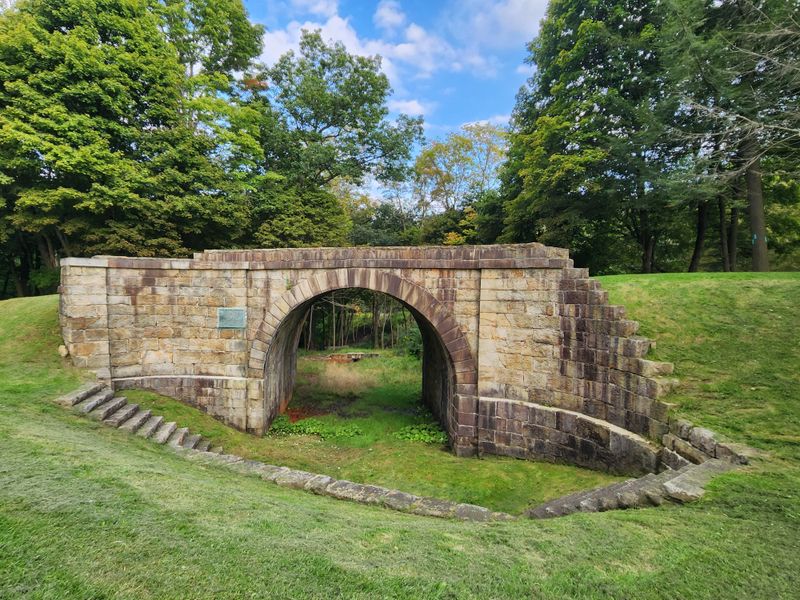
The Conemaugh Valley carries the shape of rails long after the schedules vanished, leaving bridge piers stranded in current.
Stone and concrete keep watch as the river threads past, steady and unhurried where steel once sped.
These pieces feel like punctuation, holding the line while nature rewrites the sentence.
Start near 200 Ferndale Avenue, Johnstown, Pennsylvania, and scan the bends for abutments half hidden by brush.
Trail segments trace parts of the route, and anglers share space with the hush of ballast underfoot.
It is not a museum, yet it instructs, showing how alignments choose the easiest argument with terrain.
Look up to cliffs where telegraph poles once walked, now replaced by shadows and hawk flights.
You can follow the river and read decades in the angles of cut stone.
Pennsylvania history here is practical, built for work, and softened by seasons that never rest.
Every pier becomes a compass point, telling you where trains aimed and where towns listened.
Quiet helps you sort the map, turning guesses into observations with each step.
Leave with the river in your ears, and the faint clatter of memory matching its pace.
6. Kittanning Depot Echo, Armstrong County
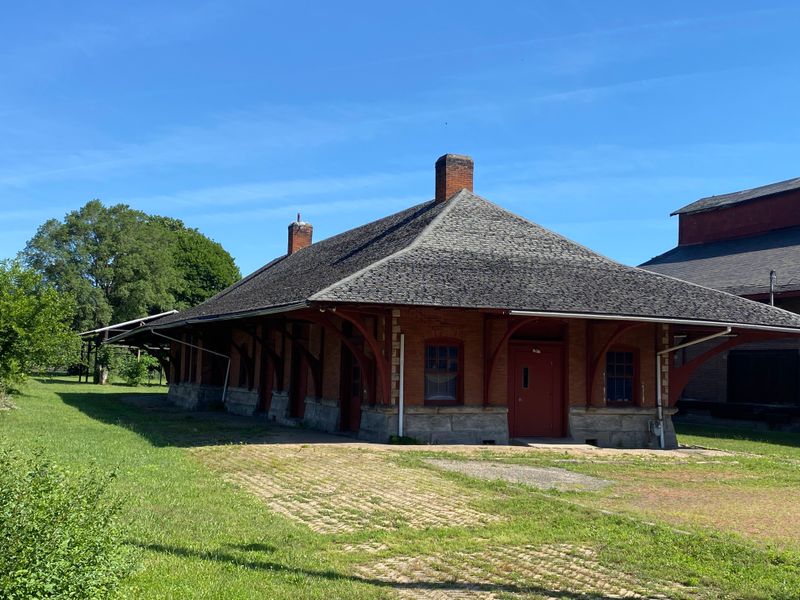
Kittanning holds a depot that speaks in modest tones, a structure that served a valley built on timber and coal.
The trackside edge now feels neighborly, more porch than platform, facing a street that grew around it.
You catch the rhythm of departures traced by painted trim and careful brickwork.
Visit 139 Market Street, Kittanning, Pennsylvania, where the former station anchors local memory with sensible grace.
Signs and displays sometimes appear within, depending on use, but the exterior tells plenty without help.
Windows sit like picture frames, keeping watch over a town that adjusted as the trains slowed.
The river nearby steadies the scene, a quiet partner that outlasts steel and schedules.
Armstrong County keeps history practical, and this building feels ready to host any job the day brings.
Stand on the sidewalk and listen for freight wind that used to chase along the cars.
Details reward patience, like corbels that stack shadows and door latches polished by many hands.
You leave with a sense of proportion, the kind towns choose when work and home share corners.
Pennsylvania pride shows up softly here, measured in maintenance, paint, and a building that still earns its keep.
7. Williamsport Rail Heritage, Susquehanna Valley
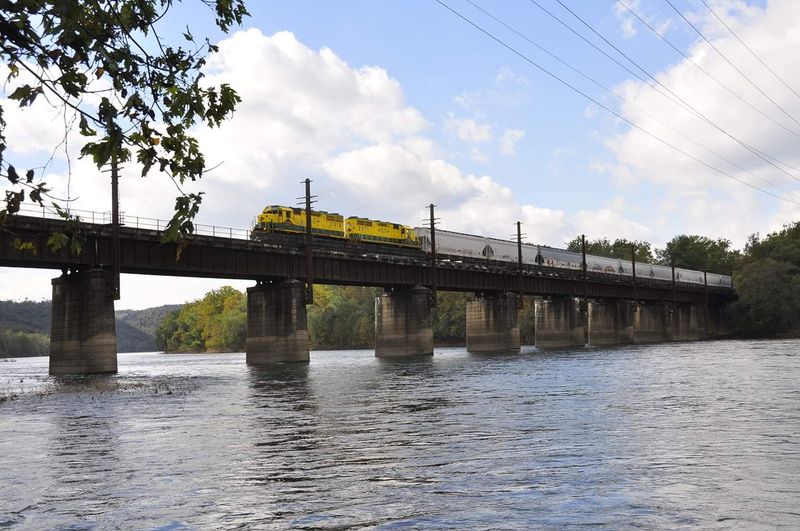
Williamsport tucks rail heritage into brick stations and freight houses that once moved lumber and mail through the valley.
Street grids meet the river, and the river meets the rails, creating a tidy handshake that built the town.
The scene still breathes industry, even as traffic turns to offices, galleries, and quiet walks.
Head to 810 Nichols Place, Williamsport, Pennsylvania, where a former station frames a block with crisp lines.
Shadows under the canopy read like notes from conductors who kept everything on time.
Windows catch the Susquehanna light and fold it across floors that once rattled with baggage carts.
Freight doors seem ready to roll, though the freight now feels like stories and photographs.
You can trace the network outward, connecting to northern Pennsylvania towns that shared both timber and grit.
Patience pays off here, where clinker brick hides color that appears when the sun slides low.
Every corner keeps a proportion that hints at schedules and lunch pails.
Walk a block or two and the river returns, steady as a timetable you can still trust.
Leave with a mental map, lines converging on Williamsport just as they did when the whistles ruled.
8. Erie Lakefront Depots, Lake Erie Shore
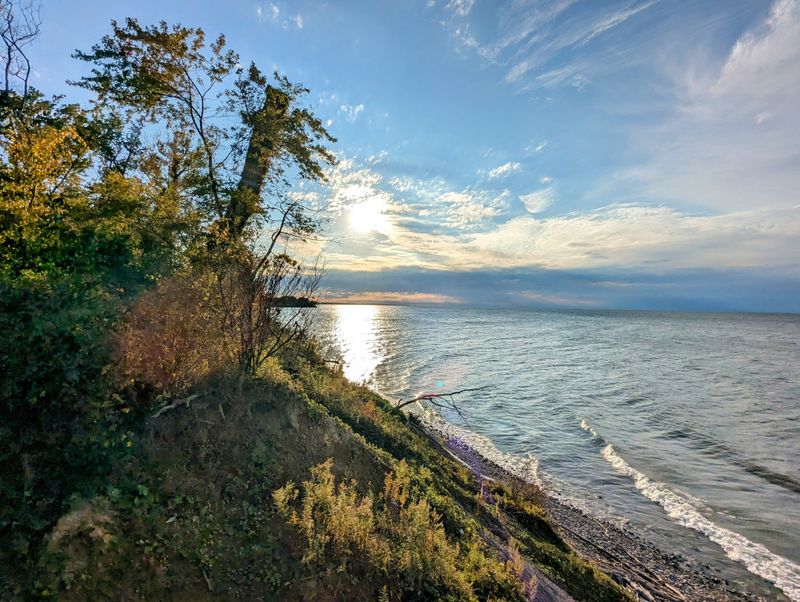
Along the Erie lakefront, depots and freight houses share a horizon where water and rail once traded momentum.
Piers, warehouses, and platforms shaped a line that funneled goods toward ship berths and waiting cars.
Today the buildings feel reflective, content to hold new roles while keeping their original posture.
Start near 420 French Street, Erie, Pennsylvania, and walk toward the waterfront to spot repurposed rail forms.
Brick meets wind from the lake, and windows hold a silver light that shifts by the minute.
Some doors face tracks that are gone, leaving a measured gap that reads like a missing stanza.
Stand with your back to the water and feel how the grid pulls inland toward neighborhoods.
This threshold belonged to timetables and tides, two clocks that argued then agreed on rhythm.
Erie history folds neatly into the brick, which keeps its edges even on cold days.
You can read patterns in bolt holes, lintels, and platform heights that mark the dance of loading.
It is peaceful now, which lets you picture the former bustle without strain.
Pennsylvania stretches to a lake here, and the stations answer with a poised, weathered grace.
9. Underground Railroad Rail Adjacent Sites, Western Pennsylvania
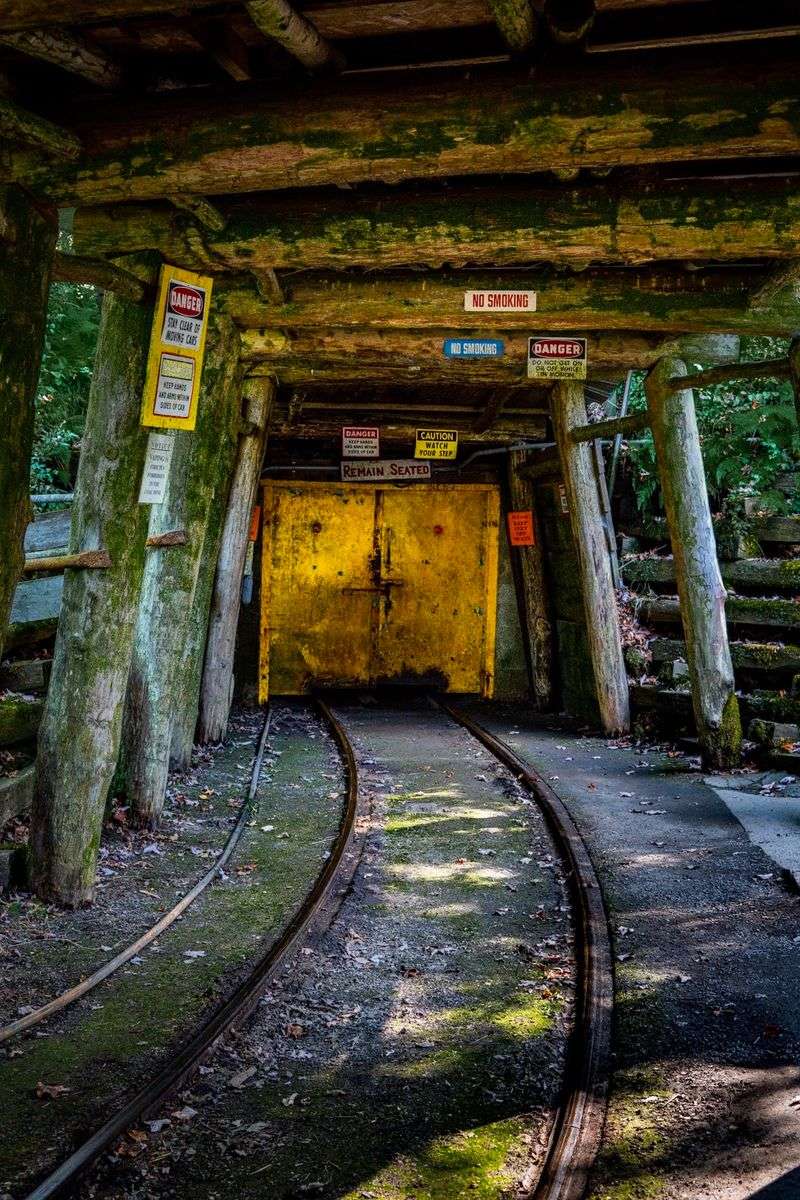
In Western Pennsylvania, rail corridors later paralleled routes of freedom, and some homes still hold careful secrets.
Cellars, concealed rooms, and unassuming facades once supported quiet movement in a landscape that learned discretion.
You walk slowly here, mindful of stories that ask for respect more than spectacle.
Begin in Blairsville near 116 East Market Street, Blairsville, Pennsylvania, where historical markers frame a thoughtful path.
Uniontown offers another layer, with streets that shelter structures used for safe passage and trust.
No single building explains everything, and that is part of the truth carried forward.
Rail arrived later and cast long lines across the region, connecting the memory to broader routes.
Look for modest doorways, the kind that conceal courage in quiet wood and brick.
This is not a photo chase, it is a walk that asks you to listen before looking.
The towns keep daily life moving, which helps the past feel present rather than staged.
Read plaques, follow local guidance, and allow pauses to do their work.
Leave with gratitude, and with Pennsylvania history settled a little deeper under your steps.
10. Schuylkill River Swing, Reading Outer Station Context
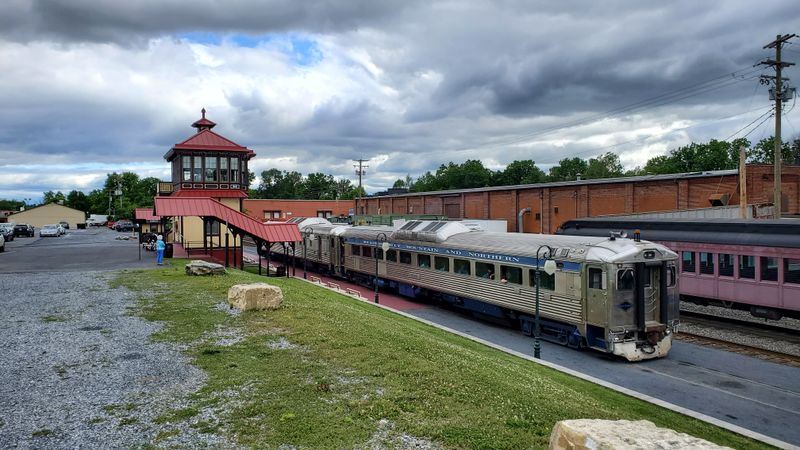
Reading holds a rail heartbeat at the edge of town, where preserved context meets a river that once paced freights.
Platforms, canopies, and yard traces explain how a regional network gathered momentum in steady increments.
The result today is a calm scene that still knows how to host arrivals.
Head to 350 North 2nd Street, Reading, Pennsylvania, and explore the surrounding blocks and river approach.
Tracks nearby serve excursions, while older alignments sketch their history in ballast and timbers.
You can stand under a canopy and hear the sound carry clean across the water.
Reading history blends civic pride with practical design, a combination that keeps edges crisp.
Benches face the line, and the line answers with a patient horizon.
The river adds a silver stripe that marks the valley floor without fuss.
Details survive in brackets and lamp mounts, offering clues for those who prefer to read buildings.
This corner of Pennsylvania rewards repeat visits, because the light rewrites the story every hour.
Bring curiosity, take your time, and let the place draw its own neat map in your mind.
Dear Reader: This page may contain affiliate links which may earn a commission if you click through and make a purchase. Our independent journalism is not influenced by any advertiser or commercial initiative unless it is clearly marked as sponsored content. As travel products change, please be sure to reconfirm all details and stay up to date with current events to ensure a safe and successful trip.
