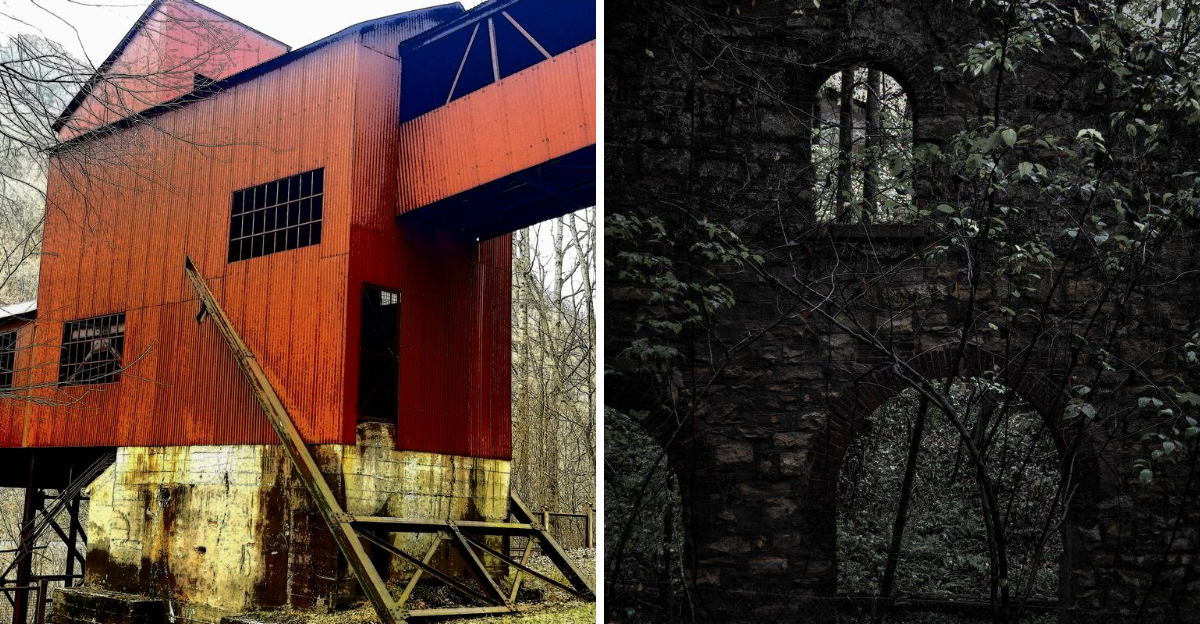
West Virginia’s mountains hide stories that most travelers never hear.
Deep in the hollows and along forgotten railroad tracks, abandoned coal towns stand as silent witnesses to a bustling industrial past.
These communities once thrived with thousands of workers, families, and businesses that powered America’s growth.
Today, nature slowly reclaims what miners and their families left behind, creating hauntingly beautiful landscapes that few visitors ever explore.
Most tourists stick to popular attractions, missing these authentic glimpses into Appalachian history.
The towns featured here offer something different: raw, unpolished connections to the coal mining era that shaped this region.
From ghost towns within national parks to nearly vanished communities deep in the wilderness, each location tells a unique story of hope, hard work, and eventual decline.
Visiting these sites requires determination and respect for the past.
Many are difficult to reach, with rough roads and steep trails leading to crumbling structures and overgrown foundations.
Yet for those willing to make the journey, these forgotten places reveal a side of West Virginia that guidebooks rarely mention.
1. Nuttallburg
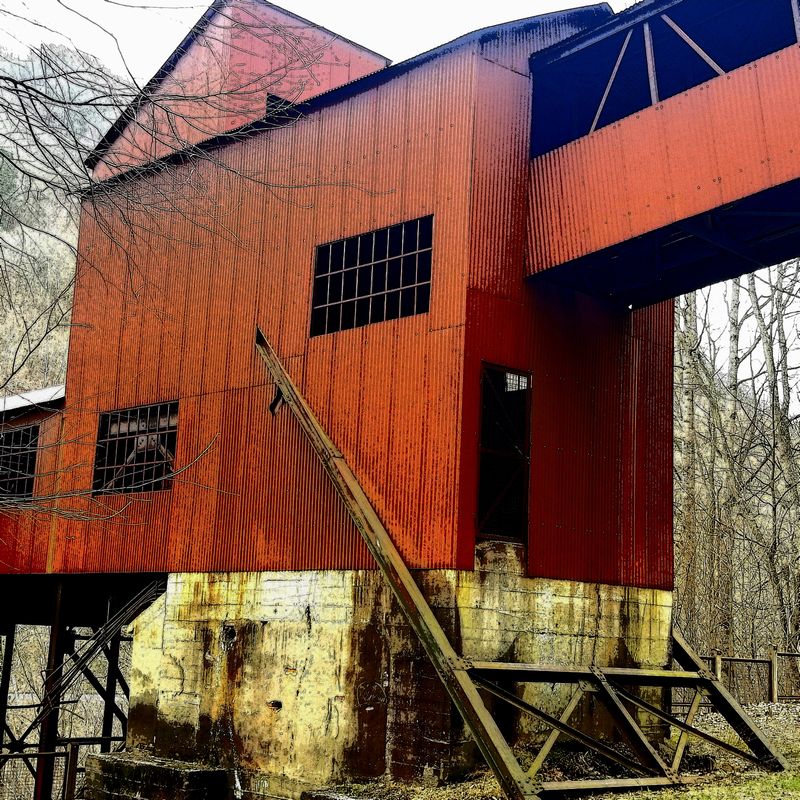
Fayette County holds one of the most impressive coal town remnants in West Virginia.
Nuttallburg stands within the boundaries of New River Gorge National Park and Preserve, offering hikers a remarkable window into industrial history.
Nearly a hundred houses once filled this bustling community, where families built their lives around the coal industry.
Henry Ford himself relied on coal from this very operation, making Nuttallburg a significant supplier during the early automotive boom.
The massive coal-loading structure, known as a tipple, still towers over the landscape in surprising condition.
Coke ovens dot the hillside, their stone arches standing firm despite decades of abandonment.
Reaching this ghost town requires commitment from visitors.
The hiking trail tests your endurance with its length and terrain challenges.
Once you arrive, the scale of operations becomes immediately clear.
Machinery remnants and building foundations spread across the valley floor.
Interpretive signs help visitors understand how coal moved from mine to market through this complex system.
Photography enthusiasts find endless subjects among the weathered wood and rusting metal.
The National Park Service maintains trails but leaves structures largely untouched, preserving their authentic deterioration.
Spring and fall offer the best visiting conditions, with moderate temperatures and colorful foliage framing the ruins.
Address: Accessed via trails from Kaymoor Road, Fayette County, WV (within New River Gorge National Park and Preserve).
2. Kaymoor
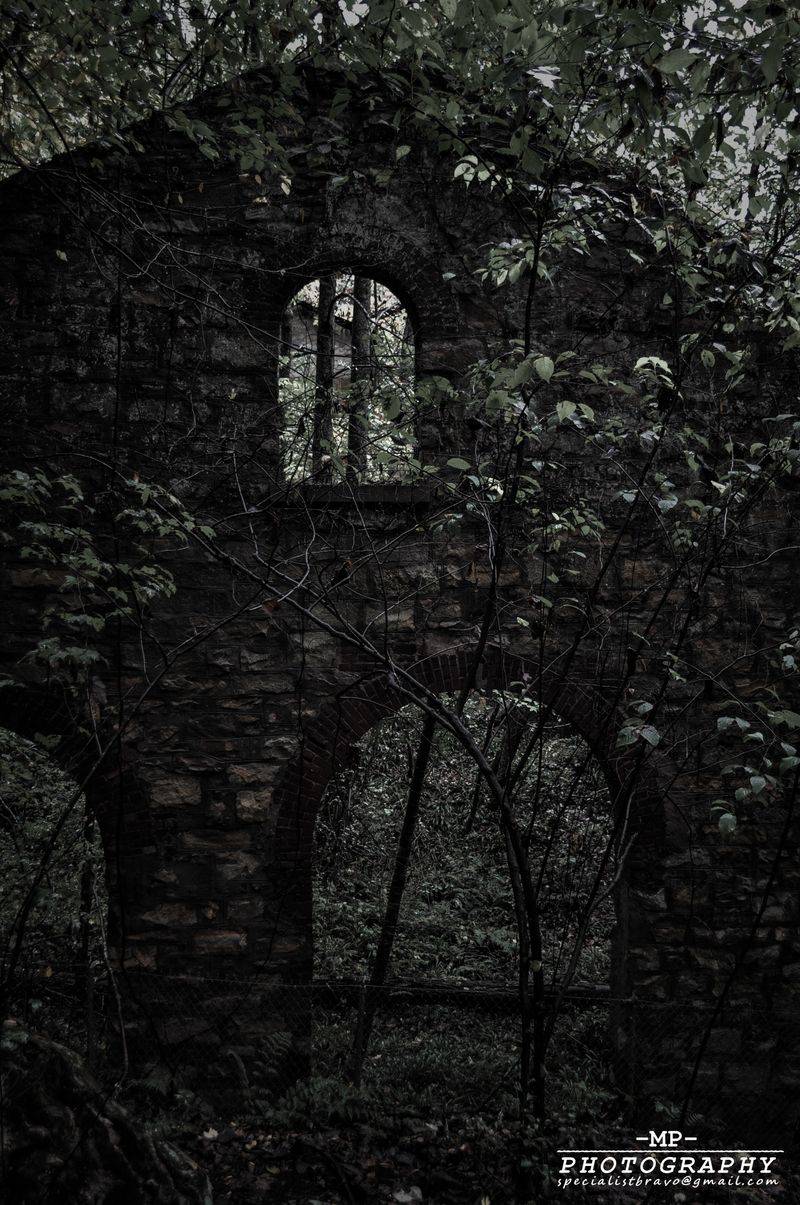
Across the river from Nuttallburg sits another powerhouse of coal production.
Kaymoor ranked among the gorge’s most productive mining operations during its heyday.
Workers extracted massive quantities of coal from deep within the mountain, using techniques that seem primitive by modern standards.
A dedicated hiking trail now leads adventurous visitors to the mine entrances and remaining structures.
Prepare yourself for a serious workout on the descent.
Hundreds of steps carry you down the canyon wall, dropping elevation quickly as you approach the mining complex.
Your legs will remember this hike long after you return home.
Mine openings gape darkly from the hillside, sealed for safety but still visible and impressive.
Building foundations and machinery parts scatter across multiple levels of the operation.
The scale of industrial activity becomes apparent as you explore different sections of the site.
Interpretive materials explain how miners worked in dangerous conditions to extract the valuable resource.
Families lived nearby in company housing, creating a complete community centered around coal.
The trail system allows visitors to experience both the industrial and residential aspects of the town.
Wildlife has reclaimed much of the area, with deer and birds now occupying spaces where miners once labored.
Visiting during weekdays increases your chances of experiencing the site in solitude.
Address: Kaymoor Miners Trailhead, Kaymoor Road, Fayette County, WV (within New River Gorge National Park and Preserve).
3. Thurmond
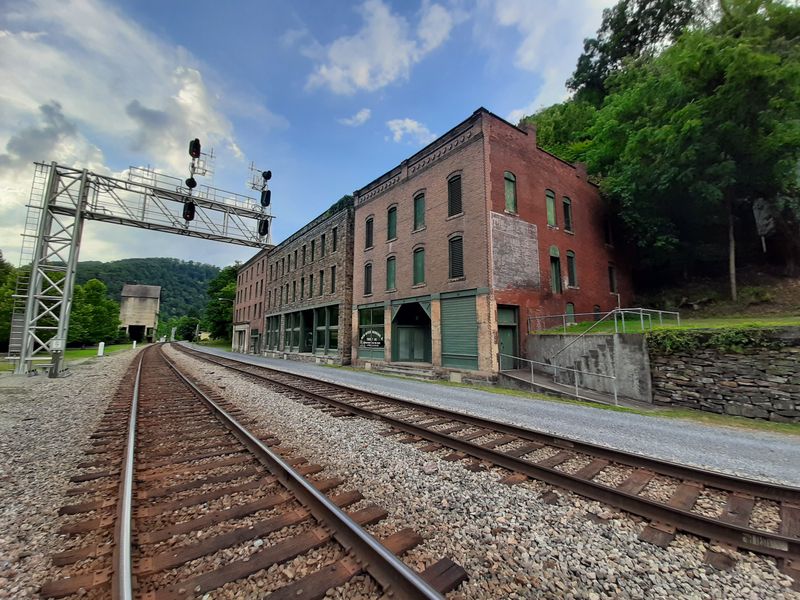
Few people call Thurmond home today, yet it once served as the beating heart of the New River Valley.
The town exploded with activity when the C&O Railway established a major center here.
Trains constantly moved through, carrying coal to markets across the nation.
Hotels, banks, and businesses lined the streets, serving thousands of workers and travelers.
The historic depot remains remarkably intact, now functioning as both a visitor center and an active Amtrak stop.
Yes, you can actually arrive by train to explore this ghost town, creating a uniquely authentic experience.
Surrounding structures stand frozen in time, their facades slowly weathering but still recognizable.
Walking the quiet streets feels like stepping into a sepia-toned photograph.
The National Park System protects Thurmond, ensuring its preservation for future generations.
Interpretive displays inside the depot explain the town’s rise and fall.
Old photographs show bustling streets now silent and empty.
The contrast between past vibrancy and present stillness strikes every visitor.
Across the river, you can see remnants of other mining operations that fed Thurmond’s economy.
The town’s location along the water made it ideal for transportation and commerce.
Visiting on a quiet morning allows you to hear only the river and birdsong, a stark difference from its noisy industrial past.
Address: Thurmond Road, Thurmond, WV 25936.
4. Sewell
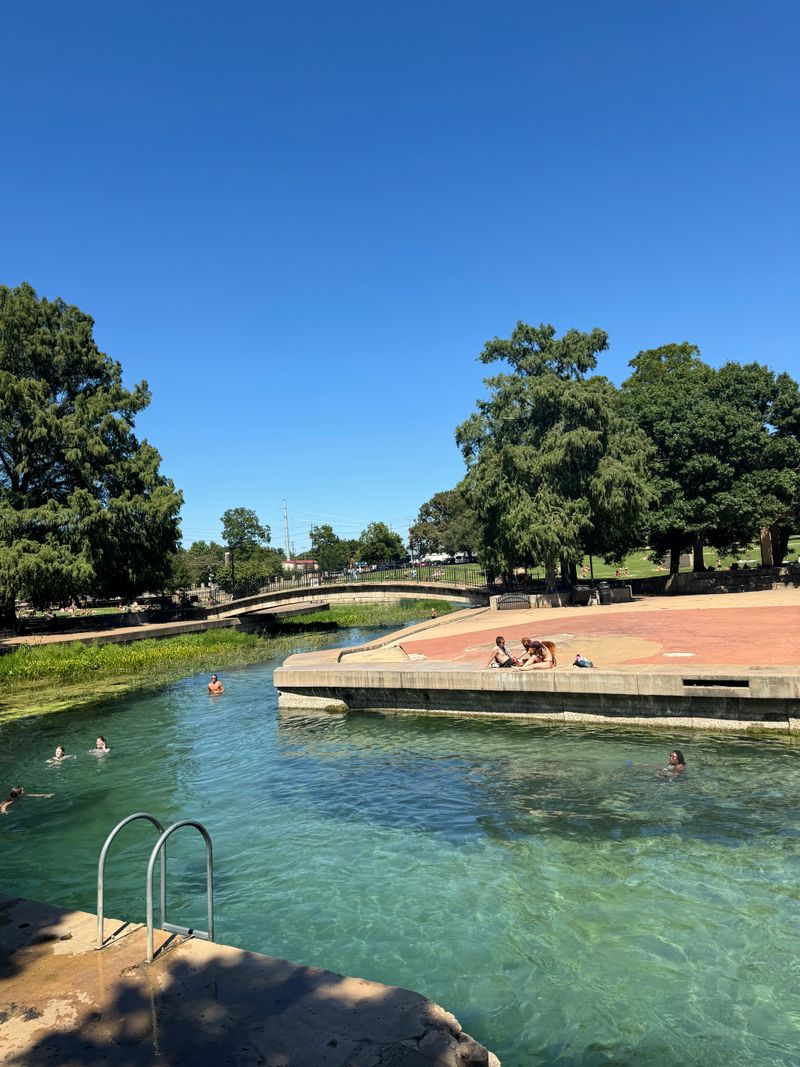
Finding Sewell requires real determination and possibly a capable vehicle.
This remote site hides off the beaten path in Fayette County, challenging even experienced explorers.
Rangers at Babcock State Park can provide directions, though they’ll likely warn you about road conditions.
A standard car might not make it all the way, making four-wheel drive vehicles the preferred choice.
The scattered remains of numerous coke ovens create an eerie landscape.
These beehive-shaped structures once refined coal into a hotter-burning form used in steel production.
Stone arches still stand despite decades of neglect and weather exposure.
Building foundations emerge from the undergrowth, hinting at where workers lived and labored.
The isolation of this location adds to its haunting atmosphere.
Modern civilization feels very far away when you stand among these ruins.
Nature aggressively reclaims the site, with trees growing through former structures.
Moss covers much of the stonework, creating green carpets over industrial remnants.
Photographers willing to make the difficult journey find unique subjects unavailable at more accessible sites.
The remoteness means fewer visitors, so you’ll likely explore in peaceful solitude.
Bring supplies and let someone know your plans, as cell service is unreliable in this area.
The rough access and primitive conditions make Sewell a true adventure for dedicated history enthusiasts.
Address: Remote location in Fayette County, WV (inquire at Babcock State Park for specific directions).
5. Coalwood
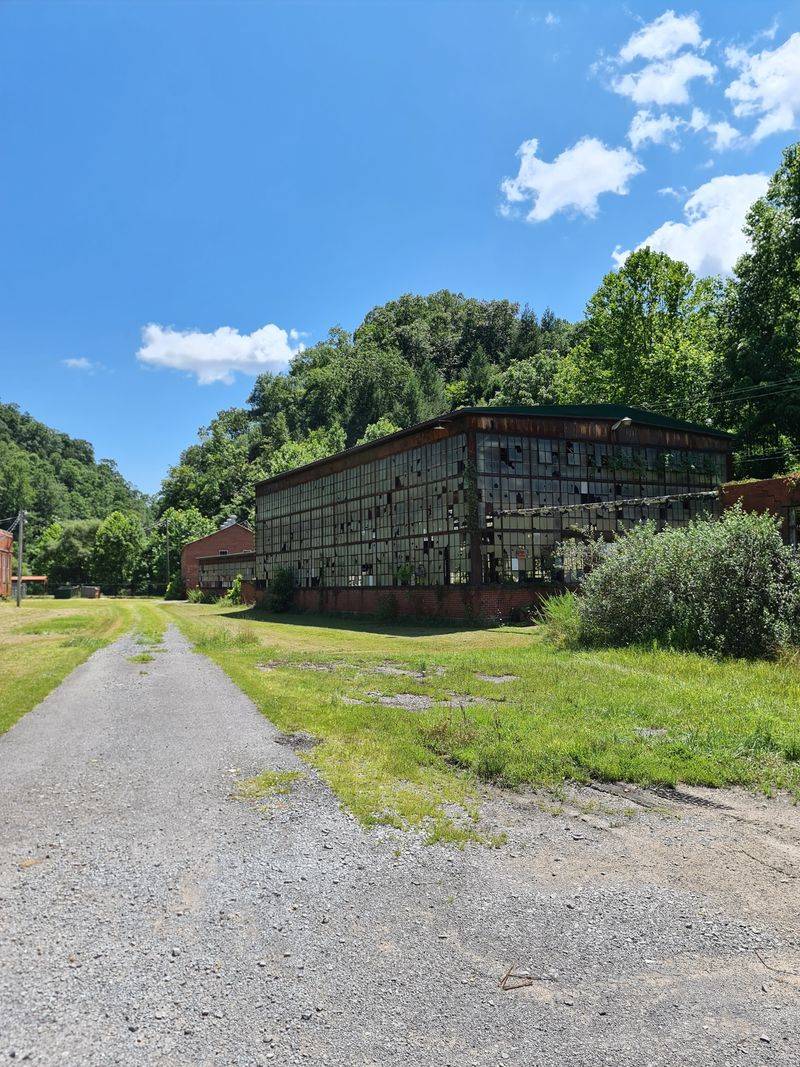
Hollywood brought brief fame to this McDowell County community through the movie October Sky.
The film told the inspiring true story of Homer Hickam, a coal miner’s son who became a NASA engineer.
His memoir Rocket Boys captured life in Coalwood when over two thousand residents called it home.
Today, most of those people are gone, leaving behind rows of empty houses.
The miners’ homes stand in eerie formation, their windows dark and doors sealed.
Nature creeps steadily through yards and around foundations, slowly pulling buildings back into the earth.
The old machine shop still stands, a hulking reminder of the industrial activity that once sustained families here.
Walking these streets feels deeply melancholic.
You can almost hear echoes of children playing and miners heading to their shifts.
The town layout remains clear, with streets and sidewalks still visible despite the abandonment.
Some structures have collapsed entirely, while others stubbornly resist decay.
Visitors familiar with the movie recognize locations featured in the film.
The actual rocket launch site sits nearby, though finding it requires local knowledge.
Coalwood represents countless similar communities across Appalachia that thrived briefly then faded when coal declined.
The silence here speaks volumes about economic change and its human cost.
Address: Coalwood, McDowell County, WV (accessible via local roads).
6. Gary

The US Coal and Coke Company created something extraordinary in McDowell County.
Gary wasn’t just a single town but a network of twelve integrated communities.
Company planners designed these settlements with unusual amenities for coal camps.
A country club served residents, along with multiple churches representing different denominations.
This attention to quality of life earned Gary its nickname as the company’s crown jewel.
At its peak, the complex supported thousands of workers and their families.
Everything revolved around coal extraction and processing, with jobs for various skill levels.
The last mine closed its doors permanently, marking the beginning of rapid decline.
Most residents eventually left to find work elsewhere, abandoning homes and businesses.
Today, only a handful of people remain, fiercely proud of their town’s history.
Empty buildings outnumber occupied ones by a vast margin.
Former commercial districts sit silent, their storefronts vacant and weathered.
The country club and other luxury facilities have long since deteriorated.
Walking through Gary reveals the ambition behind its original design.
Wide streets and substantial buildings reflect the company’s investment in creating a model community.
The contrast between that vision and current reality creates a powerful emotional impact.
Address: Gary, McDowell County, WV (accessible via state routes).
7. Fire Creek
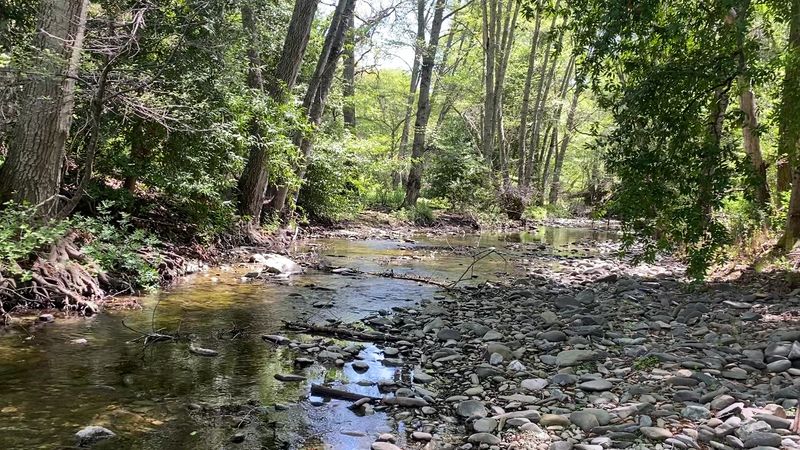
Among the earliest coal camps established in the New River Gorge, Fire Creek holds special historical significance.
The residential buildings here stood apart from typical coal town construction.
Brick rather than wood formed the walls, an unusual choice that reflected higher investment.
These sturdy structures promised greater durability and fire resistance.
Despite the superior construction, abandonment eventually claimed Fire Creek.
The post office closed its doors for the final time, ending an era.
Without postal service, the remaining residents had little reason to stay.
Families gradually moved away, seeking opportunities in communities with better prospects.
Today, only ruins and foundations mark where the community once thrived.
The brick construction means more remains visible compared to wooden coal camps.
Walls still stand in places, though roofs have long since collapsed.
Window and door openings frame views of forest where streets once ran.
The site’s early establishment date makes it particularly interesting for historians.
Fire Creek represents the first wave of coal development in the region.
Exploring these ruins provides insight into how early mining communities functioned.
The relative permanence of brick construction preserved more architectural details than you’ll find at other sites.
Vegetation grows through buildings, creating striking contrasts between industrial past and natural present.
Address: Fire Creek, Fayette County, WV (accessible via gorge area roads).
8. Royal
Across the river from Prince, Royal once thrived as a productive coal community.
Engineers installed an impressive aerial tramway to transport coal across the water.
This technological achievement allowed efficient movement of material despite the challenging terrain.
Workers and their families built lives around the mining operation, creating a complete town.
Abandonment came suddenly when operations ceased.
The town emptied rapidly as residents sought employment elsewhere.
Without maintenance, nature began immediate reclamation.
Decades of forest growth have almost completely hidden Royal from view.
The site has become truly forgotten, known only to dedicated researchers and local historians.
Finding any trace of the town requires expert guidance and persistence.
Foundations occasionally emerge from the thick undergrowth if you search carefully.
Stone walls survive in scattered locations, their mortar crumbling but structures still recognizable.
The aerial tramway left minimal permanent traces, making it nearly impossible to visualize.
This complete erasure creates an almost archaeological experience for visitors.
You’re essentially excavating history from beneath forest floor and vegetation.
Royal represents the final stage of coal town evolution: total disappearance.
The contrast between its former industrial significance and current invisibility could not be more dramatic.
Standing in the forest where a community once existed, now completely vanished, provides profound perspective on impermanence.
Address: Royal, Raleigh County, WV (extremely difficult to locate, requires local expertise).
Dear Reader: This page may contain affiliate links which may earn a commission if you click through and make a purchase. Our independent journalism is not influenced by any advertiser or commercial initiative unless it is clearly marked as sponsored content. As travel products change, please be sure to reconfirm all details and stay up to date with current events to ensure a safe and successful trip.
