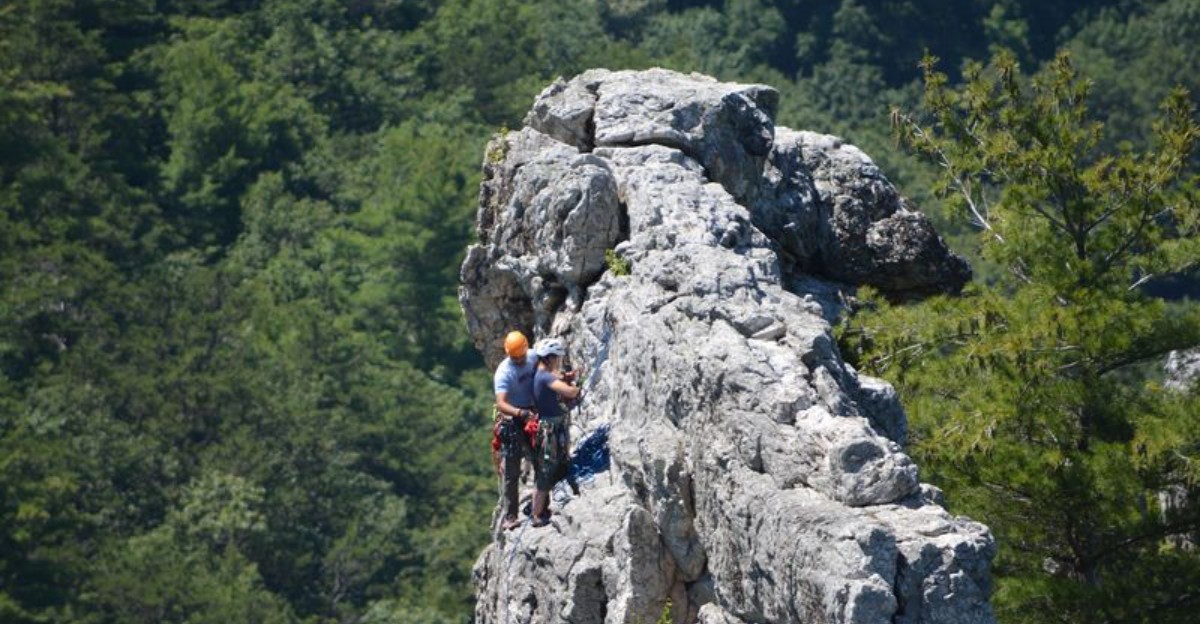
Some places hide their most remarkable stories in plain sight, and this towering wall of rock in West Virginia is one of them. Long before hikers and rock climbers came for the views, soldiers scrambled up these cliffs to learn skills that would carry them across the mountains of wartime Europe.
It is easy to drive past without knowing that more than 100,000 men once trained here. Stick around, and you will discover a piece of history most folks have completely forgotten.
Where the Rocks Rise Along the North Fork
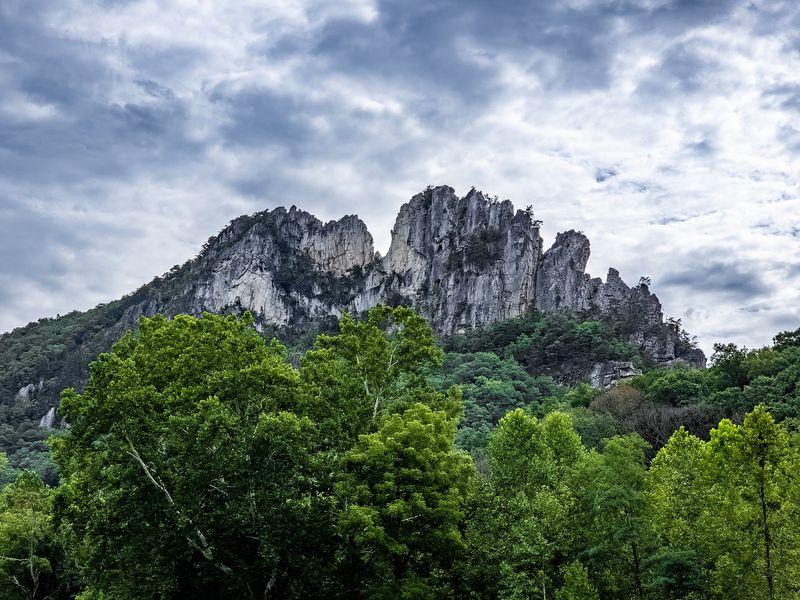
Standing tall in Pendleton County, this rugged formation greets travelers at the meeting point of US 33, WV 28, and WV 55. The community around it sits near where Seneca Creek joins the North Fork South Branch Potomac River.
Folks who grew up nearby may still remember when the little settlement went by another name, Mouth of Seneca. That older title feels fitting for a place tucked so deeply into the folds of the Allegheny landscape.
Sharp blades of rock climb nearly 900 feet above the valley floor, catching the morning light in a way that stops drivers in their tracks. The sheer scale of the cliffs makes them impossible to ignore.
What sets this spot apart is the way natural beauty and buried history sit side by side. Modern visitors come for the scenery, but underneath all that peaceful green lies a wartime story worth remembering.
The address is simply West Virginia 26884, a quiet code for a place that once helped shape a generation of soldiers.
A Secret Army Classroom in the Mountains
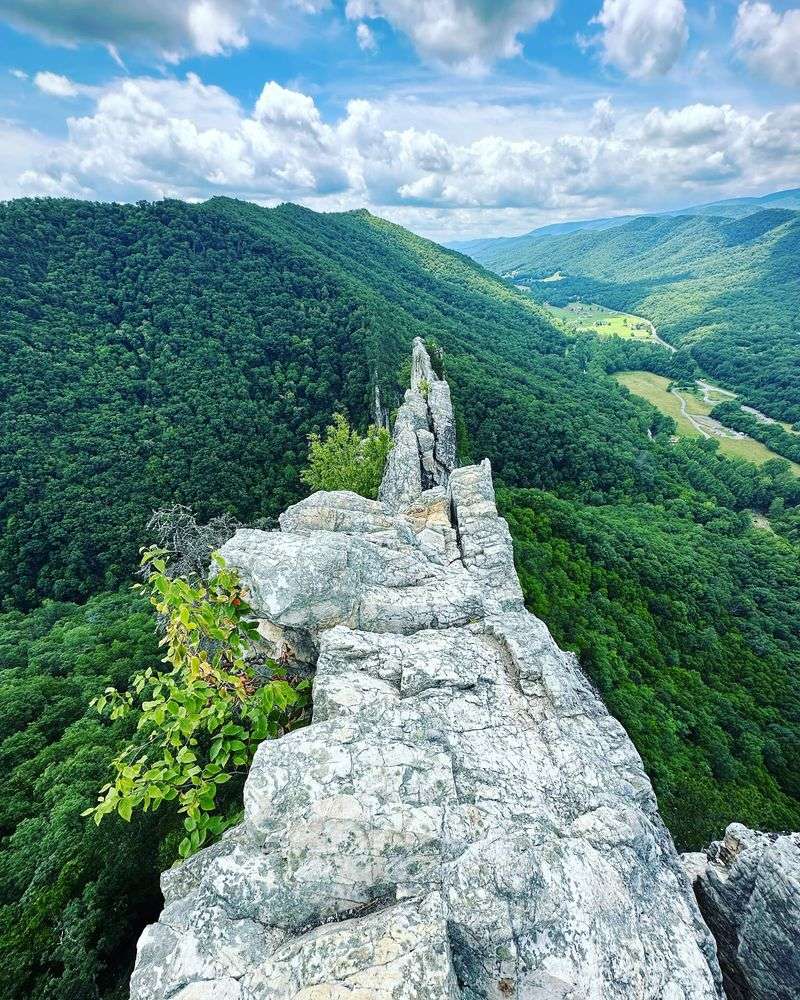
Hardly anyone driving through today would guess that these peaceful cliffs once buzzed with military drills. From 1943 to 1944, this remote corner of West Virginia became a training ground for the U.S.
Army.
The plan was straightforward but ambitious. Commanders wanted soldiers ready to fight across rugged terrain, especially the steep landscapes expected in northern Italy.
That meant teaching regular troops how to move like mountaineers.
Setting up shop in a place so far from everything had its advantages. The isolation kept the training focused, and the towering rock offered exactly the kind of challenge the Army needed.
Soldiers arrived from five different divisions, learning skills that many had never imagined trying. Medics, engineers, officers, and enlisted men all took their turns on the stone.
By the time the school wrapped up in June 1944, reportedly more than 100,000 men had passed through. For a spot that most maps barely mention, that is a staggering number of lives touched by a single stretch of West Virginia rock.
The Ski Troopers Who Started It All
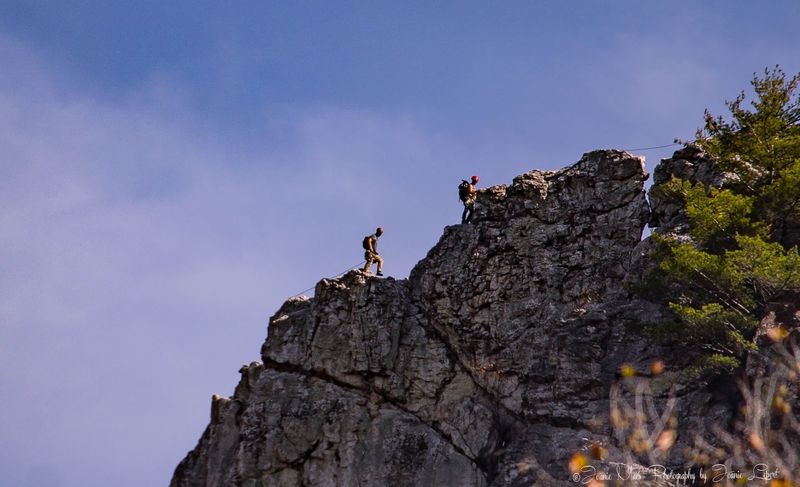
Every great school needs great teachers, and this one had some of the finest climbers in the country. The first instructors came from Camp Hale, Colorado, part of a group known as the Mountain Training Group.
People sometimes called these men ski troopers or snow soldiers, nicknames that hint at the frosty conditions they were used to. They were world-class mountaineers long before they ever set foot in West Virginia.
Bringing that level of expertise to the Appalachians made all the difference. The MTG established the program, set the standards, and passed their hard-won knowledge to soldiers who had never scaled anything taller than a barn.
Their reputation was built on real skill in serious terrain. When they demonstrated a technique, the men watching knew they were learning from experts who had earned every bit of their confidence.
Over time the program grew far beyond its small beginnings. What started with a handful of elite climbers expanded into a full training operation, all thanks to those early instructors who carried the mountain-craft of Colorado into the hills of West Virginia.
Learning to Climb the Hard Way
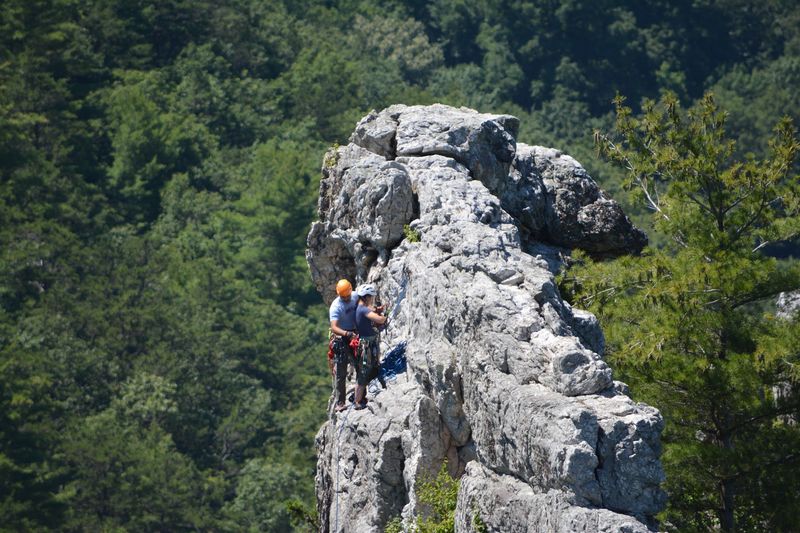
Grabbing a handhold and trusting your feet on bare rock takes practice, and these soldiers got plenty of it. The curriculum covered the building blocks of climbing, starting with hand and foot holds.
From there the lessons grew tougher. Men learned to rappel down cliff faces, hammer in pitons for safety, and work together as roped teams where one mistake could put everyone at risk.
Trust became just as important as strength. When your partner is holding the rope, you learn quickly to rely on the person beside you.
The training pushed both body and mind. Building strength and agility mattered, but so did the mental grit needed to keep going when the ground fell away hundreds of feet below.
Every drill had a purpose tied to real combat. The Army was not teaching sport climbing for fun, but preparing men for the moment when scaling a cliff might be the only way forward.
Watching that progression, from nervous first grips to confident team ascents, must have been remarkable. It turned ordinary soldiers into capable mountain fighters.
Night Climbs and Mountain Rescues
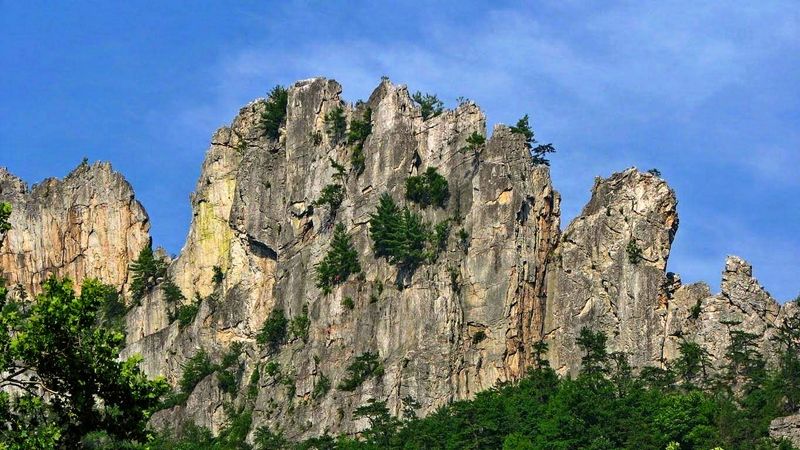
Daylight makes climbing hard enough, but these soldiers were expected to manage in the dark too. Night-climbing exercises pushed their nerve and skill to a whole new level.
Feeling for holds you cannot see, trusting muscle memory, and moving quietly up a cliff after sundown demanded serious focus. It was the kind of training that separated the prepared from the panicked.
Beyond the climbing itself, the school taught something just as vital, getting injured men down safely. Medical evacuations from high altitudes were part of the drills.
Imagine lowering a wounded comrade down a rock face using ropes and teamwork, all while keeping calm. That skill would prove priceless in real mountain combat.
The combination of climbing up and rescuing others coming down gave the training a full-circle purpose. Soldiers were not just learning to reach the top, but to bring everyone home.
These challenging conditions, with unpredictable weather and dizzying heights, built a fierce bond among the men. Facing fear together tends to forge friendships that last a lifetime, and the mountain demanded that kind of loyalty.
Part of a Sprawling Five-County Training Zone
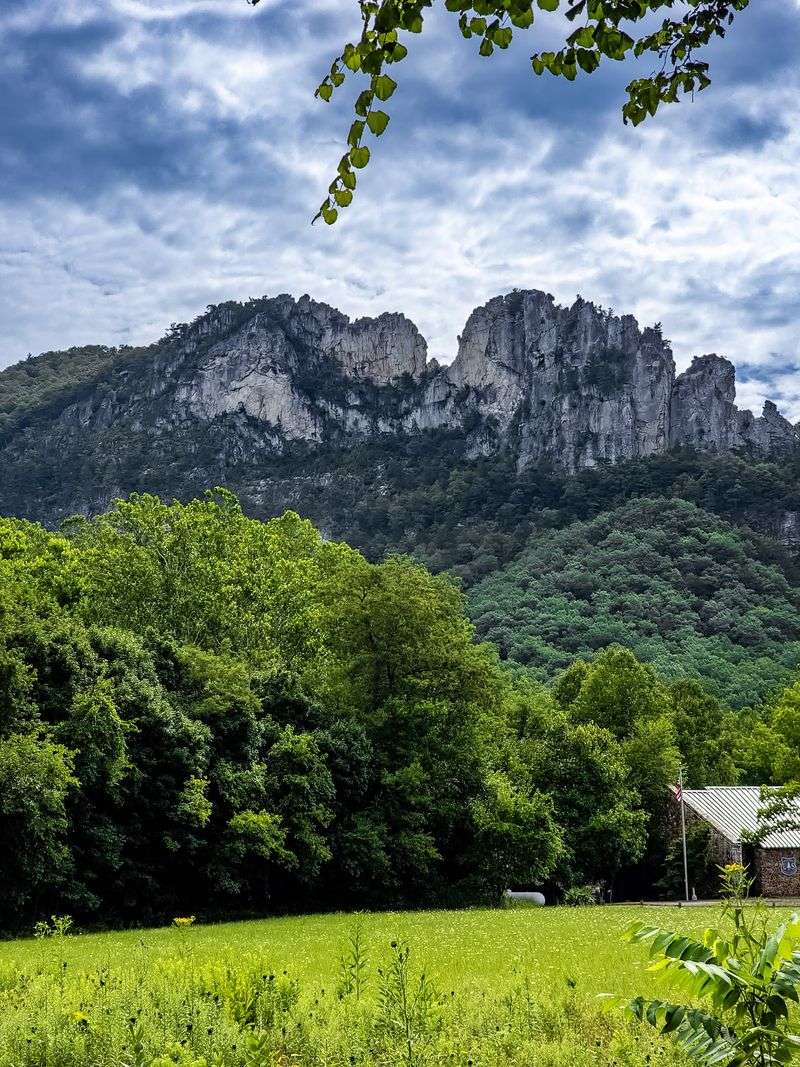
The cliffs were just one piece of a much larger puzzle. The climbing school belonged to the West Virginia Maneuver Area, a training zone that stretched across five counties.
Spread over that much ground, the WVMA gave the Army room to prepare troops for all kinds of overseas challenges. The rocky heights were the dramatic centerpiece, but plenty of other drills unfolded across the region.
Thinking about the scale helps explain why so many men trained here. A single climbing wall could never handle 100,000 soldiers, but a whole network of terrain could.
The rugged Appalachian landscape turned out to be ideal for the job. Steep ridges, thick forests, and unpredictable weather mirrored the conditions troops would face abroad.
Local communities across those counties would have felt the presence of all those soldiers. For a stretch of the 1940s, this quiet part of West Virginia hummed with military purpose.
Seen this way, the rocks were not an isolated oddity but the shining example of a broader effort. The whole region pitched in to ready America’s forces for war.
From These Cliffs to the Battle of the Bulge
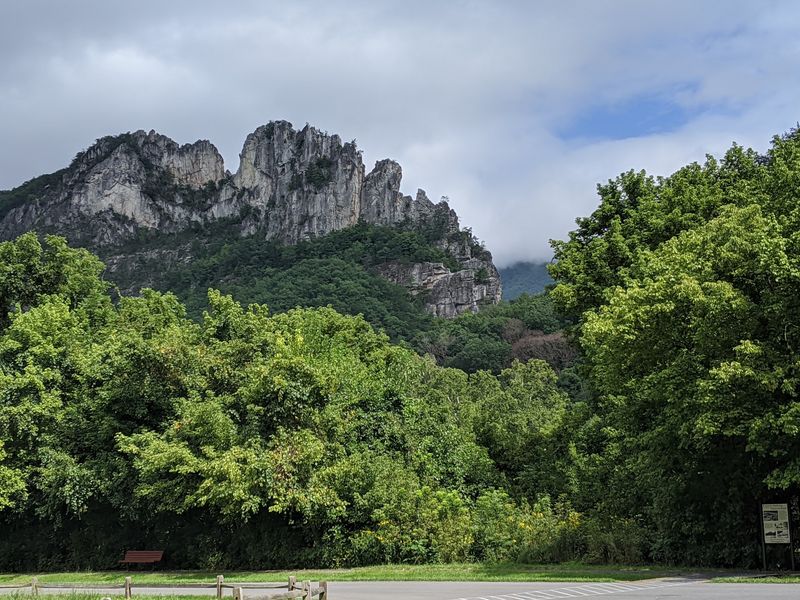
Skills learned on West Virginia rock did not stay in West Virginia. The techniques mastered here reportedly proved instrumental for units that later fought in major European engagements.
Among those battles was the Battle of the Bulge, one of the most demanding fights of the war. Soldiers who had once fumbled with pitons on these cliffs carried their training into brutal winter combat.
Another notable moment tied to this preparation was the capture of the Remagen bridge. That crossing became a turning point, and the men who took it had trained in mountain warfare beforehand.
It is humbling to draw a line from a quiet Appalachian valley to the front lines of Europe. What began as climbing lessons became life-or-death readiness.
The connection gives these rocks a weight that goes far beyond scenery. Every rusty piton left behind links directly to the courage shown overseas.
Locals and history buffs alike take pride in knowing their corner of the state played such a role. A place this remote helped shape the outcome of enormous events, which is a legacy worth remembering.
Rusty Pitons Still Clinging to the Rock
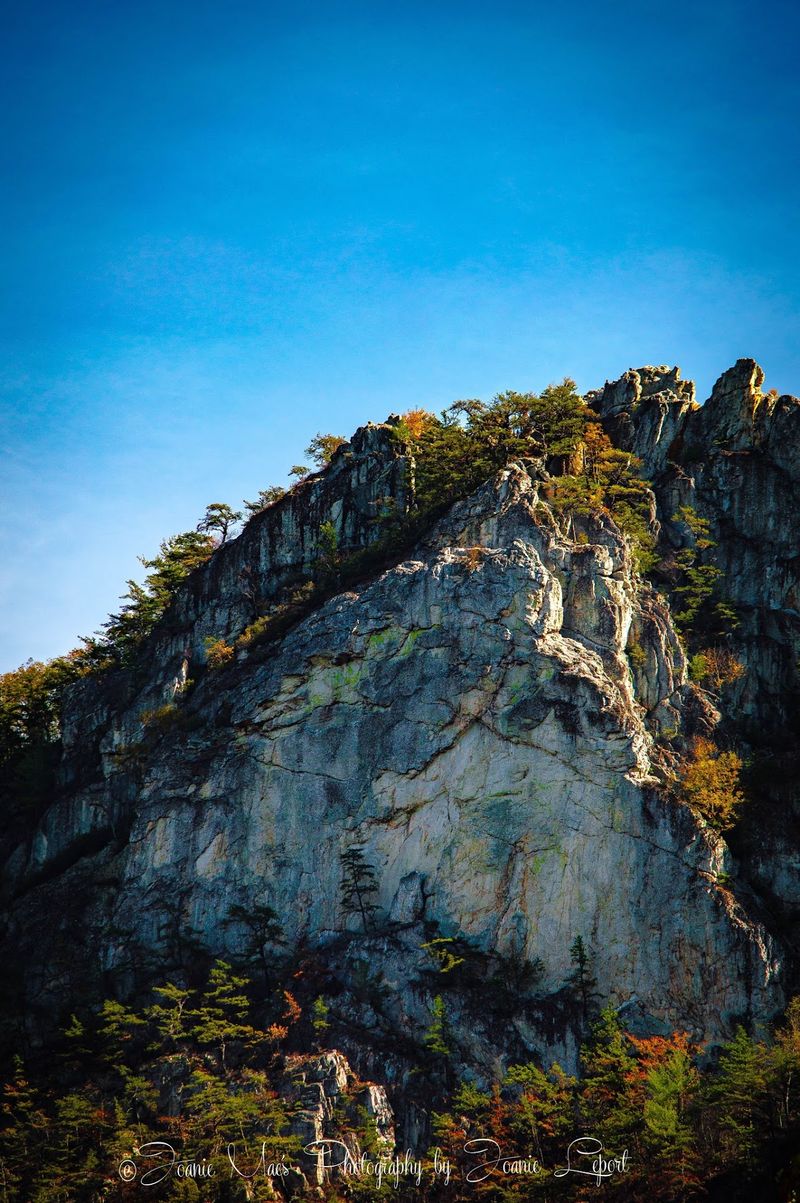
Look closely at the rock faces today and you might spot small metal reminders of the past. Rusty pitons still dot the cliffs, left behind by the soldiers who once trained here.
These weathered spikes were hammered into cracks to secure ropes during climbs. Decades later, they remain wedged in the stone like tiny time capsules.
Finding one feels a bit like discovering a fingerprint from history. Each piece of rusted iron marks a spot where a soldier trusted his life to the mountain.
The routes and nicknames the men gave their climbs have mostly faded away. Names that once meant something to a squad have slipped out of memory.
Even so, the pitons endure as quiet witnesses. They speak to the determination and sacrifice of the frontier fighters better than any plaque could.
Modern climbers who notice them often pause with a bit of respect. Standing where those soldiers stood, gripping the same rock, creates a connection across the years.
Small as they are, these bits of metal turn the whole formation into an open-air memorial worth honoring.
A Playground for Modern Rock Climbers
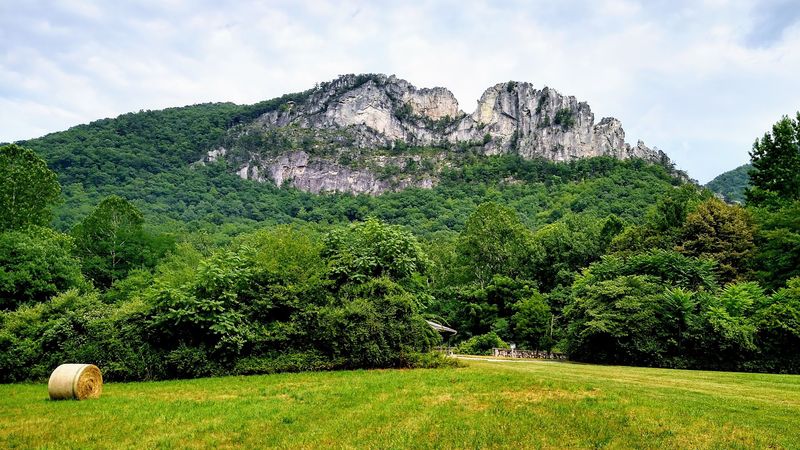
The soldiers are long gone, but the climbing tradition never stopped. Today this towering formation ranks among the most beloved rock climbing destinations in the eastern United States.
Enthusiasts travel from all over to test themselves on the sharp quartzite spines. The same features that challenged wartime troops now draw weekend adventurers eager for a thrill.
There is something poetic about that continuity. Where soldiers once trained for survival, climbers now chase joy and personal achievement on the very same holds.
Routes here range in difficulty, offering challenges for both seasoned climbers and those building their skills. The nearly 900-foot walls provide plenty of vertical adventure.
For anyone who loves the sport, the history adds an extra layer of meaning. Knowing that generations of climbers, both military and civilian, have touched this rock makes the experience richer.
Guides and outfitters in the area help newcomers get started safely. You do not have to be a mountaineer to appreciate what makes this place special.
Whether you climb or simply watch from below, the sight of people scaling those cliffs is unforgettable.
The Discovery Center That Tells the Story
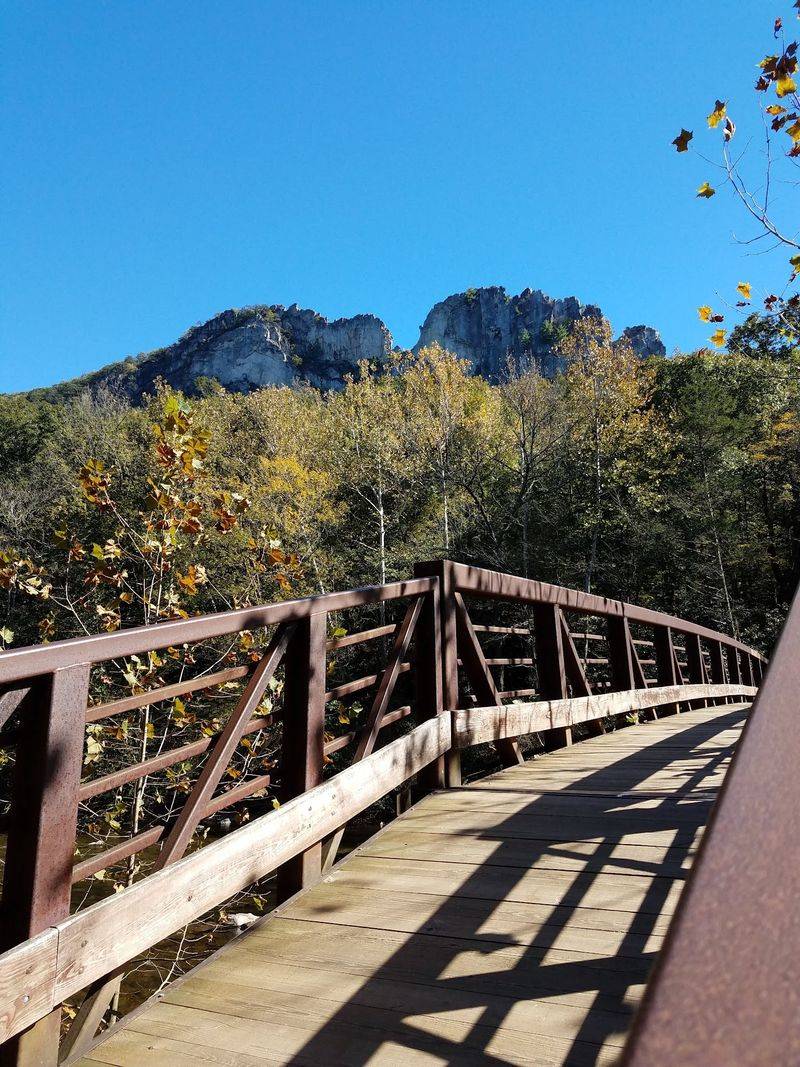
Curious minds have a perfect place to learn more without ever tying into a rope. The Seneca Rocks Discovery Center offers educational exhibits that bring the area’s story to life.
Displays cover both the geology of the rocks and the history that unfolded here. You can trace how these dramatic formations came to be over millions of years.
The center makes a great first stop for families and casual visitors. Reading about the wartime training school adds real depth to what might otherwise look like just a pretty cliff.
Interactive and informative in equal measure, the exhibits welcome all ages. Kids and grandparents alike tend to find something that catches their interest.
Stopping in also helps you appreciate the view before you head outside. Once you know what happened here, the rocks seem to hold a whole new significance.
For retirees and history lovers especially, the Discovery Center is a comfortable, engaging way to connect with the past. No steep climbing required, just curiosity.
It stands as the gateway to understanding why this forgotten school still matters today.
The Setting That Makes It Worth the Drive
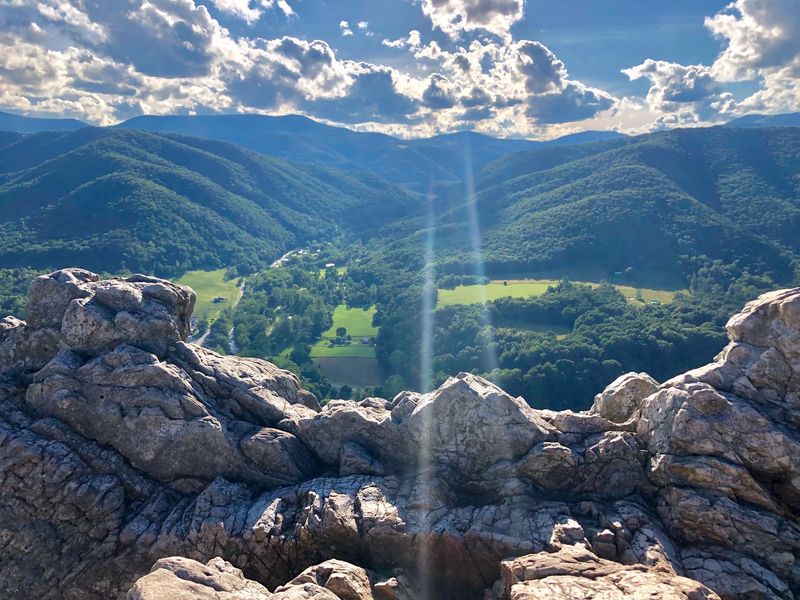
Pure scenery might be reason enough to visit, even setting the history aside. Nestled deep in the rugged beauty of the Allegheny highlands, this spot delivers views that linger in your memory.
The confluence of Seneca Creek and the North Fork South Branch Potomac River adds gentle water sounds to the dramatic backdrop. Mountains, rock, and flowing streams come together in one frame.
Each season paints the landscape differently. Summer brings lush green, while autumn sets the hillsides ablaze with color that reflects in the water.
Photographers find endless angles here. The way the cliffs catch light throughout the day gives every hour its own mood.
Getting there means a scenic drive through some of West Virginia’s prettiest country. The winding roads are part of the experience, not just the route.
Whether you come for a picnic, a hike, or simply to sit and take it in, the surroundings reward your effort. Peace and grandeur share the same view.
For anyone weary of crowded tourist spots, the quiet majesty here feels like a genuine escape into old-fashioned natural wonder.
Planning Your Visit to Pendleton County
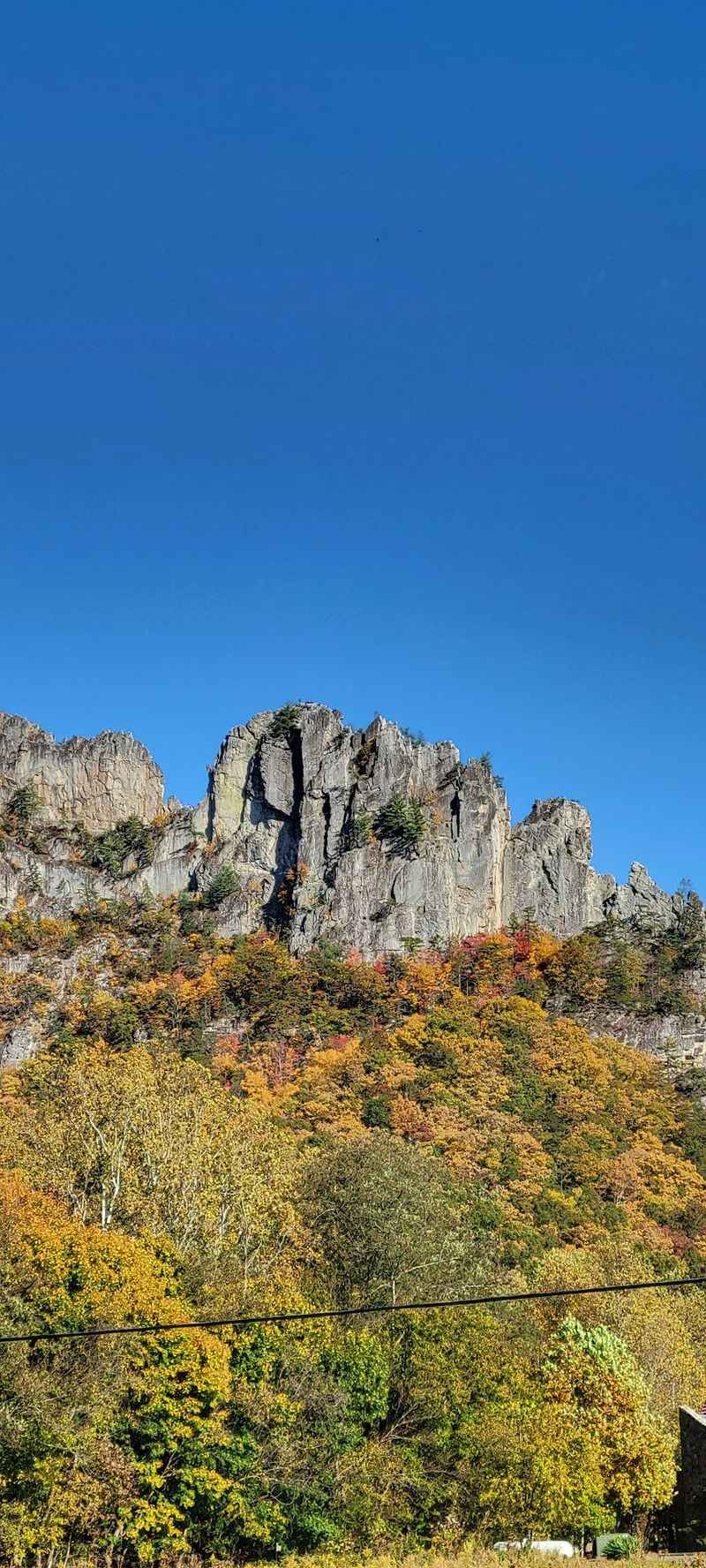
Ready to see it for yourself? Reaching this landmark is easier than its remote reputation suggests, thanks to a handy meeting of highways.
The site sits at the junction of US 33, WV 28, and WV 55 in Pendleton County. Those roads make it a natural stop on a mountain road trip.
The address is simply West Virginia 26884, and the coordinates land you right at the base of the action. GPS will guide you to the spot without much trouble.
Come prepared for a rural setting, since services in the immediate area are limited. Fill up your tank and pack water before you arrive.
Comfortable shoes are a must whether you plan to hike or just explore near the base. The terrain rewards those who dress for the outdoors.
The Discovery Center serves as a helpful home base for information and orientation. Start there to make the most of your trip.
Weather in the highlands can shift quickly, so checking the forecast pays off. Bring a layer even on warm days, since mountain air has a mind of its own.
A Forgotten Chapter Worth Remembering
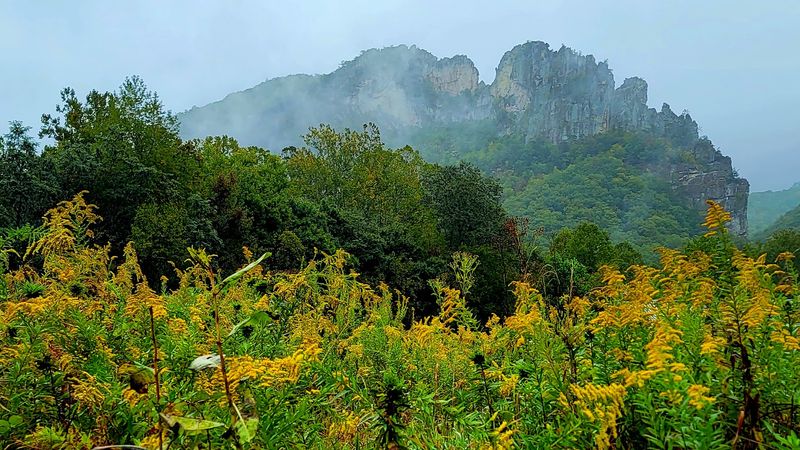
Some destinations wow you with size, others with beauty, and a rare few with a story that changes how you see them. This West Virginia treasure manages all three at once.
Standing beneath the cliffs, it is hard not to feel a quiet respect for the men who once trained here. What looks like a simple wall of rock carries a legacy of courage.
The blend of natural splendor and hidden history makes it a stop for nearly everyone. Climbers, families, retirees, and history buffs all find something to love.
Best of all, appreciating the place costs little more than your time and attention. In an age of pricey attractions, an honest slice of scenery and heritage feels like a genuine bargain.
If you have driven past without stopping, consider this your gentle nudge to turn back someday. The pitons in the rock and the tales in the Discovery Center are waiting.
A visit here connects you to a proud piece of West Virginia’s past. Few forgotten places reward the curious quite so richly, and this one has earned its remembering.
